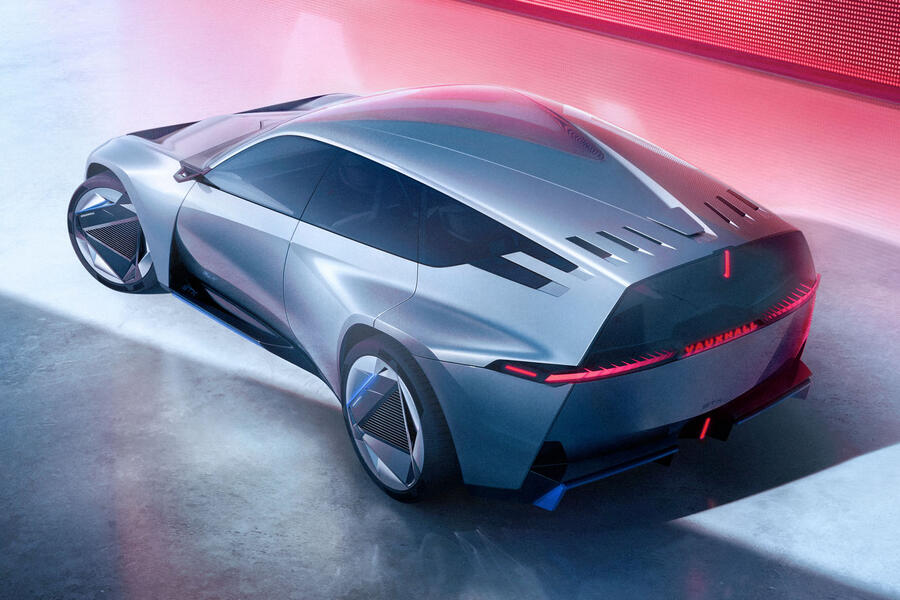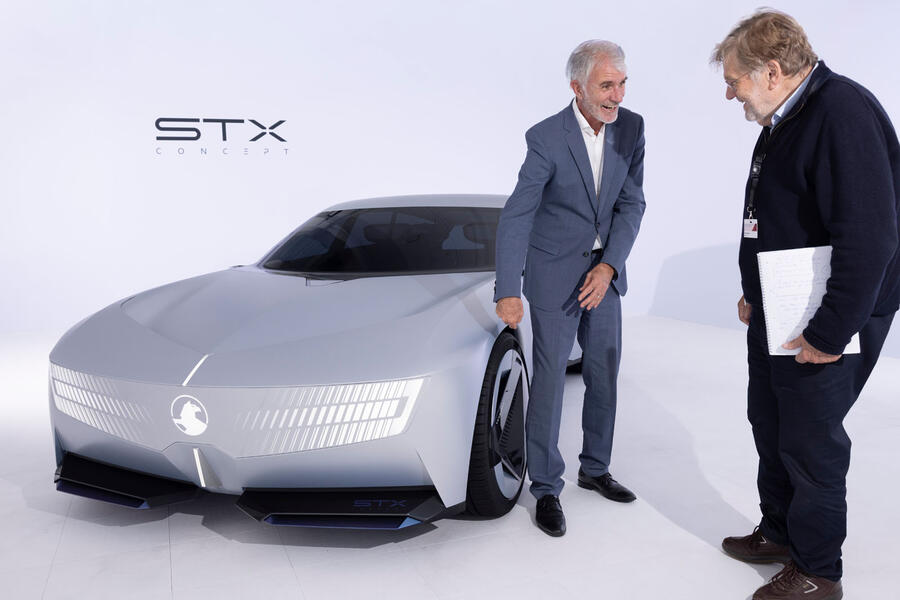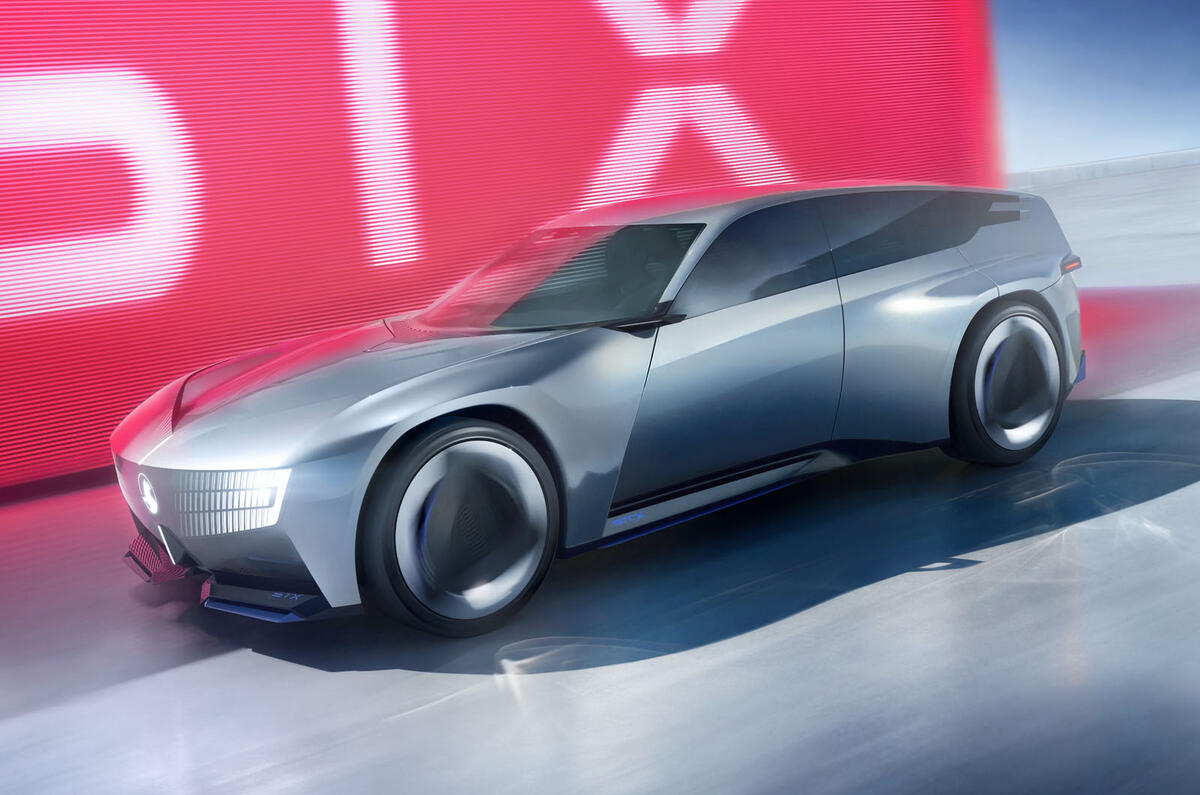
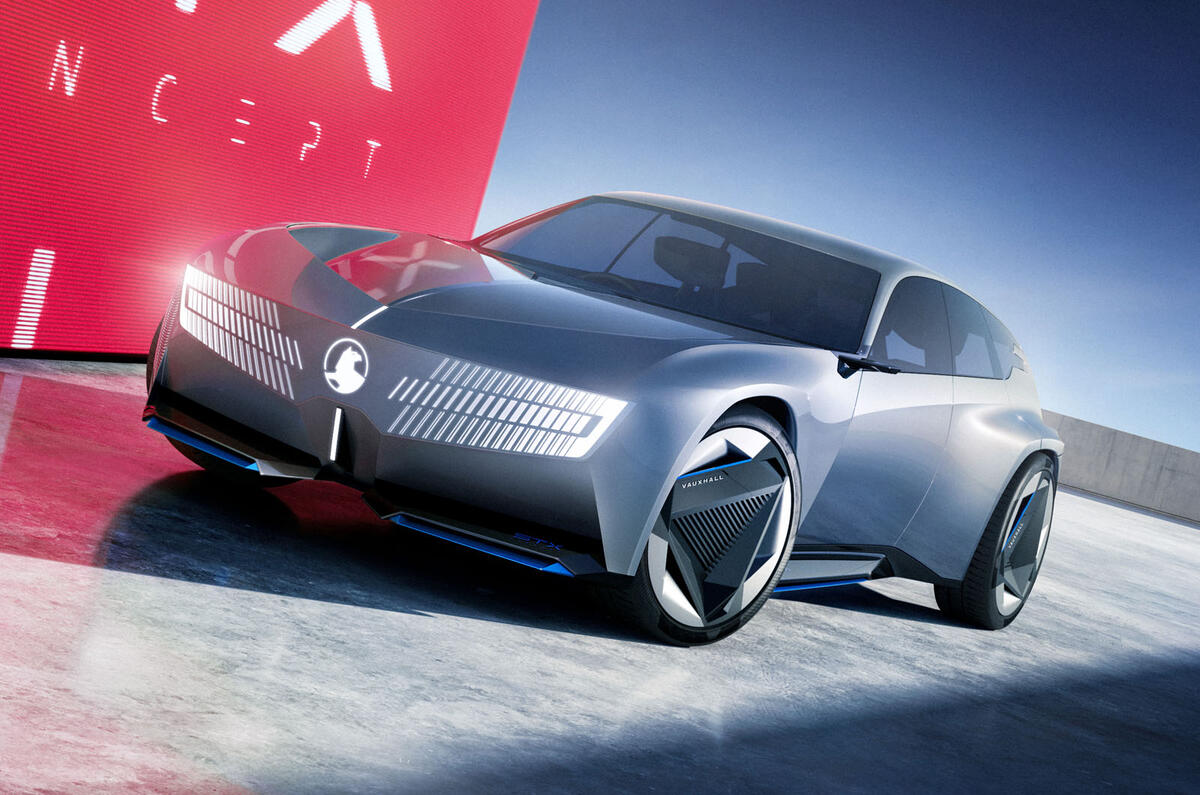
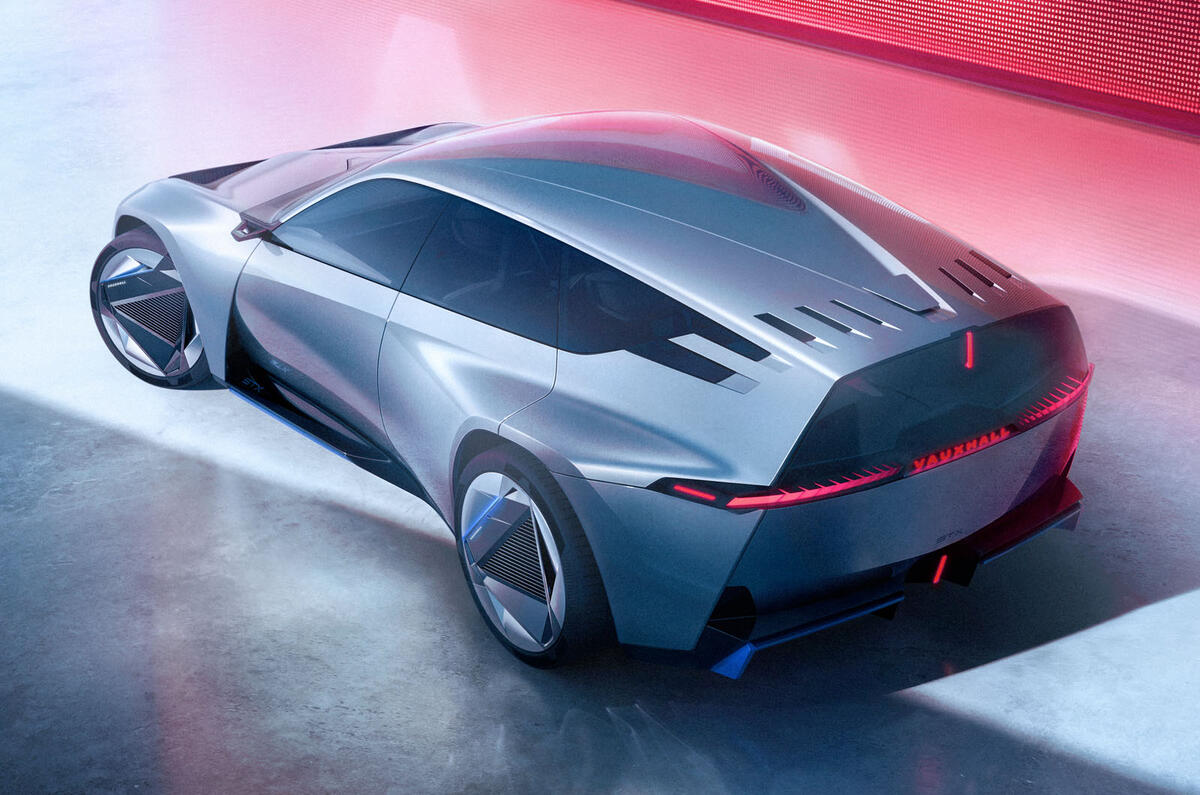
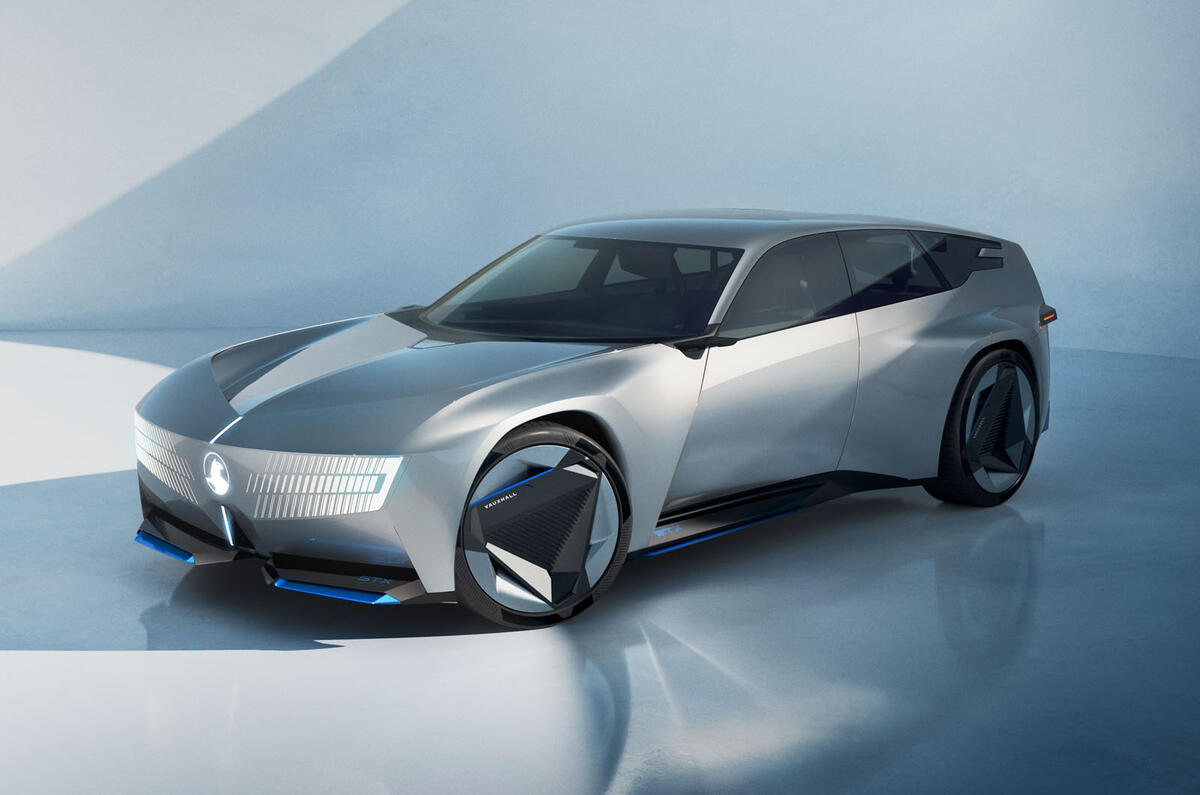
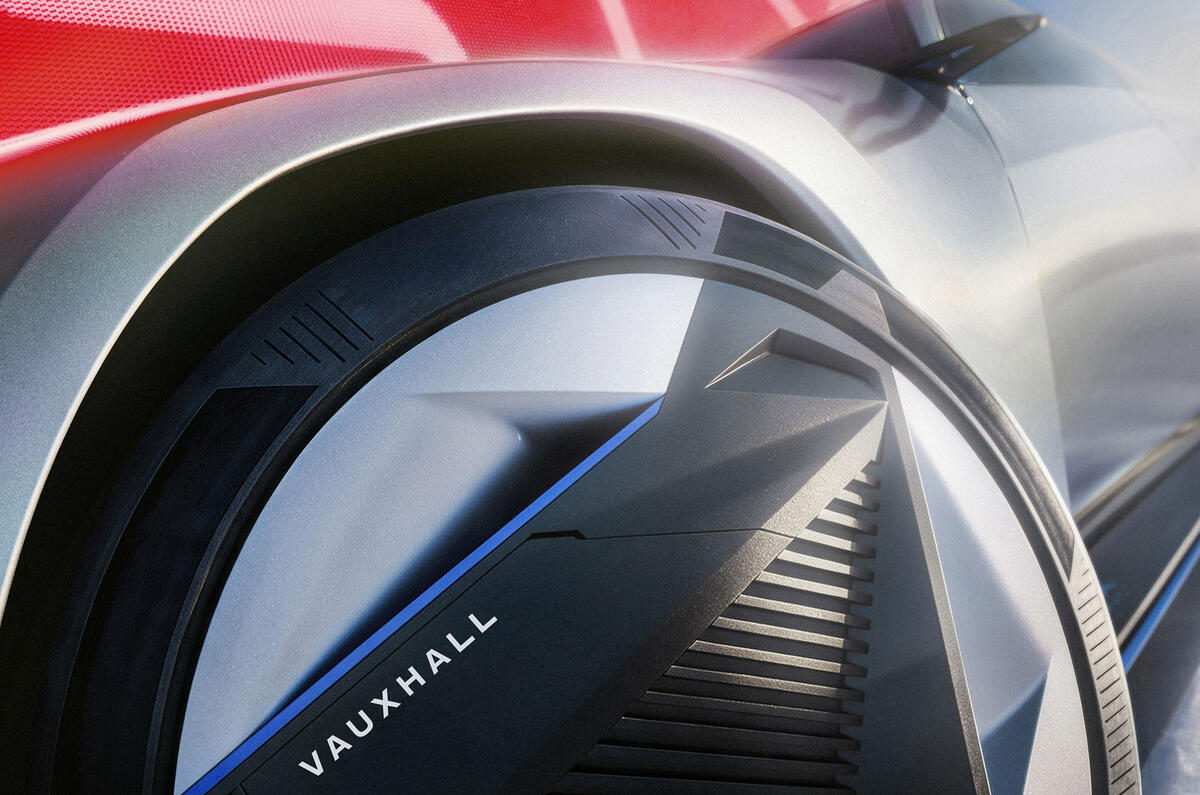








Vauxhall has unveiled the STX, a concept that points to a new and radical design direction for estate cars – and, in the years to come, all of its future models.
The STX – for Sports Tourer Experimental – is a low-roofed, streamlined and extensively sculpted design that, say designers, is “only slightly” longer than today’s Astra Tourer and continues a show car tradition begun in 2018 by the seminal GTX concept.
That coupé-style SUV proposal introduced Vauxhall’s now-familiar Vizor grille style and was the precursor to the successful second-generation Mokka sporty SUV, which appeared two years later and continues in production today after a recent refresh.
Similarly, the STX is expected to preview the shape of the new Astra, tipped to arrive at the end of the decade primarily in estate format, catering for buyer demand that is shifting away from traditional hatchbacks.
While technical specifications are scarce, the STX is proposed as a pure EV with four-wheel drive and a top speed above 124mph. Its saloon-like lowness points to what engineers described as an “innovative electric architecture” but they gave no details beyond an industry-wide expectation that traction batteries will continue to get more compact and easier to accommodate in the future.
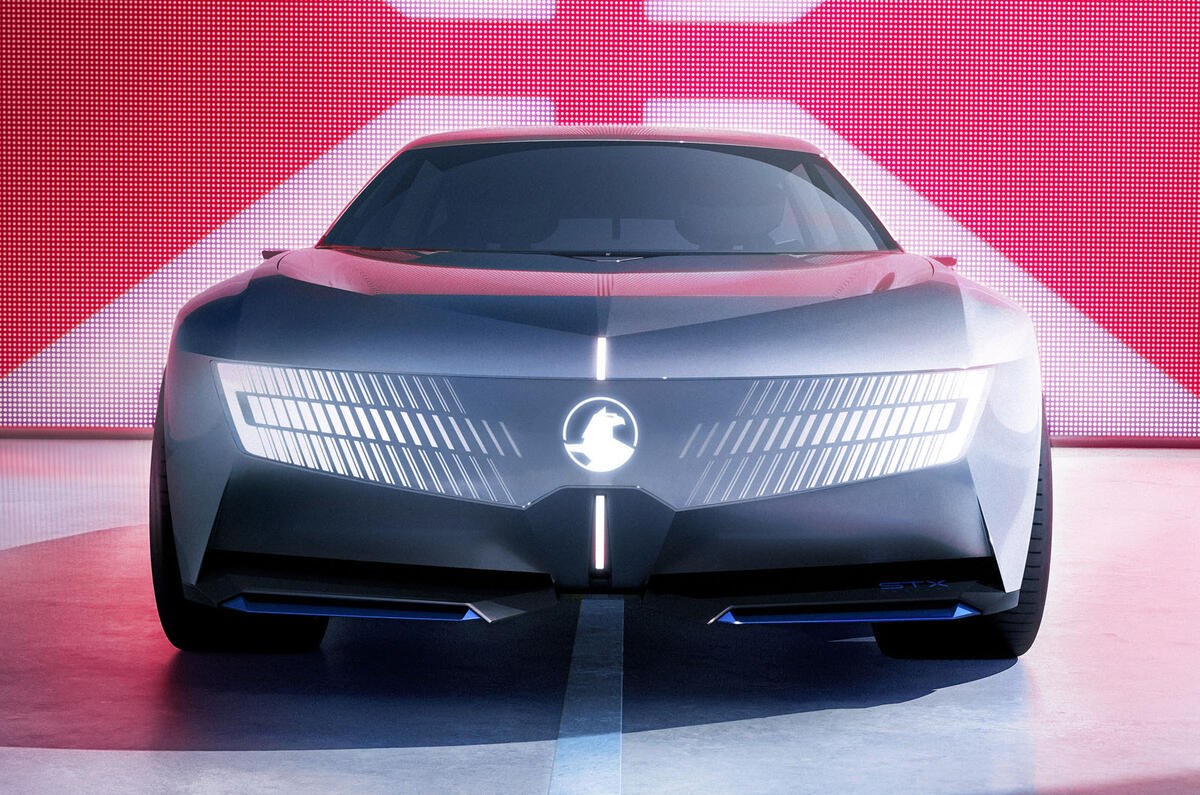
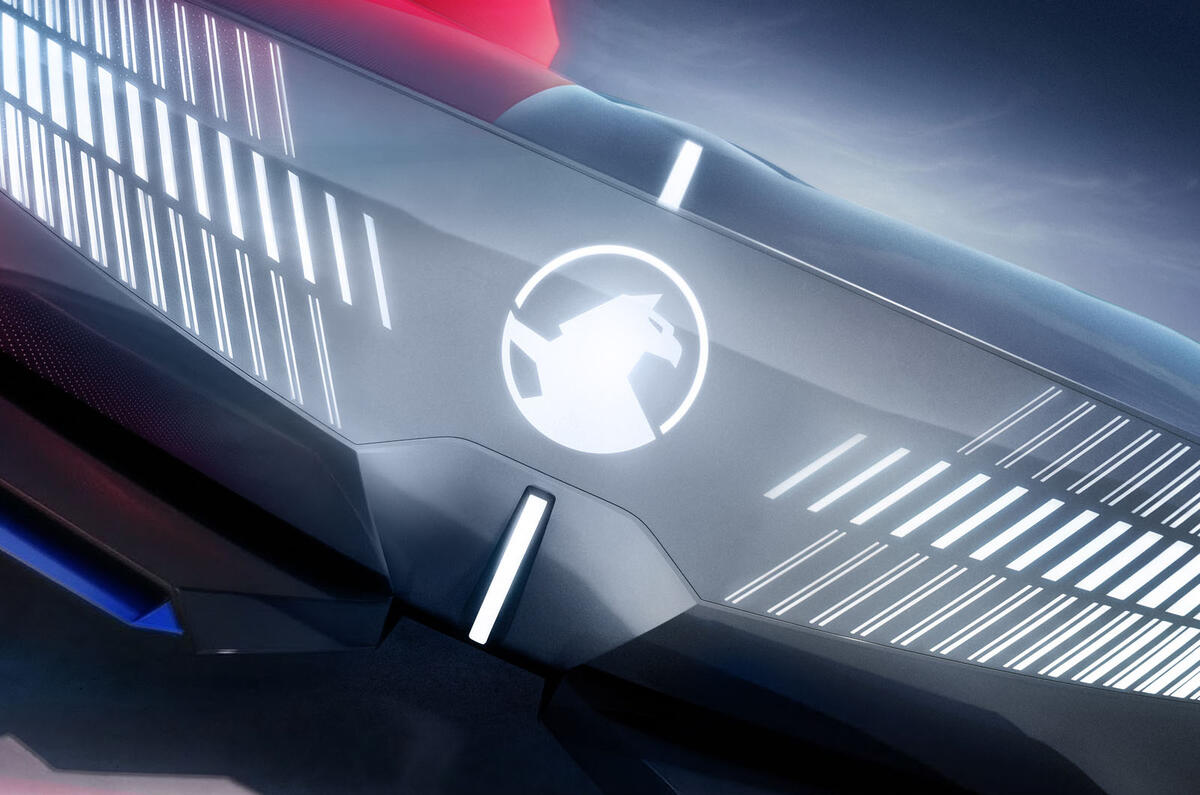
The STX boldly develops the Vizor theme with graduated lighting elements across the front of the car that both provide an easily recognised daylight-running signature and incorporate tiny, almost invisible headlights at the extremities.
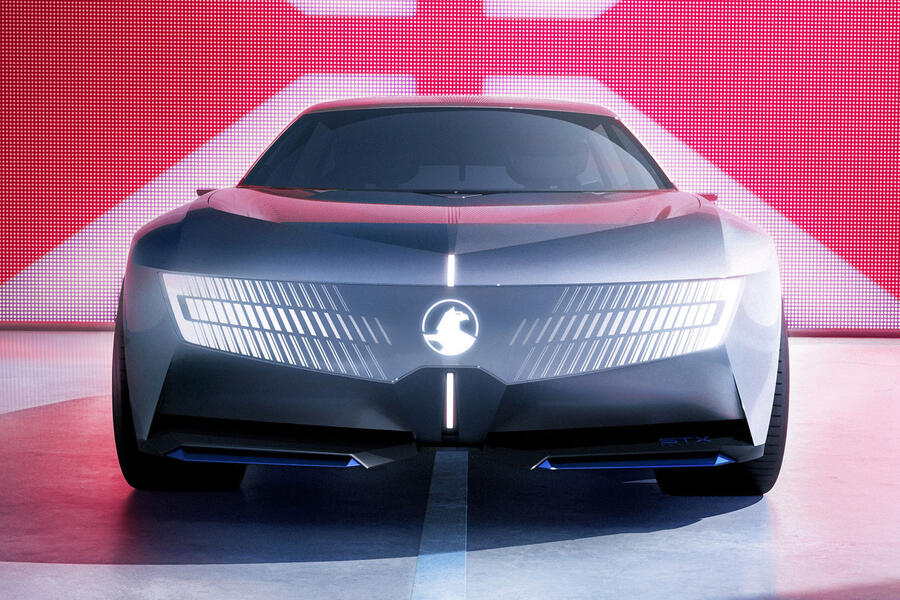
The STX also maintains Vauxhall’s traditional ‘compass’, a prominent centre line that starts in the middle of the Vizor grille and runs the length and width of the car. It is the first Vauxhall to use a newly designed version of the marque’s griffin badge, which was first applied to a Vauxhall car more than 110 years ago.
This latest iteration has been simplified, partly because European regulations now permit grille elements and badges to be illuminated. The STX has a wide, strikingly low nose, almost reminiscent of a sports car, with boldly shaped front wings.
The dark-painted front spoiler comprises sharp, technical parts deliberately meant to contrast with the more muscular elements above it. The well-raked windscreen grows seamlessly out of the bonnet to a curved roofline that then slopes radically downward to the car’s abruptly cut-off rear, one of its most eye-catching elements.