Currently reading: Call for speed camera revenues to be spent on road safety

Police and charities want motoring fines to help pay for safety measures

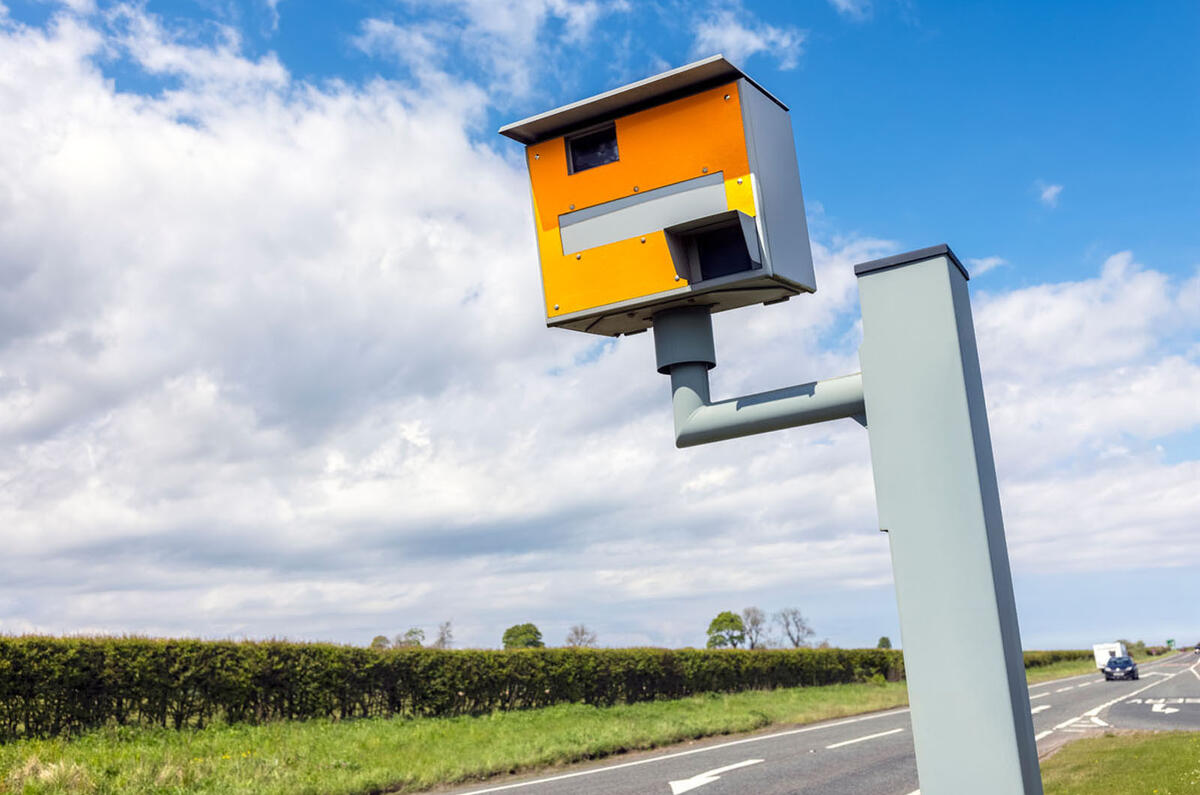
Police chiefs and charities have appealed to the government to let them spend cash raised through speed camera fines on road safety measures, rather than it going straight to Treasury coffers, as hundreds of people continue to die on UK roads every year.

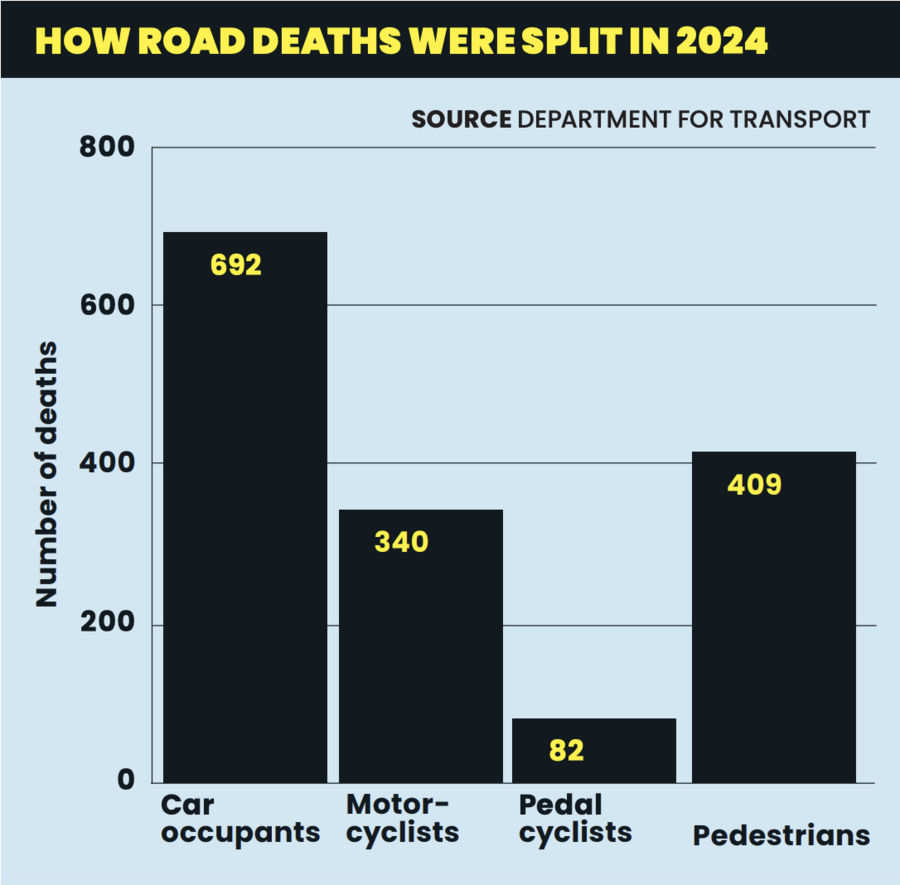
In 2024, four people were killed each day, and 76 were seriously injured, as a result of highway incidents. Although fatalities dropped by 1% compared with 2023, road safety charities such as RoSPA and the RAC Foundation say that it isn’t enough and that the fi gures indicate a lack of progress in reducing deaths and injuries.

The charities have now teamed up with a number of police forces that have called on the government to use the approximately £100 million a year generated from speed camera fines for more deterrents.

These include expanding the network of average-speed enforcement and red-light cameras, installing speed and traffic-calming measures, delivering additional road safety programmes and running public education campaigns.

The cash would also help to keep current enforcement viable because many run at a loss, Simon Foster, Labour’s West Midlands police and crime commissioner, told Autocar.

Currently, West Midlands’ schemes are running deficits of around £1.8m – something the £2m in fines generated by its speed cameras would rectify.

Council data shows that the schemes work. For example, incidents dropped by more than 30% on some of the roads where average-speed cameras were erected.

Under the current legislation, all money raised is used for general government expenditure and so it is not spent specifically on road-related projects.

“The current system is broken and unsustainable,” said Foster. “We are calling on the government to allow local areas to use road safety-related fixed-penalty fine revenue, to be reinvested into making our roads safer.”

When approached by Autocar, a spokesperson for the Department for Transport said the government has “no plans to change this system”.
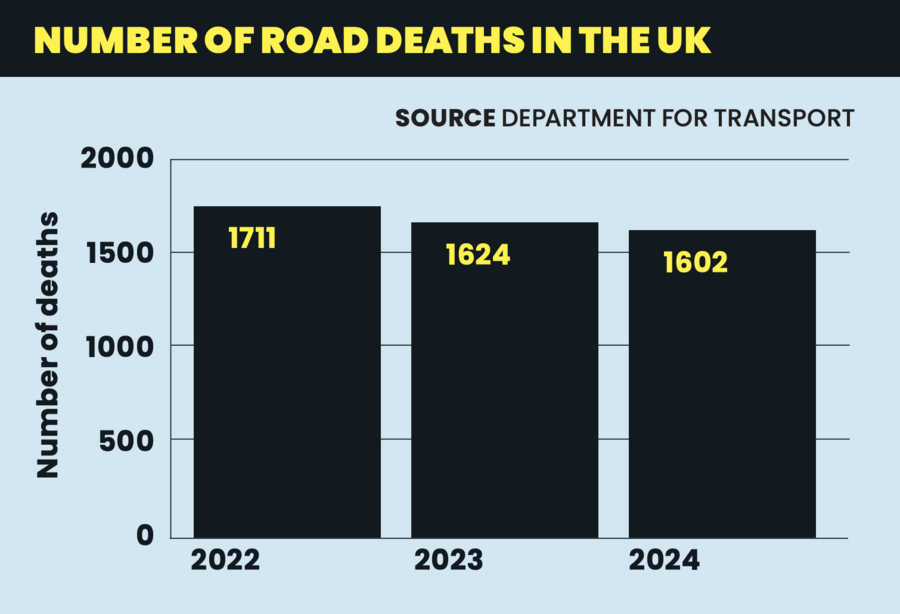
 1711 in 2022, 1624 in 2023 and 1602 in 2024

Back to top

The stark cost of improving road safety has been revealed to Autocar by Surrey County Council. Within the next year, it will spend millions of pounds on an array of initiatives.

Most notably the council will spend £5m on speed limit and speed management programmes and road safety schemes outside schools.

The council has also estimated that speed limit reduction schemes, from 60mph to 50mph and from 40mph to 30mph, plus feasibility studies and improvements will cost an average of £25,000 per area. Schemes planned for roads near schools will cost even more: up to £200,000.

Nineteen 20mph schemes – many of them requested by residents and described as ‘quick win’ solutions by the council – will cost around £20,000 each.

How road deaths were split by category in the UK in 2024

Other councils implementing new road safety schemes against a national backdrop of stubbornly high casualty rates include Wiltshire Council. It reported that 169 people were killed or seriously injured on its roads last year. That number was up from 167 the year before.

Councillor Martin Smith, cabinet member for highways, Streetscene and flooding, said: “Many of our roads are narrow, rural lanes with sharp bends and poor visibility. Vision Zero [to eliminate road deaths and serious injuries to zero by 2040] will be difficult to achieve but it’s good to have a target.”

Back to top

Wiltshire Council’s annual roads budget is £45m but Smith couldn’t say precisely how much is spent on road safety. “I do know it’s not cheap,” he said. “People see new speed signs and wonder how they can cost £10,000 but there’s a technical speed assessment to pay for plus the cost of consulting residents and then the traffic regulation order that makes the new speed limit lawful. I am keen to reduce this cost and the red tape around changes to speed limits. Other councils including Oxford City and Cornwall are doing so and we should too.

Smith declined to comment on the proposal by police chiefs that fi nes revenue from speed cameras should be spent on road safety schemes rather than going to the Treasury. However, he said that collaboration with the region’s police chiefs on road safety is improving. “They are now more interested in road safety from the perspective of local communities,” he said.

Calls for more 20mph zones

20mph speed sign

Responding to the latest road casualty figures, The Royal Society for the Prevention of Accidents (RoSPA) has called for the government’s upcoming National Road Safety Strategy to include the expansion of 20mph zones in residential areas and roads near schools.

The previous Conservative government pledged to crack down on what it called antidriver road schemes, including blanket 20mph speed limits. Last year, Louise Haigh, the current government’s then transport secretary, appeared to support that view when she insisted that 20mph schemes must have the support of local communities and should not be imposed by government.

In July last year, Southampton City Council changed the limit from 20mph to 30mph on a number of city centre roads, reversing changes made by the previous Labour council.

Councillor Jeremy Moulton, a former Southampton city council leader, told Autocar: “These roads should never have been reduced to 20mph in the first place. This is a small step forward for common sense.”

Despite these policy rollbacks, the council said it will continue to introduce 20mph limits where residents demand them.

Back to top

Councillor Christie Lambert, the council’s transport leader, said: “The average speed has reduced from 23.13mph to 20.7mph where the 20mph limits have come in and the council is committed to continuing its work to improve road safety across the city, working with local communities to implement measures on a location-by-location basis.”

Join our WhatsApp community and be the first to read about the latest news and reviews wowing the car world. Our community is the best, easiest and most direct place to tap into the minds of Autocar, and if you join you’ll also be treated to unique WhatsApp content. You can leave at any time after joining - check our full privacy policy here.

Join the debate

Comments
4
Add a comment…
gagaga 3 December 2025

How about using the revenues to repair the potholed roads - the state of our roads in many areas is a huge danger.

We have motorways with potholes and gaping ruts.  That would have been unheard of a decade ago.

405line 3 December 2025

A supplementary story of why young people are not that interested in driving any longer.

ricequackers 3 December 2025

I'm supportive of the concept of ringfencing fine revenue, but not for frittering away on even more cameras or on making it even slower to actually get anywhere. Spend it instead on public safety campaigns and on actual traffic officers patrolling the roads. A human can catch more types of bad driving than a camera can, and their presence alone is a deterrent that keeps people in line (figuratively and literally in some cases).

gagaga 3 December 2025

Coppers yes, more nagging and govenment propaganda, no thanks.