Currently reading: Autumn Budget: fuel duty frozen and £100m for public EV charging

New chancellor John Healey has delivered his first budget; this is how it will affect motorists

Chancellor John Healey has delivered his first budget, announcing several measures that are intended to save motorists money as they battle rising fuel prices.

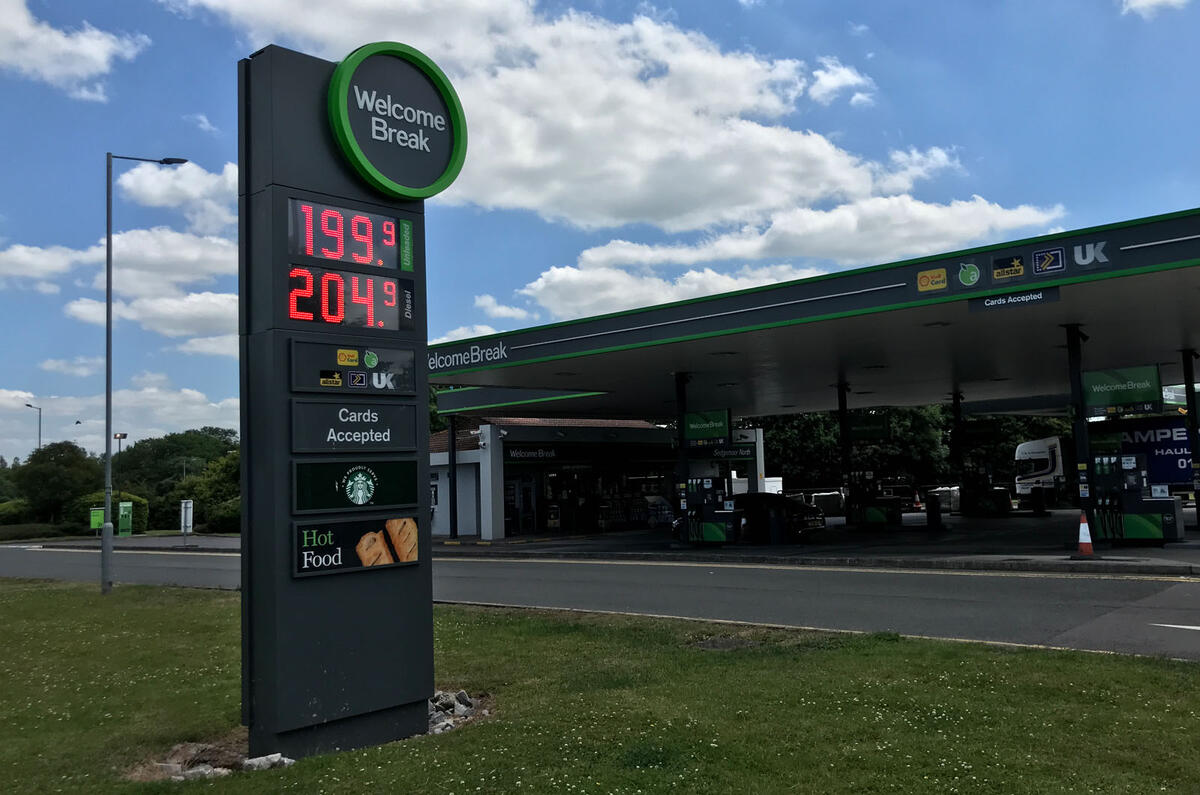
Chief among the new measures is an extended freeze on fuel duty, maintaining the 5p-per-litre reduction on the tax until July 2027.

The freeze had been due to expire on 31 December 2026, but the total duty on fuel will now be held at 52.95p per litre.

Healey said this decision was taken due to “the war in the Middle East still driving high fuel prices”. 

The government said "the majority of the rise of inflation" from 2.6% in June to 3.5% in September was a result of the rise in motor fuel prices.

Fuel duty

Opposition leader Kemi Badenoch said she was "glad to see" fuel duty temporarily frozen but questioned why it couldn't be maintained at that rate for longer.

"We [the Conservative Party] froze fuel duty for 14 years; they can do better than that," she said.

Edmund King, president of motoring body the AA, said the duty freeze "only delays the price shock" when it is increased.

He added that the government "could have gone further and cut fuel duty by an extra 5p, even if only for diesel", arguing that increased income from VAT (due to inflated prices) could have offset a resulting loss in revenue. "Delaying the fuel duty increase is a welcome trick but no treat for drivers," he said.

Rod Dennis, senior policy officer for the RAC, said: "A freeze only avoids making an already difficult situation worse; it doesn’t make filling up any cheaper. And it’s worth remembering that pump prices still soared this summer, despite fuel duty being at this very same reduced rate."

EV charging
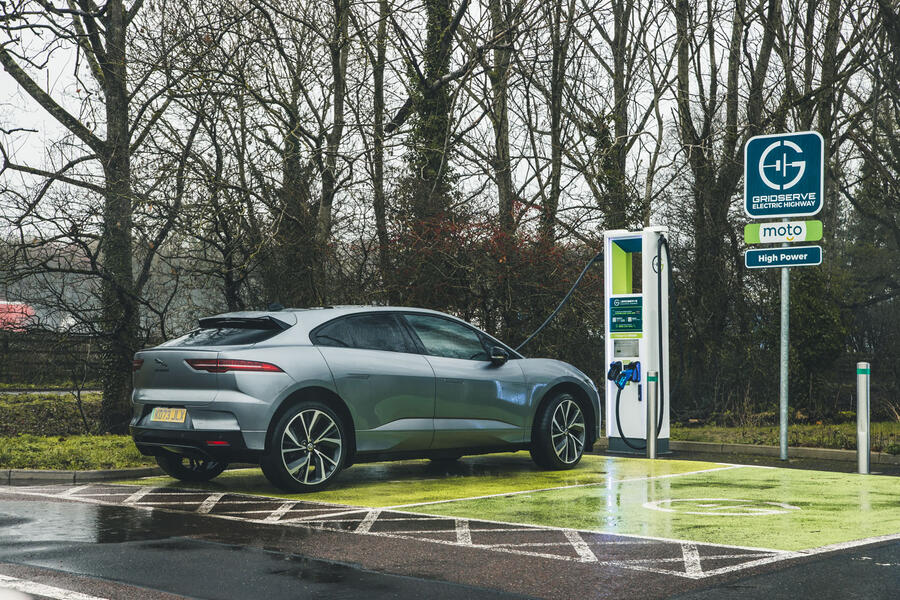
Jaguar i-Pace charging

Healey confirmed that the temporary removal of VAT on domestic electricity will be extended until July 2027.

Although this measure isn't directly targeted at motorists, those capable of charging EVs and PHEVs at home stand to make savings as a result.

However, electricity drawn from a public EV charger will continue to be charged VAT at a rate of 20%.

King said this "widens the pavement tax" – the inequity between those capable of home charging and those who aren't – and called it a "missed chance" to incentivise uptake of EVs.

The government said it's considering allowing EV drivers to access domestic VAT rates at public chargers and is "taking immediate steps to establish a taskforce" on the issue.

It added that it will make £100 million available to reduce prices at "local, lower-powered public charge points" to narrow the gap.

This funding will be split across two fiscal years, with £50m to be spent in 2027-28 and the other £50m in 2028-29.

Vicky Edmonds, CEO of lobby group Electric Vehicle Association England, said the £100m funding is "welcome" but it's "disappointing that we still see no movement from government" on reducing VAT on public charging.

Back to top

Dennis said: "Reducing VAT on public charging would have been an obvious way for the government to make the switch more accessible for more people. Instead, following its review of public charging costs, it appears to be exploring a different approach that would allow drivers to use lower-powered public chargers at the same cost as charging at home. We look forward to hearing more details on this."

Pay-per-mile tax on EVs

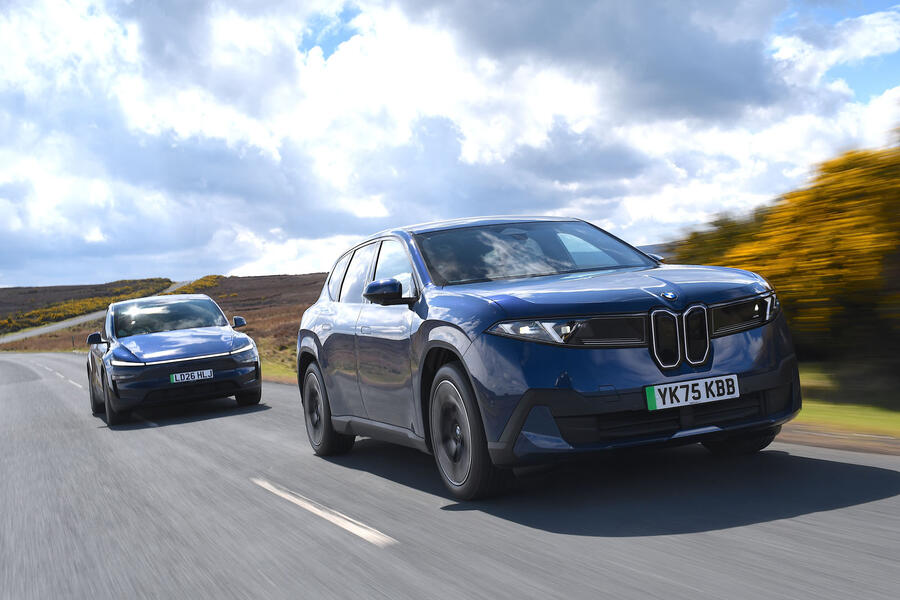
Tesla Model Y and BMW iX3

Although Healey didn't directly discuss the goverment's plans to introduce a pay-per-mile tax on EVs, namely Electric Vehicle Excise Duty (eVED), it has now clarified its position.

The new tax will be introduced in April 2028, at which point a new tool will be introduced for EVs drivers to estimate and declare their mileage. The government is currently "undertaking proof-of-concept work" on this.

It's also working on a mechanism by which drivers can opt in for their cars' trip computers to automatically declare their mileage so that they won't have to do it manually.

It aims to automated a refunds process – for when a driver has overestimated their mileage and thus overpaid or has sold their car – by 2030.

Further guidance will be provided to large fleet operators later this year, the government said.

According to the Office for Budget Responsibility, eVED will add some £2 billion to VED revenues by the 2031-32 fiscal year.

Mileage rates

The government is also raising its approved mileage rates for business drivers.

The reimbursement for motorists covering less than 10,000 miles per year was temporarily raised from 45p per mile to 55p for the current tax year. This rise is now permanent, said Healey.

Meanwhile, the rate for those covering more than 10,000 miles annually has risen from 25p to 35p.

Company car tax

In addition, the government confirmed that benefit-in-kind (BIK) tax bands for company car users will rise by one percentage point in the 2030-31 fiscal year.

It expects this to raise an additional £310m in 2030-31 and an extra £345m in 2031-32.

Join our WhatsApp community and be the first to read about the latest news and reviews wowing the car world. Our community is the best, easiest and most direct place to tap into the minds of Autocar, and if you join you’ll also be treated to unique WhatsApp content. You can leave at any time after joining - check our full privacy policy here.

Charlie Martin

Charlie Martin Autocar
Title: Senior Staff Writer

Charlie plays a leading role in Autocar's coverage of new car launches and industry events. He’s also a regular contributor to its reviews and social media channels, creating content for Instagram, Tiktok, Facebook and Twitter.

Charlie joined Autocar in July 2022 after a nine-month stint as an apprentice with sister publication What Car?, during which he acquired his gold-standard NCTJ diploma with the Press Association.

He is the proud owner of a Mk4 Mazda MX-5 but still feels pangs of guilt over selling his first car, a Fiat Panda 100HP.