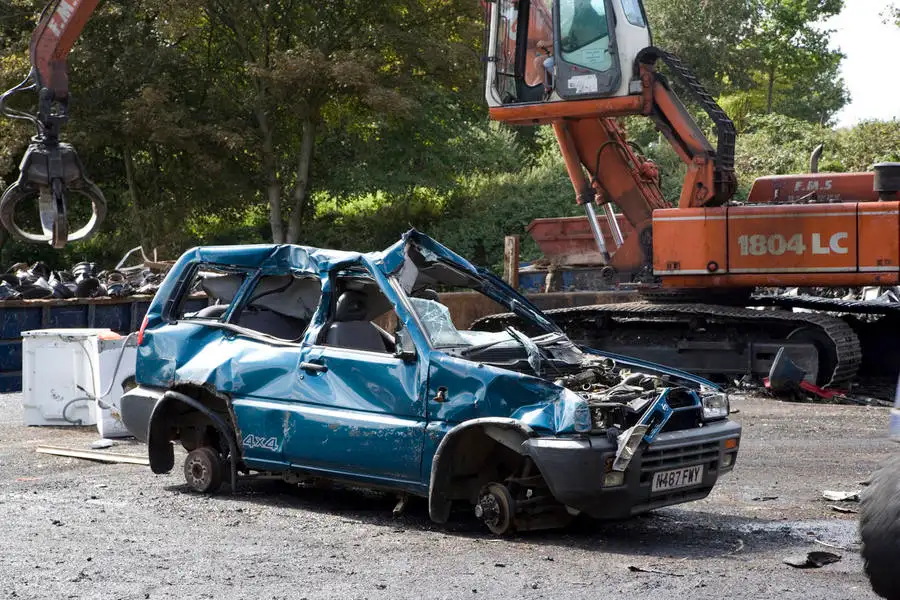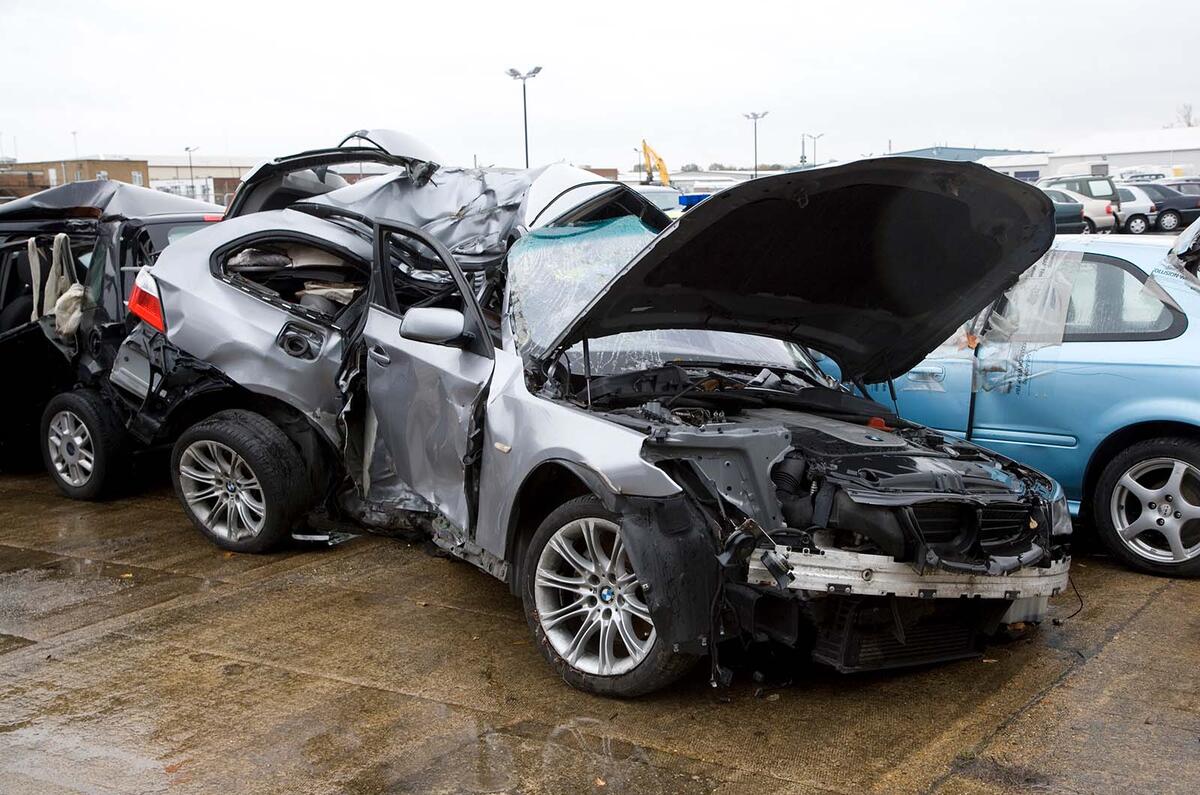

Understanding car insurance write-off categories is a bit of a mine field. There are four different categories, each giving the owner a new set of responsiblities depending on how damaged the car in question is.
This not only makes them slightly intimidating, especially for the uninitiated, but also frustrating. This is especially true when the damage looks to be cosmetic and has no bearing on either the car's roadworthiness or resale value, but the insurer has deemed that it needs to be written off.
The problem persists more with older cars that are worth roughly the same as their repair cost. For example, if you have an old Ford Mondeo worth £500 and you crack the front bumper or blow a turbocharger, the chances are your insurer won't pay for a repair or replacement part. Generally, your car is likely to be written off if a professional repair costs more than half of its value.
The good news is that those different categories mean you won't always be watching your car be towed to the scrap heap. And if you're sitting on the other side of the fence as a buyer, a car can remain in a perfectly road-worthy condition even if it has previously been written off.
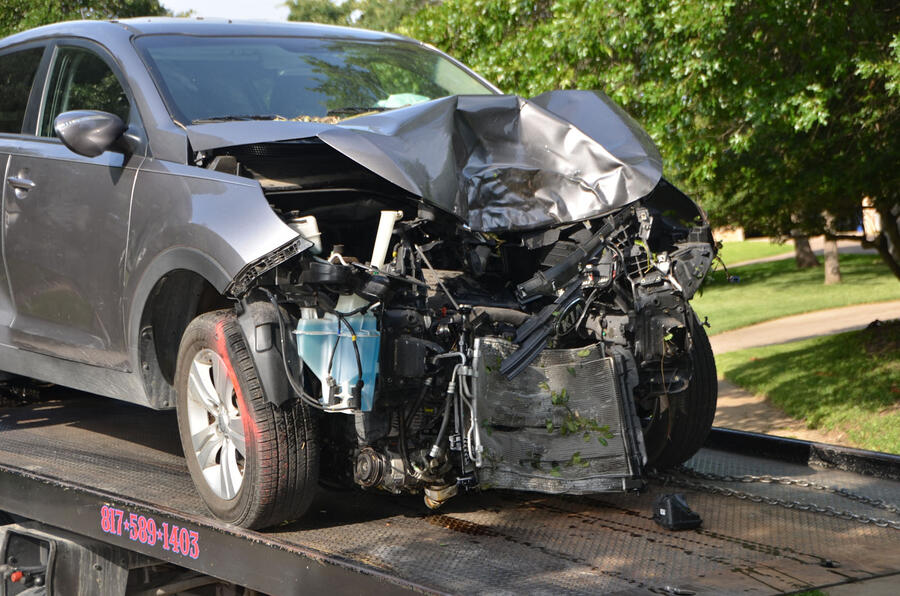
What is Cat A, Cat B, Cat S or Cat N insurance write-off?
There are four categories of car insurance write-offs. The system was revamped in October 2017, with new denominations given to the categories at the lower end of the damage scale. This can be confusing if you're not sure what the letters mean, so let's explain them.
Category A
Reserved for the most severely damaged vehicles, a Category A write-off condemns an entire vehicle to the scrapyard, and means not even seemingly serviceable parts can be repurposed.
High-speed impacts, complete burnouts and extensive vandalism will usually result in a vehicle receiving a Category A designation.
Category B
The Category B write-off is reserved for cars that have received extensive damage - be it structural, mechanical or electrical - and cannot be put back on the road.
While the car’s shell must be crushed to avoid it being used again, serviceable parts can be removed from Category B cars and used on other vehicles. Only Authorised Treatment Facilities (ATF) are permitted to handle Category B vehicles, and will only sell them to businesses that have certification to prove they are allowed to store and destroy such vehicles.
Category S
Formerly called Category C, Category S write-offs encompass vehicles that have received structural bodywork damage - a bent chassis or creased door frame, for example - but that can be repaired and put back on the road.