42 110kWh Icon Long Chassis Cab 2dr Electric Auto L3 (272 ps)
Submitted by dev_editor on
Submitted by dev_editor on
Submitted by dev_editor on


It's a curious sort of conundrum, this GR Sport. Ostensibly the sporty flagship of the new RAV4 range, a Toyota equivalent to BMW's M Sport, it's actually something of a paradox.
It boasts no more power than the standard four-wheel-drive model and is just as economical, yet in many key ways it's a superior, more well-rounded car.
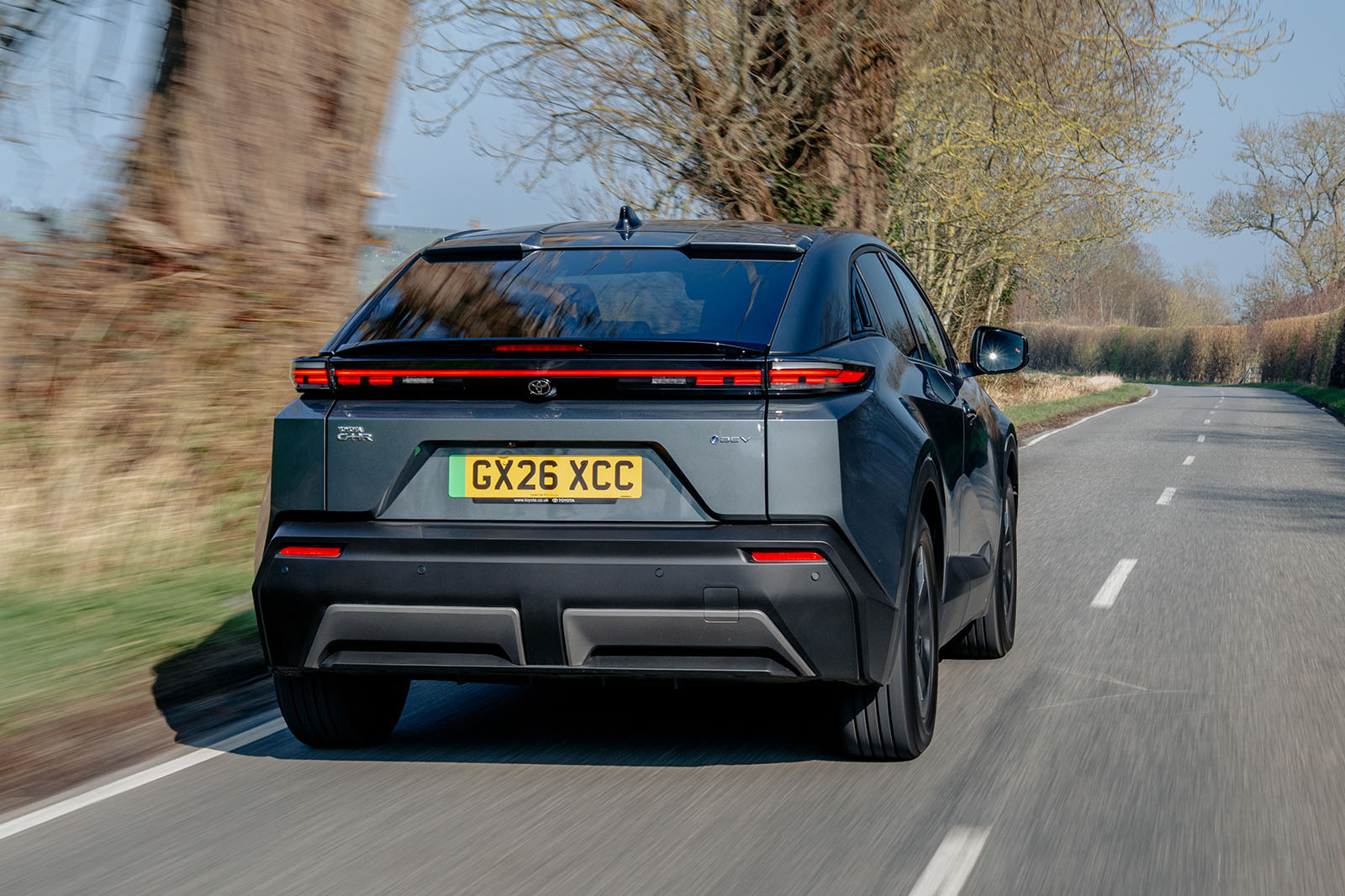
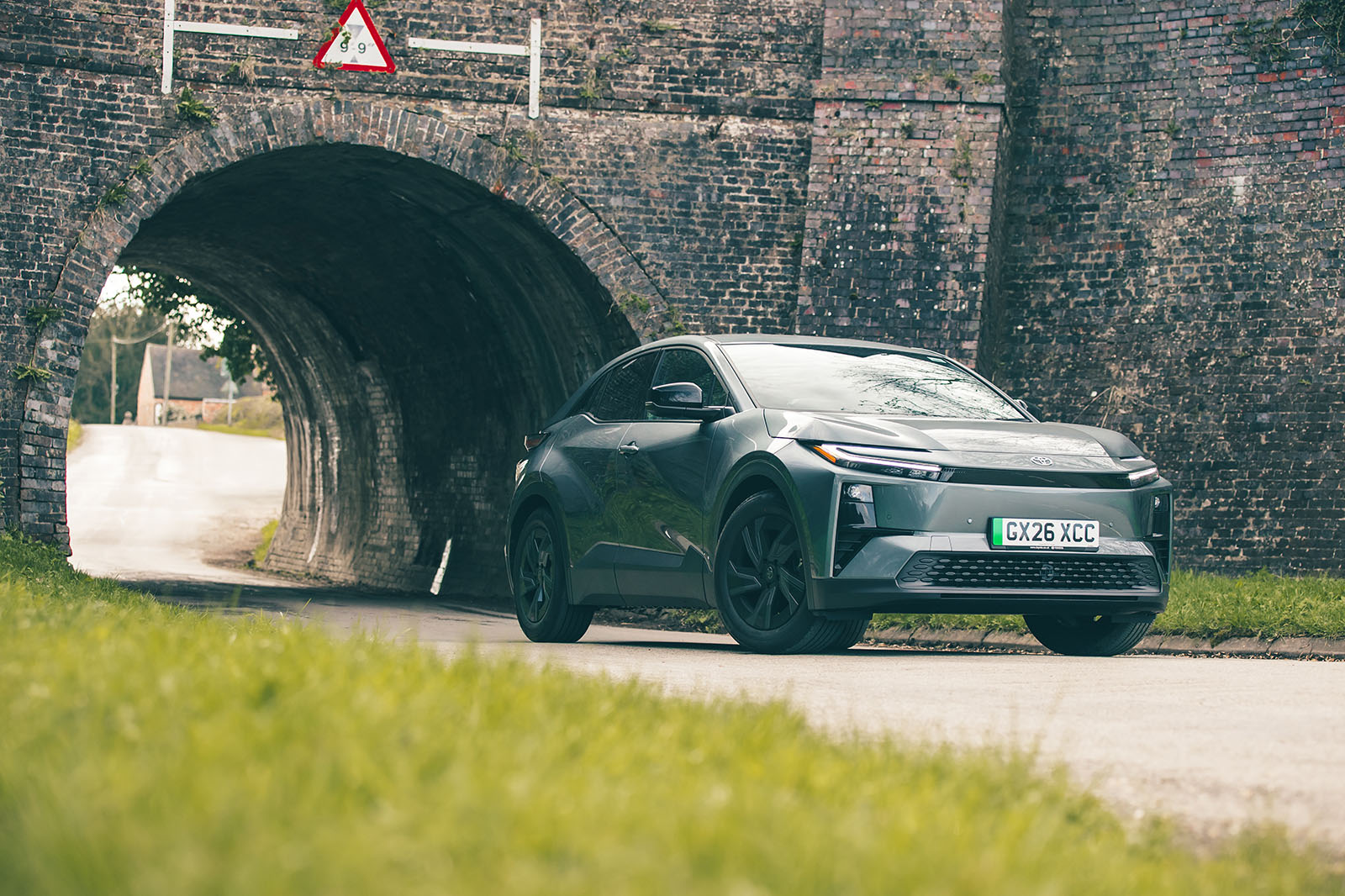
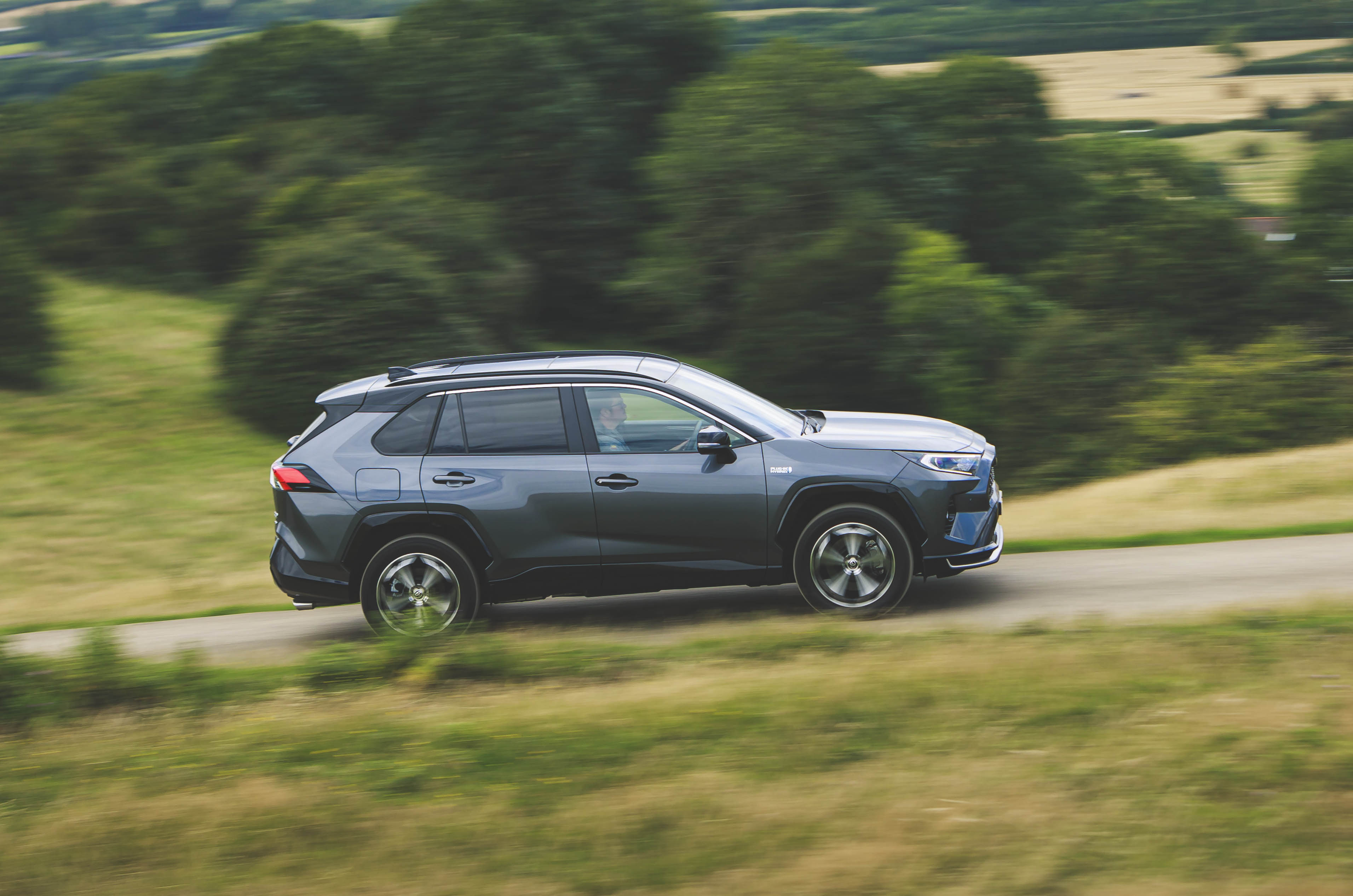
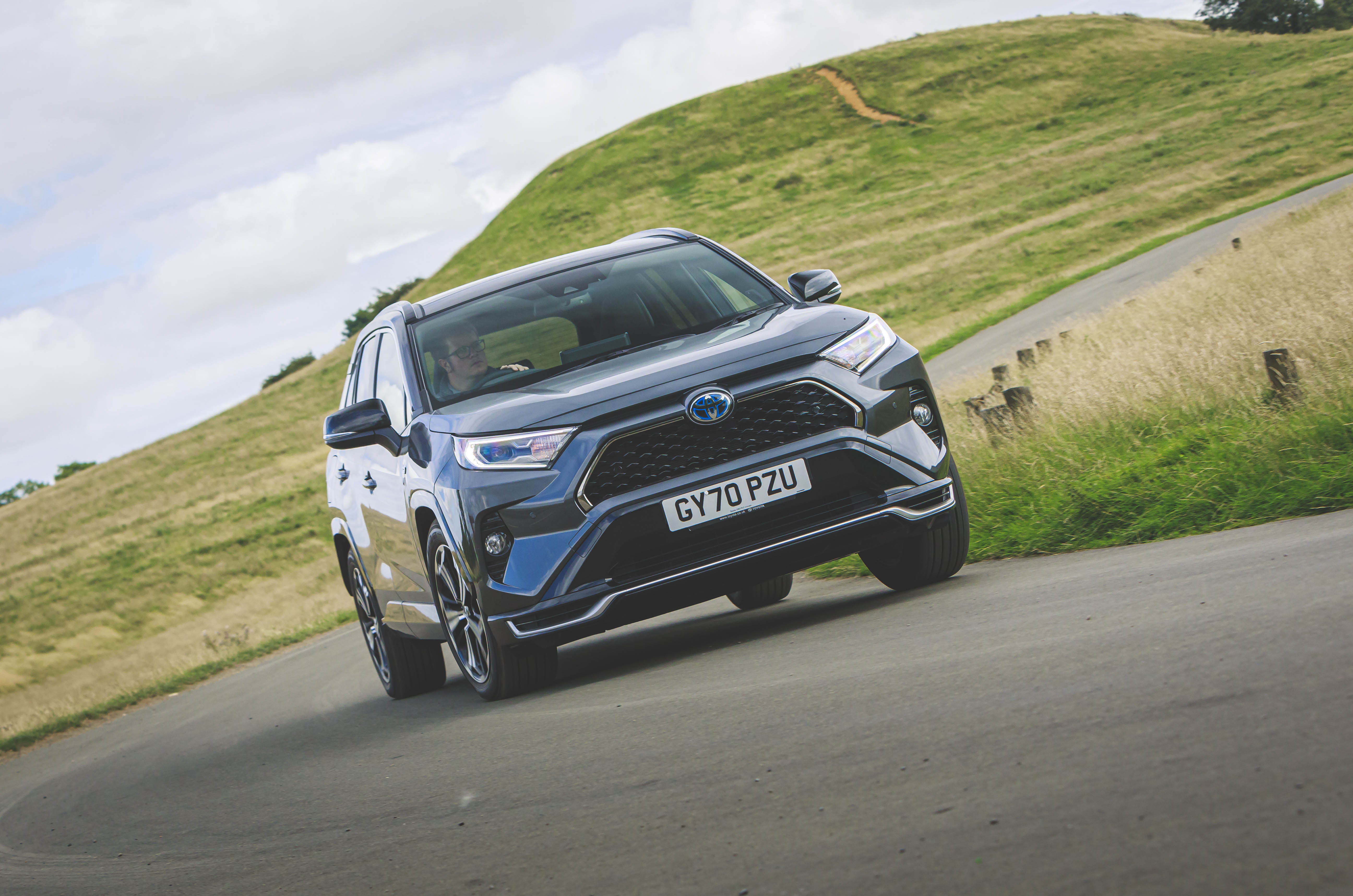
Visually, it adheres rigidly to the sporty flagship protocol: imposing 20in black alloy wheels and a wider, more aggressive stance. But the real magic lies beneath the surface.
While a standard hybrid is available in lesser markets, British buyers get only the plug-in hybrid, available with front- or four-wheel drive.
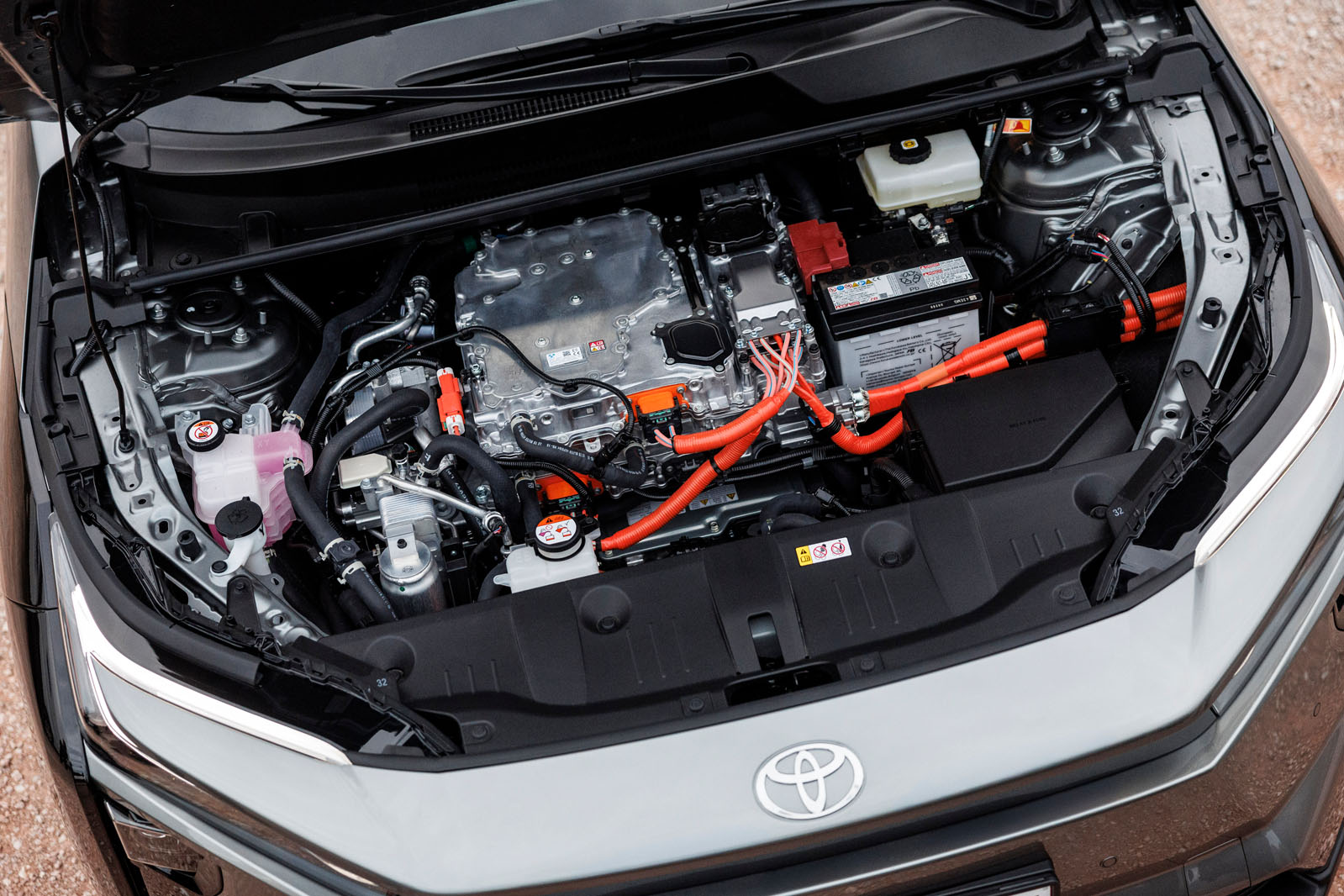
Regardless of whether you tick the GR Sport box, the 4WD models share the exact same powertrain. It consists of a naturally aspirated 2.5-litre four-cylinder petrol engine, three electric motors (one on the front axle, one in the CVT and one at the rear) and a 20kWh battery offering an official electric-only range of 75 miles.
The 0-62mph sprint is dispatched in just under six seconds, although from the driver's seat it feels noticeably faster. It's genuinely brisk from a standstill and in-gear acceleration is sharp.
Despite the presence of a CVT, historically a cold-water pouring device on fun, the sheer abundance of electric torque makes progress feel effortless.
When the petrol engine is coaxed into life, the transition is managed with minimal fuss. Toyota has invested heavily in sound deadening and chassis strengthening, and it pays dividends; bury the throttle and you will still experience a ping of that characteristic CVT rubber-bandness, but it's never egregiously loud.

What the GR Sport lacks in extra power, it makes up for with bespoke chassis tuning. Upgrades include high-performance front dampers, a reinforced rear suspension brace and a dedicated spring rate. There’s no fancy adaptive air suspension, but it doesn’t need it.
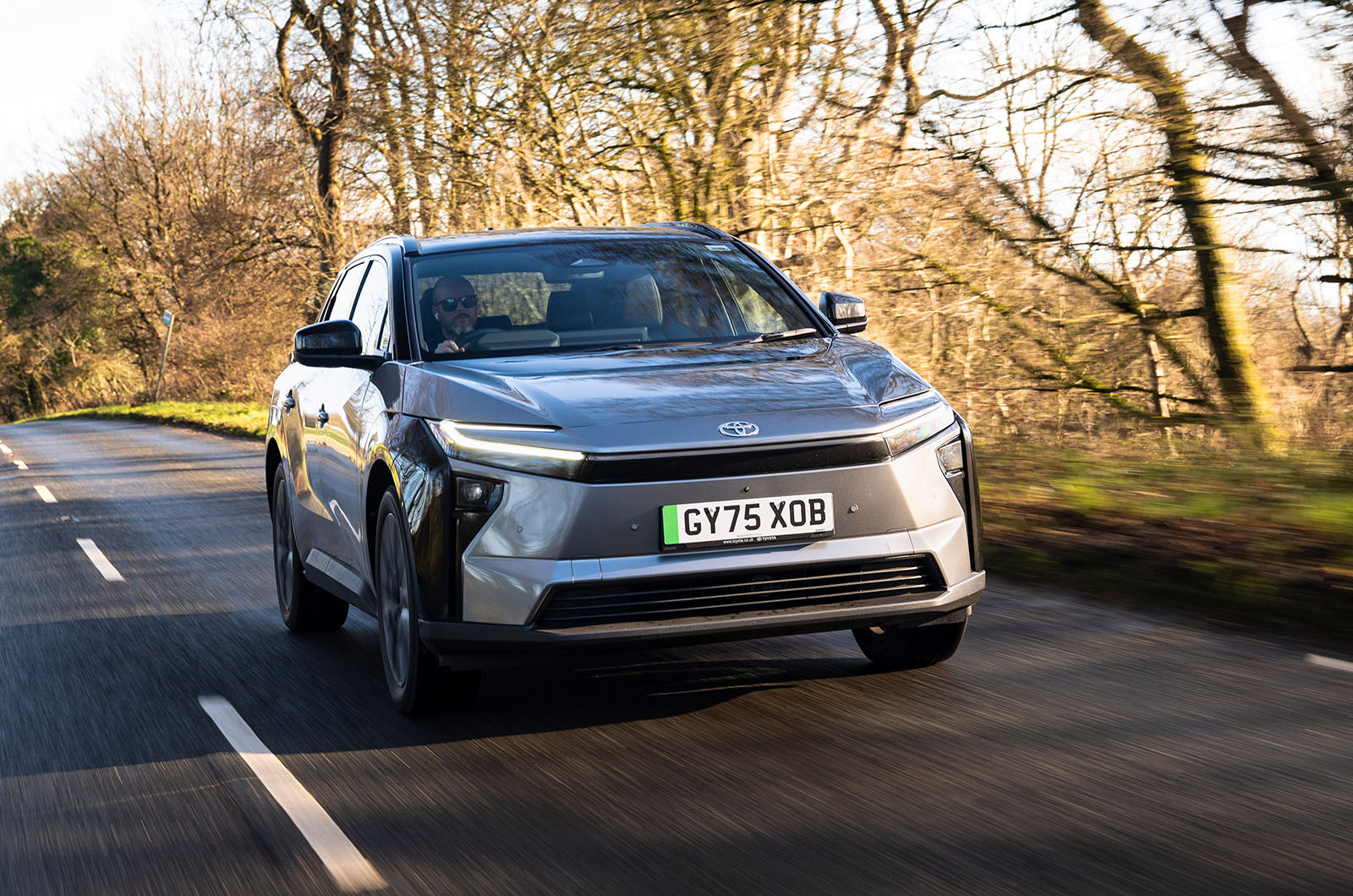
The ride is, in a word, superb. Compared with the standard RAV4, which suffers from overly soft damping and a slightly bouncy demeanour, the GR Sport is a revelation. It's tightened just enough to deliver taut body control without sacrificing overall comfort.
The steering, too, is pleasingly direct, offering a respectable amount of feedback. Selecting Sport mode adds a little artificial weight, although it alters nothing fundamentally.
Push hard into a tight corner, hoping to provoke the rear motor into some tail-led antics, and the traction control quickly and firmly calls time.
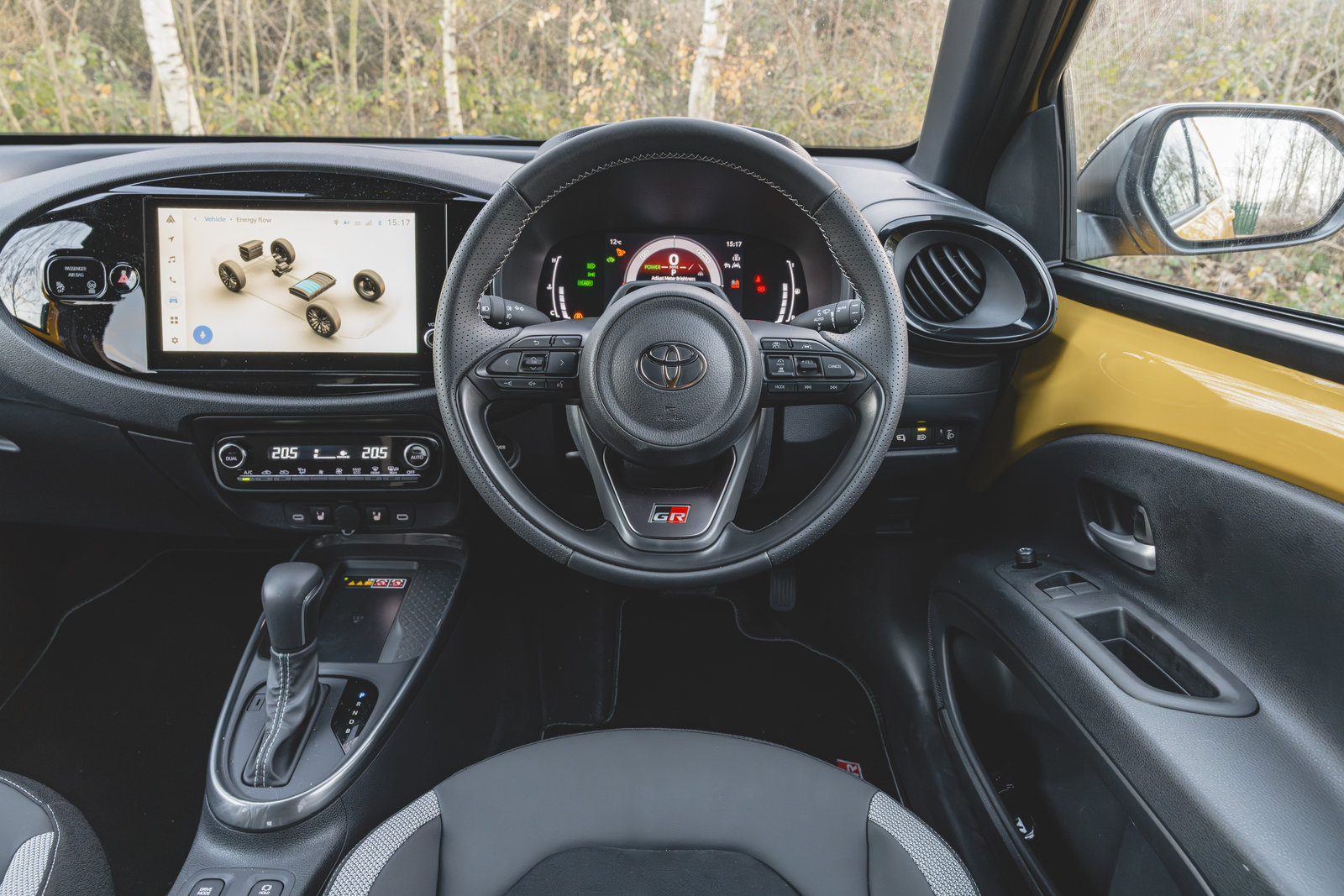
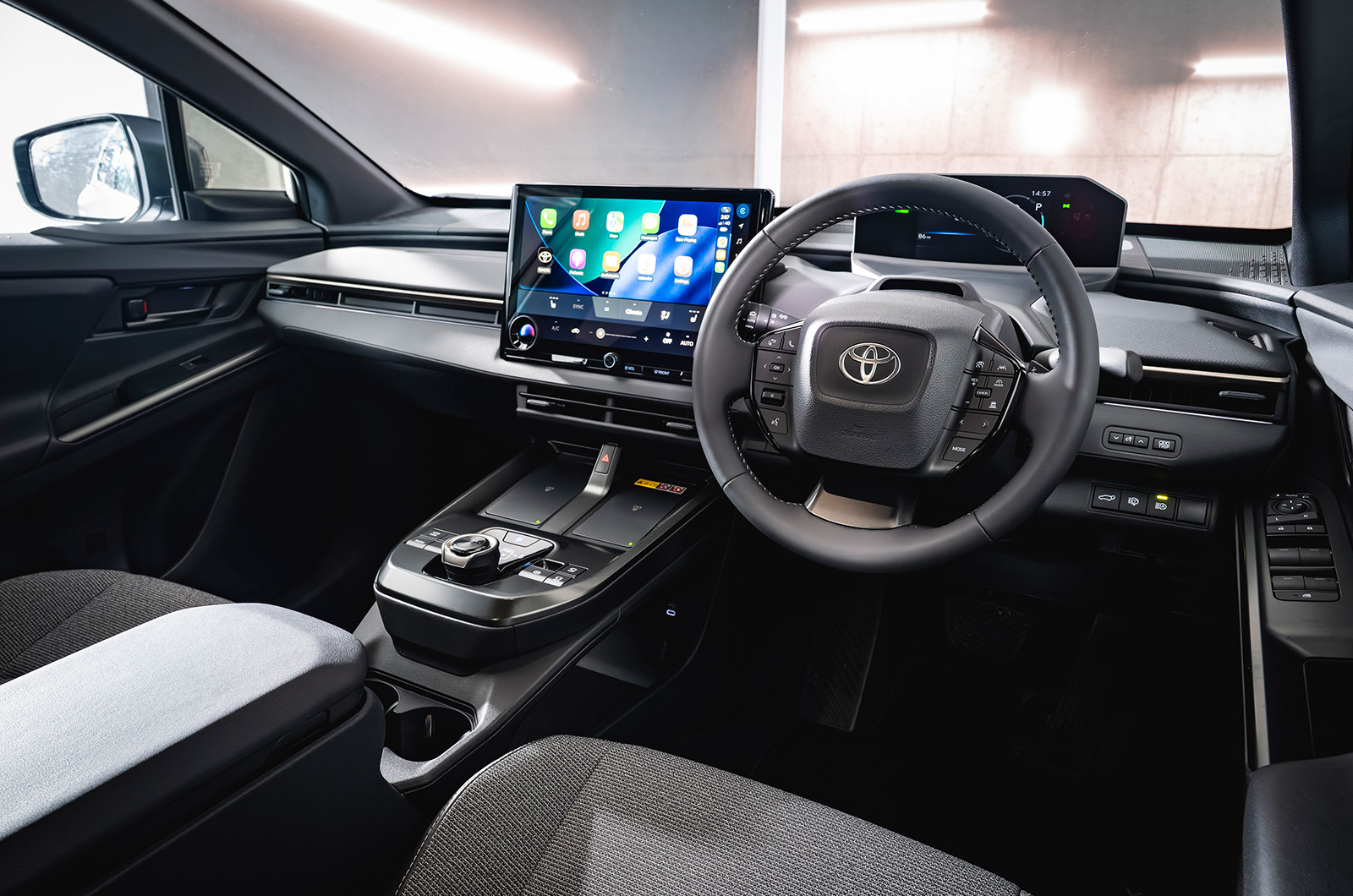
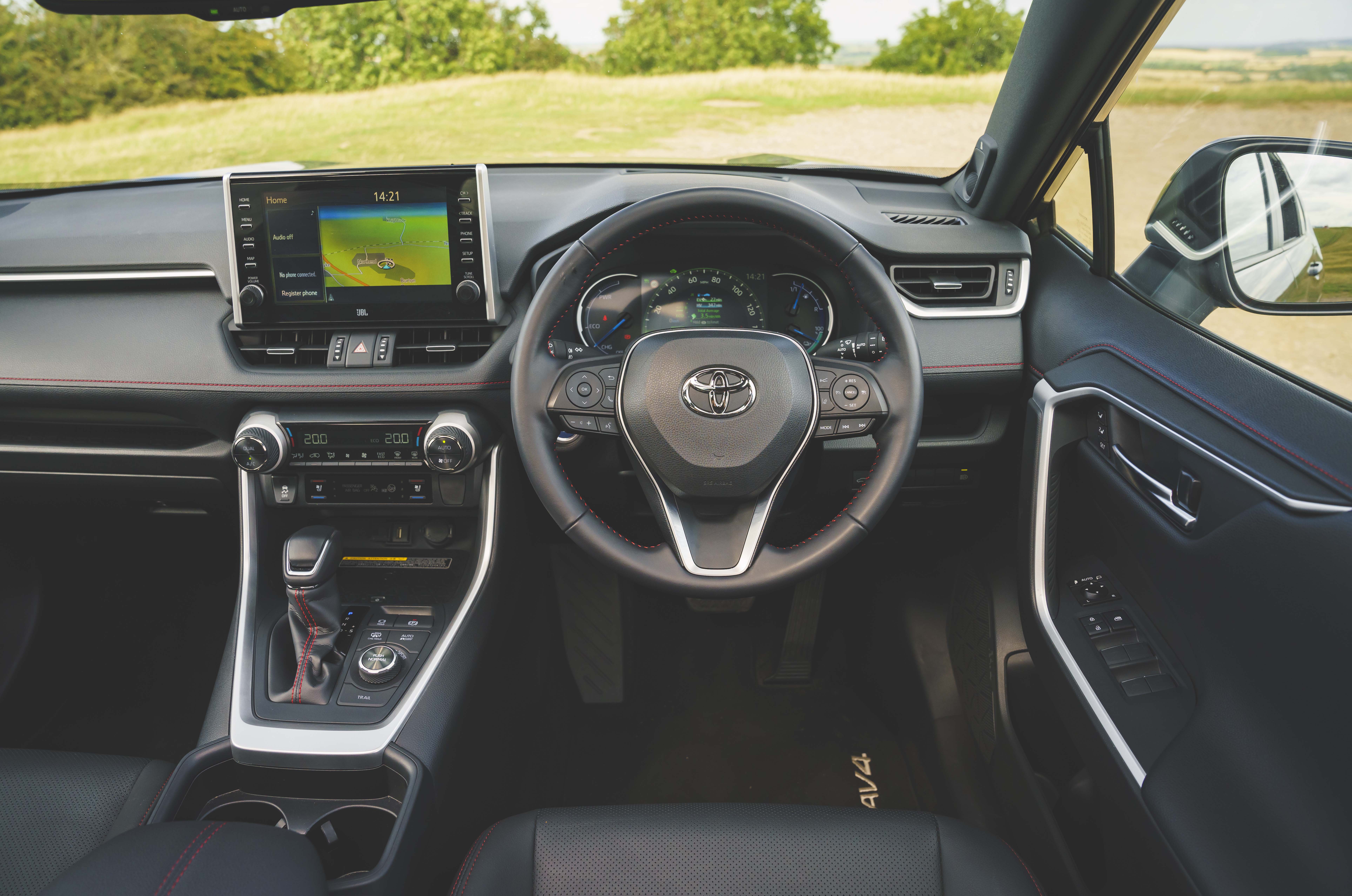
Inside, however, the GR magic wanes. Despite a smattering of nine GR badges and the obligatory red stitching, there's little to suggest this car's dynamic superiority.
Behind the wheel sit two paddles - not for shifting gears but for adjusting the regenerative braking. There are six settings, none of which offer a particularly forceful deceleration, and maddeningly the car forgets your chosen level the moment you look away. It's a definite swing and a miss. I suspect the Gazoo Racing engineers who obsessively pored over the spring rates were locked out of the interior design meetings.
Is this truly a sporty flagship? A range-topper brimming with Toyota rally charm? Only up to a point. It is undoubtedly spacious, comfortable and remarkably economical, but genuine performance SUV enthusiasts may feel short-changed.
North American buyers receive a more aggressive front splitter and a suitably ridiculous rear wing that actually looks the part. Here those seeking a true thriller will find the power lacking compared with the cooking models, while buyers who find the GR badge a bit gauche and opt for an Excel will miss out on the transformative suspension upgrades.

When it was first shown as the XYR concept at the 1999 Detroit motor show, the designers of the seventh generation Celica claimed - a little improbably - that it was part-inspired by a closed-wheel, open-cockpit race car of the era.
Toyota's Californian CALTY design studio had the main shaping and scraping responsibilities for the clay model, and among other things, introduced a rising waistline suggestive of their racer.
In fact, the race car link had more substance than it first appeared, not because the concept had a borderline ludicrous twin stalk rear wing planted on its backside, but because this Toyota Celica had been designed to be lighter, defter and faster. Just like a race car, in fact.
To this end Toyota decided only to make a coupe, and not the convertible and four-wheel drive versions that had sometimes previously appeared. The structural complexity and extra heft required for these models could thus be ignored, while the Celica’s front and rear overhangs were shortened to cut mass and reduce its inertial resistance to turning. That the rear suspension was for the first time double wishbone was further evidence of Toyota’s sporting intent, as was a weight-shedding campaign that saw 30kg shaved from the engine.
When the real thing turned up a few months later it looked almost the same as the show car, less the speed shop rear wing.
As hoped for, the Celica delivered in the dynamic department too. The steering was responsive enough to startle a Toyota Crown cabbie in Tokyo, the Celica’s front-drive balance defiantly resisting understeer. The bitumen-skimming driving position, a zingy engine and a set of almost uninhabitable rear seats confirmed the sensation that you were driving a genuinely sporting car, even if 145bhp sounded a long way from dangerous.
Toyota soon remedied that with a more powerful 190bhp engine, although you needed the tacho needle to dance near the danger paint to tease out the extra horses. Great if you were on the right road, but unhelpful elsewhere, which is one reason why the 190, later rebadged T-Sport, makes a rarer find.
Despite being slimmed, the seventh-generation Celica fielded a more welcoming cabin than the most recent editions, mainly because it didn’t present you with a world of varyingly sheened black plastics and workaday cloth trim.
True, this time you got shades of grey, but some of those greys were plastiminium, all were of a higher textural grade and the cabin architecture was appealingly sculpted to create a twin cockpit feel for driver and passenger. The most striking element was the beak-like tip of the centre console’s top end, an unexplained but appealing flourish.
Some models came with leather trim, in rare cases a rather attractive red, but the black leather usually fitted tends to bag up with age, making the front seats look like they’re refugees from a minicab of interstellar mileage. So cloth often makes the better choice.
A chunky left footbrace was standard, underlining the Celica’s cornering ambitions, while a pair of gaping cupholders between the front seats confirmed its likely real-world American cruiser usage pattern. So it was decently practical.
Best of all, though, was this Celica’s genuinely sporty personality. That wasn’t enough to hold back the tide of change swamping coupes by the early part of this century, the drift to SUVs, and other machinery, ending this Celica’s life at just five years. And a GT version with a big rear wing and a bodykit wasn’t going to reverse this trend.
Toyota sold a spectacular 4,129,626 examples of the species over the 35 years from 1970. And the firm is now readying its next generation car - some 18 years after production of this seventh generation ended.