
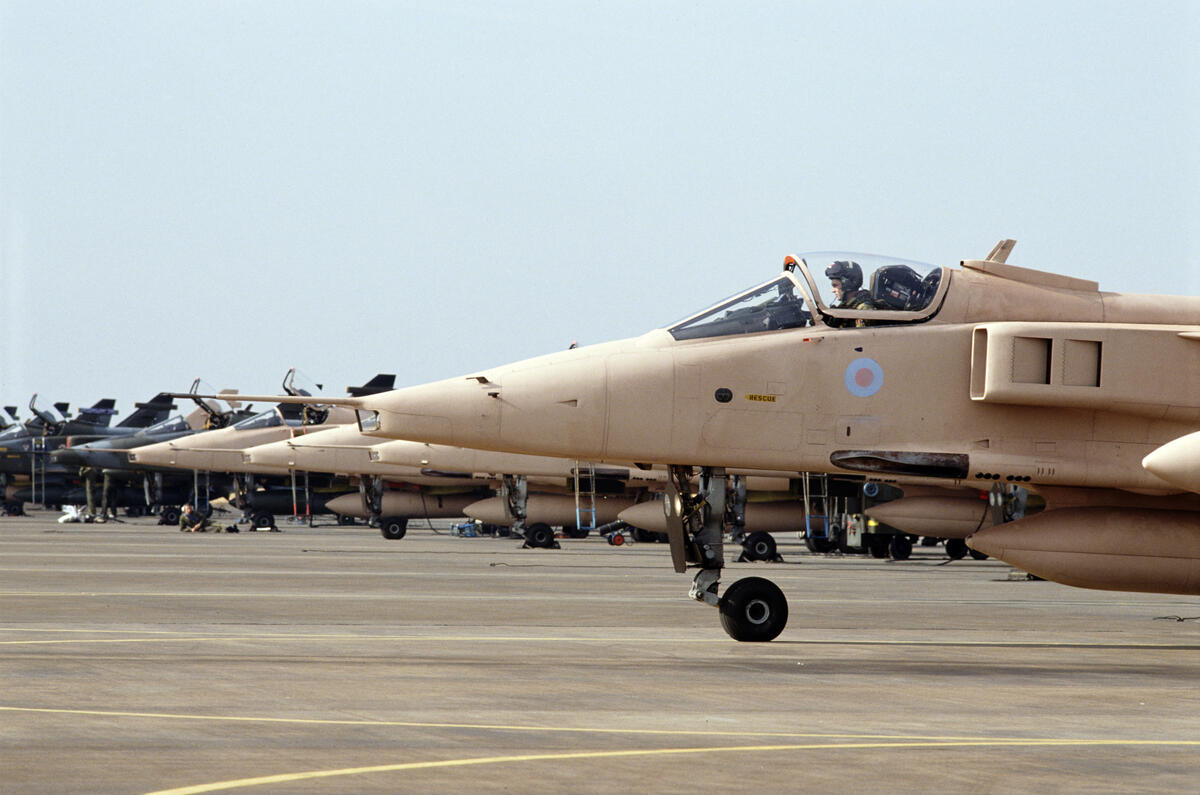

Knowing that being seen can mean destruction, warplanes have adopted camouflage since the hair-raising flying of the first world war.
Sometimes from art, sometimes from science and sometimes just as an exercise in morale, warplanes have donned a multitude of wildly different colours and schemes in pursuit of a decisive or momentary advantage. Here are 9 extremely pleasing examples of aircraft camouflage:
10: Reconnaissance Spitfires
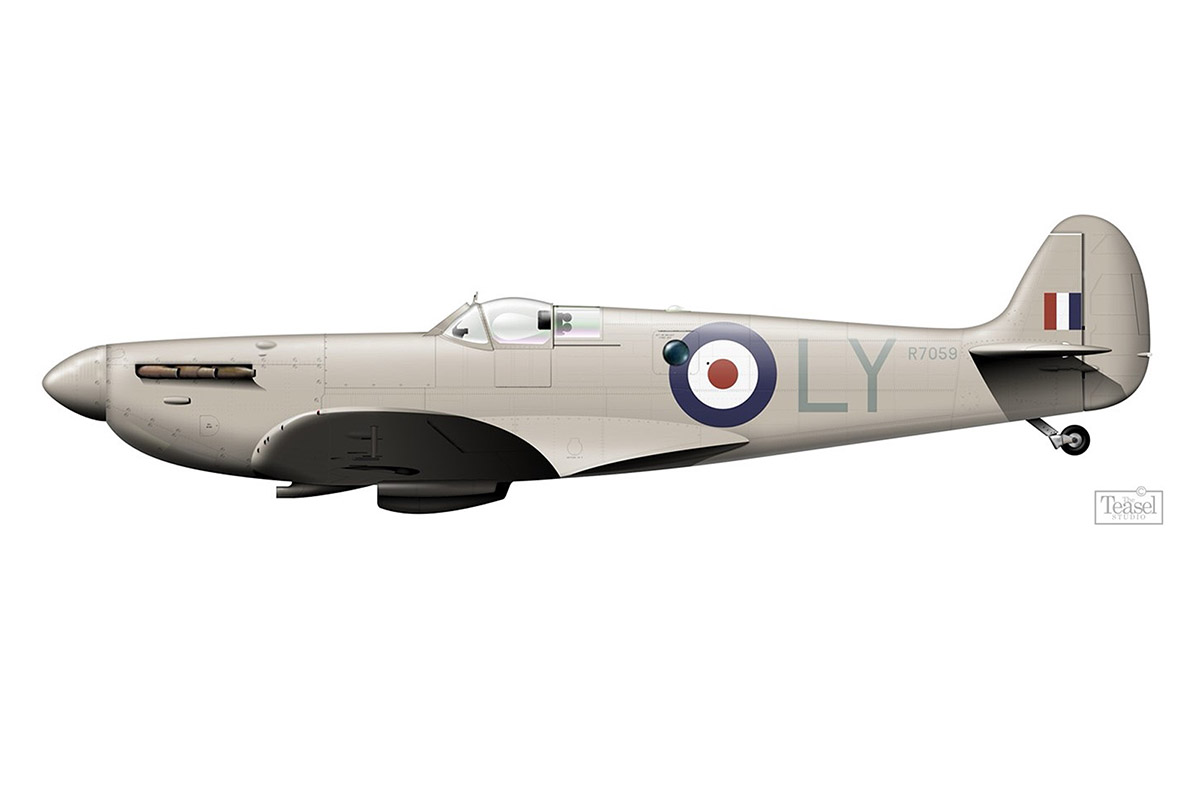
Photo Reconnaissance Unit (PRU) Spitfires were among the most capable reconnaissance aeroplanes of the Second World War. They used several different camouflage schemes. One of the early schemes was a pink that worked well at dawn and dusk.
Spitfire R7059, a Mark I PR Type G (later re-designated Spitfire PR Mark VII), belonged to B flight of No. 1 Photographic Reconnaissance Unit Detachment based out of RAF Heston in 1941. The artwork shows it in camotint pink for the dawn/dusk low-level recce role. The actual shade of pink is a subject of much heated debate.
10: Reconnaissance Spitfires
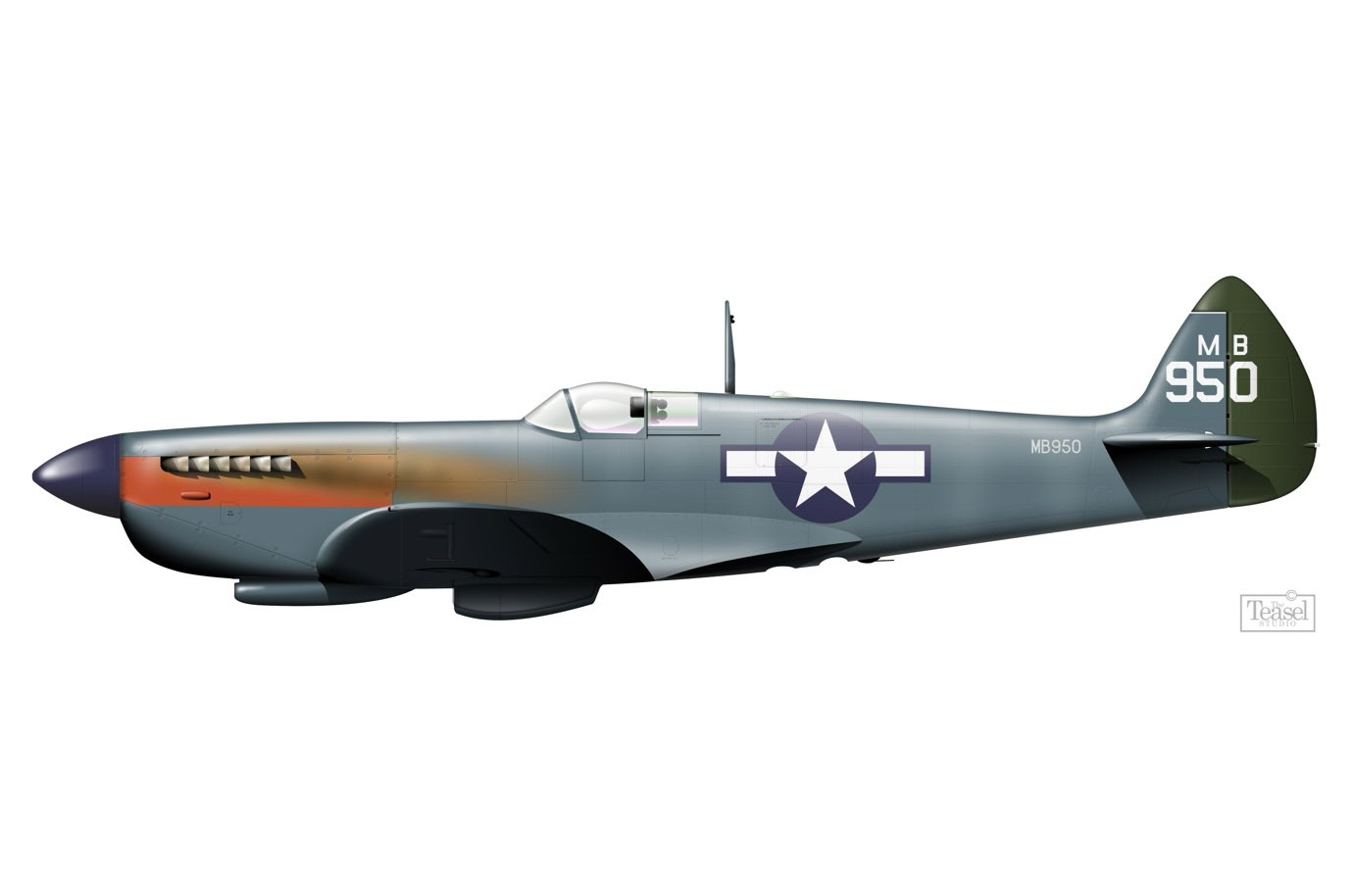
Various Reconnaissance Spitfires received other grey, white, green and blue-based schemes, including greenish-blue schemes with the Soviet Air Force and blue USAAF aircraft. Some RAF Spitfires used the standard disruptive uppers and light undersides.
By October 1940, most PRU Spitfires wore overall 'PRU Blue', which proved very effective at high altitudes. The colour was a mixture of cerulean and Prussian blue. No 2 PRU Royal Blue was darker and better suited to high-altitude use in the Middle East.
9: Mean and green?
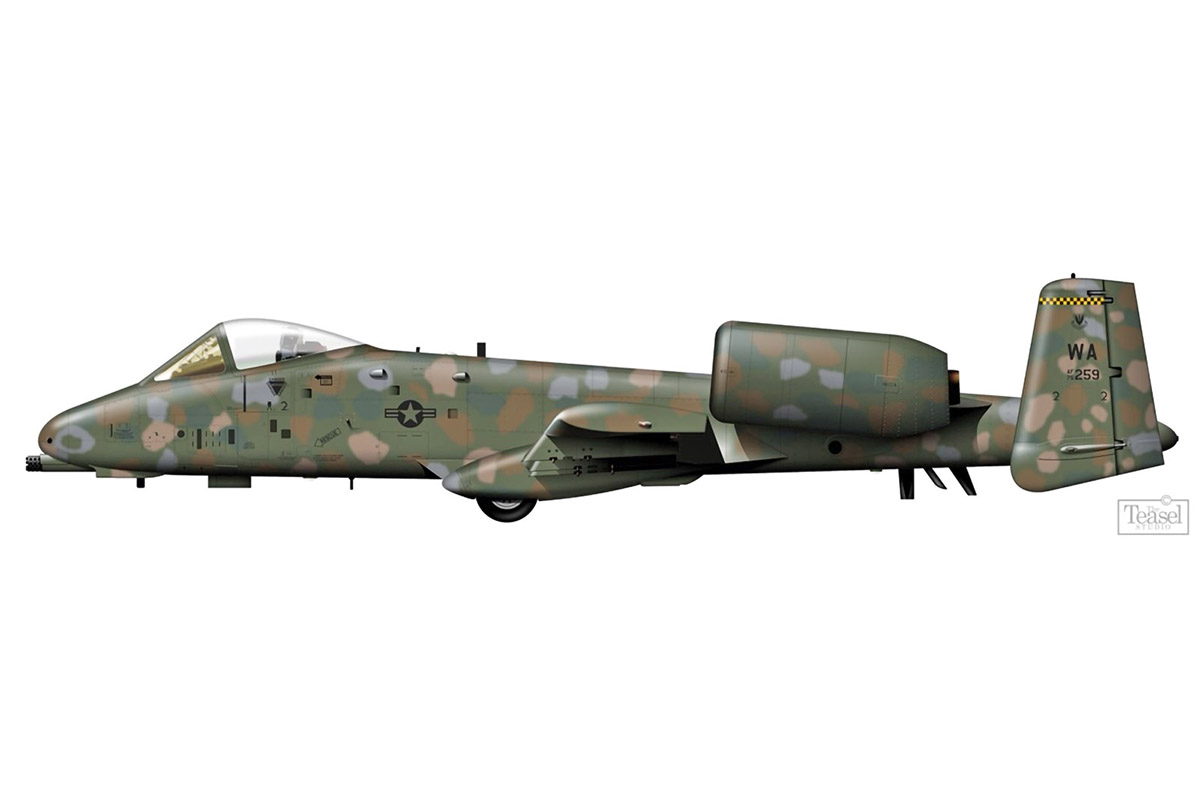
This is an A-10 in one of four camouflage schemes evaluated as part of the Joint Attack Weapons System (JAWS) 2 exercise in November 1977. It was essentially a single-colour base coat, with the colour and pattern of the temporary spots changed to suit local geographical conditions. The adoption of the Europe One ("Lizard") scheme killed the JAWS concept.
Aircraft camouflage involves several key principles: colour-matching, disruption of form, and reflectiveness. Consideration of where the threat will likely be viewing the aircraft from (above or below, etc.) and how manoeuvring will affect the camouflage effect (for example, highlighting a pale belly against a dark mountainous background) is vital.
9: Mean and green?
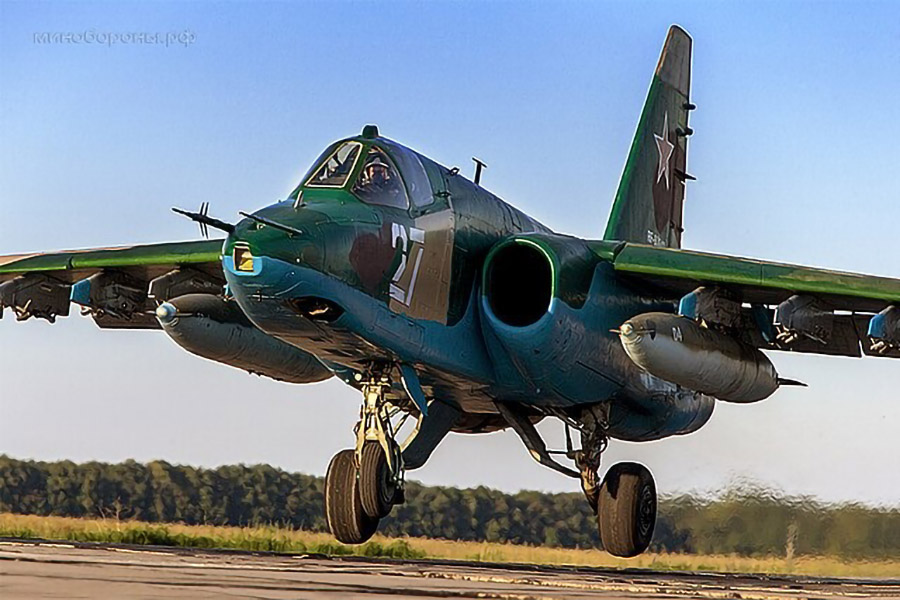
Ground attack aircraft expected to operate at a low level held onto green and tan schemes longer than dedicated fighter aircraft, which essentially went grey in the 1990s. Some countries, most notably Russia, still use a second world war-style camouflage of two-colour uppers and light underside on some tactical aircraft (Su-25 shown).
Another consideration is how specific to go; if the camouflage is overly specialised, it can make the aircraft more visible. An aircraft perfectly painted to match the desert will stand out like a sore thumb against the sea. As well as night, weather conditions can massively vary an environment's light and colour.
8: Swedish splinter
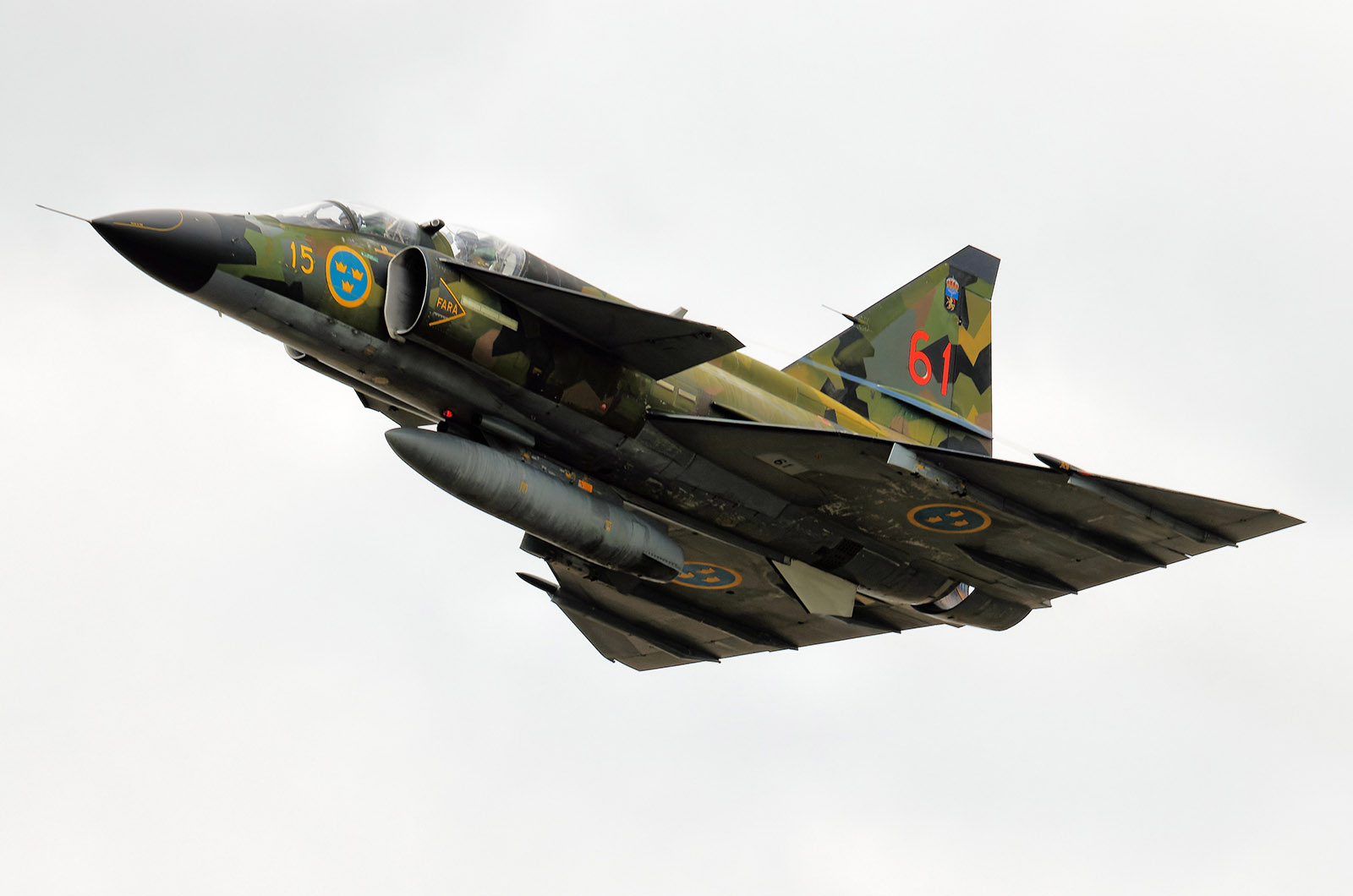
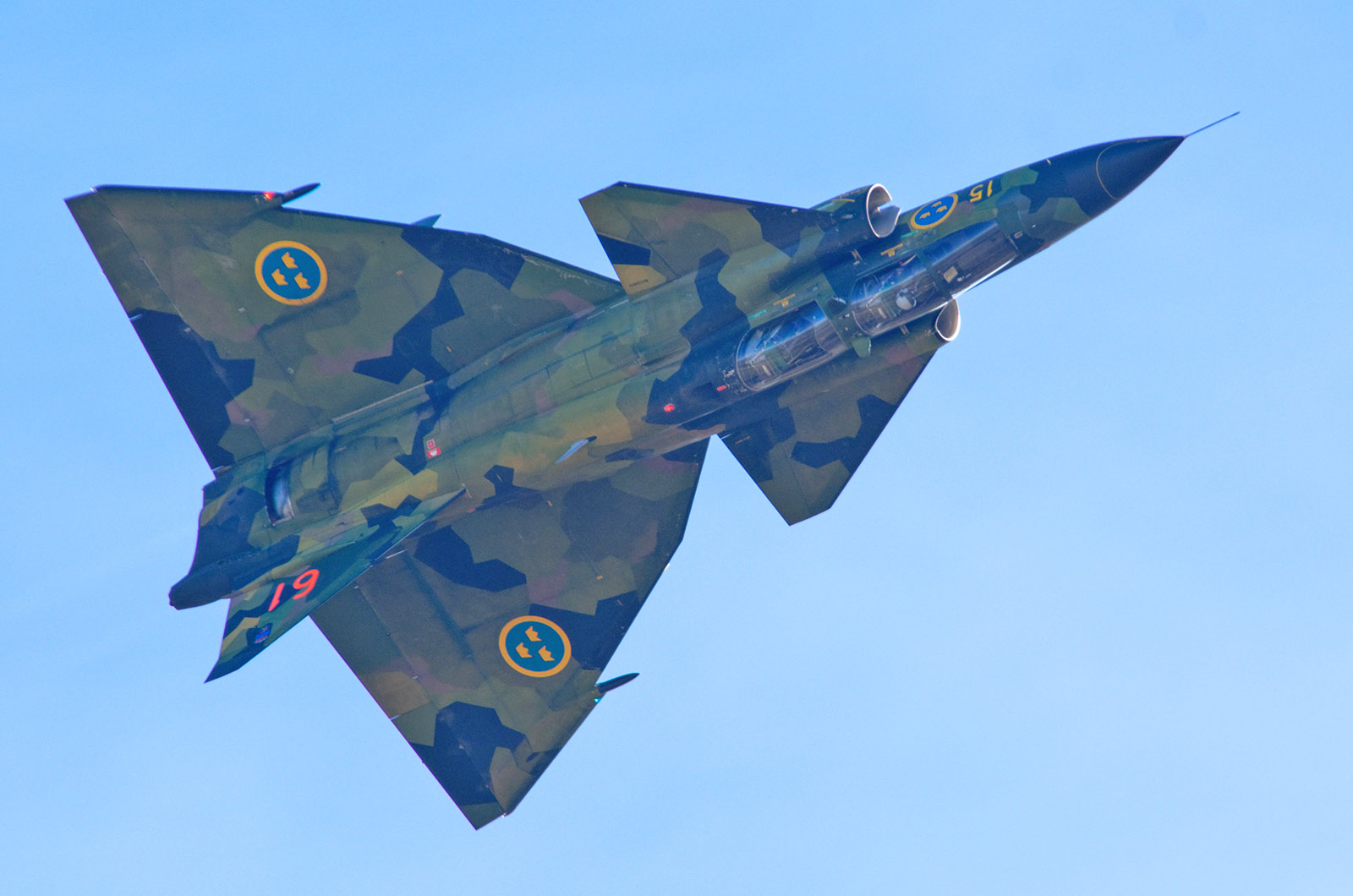
The iconic Swedish FOA scheme was first developed as a long-distance vehicle camouflage, and it evolved from intense studies based on aerial observation. Its angular 'splinter' camouflage was applied to Saab 37 Viggen combat aircraft.




Add your comment