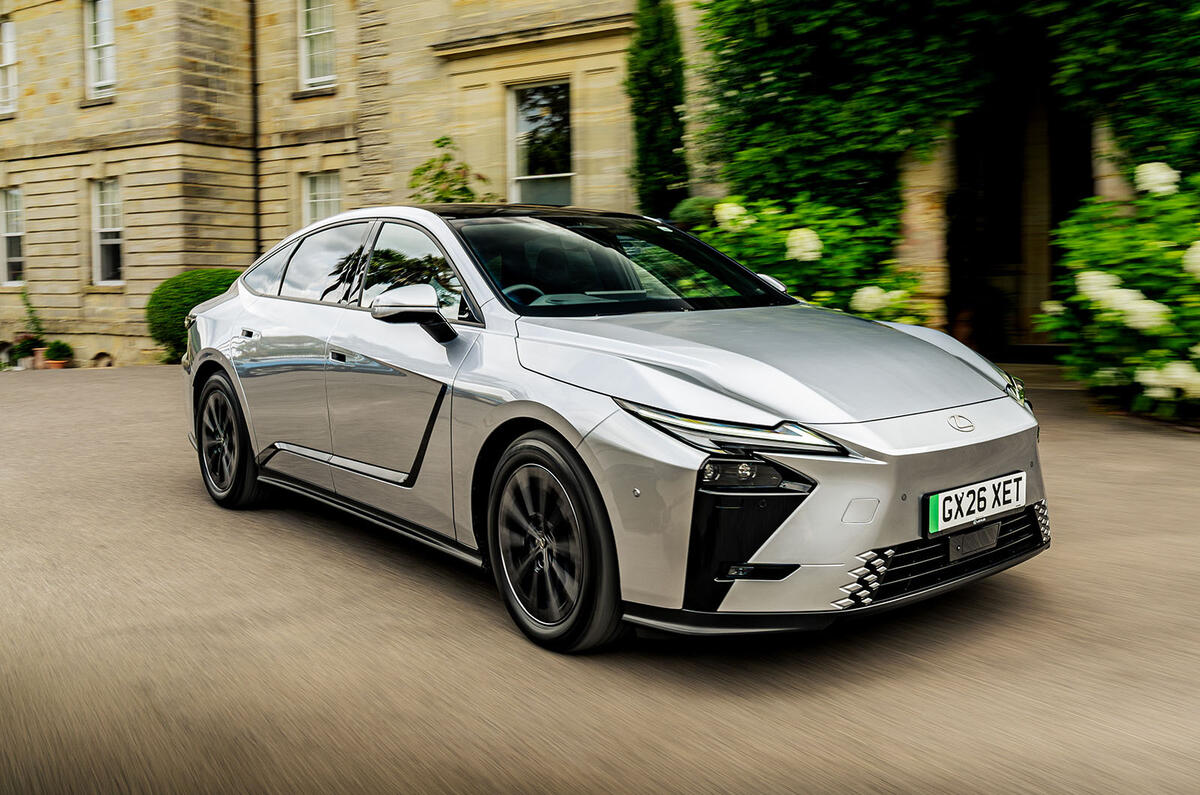
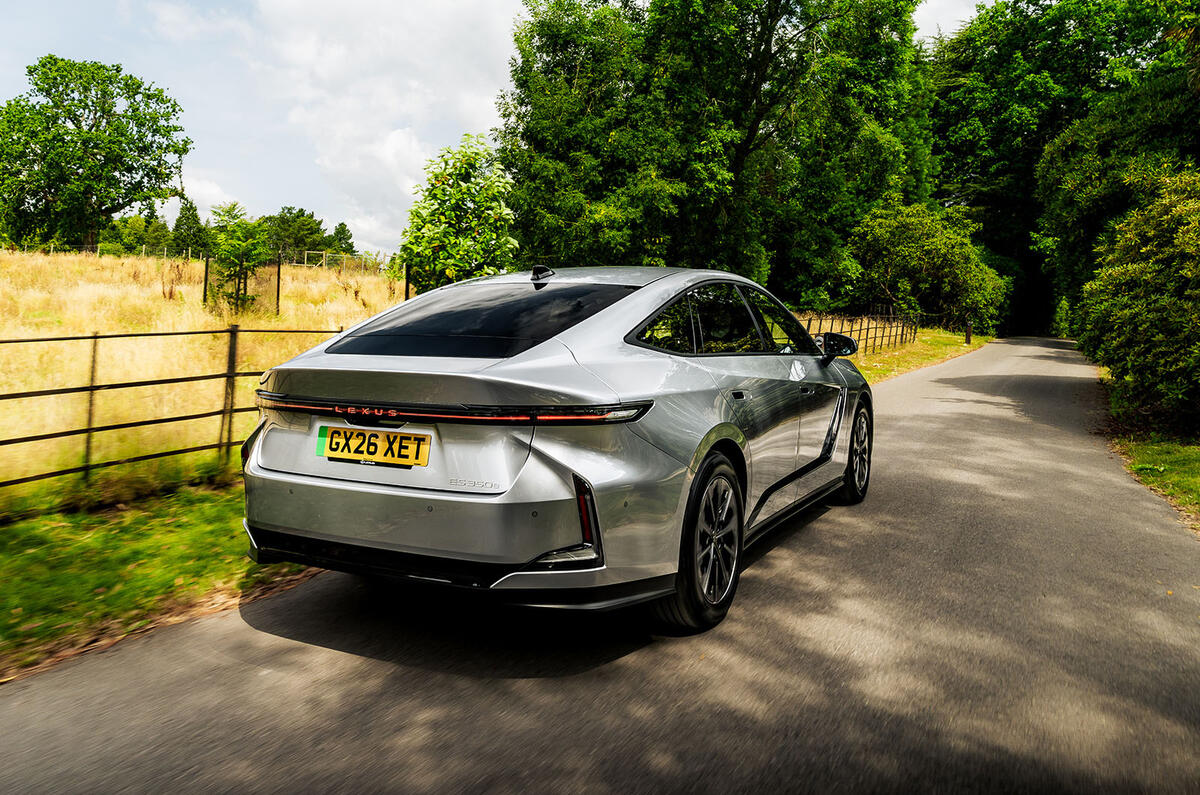
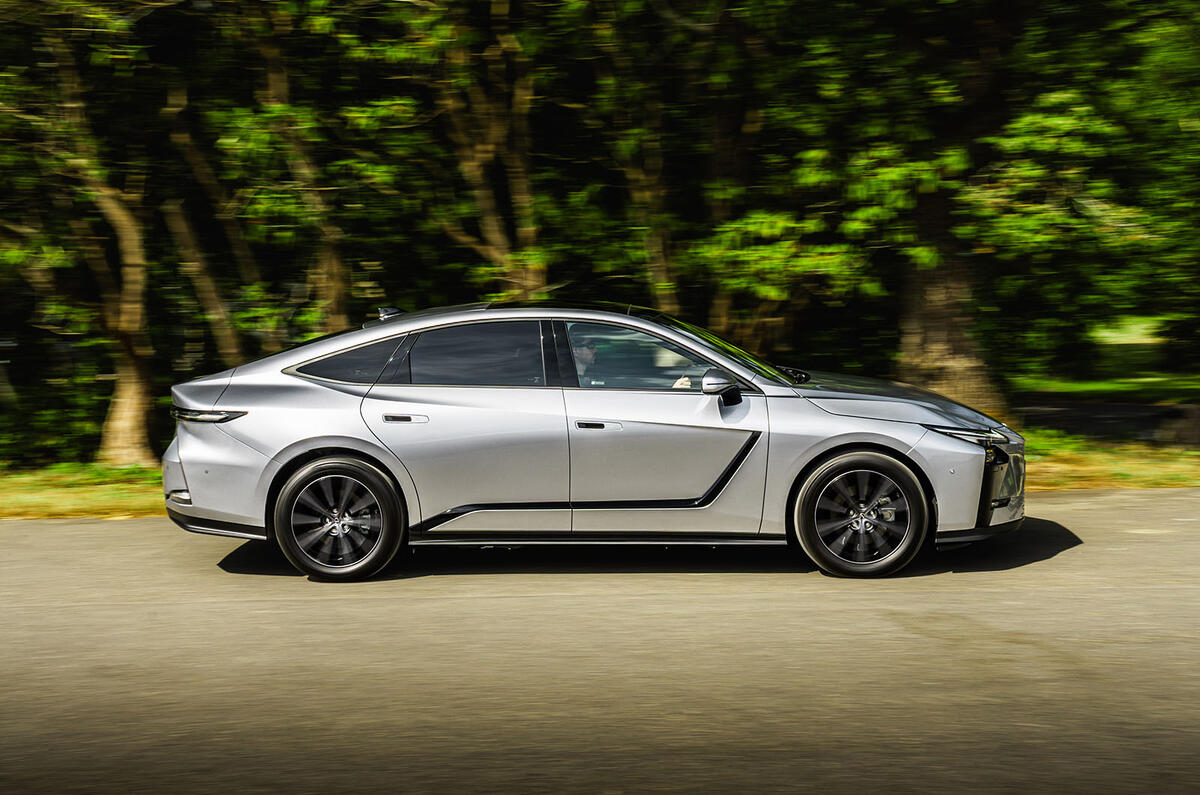
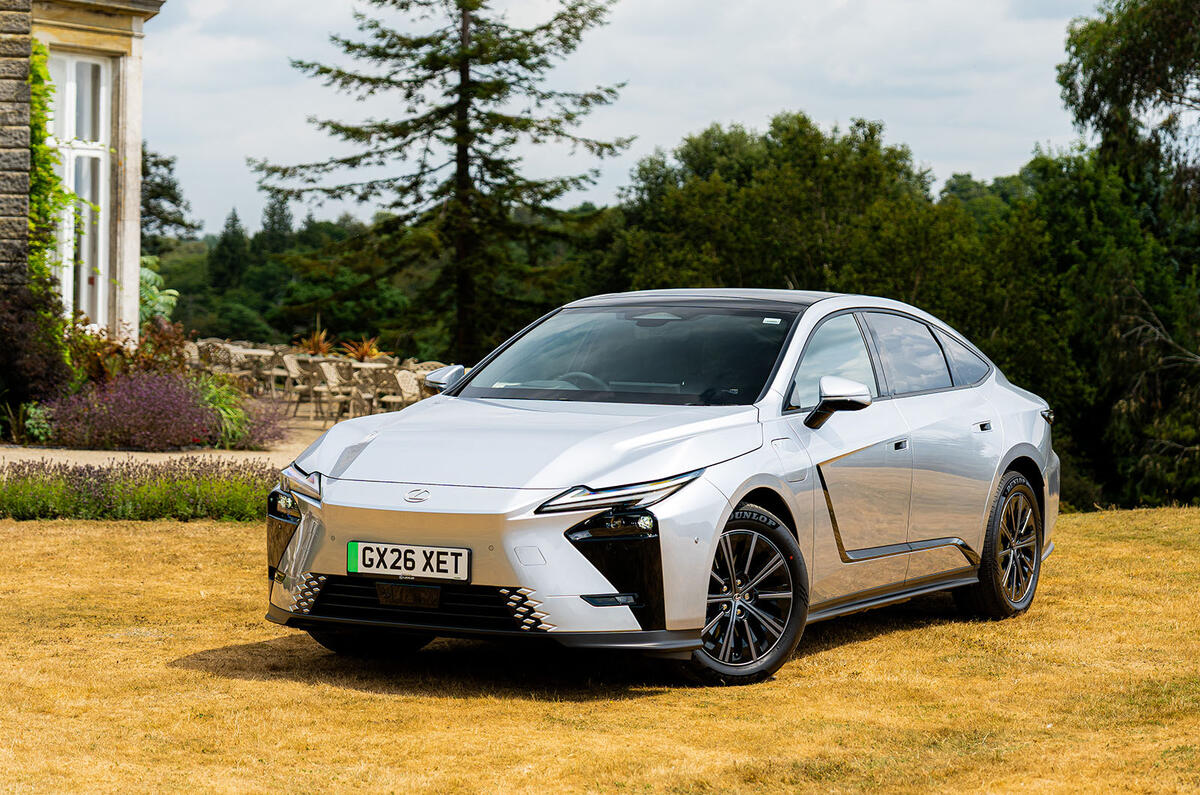
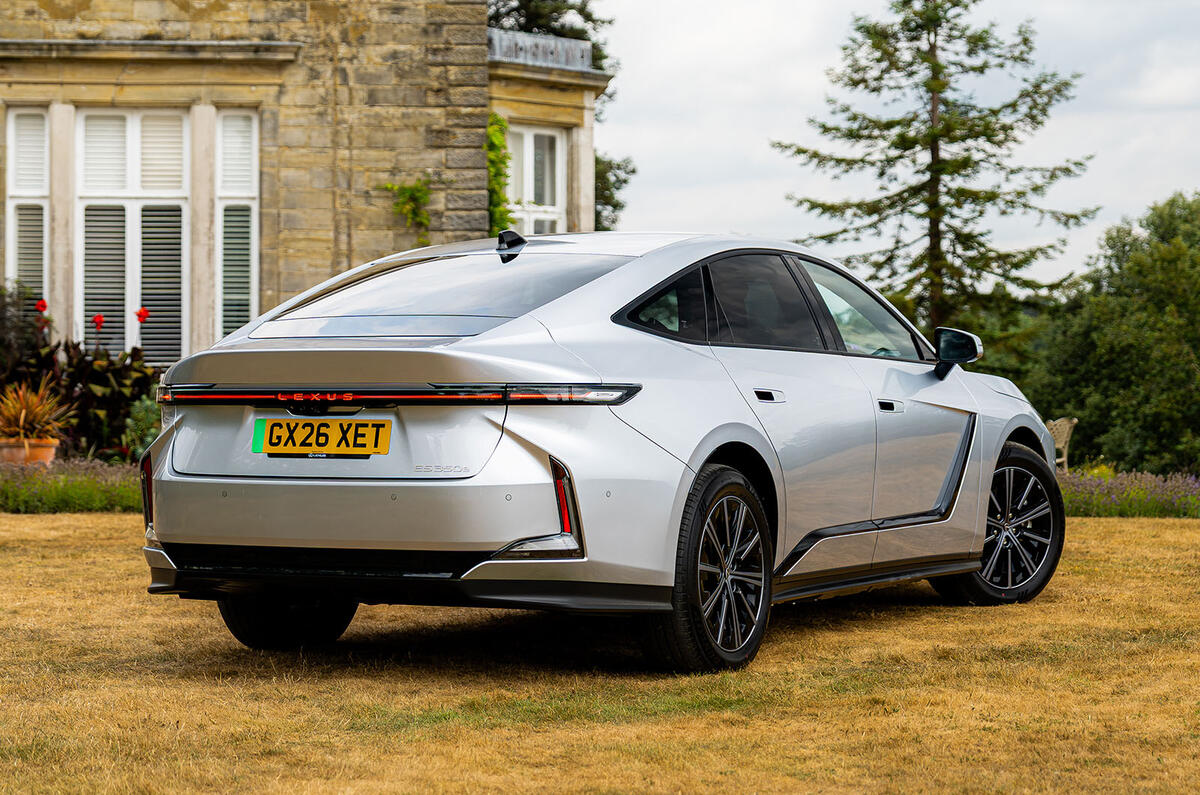
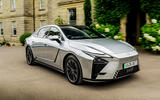
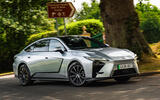
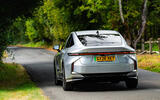
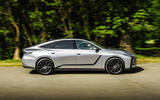
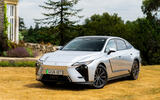
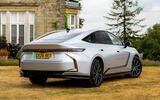
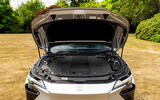
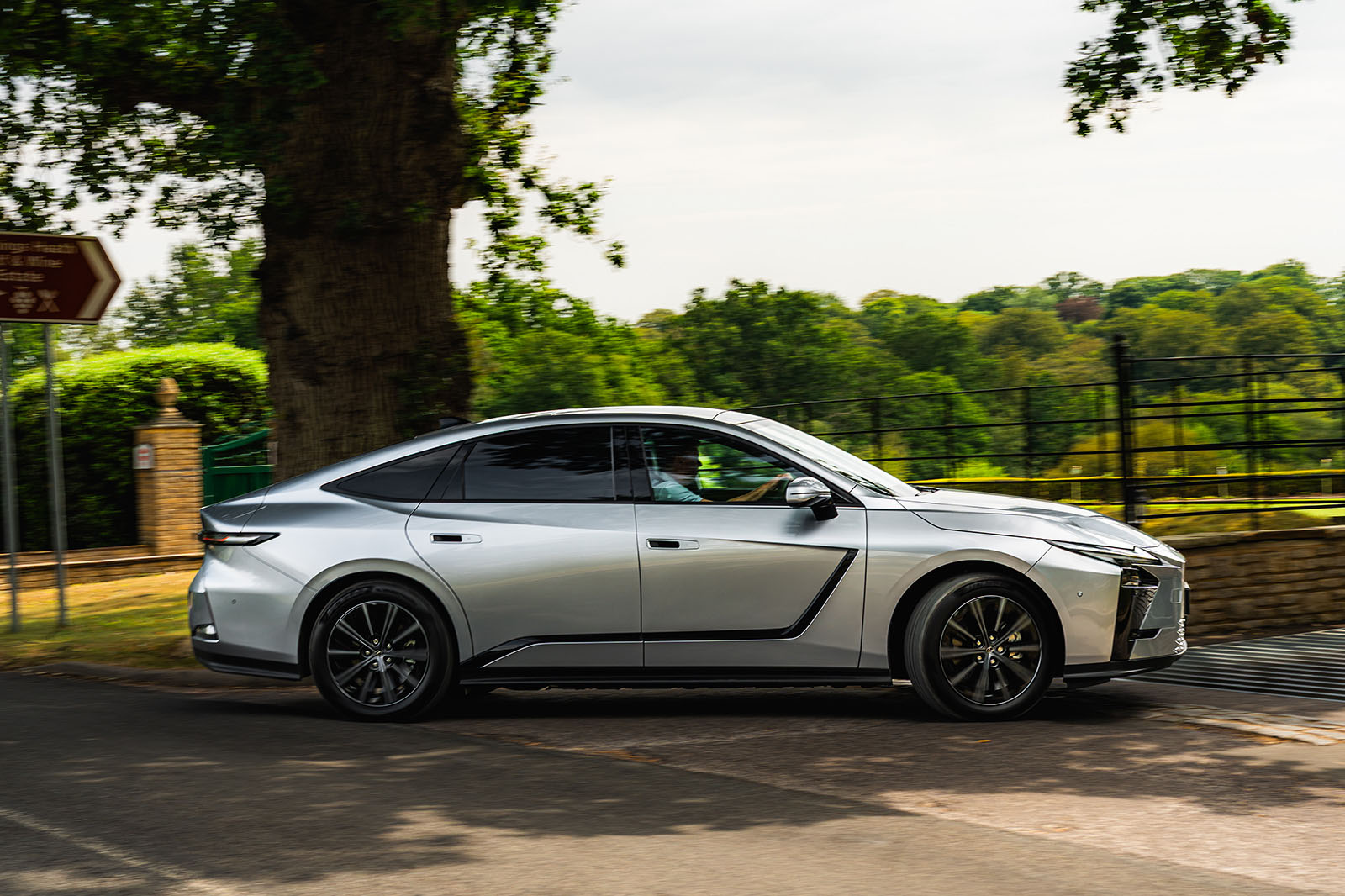
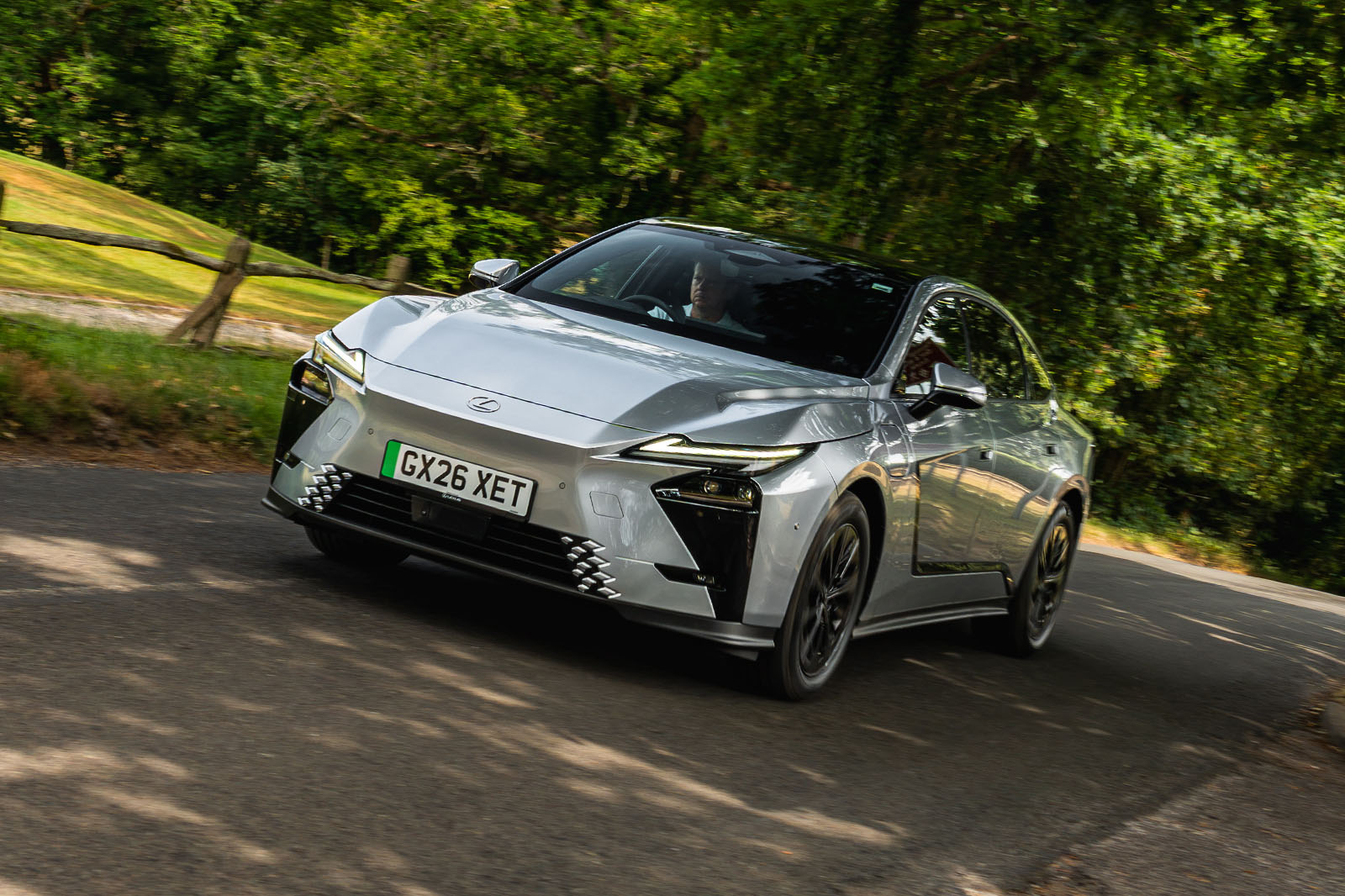
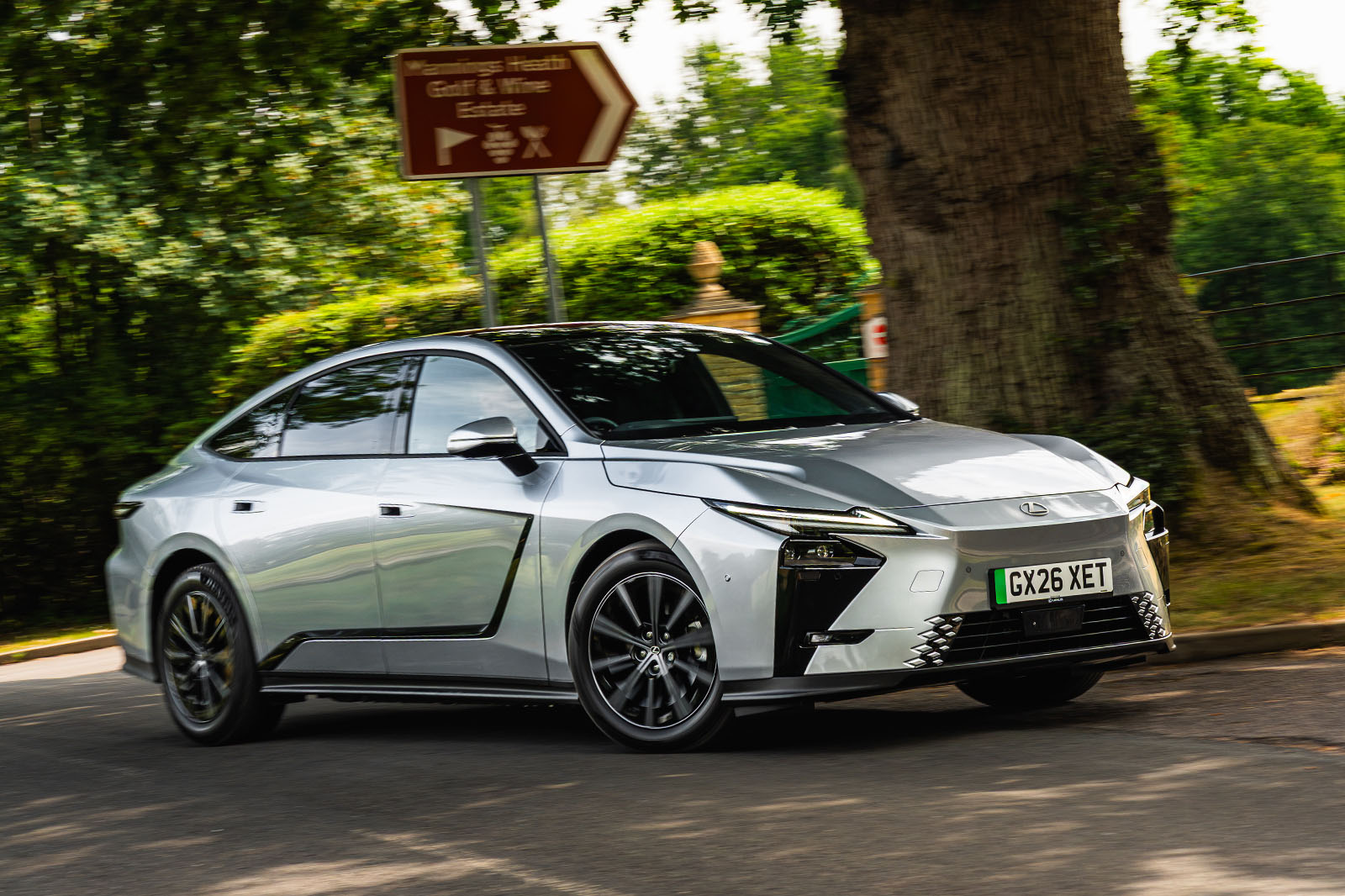
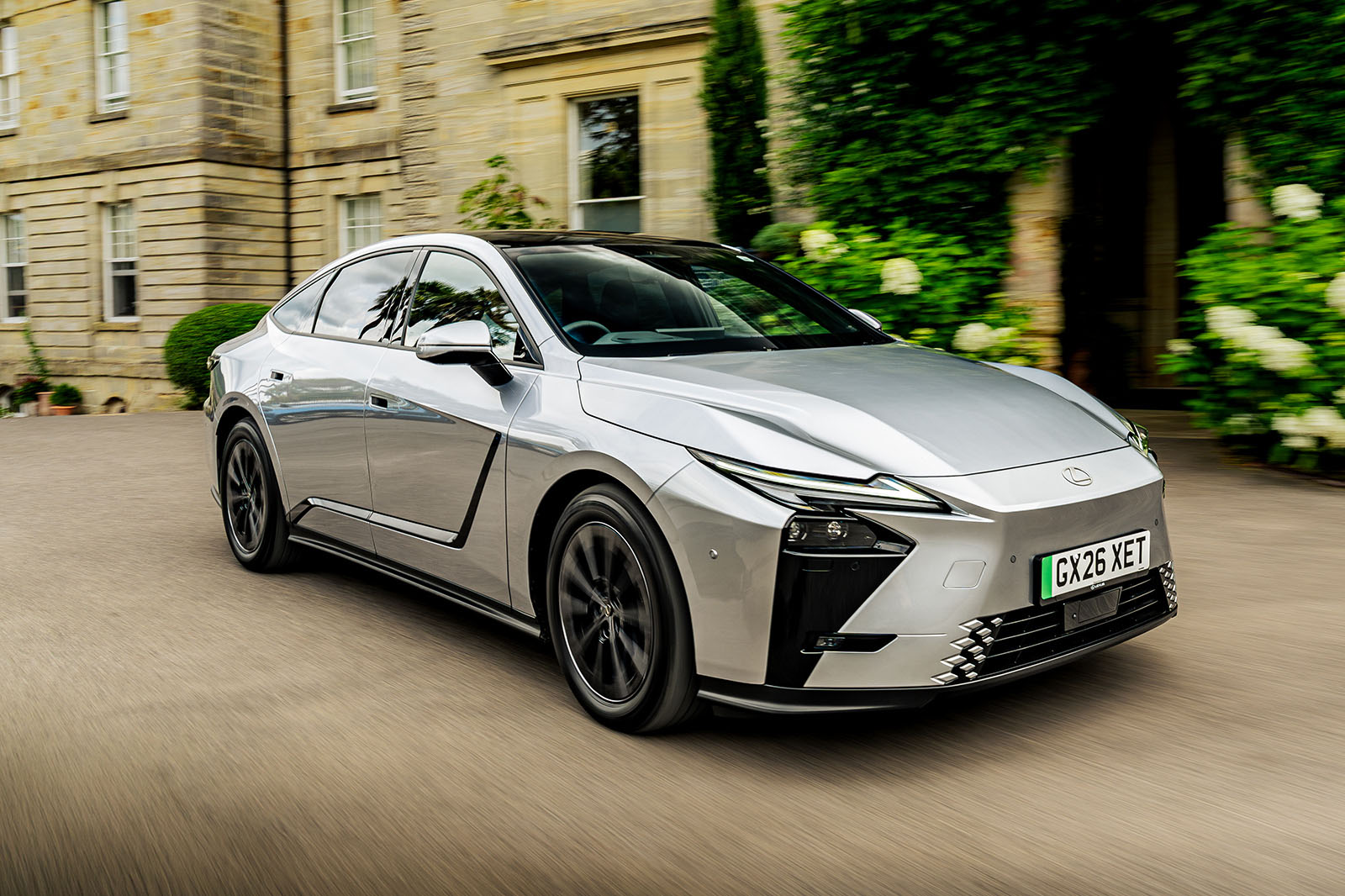
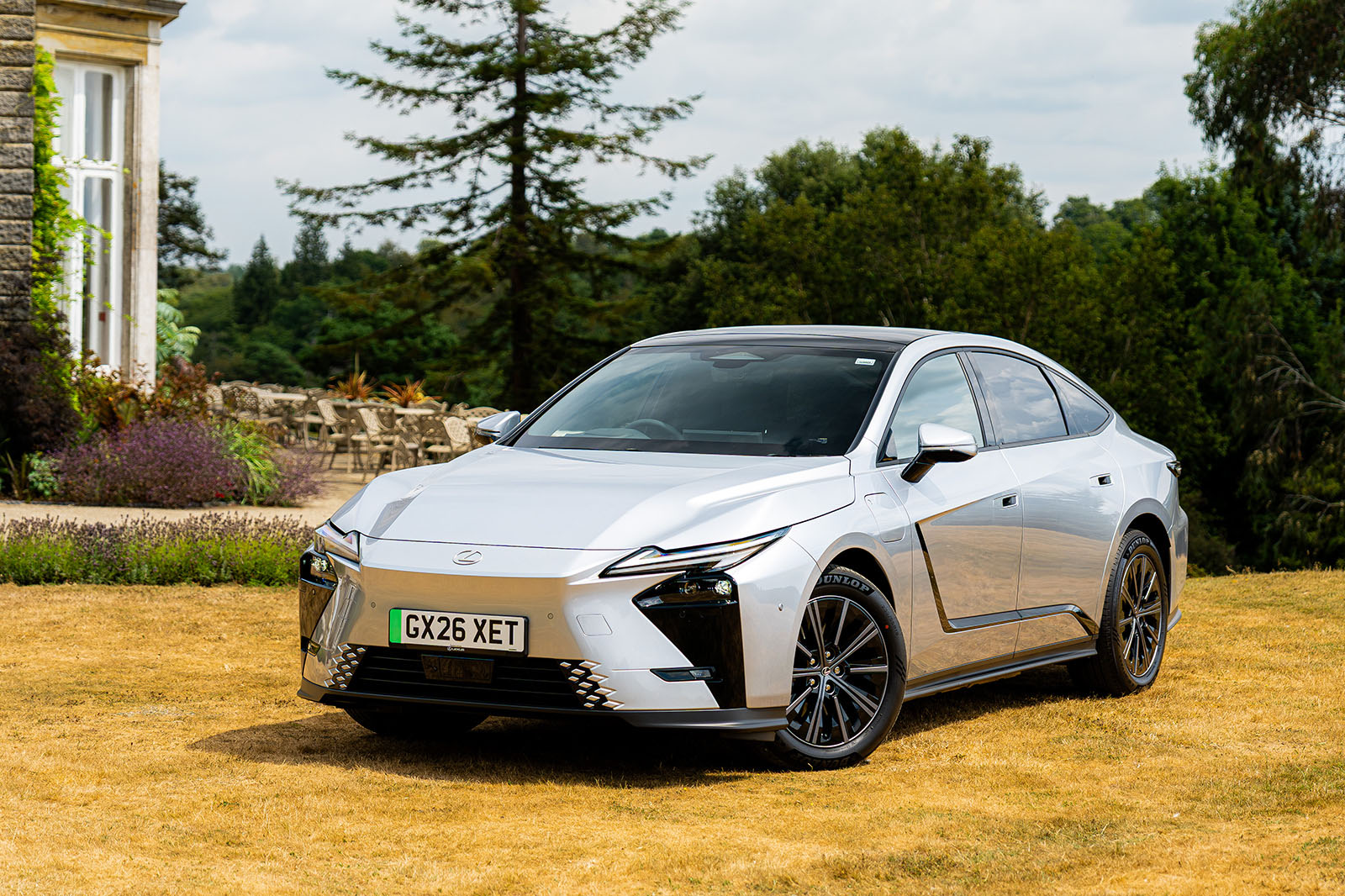
Lexus's eighth-generation ES becomes its one and only big executive saloon – and goes all-electric to boot.

Find Lexus ES verdict: Spirit of the LS lives on in £68k EV deals
Other Services
Sell your car
84% get more money with

Lexus is one of those car brands that slowly seems to be morphing into an SUV specialist almost by force majeure rather than by force of will. At no point has this firm vowed to stop making other sorts of cars or expressed any particular commitment to becoming a tougher-looking, more outdoorsy version of its former self (unlike some other brands we could mention). It’s simply that customers clearly like SUVs - and Lexus can hardly be criticised for catering to that.

Luckily for those who don’t like those SUVs so much, the brand’s management recognises the obligation of a broadly based premium car brand, which sees itself as a rival to the big European ones, to offer a proper range of models. And, just as clearly, said model range should include a big executive saloon like the subject of this review: the Lexus ES

Advertisement
Back to top

Of course it should. Frankly, it’s hard to imagine Lexus without a generously sized ‘luxury flagship’ four-door. For decades, the full-size Lexus LS was the car indelibly associated with the firm, since it was famously Lexus’s introductory model - in the UK market, at least. In North America, however, the smaller ES appeared at the same time, in 1989. It wasn’t until the seventh-generation ES came along, in 2018, that Europeans and Brits became acquainted with it.

Now, the eighth-generation incarnation seems to be part of something of a reset for Lexus’s executive saloon-car strategy. Why a reset? Because by the time it left UK showrooms at the beginning of 2025, the larger, fifth-generation LS had become a very slow-selling car indeed (only three examples were registered in 2024 and fewer than 40 since 2020).

It has been replaced, in part, by the firm’s chauffeuring-spec luxury MPV, the Lexus LM. But the old LS also has a kind of successor in this new ES, which is significantly larger than the seventh-generation version; now has a more clearly focussed luxury brief than it ever used to; and has one, but only one, powertrain, albeit one that business and fleet users might naturally gravitate towards in 2026.

DESIGN & STYLING

Lexus ES review 2026 002

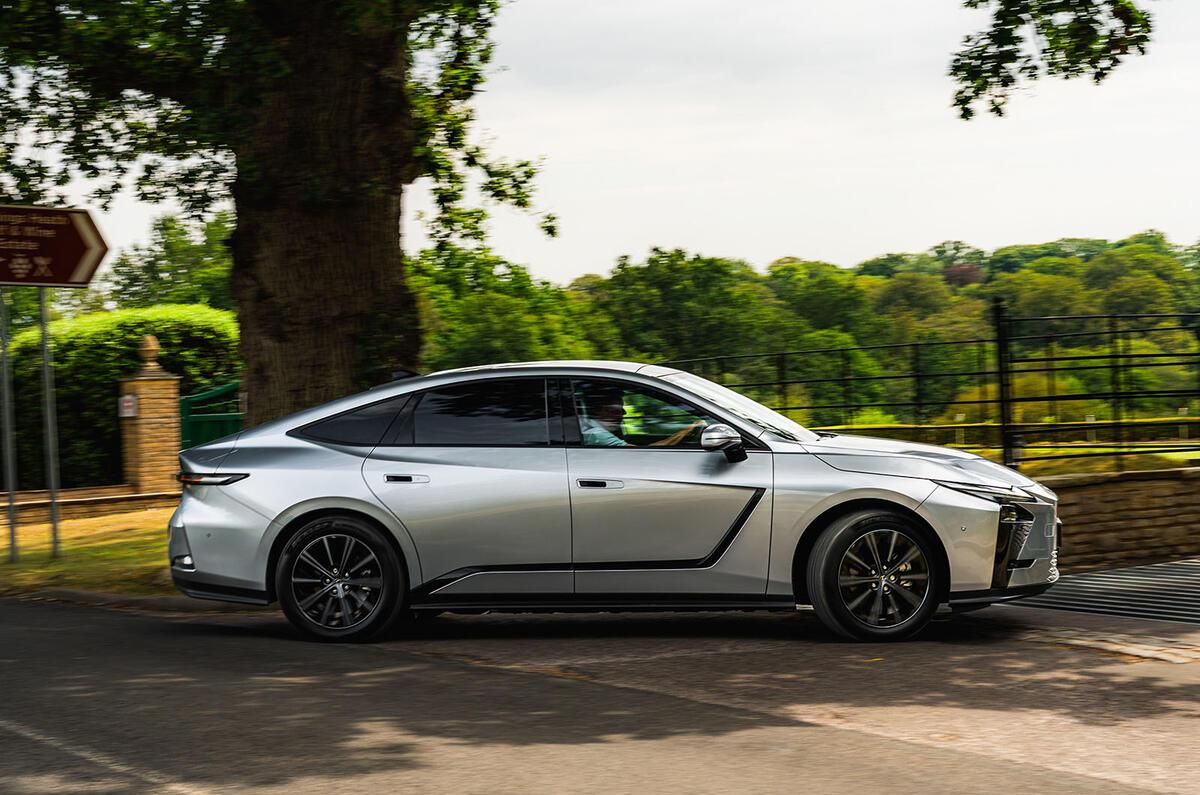
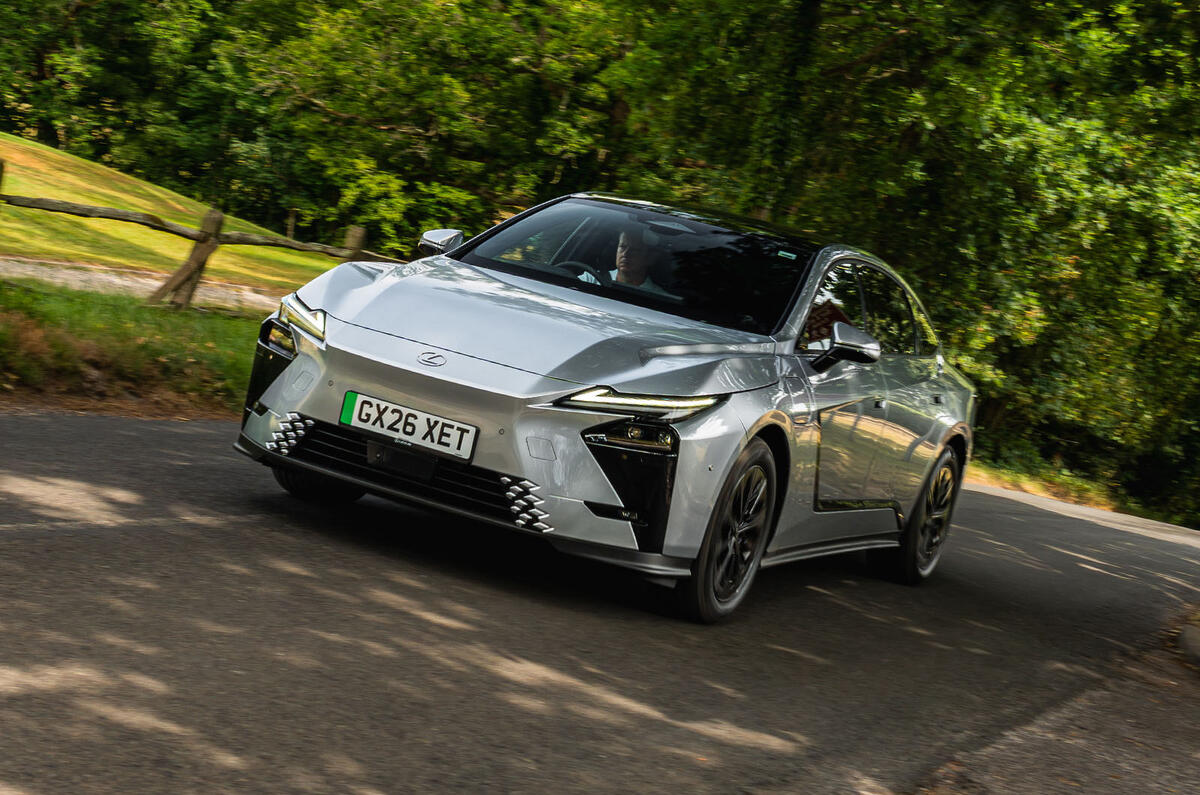
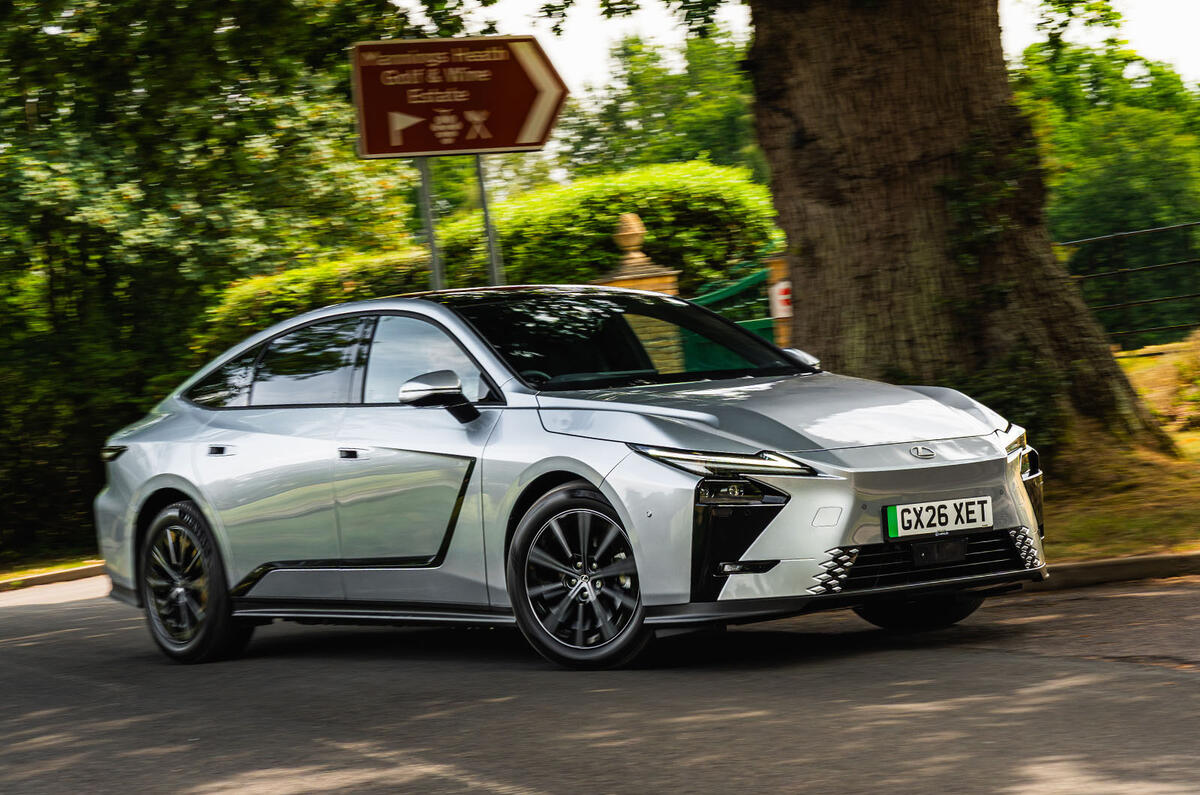
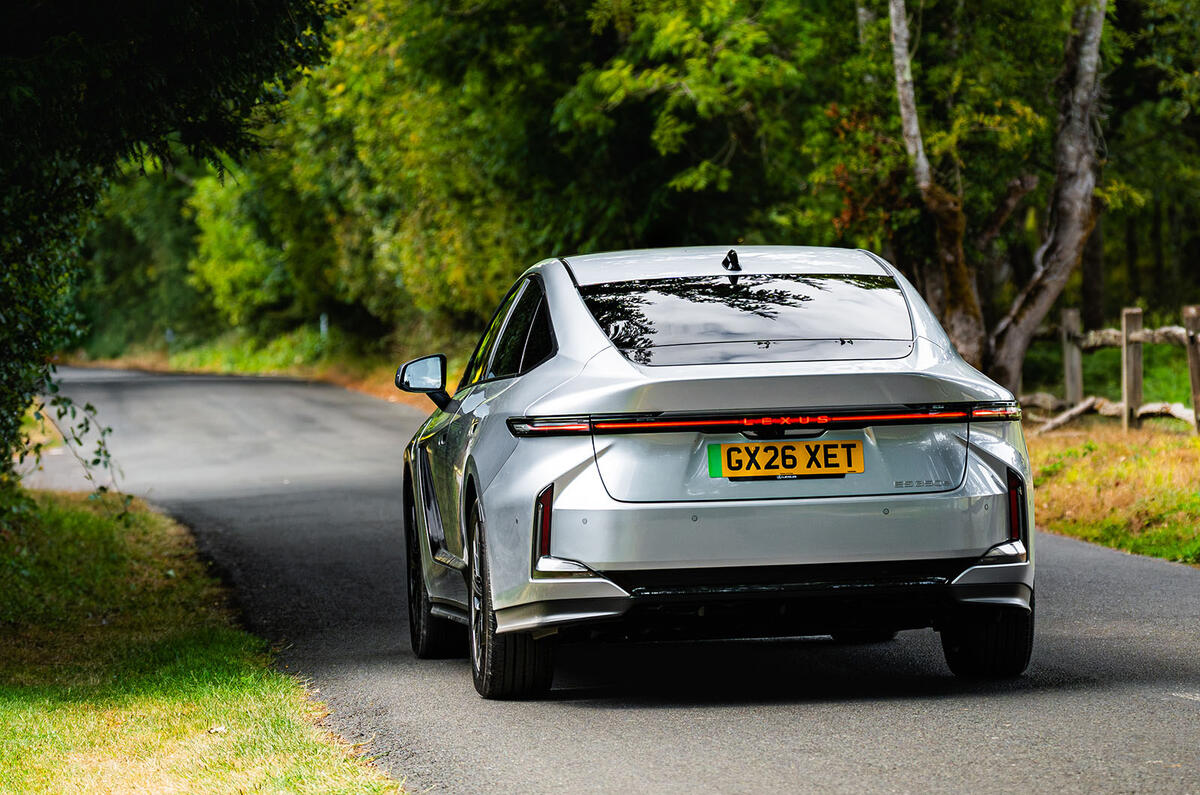
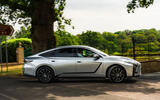
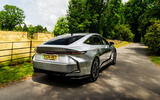
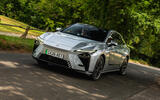
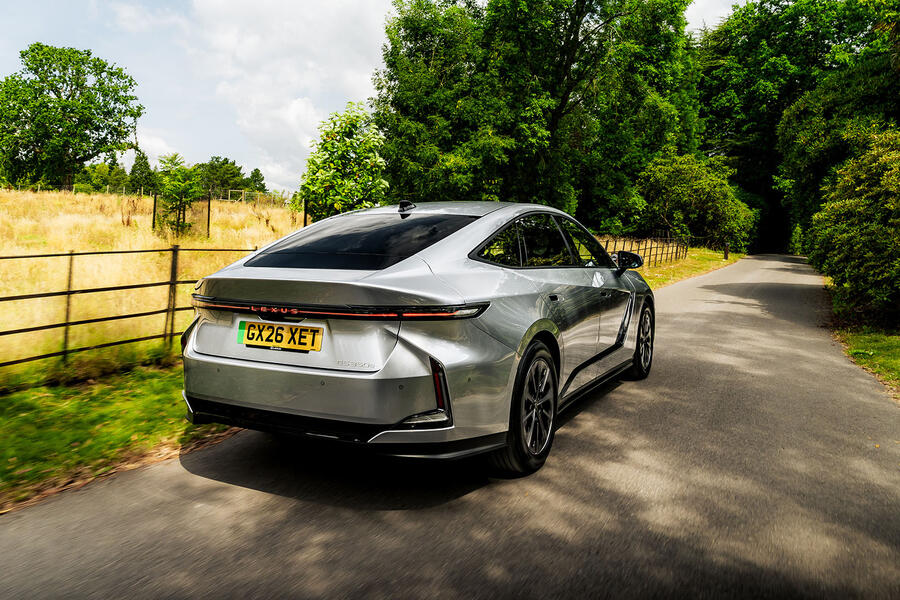
Having been just under five metres in length in its outgoing form, the new ES is some 5145mm long, which is within an inch or so of a standard-wheelbase Audi A8 or Mercedes S-Class.

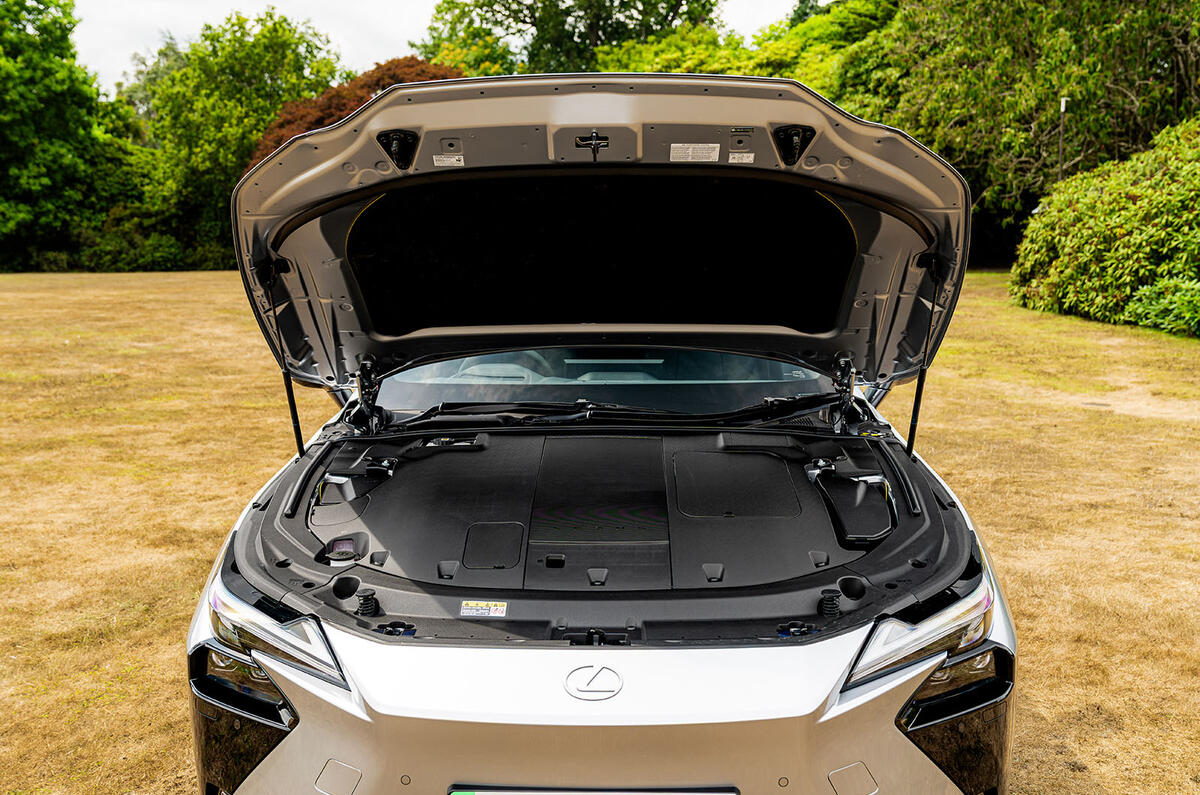
It’s markedly wider and taller than the Mk7, too, because its chassis, built on a version of the Toyota/Lexus TNGA-K platform (Toyota Camry, Toyota RAV-4, Lexus RX, etc), has been designed to accept an underfloor skateboard-style drive battery (which pushes the cabin and roofline upwards), so electric versions can be offered in addition to the ICE-powered ones available in other markets.

In the UK, though, the new ES is exclusively offered in electric form. Lexus has made it pretty obvious that UK and European sales remain of only tangential importance by not bothering to develop a plug-in hybrid version, when clearly it could - and, arguably, should. Both the RX and NX, built on the same platform, have PHEV versions, and most of the ES’s business-saloon, European-made competitors are offered in plug-in form.

And so we get the front-driven, single-motor ES 350e. It’s not the most exciting, alluring or technically progressive electric proposition for a big luxury car, but for us at least, it’s this or whistle.

With 221bhp of peak power, 72kWh of usable battery capacity and between about 320 and 360 miles of WLTP lab-test range (depending on wheel size and model grade), this car is a world away from the boundary-pushing electric executive options being introduced by the likes of BMW, Mercedes-Benz and others at the moment. You can, as a matter of fact, get much the same electric powertrain as this car offers in a £36,000 Toyota C-HR+ - as well as better performance and electric range from the smaller, lighter car, needless to say.

INTERIOR

Lexus ES review 2026 005

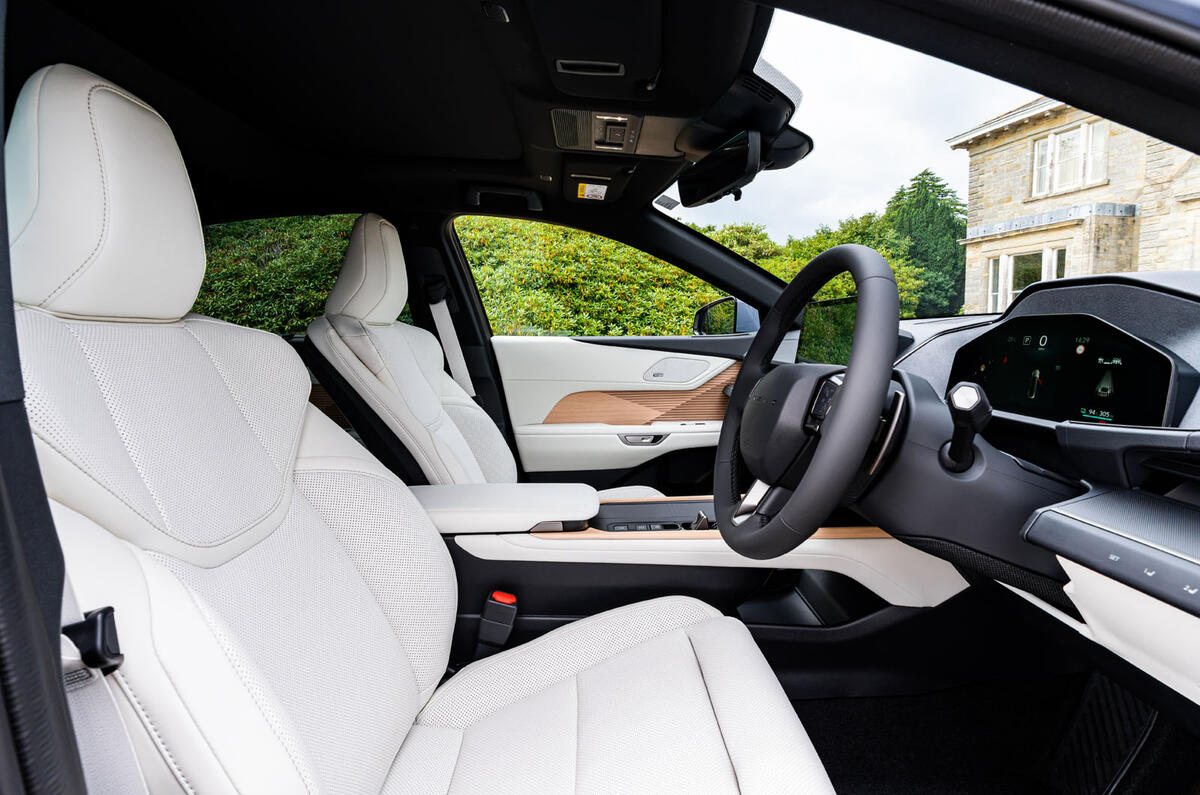
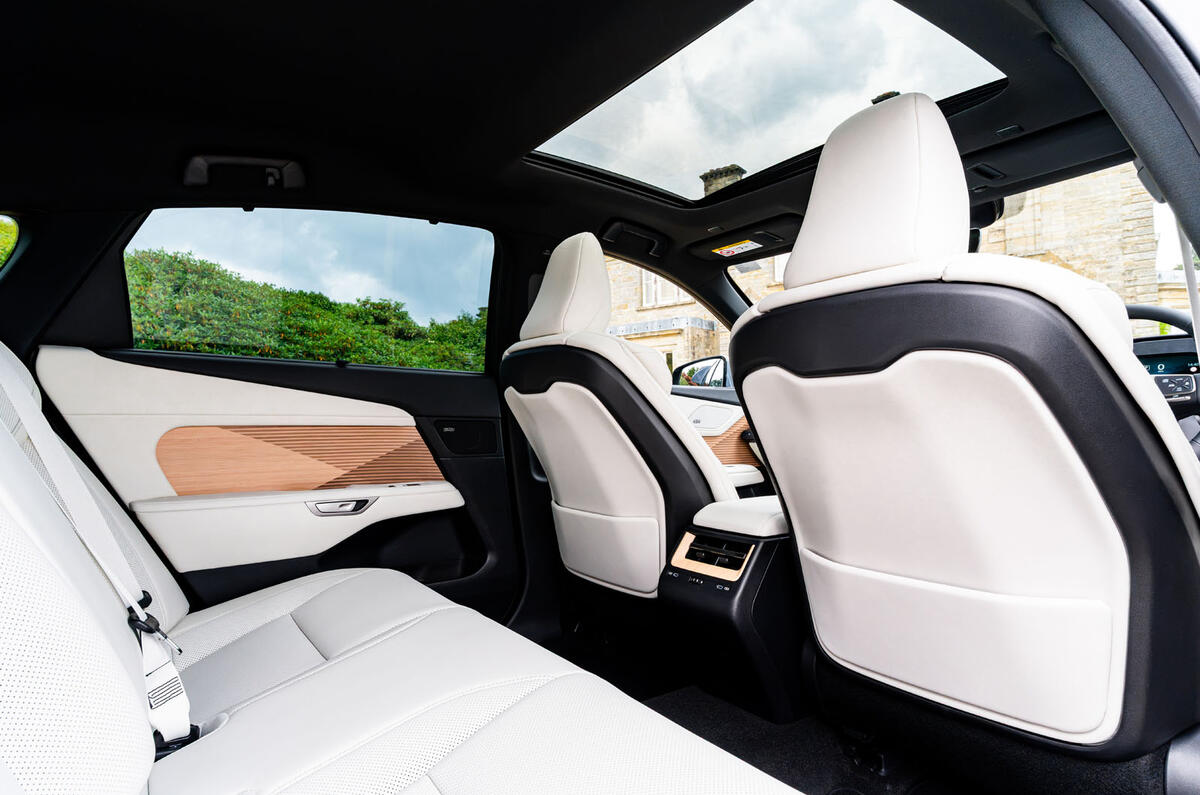
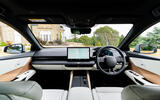
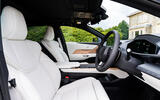
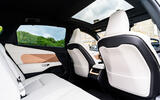
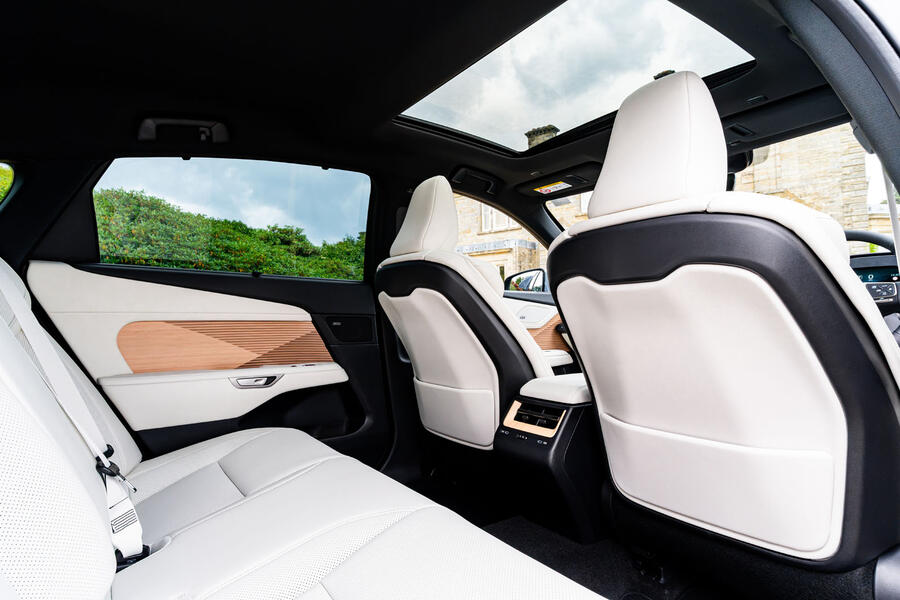
There’s an additional 80mm of wheelbase length in this ES over and above that of the previous car, and that gives the cabin plenty of limo-like feel. Head room isn’t in particularly generous supply for taller adults in either the front or back rows, and the driver’s seat seems perched up and could do with lowering.

However, the ES’s newly expansive ambience lands just the same. If you go for a range-topping Takumi-grade model, you get heated reclining rear seats, the one on the passenger side getting a motorised leg rest and a remote-folding front passenger seat ahead of it, for the full VIP passenger experience.
You’d expect a particularly comfortable driver’s seat in a Lexus luxury saloon, and the ES certainly has one – but, if you’re long-legged, it only gives you an extendable seat cushion as part of mid-spec Premium Plus grade.

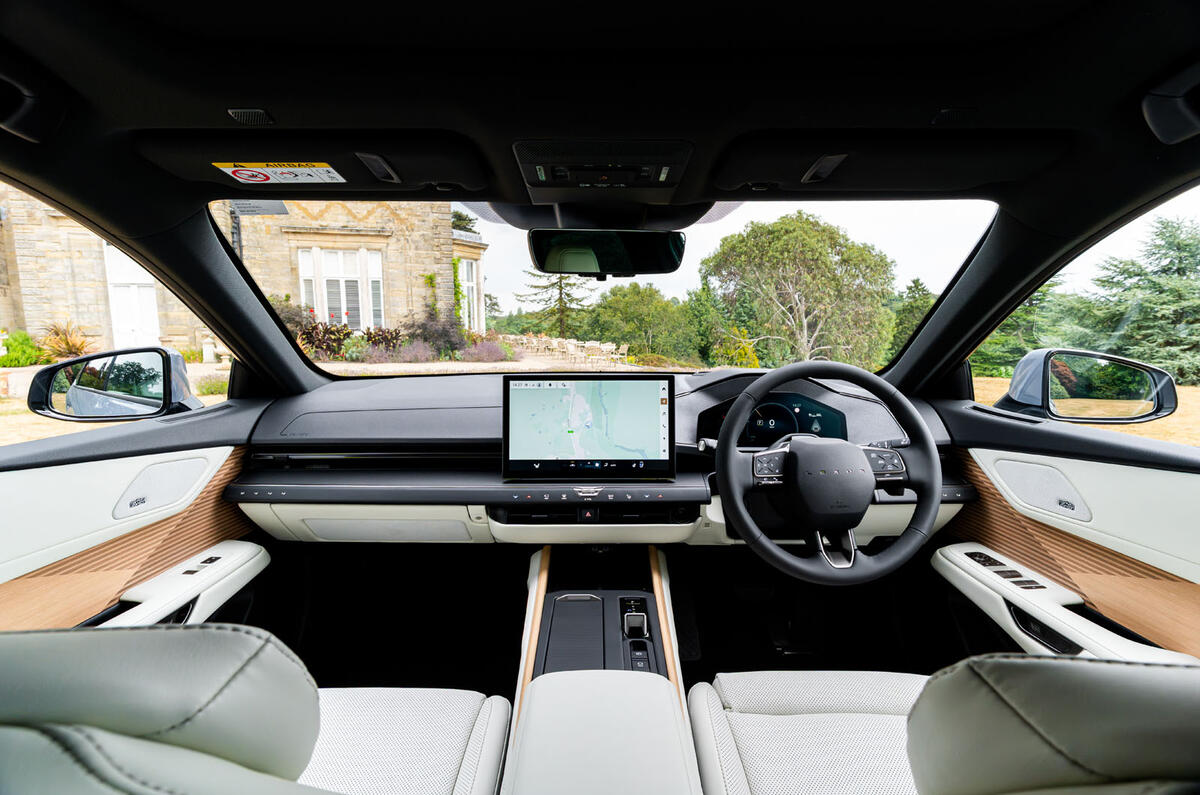
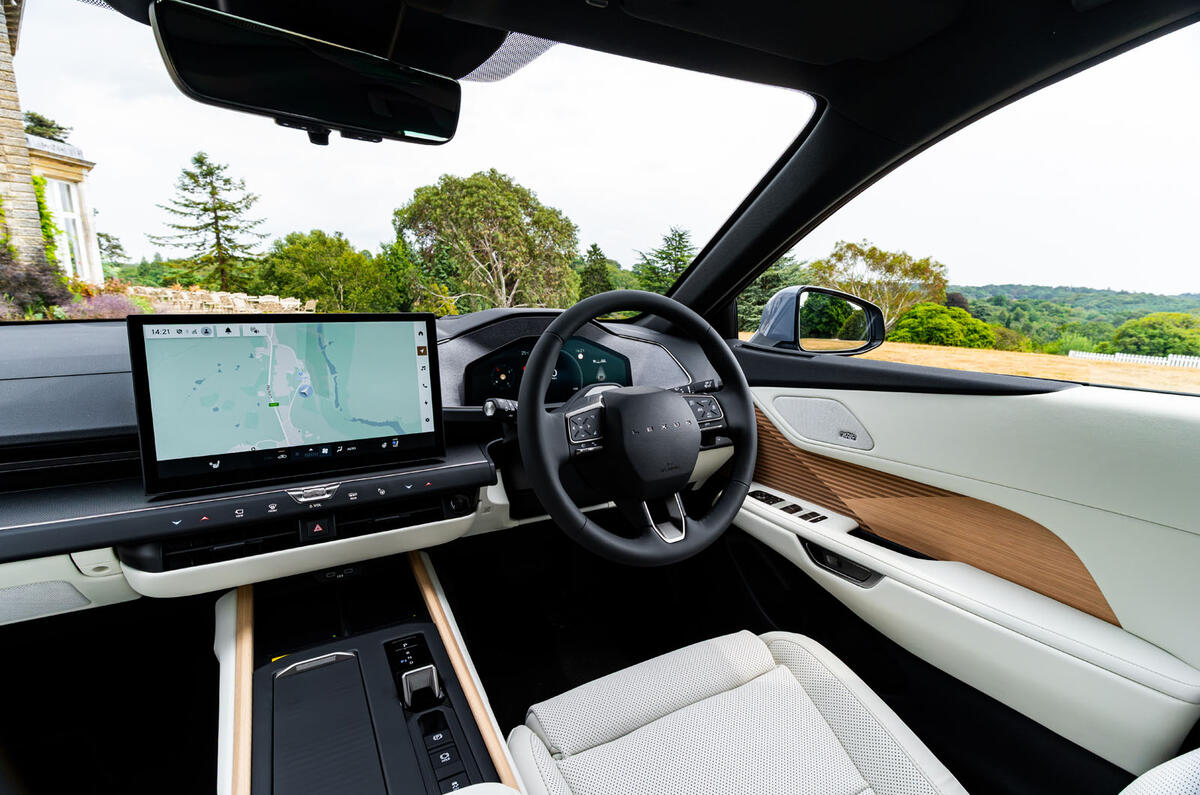
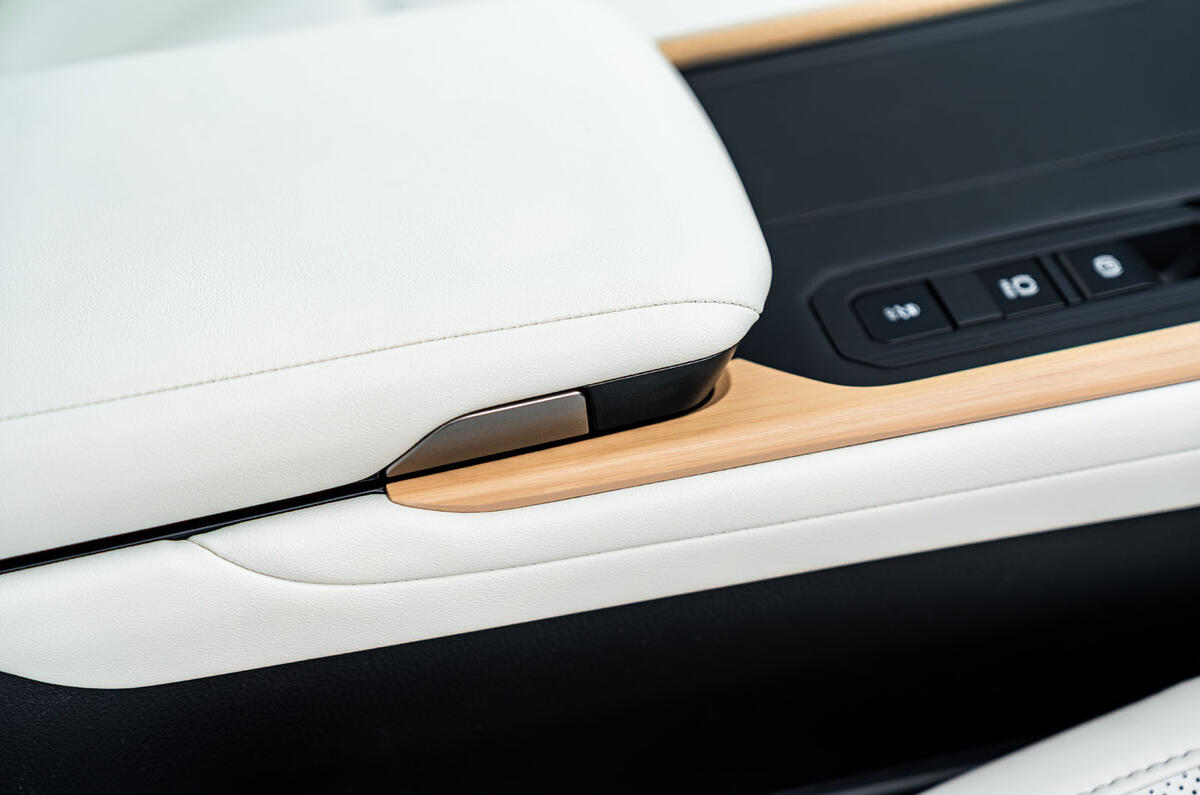
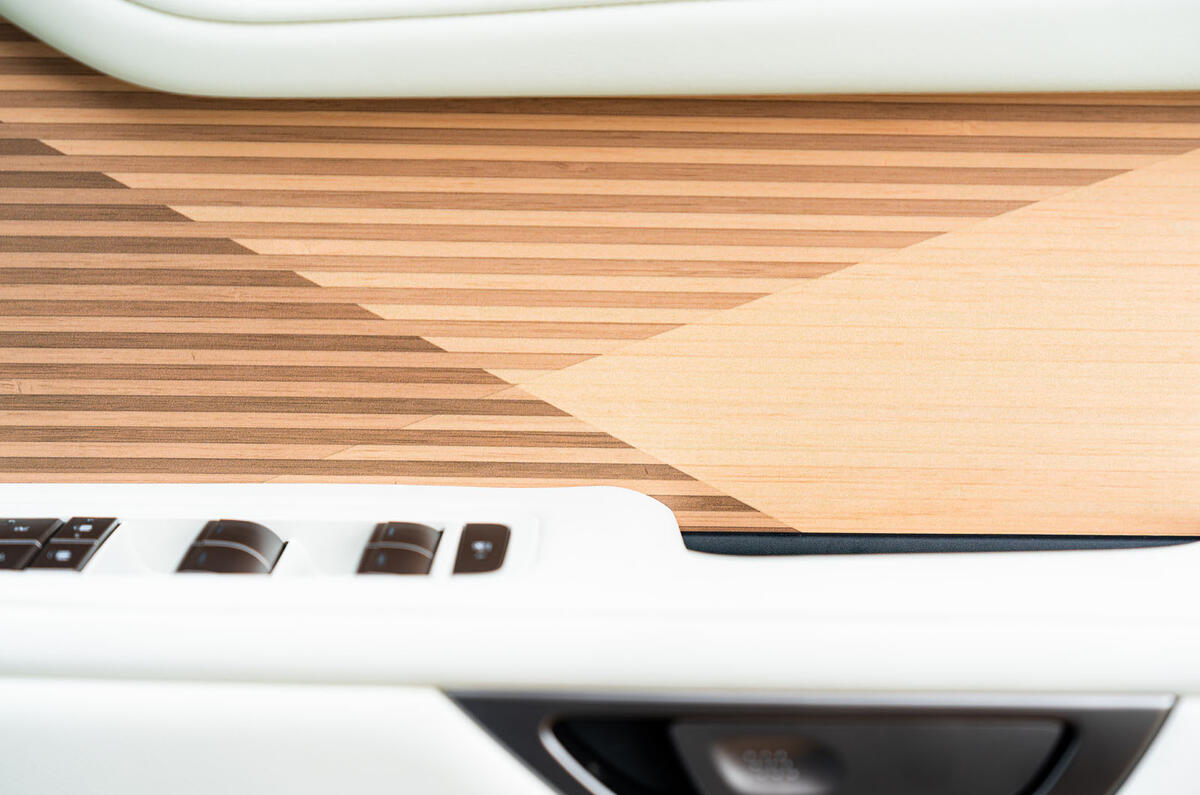
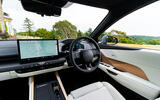
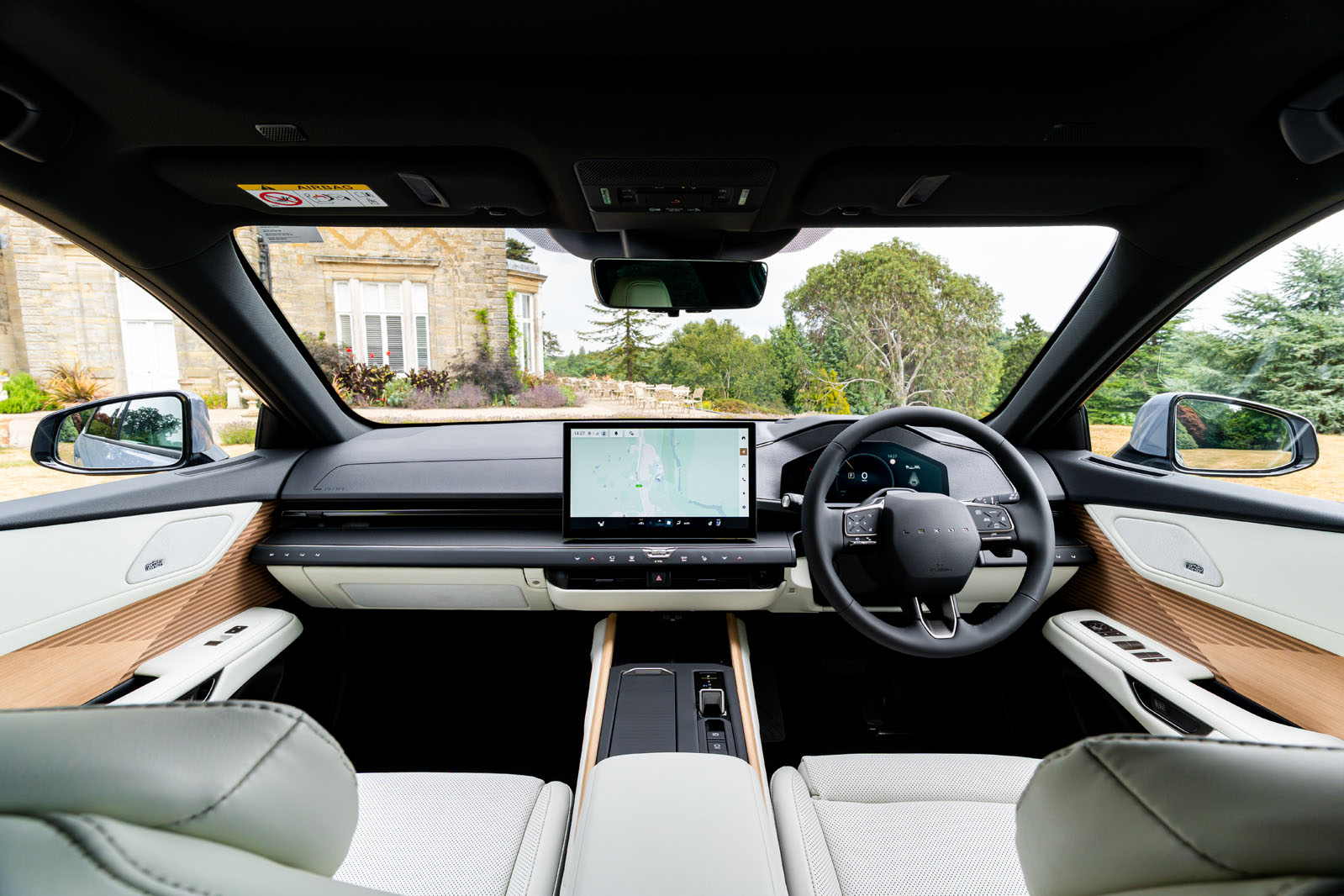
The rest of the cabin, while not quite as lavishly decorated or expensively appointed as was the old LS’s, is certainly inviting enough. Perceived quality levels are fairly high, with a new kind of bamboo trim decorating door panels that are backlit for an intriguing, colour-selectable high-tech ambience. 

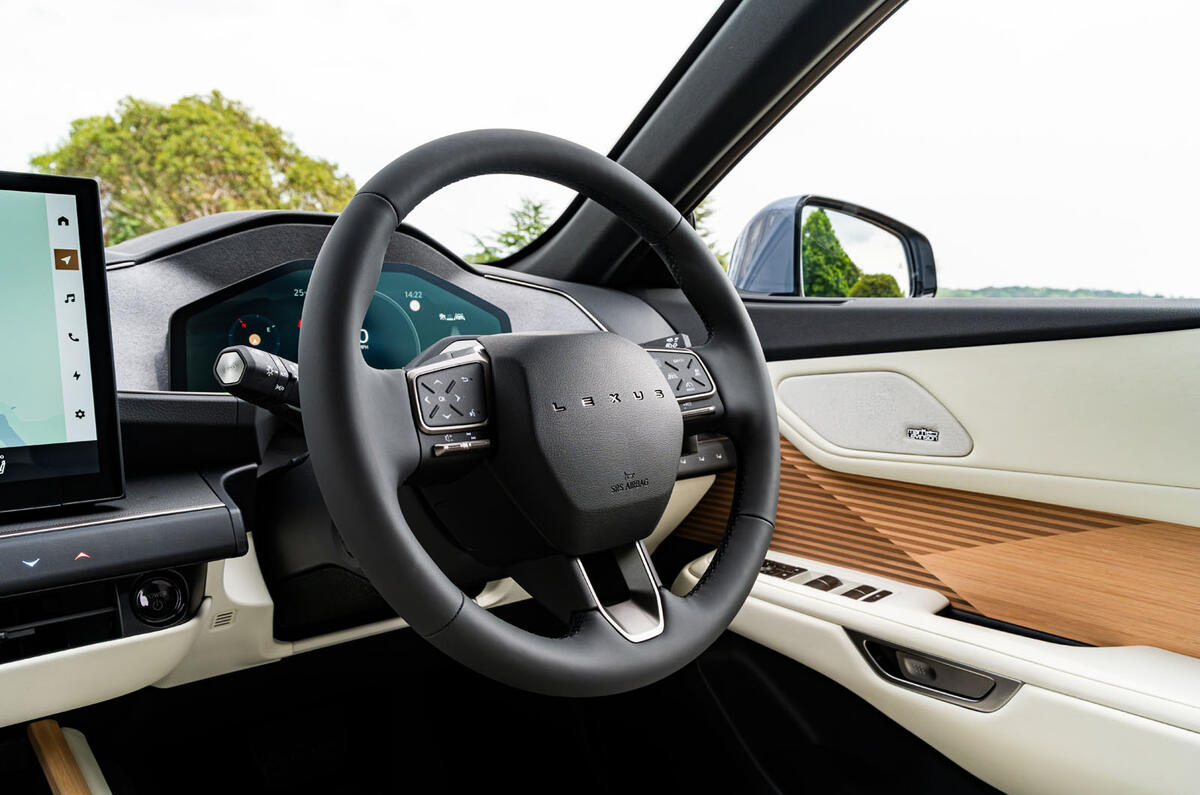
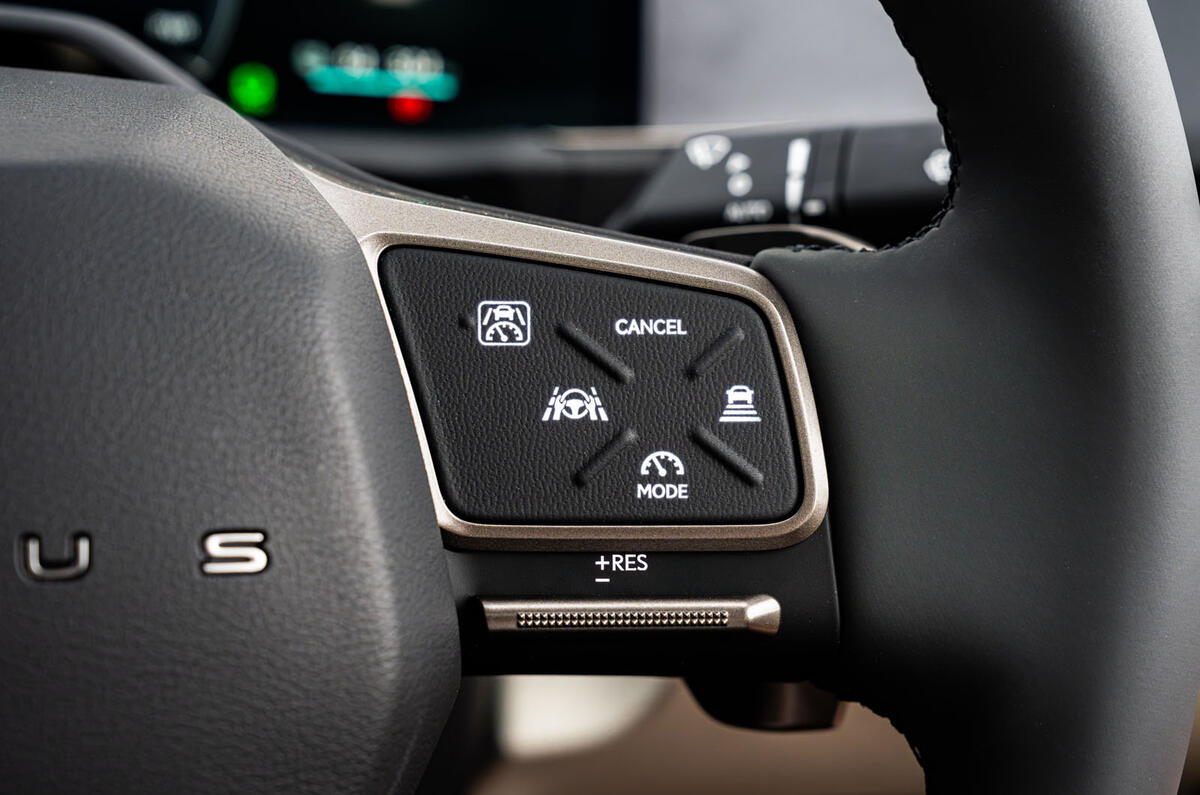
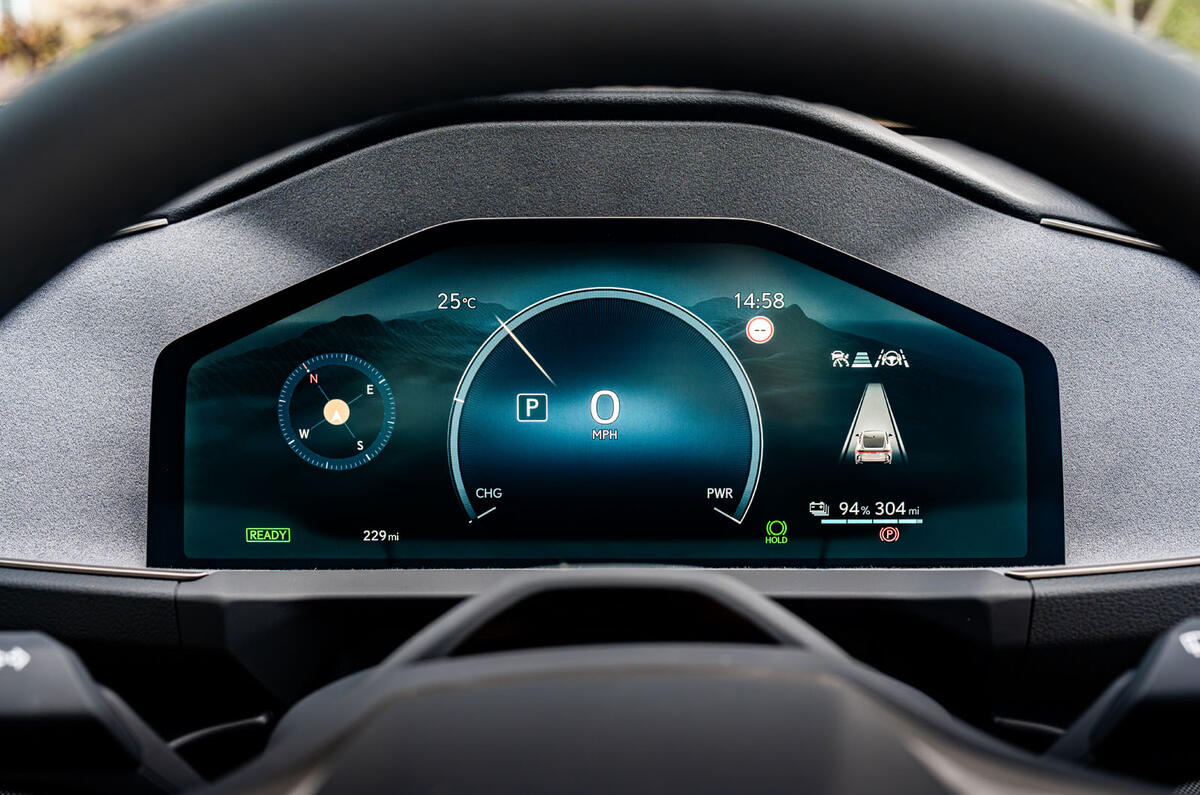
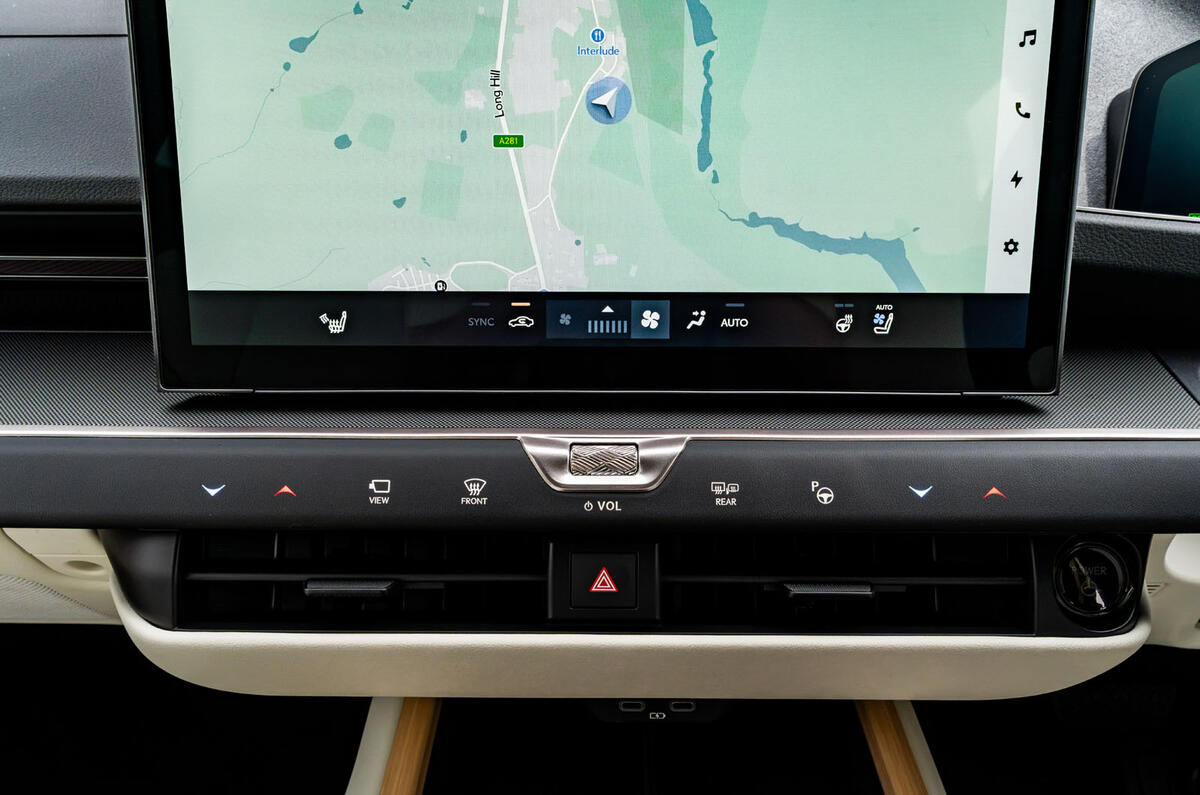
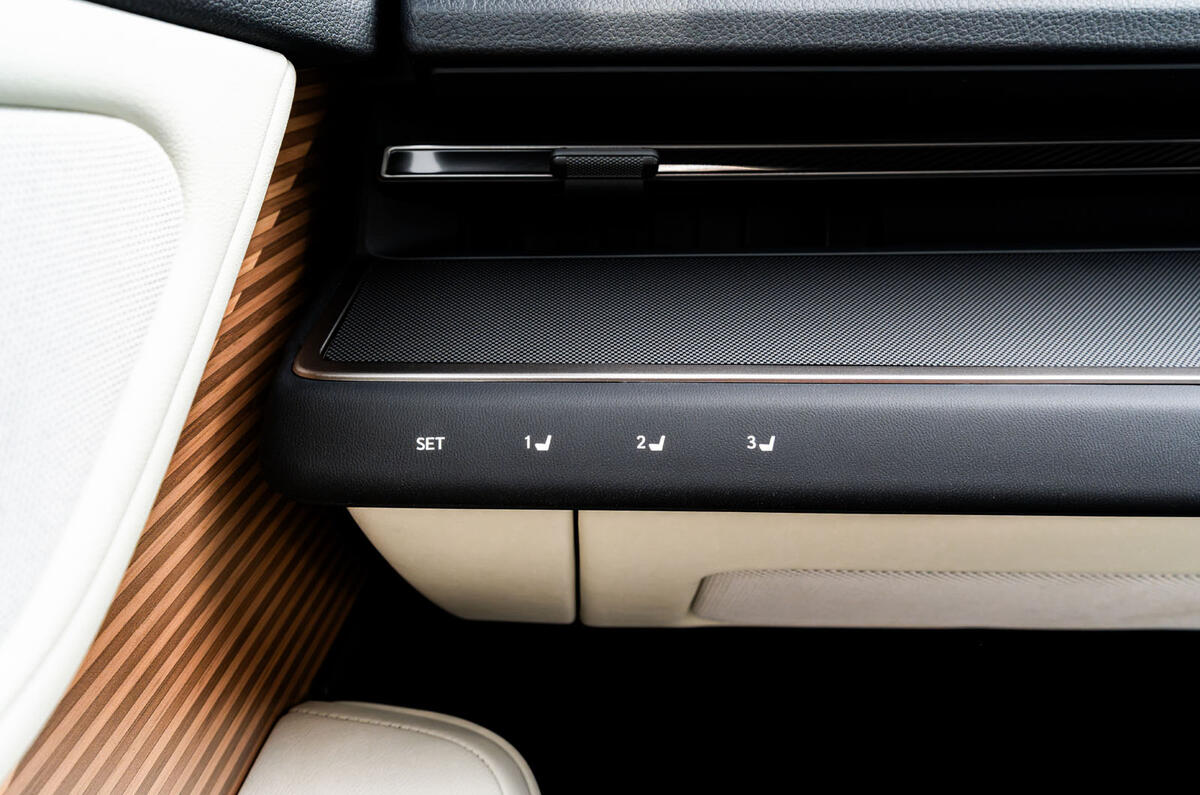
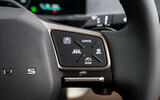
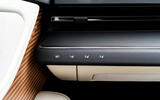
The dashboard layout includes just about enough physical controls, between the steering wheel spokes and some ‘hidden-until-lit’ capacitive ‘buttons’ above the central air vents. You can mostly leave the touchscreen alone while driving, once you’ve got its ADAS systems set just so.

Unfortunately, Toyota and Lexus are both lagging behind competitors in making this easy to achieve. Despite the ES supposedly having a new multimedia hardware system backing up its functionality, it still has no driver-programmable ‘ADAS Custom’ shortcut setting. Trawling through so many menus screens to prevent the car from alerting you every which way, and to distraction, as you drive it - which doesn’t feel like a very relaxing or luxurious experience - is a laborious process.
Multimedia

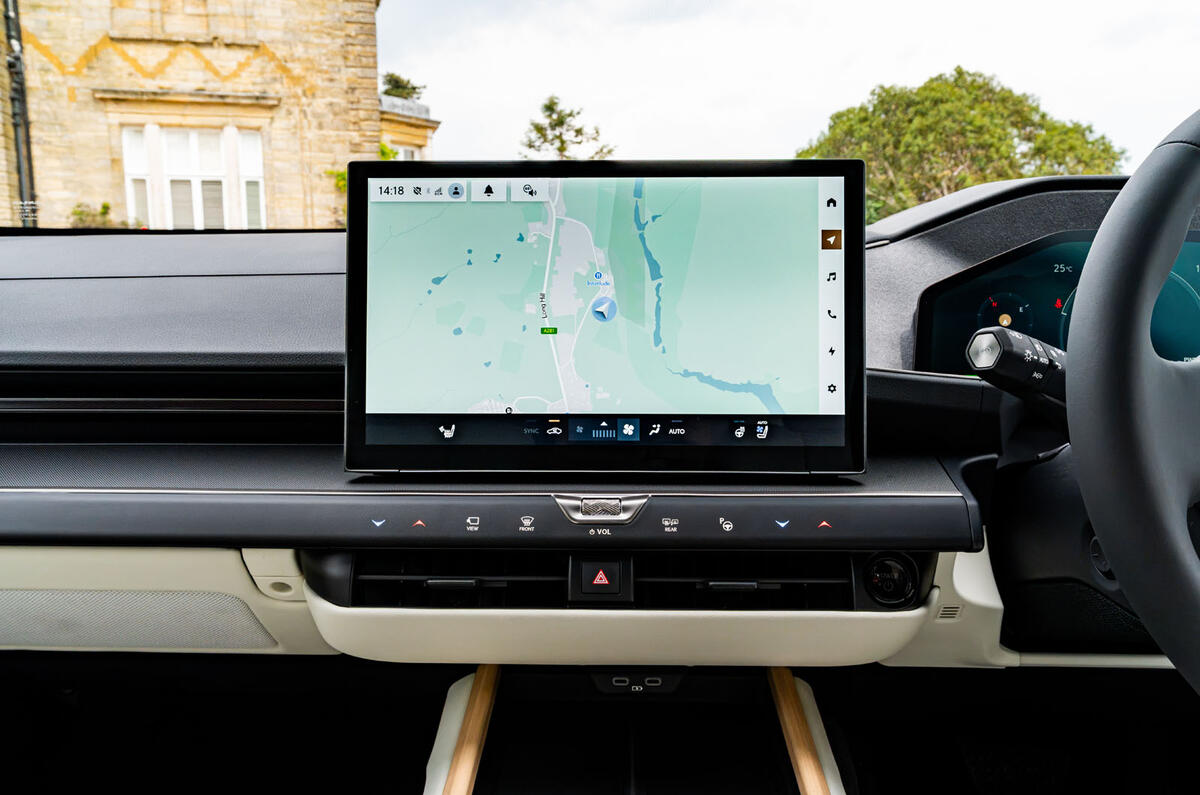
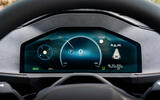
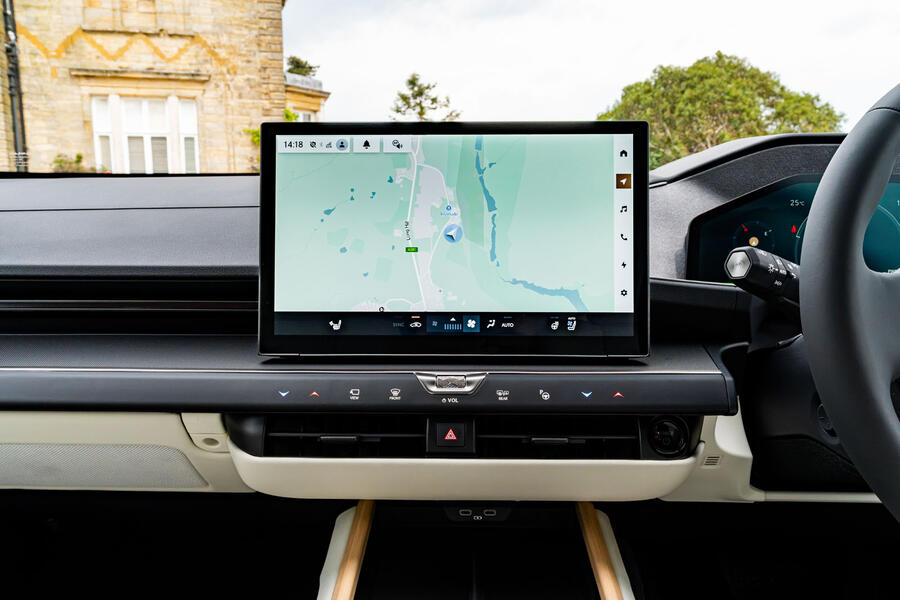
The ES’s freestanding 14in ‘LexusConnect’ touchscreen multimedia system is the largest yet fitted to any Lexus model and the first to have been developed with leading input from the firm’s European design team. 

Among its features are a new customisable ‘home’ screen whose layout you can adapt with shortcuts to your most frequently accessed pages. There's also a new dedicated EV and Charging page, where you can set the car for battery pre-conditioning ahead of a DC rapid charge or for scheduled home charging.

The system comes with 256GB of built-in memory storage (eight times that of the previous ES’s system) and a voice recognition system that can distinguish between the driver and front passenger and which understands a more natural language style.

The system has a useful right-hand navigation bar that makes it easy enough to jump between top-layer menus and in and out of smartphone mirroring mode, once your phone is paired. It's fairly responsive if quite convoluted and distracting once you get into the lower reaches of its menus.

To begin with, it has the rather irritating habit of beeping every time you tap the screen, superfluously acknowledging every input, and it takes a while just to work out how to turn this feature off (like so many modern cars, the ES beeps enough already; you'll find the relevant option in the 'accessiblity' part of the settings menu).

Despite Lexus's efforts to improve things, we found the system still has too many layers of menus, not enough user-configurability in its layout, too much potential for distraction and not enough top-level access to frequently used functions.

ENGINES & PERFORMANCE

Lexus ES review 2026 018

The ES has the kind of laid-back dynamic persona that actually allows it to get by quite happily without more power or more driver appeal. It just wants to be ‘nice’: big, roomy, quiet, enveloping, soft, comfortable - and a little bit old-school US-market barge-like.

This is a very refined, relaxing big saloon, then. It has a really well isolated cabin that admits very little road or wind noise. It has enough torque to haul itself along at least fairly authoritatively, and it rarely seems short on either outright power or responsiveness.

This is an unremarkable sort of powertrain that seems intended to do a respectable job but otherwise not inspire much praise or attract much criticism. It's a pretty low bar for a premium-brand saloon to aspire to, granted, although making a powertrain capable of fading into the background quite as effectively as this is no small thing.


RIDE & HANDLING

Lexus ES review 2026 019

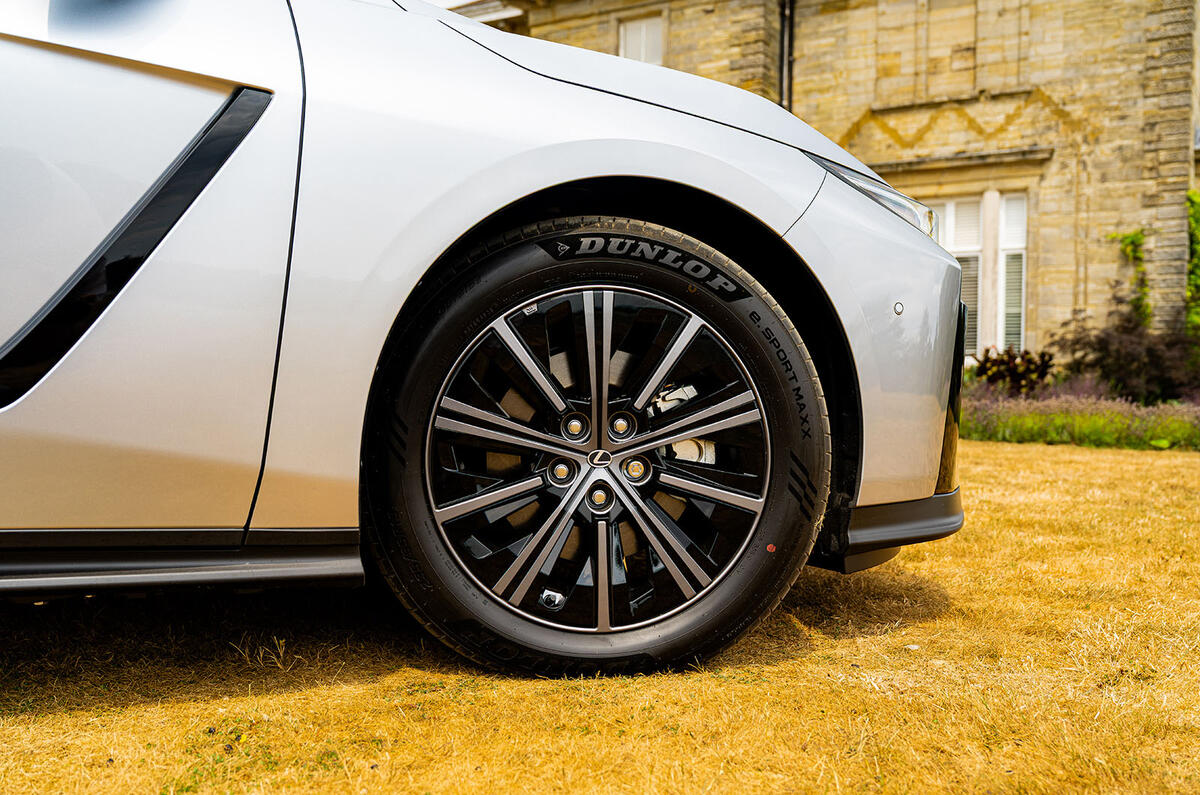
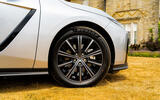
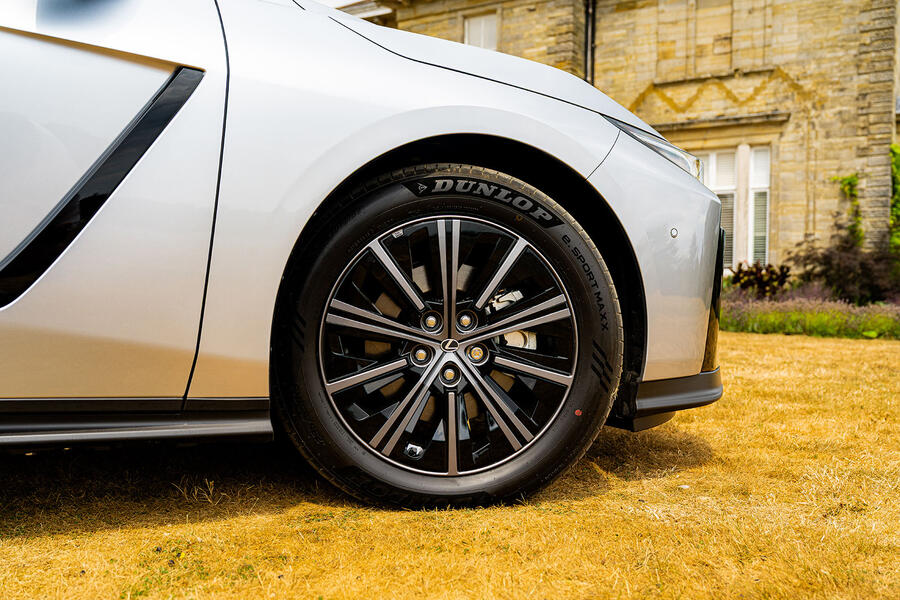
The ES can be optioned with either 19in or 21in wheels, but it has a hushed, cushioned low-speed ride in either case, and it settles during motorway driving rather well. Entry-level Premium-grade cars come on normal passive suspension (which we have not yet tried), while Premium Plus and Takumi grades get Lexus's AVS adaptive damping system.

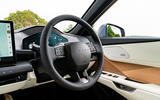
The car very much feels its size and weight even on the posher suspension. Its steering wheel is of a nicely judged size - both in terms of the circumference of the wheel and the radius of its rim - and which sits in your hands rather well; it also has super-smooth semi-aniline leather trim that makes it a pleasure to simply hold.

The suspension filters out lumps and bumps on urban roads well; only very occasionally does it get caught out by sharper, raised edges, which can clunk through the uprights and into the cabin a little. So, even where it's good, the chassis isn't quite perfect.

Uneven country roads trouble the suspension rather more, causing some notable headtoss amongst occupants. The car tends to run short of vertical body control a little when complex surfaces come into play – the body tends to feel like it’s being sucked into troughs and compressions a little, and it is somewhat under-damped at cross-country speeds. Cornering manners and outright stability remain mostly contained enough, though.

The sheer size, front-drive layout and fairly generous body movements of the ES make it a car that few will be minded to hurry along. Those who do will find that it grips with at least some tenacity, rather than simply washing into pronounced understeer, and it has effective stability and traction control systems that are tuned with some finesse and which do their job without intruding too much on the driver's.

MPG & RUNNING COSTS

Lexus ES review 2026 001

While this car ought to offer more electric range for the money Lexus is asking, there’s probably just about enough of it to pass the threshold of respectability. 

The car is fairly efficient for something so large. The ES is easy enough to keep at above 4.0mpkWh - although only if you don’t spend too long on the motorway and generally drive at the unhurried pace to which the chassis is suited.

That makes for a real-world range of just under 300 miles; or perhaps more like 250 miles if you stay exclusively on the motorway. In an executive-car segment where BMW, Mercedes and Audi all offer rivals that claim 500 miles in some cases but deliver something approaching 400, that's not great; but, given the ES's sheer size, it's not awful for 2026. The concern for Lexus may be whether it gives this car a rather short shelf life among rapidly advancing competitors.

Prices start at just under £60,000 for an entry-level, Premium-grade car. Most buyers are expected to pick a mid-tier Premium Plus, which gets the suspension upgrade we mentioned previously but stays on Lexus' lower-rolling-resistance 19in wheels as standard, and it gets plenty of comfort and equipment hikes besides.

Premium Plus models are priced at a little over £68k; which, funnily enough, is almost exactly where the Volvo ES90 range opens, and it gets you into a mid-spec Audi A6 e-Tron (both of which trump the Lexus on both performance and electric range). 

VERDICT

Lexus ES review 2026 022

The Lexus ES is not a car without accomplishments, or something of a likably alternative dynamic character as a modern executive saloon. But I'm not sure that makes it recommendable - except to a very particular kind of buyer.

It is certainly spacious, refined, luxurious to travel in and appealing enough for all of that. Chauffeurs who've already made the switch to electric may certainly approve; as might private buyers who simply prefer a laid-back pace to their lives.

Considering the car’s new electric-only status, however, it does feel like an even more niche proposition than the old ES was - which is saying something.

Would I be tipping this car for major, breakthrough market success if only Lexus was offering a plug-in hybrid; or even one of the 'self-charging' hybrids on sale around the rest of Europe? Probably not. But you do feel that ES buyers are being denied versions of this car that might better suit their circumstances and preferences - and for extraneous reasons.
The fact is, while Lexus has taken the risk and gone all-in on electric here, it hasn't done that with the sort of technically bold product the firm would need to stake its claim in the fast-progressing electric executive era of 2026. It has done it, instead, with a very pleasant but fundamentally conservative big saloon that doesn't feel like it was made for UK consumption - because it wasn't - and that isn't really cut out for the maelstrom of competition in which it will very likely find itself.
Matt Saunders

Matt Saunders Autocar
Title: Road test editor

As Autocar’s chief car tester and reviewer, it’s Matt’s job to ensure the quality, objectivity, relevance and rigour of the entirety of Autocar’s reviews output, as well contributing a great many detailed road tests, group tests and drive reviews himself.

Matt has been an Autocar staffer since the autumn of 2003, and has been lucky enough to work alongside some of the magazine’s best-known writers and contributors over that time. He served as staff writer, features editor, assistant editor and digital editor, before joining the road test desk in 2011.

Since then he’s driven, measured, lap-timed, figured, and reported on cars as varied as the Bugatti Veyron, Rolls-Royce PhantomTesla RoadsterAriel Hipercar, Tata Nano, McLaren SennaRenault Twizy and Toyota Mirai. Among his wider personal highlights of the job have been covering Sebastien Loeb’s record-breaking run at Pikes Peak in 2013; doing 190mph on derestricted German autobahn in a Brabus Rocket; and driving McLaren’s legendary ‘XP5’ F1 prototype. His own car is a trusty Mazda CX-5.