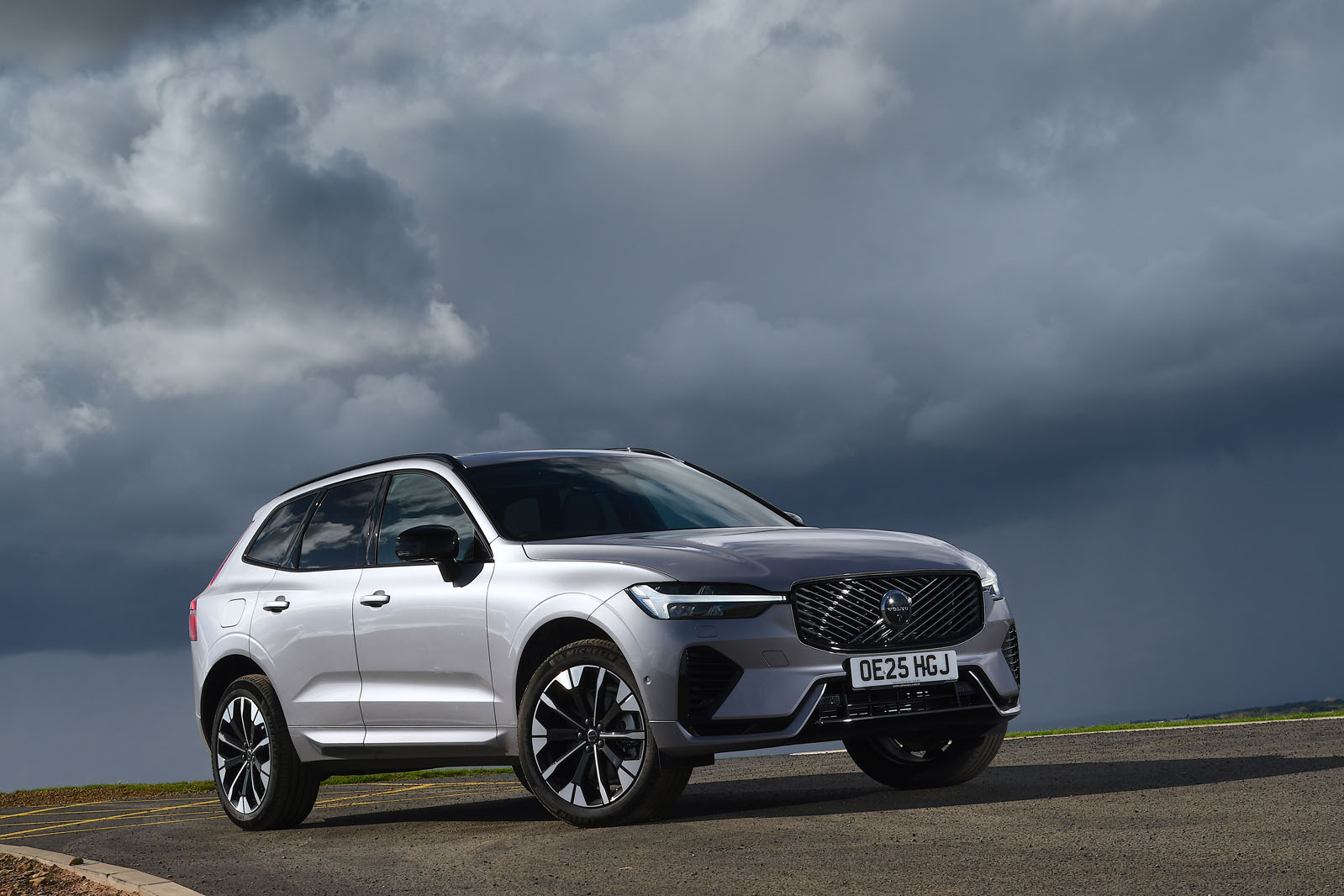
From £47,0507

Popular, seven-year-old, second-generation family SUV gets a mild facelift and an indefinite stay of execution

The Volvo XC60 is a product of a company in improvisation mode. Remember, Volvo was committed to going electric-only by 2030, so one imagines that its development programmes for combustion-engined models have been a low priority for a while.

But as we all know, EV sales haven’t quite become the all-conquering dominant force that some were expecting, and combustion-engined models are having to be parachuted in left, right and centre.

For Porsche, that means working its magic on a shared group platform. For Volvo, it means giving some of its family favourites a light refresh, and sending them back out on the battlefield.

Volvo has a history of keeping models around for many years, which seems to serve it well: in 2024, more XC60s found owners than in 2018, and it outsold both the BMW X3 and Audi Q5.

Those German rivals have just entered entirely new generations, so now it’s up to the XC60 to prove it can keep up.

Advertisement

DESIGN & STYLING

7
Volvo XC60 review 2025 002

When the second generation of the XC60 was launched in 2017, Volvo was on a roll. With a fresh platform developed using Geely money, it released an all-new XC90, V90, V60 and this XC60 in quick succession. The long-running characteristic five-cylinder engines were out, and in went a new family of petrol, diesel and plug-in hybrid four-cylinders. Neat Scandi styling, interior quality from the class above and a very novel touchscreen-based user interface concept (that actually worked remarkably well) helped it become a true competitor to the German premium brands.

Over the years, the engine line-up was gradually hybridised. For 2025, the diesels have been killed off completely, leaving the B5, with its 2.0-litre mild-hybrid turbocharged petrol engine and four-wheel drive, as the only non-plug-in option. Other markets can have a 296bhp B6 AWD petrol, which Europeans are denied for emissions reasons.

The second-gen XC60 has only ever been available with four-cylinder engines. Diesels are out for 2025, leaving just one mild-hybrid petrol and two plug-in hybrids.

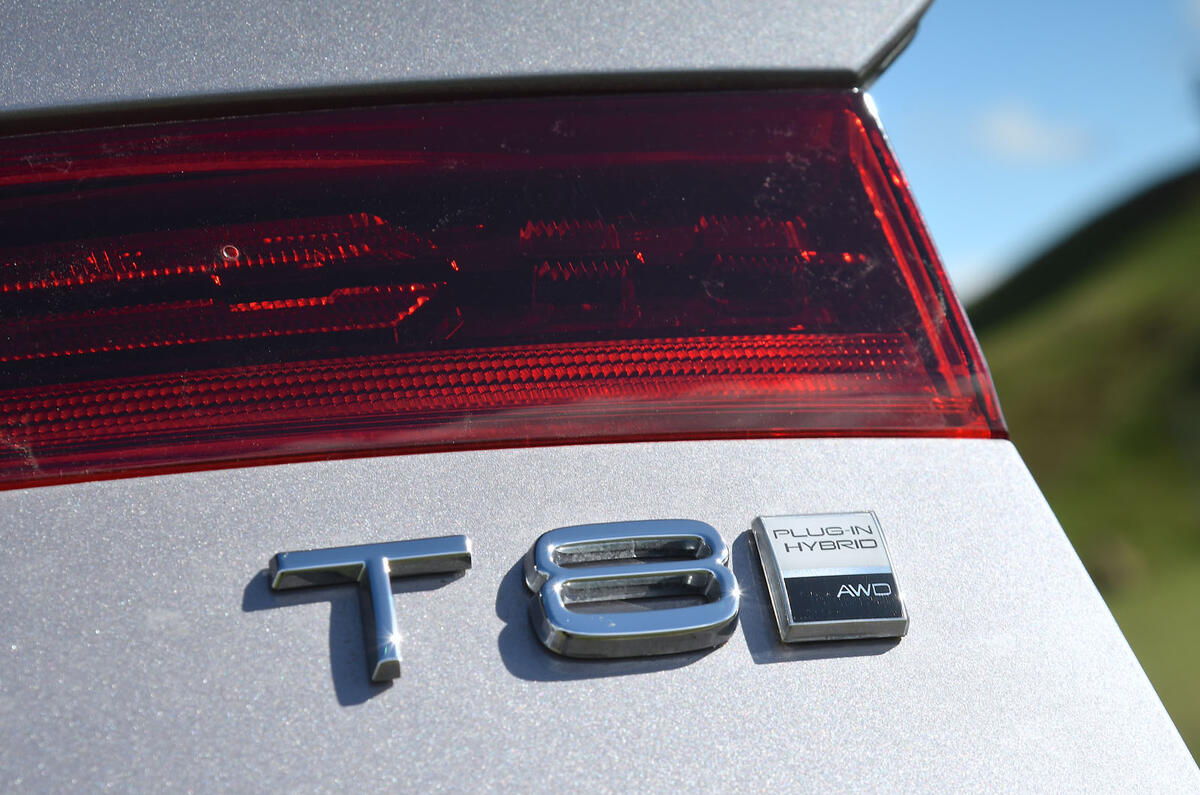
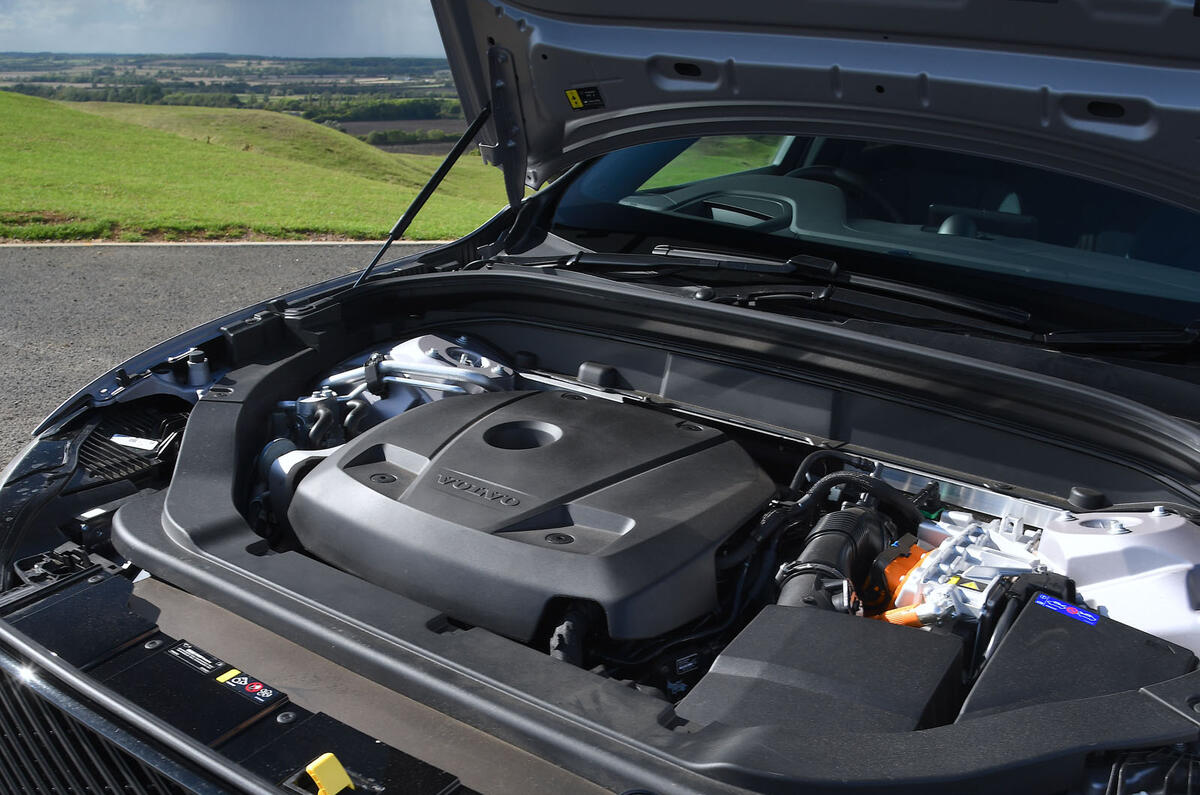
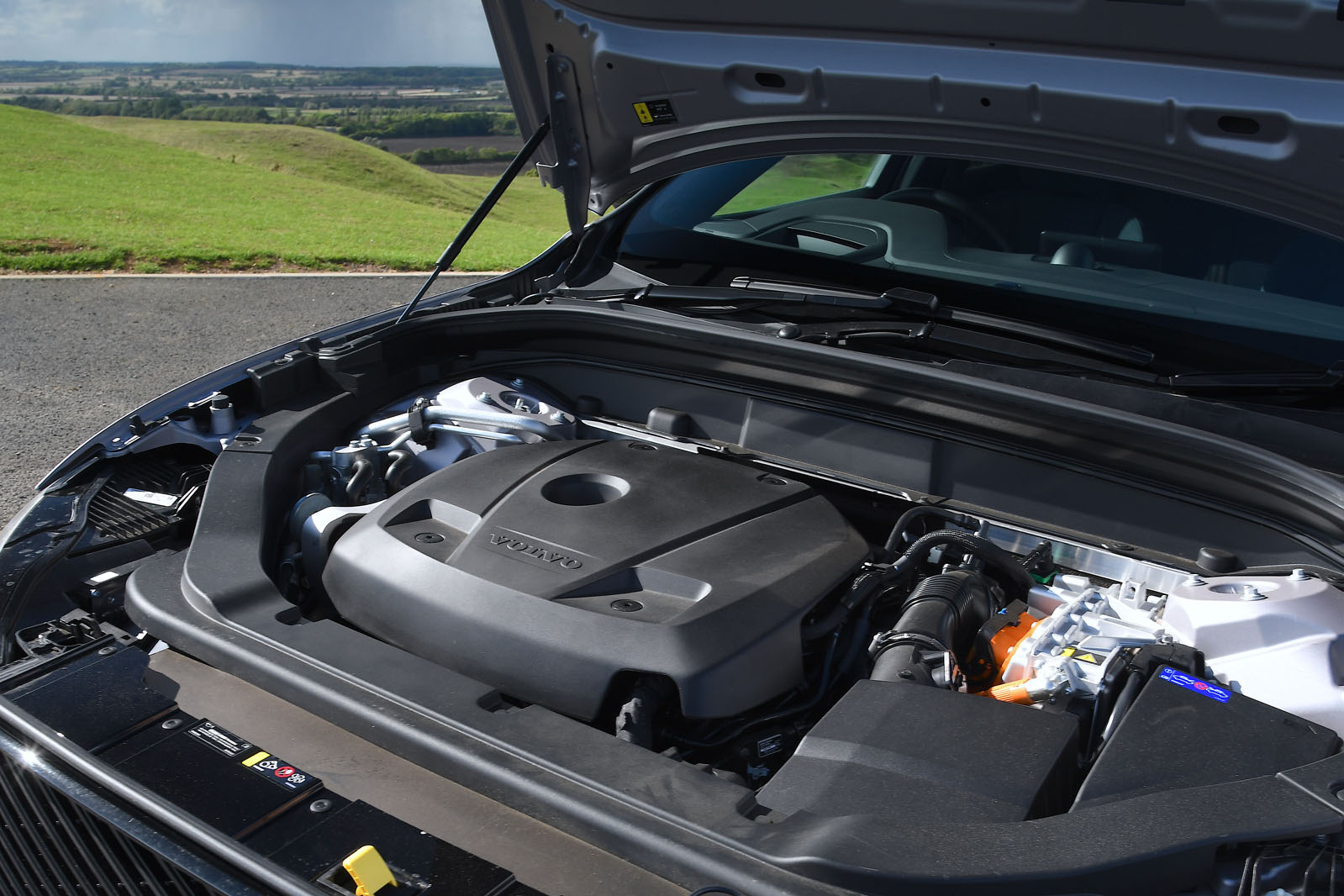
Then there are the two plug-in hybrids: the T6 and the T8. Both use a version of the same turbocharged 2.0-litre engine with an integrated starter-generator, albeit in a different state of tune. They run a slightly lower compression ratio than on the B5, yet put out more power (T6: 249bhp, T8: 306bhp). Previous iterations used a novel but very complicated twin-charged version (with a turbocharger and a supercharger), but that was abandoned in 2023 as the latest electric motor is sufficiently able to fill in the turbo lag.

Said electric motor sits on the rear axle and puts out 143bhp and 228lb ft (up from 87bhp and 177lb ft before 2023). It draws power from a lithium ion battery that isn’t located under the cabin floor, as in most PHEVs, but sits down the spine of the car, in the ‘transmission tunnel’. The battery was also upgraded a few years ago, from just 11.6kWh to 14.9kWh. Arguably it’s due for another update, since the BMW X3 30e comes with 19.7kWh and the Mercedes-Benz GLC 300e 25.3kWh.

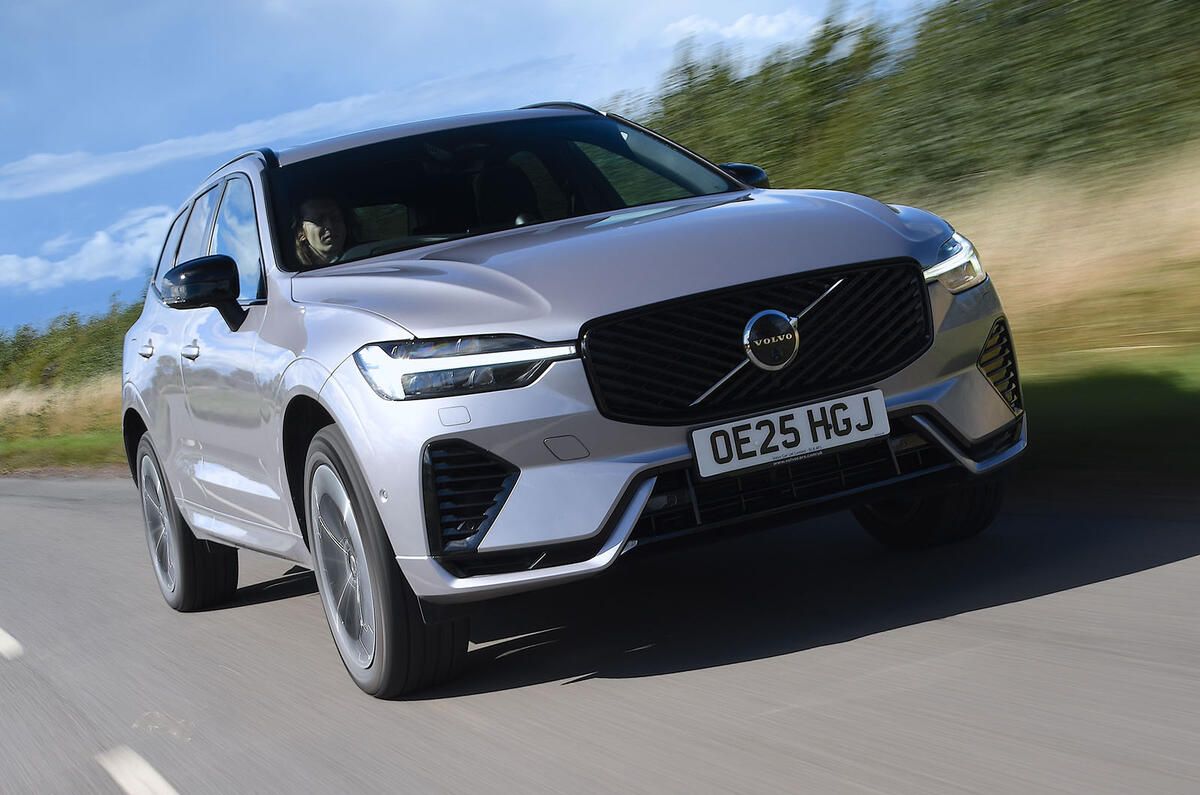
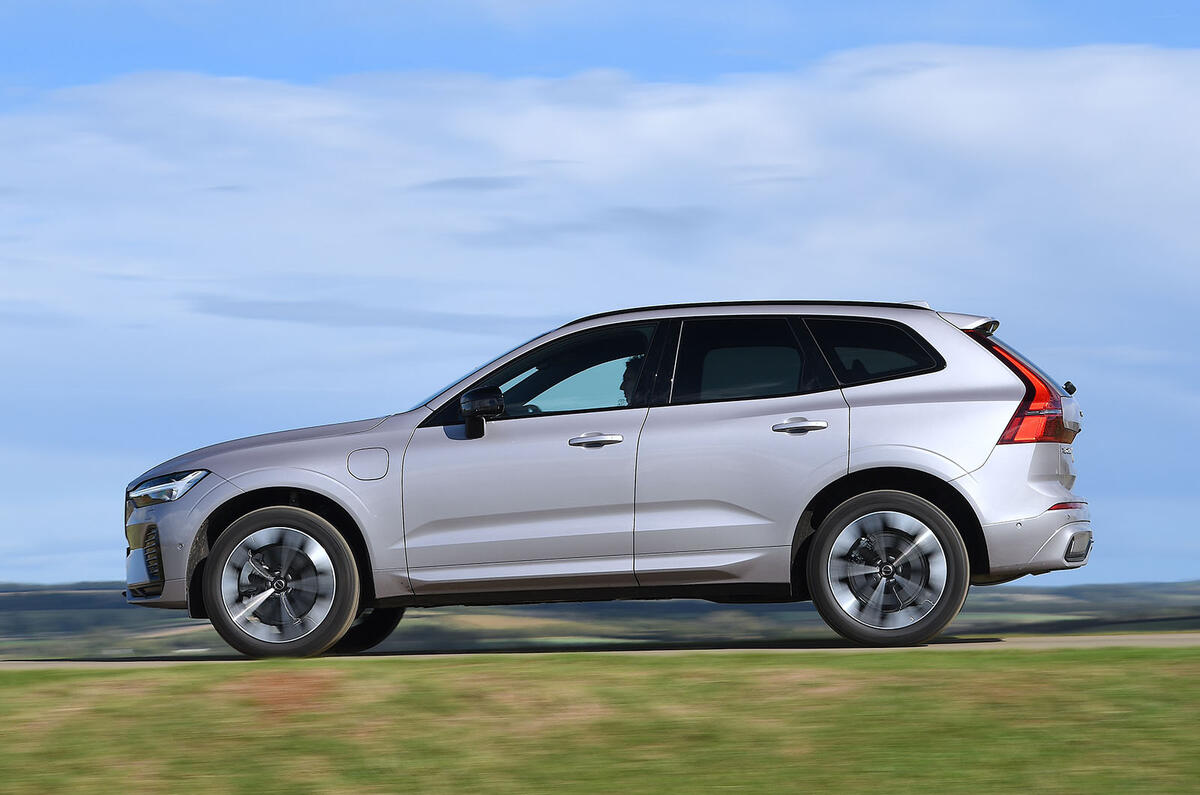
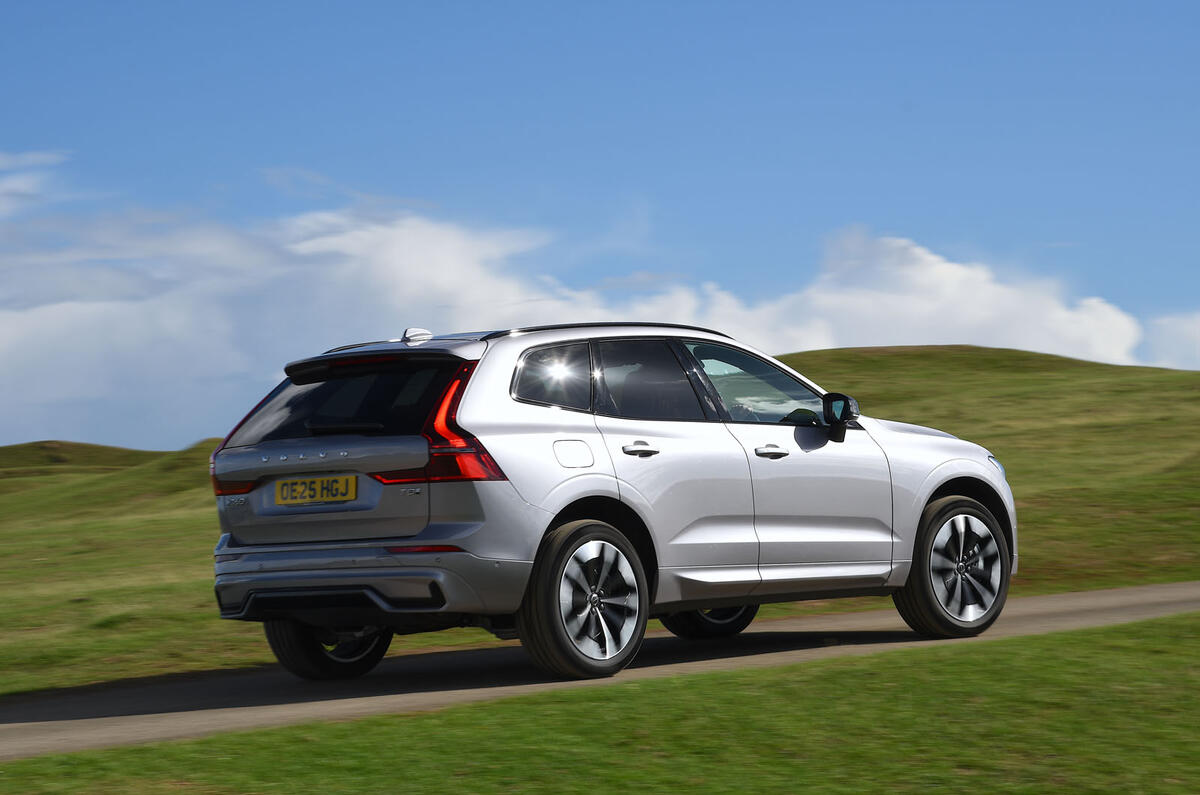
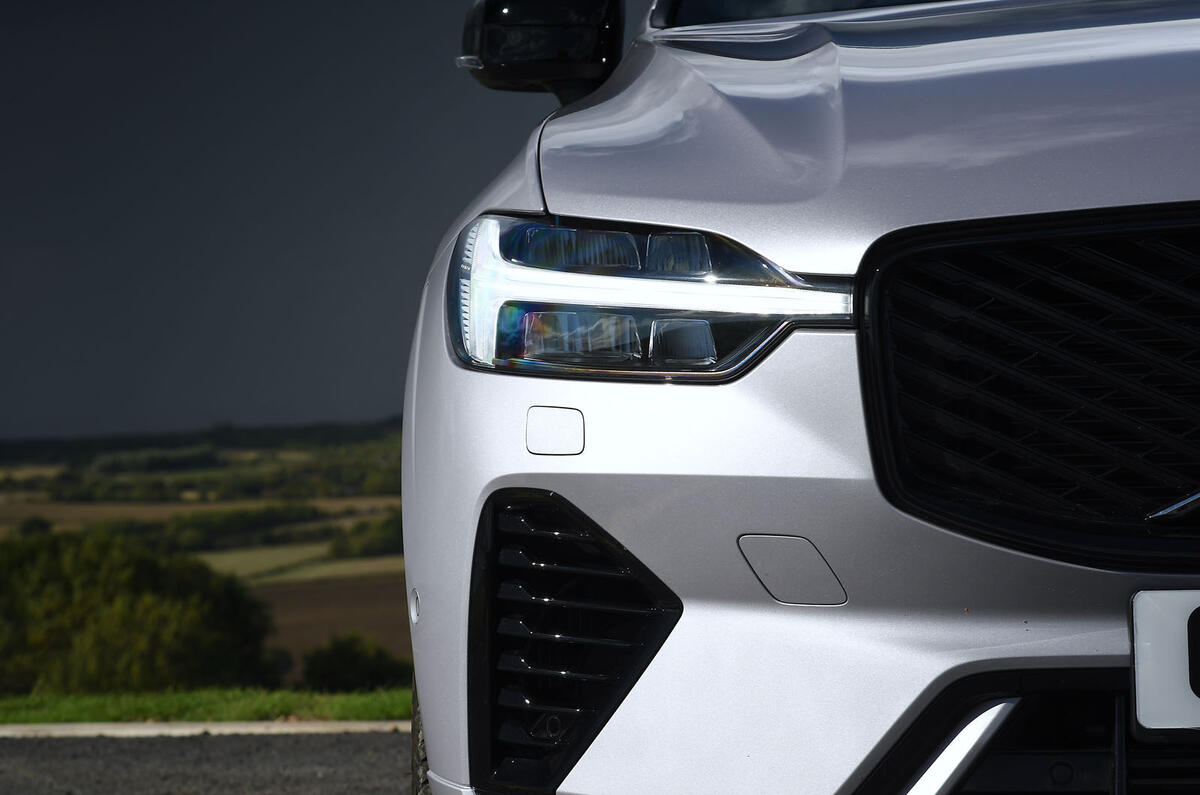
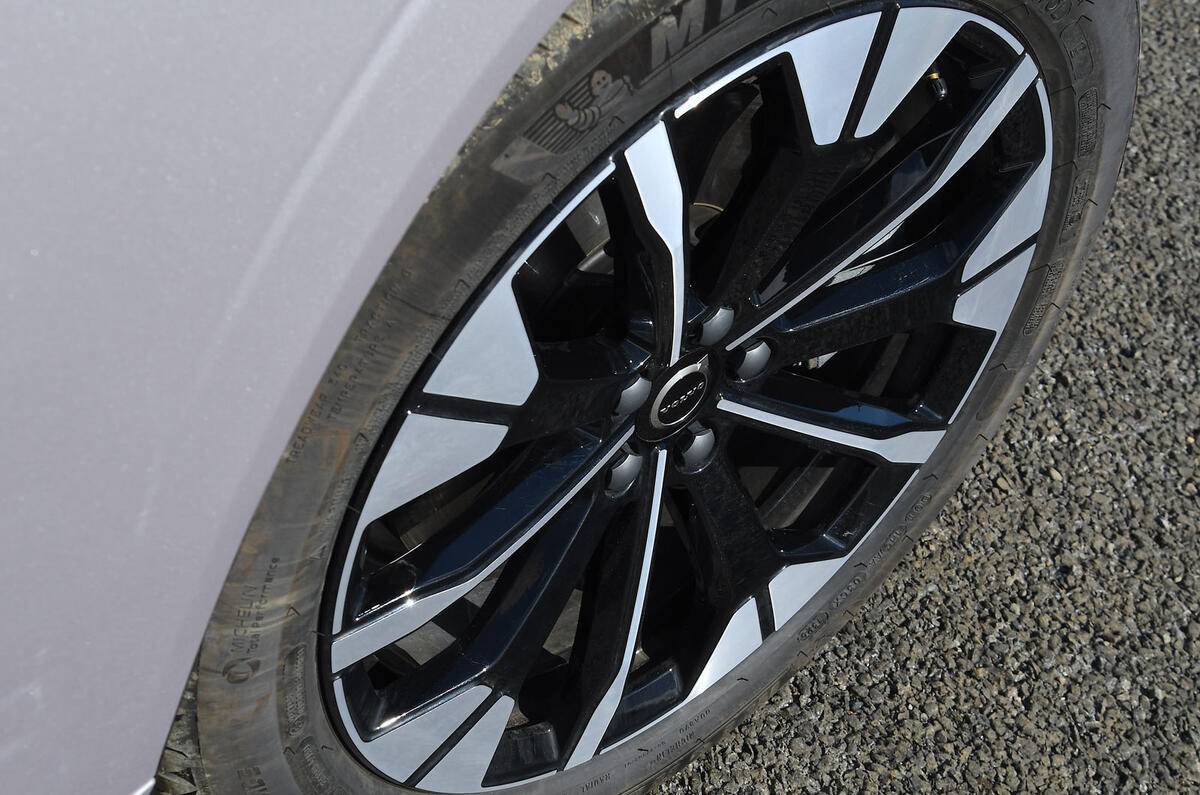
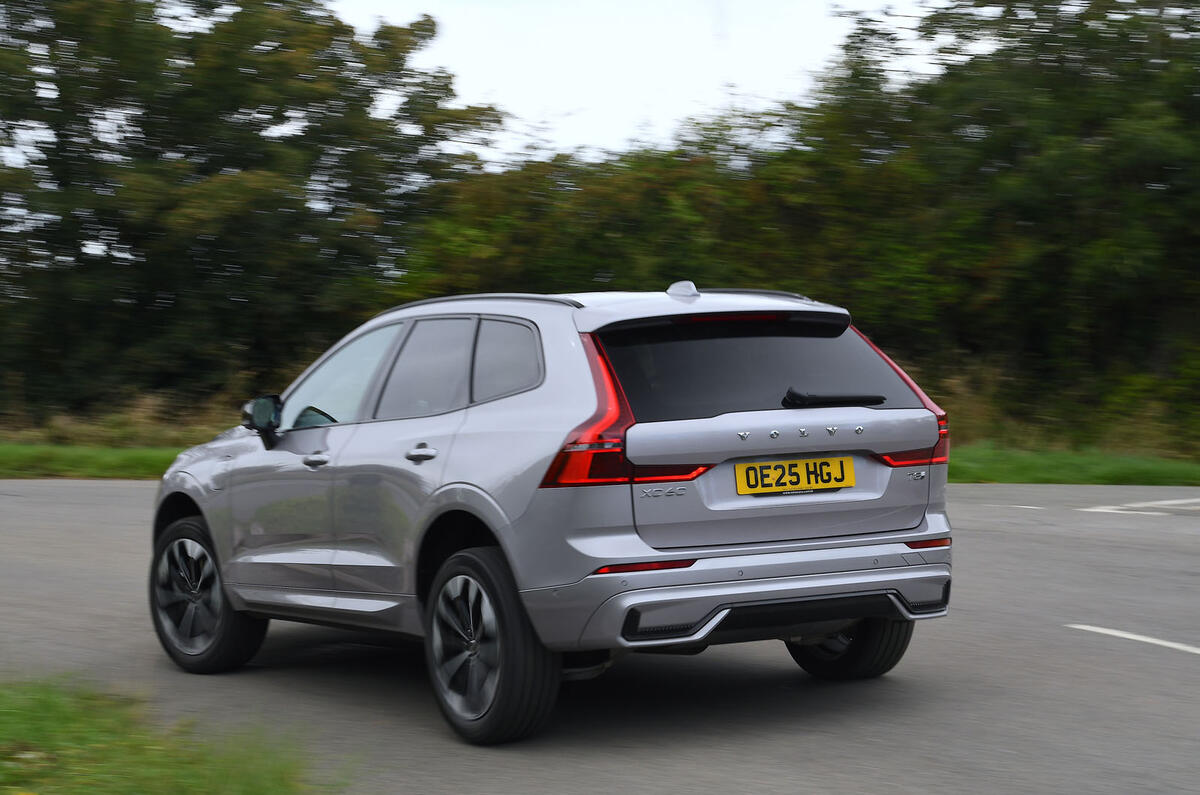
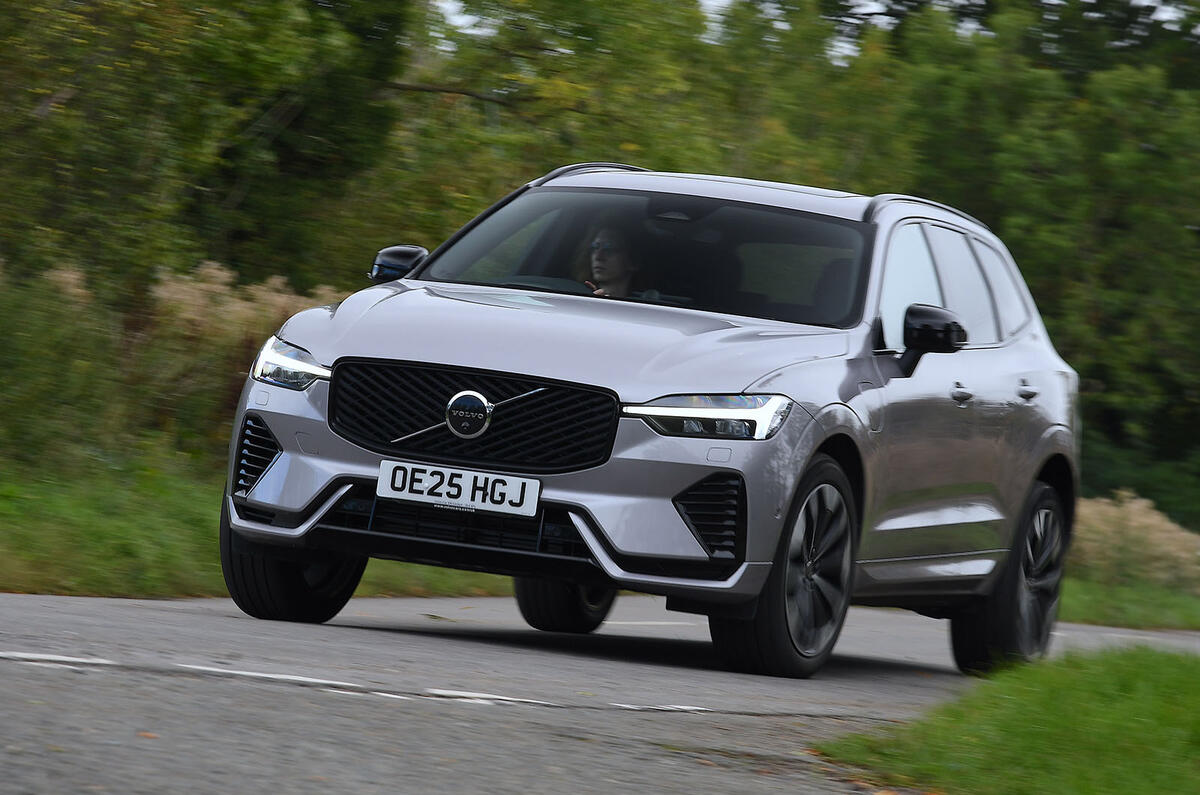
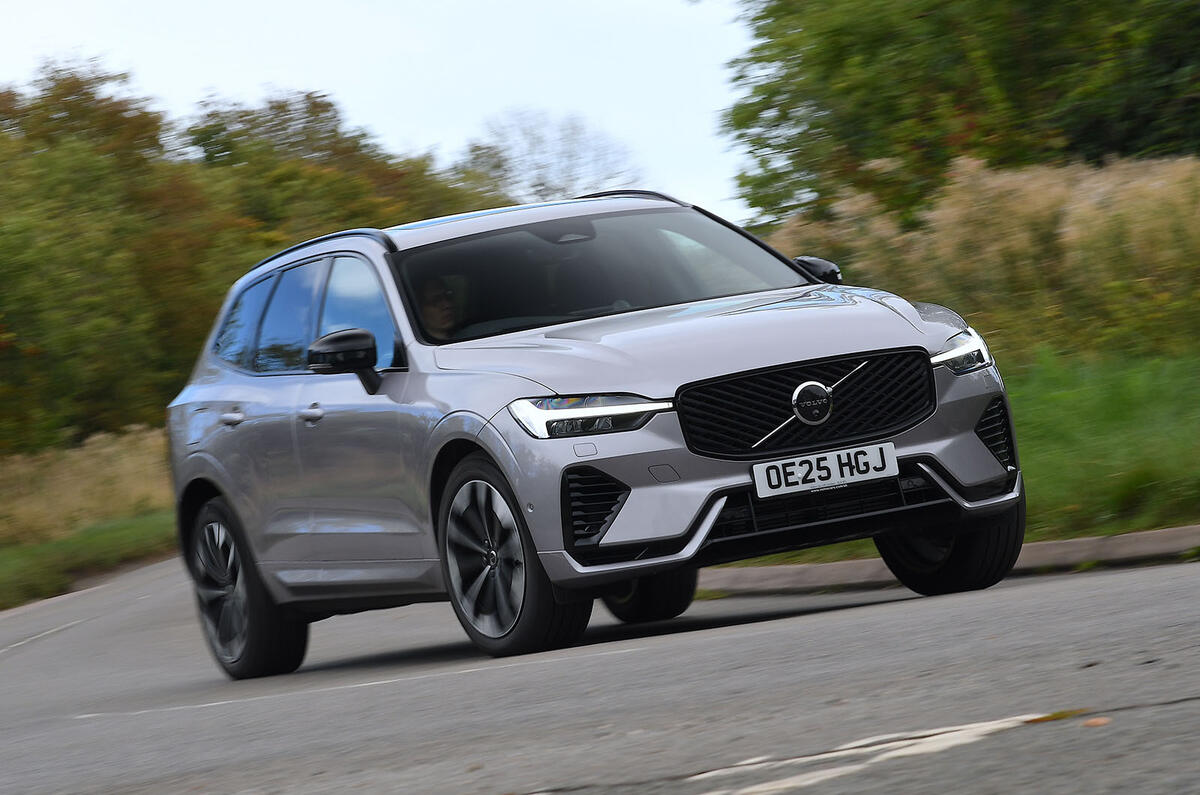
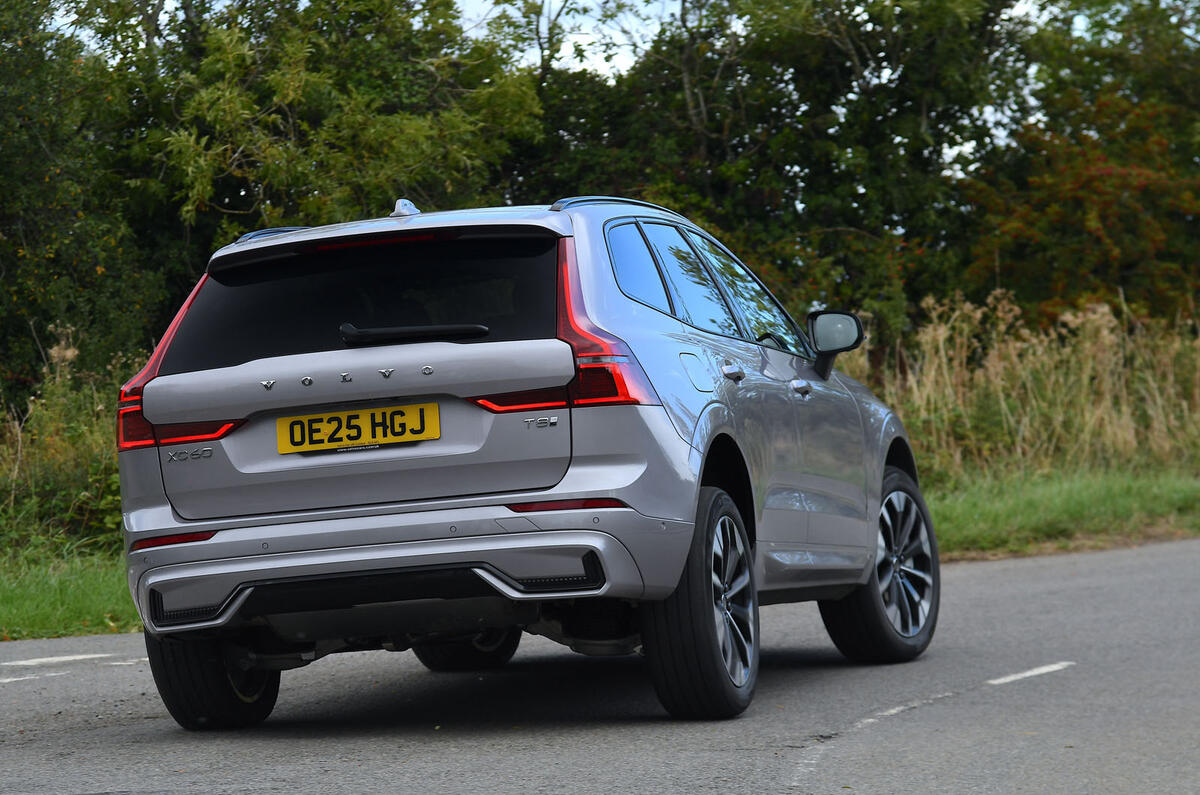
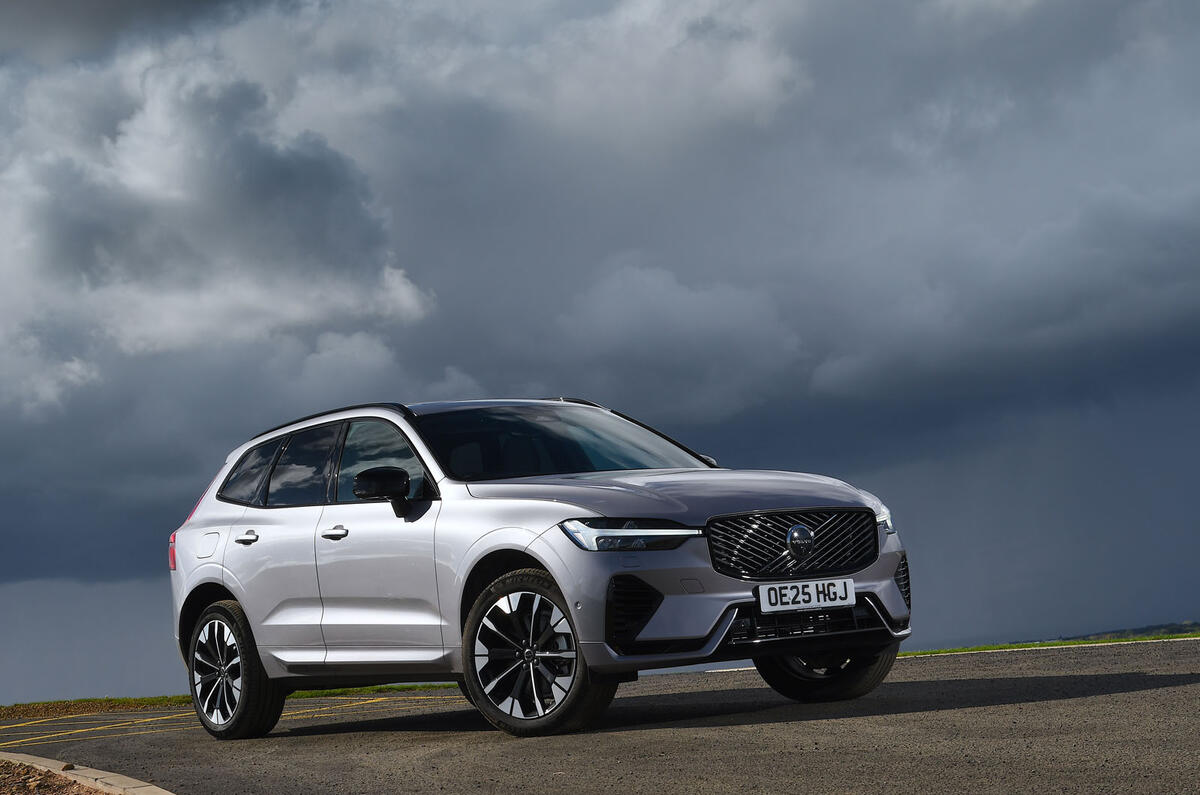
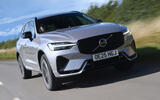
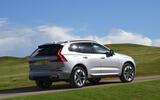
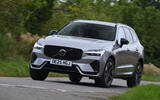
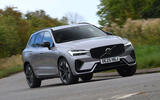
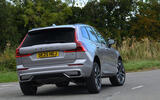
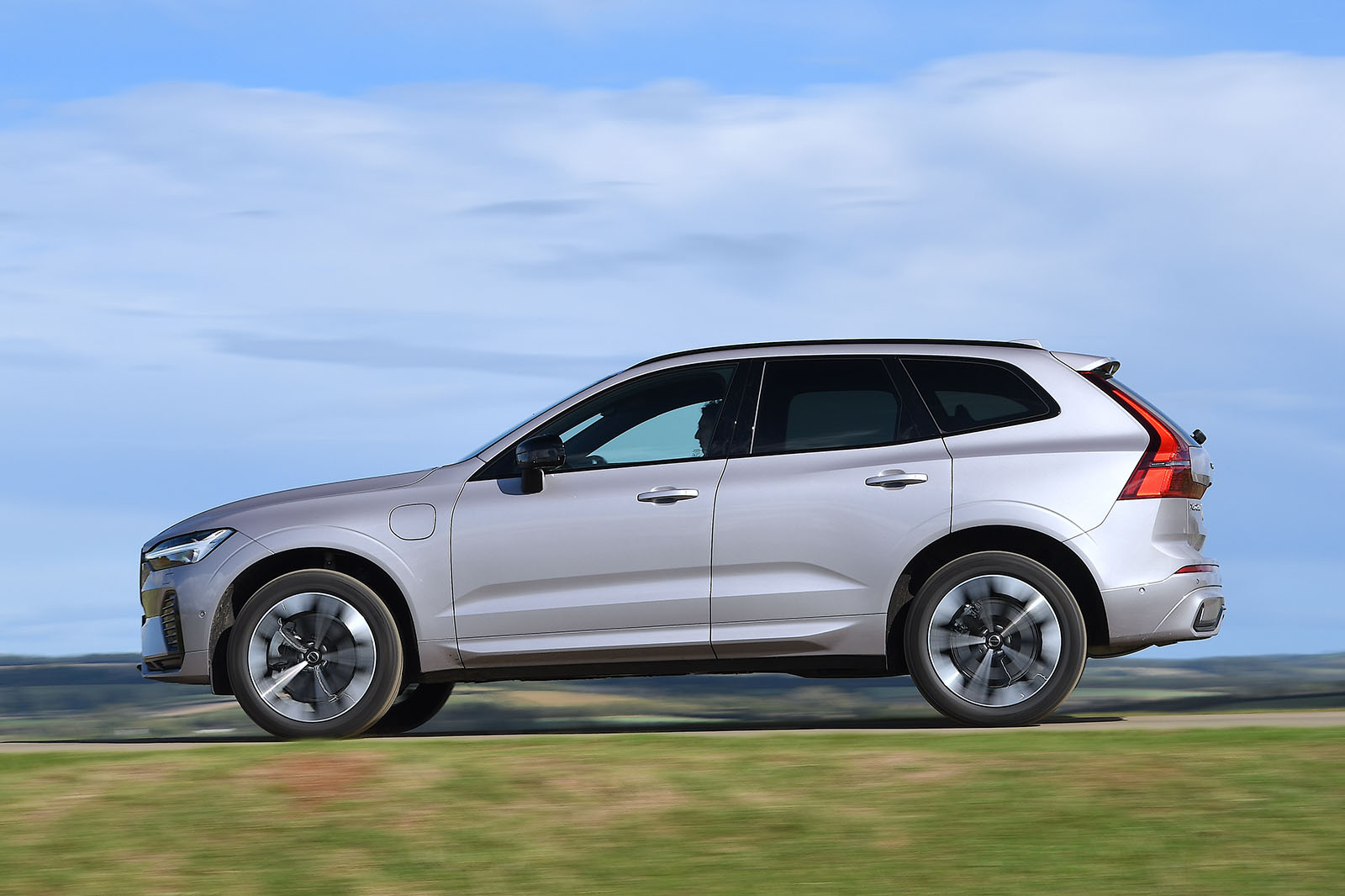
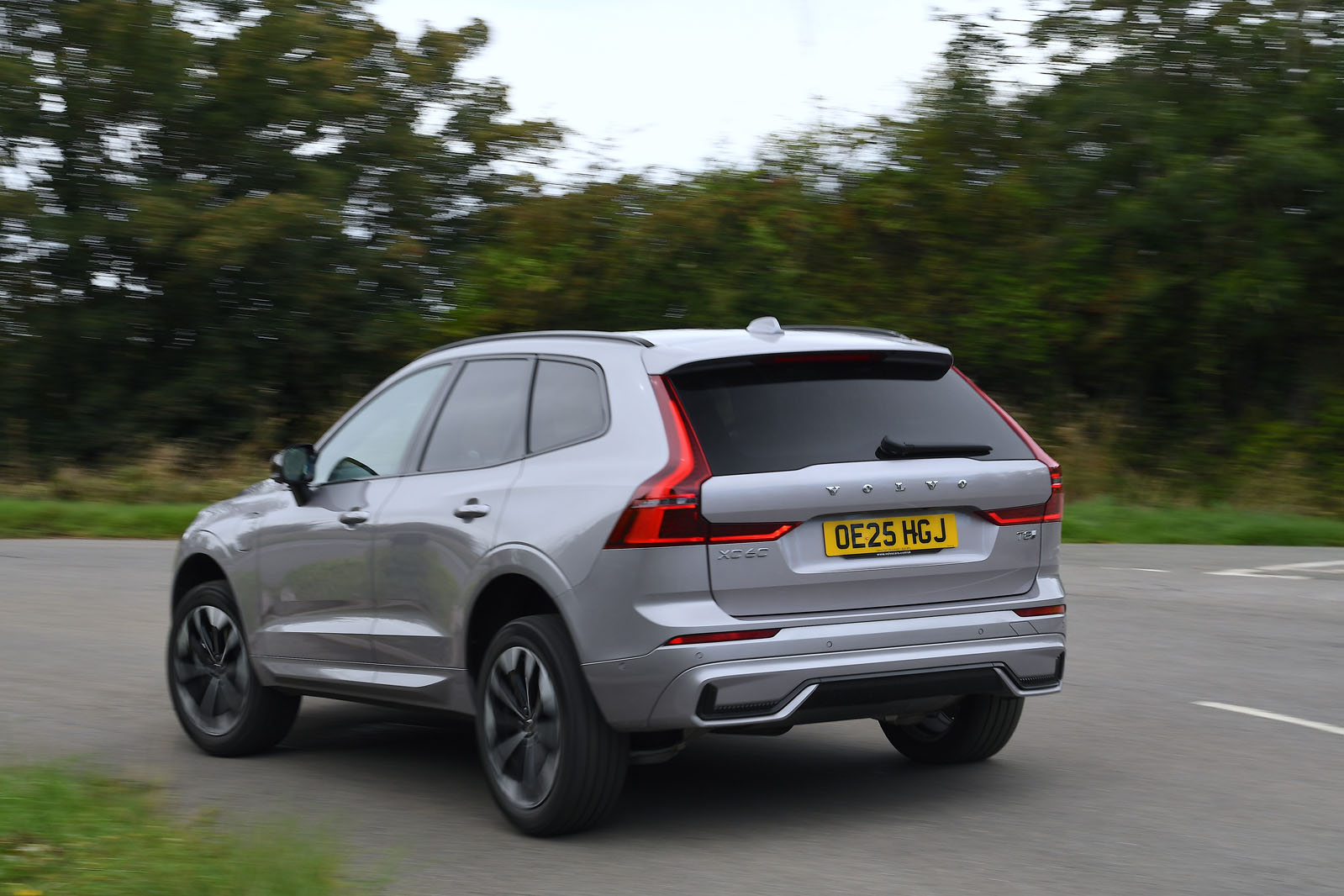
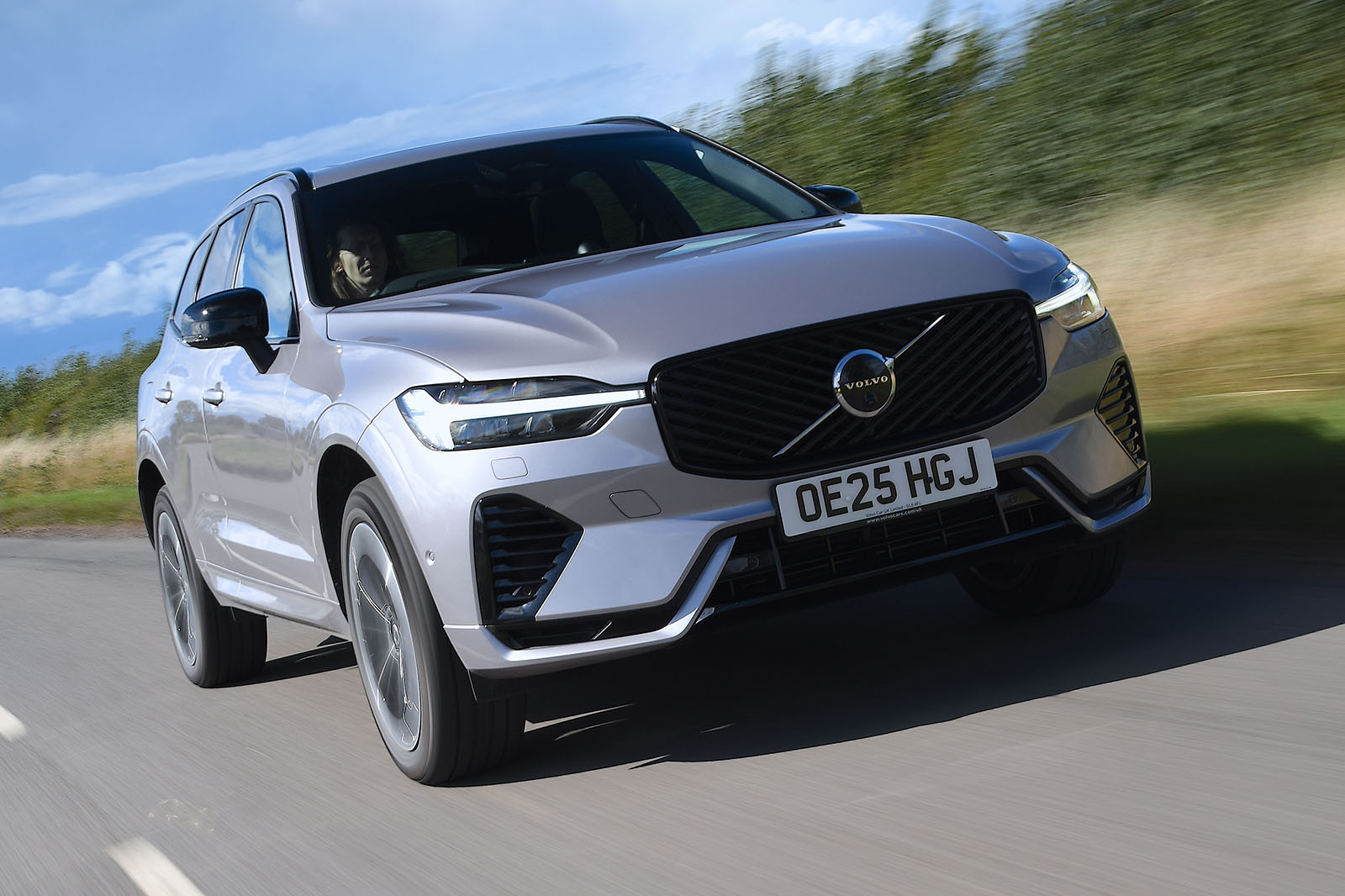
Visual updates for 2025 are limited to new colour and wheel options, smoked rear lights and a new front grille with a criss-cross pattern. The trim level structure has been revised to Core, Plus, Plus Pro and Ultra. Plus and Plus Pro get a sportier look and black detailing, and Ultra buyers can choose between ‘bright’ and ‘dark’ styling.

INTERIOR

8
Volvo XC60 review 2025 007

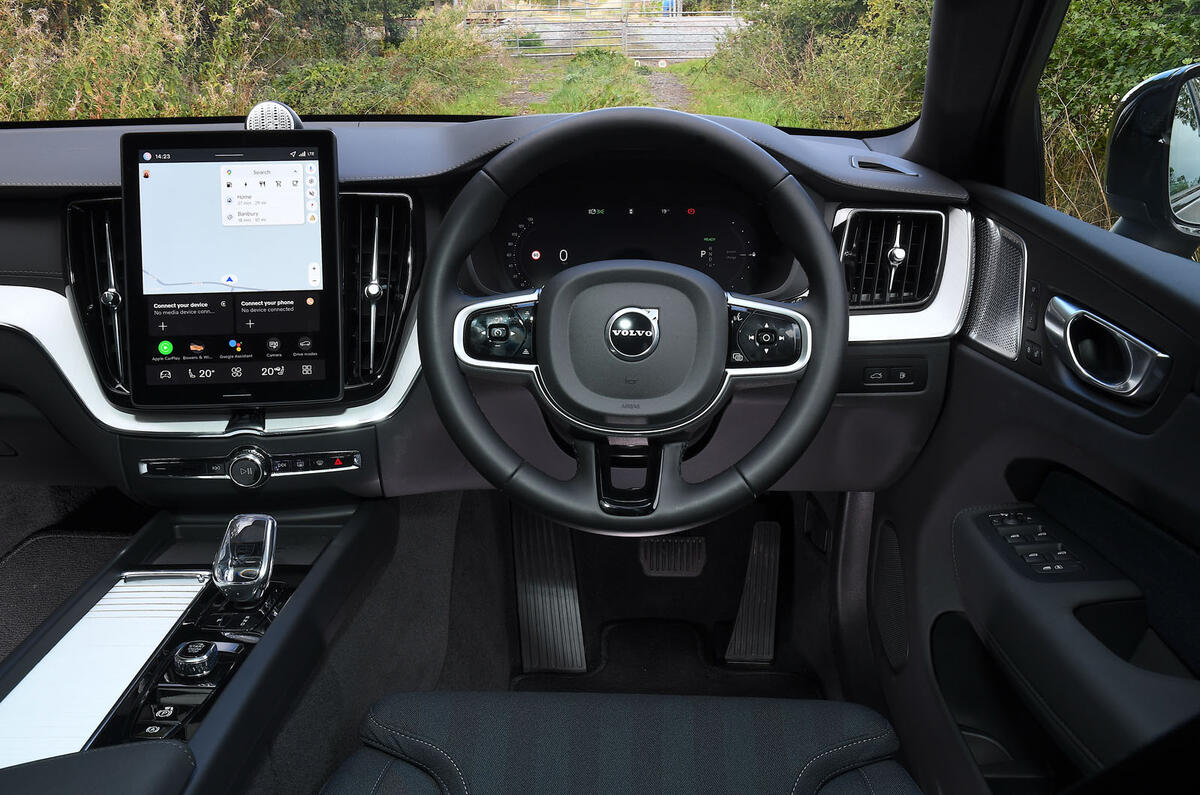
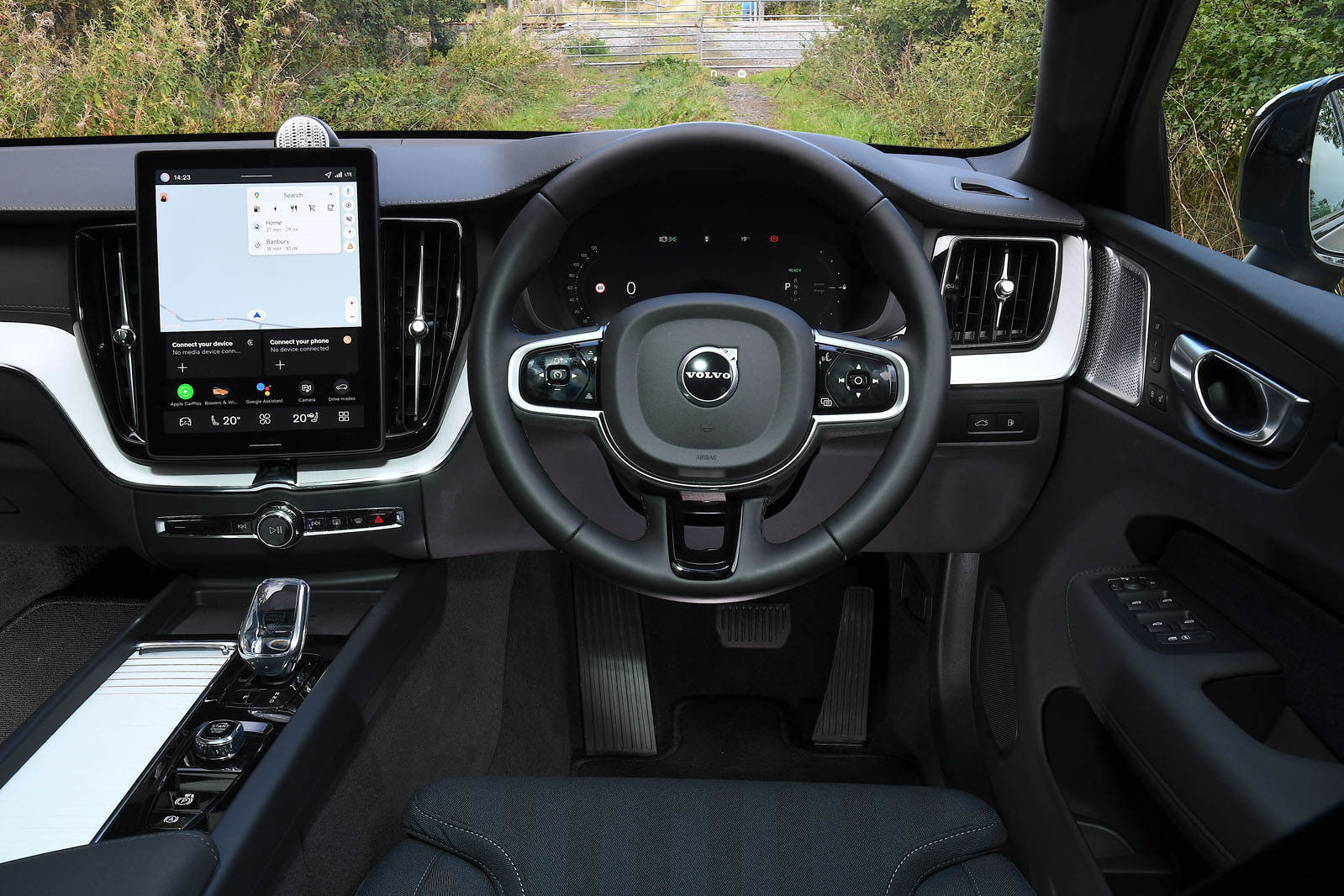
The biggest change for 2025 is inside, where the XC60 receives a new generation of infotainment system, including a larger central touchscreen. Where the old one was neatly integrated into the dashboard, the new one sits slightly proud, though it’s still nowhere near as overbearing as some.

As before, it’s based on Android Automotive, but this latest version is similar to the one found in the EX90. In this XC60, we didn’t experience any of the glitchiness and input lag that we did with older XC60s or the EX90, so it appears that Volvo’s software is improving.

The only options for the driver display are a minimal power gauge and speedo, or a large map. The screen space could be used much more efficiently.

It needed to, given almost everything is controlled through it – albeit not as much as on an EX90. The XC60 mercifully retains more buttons on the steering wheel, and for the mirror adjustment.

The interface generally feels fairly cohesive, and having Google Maps as the native navigation is very useful. Even so, climate is controlled through the screen, some of the menus are still needlessly confusing, the ‘contextual shortcut’ bar that guesses which functions you’re likely to need gets it wrong more often than not, and while there is both Android Auto and Apple CarPlay, both require a cable.

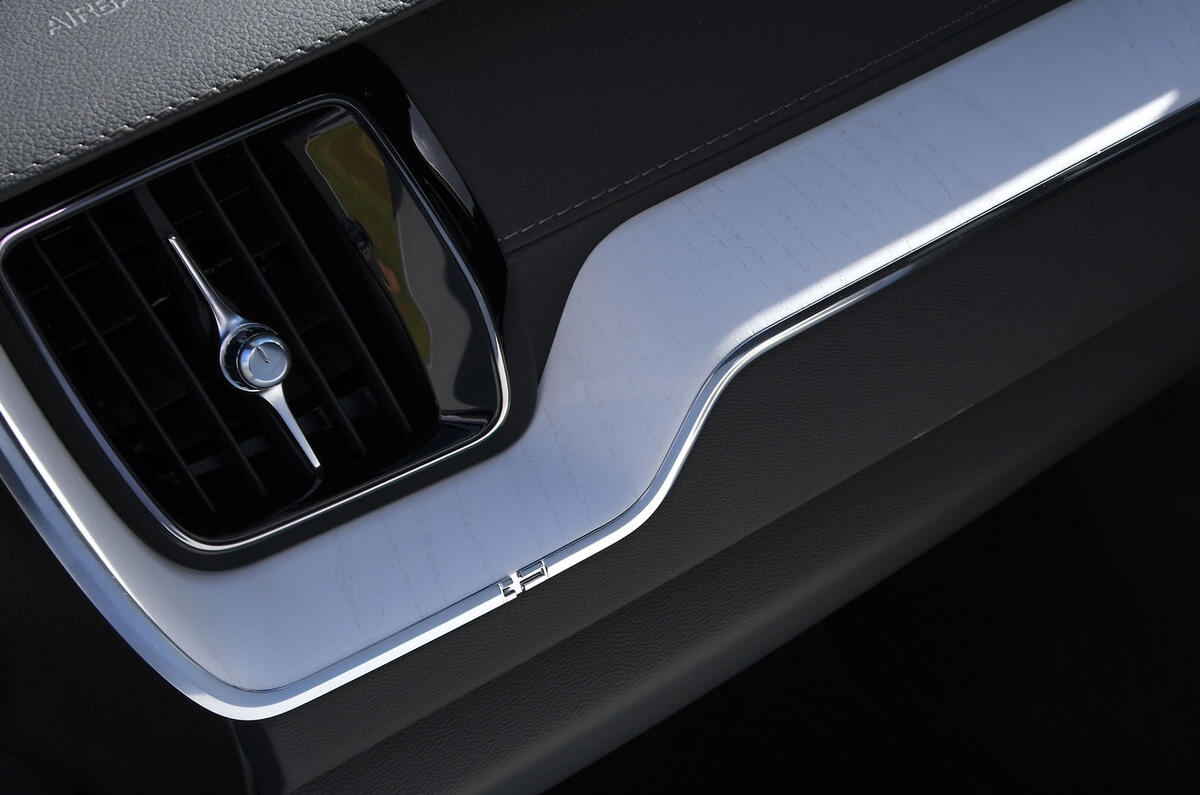
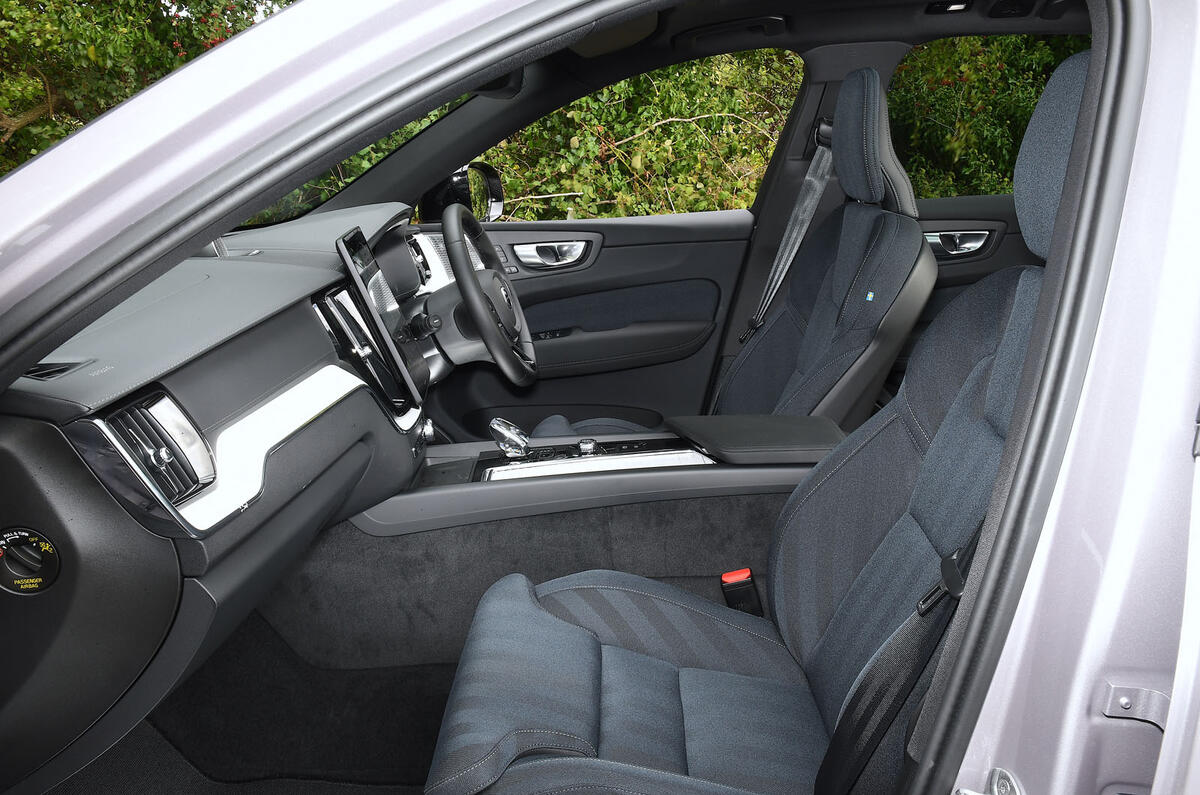
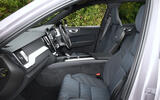
Otherwise, the interior is mostly as it was, which means it is classy and comfortable. We noted in our original 2017 road test that the XC60’s interior quality felt like it was from the class above because it was largely lifted straight from the XC90, and that applies more than ever today, as rivals have had their tactile materials replaced with touchscreens and gloss black plastic. Instead, the XC60 sticks with bright wood and real metal and glass.

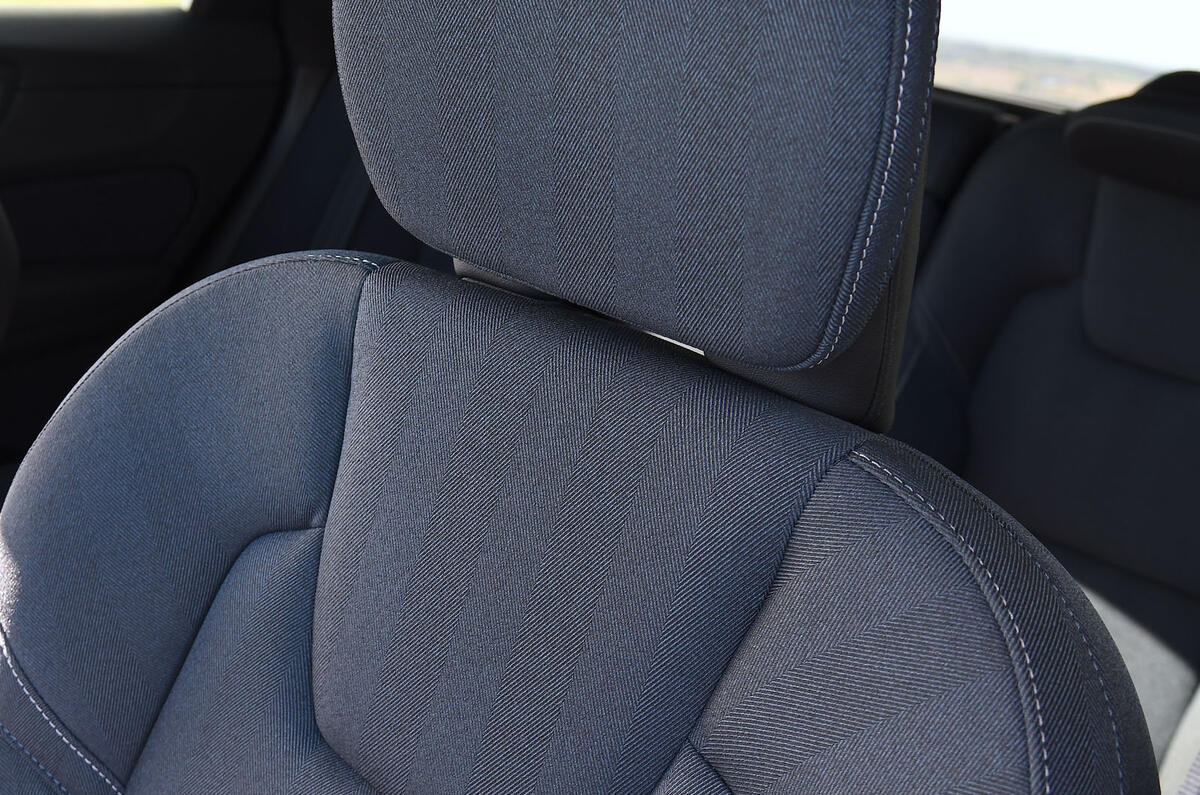
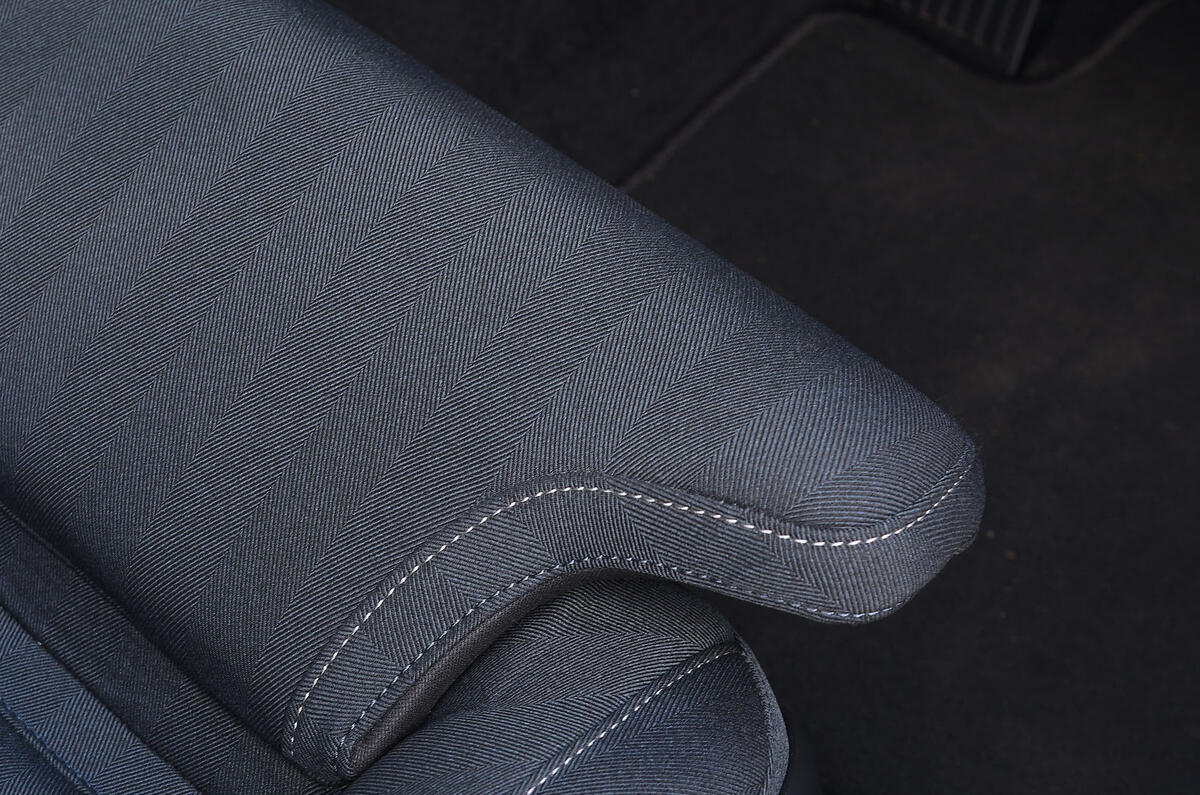
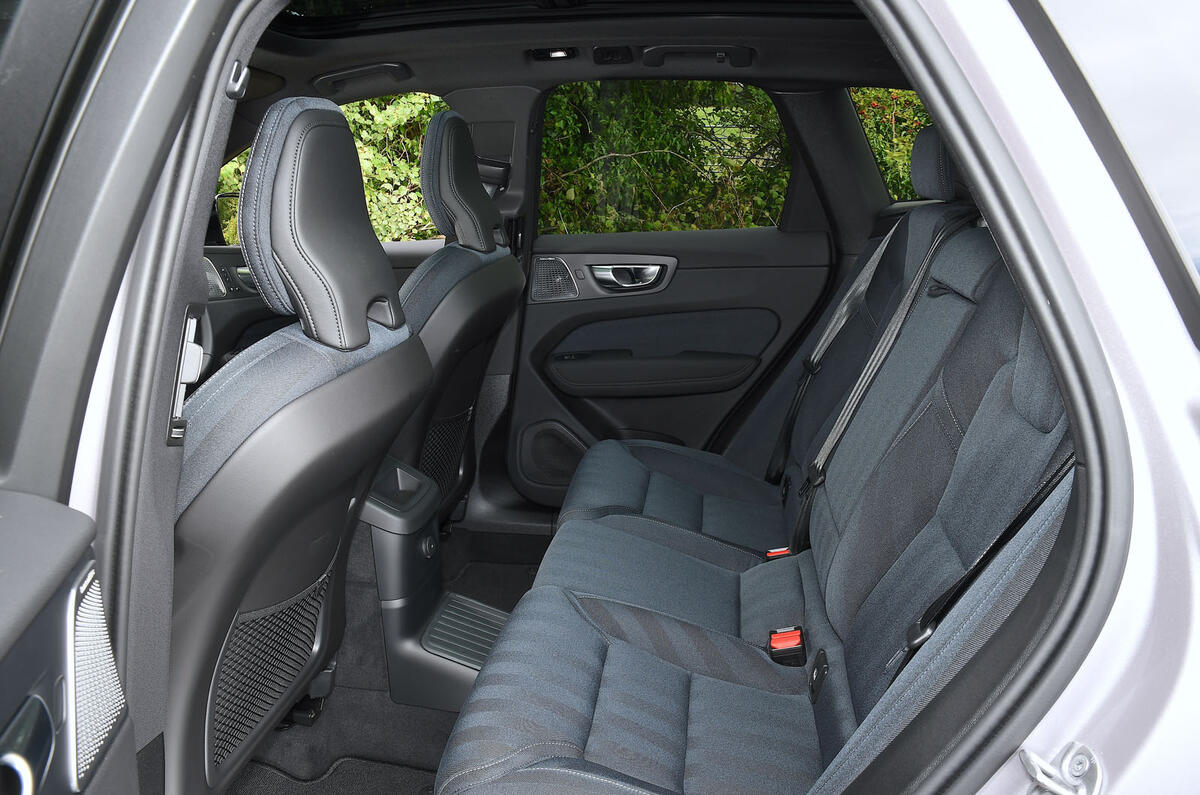
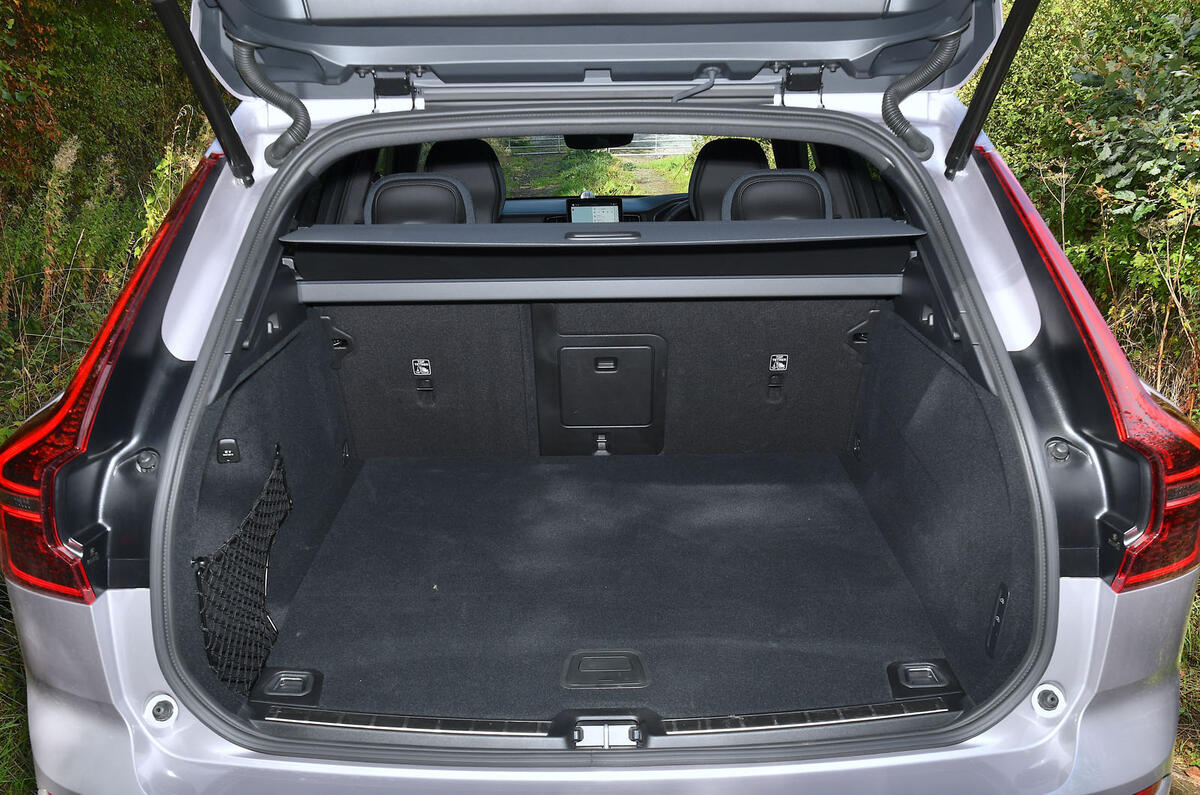
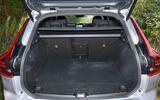
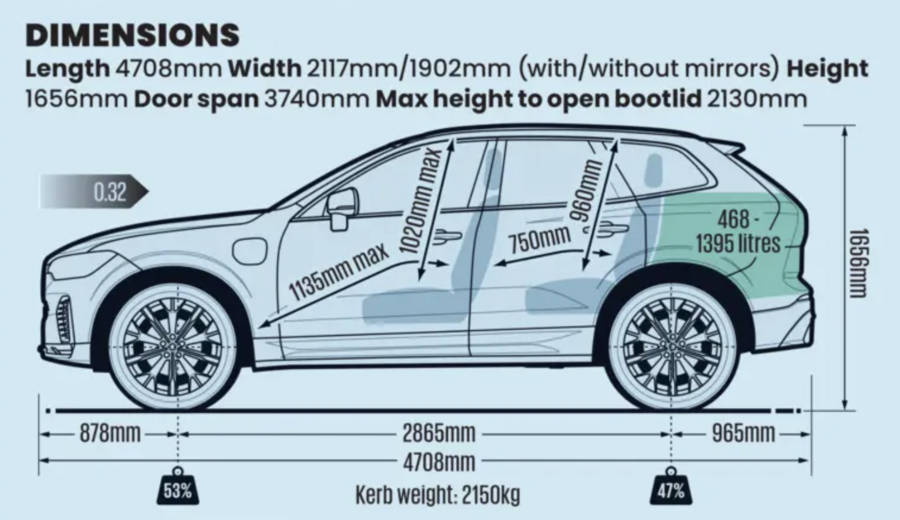
Apart from a slight lack of oddment storage, the XC60’s cabin still compares very favourably with rivals for outright accommodation. The front seats are outstandingly comfortable and very widely adjustable, while rear passengers enjoy more leg room than in the Mercedes GLC or Audi Q5, with a comfortable seating position that is uncompromised by a high floor (since the battery isn’t below it). The boot is equal in size to that of the GLC 300e, and much bigger than a Q5 E-hybrid’s, with some underfloor cable storage. The rear motor does mean that plug-in hybrids can’t be optioned with a spacesaver spare wheel, like the mild hybrid can.

ENGINES & PERFORMANCE

8
Volvo XC60 review 2025 015

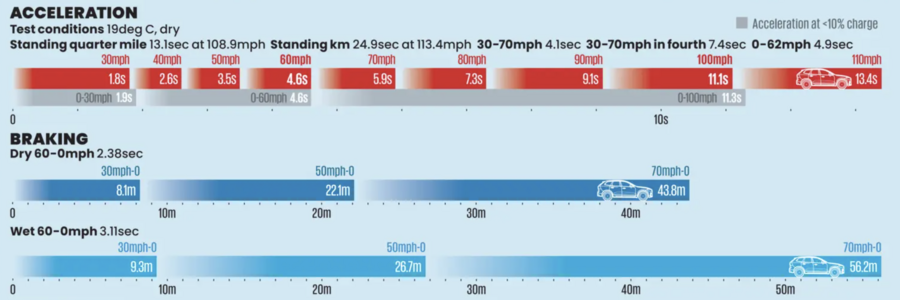
For all its obsession with safety, Volvo is remarkably liberal with its cars’ power outputs. The T6 needs only 5.7sec to reach 62mph, which is already quicker than German rivals, but we are testing the T8, which knocks that down to just 4.9sec.

Our car had no trouble matching this claim at the proving ground. In reality, the XC60 clearly maintains a decent buffer of energy even when the battery is at an indicated 0%, because performance was not notably degraded even with a ‘depleted’ tractionbattery. In EV mode, the XC60 took a leisurely 16.7sec to reach motorway speed (70mph), which shows where the next generation of PHEVs ought to improve.

You push and pull the drive selector for Reverse and Drive. Instead of shift paddles, you push the drive selector left and right. It works, but isn't very intuitive.

More electric power in reserve would also make the XC60 more relaxing on the road. In everyday motoring, the engine is often busier and noisier than you would expect, even with plenty of charge in the battery. As a result, you don’t get the indulgent feeling that a system output of 449bhp would suggest. This is exacerbated when the battery is depleted.

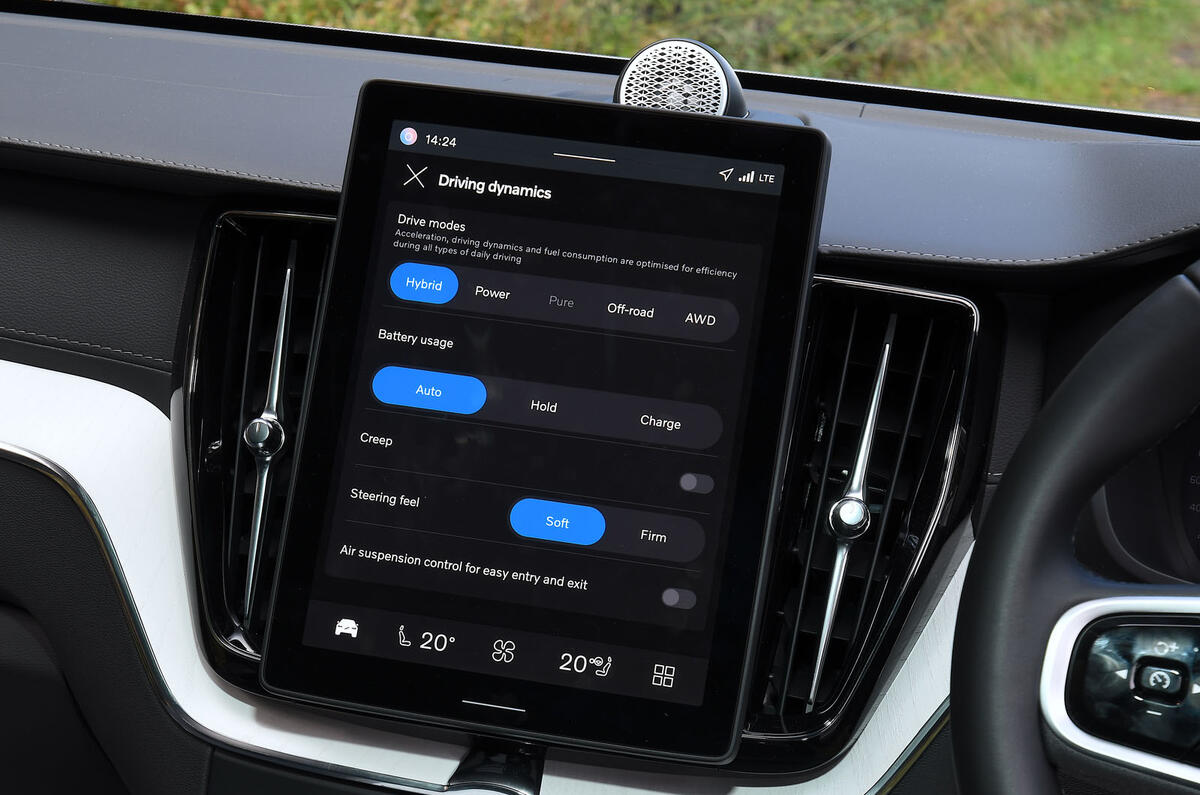
The touchscreen offers three options for managing the charge in the battery: Auto, Hold and Charge. Hold works as expected, but Charge did not seem to replenish the battery much. Auto is quite clever, because if you plug your destination into the Google navigation, it will use all of the electric power over the course of your journey but reserve some for sections in town or heavy traffic, rather than use it all at once.

We like how Volvo handles regenerative braking: D mode on the gear selector gives you freewheeling, while B engages a much stronger mode. On the touchscreen, you can toggle whether the car creeps forward from a stop when you lift off the brake pedal. Switching it off turns B mode into a full one-pedal setting.

We’ve not yet driven the mild-hybrid B5, but on paper it is quite a bit slower and, as acquaintance with the pre-facelifted version suggested, will feel like it's having to work harder much of the time, although we'll have to wait to drive the updated version to confirm this is still true. Quieter or otherwise, however, the B5's economy (at barely 30mpg) means frequent trips to the petrol station are necessary.

RIDE & HANDLING

6
Volvo XC60 review 2025 016

Despite pushing deep into premium car territory over the past decade, Volvo has never managed to strike an especially competitive ride and handling compromise. That remains true, even if things have improved since our 2017 road test, where the XC60 scored a meagre two and a half stars in this section.
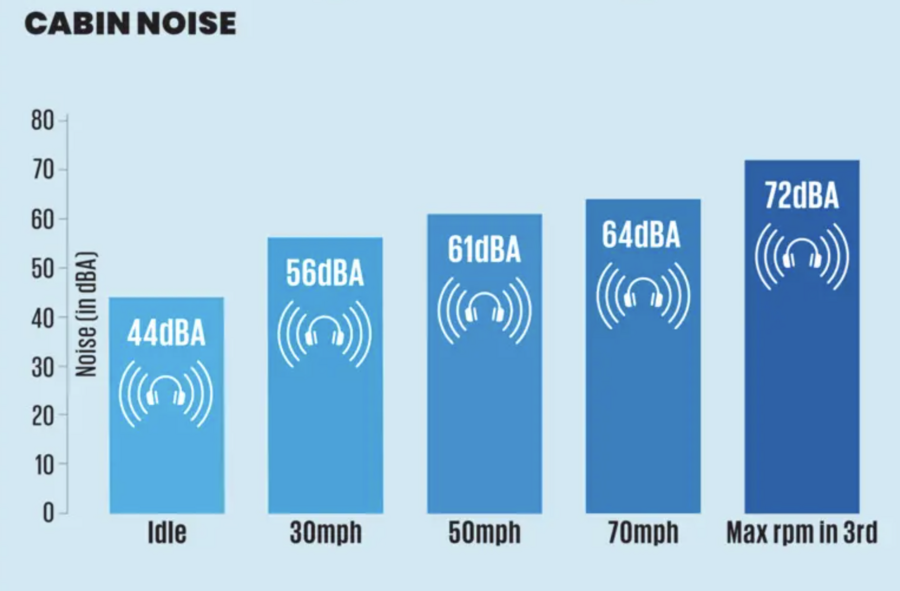
Like then, our test car rode on air suspension, which Ultra trim gets as standard. The ride over coarse surfaces manages to feel slightly hollow, while larger asymmetric inputs cause a rocking feeling. It’s not so irksome that you won’t get used to it – it’s just curiously unresolved. The XC60 settles down nicely on the motorway and proved pleasantly quiet, recording a decibel less than the Audi Q5 TDI at 70mph.
The XC60 remains a car with no greater dynamic ambitions than to feel easy and dependable. To that end, it has fairly slow, light steering with a smooth feel and linear responses, but no feedback of any kind. In the case of the T8, with its 306bhp going to the front wheels only, that may be a deliberate choice to stave off torque steer. If it is, it certainly achieves that particular goal, but also makes the XC60 a fairly distant driving experience. Outright grip and turn-in response are actually quite good.

Volvo’s assisted driving features now feel a generation behind. While the lane keep assist is unintrusive and the overspeed warning easily disabled, the cruise control feels fairly simplistic. The adaptive cruise control is quite slow to respond and easily spooked, and Pilot Assist dim-wittedly keeps the car exactly centred in the lane, seemingly unaware of its surroundings. Whereas Volvos used to offer the option to switch to standard cruise control or a speed limiter, that has been removed for 2025.

MPG & RUNNING COSTS

6
Volvo XC60 review 2025 001

The XC60 starts from £48,410 for the mild-hybrid B5, or £55,360 for the PHEV T6, both in entry-level Pure trim. The T8 powertrain is coupled to Ultra trim, bumping the price to £68,860. That’s rather expensive, so we would just stick with a T6, since the extra power isn’t worth it. Spec for spec, the XC60 is priced in line with, and even a bit below, rivals.

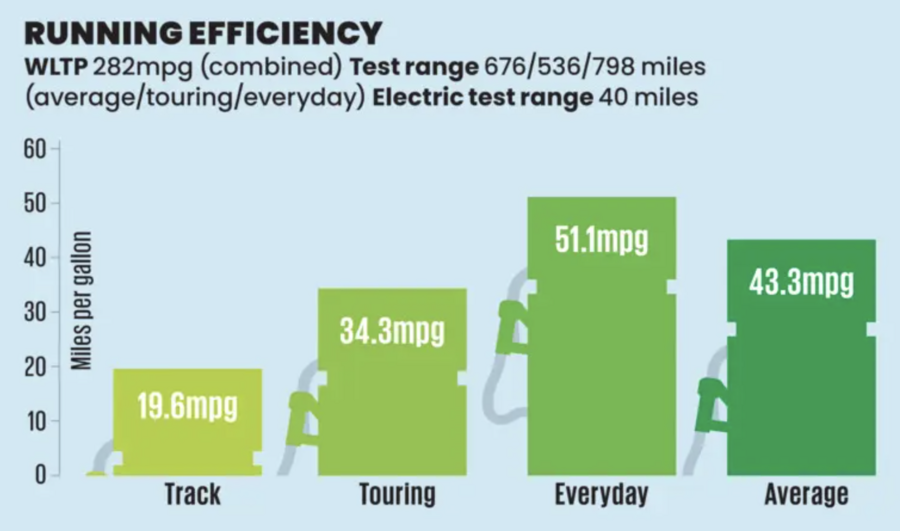
Although a fully charged battery is supposedly good for 50 miles, we made it just 40 before the engine kicked in. That sort of range feels a bit last-generation, and leaves it vulnerable to tax changes that favour longer-range PHEVs.

The petrol engine itself isn’t the most efficient either, so the XC60 does only a passable impression of a ‘self-charging’ hybrid on the depleted-battery touring and ‘everyday’ economy tests. An enormous 71-litre fuel tank means total range is very impressive.

VERDICT

Volvo XC60 review 2025 020

Sometimes, continuing with an older model while rivals enter new generations can be an advantage as much as it is a handicap. True, the XC60 is falling behind with ADAS, the plug-in hybrid is far from state-of-the art and Volvo has also never really mastered chassis tuning. Next to a Mercedes GLC 300e on air suspension, it would feel slightly agricultural. Then again, it isn’t as expensive. Meanwhile, the XC60 still looks as sharp as it did in 2017, and its high-quality, understated interior might just give it the edge over the Audi Q5 and BMW X3 for some buyers.

Illya Verpraet

Illya Verpraet Road Tester Autocar
Title: Road Tester

As a road tester, Illya drives everything from superminis to supercars, and writes reviews and comparison tests, while also managing the magazine’s Drives section. Much of his time is spent wrangling the data logger and wielding the tape measure to gather the data for Autocar’s in-depth instrumented road tests.

He loves cars that are fun and usable on the road – whether piston-powered or electric – or just cars that are very fit for purpose. When not in test cars, he drives an R53-generation Mini Cooper S or a 1990 BMW 325i Touring.