Enduring family SUV given new look, new technology and new identity

Find Volkswagen ID Tiguan driven: ID 4 replacement is better in every way deals
Other Services
Sell your car
84% get more money with

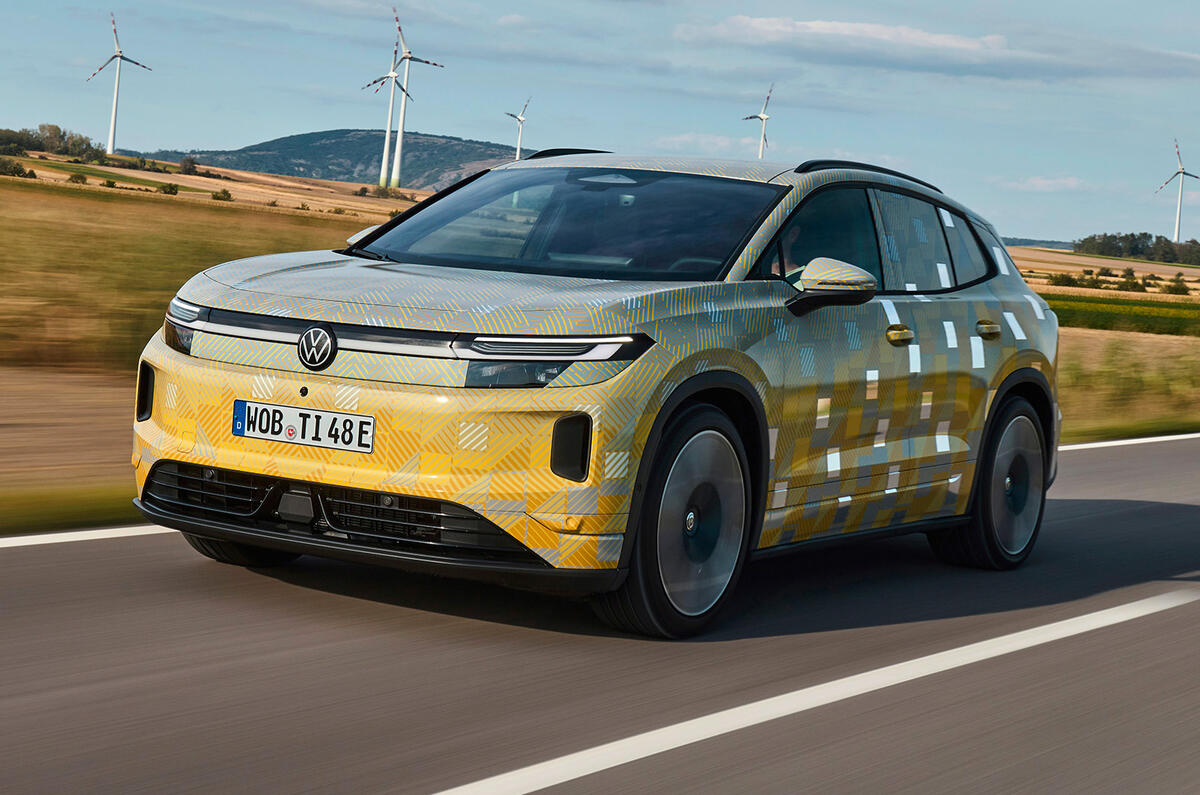
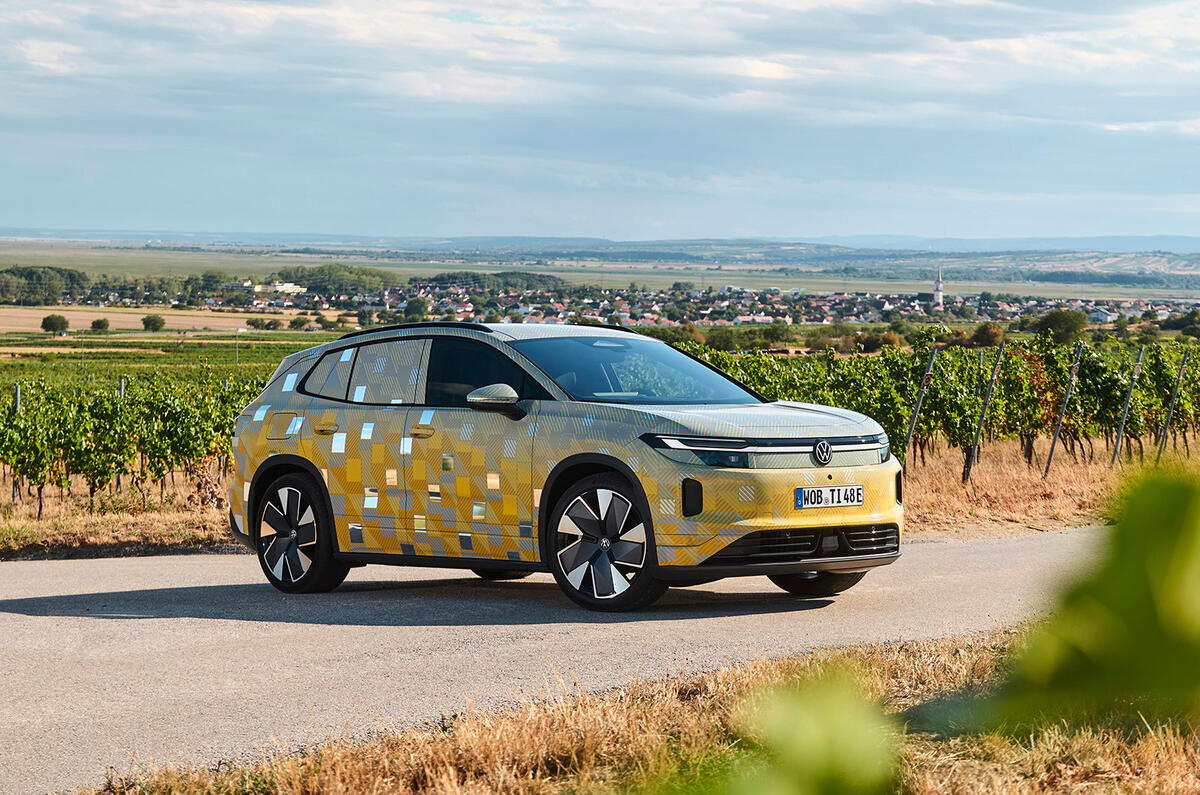
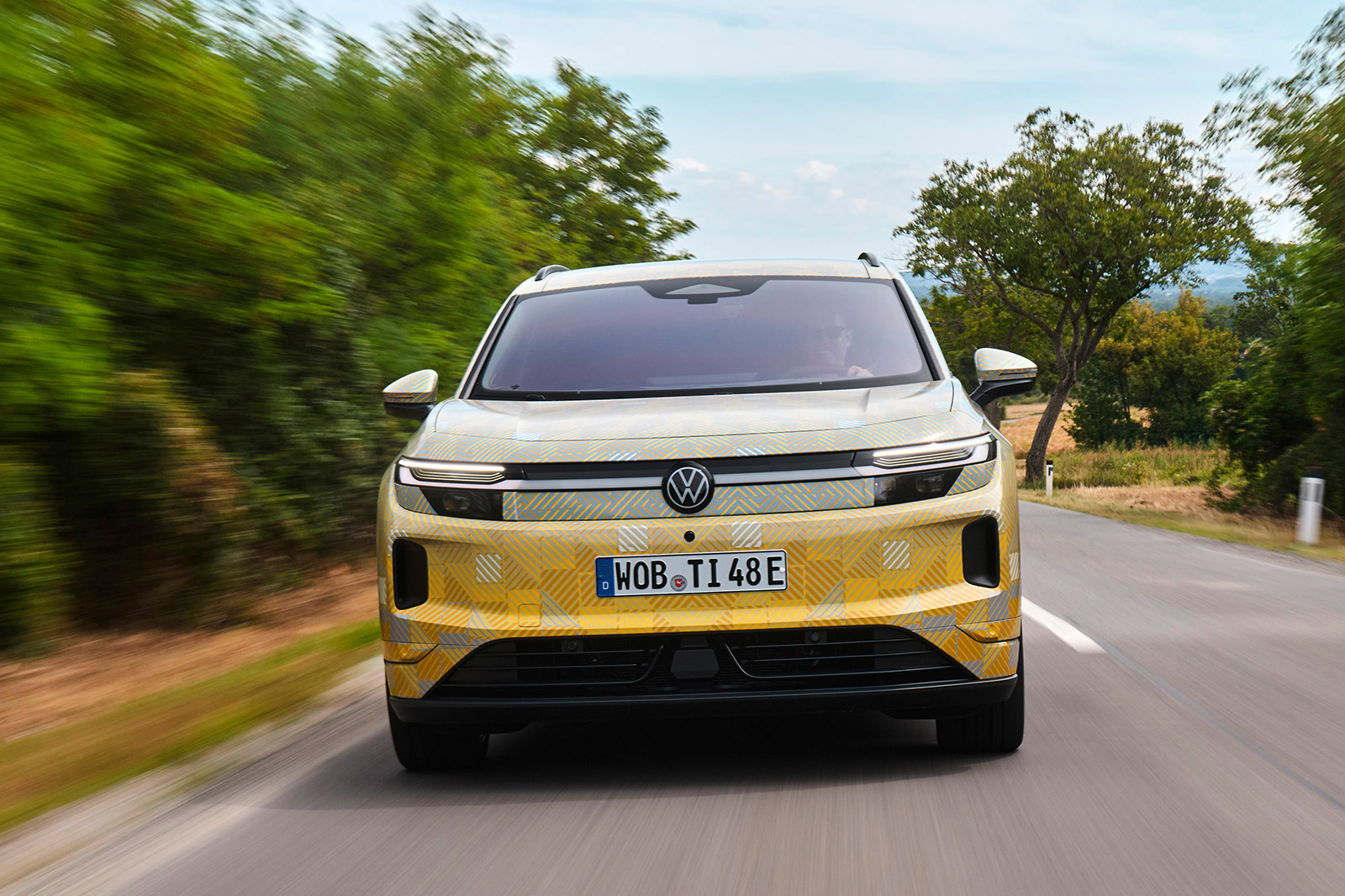
Volkswagen has changed tack with its ID 4 electric SUV, renaming it as part of a mid-life facelift that brings design influences over from the combustion-engined Tiguan.

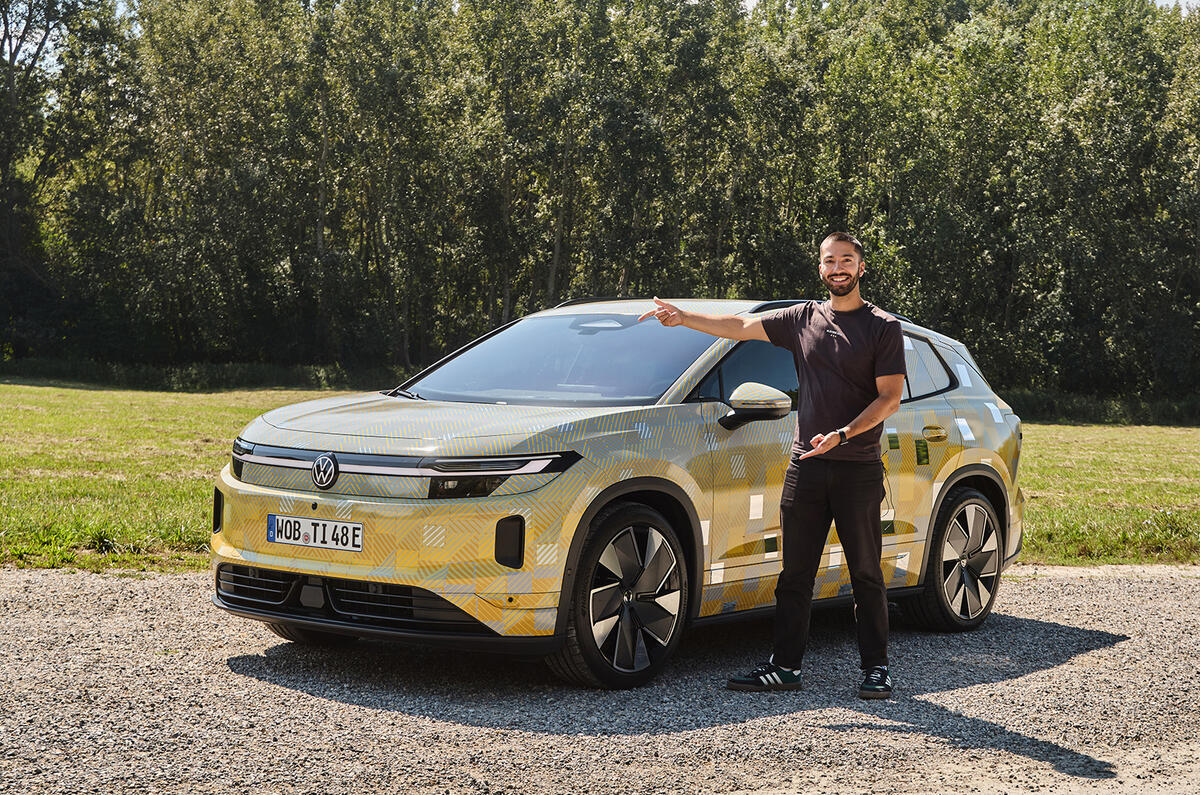
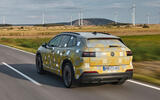
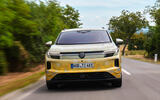
While the new ID Tiguan isn't due on the road for several months yet, we have gained access to a camouflaged prototype to gauge how new MEB+ technology affects its chances against hot-selling alternatives like the Hyundai Ioniq 5 and Tesla Model Y. 


Advertisement

DESIGN & STYLING

VW ID4 prototype review 2026023

Even though it has been a particularly strong seller in Europe since its launch in 2020, the ID 4 has never been the most distinctive car in its class.

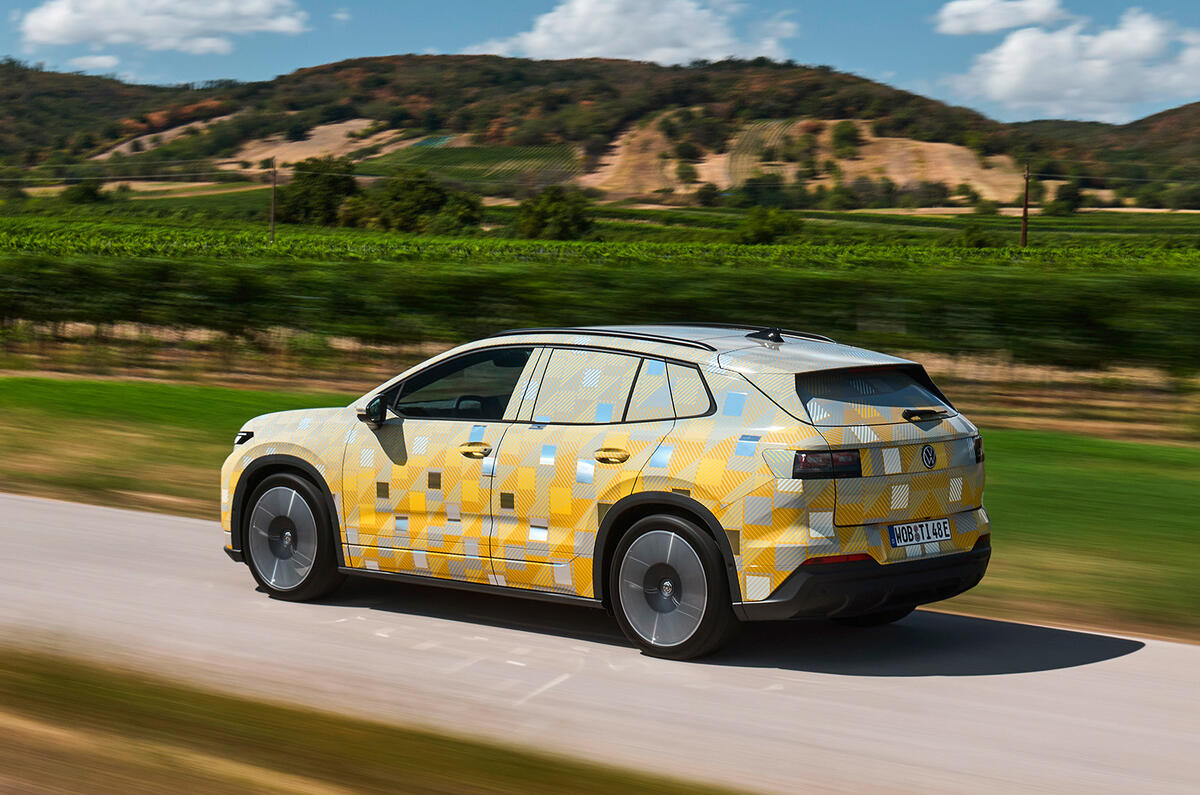
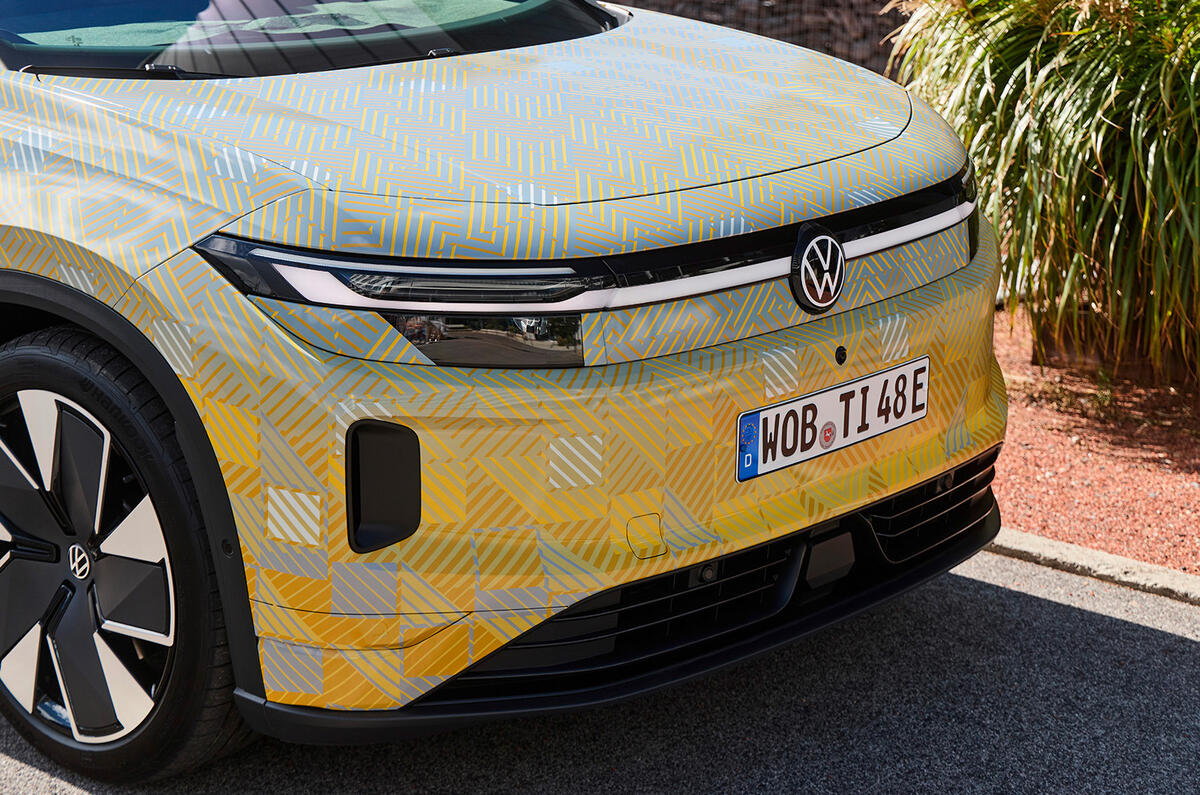
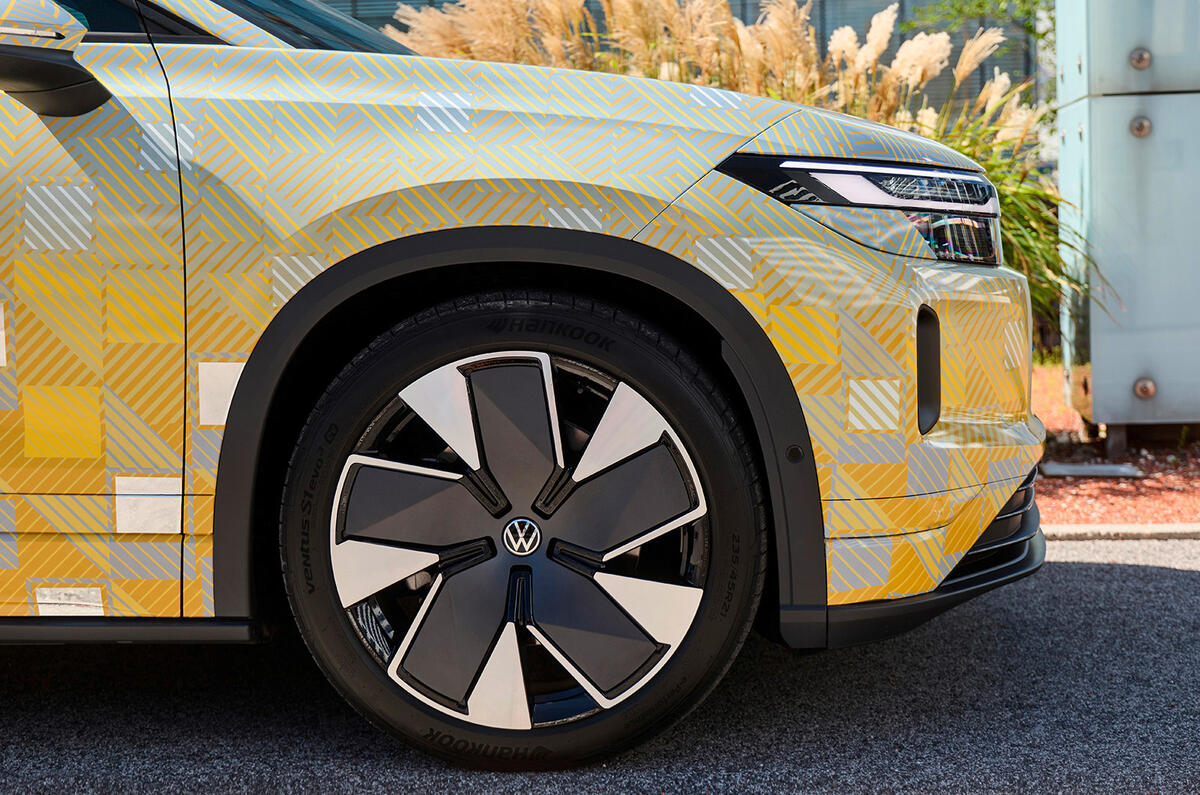
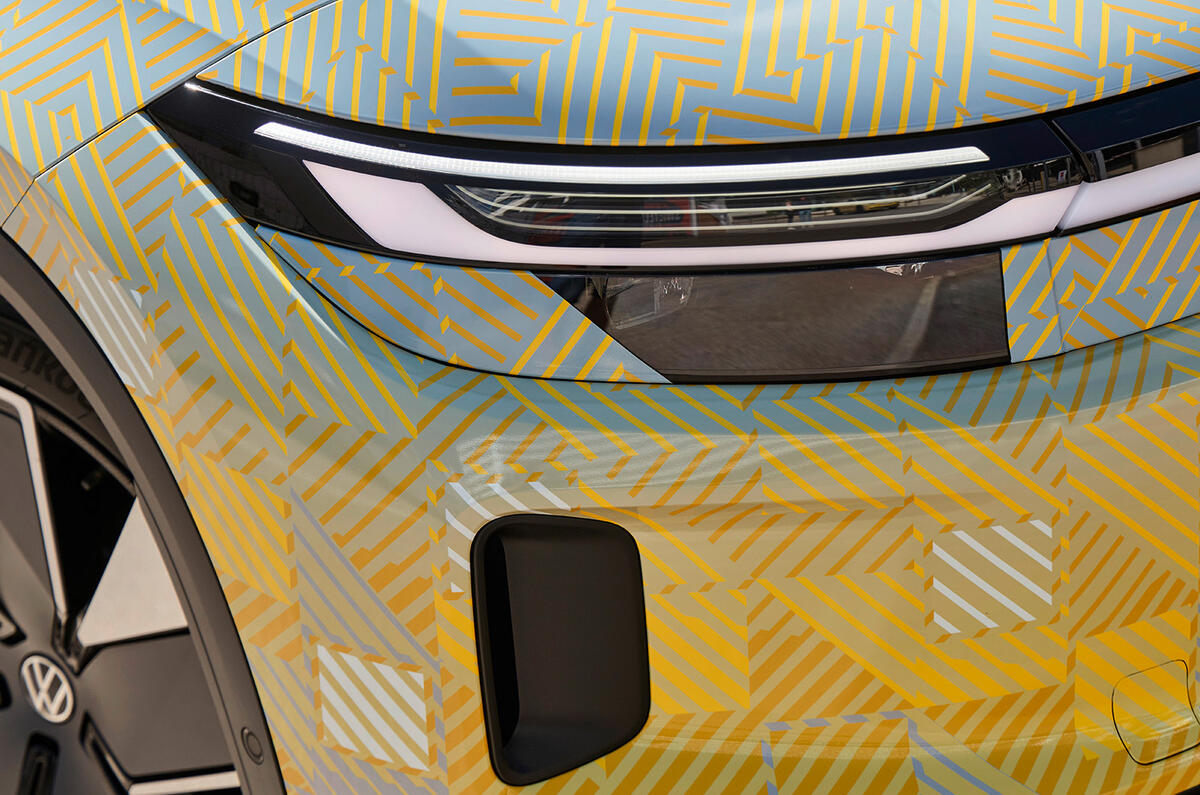
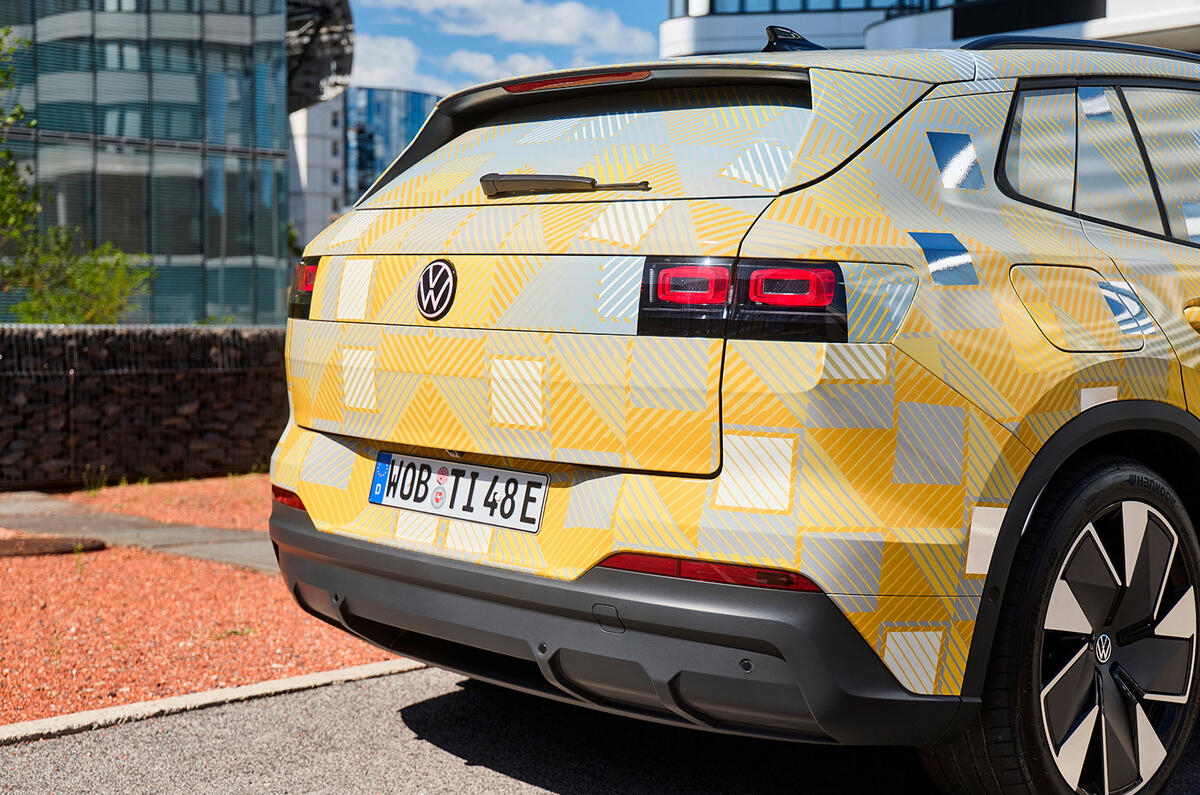
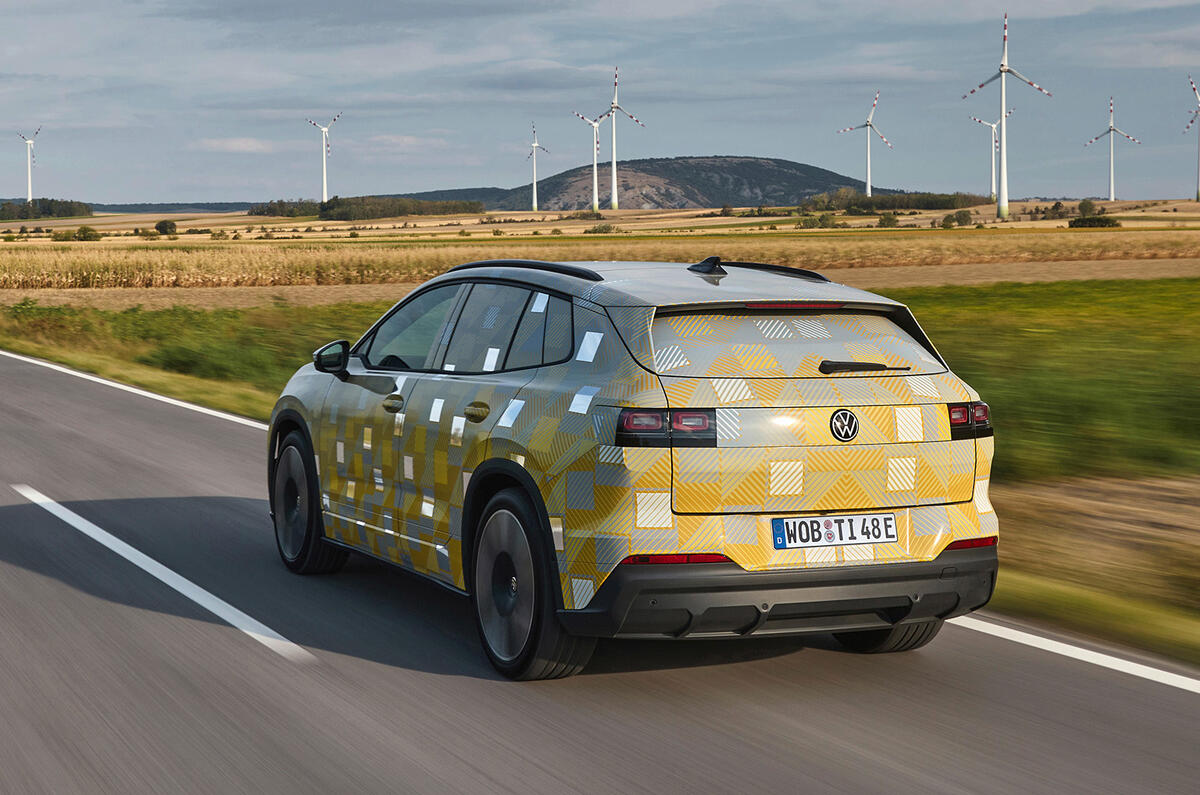
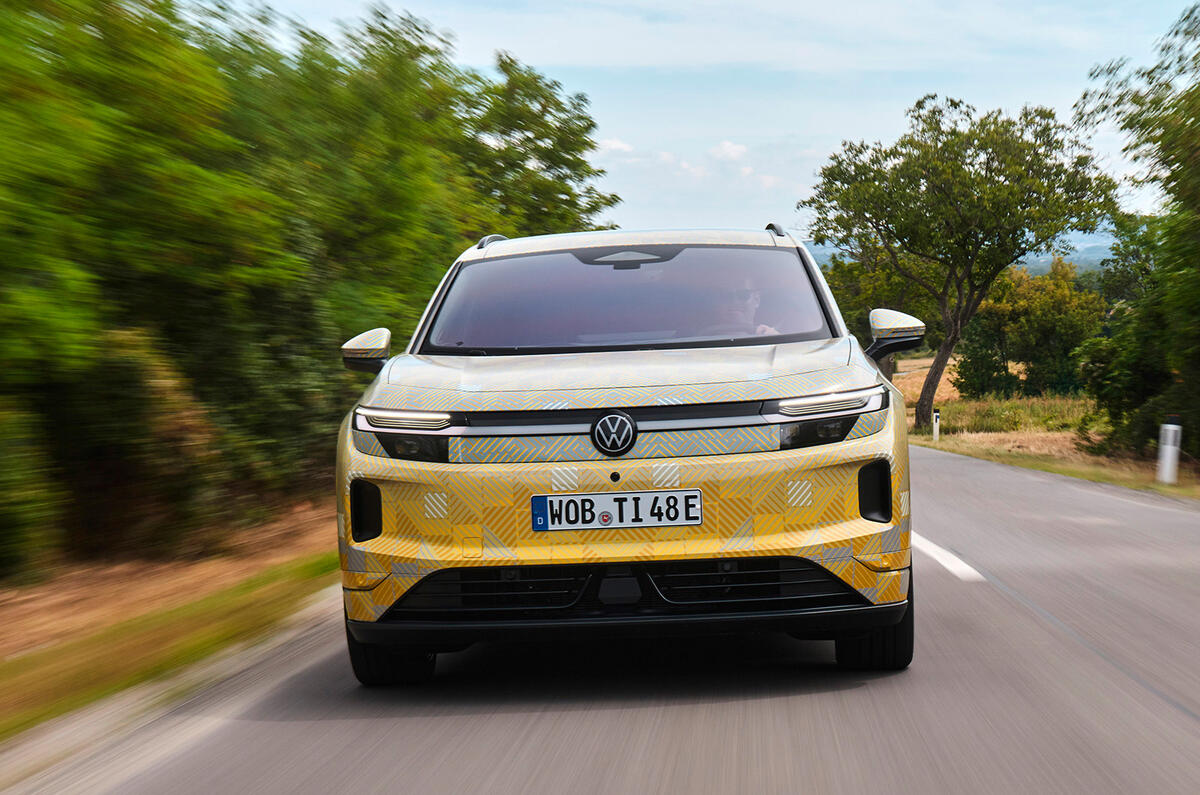
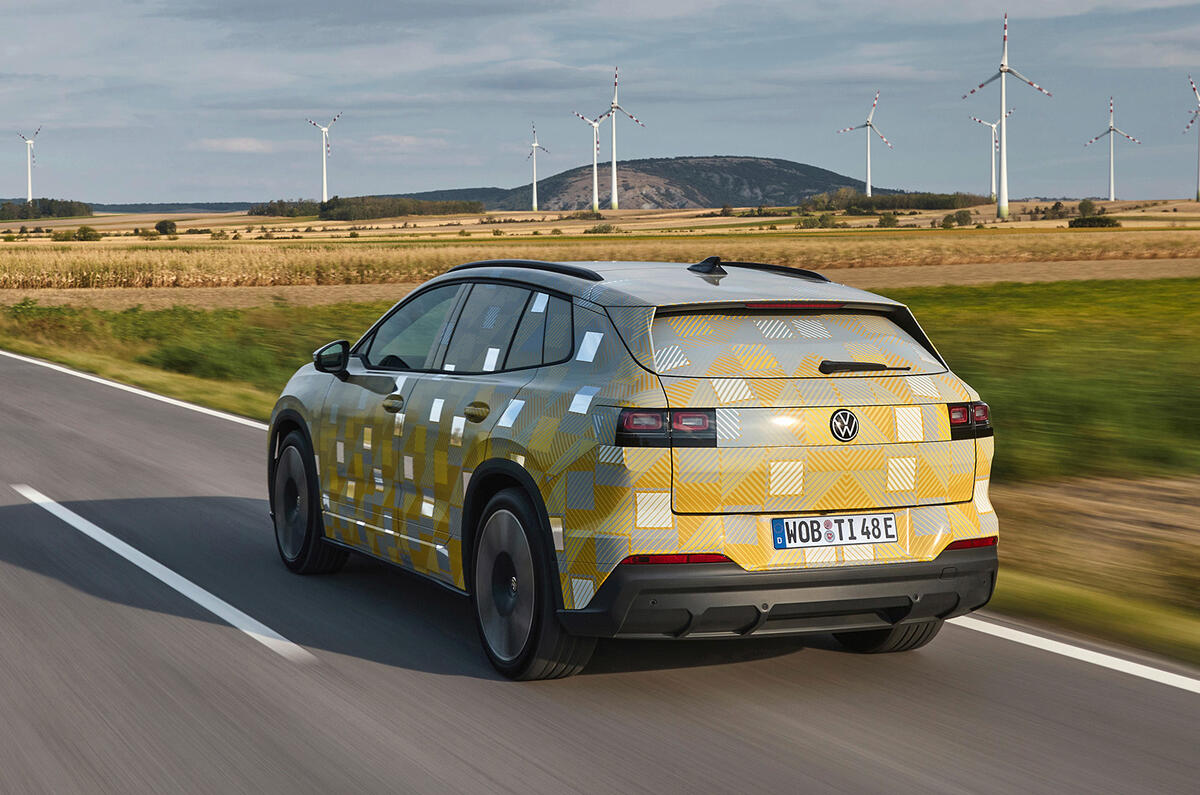
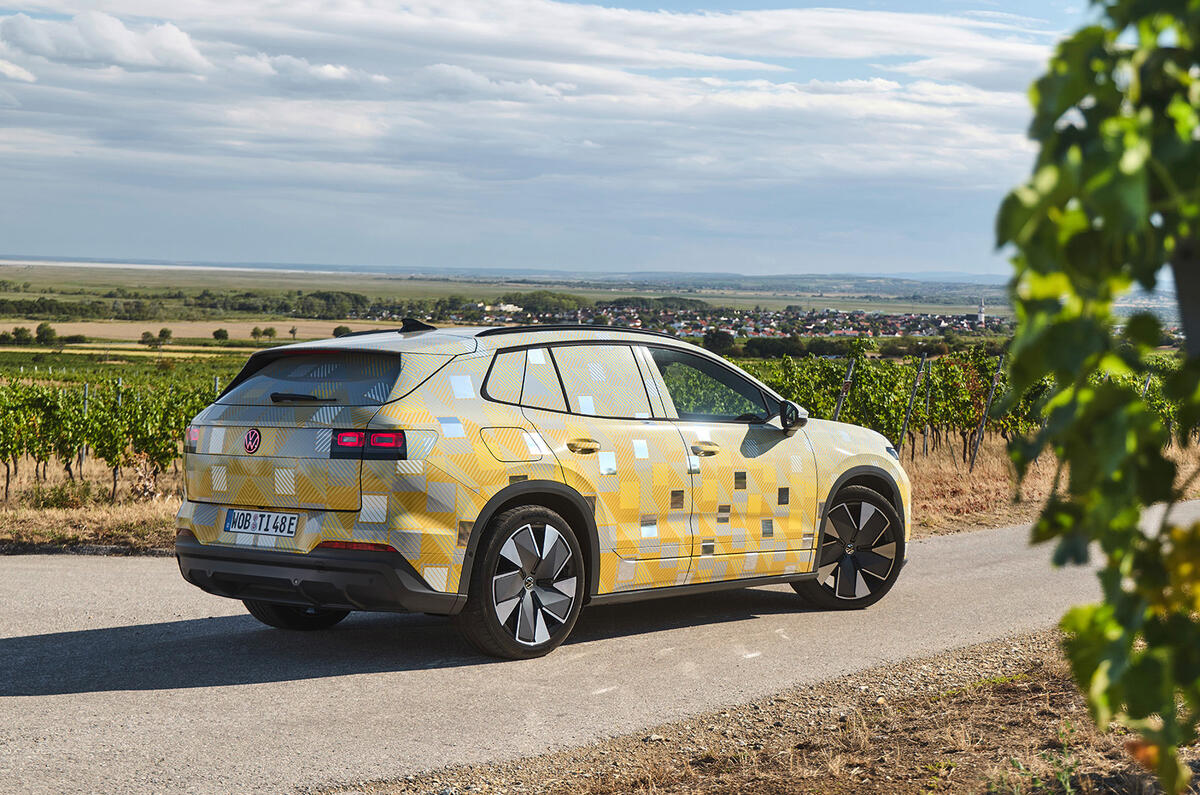
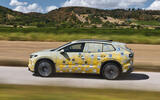
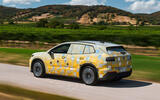
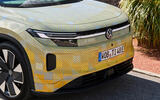
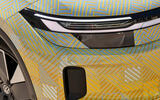
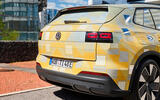
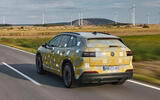
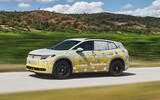
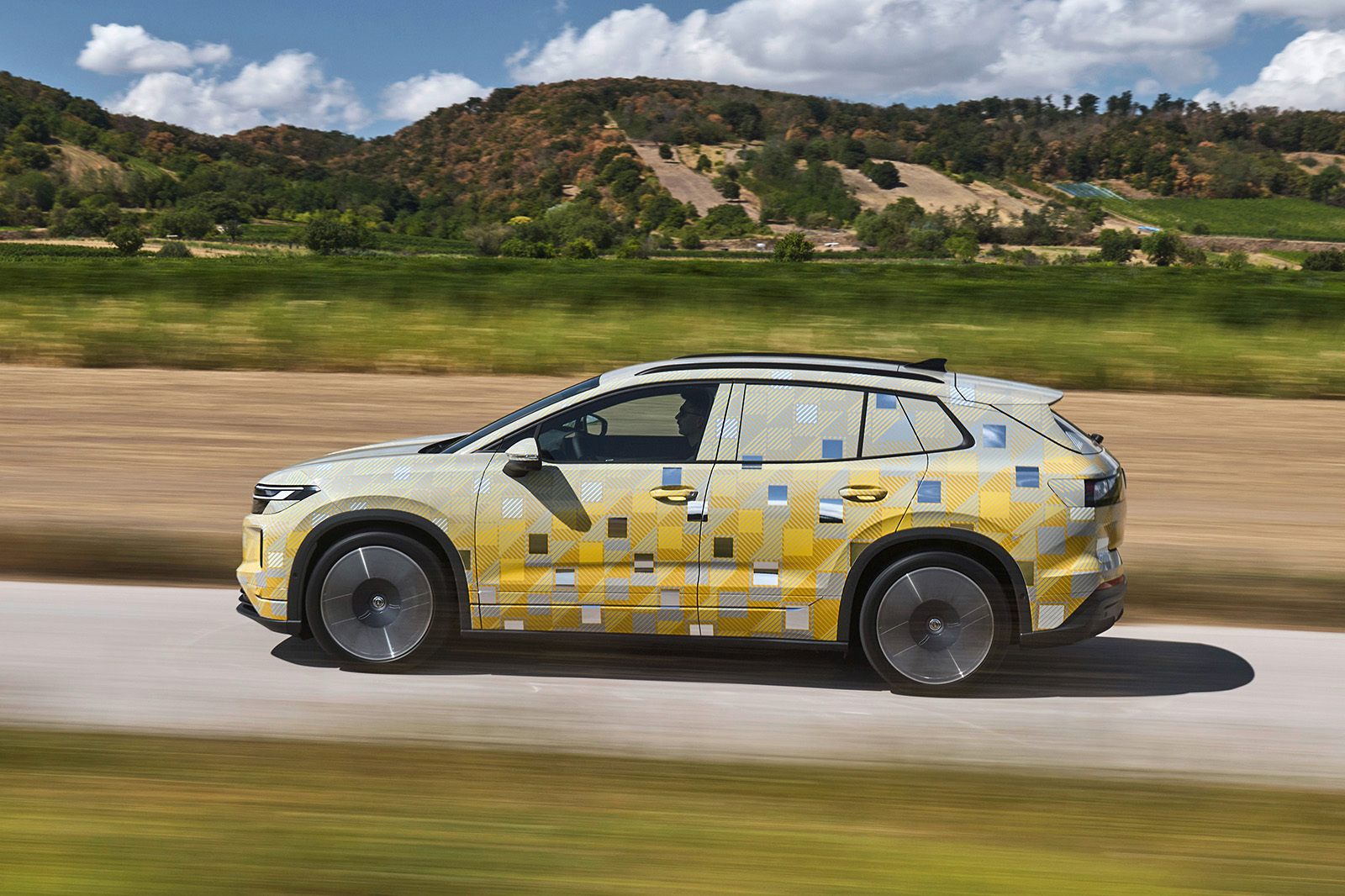
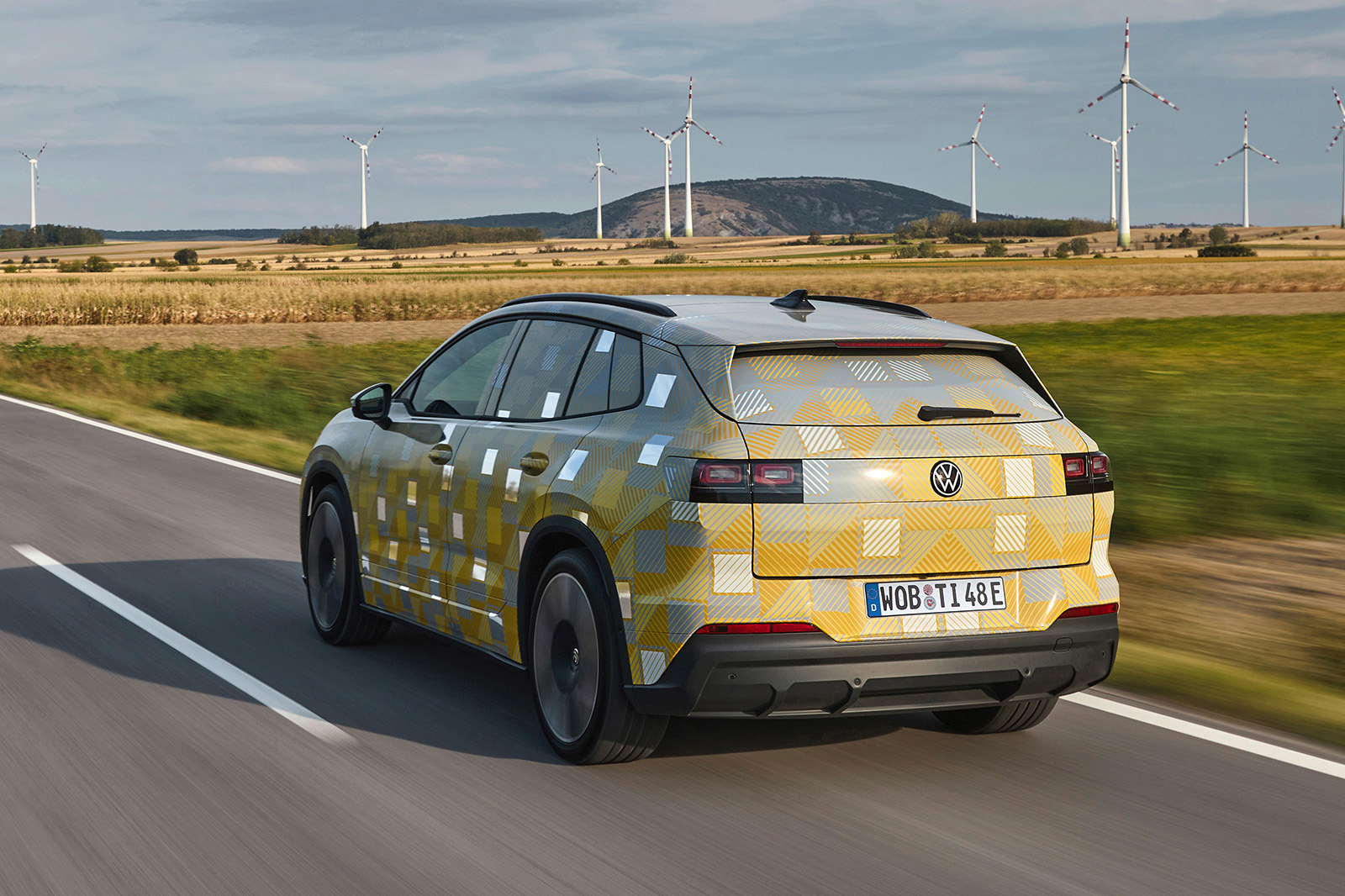
And despite the camouflage wrapped over this new body, it's clear that sleeker headlights and a more recognisable Volkswagen rear light design are here to fix that on the ID Tiguan.

The details align the model more closely with not only its petrol namesake but also the recently launched ID Polo hatchback, which is a step back in the right direction.

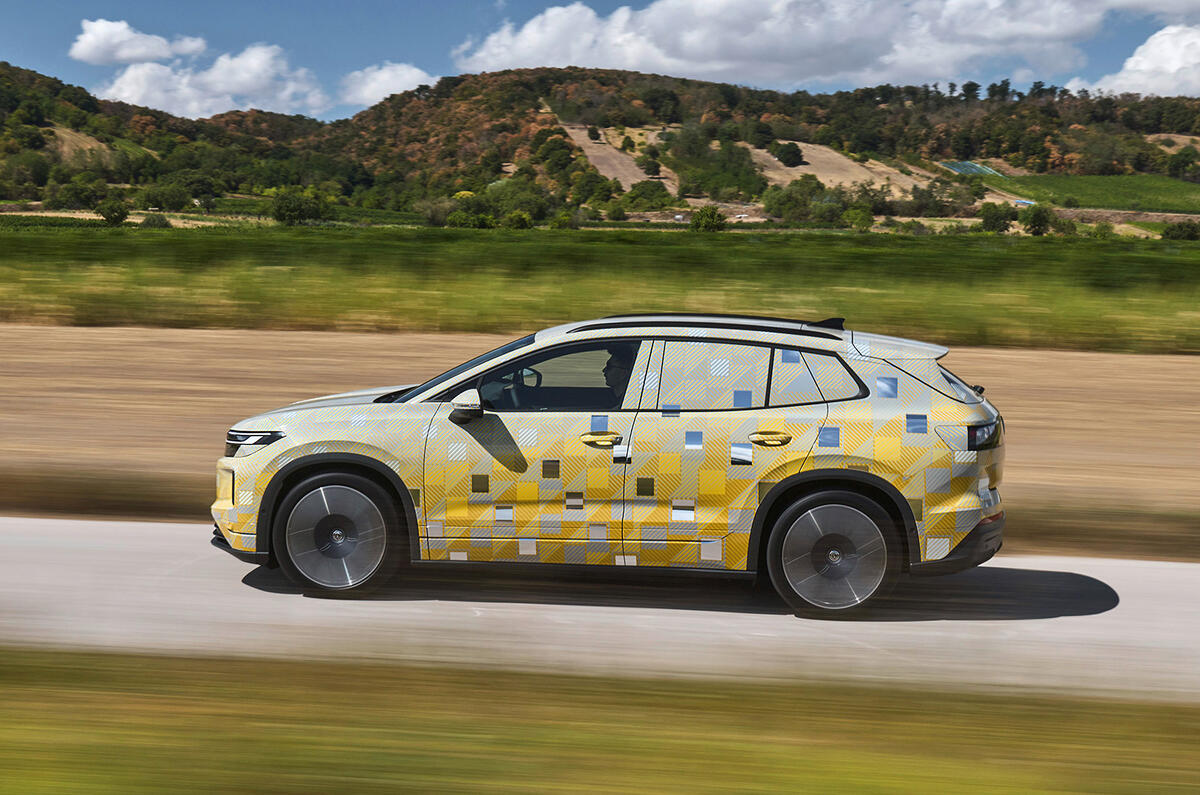
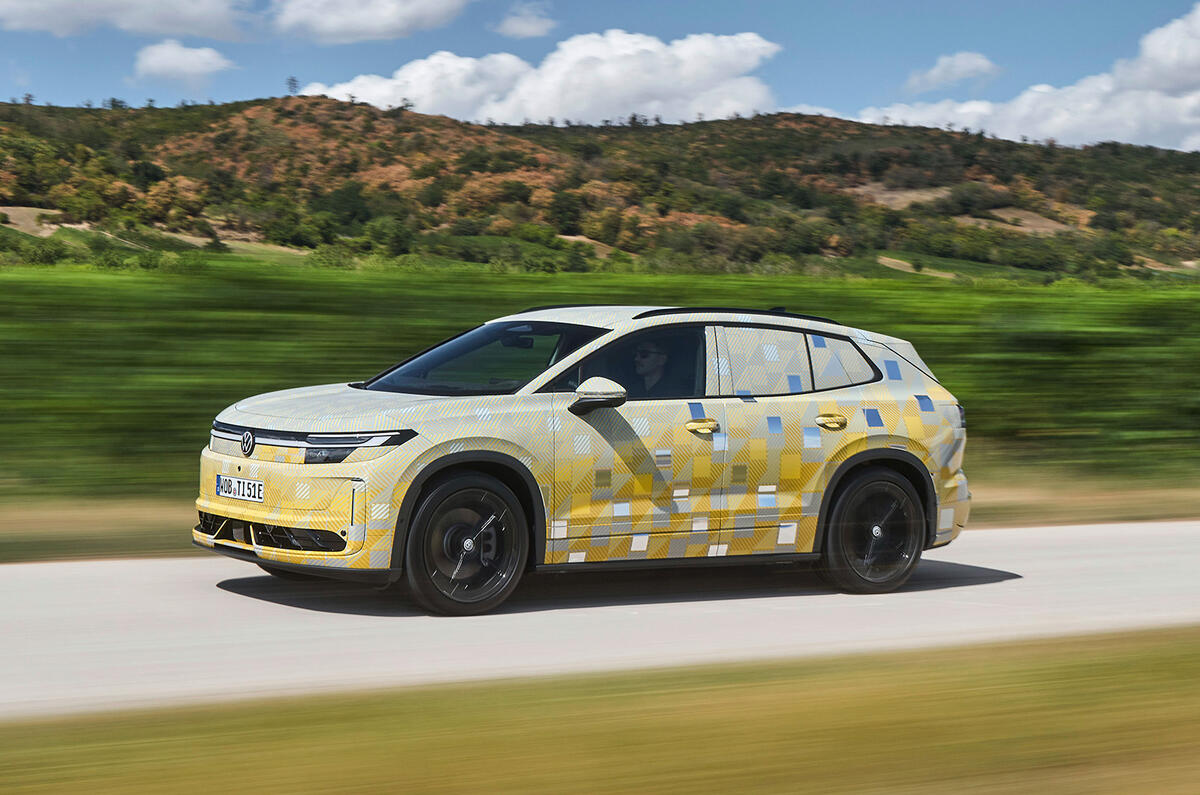
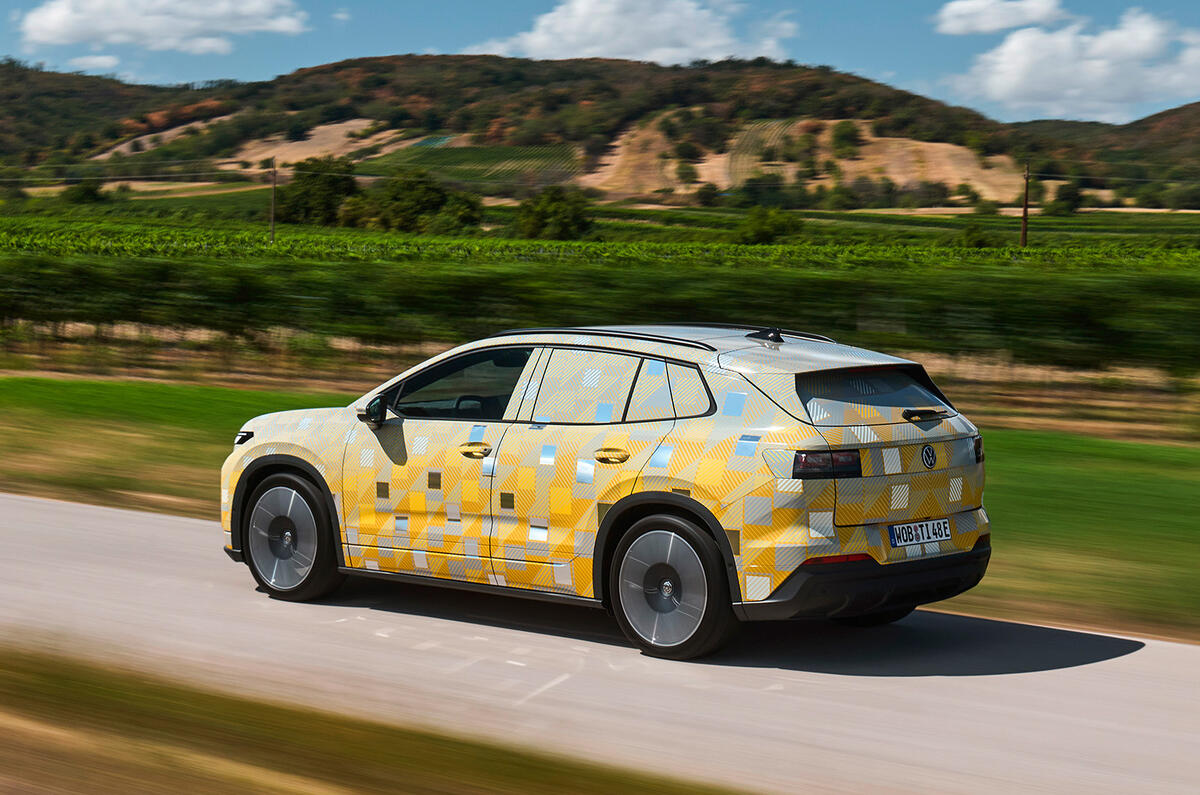
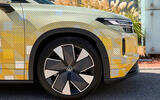
Like before, you can get alloys of up to 21in in diameter, but the ID Tiguan has actually grown in length by 44mm, suggesting there may be a bit more room for occupants inside.

The extra room hasn't, however, enabled a swap to bigger batteries: the ID Tiguan is expected to retain the options of a 58kWh lithium-iron-phosphate battery at the entry level and a 77kWh nickel-manganese-cobalt pack in the Pro and dual-motor Pro 4Motion variants.

The platform updates that include the latest APP and AKA electric motor technology mean the ID Tiguan will offer the same power outputs as the ID 4, with 188bhp, 282bhp and dual-motor 295bhp options. 

More significant in its fight against rivals are ranges of between 280 and 373 miles, meaning it will easily trump the Ioniq 5, while closing the gap to the Model Y and Scenic, which has recently had its WLTP peak bumped to 399 miles.

No less important for those who tow is a boost in the braked towing capacity to 2.0 tonnes, thanks to the new muscle on offer from the MEB+. As with the ID 4, the UK won't take the lowest-spec Trend trim level that will be offered on the continent, so you can expect to find features like dual-zone climate control, heated seats and wireless phone charging across the board. 

INTERIOR

VW ID4 prototype review 2026030

Covers on our test prototype hide the new design details, but Volkswagen's much more ergonomic interior layout – which includes mechanical switches for the steering wheel controls and, most significantly, a return to buttons for the climate control – should be carried over to the ID Tiguan, following its launch in the ID 3 Neo and ID Polo hatchbacks. 

Early glimpses of the rear seats and boot suggest there have been improvements to practicality there, so while it doesn't look like the ID Tiguan has inherited the ICE Tiguan's sliding rear bench system, it should be noticeably more spacious inside. 

If the MEB+ underpinnings have unlocked space for a frunk, as expected, it would give the ID Tiguan something the ID 4 has always lacked, particularly in its battle against the larger Model Y.   

ENGINES & PERFORMANCE

VW ID4 prototype review 2026029

It's quick to accelerate too, with this rear-wheel-drive prototype feeling very much like a sub-7sec-to-62mph car, while the adjustable regenerative braking usefully includes a full one-pedal setting. 

There's no word on whether the GTX range-topper will return, but even if not, R-Line models with four-wheel drive should remain especially potent and capable. 

RIDE & HANDLING

VW ID4 prototype review 2026024

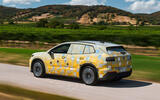
Another key addition, given the state of UK roads these days, is the new comfort-focused damper valves and bushes in the suspension. 

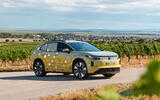
Our initial impressions from behind the wheel of the prototype in Austria do suggest there has been an improvement in road refinement, with even the biggest 21in wheels not thumping particularly hard into bumps or cracks in the road. 
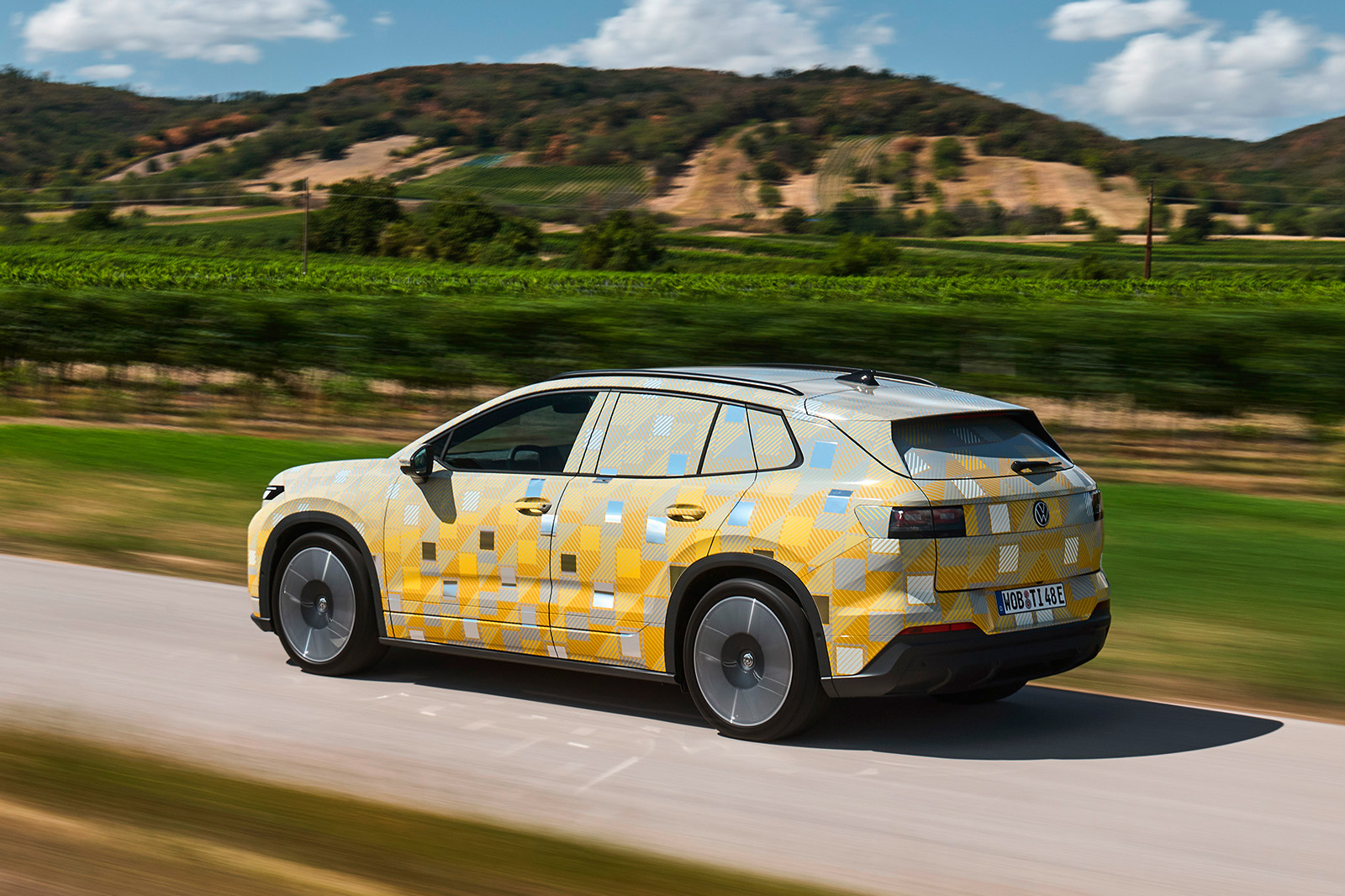
You will still be able to option on Volkswagen's Dynamic Chassis Control system for ride adaptability, but early signs suggest that even a passively sprung ID Tiguan is more comfortable than its predecessor. 
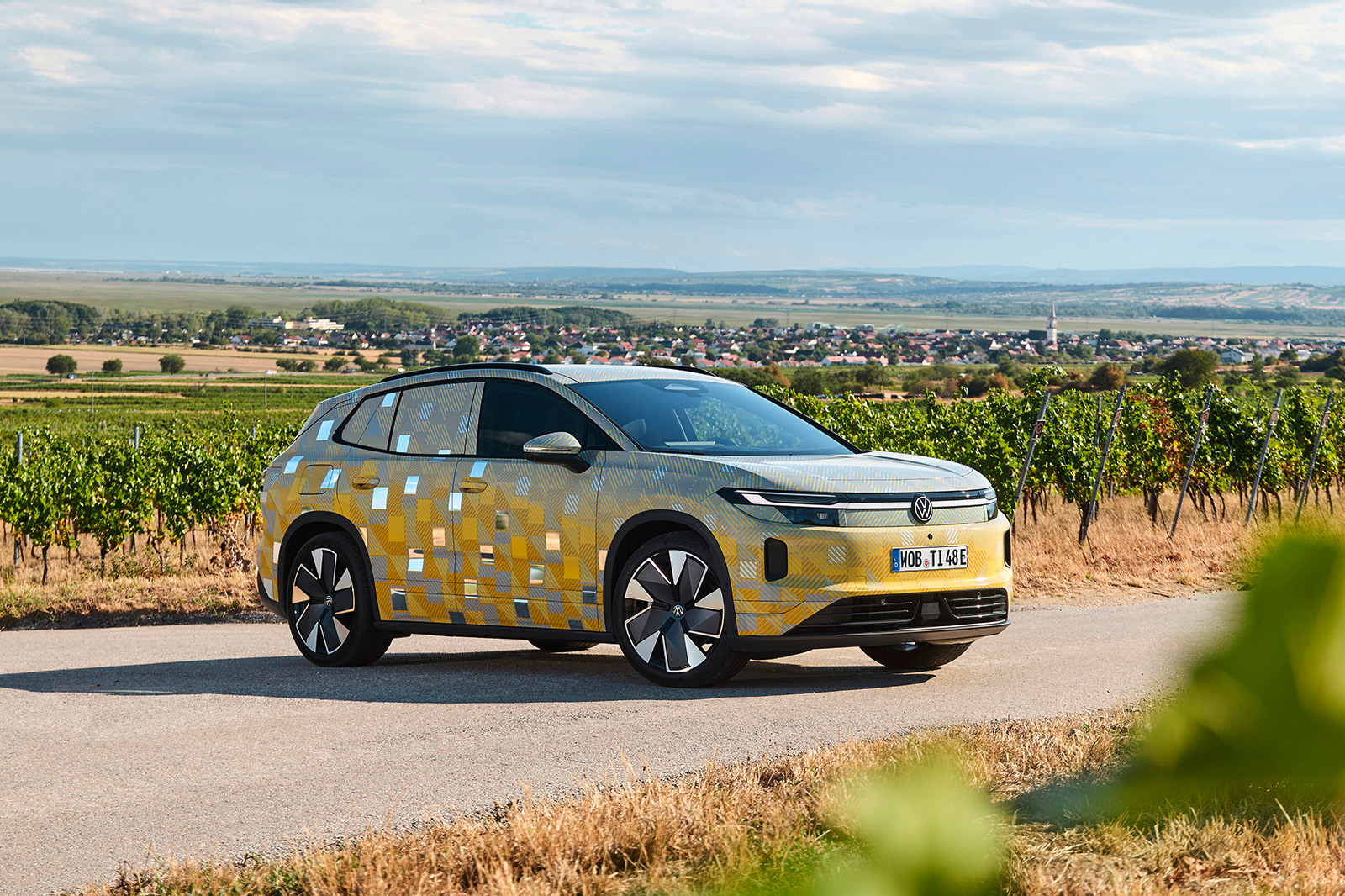
Volkswagen also claims that the suspension tweaks contribute to a reduction in road noise, while MEB+ vehicle dynamics tech promises better stability and handling at pace.  Our test was limited to slower sections of road, but the steering did feel a little sharper, suggesting there have been tweaks to the car's progressive rack ratio. 

VERDICT

VW ID4 prototype review 2026034

Following the ID Tiguan's global debut next month, cars are expected to appear on roads in early 2027, with starting prices likely to increase slightly on the outgoing car's £37,000. That will make the gap to the £33,245 Scenic even bigger than it already is.

But now with a more distinctive design, vastly improved interior ergonomics and more practicality, not to mention a better range, the ID Tiguan could very well represent the most important step forward in Volkswagen's refreshed EV range yet.