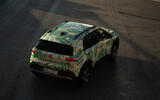


VW’s ID range goes back to basics with sensible, small SUV with a big boot - and buttons

Find Volkswagen ID Cross prototype review deals
Other Services
Sell your car
84% get more money with

VW has listened and it has changed. Buttons, glorious buttons – you’ll find them pretty much everywhere you and I both might want them in this new VW ID Cross.

For years now, owners, journalists, internet commenters, my mum and probably your mum have taken issue with the haptic sliders and touch-heavy interfaces used by Volkswagen’s ID models. The cabins of the ID 3 and ID 4 in particular became a convenient shorthand for overzealous minimalism: capacitive steering wheel pads, fiddly temperature sliders and a general absence of tactile bits, knobs and switches.

Earlier prototype models had a eucalyptus plant in the centre console - a bit like the flower vase in the New Beetle. But it turns out that won’t make it to production. Sad.

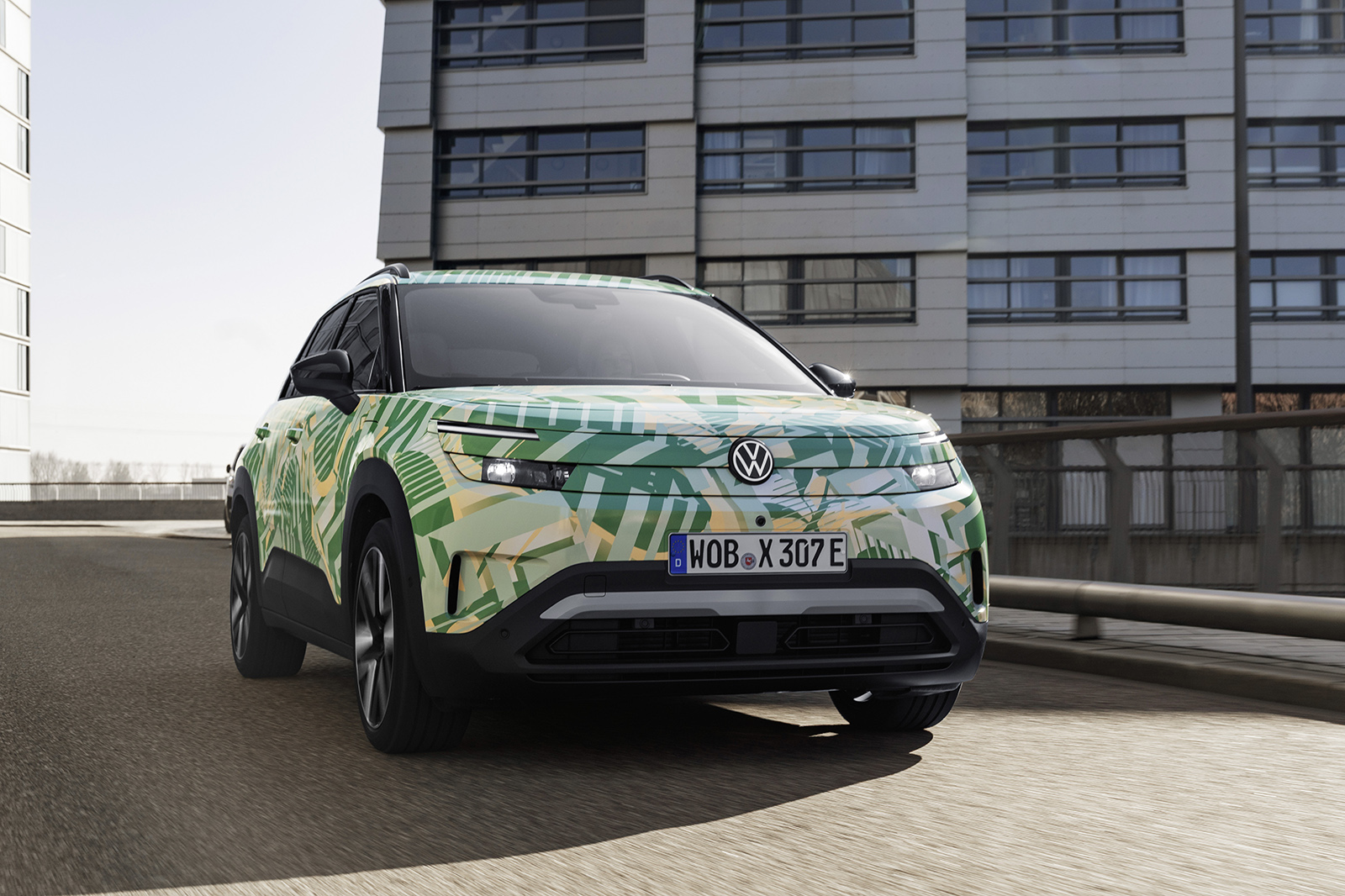
With the new ID Cross, VW has rowed back – and is happy to admit that. The ethos behind Wolfsburg’s new affordable compact electric SUV is very much one of ‘back to basics’.

Advertisement

DESIGN & STYLING

DB2026AU00175

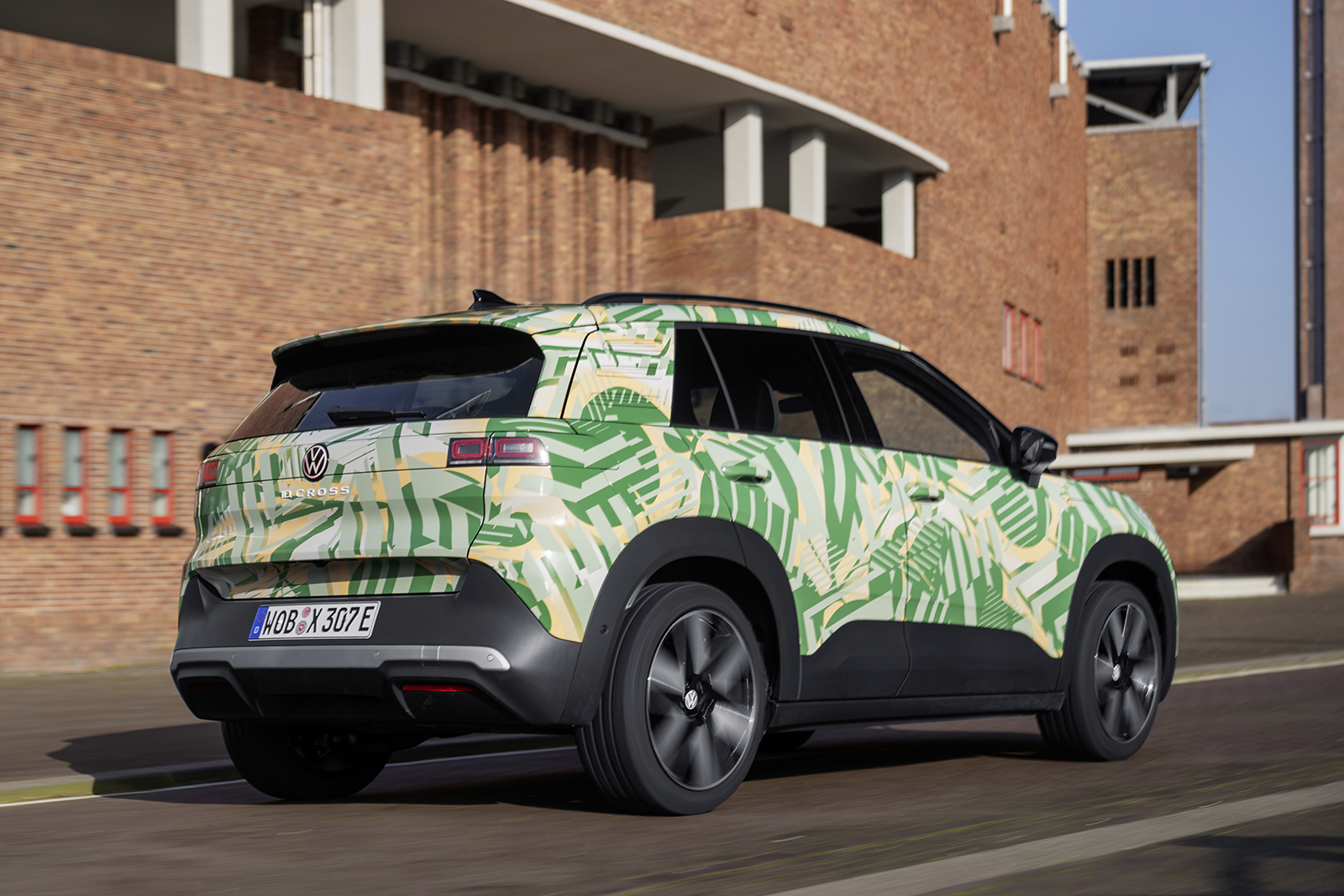
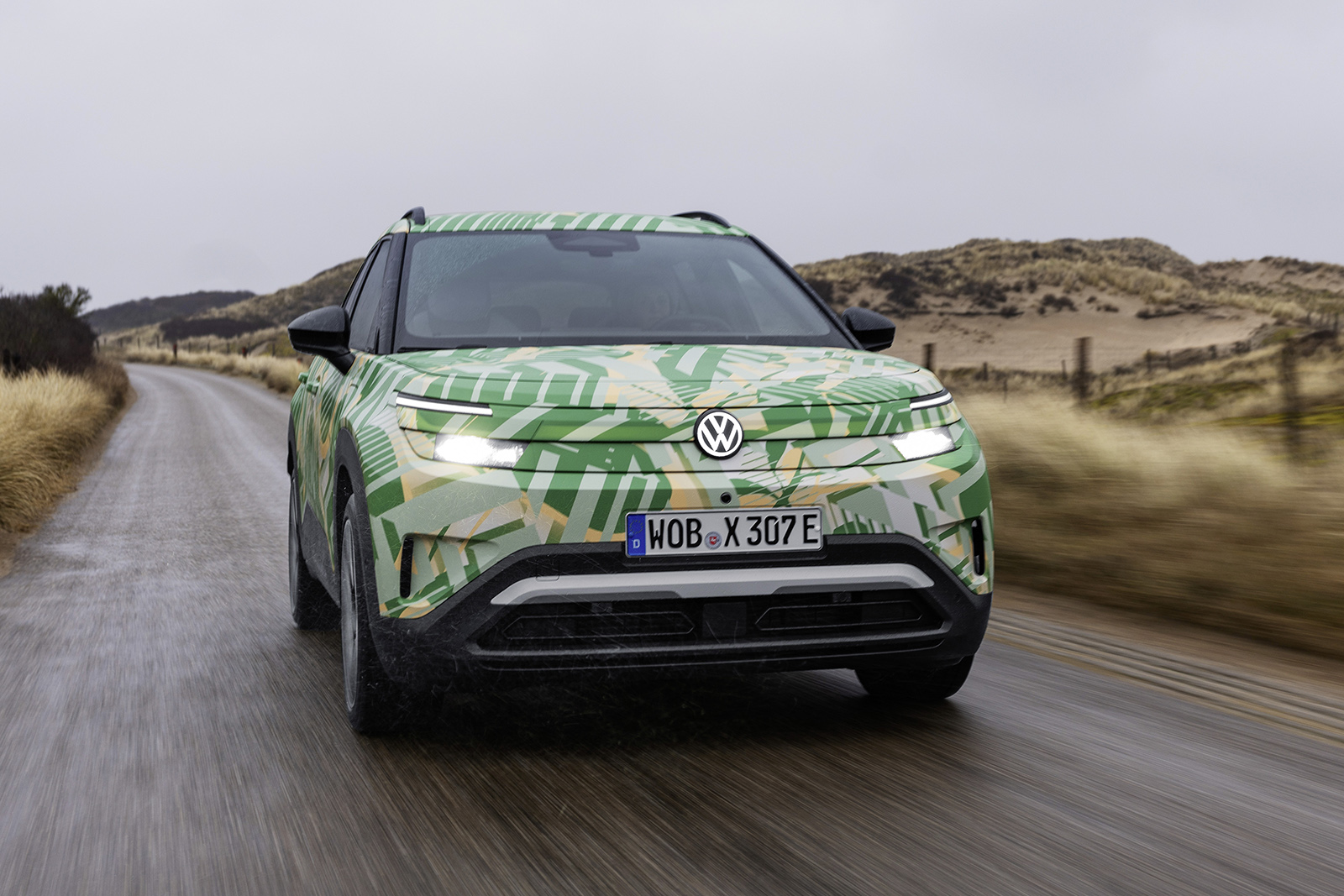
Underneath, the ID Cross takes a notably more traditional approach. It, like its VW ID PoloSkoda Epiq and Cupra Raval cousins, is front-wheel drive, with a single motor on the front axle.

Suspension is by MacPherson struts at the front and a torsion beam at the rear – a torsion beam that is, admittedly, quite sophisticated. It has two-component bushings, with a high stiffness in longitudinal movement for a soft ride and a low stiffness in the vertical directions for low noise levels.

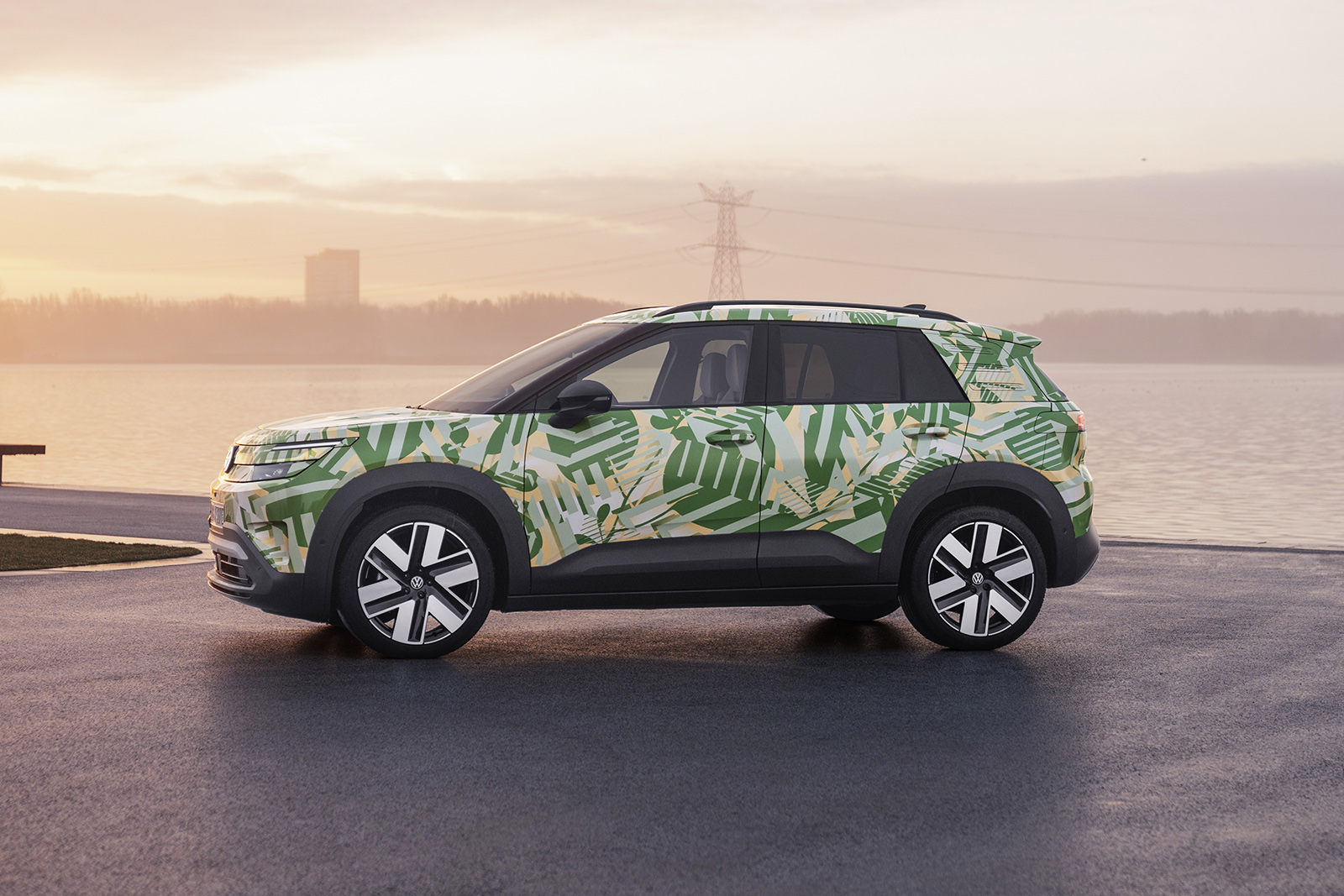
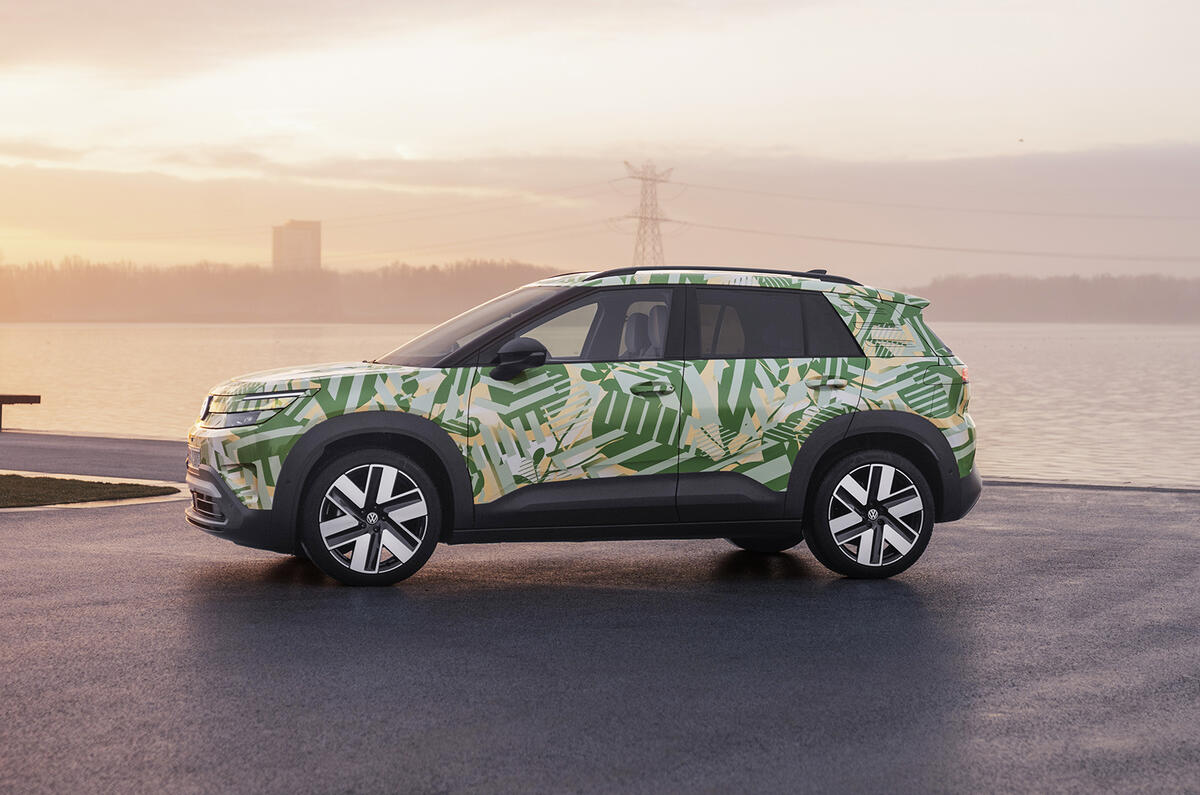
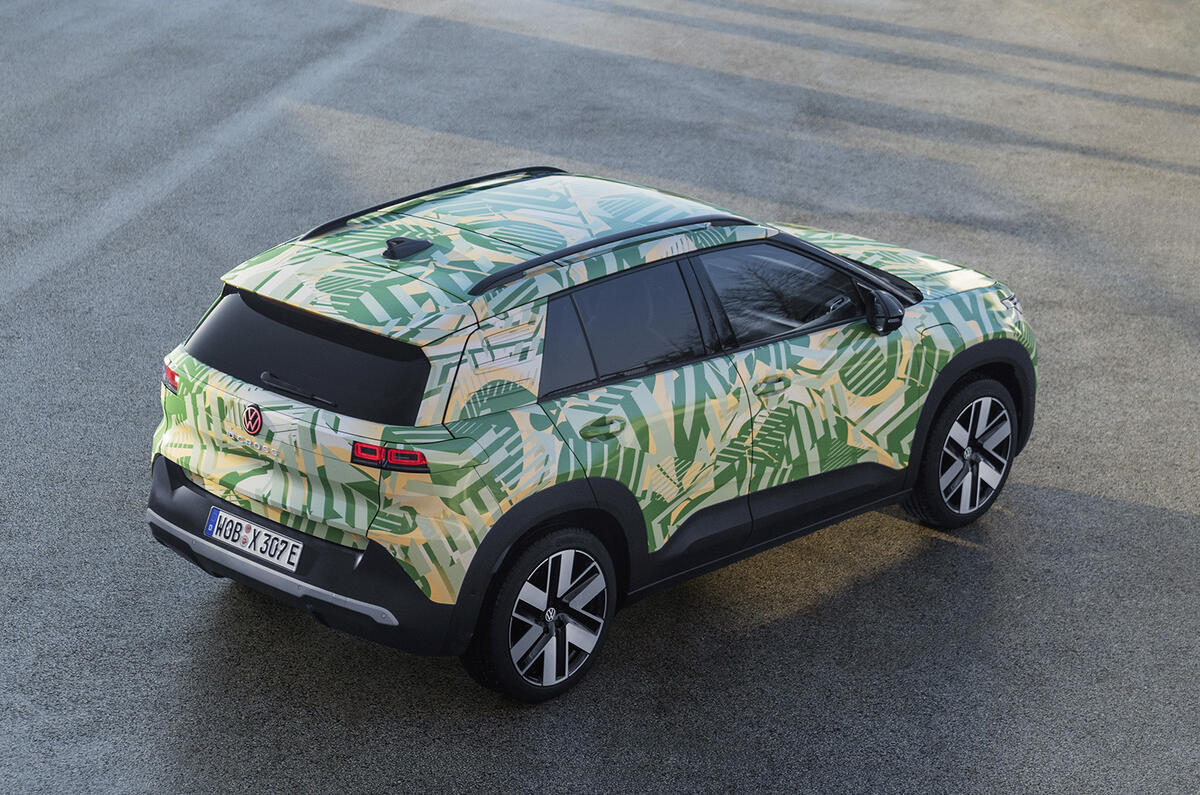
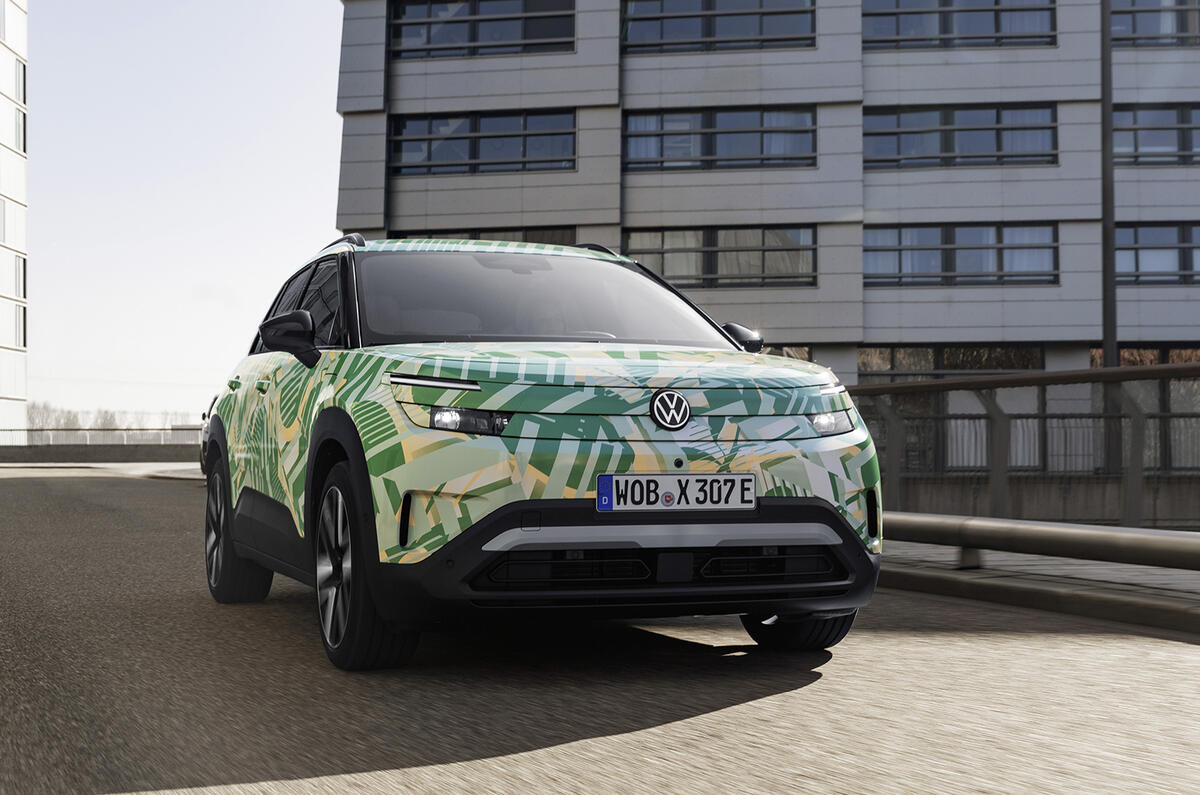
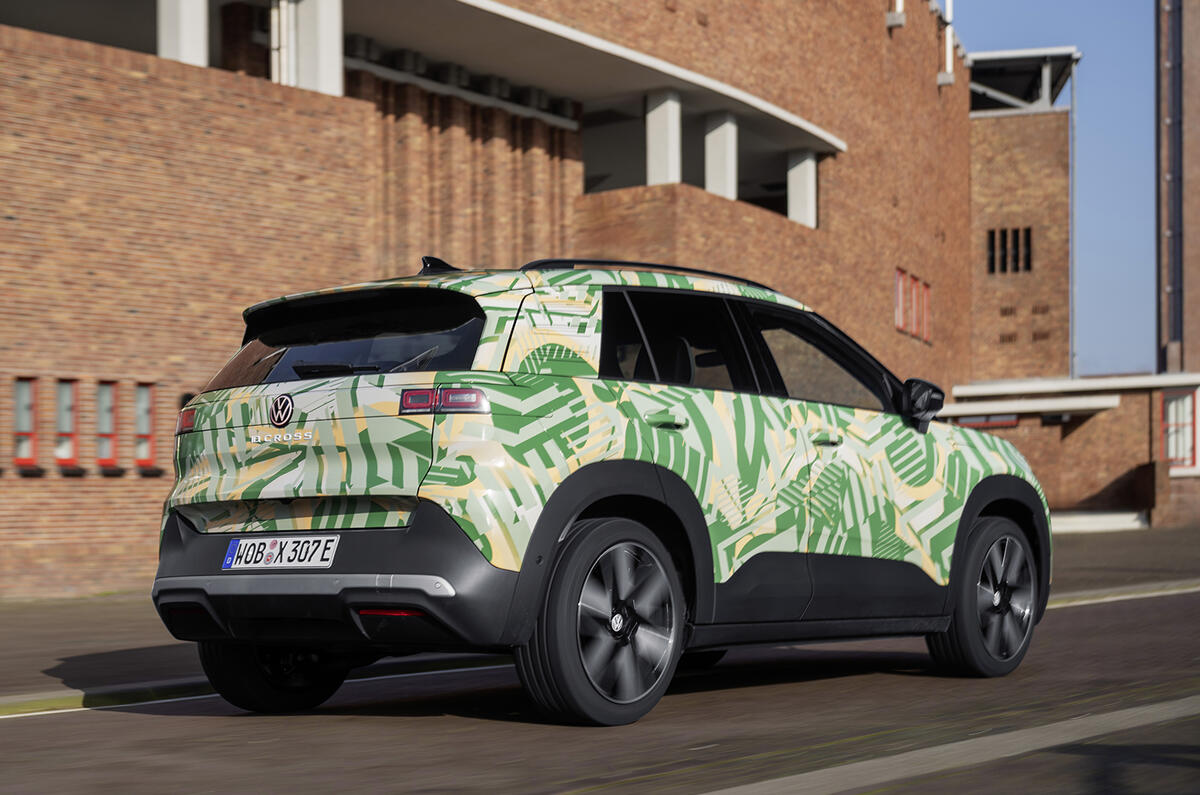
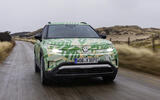
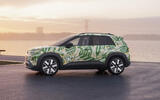
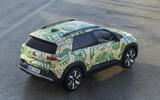
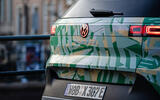
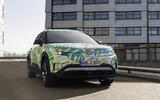
The back to basics ethos is exemplified by the plain, simple design

INTERIOR

 N4A7089

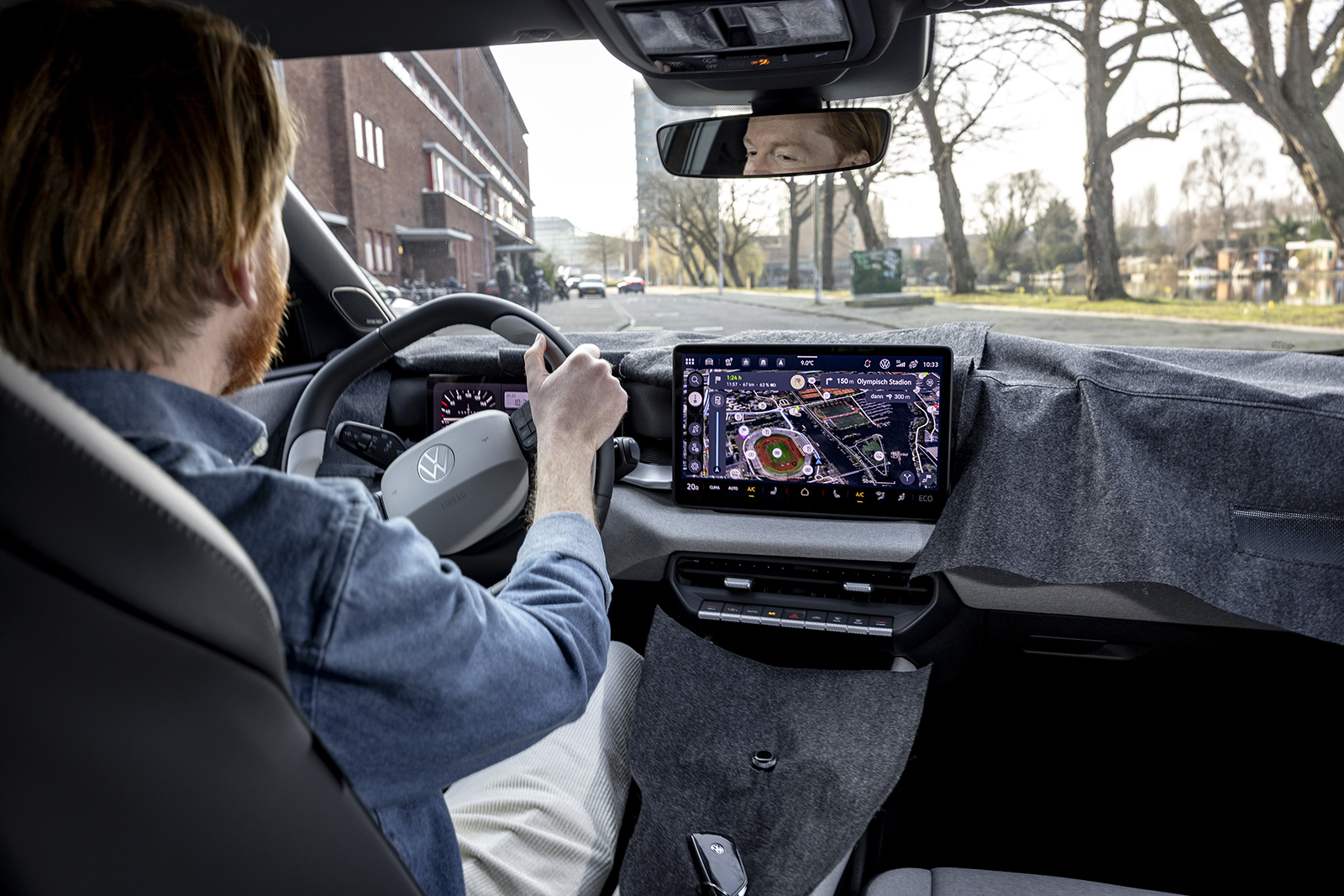
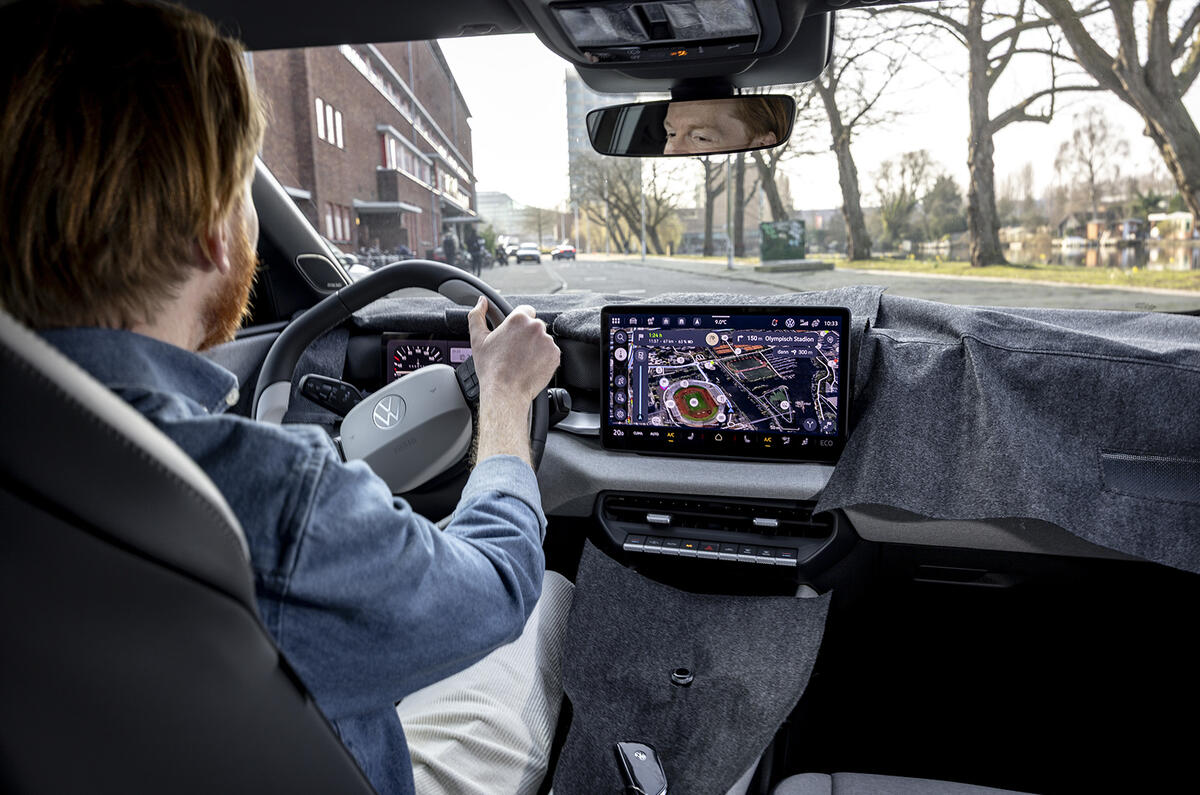
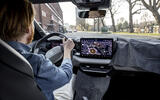
Inside it’s pretty simple. There are ‘hard’ buttons (‘soft’ buttons being those on a screen, in VW parlance) for the climate controls, and the steering wheel gets a raft of buttons either side in place of haptic panels. There’s even an on/off button for the power. Window controls return to a conventional layout, and even the door handles are satisfyingly simple. It is, frankly, a relief.

The steering wheel itself is squarer than a poindexter in a 1950s Hollywood film. VW says it makes the screen behind it easier to see, and to be fair, it does. That screen is dressed up to look like a Mk1 Golf’s binnacles, with mph representing, er, mph and energy usage replacing rpm. It also shows things like the lane keeping assistance and battery percentage level.

I think the references to the Mk1 Golf are great. But I wonder if they might be lost on the general audience.

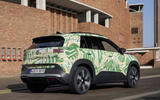
Space is good, too. In VW terms this pretty much offers a VW T-Roc-level of space for a VW T-Cross-size car. The boot is huge, with a big underfloor storage area, much like with the similarly front-wheel-drive Ford Puma Gen-E. For all the buttons I do wish the menu to decide whether you want normal or strong regen wasn’t so many menus deep.

ENGINES & PERFORMANCE

DB2026AU00167 (1)

With 208bhp and 214lb ft it’s pretty sharp off the mark. The thrust tails off quickly around 60mph, but it’s still not all that slow above that. Weight, or a relative lack of it, really helps, with not only acceleration but also braking and ride comfort. At just over 1500kg the ID Cross is practically a welterweight for EVs – and it feels like it.

The brakes feel great. VW uses a sophisticated system that takes demand from the brake pedal and decides whether to use regenerative braking or the discs. It can pull 2.2g from regen alone, which, helped by front-wheel drive (you don’t want 2.2g of retardation via the rear wheels while going round a corner, for instance), means you can pretty much rock around in one-pedal mode.

There's a model with a limited-slip diff coming. I think it could be overkill.

There are drive modes, but they don’t make a huge difference besides sharpening or dulling the throttle response and fiddling with the air-con

RIDE & HANDLING

DB2026AU00168 (1)

There’s a familiar layout with a familiar dynamic character: the ID Cross feels like a front-wheel-drive hatchback.

Despite the 55% front, 45% rear weight distribution, it responds to your inputs like it’s nose-heavy – but it does so in a comforting way.

There's something ineffably correct about a small and nose-heavy front-wheel drive hatchback.

There’s a sense that everything is happening at the front and the rear wheels are just there so you don’t make a mess of your driveway. There’s a good degree of body roll so it doesn’t feel hunkered down like a hot hatch, but neither is it lollopy.

MPG & RUNNING COSTS

idcross

Efficiency looks promising. On a mixed morning drive, the trip computer showed about 4.5mpkWh – a competitive figure and one that would eclipse what an ID 3 would do, according to VW’s engineers.

It comes with a 52kwh NMC battery with DC charging at up to 105kw. The WLTP forecast pegs it at 271 miles and it will do 10-80% charge in 24 minutes at a rapid charger.

Lightness should result in strong performance here.

VERDICT

VW 00191

In the future there will be VW’s Dynamic Chassis Control system, which can continuously adjust the dampers, plus a model with a limited-slip diff borrowed from the Cupra Raval VZ and maybe even a four-wheel-drive variant. This perhaps smacks of adding complexity for complexity’s sake, when clearly Volkswagen has worked very hard to make something that is relatively simple and really quite good.

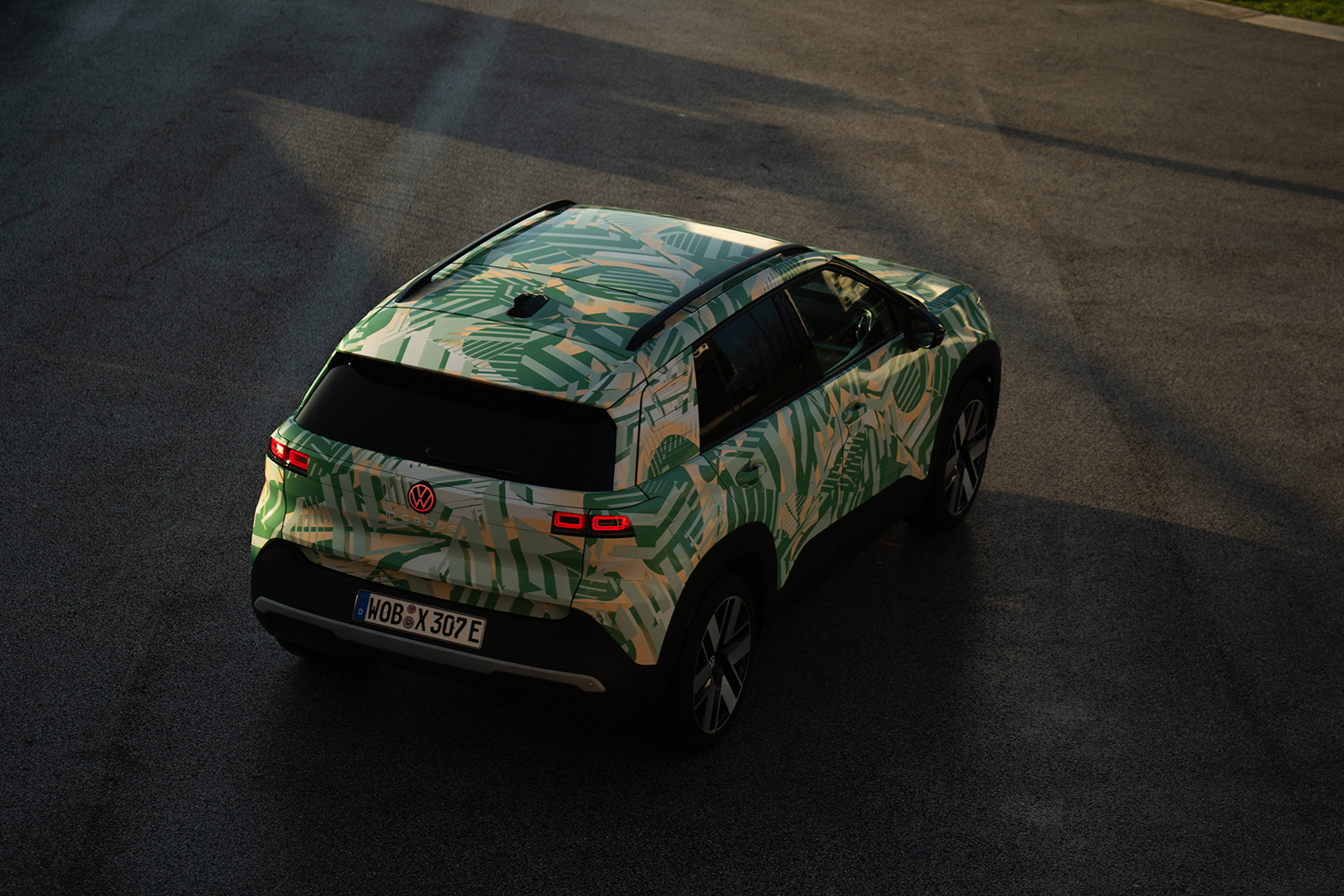
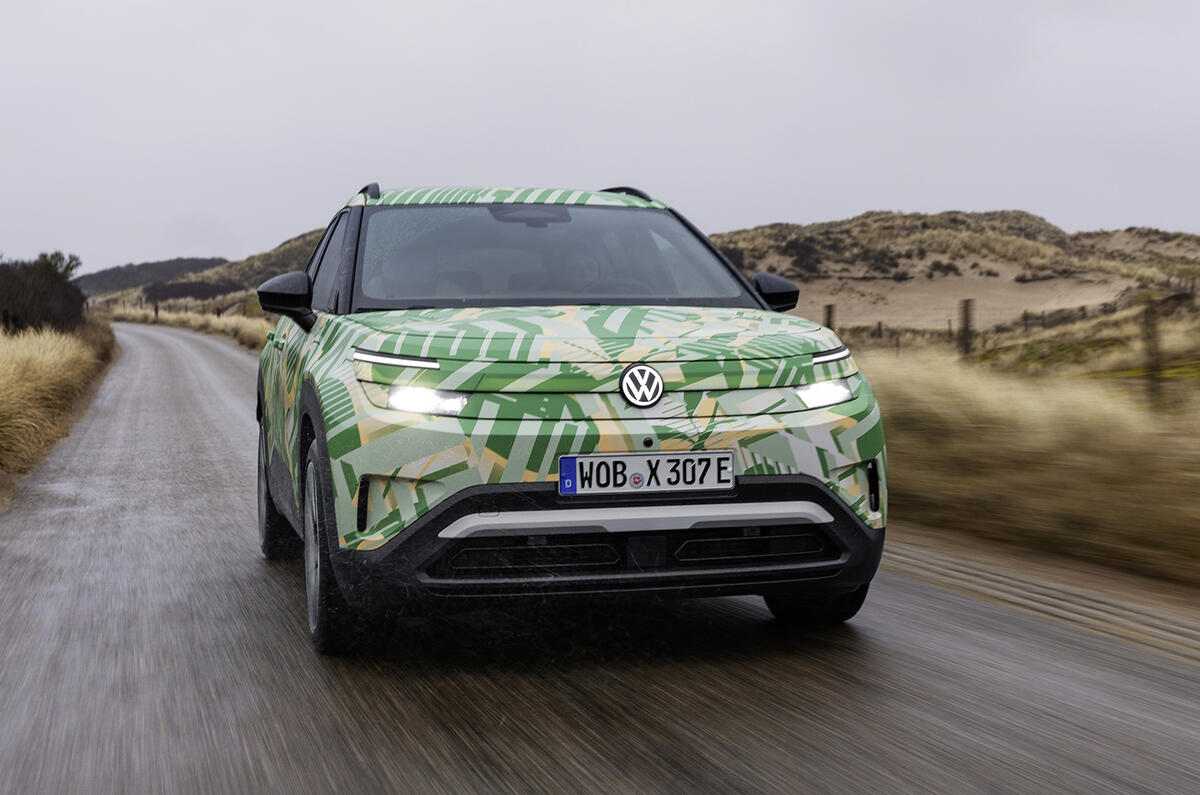
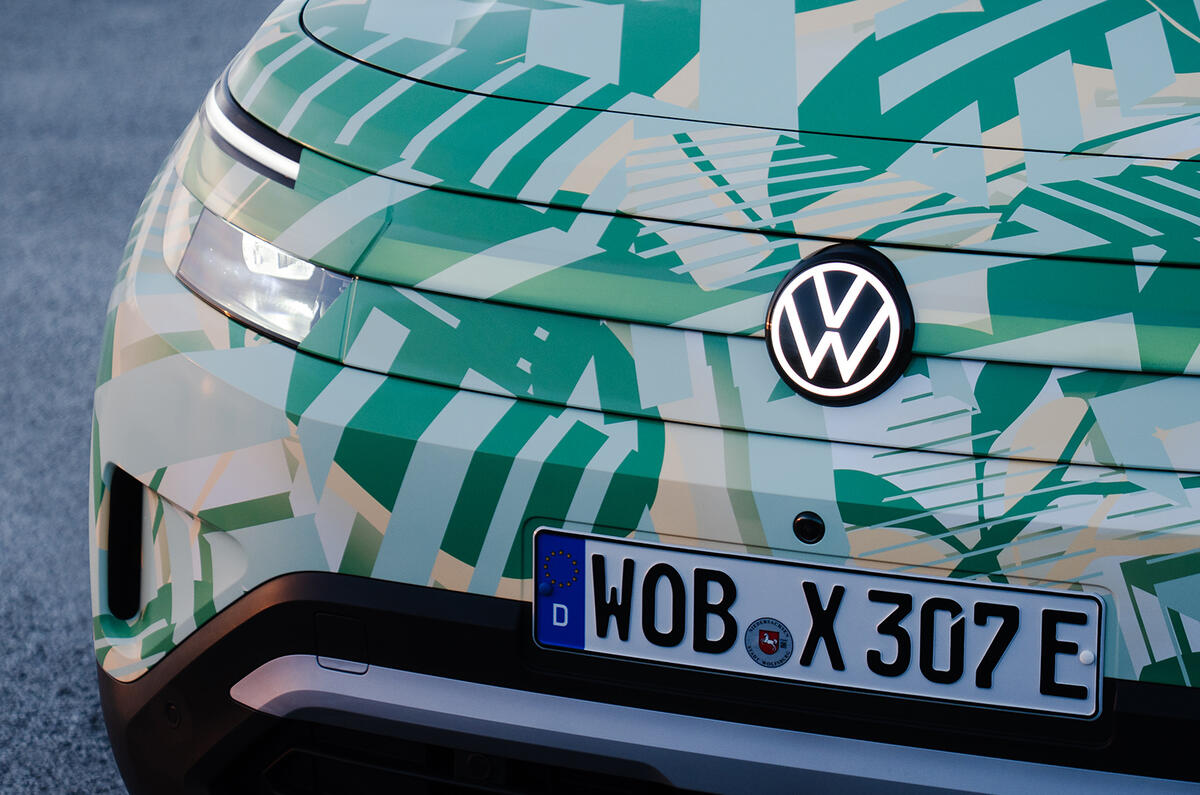
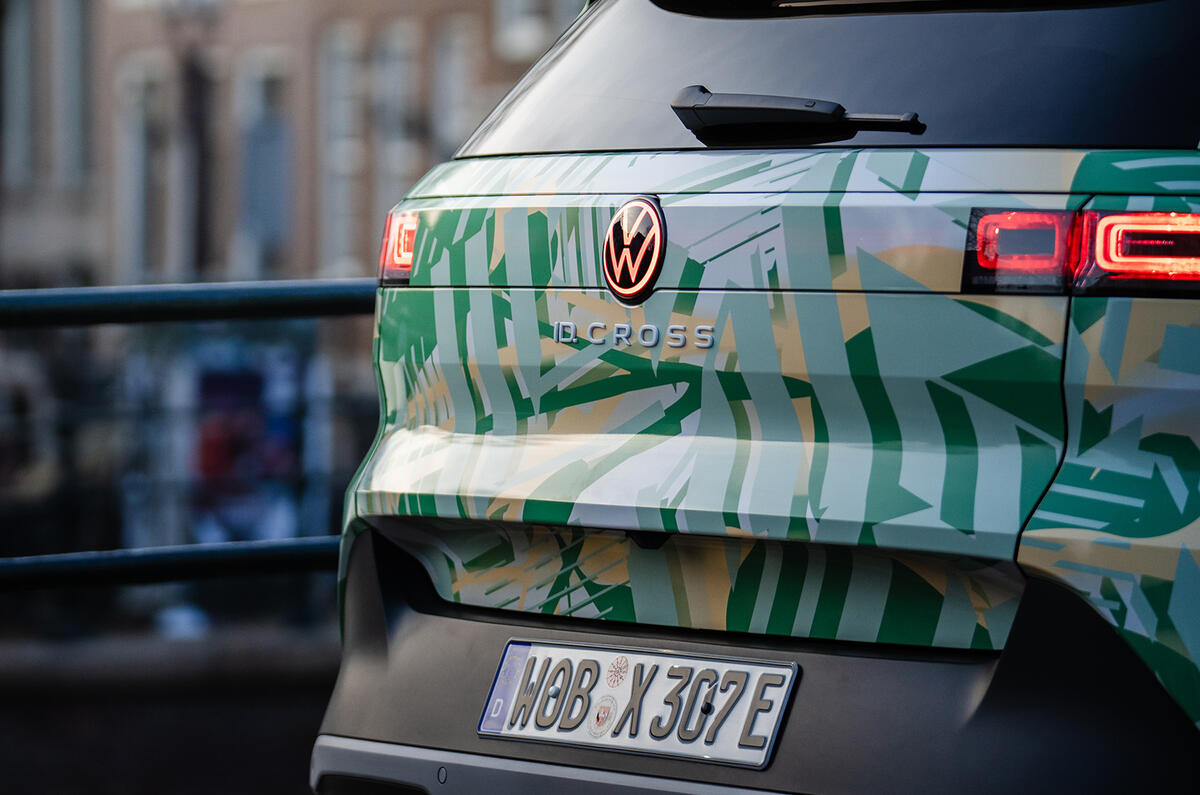
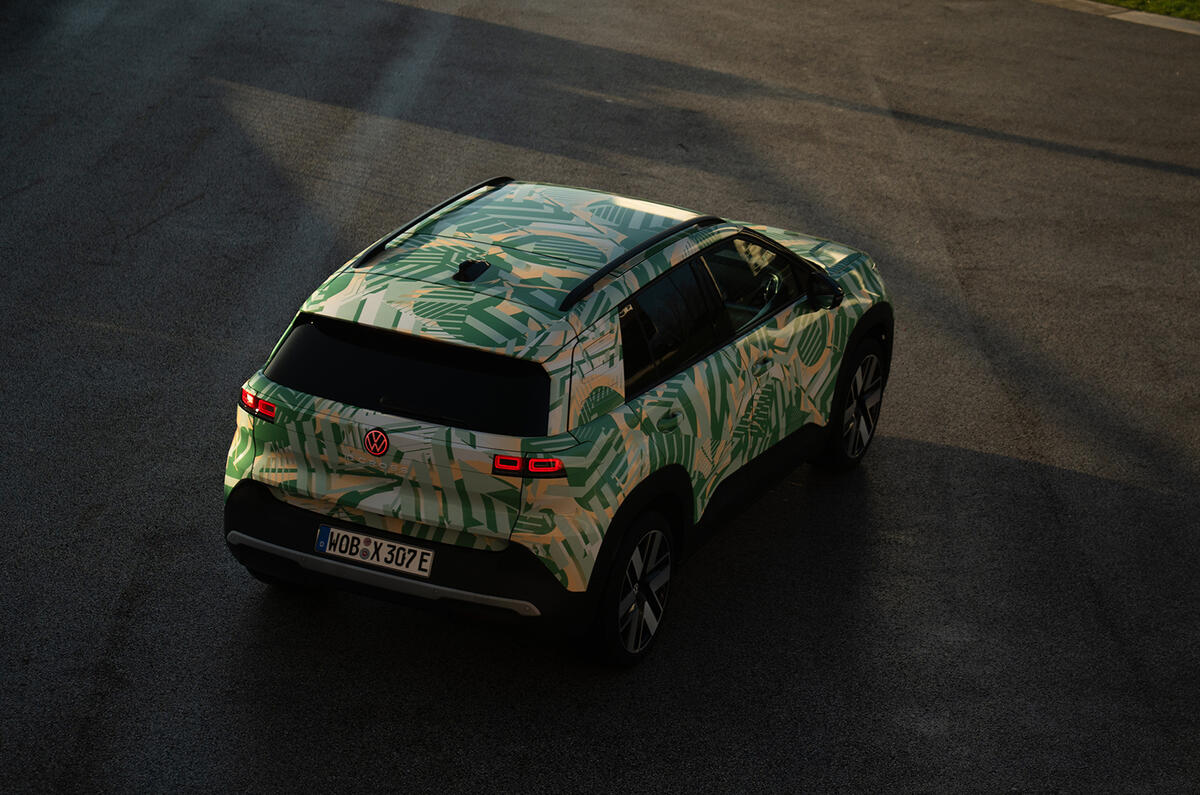
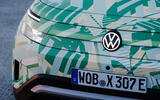
The more observant among you might see that this is a camouflaged car – but it is pretty much what the customer will get, save for some finishing touches inside. And I think if I were a customer I’d be feeling pretty pleased.

Murray Scullion

Murray Scullion
Title: Digital editor

Murray has been a journalist for more than a decade. During that time he’s written for magazines, newspapers and websites, but he now finds himself as Autocar’s digital editor.

He leads the output of the website and contributes to all other digital aspects, including the social media channels, podcasts and videos. During his time he has reviewed cars ranging from £50 - £500,000, including Austin Allegros and Ferrari 812 Superfasts. He has also interviewed F1 megastars, knows his PCPs from his HPs and has written, researched and experimented with behavioural surplus and driverless technology.

Murray graduated from the University of Derby with a BA in Journalism in 2014 and has previously written for Classic Car Weekly, Modern Classics Magazine, buyacar.co.uk, parkers.co.uk and CAR Magazine, as well as carmagazine.co.uk.