From £36,6407

Can this new petrol hybrid escape the large shadow of its electric sibling?

Find Mercedes-Benz CLA Hybrid: why it falls short compared to EV deals
New car deals
From £36,640
Nearly-new car deals
Other Services
Sell your car
84% get more money with

We named the new Mercedes CLA Electric Britain's Best Saloon at this year's Autocar Awards, so how does its hybrid sibling compare now that we have driven it in the UK for the first time?

The Mercedes Modular Architecture (MMA) beneath the CLA was designed from the outset to accept both powertrains, so the engineers didn't have to make any packaging sacrifices in order to fit a hybridised petrol engine and automatic gearbox.

It’s a pretty conventional mild-hybrid arrangement that uses the electric component for a power boost under load and for engine-off running at low speeds over short distances.  

While previous generations of the CLA have been aimed at the sub-compact executive class, this version's grown-up dimensions land it in territory occupied by the BMW 3 Series and its ilk – a far tougher group of premium saloons that major on refinement, comfort and driver engagement. 

Advertisement

DESIGN & STYLING

8
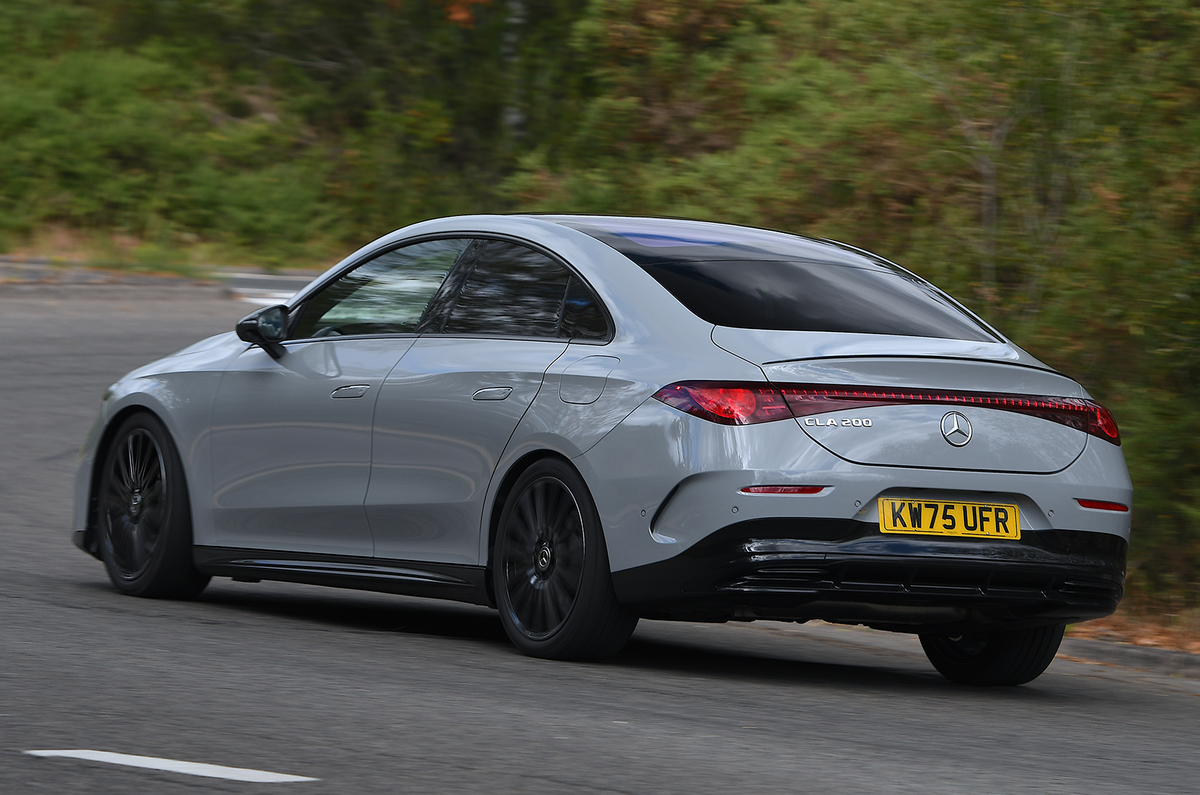
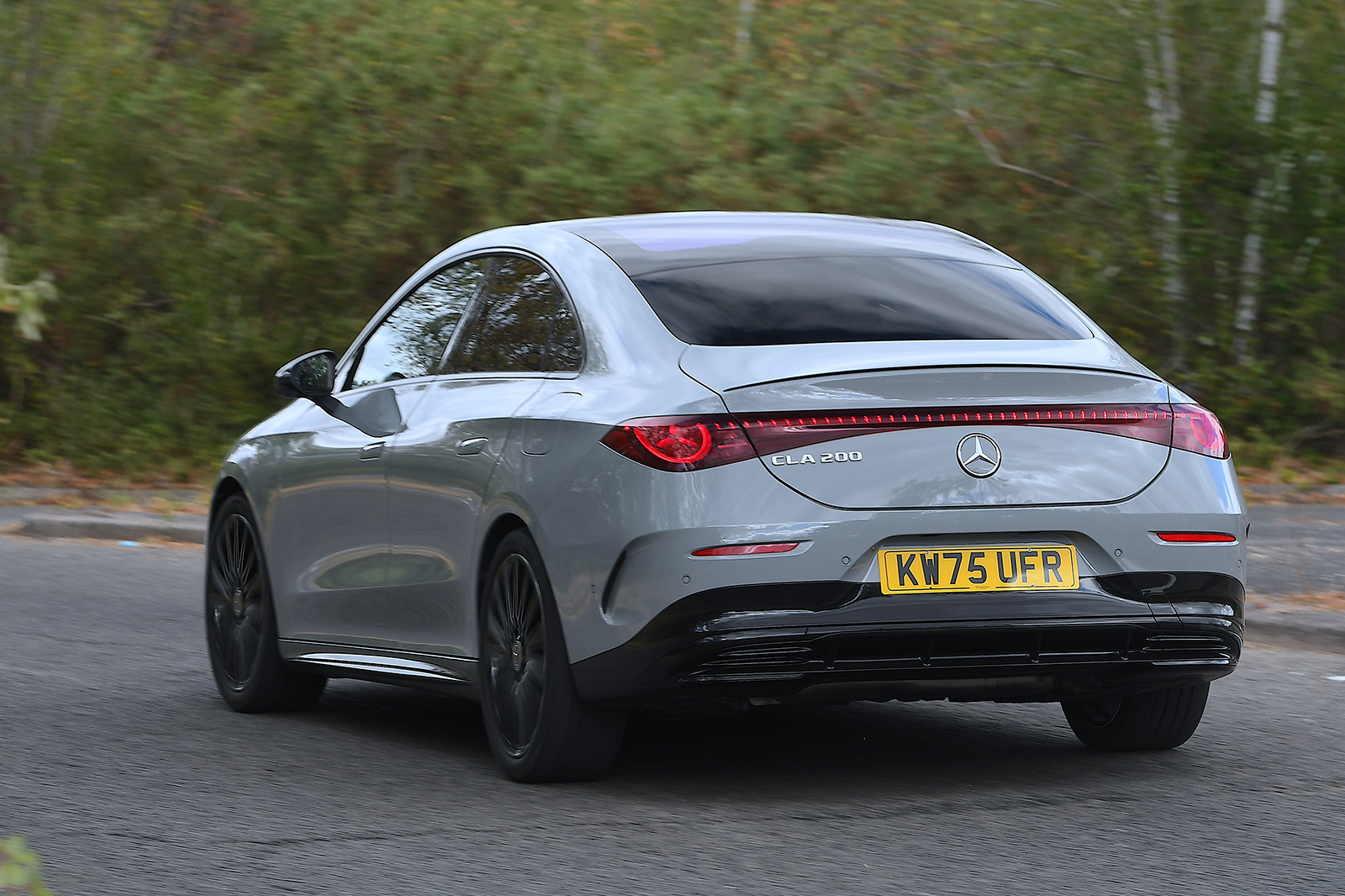
Mercedes CLA rear dynamic

Rather than retrofitting a combustion engine into an EV-oriented architecture, Mercedes developed the two powertrain options in parallel. 

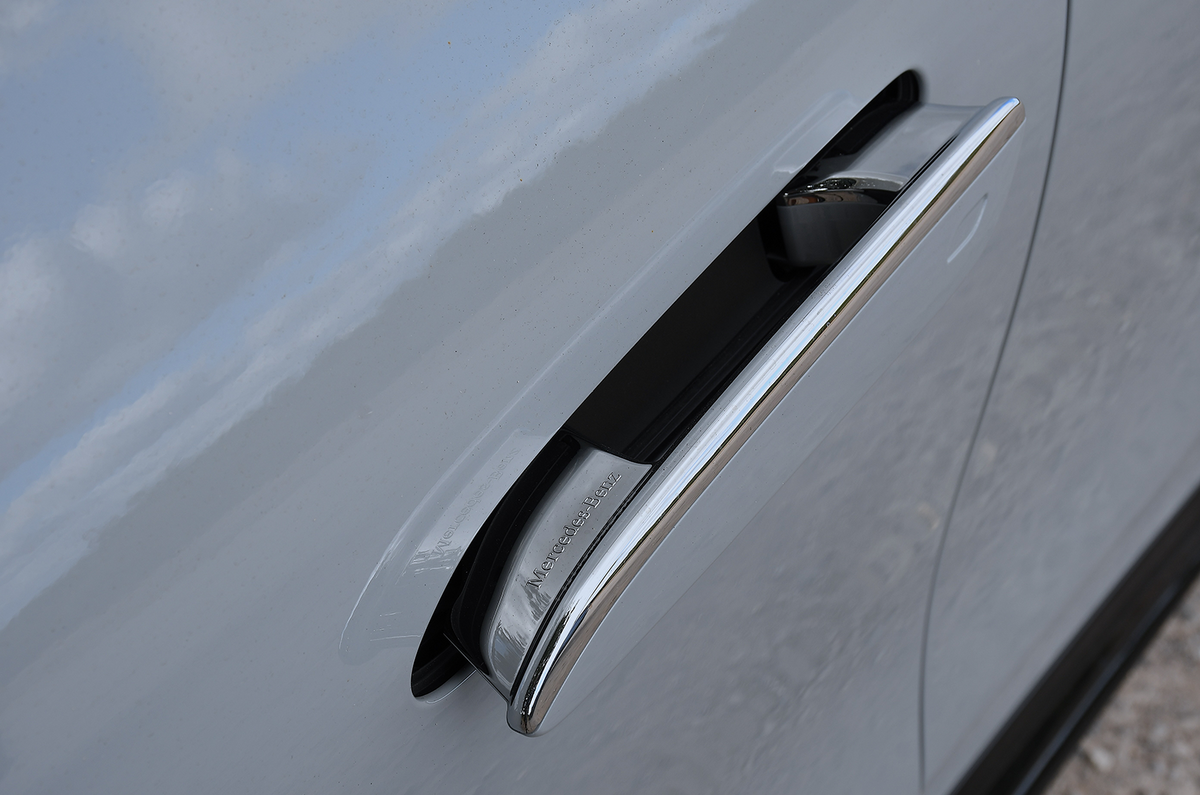
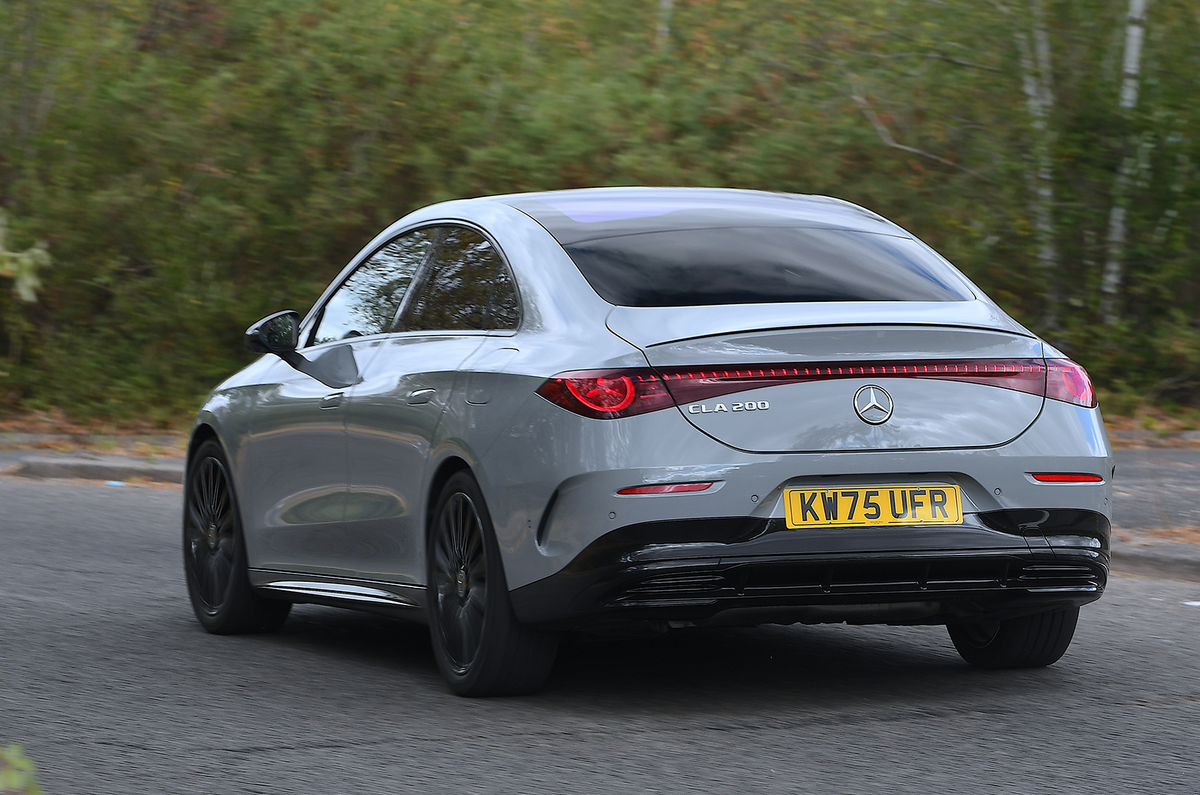
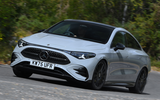
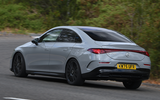
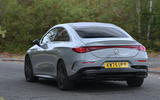
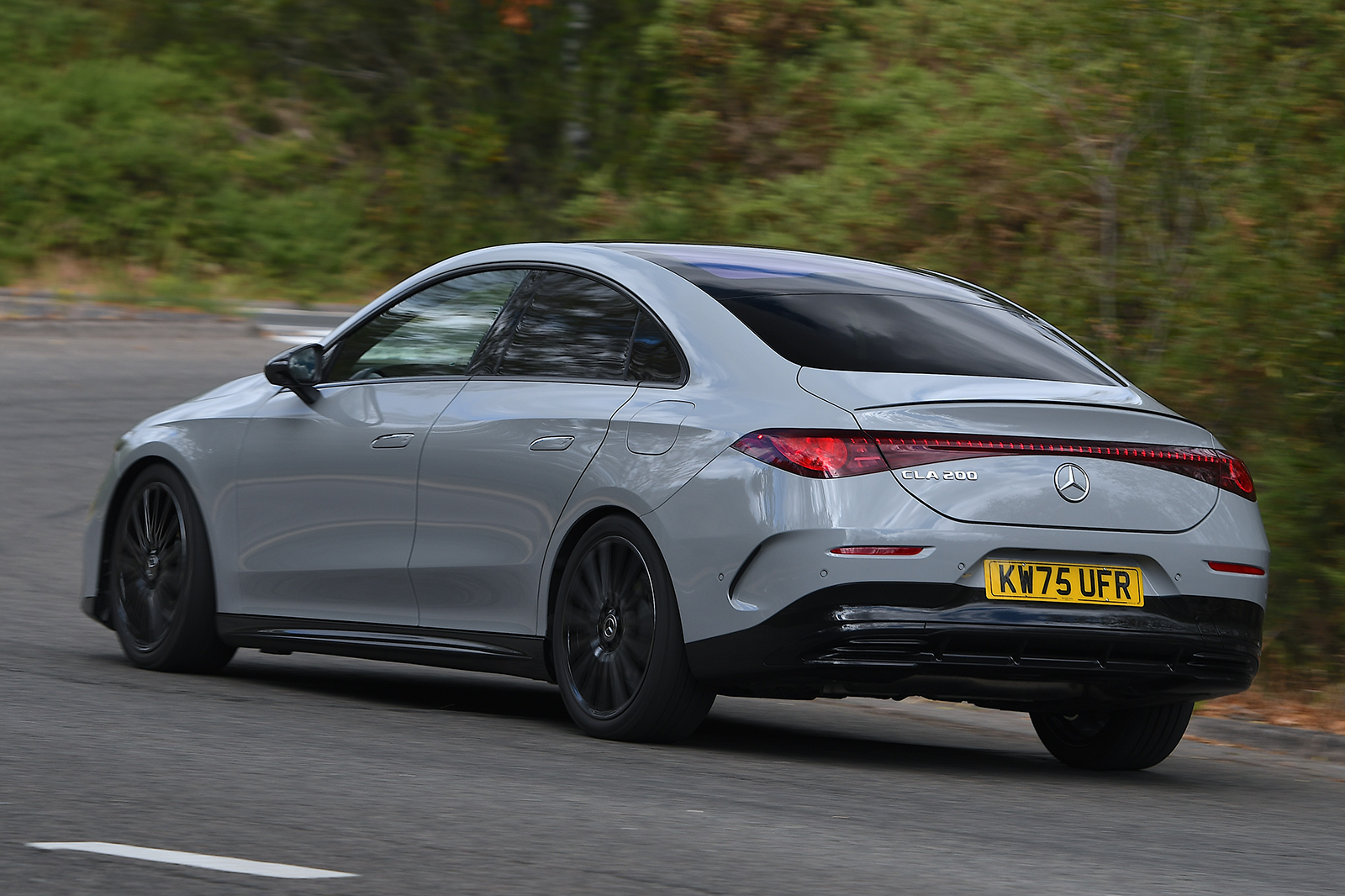
So aside from the mechanicals, some subtle exterior cues and the obvious absence of a frunk, the CLA Hybrid is the same as the CLA Electric, inside and out – right down to the wrap-around light bars and vast interior Supercreen.

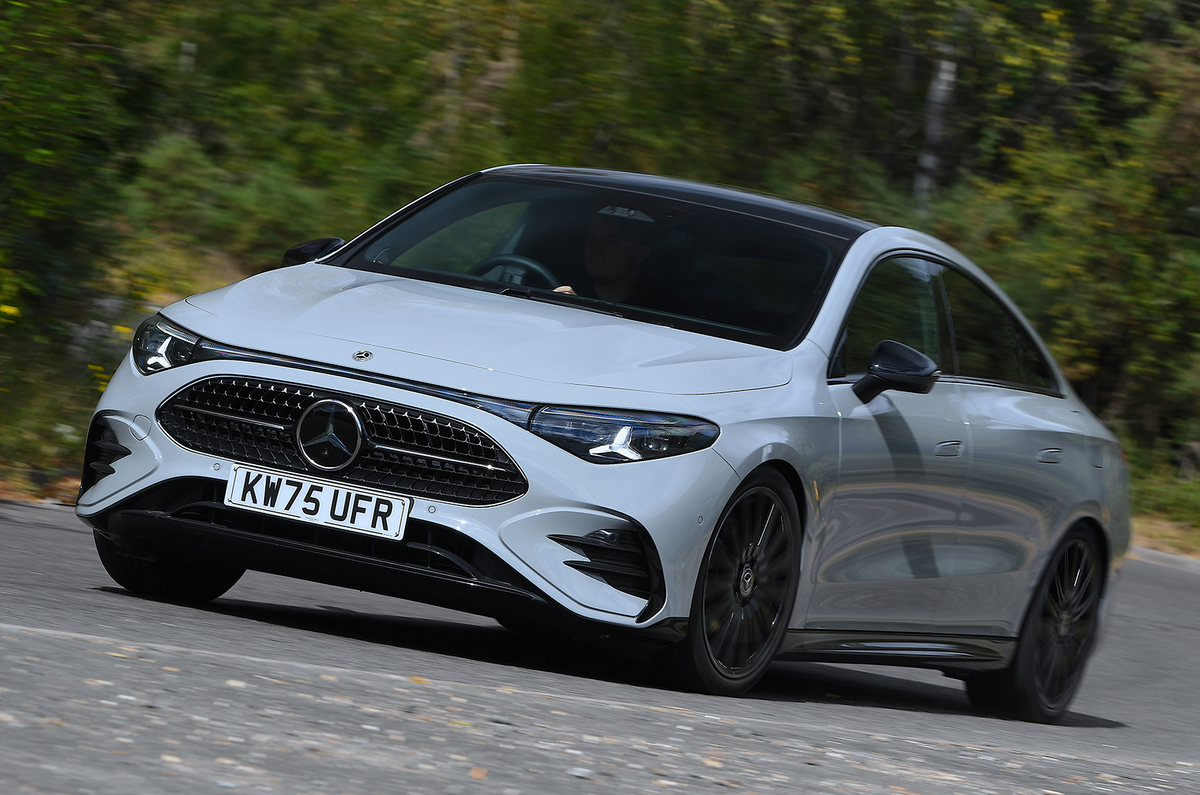
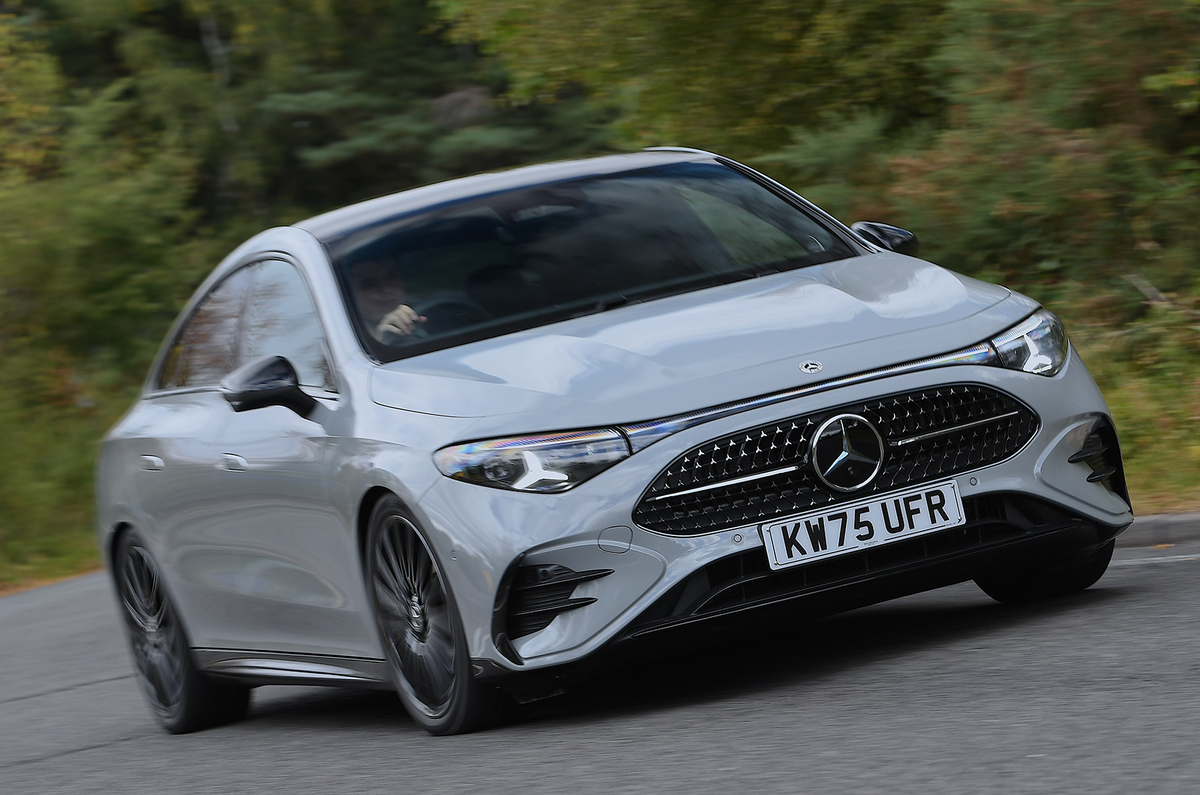
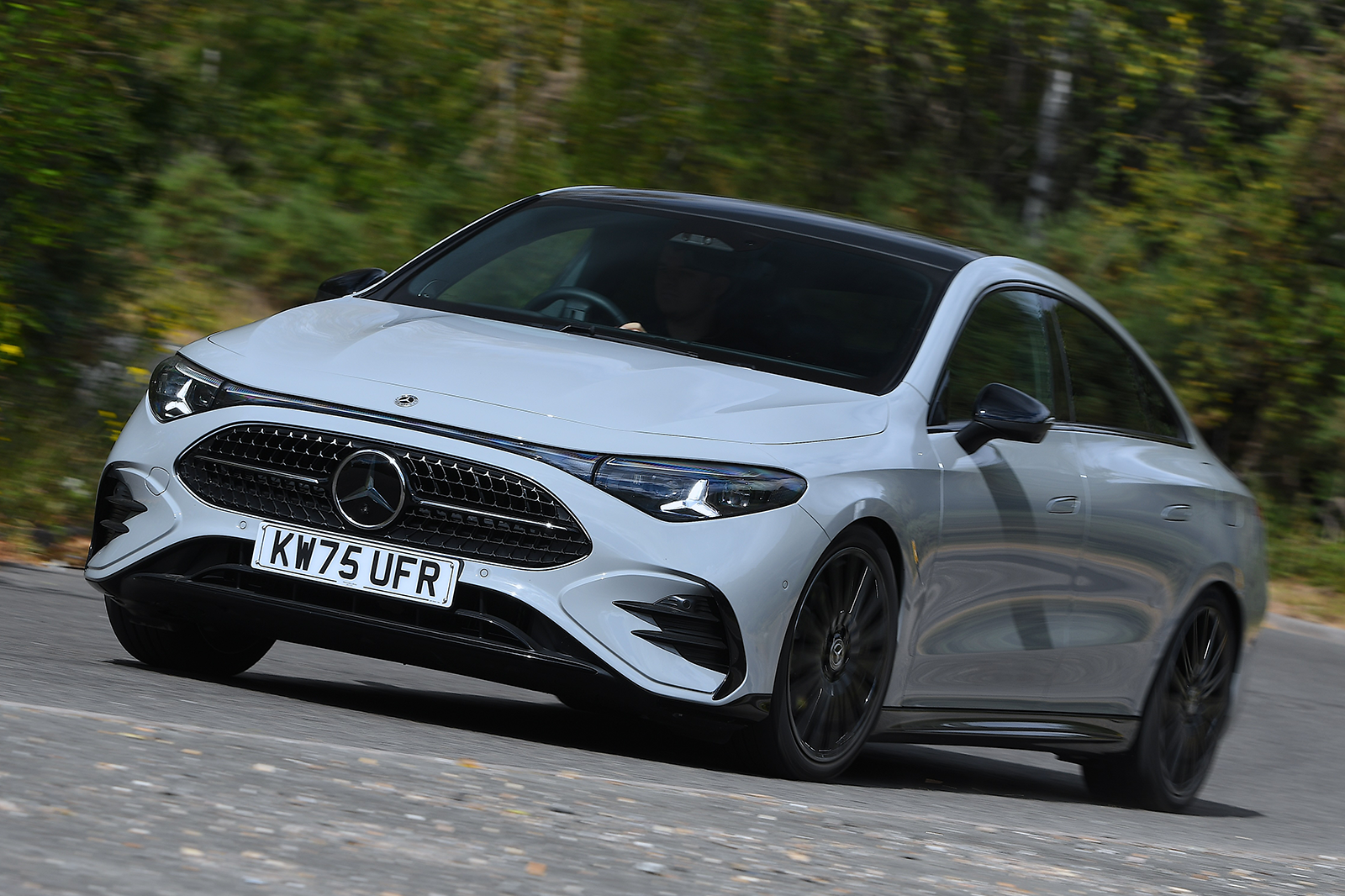
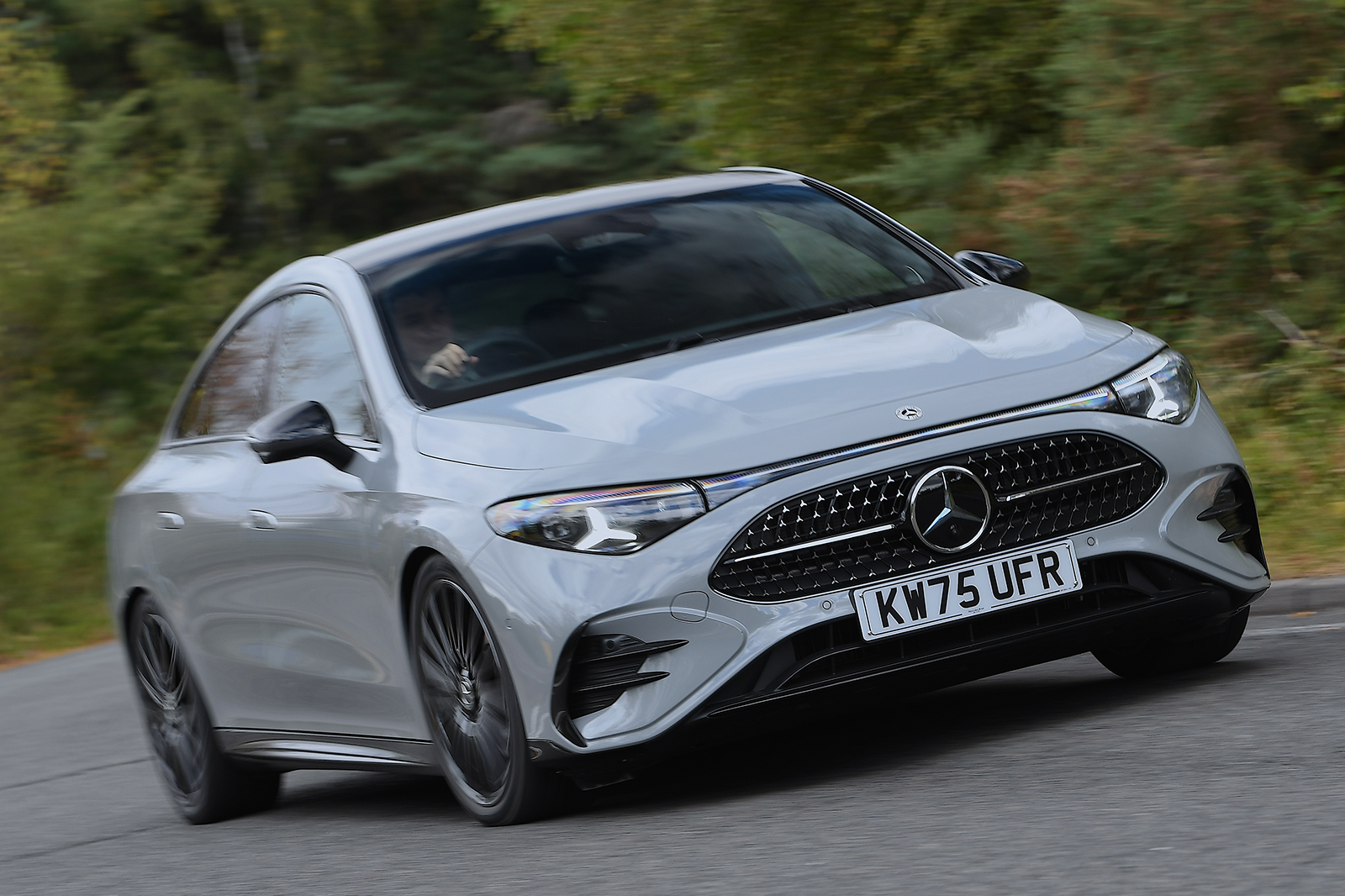
While the CLA Electric features a closed-off, fully illuminated front grille with 142 LED star motifs, the CLA hybrid uses an open radiator grille with a chrome pattern and LED lights around its edges.

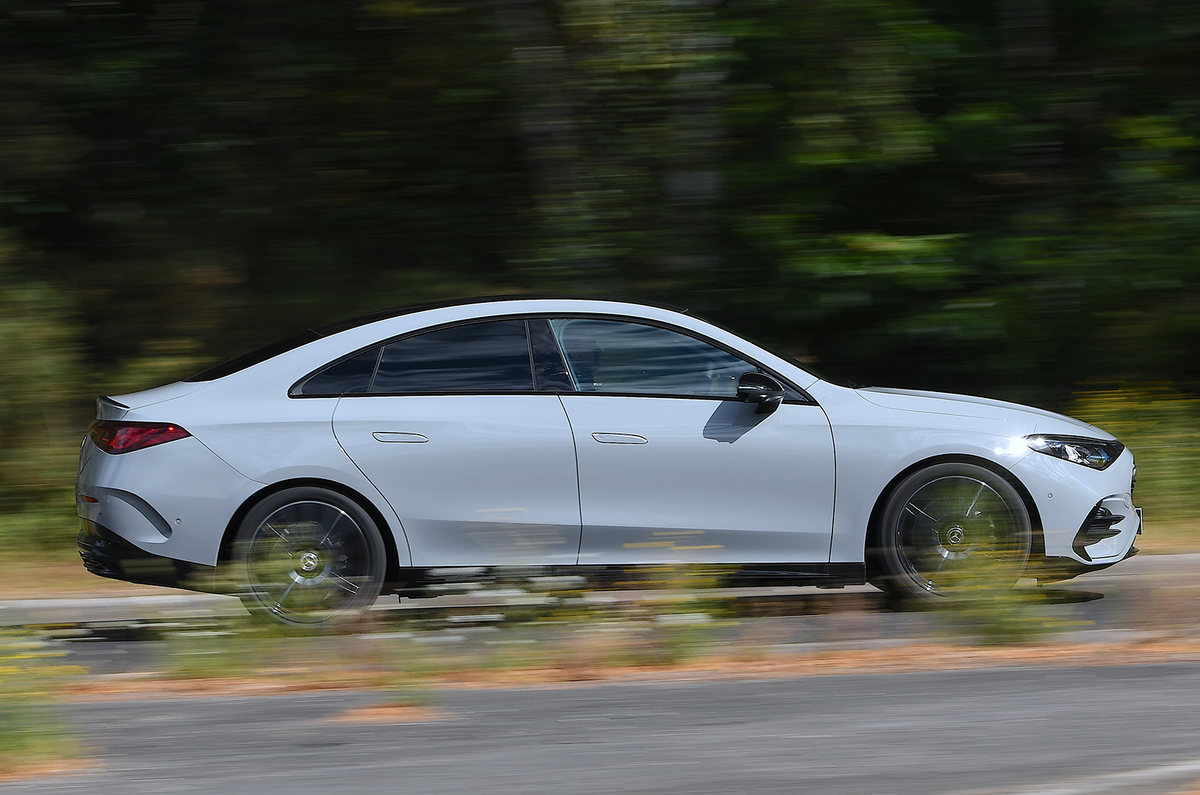
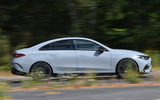
At 4723mm long, 1855mm wide and 1450mm tall, the new CLA is markedly bigger than its predecessor and is now longer and wider than both the BMW 3 Series and Alfa Romeo Giulia. Confusingly, though, it's also a touch smaller than the C-Class. 

But while it has grown in size, in its pricing and positioning the CLA also has to contend with smaller boot-backed hatches like the BMW 2 Series Gran Coupé and Audi A3 Saloon.

Like the inbound GLB and GLA platform-mates, the new CLA hybrid uses a new 1.5-litre petrol four-cylinder running on the Miller cycle, supported by a 30bhp electric motor within an eight-speed automatic gearbox and a tiny (1.3kWh) battery.

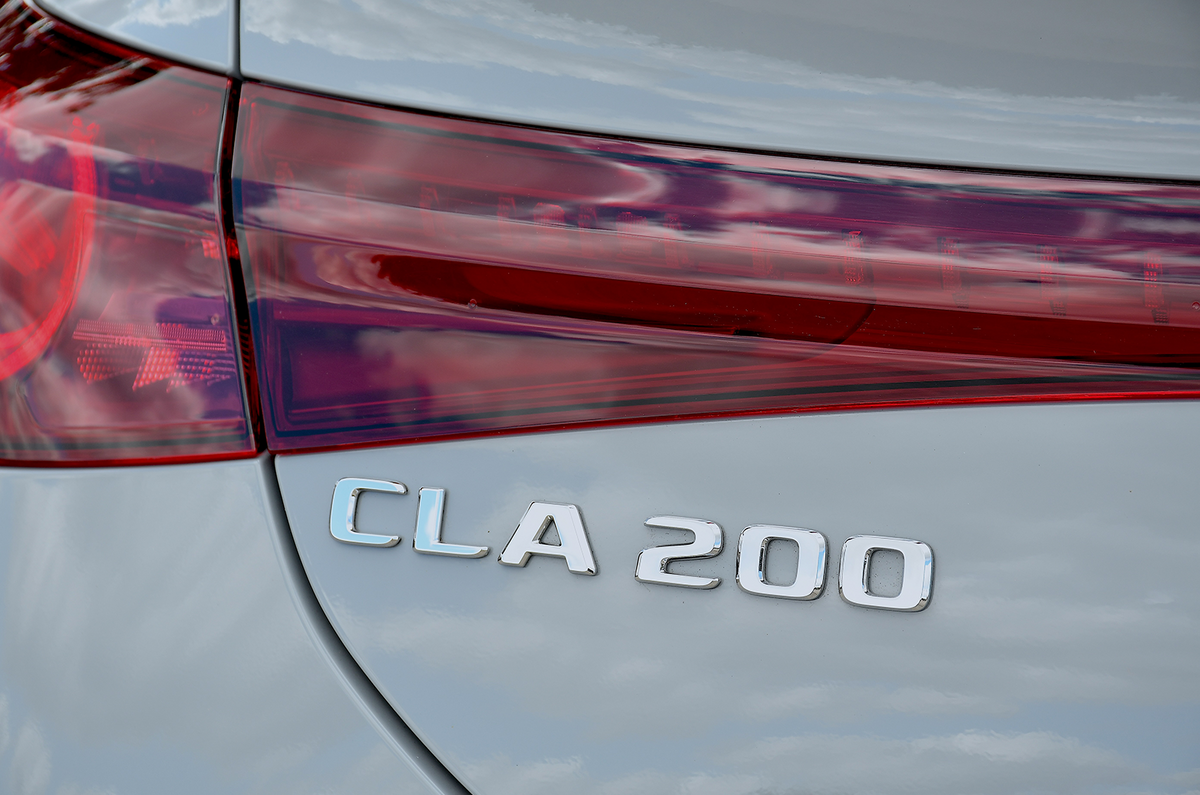
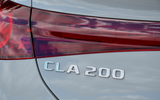
You can have the CLA hybrid in three flavours: 180 (with 134bhp), 200 (161bhp) and 220 (188bhp). These can then be paried with five different trims, which include Sport, Sport Executive, AMG Line Executive, AMG Line Premium and AMG Line Premium Plus.

INTERIOR

7
Mercedes CLA interior OTS

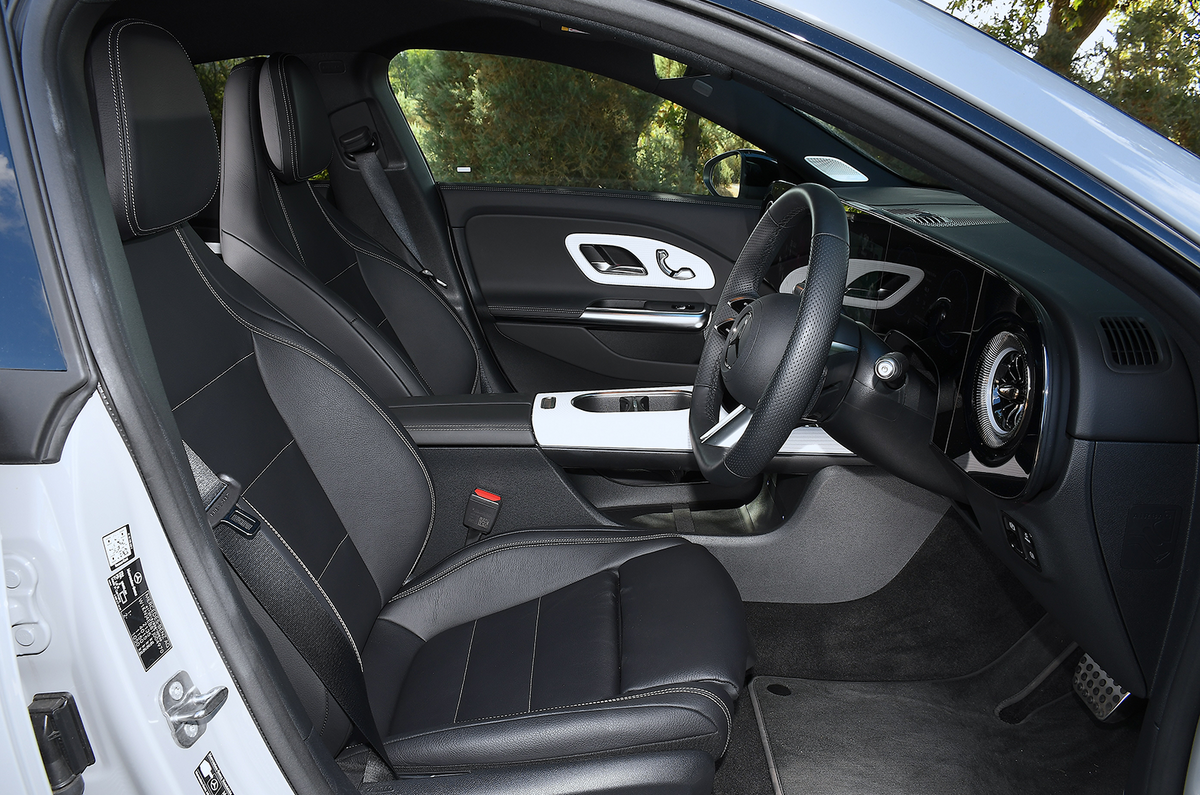
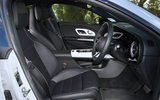
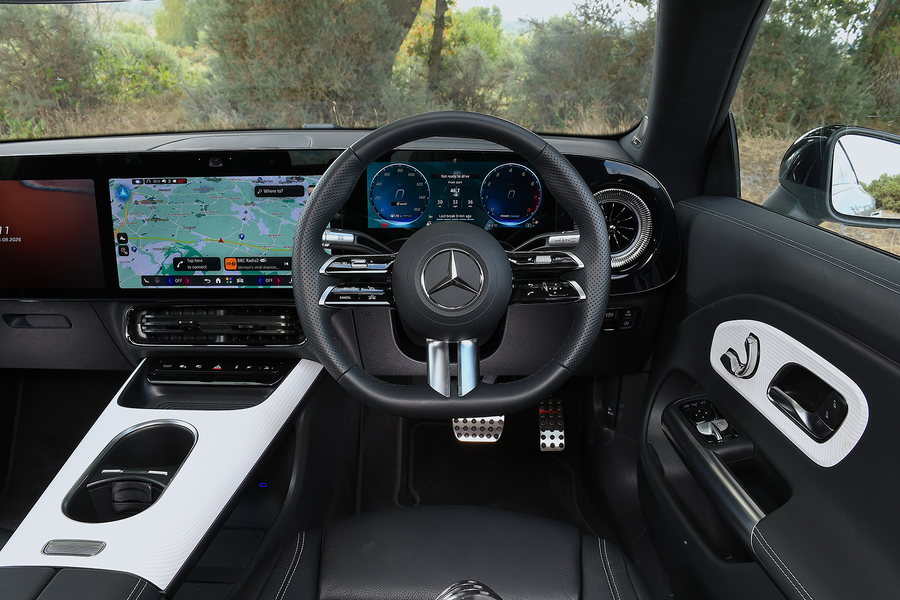
What we’ve said about the electric CLA's cabin remains true here. It’s still comfortable, relatively spacious, well specified and technically impressive – if short on real premium appeal and sorely lacking in physical controls.

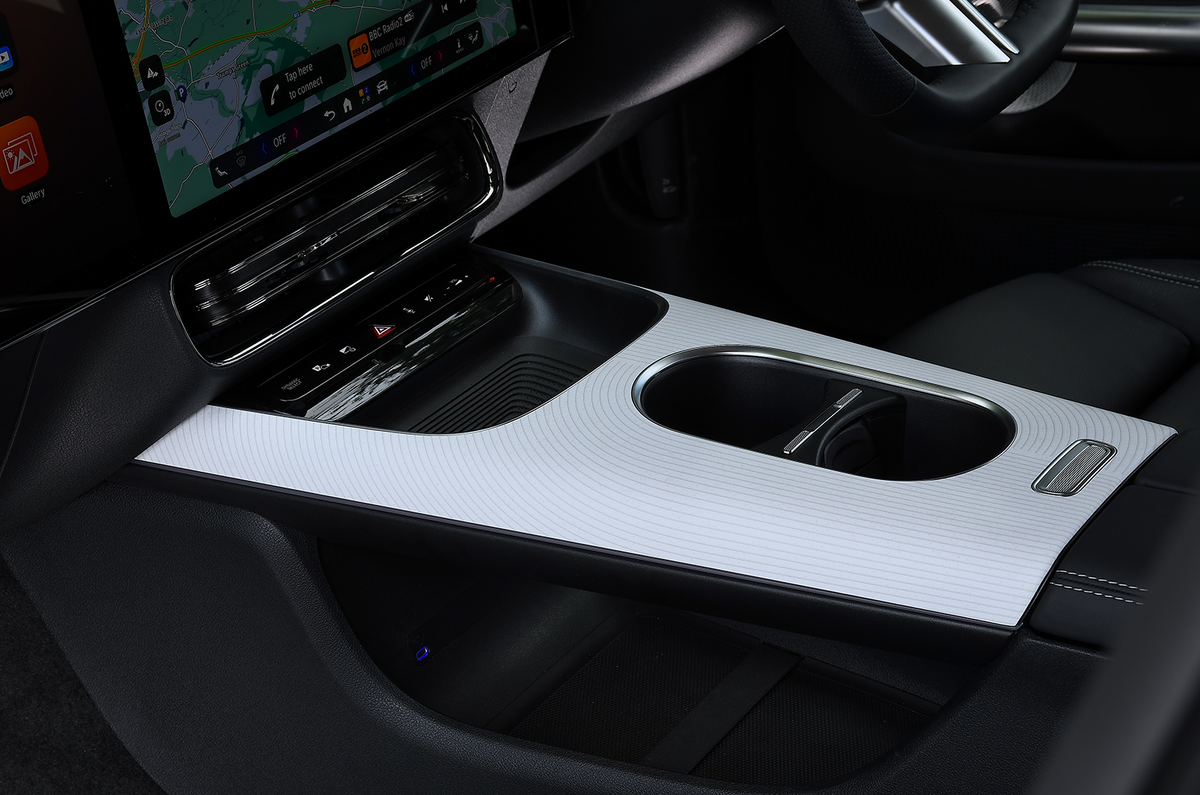
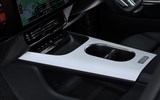
Our range-topping AMG Line Premium Plus test car was mostly decked out in leather, and perceived material quality was high. The large, plasticky white trim piece on the centre console looked a bit jarring amid so many dark tones, though.

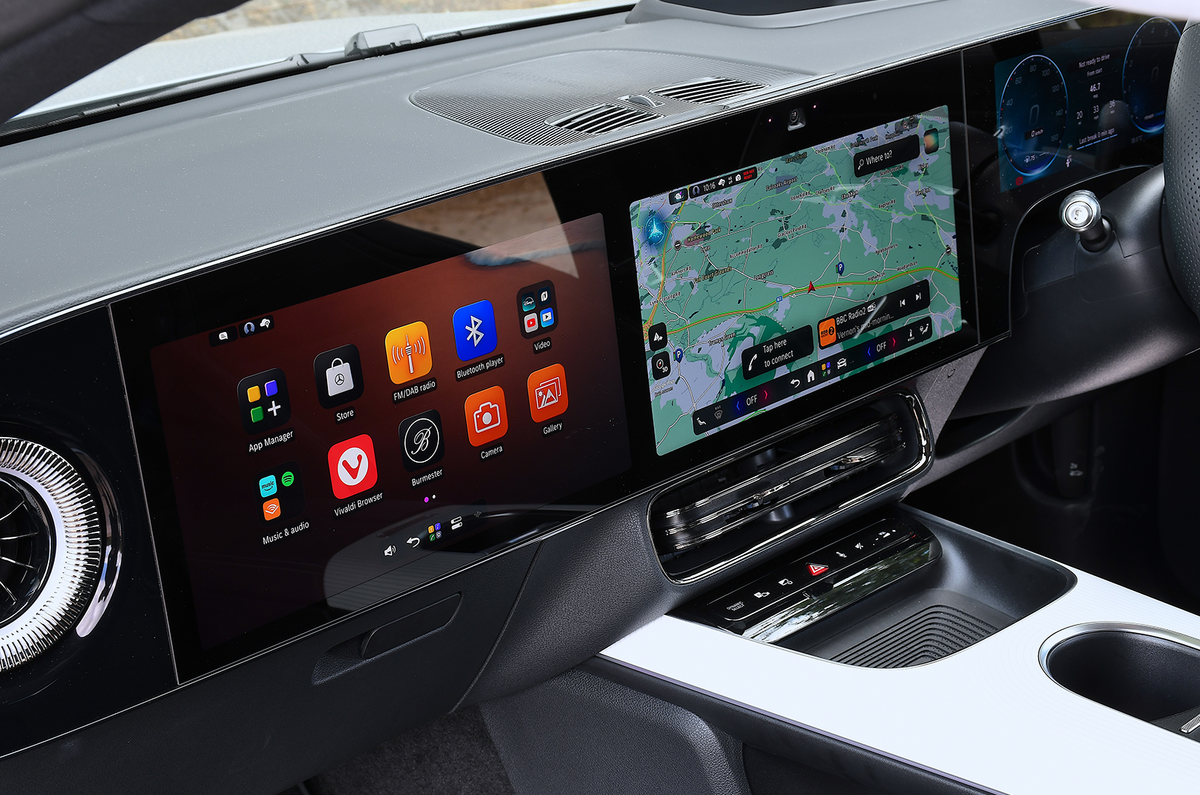
The passenger's touchscreen is packed full of applications, but I'm sure the novelty of playing Angry Birds will wear off on a long journey.

The electrically adjustable front seats provide good support, but I'd like them to drop a bit lower, because it feels like you have a slightly perched view of the road ahead.

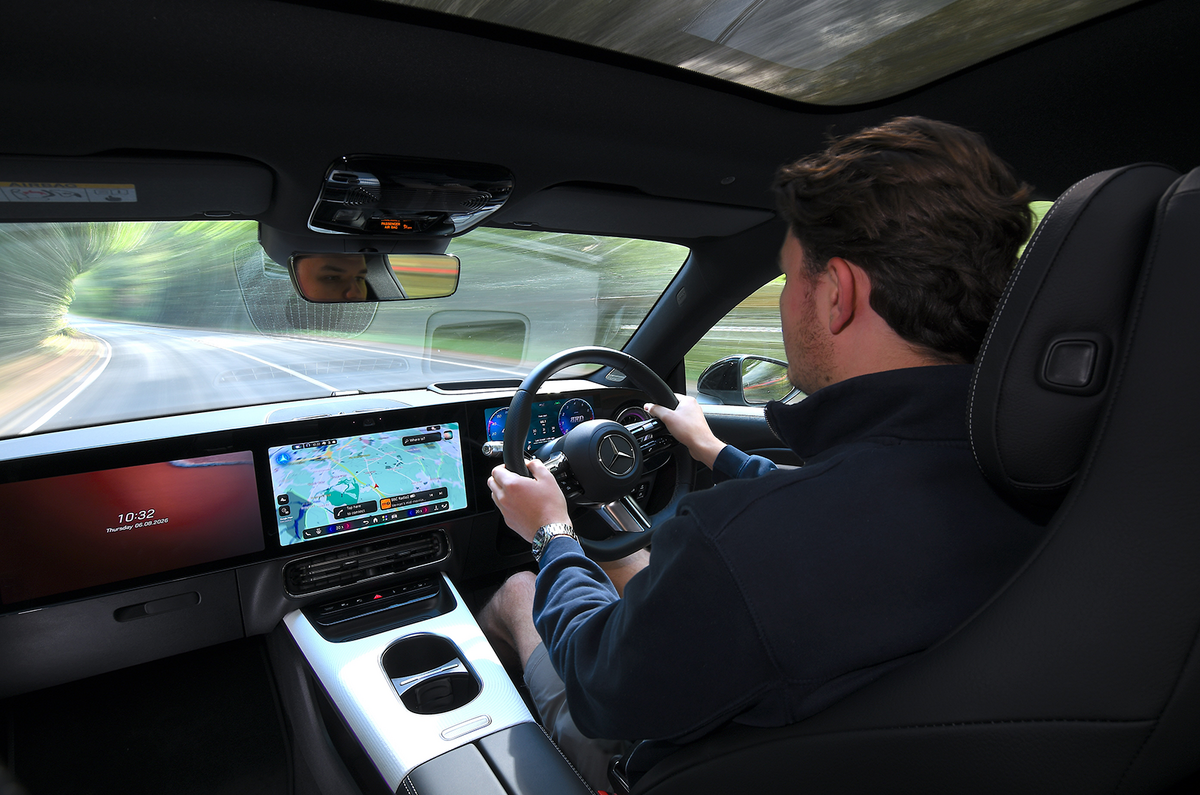
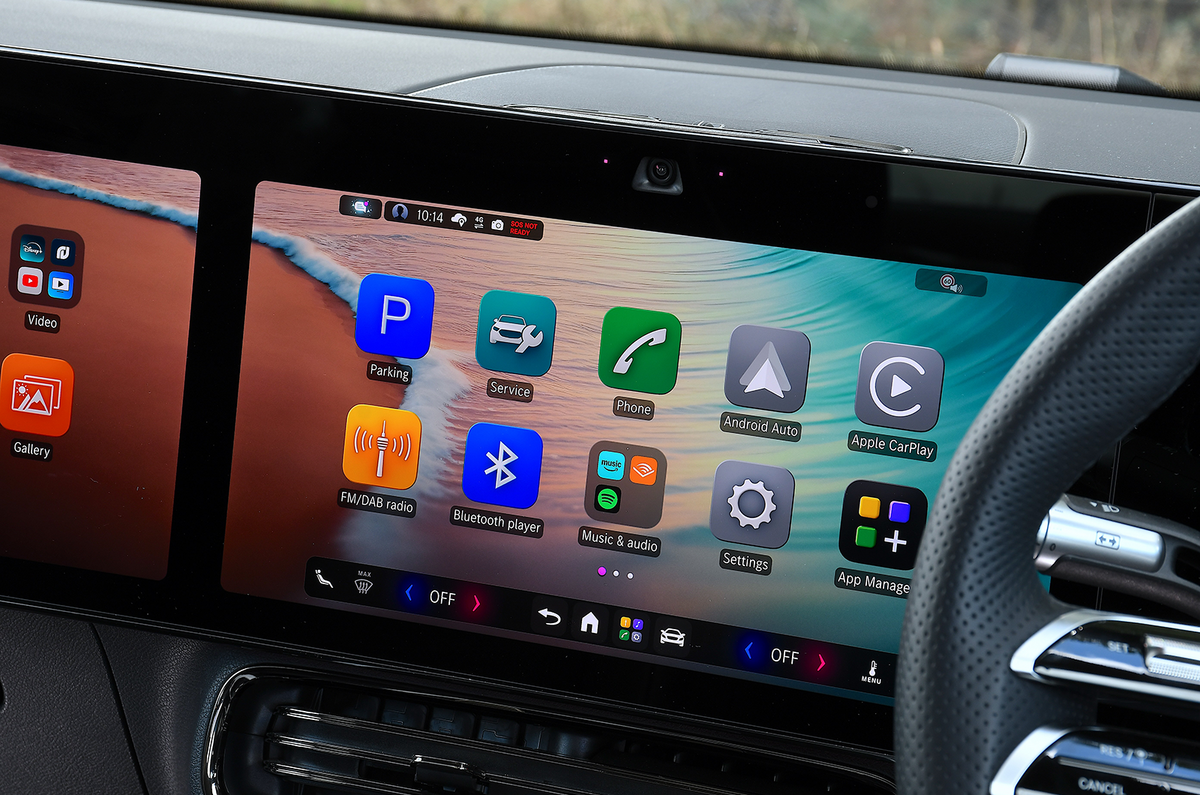
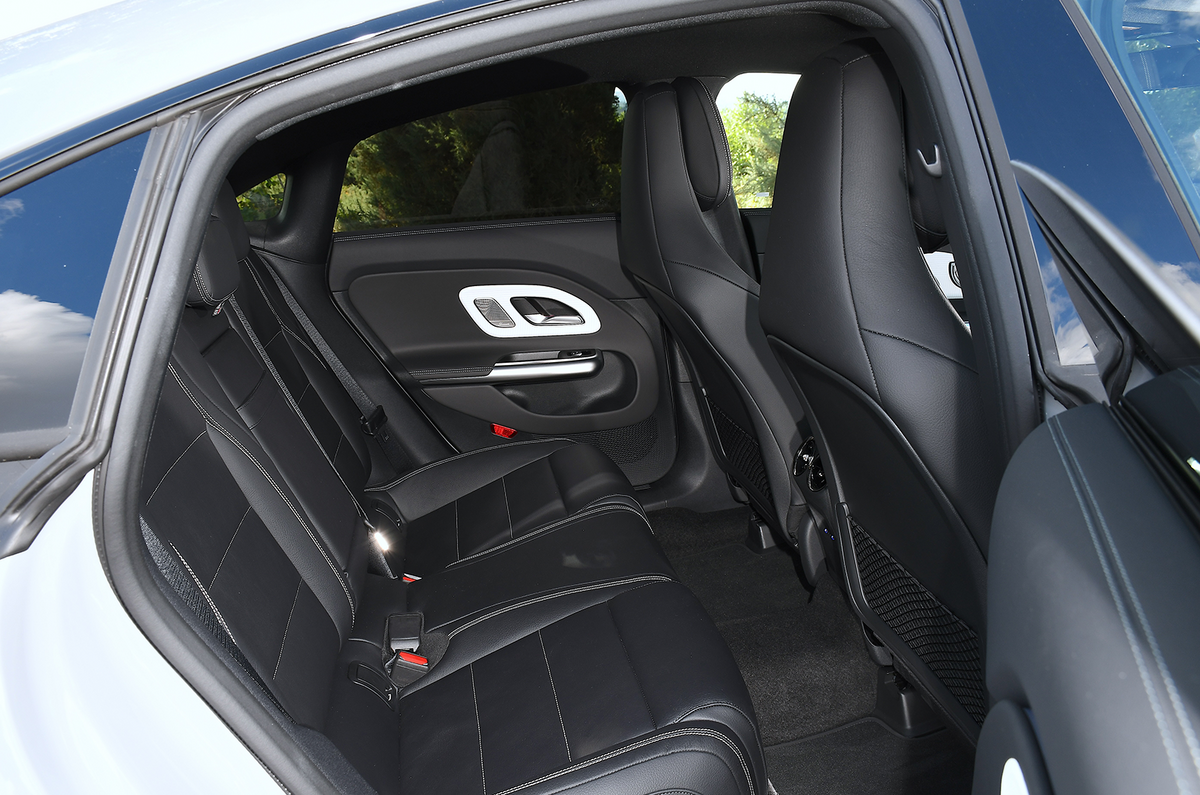
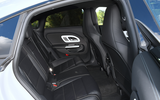
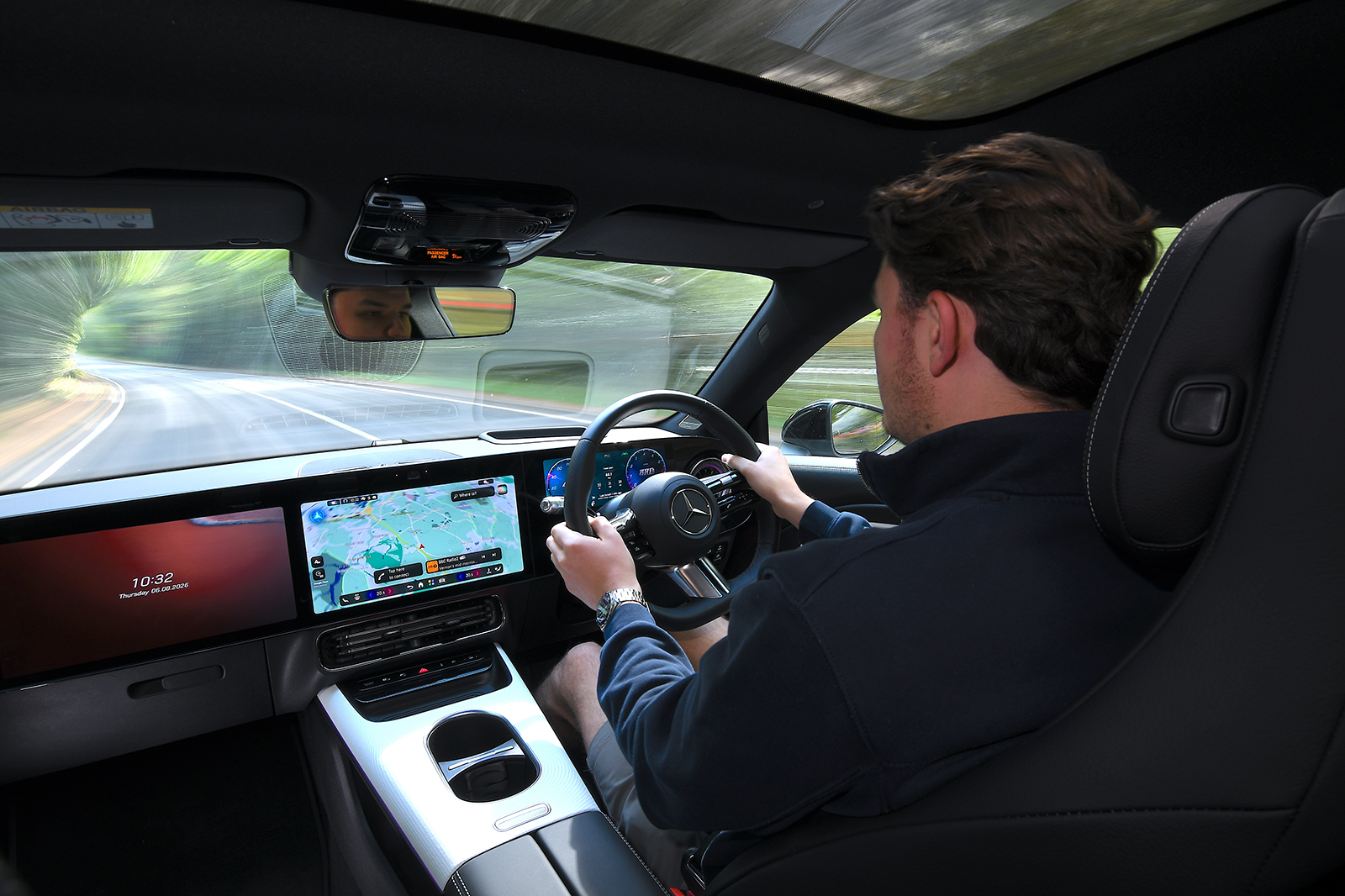
There's plentiful leg room in the rear, but the sloping roofline somewhat restricts head space. You can tell Mercedes tried to mitigate this by fitting a rakish rear backrest, but even that didn't stop this 6ft-tall tester brushing the headlining. This car came fitted with Mercedes' MBUX Superscreen dashboard, which consists of a 10.25in digital instrument cluster and two 14in touchscreens.

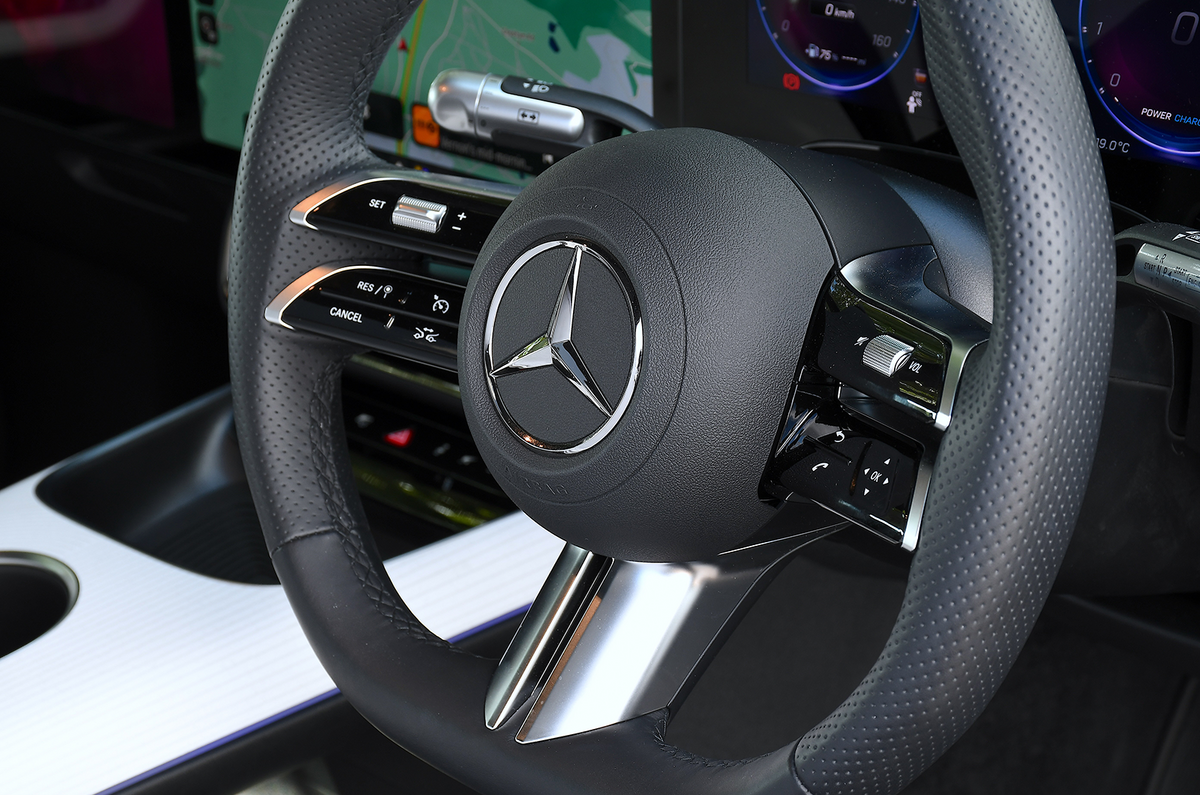
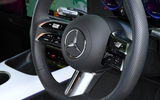
The central display is well configured, with all the key functions accessible via the home screen, and the intuitive, Google-backed navigation system is easy to get on with. However, the absence of physical controls makes it challenging to use on the move and the touch-sensitive 'buttons' on the steering wheel only add to the cabin's lack of user-friendliness.

ENGINES & PERFORMANCE

7

Powering the CLA is a 1.5-litre four-cylinder turbo petrol engine, a gearbox-integrated 30bhp electric motor and a tiny (1.3kWh) battery. While the electric CLA has a rear-mounted motor, the hybrid has either front-wheel drive (180 and 200) or four-wheel drive (220).

The motor takes charge at lower speeds, the engine chiming in when more grunt is required. In town the system works well, and you don't notice the handover from electric to petrol power. The accelerator can be sensitive when pulling away from standstill, but power take-up is smooth, progressive and predictable either way.

Mercedes’ engineers admit that while the MMA platform can’t take anything larger than the new 1.5, there is scope to squeeze more power out of it.

At higher speeds, however, some limitations emerge. With a modest 161bhp and 184lb ft of torque at its disposal, the CLA 200 takes 8.0sec to travel from 0-62mph, and in the main it feels rather breathless and short of pep under heavy loads.

This isn't helped by the languid eight-speed dual-clutch gearbox. Use kickdown on the motorway to exploit a gap and there's a noticeable pause while it finds the right cog. The absence of shift paddles behind the steering wheel makes drivability seem like an afterthought: you can shift up and down using the selector stalk, but it feels contrived and unnatural.

Hard acceleration elicits a lot more noise from the engine, which sounds rather thrashy at higher revs. Wind noise is well isolated but road roar is more noticeable, particularly over coarse motorway surfaces. Another minor gripe is that the brake pedal is quite long and feels spongy.

The CLA 220, meanwhile, brings a slight but tangible increase in grunt, which helped to make the CLA feel more like the downsized executive mile-muncher it wants to be, but all the same it feels like there’s plenty of head room for Mercedes to add some pokier variants that feel a bit more relaxed and effortless when you wind them up.

RIDE & HANDLING

7
Mercedes CLA rear three quarter

Dynamically, this CLA opts for composure over engagement, and it's generally a well-mannered car to drive. It steers accurately and, while it's a little light off the straight-ahead, the wheel weights up predictably into a corner.
It maintains good body control too: at roundabouts there's only a small amount of lean and it copes well through quick direction changes.

Its medium-firm suspension set-up can induce a bit of head toss over low-speed lumps and bumps, and it can struggle to isolate the cabin from aggressive potholes.

Generally, the CLA 200 is a comfortable cruiser, unruffled on the motorway, but sharp undulations at higher speeds also reveal a lack of vertical body control. Ultimately, the CLA is a car that’s better suited to the daily drudgery of the morning commute or a long motorway stint than a twisty B-road. 

The four-wheel-drive 220, meanwhile, is more planted and manoeuvrable on tighter, faster stretches, stable and sure-footed at a high-speed cruise, and spritely off the mark. 

MPG & RUNNING COSTS

8
Mercedes CLA front dynamic

The CLA hybrid starts from £38,715 for an entry-level 180 Sport, rising to £53,415 for the top-of-the-line four-wheel-drive 220 AMG Line Premium Plus. 

Interestingly, our mid-rung CLA 200 test car, which came in AMG Line Premium Plus trim, cost a hair over £52,000. That’s around £5000 more than a BMW 320i saloon in range-topping M Sport Pro trim (£47,545) and £4000 dearer than an Alfa Romeo Giulia Veloce (£48,800). 

That being said, the CLA’s kit roster is particularly generous, with the Burmester surround sound system, MBUX Superscreen, adaptive cruise control and a panoramic sunroof all standard fit on Premium Plus models. If you want a panoramic sunroof on the BMW, you’ll have to pay at least £1000, plus another £1250 for adaptive cruise control. 

As for economy, the CLA’s mild-hybrid engine is pleasingly efficient: I recorded 54mpg in mixed use, which is pretty competitive. This only dropped to around 52mpg when I was using the CLA for short hops around town. 

VERDICT

7
Mercedes CLA front three quarter

You might be attracted to the CLA on the basis that, on paper, it’s an already-acclaimed new car shorn of the perceived utility constraints that come with its electric powertrain. 

But when the EV offers around 400 miles of real-world range, ultra-rapid charging and a polished drive for a similar outlay, you do have to question what you’re saving yourself from in specifying your CLA with an ICE powertrain. 

The CLA Electric has changed the mainstream EV game in so many ways that this petrol version can’t help but feel a little familiar by comparison - more like an evolution of the previous CLA than a revolution. 

Having said that, it's a stylish, comfortable, premium-feeling car that features a well-conceived suite of digital addenda. However, the absence of physical switchgear, an unrefined powertrain and cramped rear seating prevent it from pushing its executive rivals aside.

And because the CLA EV feels more polished as a product, you might feel compelled to go electric instead. 

Sam Phillips

Sam Phillips
Title: Senior Staff Writer

Sam joined the Autocar team in summer 2024 and has been a contributor since 2021. He is tasked with writing used reviews and first drives as well as updating top 10s and evergreen content on the Autocar website. 

He previously led sister-title Move Electric, which covers the entire spectrum of electric vehicles, from cars to boats – and even trucks. He is an expert in new car news, used cars, electric cars, microbility, classic cars and motorsport. 

Sam graduated from Nottingham Trent University in 2021 with a BA in Journalism. In his final year he produced an in-depth feature on the automotive industry’s transition to electric cars and interviewed a number of leading experts to assess our readiness for the impending ban on the sale of petrol and diesel cars.

Felix Page

Felix Page
Title: Deputy editor

Felix is Autocar's deputy editor, responsible for leading the brand's agenda-shaping coverage across all facets of the global automotive industry - both in print and online.

He has interviewed the most powerful and widely respected people in motoring, covered the reveals and launches of today's most important cars, and broken some of the biggest automotive stories of the last few years.