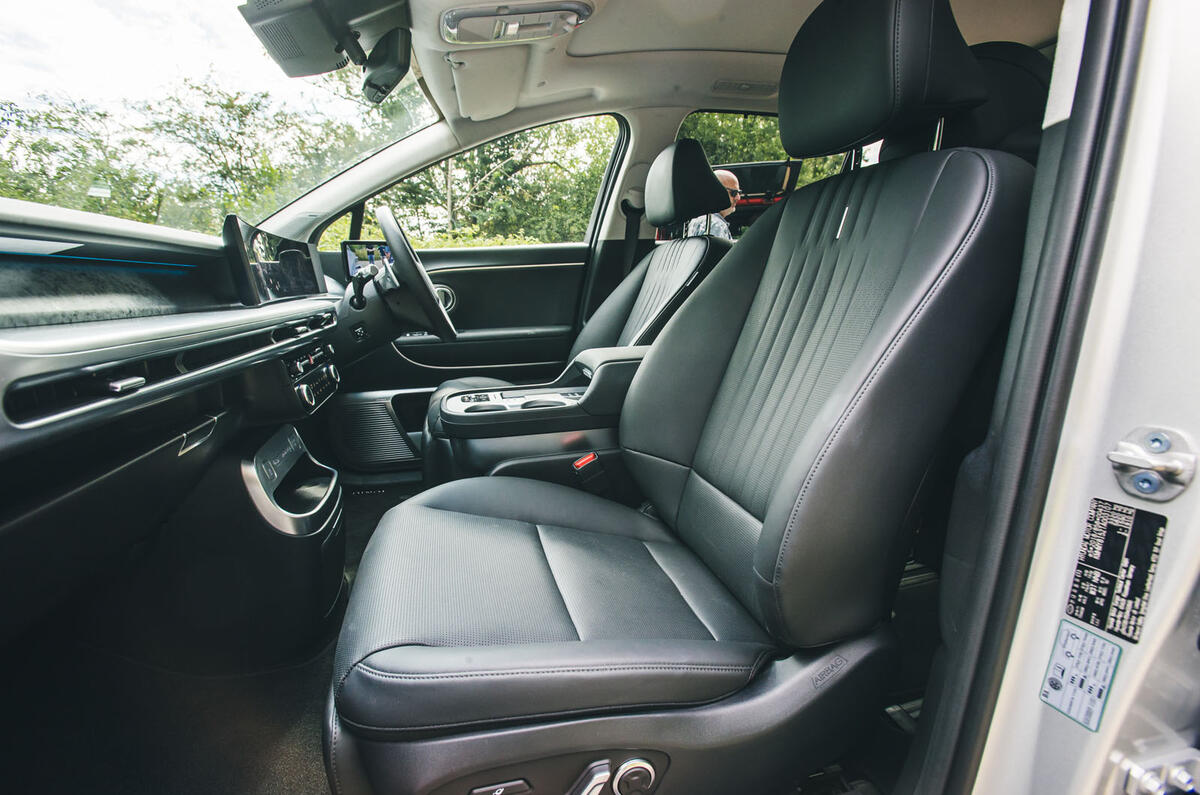
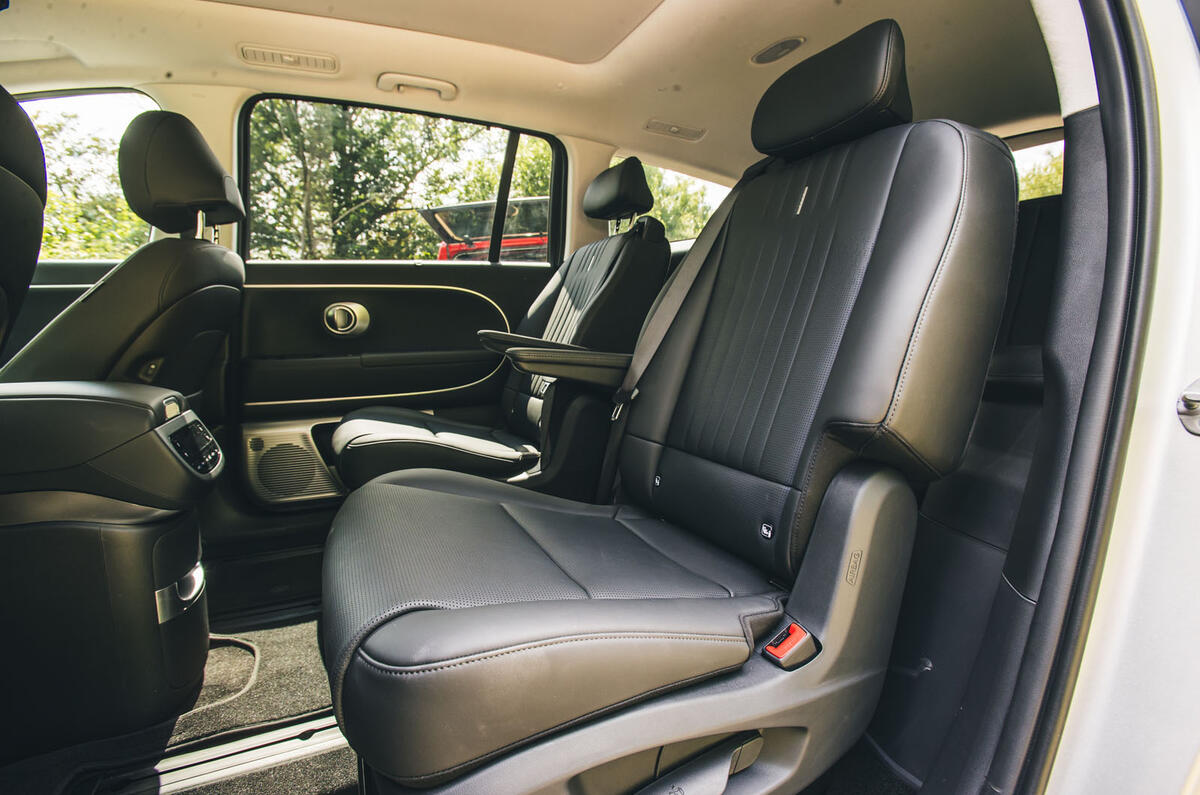
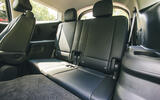
We will get to what the Ioniq 9 is like to drive, but this car is at least as good to be driven in. No matter what position the front seats are in, room in the back is huge, and it comes with all the amenities (such as heated and cooled seats) you could want.
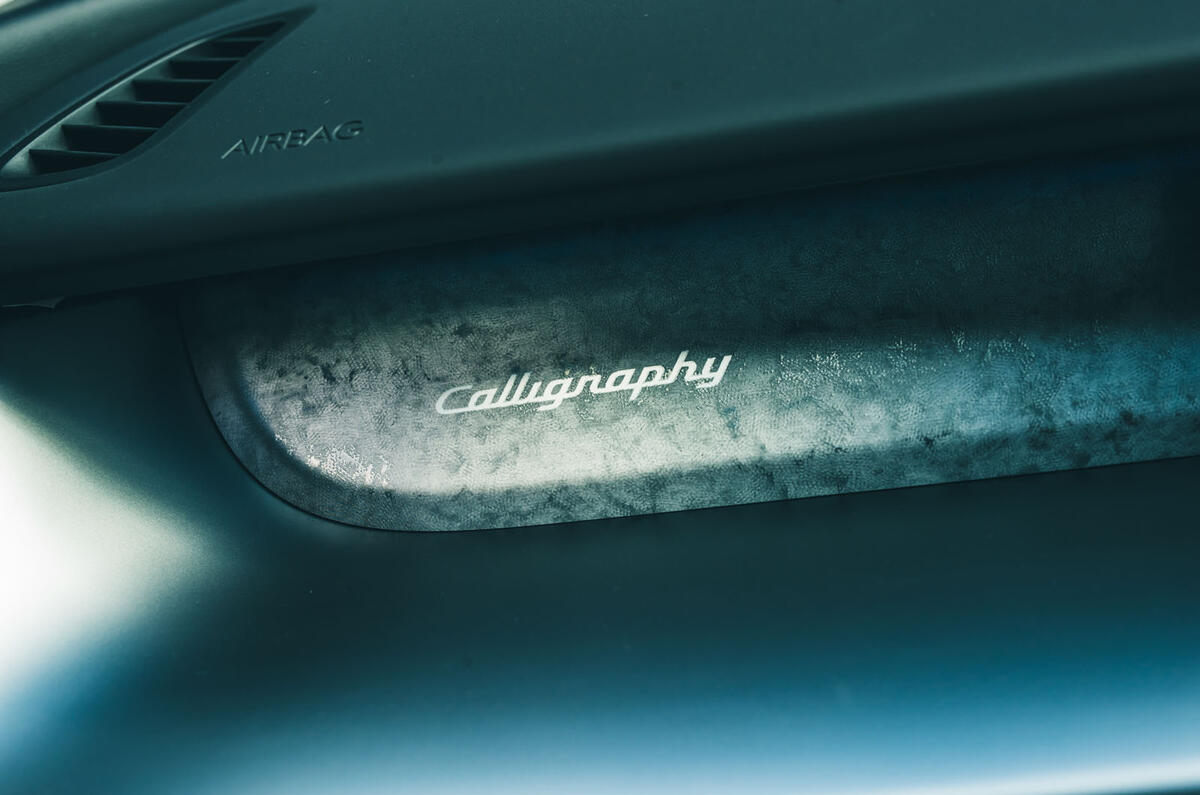
A bench is standard but in top-spec Calligraphy trim you can opt for a pair of captain's chairs that can swivel 180deg when stationary to turn the rear into a proper mobile lounge. Mind you, actually swivelling those big chairs is a little awkward: they need to be in the right position, the door needs to be open and if the third row is up, legroom is not great. Still, the seats have lots of adjustment and are very comfortable.
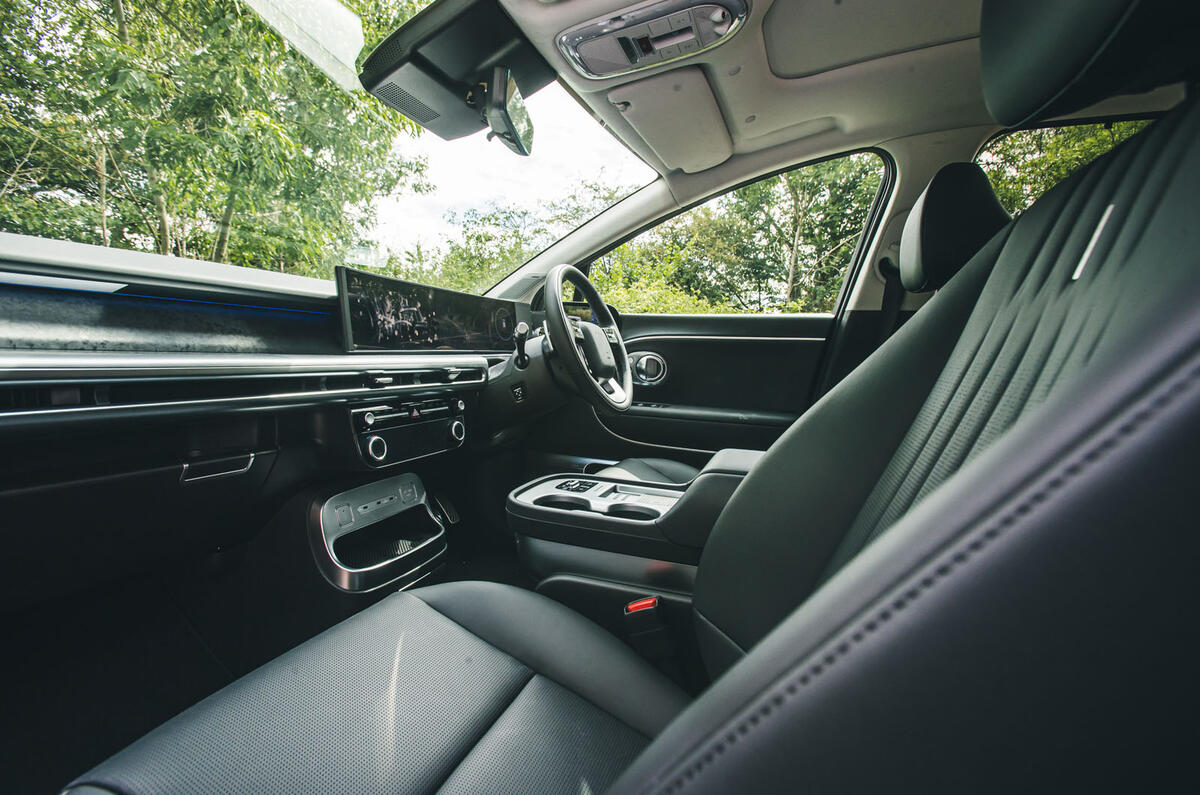
Yes, promising an EV with a ‘mobile lounge’ interior has become a bit of a car-design cliché, but the Ioniq 9 really does get close to it. In fact, the word that comes to mind is 'palatial' – a description reinforced by the marble-effect panel in the dashboard.
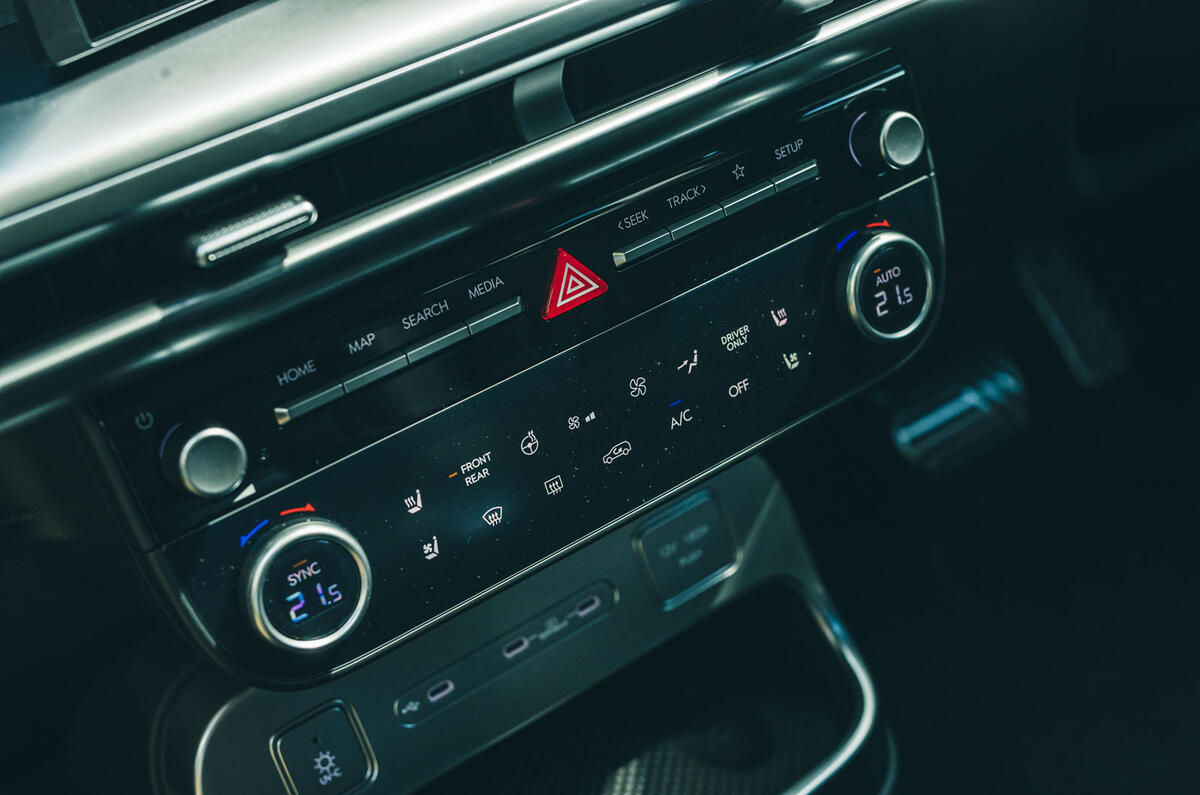
Elsewhere, there are quirky shapes and patterns and so many cubbies and trays. This is the opposite of those generic Chinese EVs that are just a big screen and acres of fake leather, and it is all the better for it. Of course, the materials aren’t on the same planet as those in an EX90, but we prefer the Ioniq’s copious buttons and near-faultless usability to the Volvo's fiddly user interface. On both counts, it feels like a step up from a Volkswagen ID Buzz.
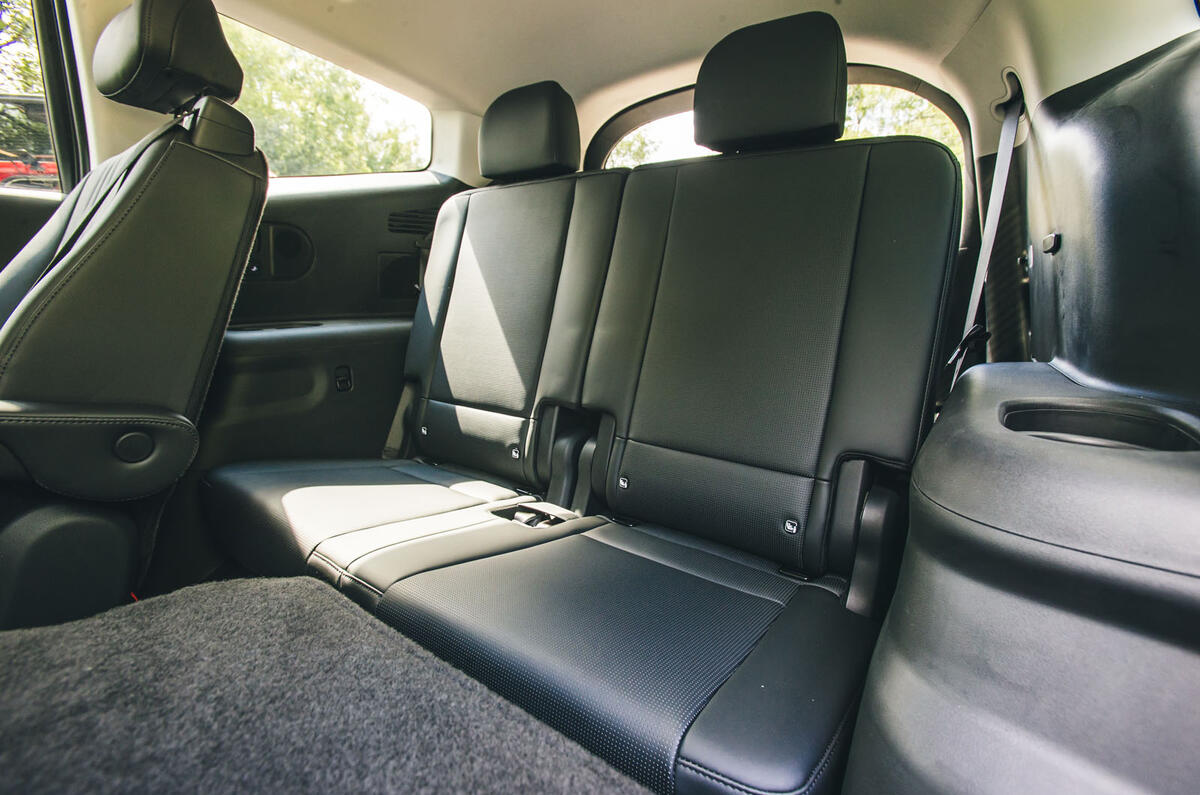
Adults can just about squeeze themselves into the third row, but as in most seven-seaters, they will be pretty cramped. However, this is one of just a few seven-seat SUVs with Isofix points in the third row, so you can actually park a pair of children back there safely.
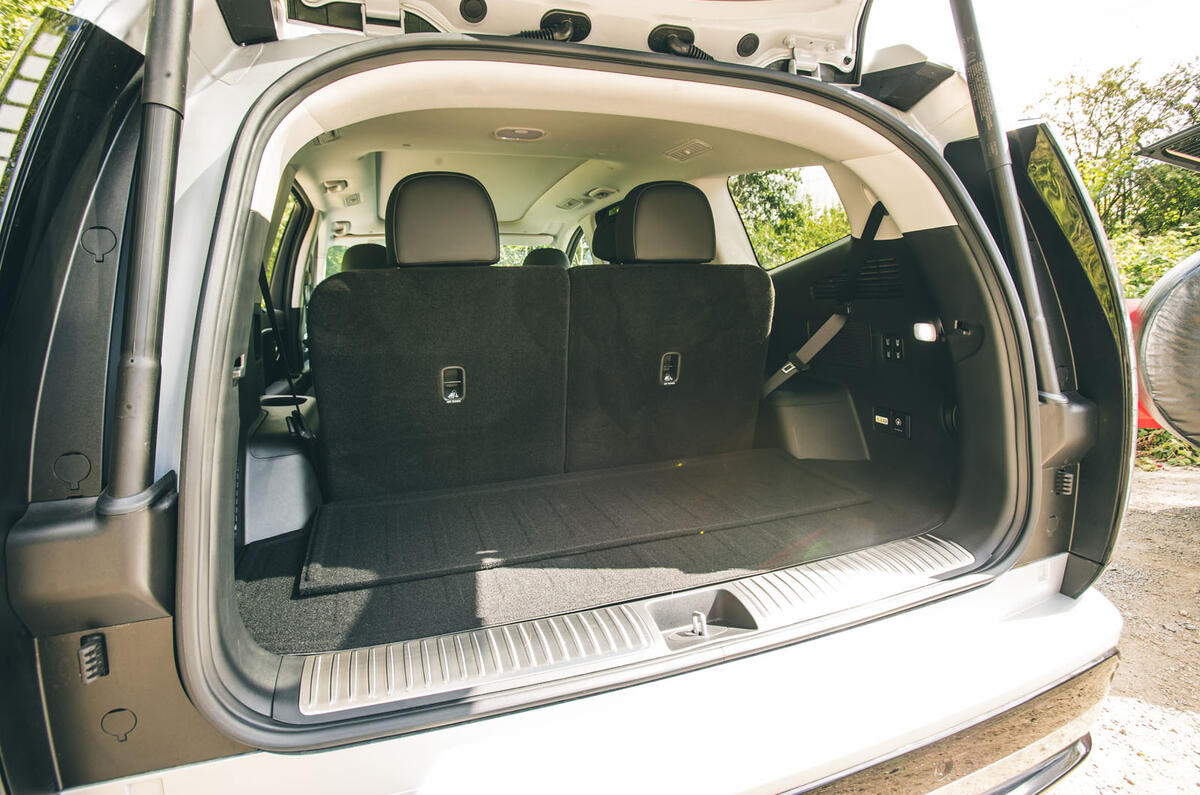
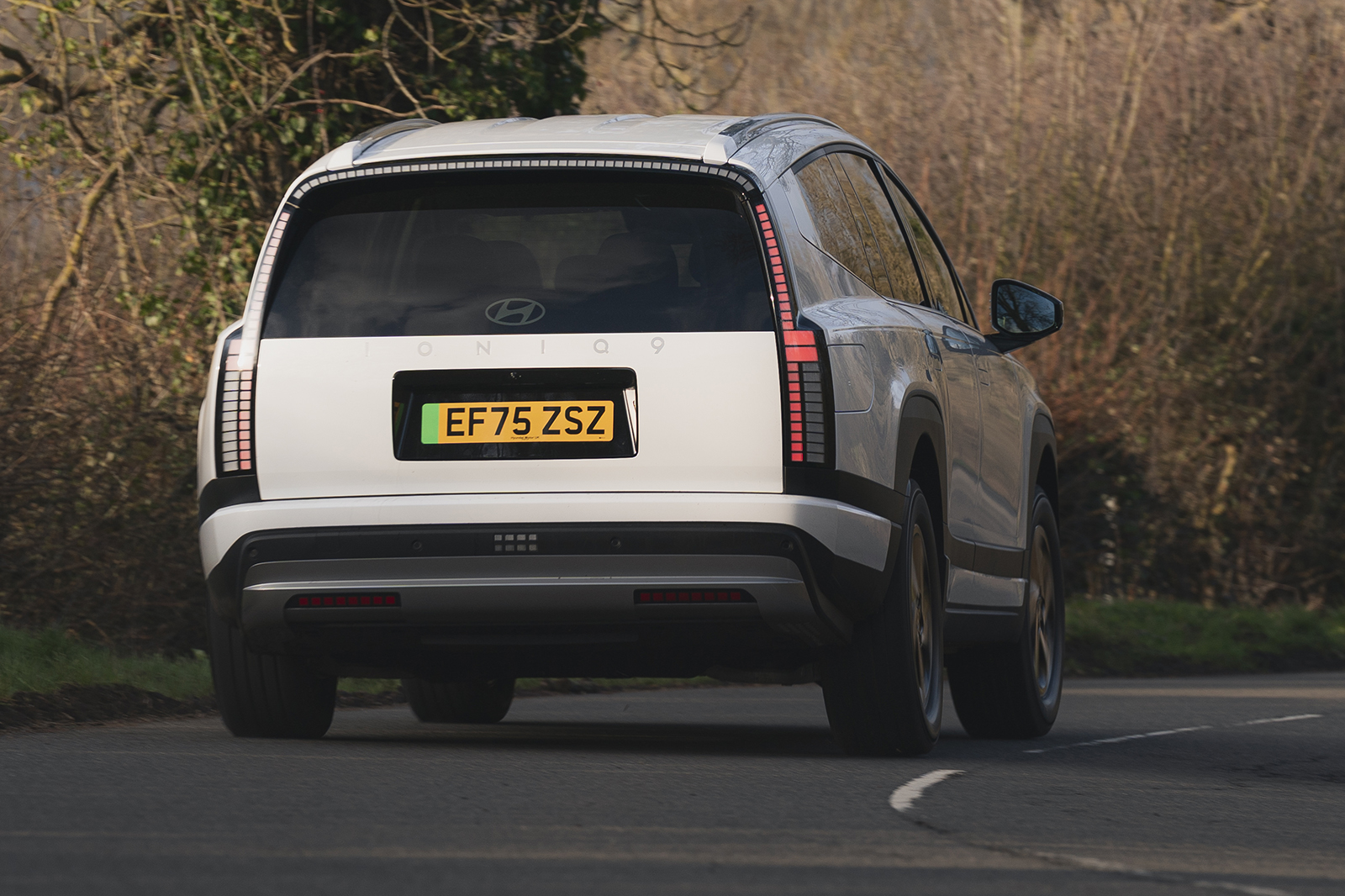
Even with the rearmost seats in place, there’s a large, 338-litre boot; fold them down and there’s a 908-litre cargo bay; but fold down the second row as well and you get a van-like 2419 litres.
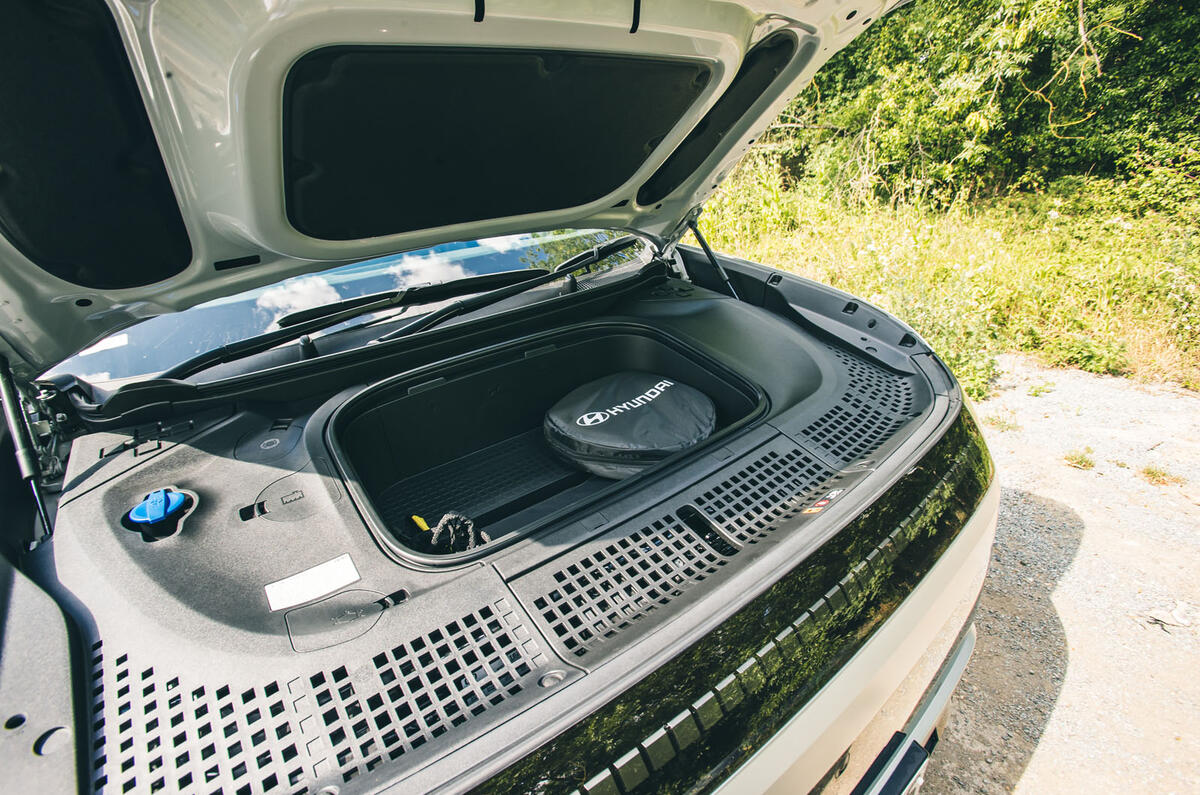
There's a small frunk too: 88 litres in the single-motor version, 52 in the dual-motor ones. And unlike on many EVs, it's opened by pressing a button in the interior or on the key; there's no need to pull a lever and fumble for a bonnet catch.
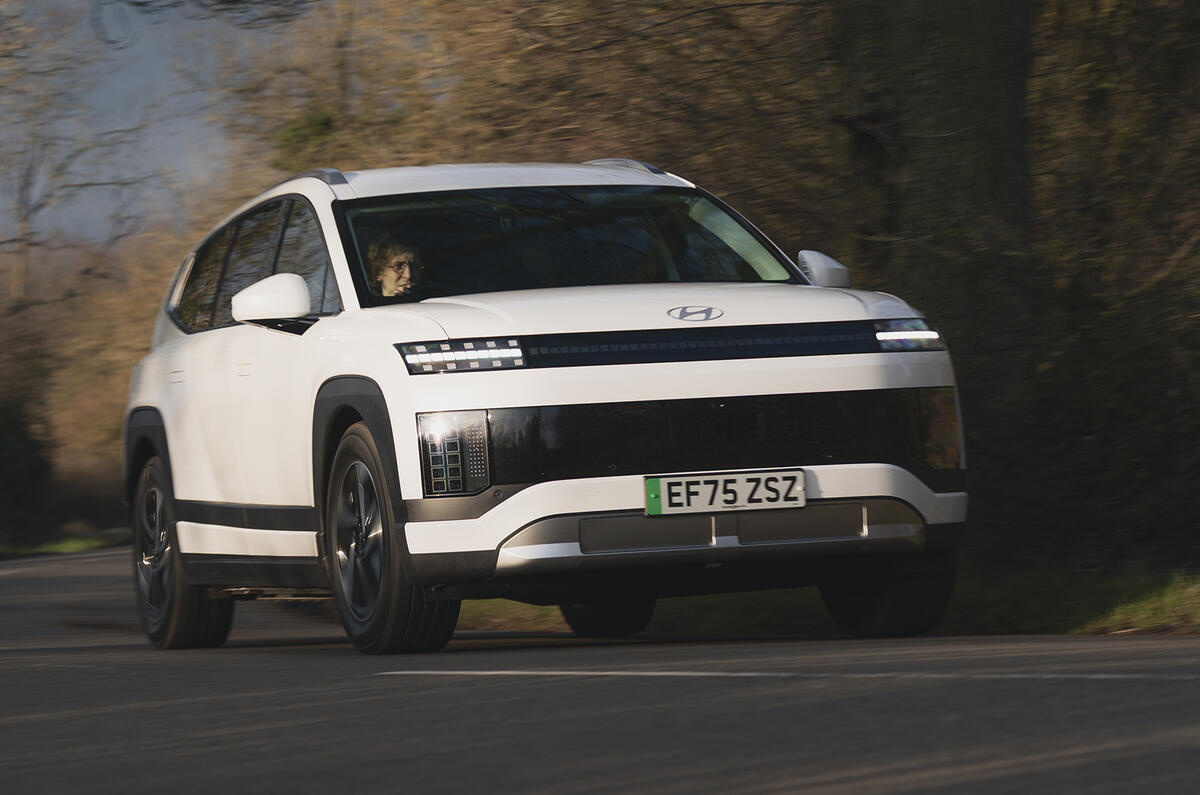
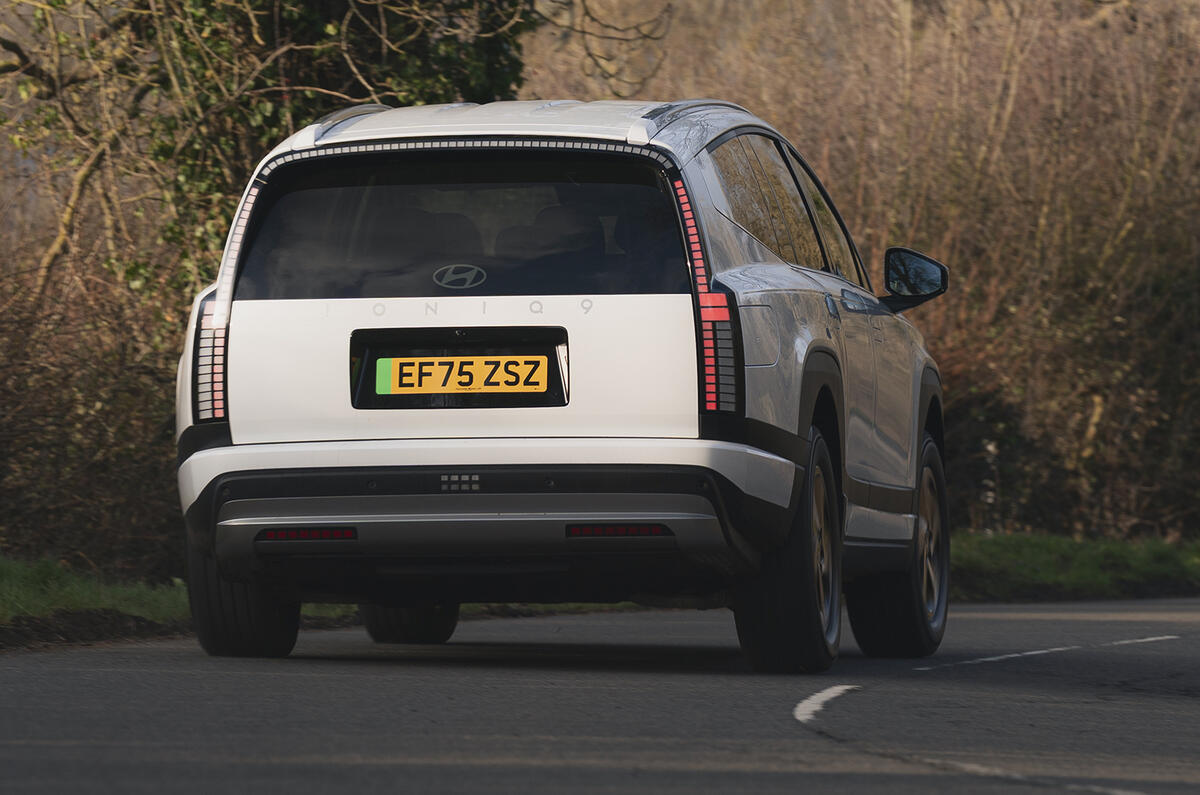
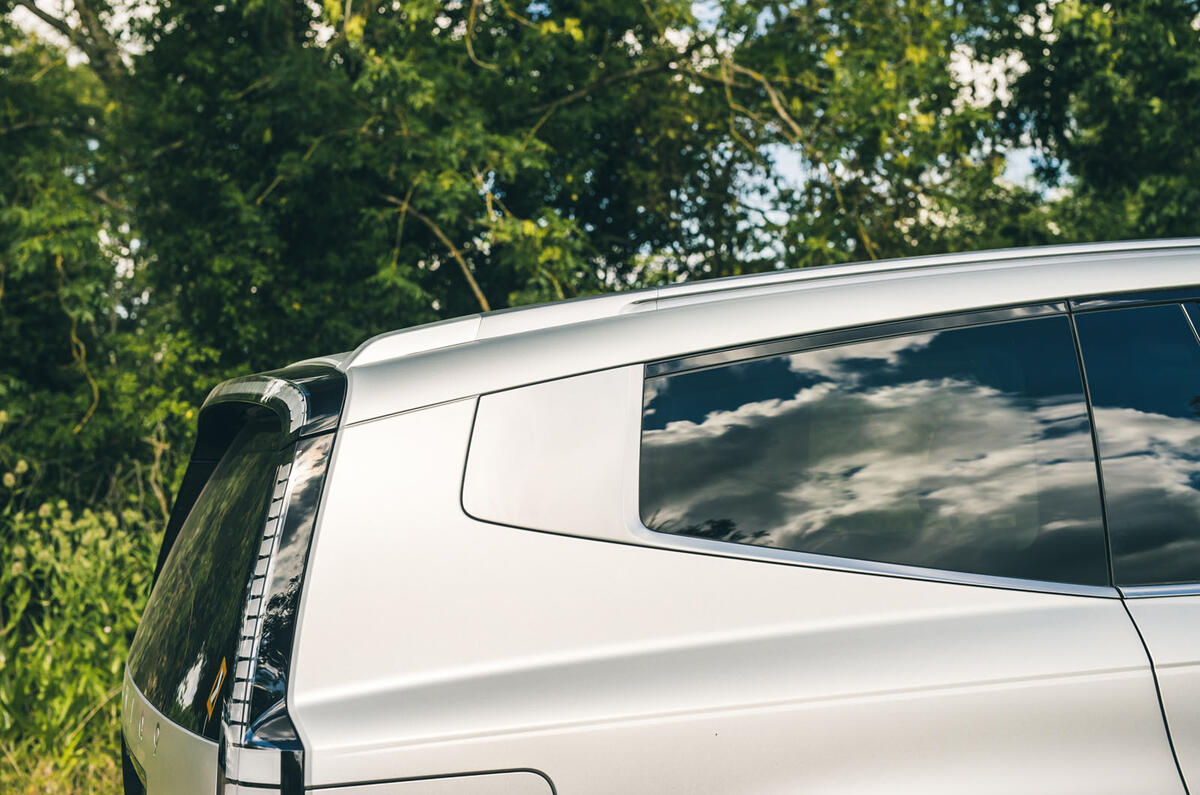
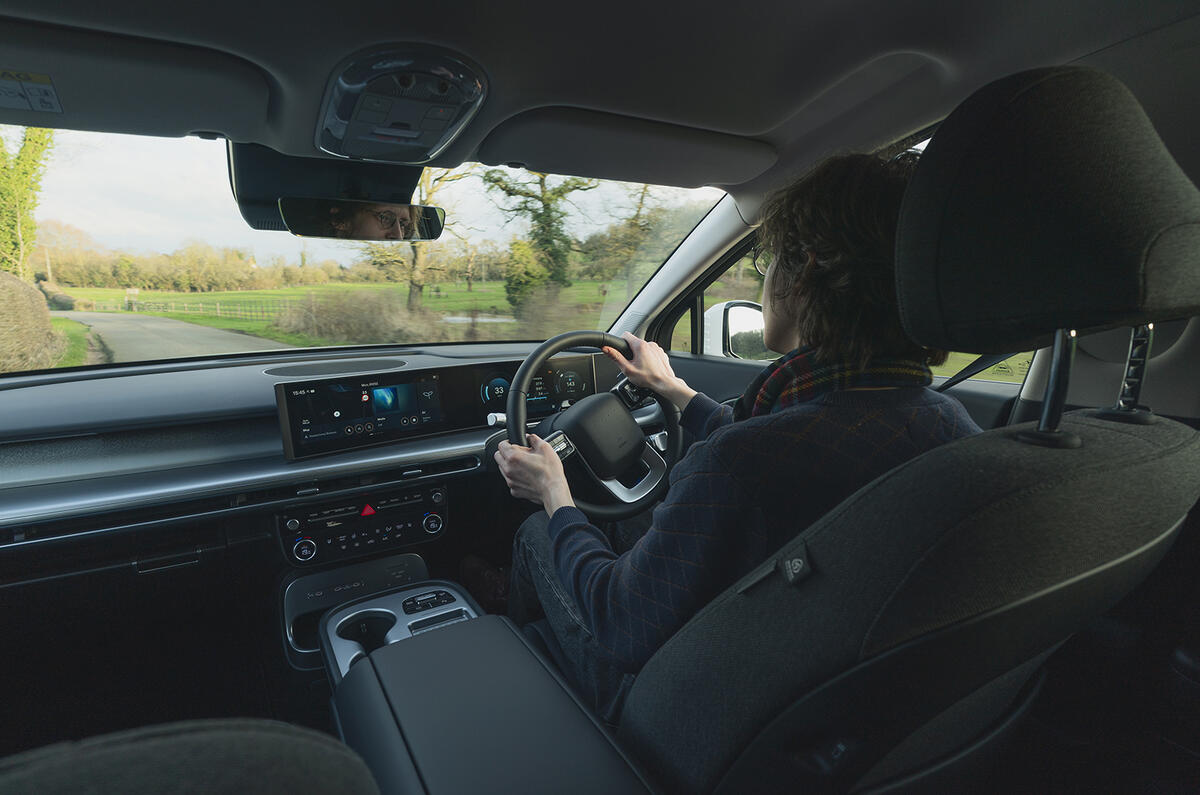
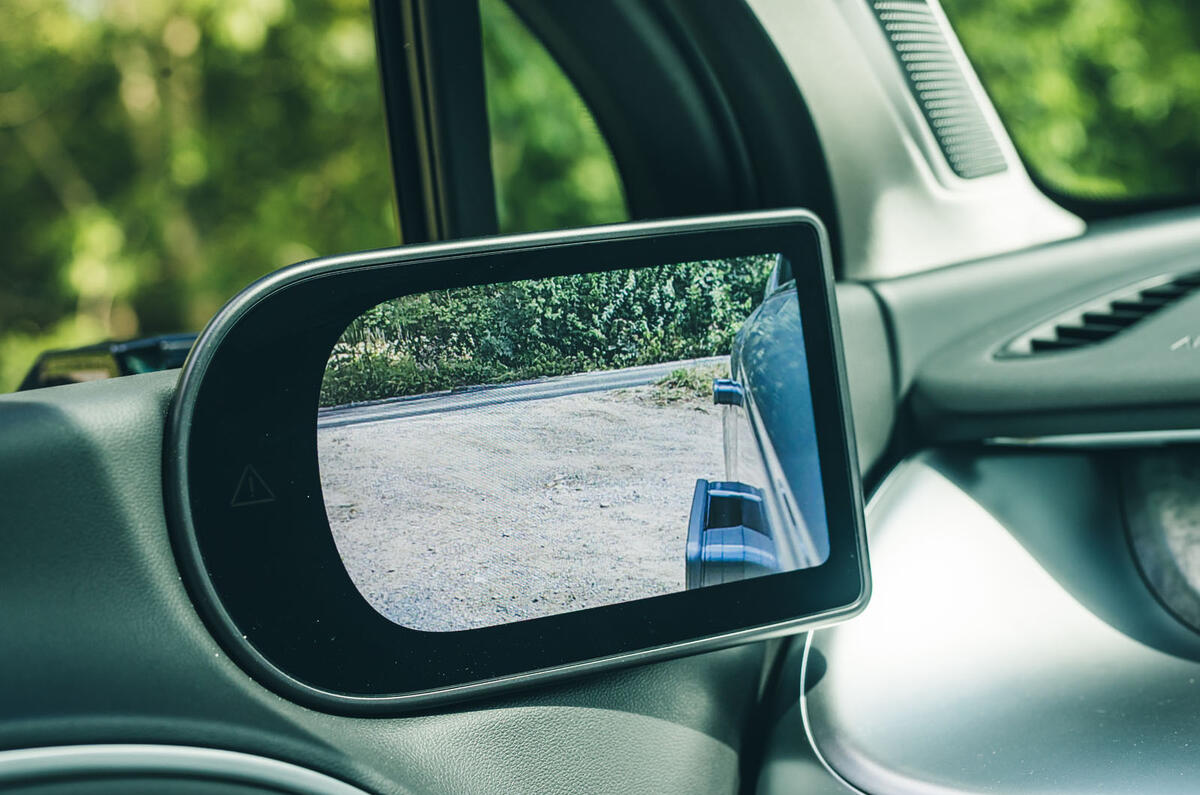
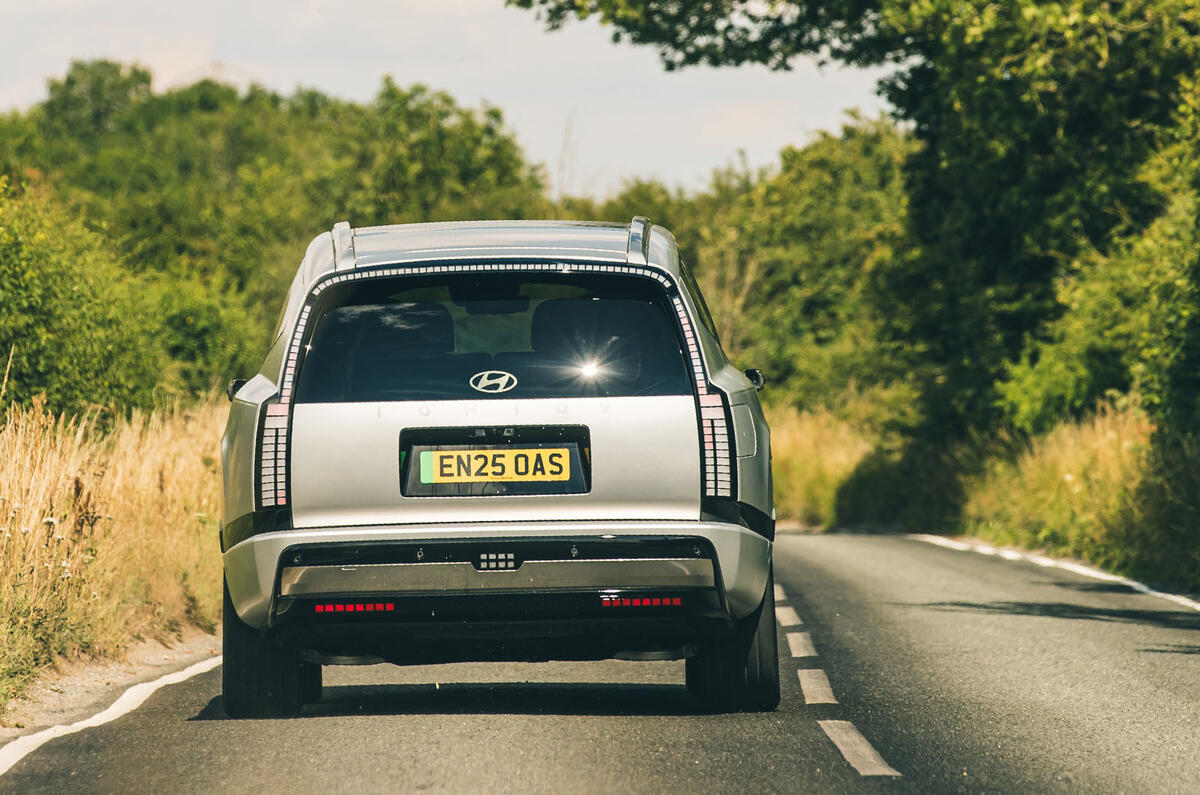
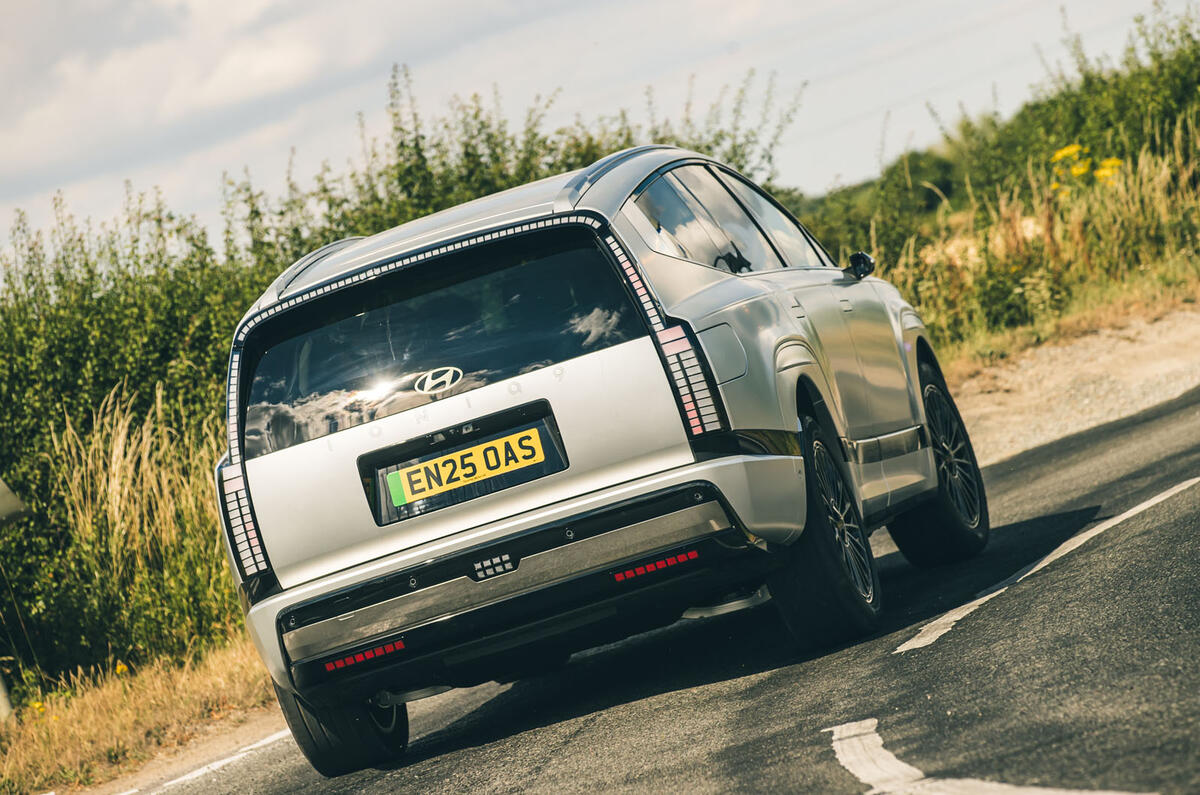
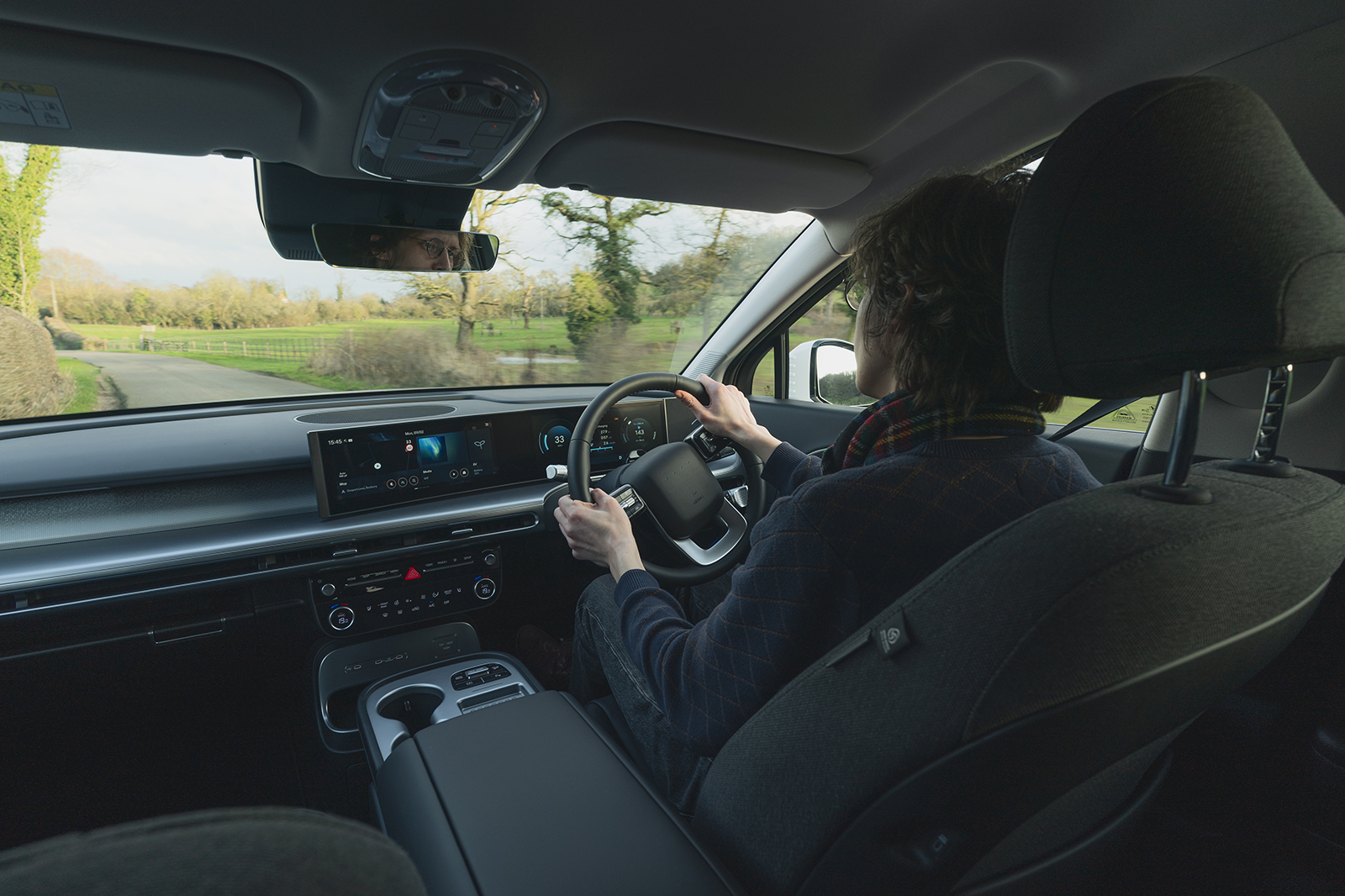
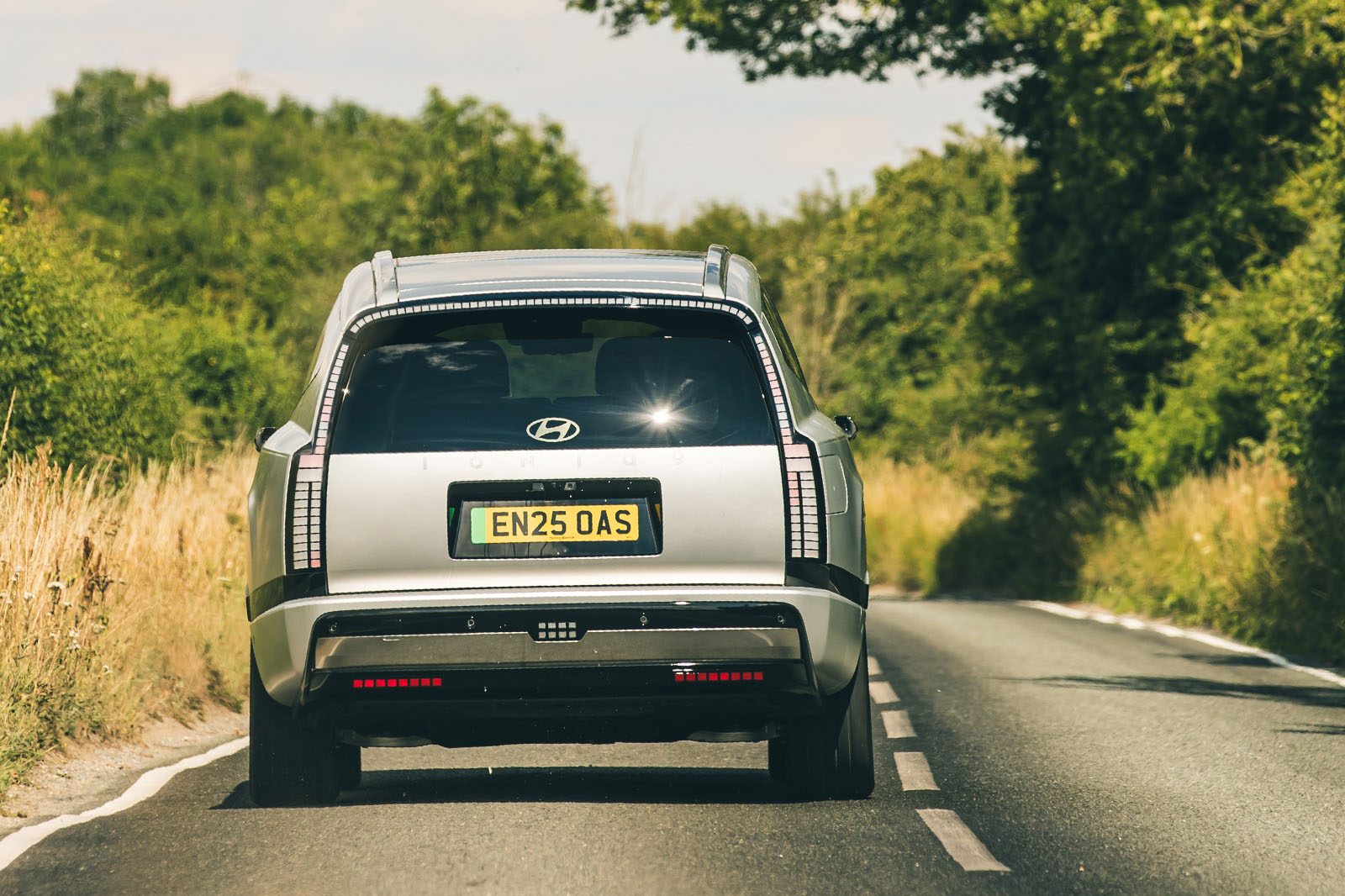
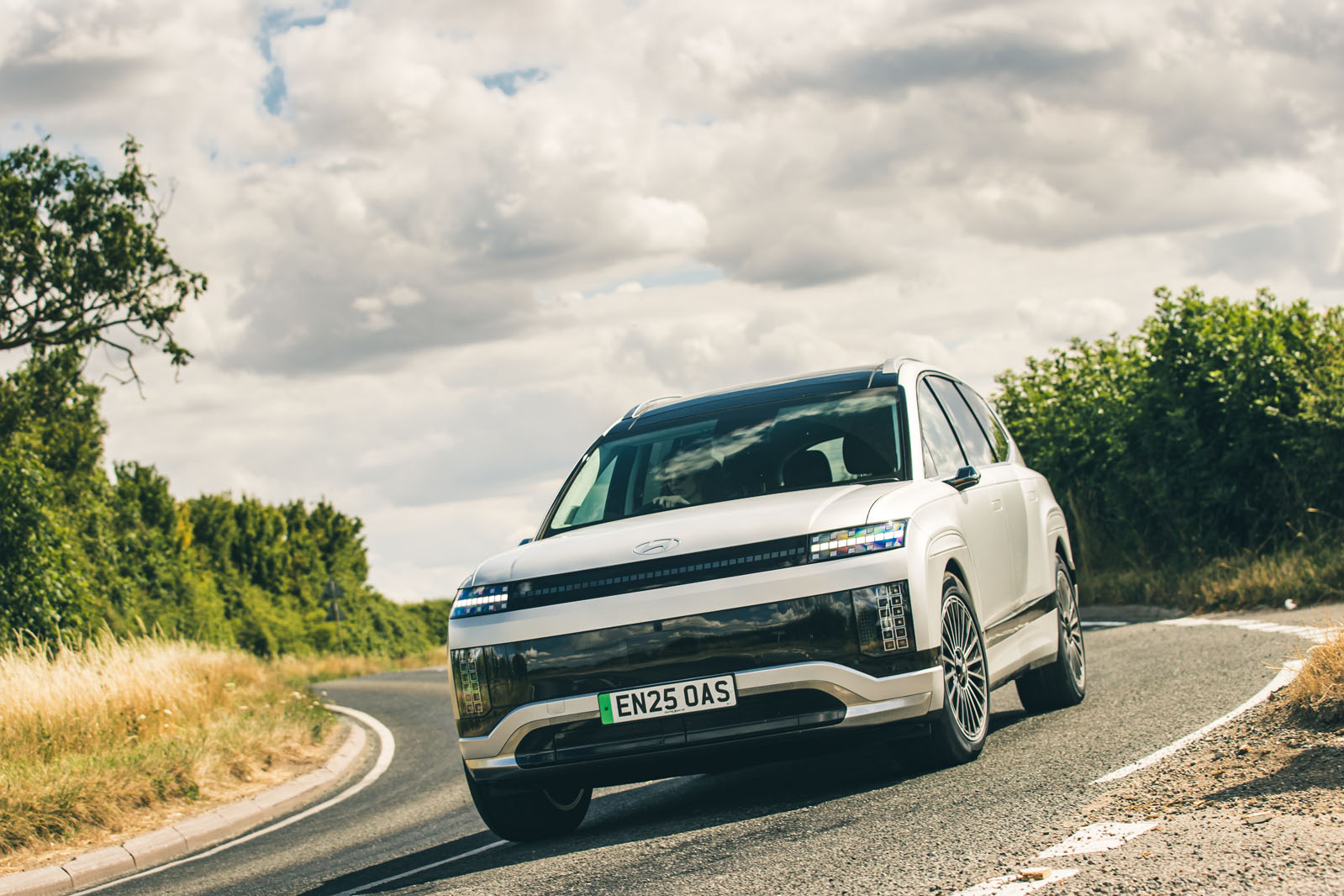
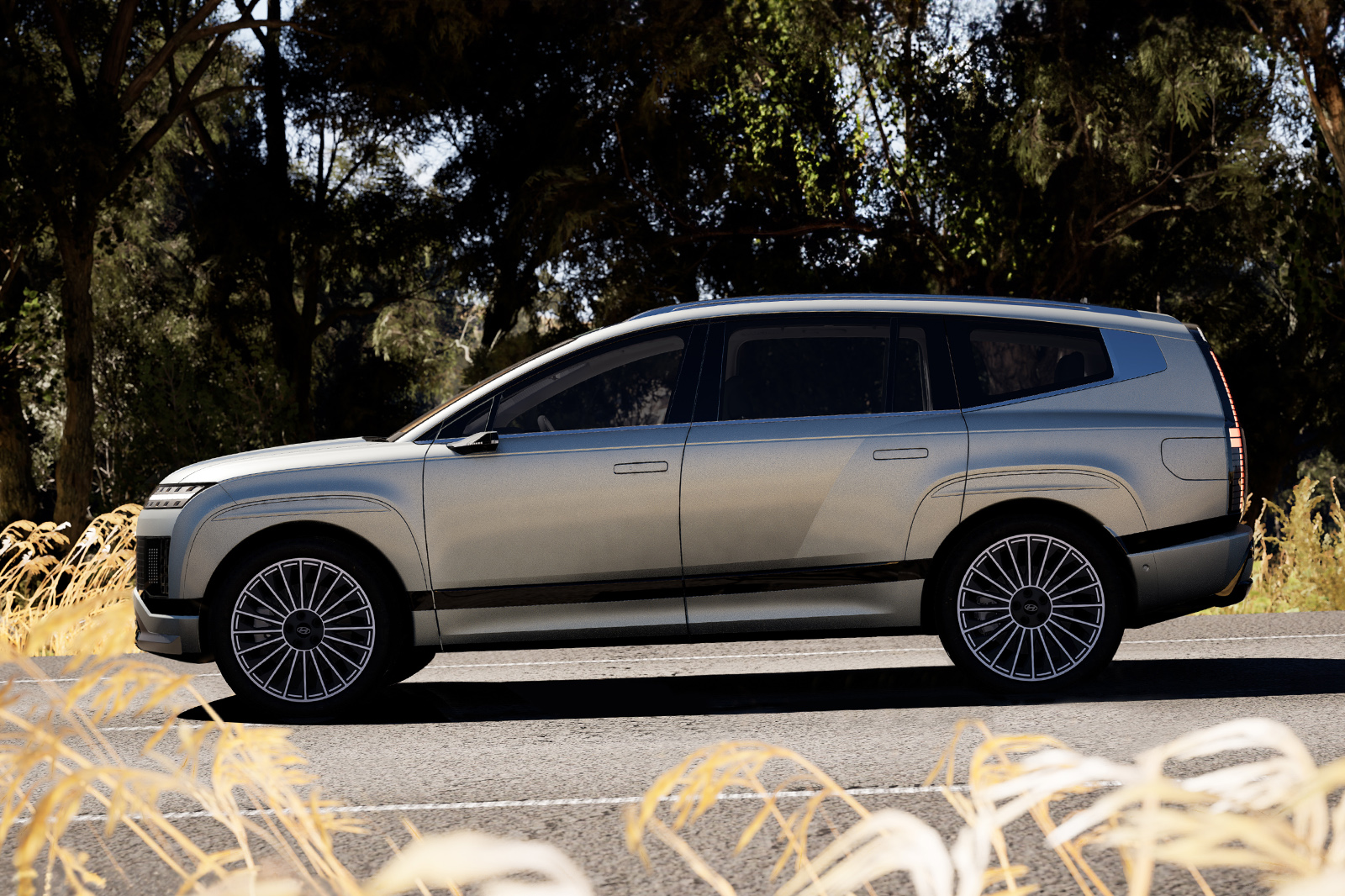
It’s plenty spacious and comfortable up front too. The driving position is commanding and high and, with the sculpted bonnet and flat rear end, visibility is good all round.

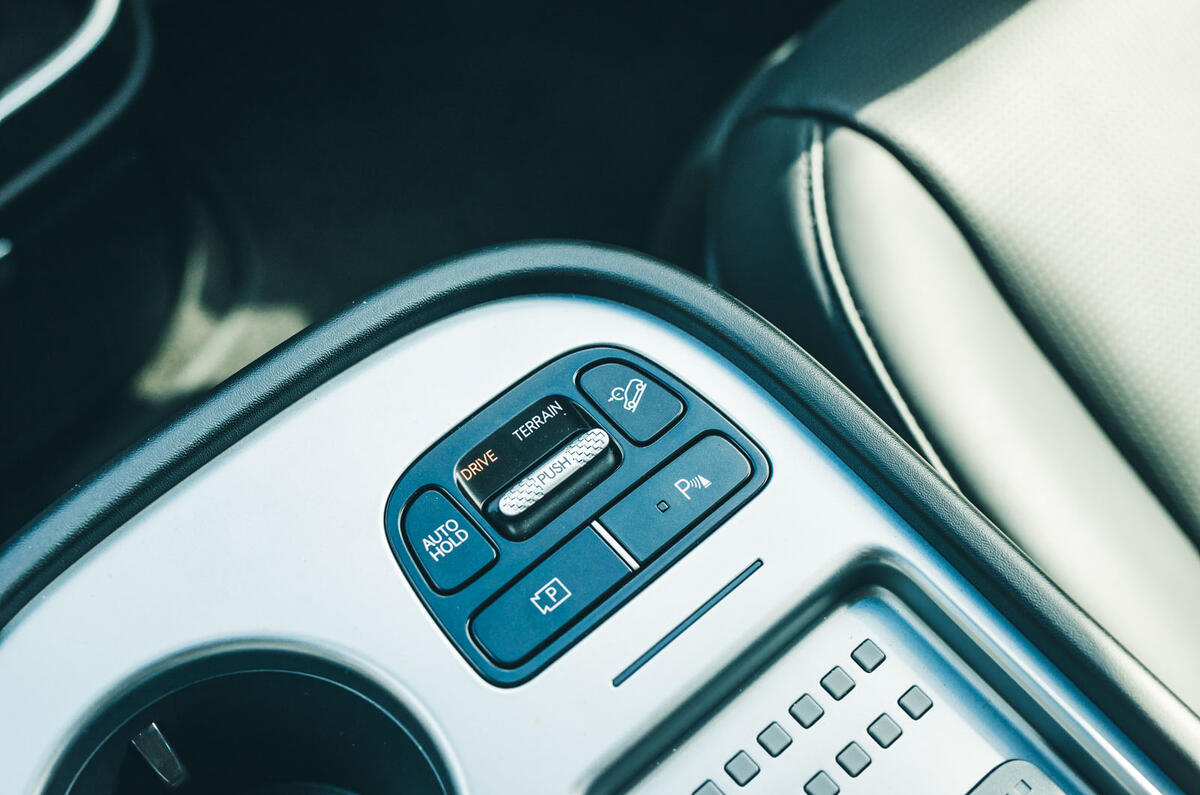
The dashboard will be familiar to anyone who has driven a new Hyundai recently, with the touchscreen and digital instrument display complemented by a decent array of physical buttons and steering wheel controls.
The infotainment system is the latest version of that offered on other Ioniqs, and it’s well thought through: particularly pleasing was the remaining range indicator, which showed average but also best- and worst-case scenarios. The built-in navigation is clearer and less distracting than Google Maps and has up-to-date traffic info.
There’s a large centre console between the front seats and plenty of storage space. The materials used for the interior trim all feel good quality, and there’s a fancy Bose stereo system that does sound good. Much like the EV9, you can see the Ioniq 9 turning some heads among potential buyers of more prestigiously badged SUVs.