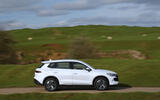
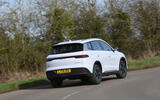
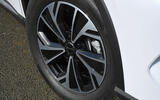
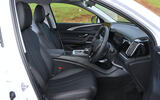
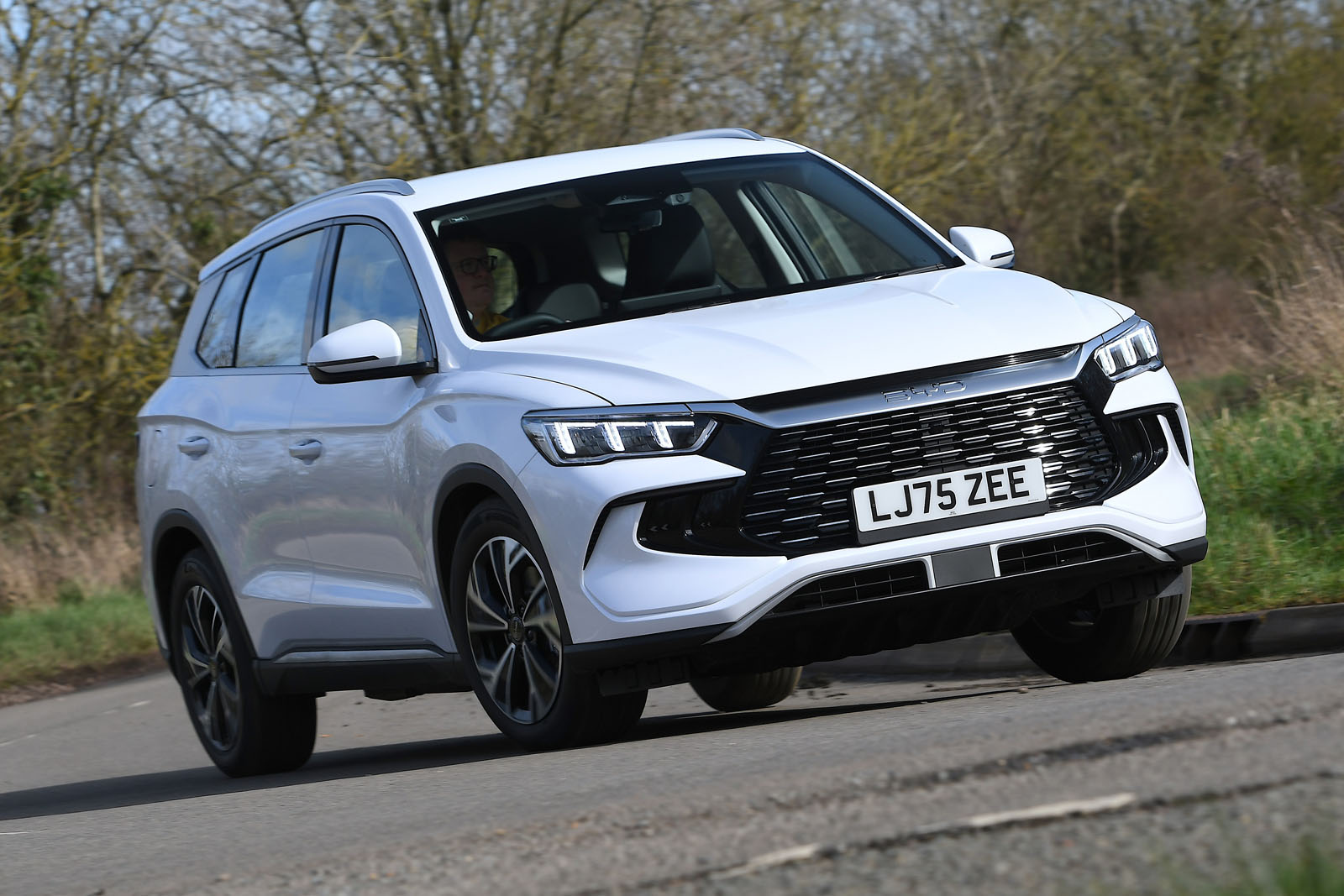
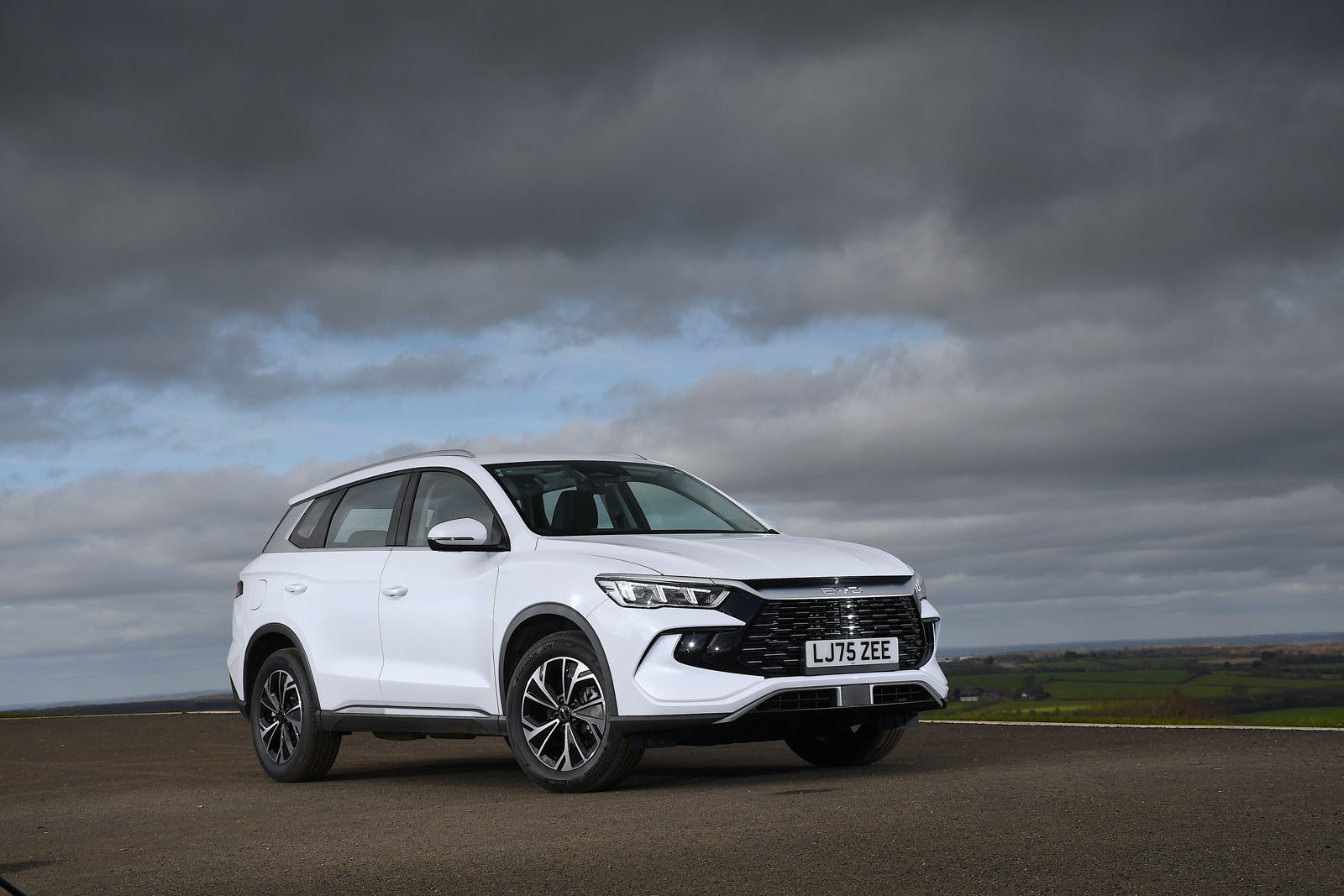
BYD regulars may be familiar with the faintly gluey smell in the Sealion 5’s cabin. It’s not desperately strong but we certainly recognised it, having first encountered the smell in the Dolphin supermini of 2023. Its source is hard to identify, and whether you consider it a problem is likely to depend on how sensitive your nose is.
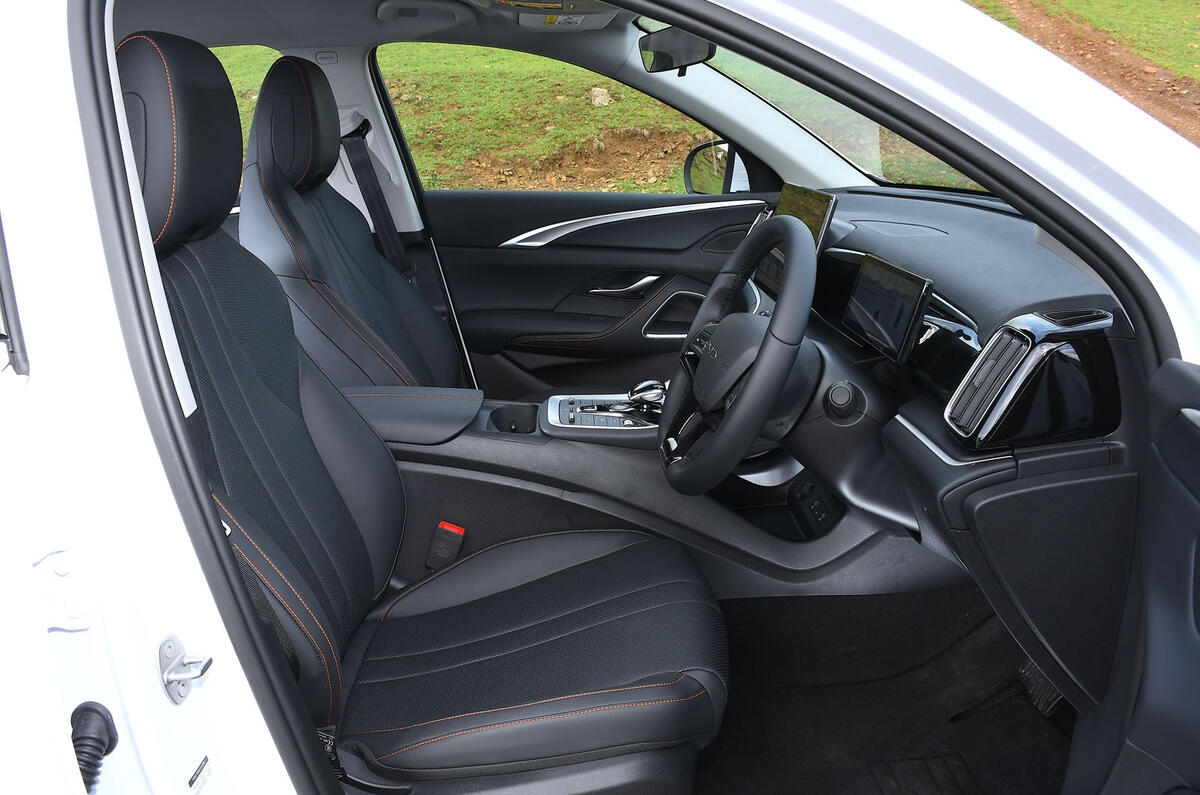
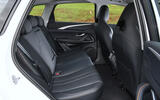
The car’s ‘vegan leather’ upholstery looks and feels a bit plasticky, and the front seats have integrated-style head restraints that don’t adjust up or down, and didn’t make for an ideally comfortable driving position for taller testers.
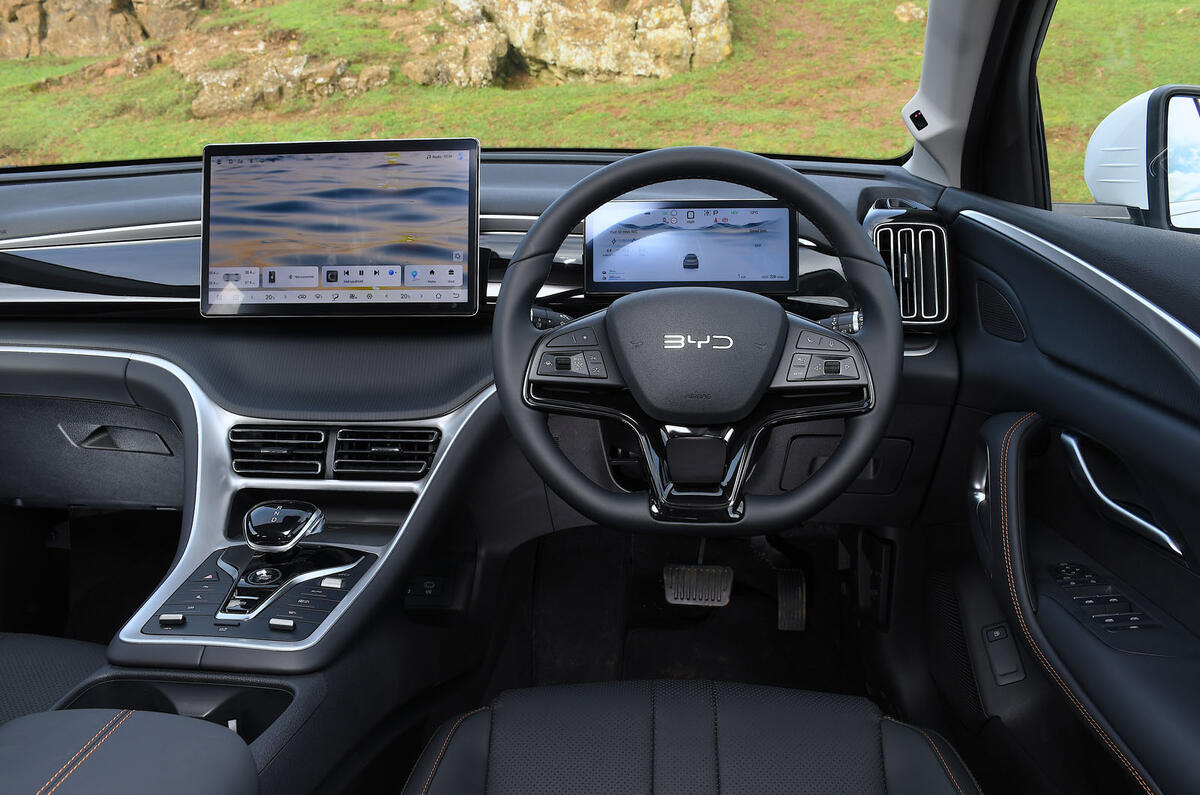
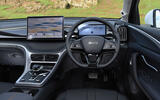
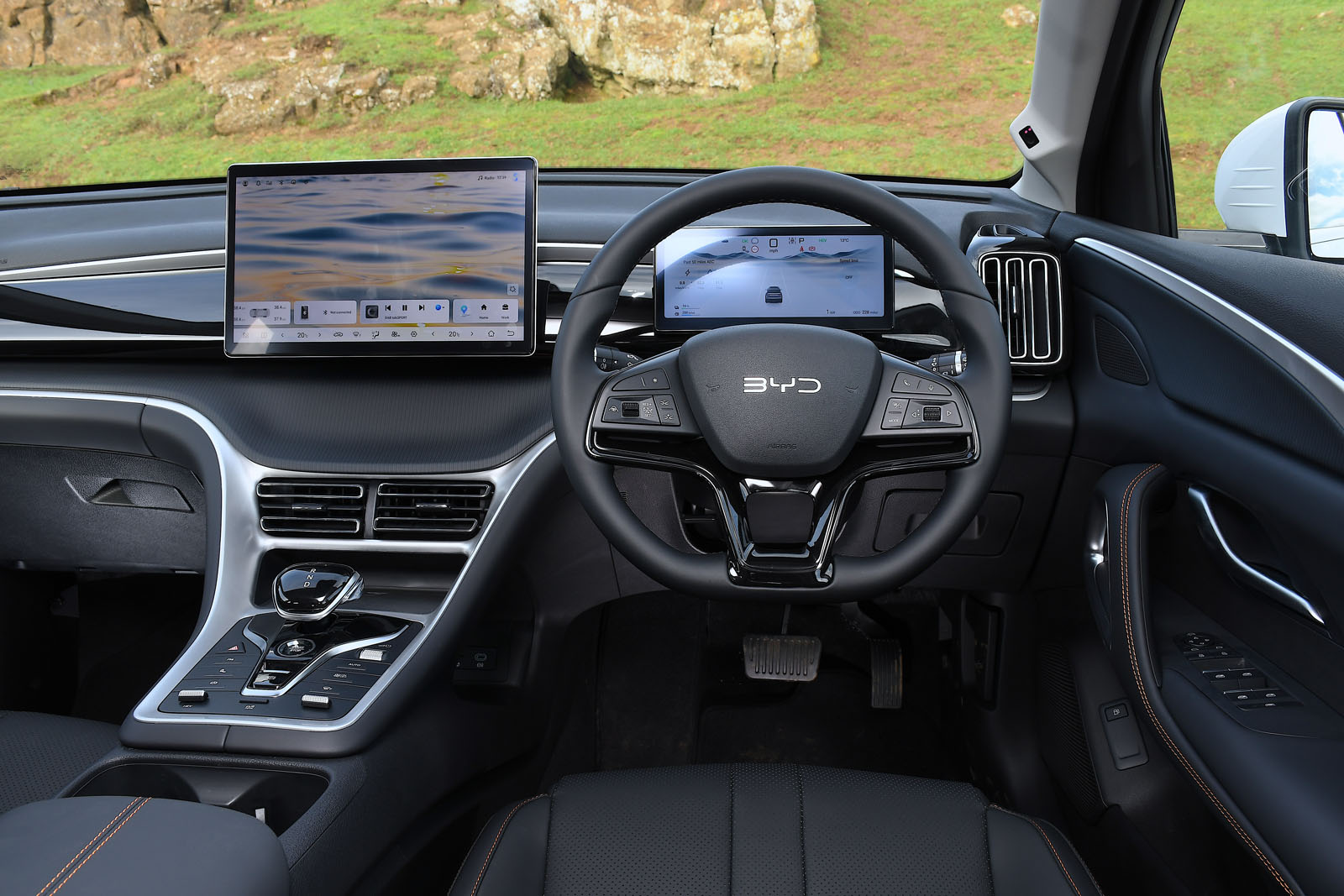
The cabin’s wider ergonomic design, meanwhile, is a little adversely affected by a driving position that feels slightly perched and flat in the cushion, and a steering wheel that you can’t quite put at just the right angle without it covering at least part of the 8.8in digital instrument screen ahead of you. The compromise you come to is acceptable and comfortable enough to pass muster, though. The secondary controls are conventional, and all located where you expect them to be. All the usual cabin storage is provided; the door pockets are a little slim, but there’s plenty of space in the centre console, for example.
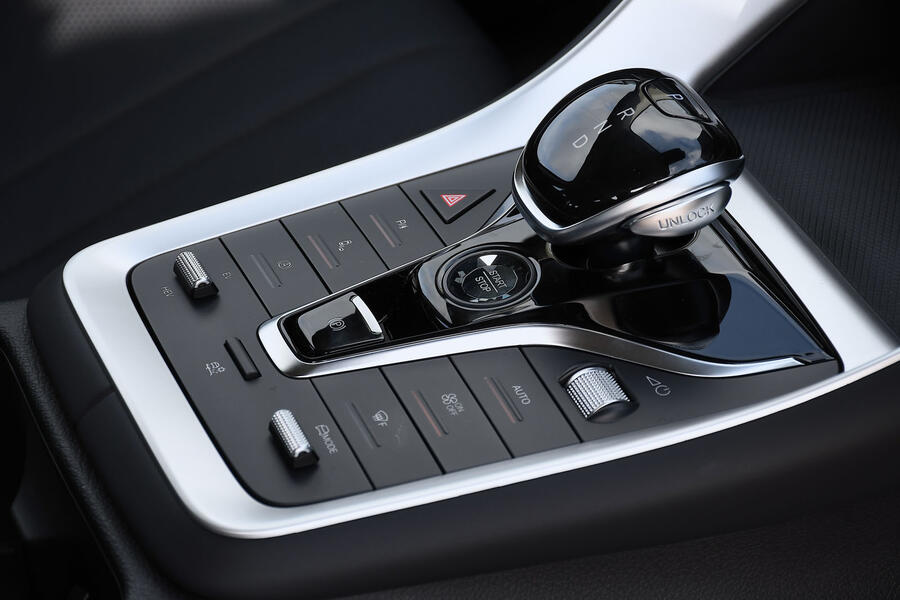
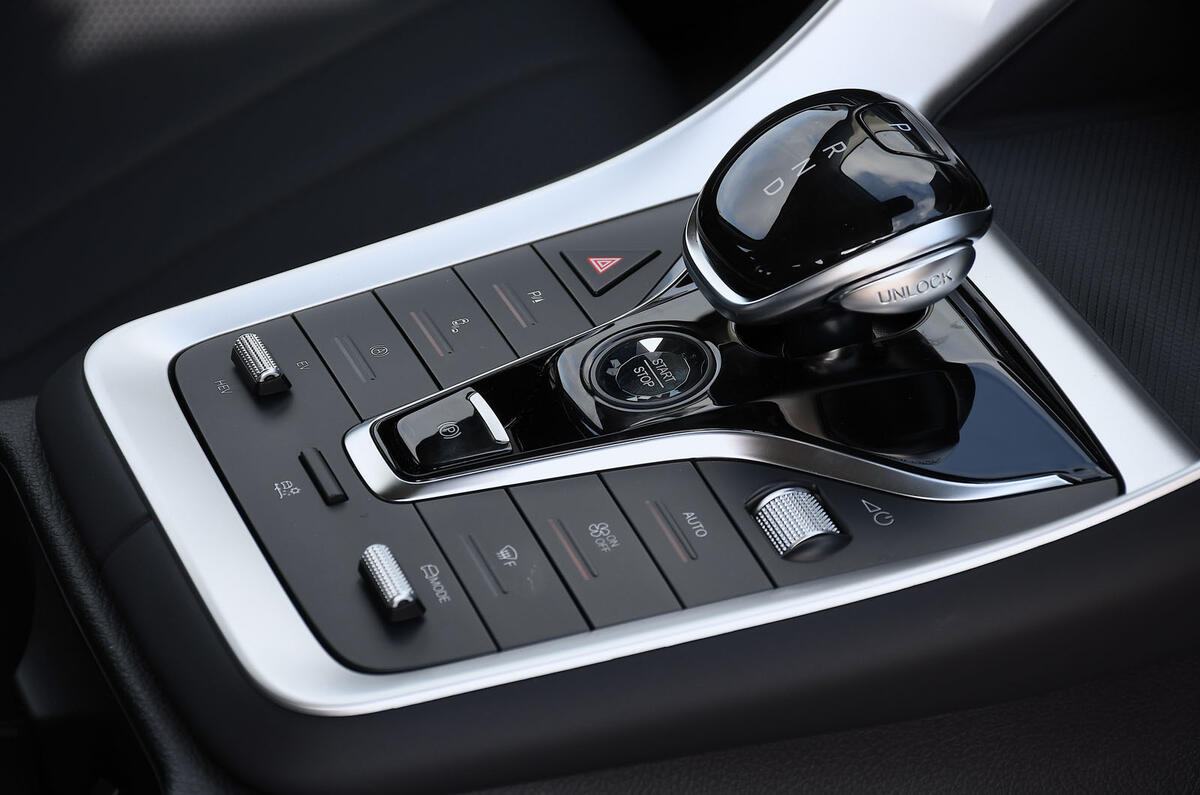
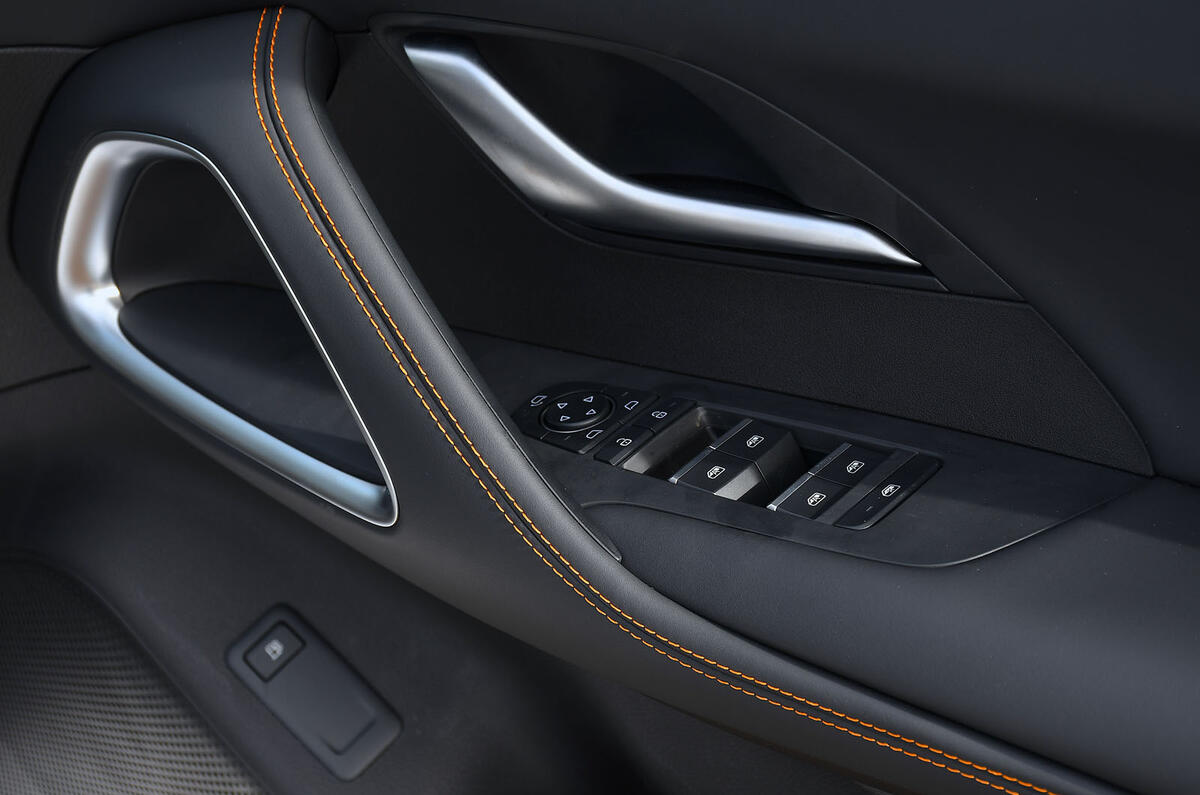
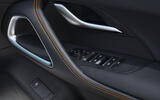
Material cabin quality is less consistently good than in BYD’s pricier models. While there are a few eye-catching touches (the glassy engine start button and the colourful stitching on the interior door handles), your attention is drawn just as powerfully to more conspicuously cheap finishes (the flimsy-looking air vents and the shiny gloss black trim of the fascia and steering wheel boss). Overall, the interior is marginally more solid and inviting than some Chinese-brand rivals but doesn’t exceed expectations of a budget family SUV.
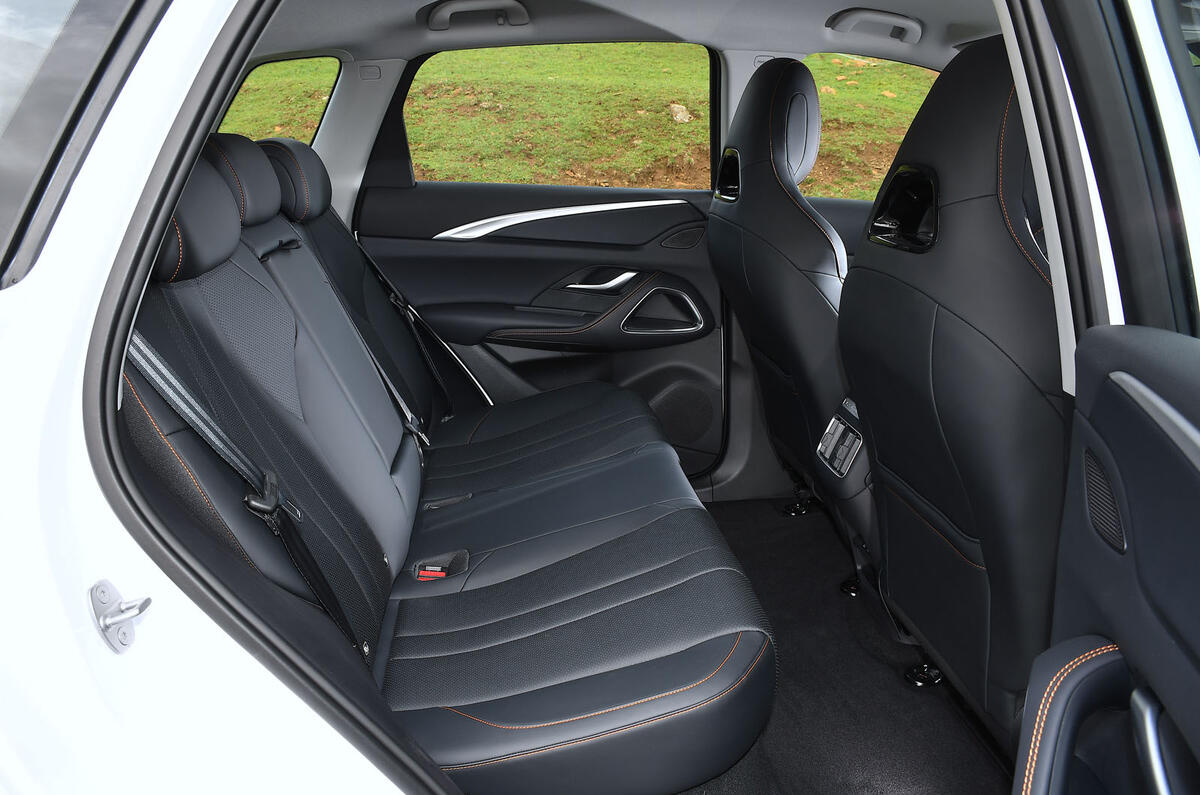
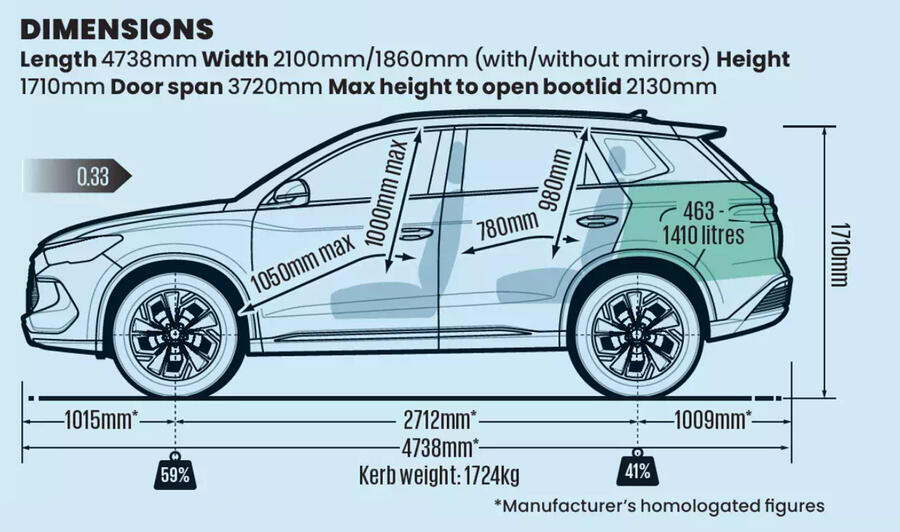
Practicality standards are at least class-competitive, and in some areas better still. While neither the front nor the back row feels particularly wide, there’s decent leg room for adults in the rear, and especially impressive head room even for taller adults.
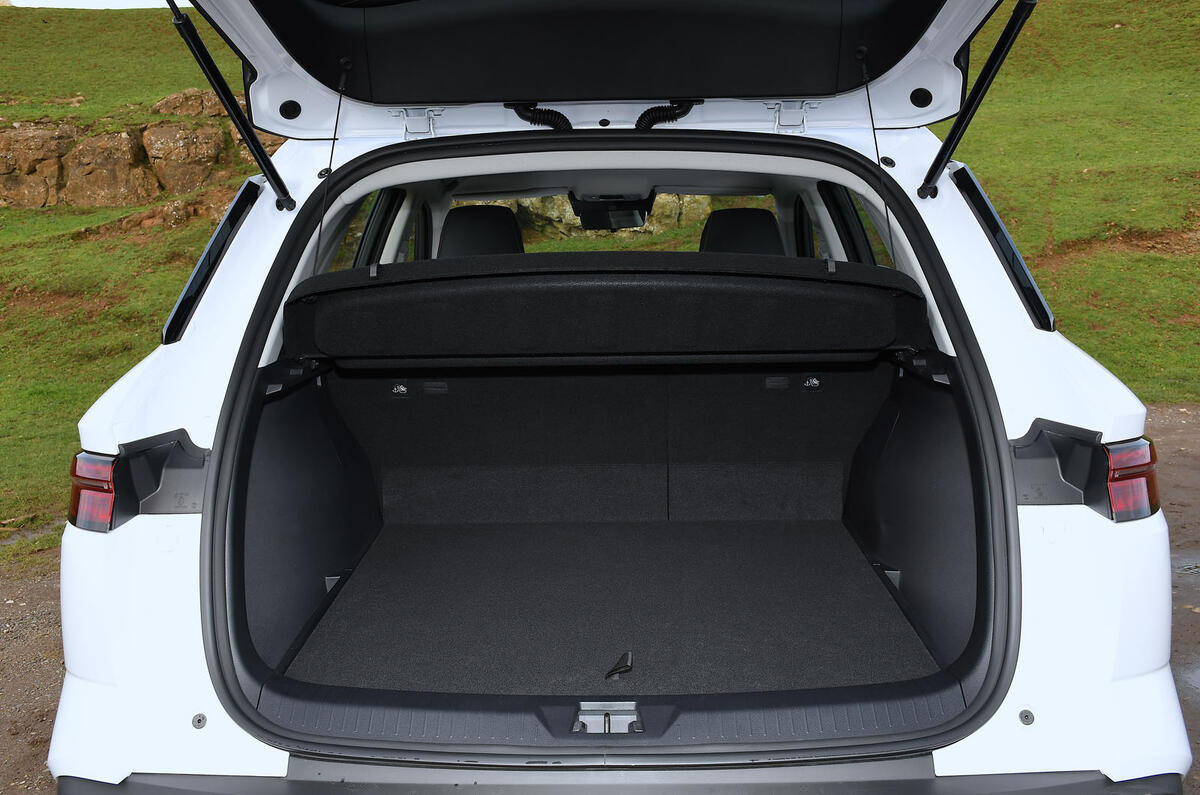
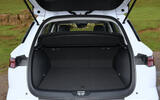
Boot space is reasonable, although BYD’s design of the storage tray under the boot floor seems a little short-sighted, since you can’t quite squeeze either of the car’s charging cables in there, nor adjust the floor downwards to liberate extra loading capacity. The available space above is a little shallow by class standards but, because the rear cabin is a good size, folding the rear seatbacks opens up more maximum loading length than some rivals offer.
Multimedia
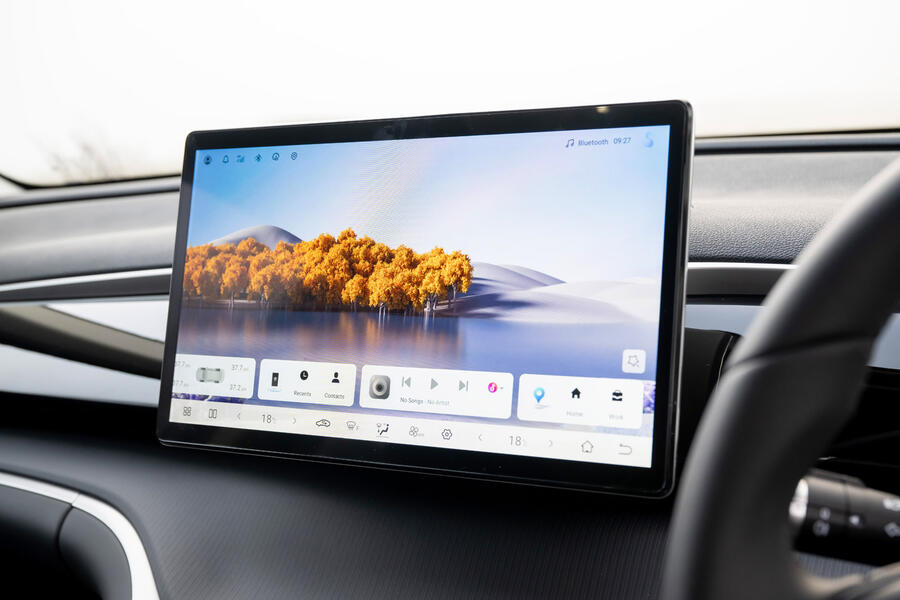
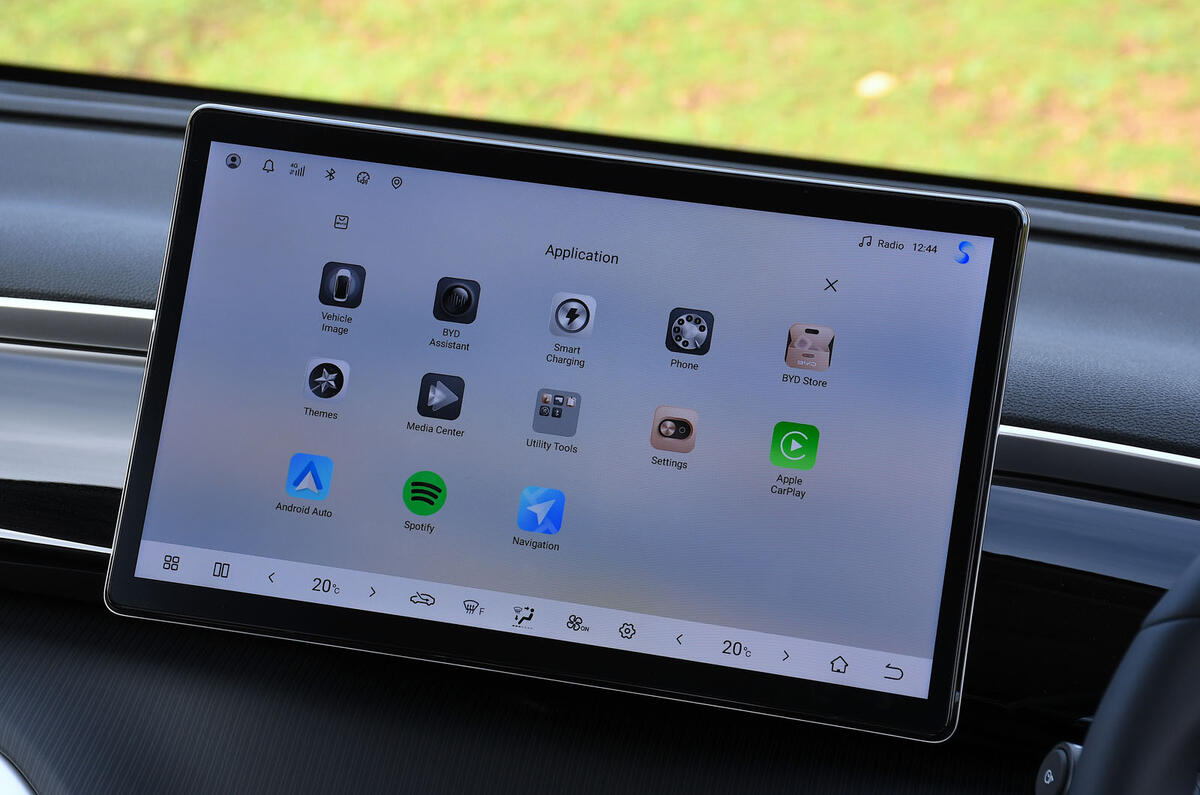
The 12.8in infotainment system on the Sealion 5 is far from the worst of its kind for usability. You can slide tiles across the foot of the home screen that give quick access to various systems and adjustments. There’s a screen of shortcut controls that you can swipe downwards to access (this allows you to turn off some, but not all, of the irksome driver assistance tech, to which we will come). And you can adjust heating and ventilation settings at the base of the display, or by swiping three fingers across the screen (up/down for temperature adjustment, left/right for fan speed), which is certainly less fiddly than any other route.
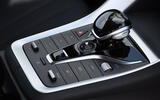
And yet it remains an annoyance to have to dive so deep into the settings menu to find the energy efficiency displays or charging settings, for instance, or for secondary driving controls for things like the regen and ‘battery save’ mode, which merit proper physical switches (some of the physical switchgear that BYD does provide, for off-road traction control and blindspot monitoring deactivation, seems oddly obscure).
There are still a few too many distractions here, though; too much consideration given to the digital tech for its own sake and not enough for making the driver’s life easy and keeping their eyes on the road.