From impressive real-world range to built-in karaoke - here is everything we learned

Since the brand arrived in the UK in 2023 with the Atto 3, BYD has enjoyed exponential growth. It sold more cars here in the first quarter of 2025 than in the whole of last year.

In September it sold 11,271 cars in the UK, which was more than Renault and essentially matching Peugeot and Skoda - and made this the company's largest market outside China.

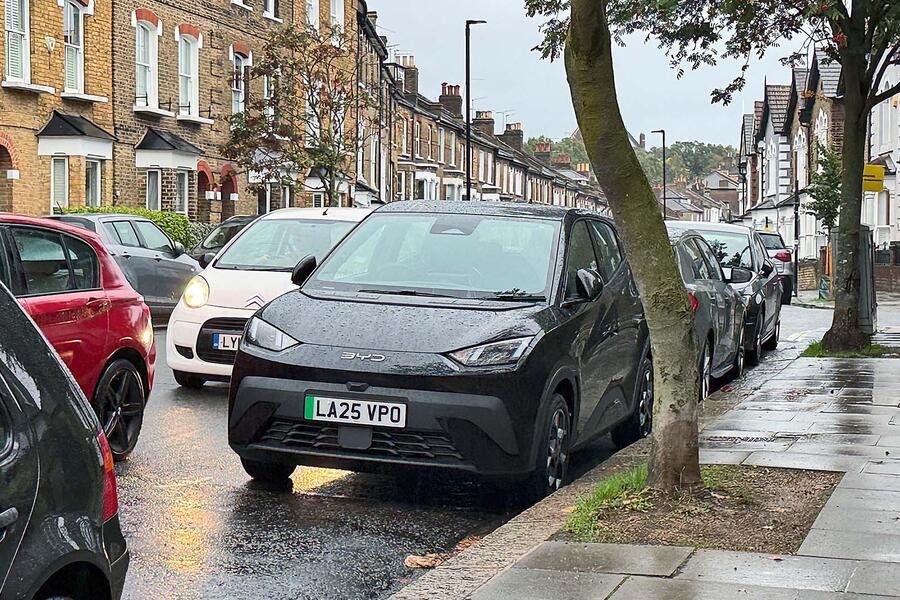
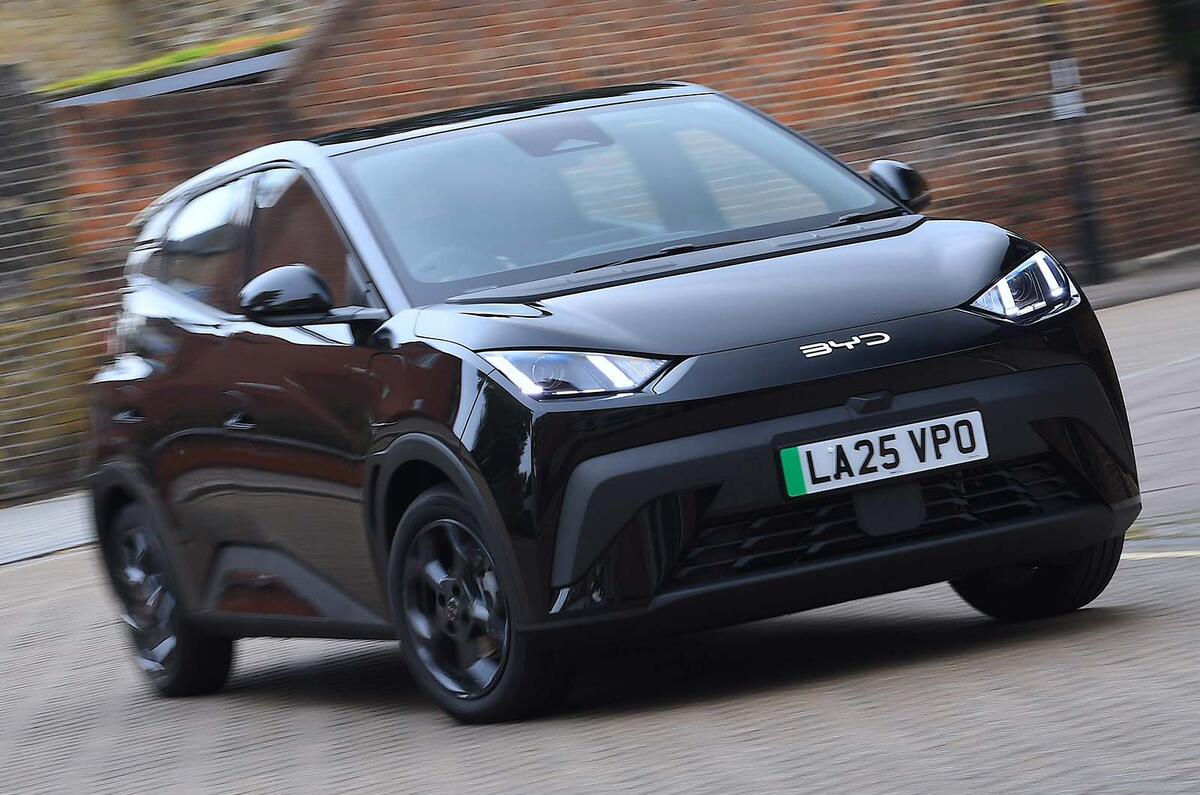
BYD has named many of its cars after marine life, including the Seal saloon and the Seal 6 estate, plus the Seal U and Sealion 7 SUVs. It is in fact an impressively varied line-up, and BYD is banking on the success of the latest addition to our fleet: the electric Dolphin Surf supermini.

Already one of the brand's biggest sellers in China, the Dolphin Surf is also among the country's most popular EVs, although elsewhere in the world it's known as the Seagull (the name was changed because us Brits aren't the biggest fans of those chip-stealing rats with wings).

Naming aside, that popularity is largely down to some attractive pricing. Even though the Dolphin Surf doesn't qualify for the UK government's Electric Car Grant, it's still one of the country's cheapest EVs.

Prices start at an enticing £18,650, which gets you a claimed 137 miles of range from a small, 30kWh battery and 87bhp from a front-mounted electric motor. Our car, in mid-range Boost trim, is priced from £21,950 and comes with a 43.2kWh battery that's good for a more useful 200-mile range, and it's mated to a 154bhp motor, so there's some more firepower too.
BYD says it will hit 62mph from rest in 9.1sec, which feels like a sweet spot for small electric cars. That certainly makes it nippy in town and capable enough for motorway use. Our car can charge at speeds of up to 85kW, which is some way behind many of its key rivals.

Advertisement

Read our review

Car review

In China this miniature hatchback costs £7500, but can BYD’s export-market value EV cut it here?

Back to top

Inside, the Dolphin Surf has all the hallmarks of the BYD model range. One of those is the cabin's unbelievably strong smell of plastic, but once you've become accustomed to it, you begin to appreciate a bright, airy and roomy interior. There's a lot of head room in both rows despite the supermini billing and, significantly, it beats the boxier Citroën ë-C3 for leg room.

Electric seats are standard, so there's lots of scope for adjustment, and the Dolphin Surf generally makes good use of its narrow, tall silhouette - although boot space is limited, at a modest 308 litres.

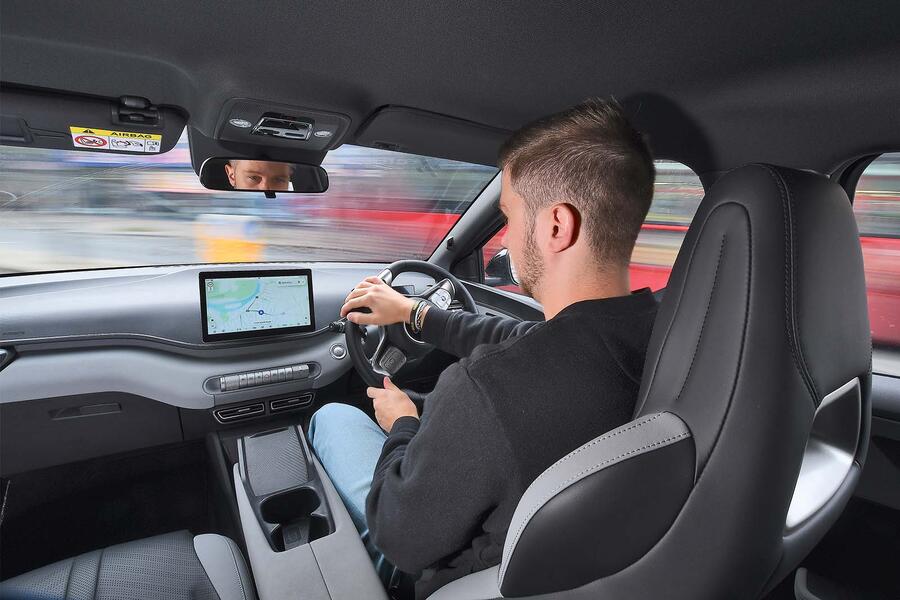
Perceived quality is good for the Dolphin Surf's price point, too, with some soft materials and solid-feeling plastics, thankfully not of the glossy, fingerprint-stained kind you see in many cars. There's a handy small digital driver's display ahead of the steering wheel and some smart-looking buttons and switches to control the vital functions.

The cabin doesn't scream cheap by any means, and in fact it puts some rivals to shame in terms of how it looks and feels inside. Then there's the infotainment system, which is feature-packed if not a little gimmick-heavy.

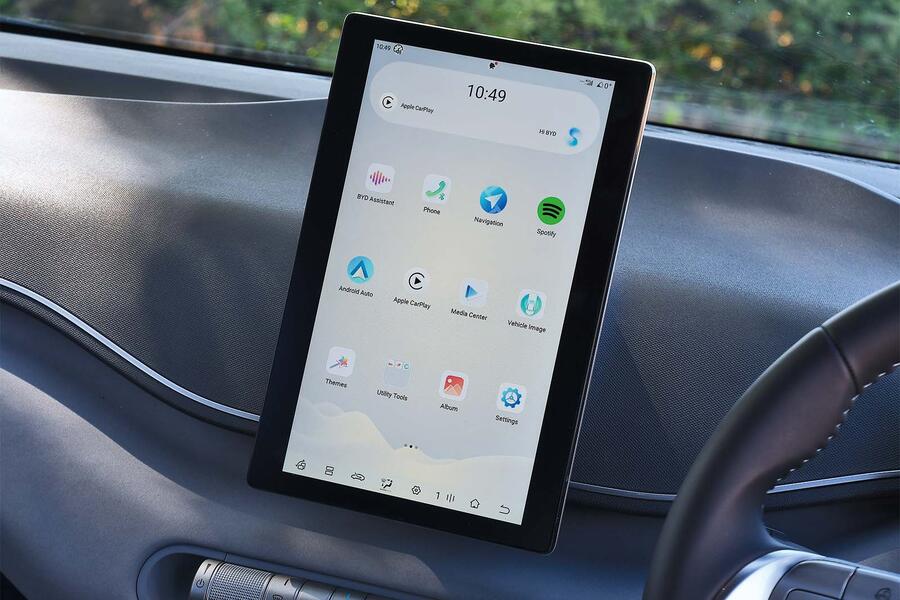
Not only can the 10.1in display rotate between landscape and portrait orientations, but it also has integrated Spotify and YouTube, plus a karaoke mode, if you're so inclined. Out on the road, early impressions are good. While there's little to excite the driver in any particular area, the Dolphin Surf seems well rounded in most departments.

Back to top

The car is comfortable in town and on country roads, and it actually can be quite fun on the right road in the right circumstances, although it's already clear that it's no match for the Renault 5 for overall enjoyment.

With my previous long-termer, the Citroën ë-C3, I complained about its poor economy and range; so far, the Dolphin Surf is far more impressive in those areas. There's a handy readout on the digital display that indicates your efficiency over the past 50 miles - and it is currently displaying 5.2mpkWh. That's really rather good, considering I've been dividing my time between city and motorway driving.

At this rate, I'd beat the claimed range by more than 10%. If you stick to town driving, BYD says it's possible to exceed 300 miles, which is more than 7.0mpkWh. All rosy then? Well, almost.

Putting somewhat of a dampener on proceedings are the ADAS features, which are overbearing to the point of frustration. Some, including the lane keeping assistance, work well, but the intelligent cruise control overcorrecting its lane adjustments on the motorway.

Thankfully, it's a feature you don't use all the time- unlike the driver monitoring system. Look away for a split second too long and it's on your case, telling you to keep your eyes on the road. Yawn at your peril-loud beeping duly follows, accompanied by a message alert telling you to take an immediate break.

Back to top

It's really quite stressful at times, and you have to turn it off every time you start the car. Frustrating driver assistance systems aside, the BYD is so far proving to be well equipped and pretty good to drive. But then the same goes for the competition-the Hyundai Inster, Fiat Grande Panda and Dacia Spring among them.

Let's see over the coming months if the Dolphin Surf can make some waves in what is fast becoming a flippin' compelling segment (sorry).

Who's up for some Karaoke?

I’d been wanting to test the Dolphin Surf’s rapid-charging capabilities since it first arrived and a longer trip outside of London provided the ideal opportunity recently.

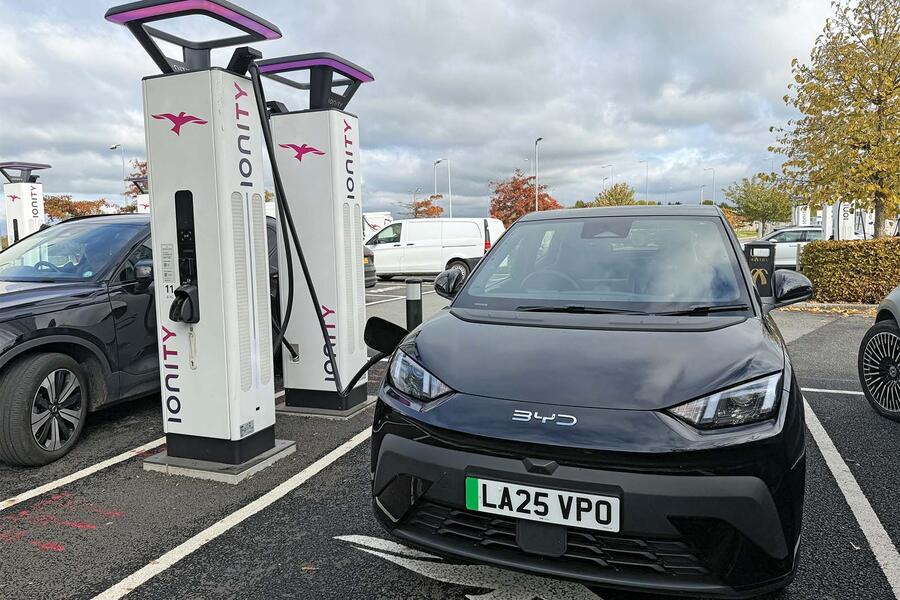
I opted for Cobham services as the designated stop for my return journey from deepest Kent. Its huge charging bay features 27 chargers - and 24 of them are 350kW rapid chargers from Ionity. They are usually reliable but can be a bit more of a faff to use than units from the likes of Gridserve and MFG.

According to BYD, the Dolphin Surf has a maximum charging speed of 85kW, which is sufficient to replenish our car’s 43.2kWh battery from 10% to 80% in 30 minutes. Surprisingly, this small EV reached 87kW early on.

But my initial excitement was soon tempered because the rate dropped dramatically to 46kW after about five minutes and sat in this range for the remainder of the charge. Result: I found myself with more time on my hands than I’d bargained for.

Back to top

Thankfully, though, the Dolphin Surf’s feature-filled touchscreen meant I wasn’t bored. As well as exploring the car’s many adjustable settings (more on those in a minute), it allowed me to download some entertainment applications from the BYD Store.

There are the usual streaming apps, such as Amazon Music and YouTube, as well as more unwanted inclusions, like Zoom video calling. However, one feature stood out to me above all others: karaoke. A swift download using the car’s built-in 5G connection meant I’d soon be headlining my very own Cobham car park concert.

Luckily for the drivers parked nearby, I opted against singing out loud and for a silent disco instead, but had I bought BYD’s official set of USB microphones from its accessory store (yours for £213), they might not have been so fortunate. There’s also a selection of games, including one called Eat More (above) that shares marked design similarities with Pac-Man.

Some might lament the sheer volume of things controlled through the screen, but I think BYD’s software is reasonably well laid out and most features are logically placed. There’s an impressive number of toggle-able settings too. It certainly has far more customisation options than you’ll find in rivals from Stellantis and Renault. Among them are the ADAS settings, pre-conditioning, energy consumption data and audio equalisation.

Back to top

The layout works well when combined with the small selection of dials and switches just below the touchscreen. In addition to being easy to access, they’re also quite tactile and they make switching the air conditioning on or off, adjusting the volume or swapping drive modes a simple job.

I used my new-found knowledge of the car’s touchscreen to adjust an option I’d been struggling with for some time: the headlights. Since day one, the BYD’s headlights had been angled far too high so that they dazzled oncoming traffic, resulting in several drivers getting annoyed and trying to blind me back.

I’d read on some online forums that other BYD drivers have experienced the same issue from the point of delivery and a dive into the settings showed the angle of my car’s lights was set to level five (the highest setting available). A quick change to level two seems to have solved the issue and I’m now no longer reprimanded by fellow road users after dark.

I’ve also opted to activate the automatic start-up feature, which effectively switches on the car hands-free when you take your seat. It made a nice change from the Citroën ë-C3 I lived with previously, which, despite its comparable price, was still operated by that archaic method of inserting and turning a key.

Despite a few early quirks, life with the Dolphin Surf has so far been simple and enjoyable. That said, with several longer journeys on the horizon, I’m curious to see if its modest charging speeds and limited range will test my patience.

Back to top

Cold snap spoils the party

As winter wraps its chilly hands around the UK, the fall in temperatures is bad news for electric cars like the BYD Dolphin Surf, which use lithium ion batteries that are prone to a drop in efficiency during these colder months.

Tests by both Autocar and sibling publication What Car? have found that an EV's range can fall by as much as 20% in colder weather but, so far, the Dolphin Surf has remained impressively resilient. I'm doing my best to mitigate the loss of range, including stubbornly refusing to switch on the climate control, no matter how low the mercury drops, and shifting into Eco mode on shorter journeys.

An unwanted side effect of this is that the windscreen rapidly steams up... Even in the coldest weather, I can't recall ever seeing less than 4.0mpkWh, which translates to a real-world range of 172 miles from the 43.2kWh battery.

That's not too bad, especially compared with the Citroën ë-C3 I ran recently, which frequently produced less than 3.0mpkWh- and that was in the height of summer. As you might expect of a city car like the Dolphin Surf, it has continued to be superbly efficient in town.

A recent trip from Twickenham to Kentish Town in north London for a concert, a trip of around 18 miles, returned an impressive 5.1mpkWh. That's equal to 220 miles, which is 10% higher than BYD's claim. On this trip, the Dolphin Surf earned further brownie points for its compact size, which meant I was able to slot into the tightest parking space just a minute or two from the gig venue.

Back to top

This was helpful, because it was absolutely bucketing down at the time. Interestingly, but perhaps in keeping with the Dolphin Surf's aquatic nameplate, our small EV has such weather covered too. The small selection of switches in the cabin includes a snow and rough weather mode, which is recommended for loose and slippery surfaces, including snow, gravel, ice or grass.

BYD says it "improves traction, driving performance and manoeuvrability". It's perhaps more suitable for quicker country roads than the 20mph streets of London, although BYD adds "it is recommended to avoid sudden acceleration or high speeds" when in use.

Given how grotty our winters can be, I'm sure this mode will be getting a fair bit of use in the weeks and months ahead. 

More kit, more power...less range

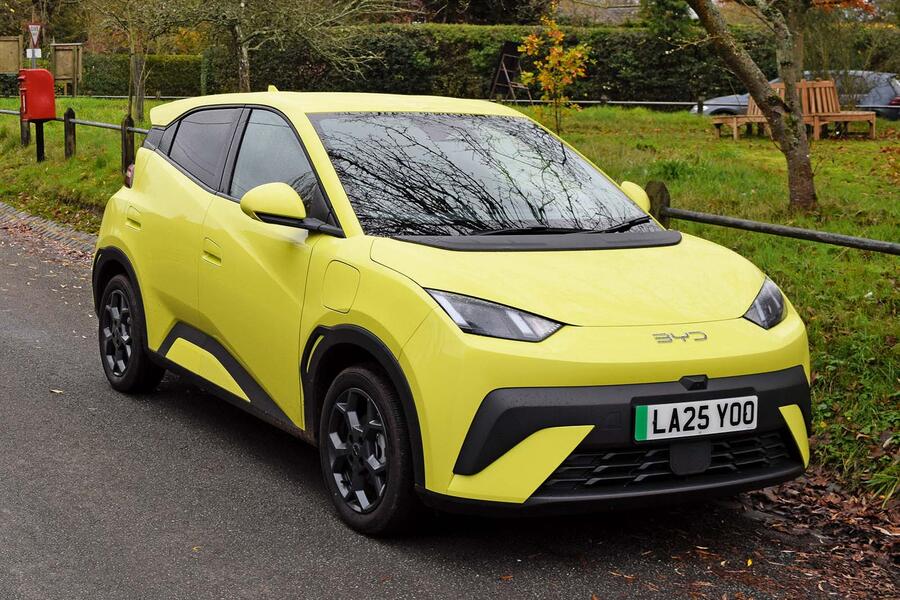
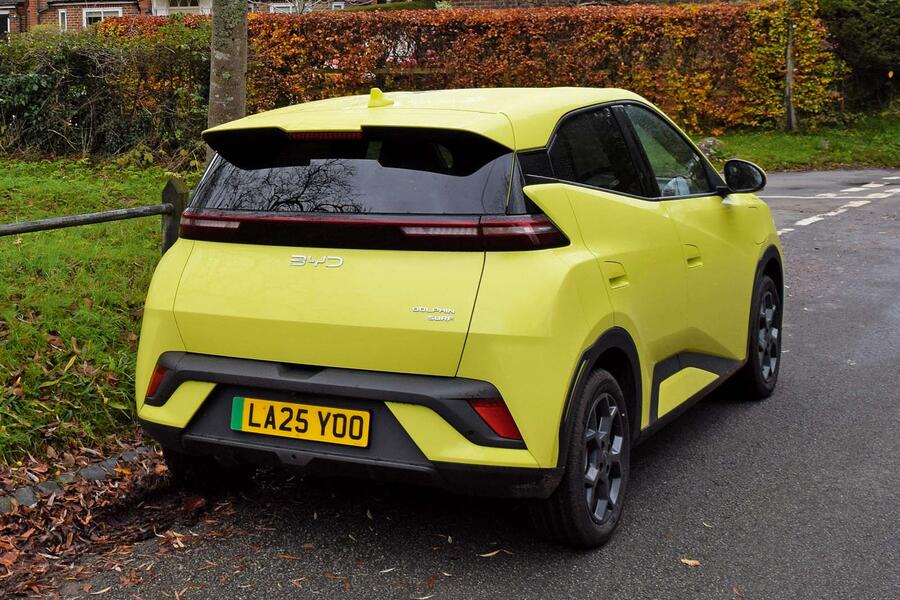
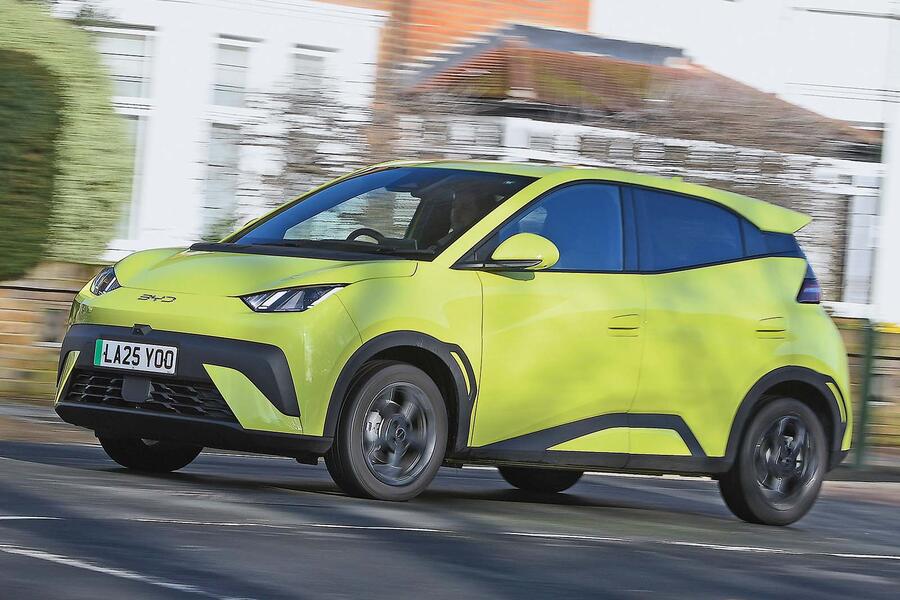
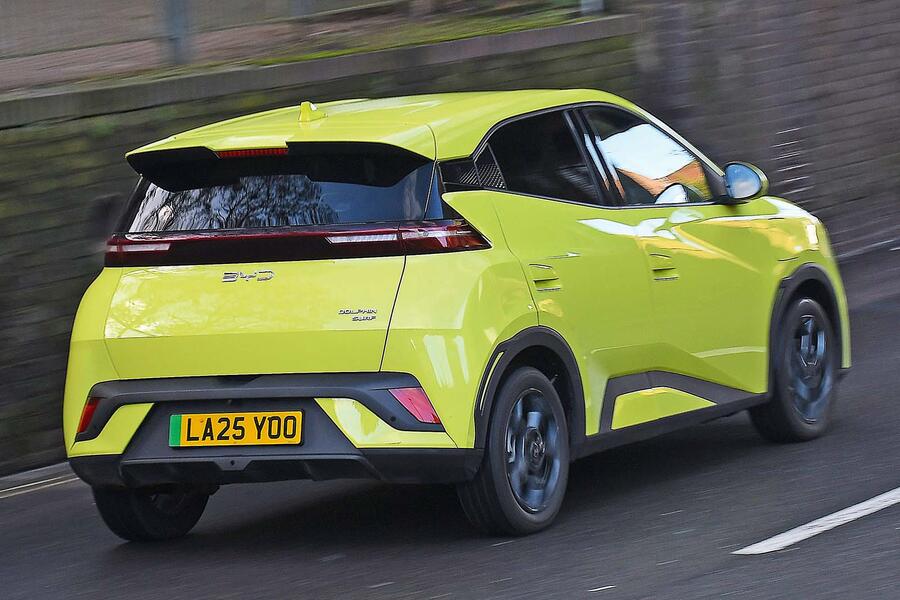
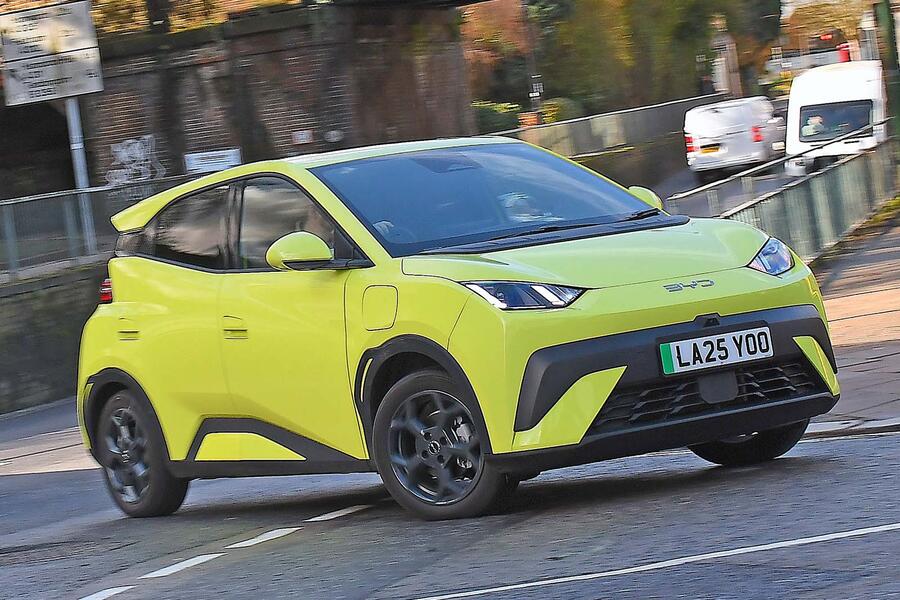
After several months with a Dolphin Surf Boost, I've swapped into a range-topping Comfort model. The most obvious difference is impossible to miss: its vivid Lime Green paint. This is the supermini's standard colour and wouldn't look out of place courtside at Wimbledon. It's delightful, don't you think?

The Comfort model comes with plenty of equipment on top of the already healthy spec of the middle-rung Boost. It costs around £2000 extra, at £23,950-about the same as the 152bhp version of the Renault 5, which has comparable kit.

Back to top

The halogen headlights of the Boost have been replaced with much brighter, automatically activated LEDs, which has emphatically addressed one of my major gripes with the car. The rear windows are now tinted, and more changes are found inside.

The addition of heated front seats is most welcome as we enter peak winter, and they get toasty warm. Frustratingly, though, they are activated solely through the touchscreen. A useful wireless smartphone charging pad has been added to the centre console, and there's a 360deg camera instead of the reversing camera in the Boost, which makes backing into a parking space easier than ever.

While the 43.2kWh LFP battery is carried over from the Boost, output from the single motor is up from 87bhp to 154bhp. I mentioned in my introductory report that our original car had the 154bhp powertrain. Turns out I was mistaken.

It just goes to show, I suppose, that the 87bhp motor I hadn't initially realised it was equipped with isn't as weedy as it might appear. Even so, you can really feel the Comfort's extra punch, with the 0-62mph time dropping from 12.1sec to 9.1sec.

The downside of the additional power is that the Comfort is slightly less efficient than the Boost, BYD claims a range of 193 miles for my giant tennis ball, down from 200 miles. The urban driving range also drops from 305 miles to 288 miles, which is a shame if no deal-breaker.

Back to top

In the real world, I'm seeing quite a big difference between the two models. I was able to get around 4.3mpkWh (185 miles) from mixed driving in the Boost, and as much as 5.6mpkWh in town, but the Comfort hasn't been as frugal so far: I'm seeing an average of 3.8mpkWh and 4.5mpkWh respectively.

There are a couple of caveats here to consider: more prolonged use of the climate control, because the temperature has dropped lately, and my self-indulgence with the extra performance. Enjoyable as the easier overtakes and 70mph cruising are, I certainly need to keep a more focused eye on my remaining miles on longer journeys nowadays.

The added power undoubtedly brings a welcome dose of fun to the BYD too. While it can't replicate the engagement of a lightweight, manual, petrol hatchback, the car is agile and composed on winding country roads, and its nippy, darting character is still very much intact around town.

I will be spending a few more weeks with the Comfort to see whether it justifies the extra outlay. So far, I've been using most of the additional equipment on a daily basis, so early signs are the £2000 upgrade could well be worth it.

Can I fit my 6ft 5in mate in the back?

While small electric cars often leave me cold in terms of driving thrills and engagement, they have a knack of making up for it with a number of sometimes unexpected practical benefits.

One of the main perks is more space than is typical in a small combustion-engined car. For example, EVs don't require certain mechanicals, like a transmission tunnel or exhaust system, so benefit from a flat floor. This is something my passengers and I have really appreciated in the Dolphin Surf.

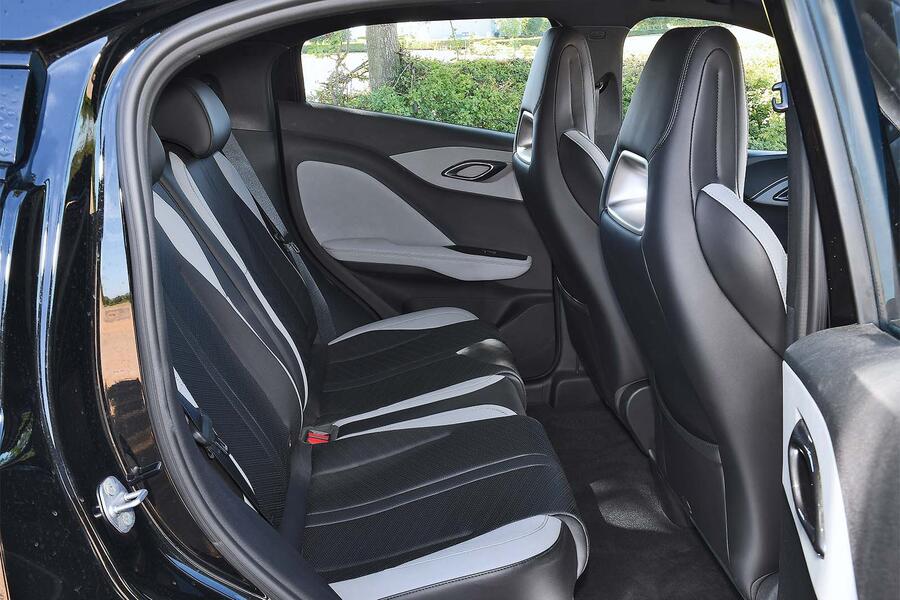
For a small car, the space inside really is impressive. It's vast in the front for both driver and passenger, with plenty of scope for adjustment, thanks to electric seats, which also make it easier to get comfortable. In the second row, there's enough room for two adults to sit in relative comfort. My parents had little complaint when I shoved them back there. No bashed heads, no squashed knees.

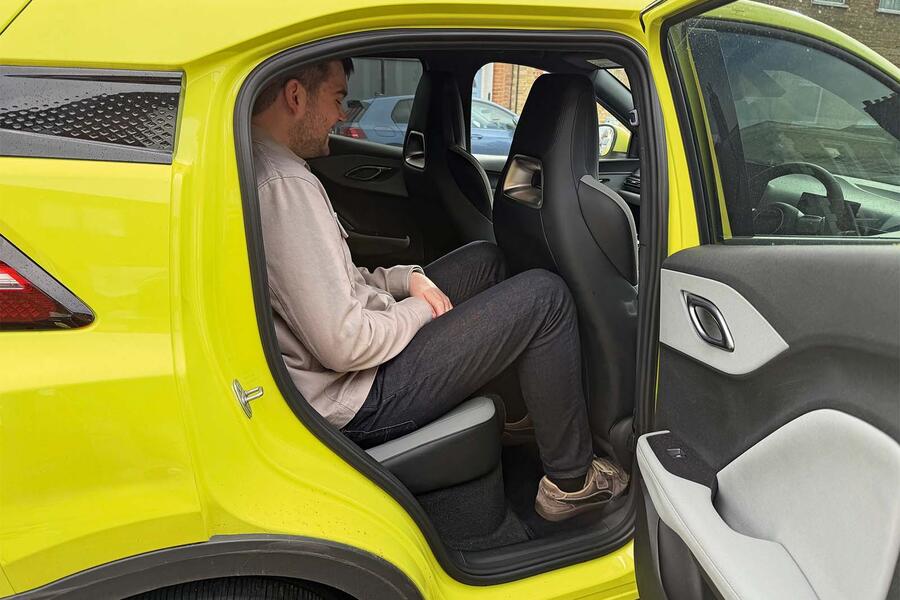
That said, they're both reasonably short, so I wanted to find out if someone over 6ft tall would soon start to feel claustrophobic. I therefore asked a reluctant Danny Davies, Autocar's editorial assistant, to be my guinea pig.

Back to top

Towering over the rest of us at a frankly unfair 6ft 5in, he perhaps not surprisingly found it particularly uncomfortable in the leg, although the Dolphin Surf's tall stature meant there was more than enough head room. By way of thanks for using him as a piece of road testing apparatus, I promised to upgrade Danny to a shotgun ride in future.

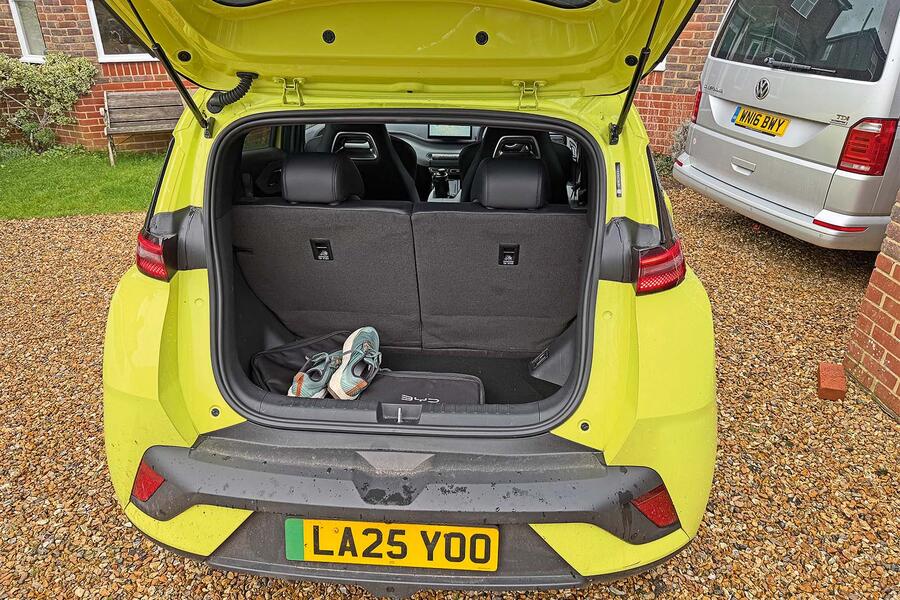
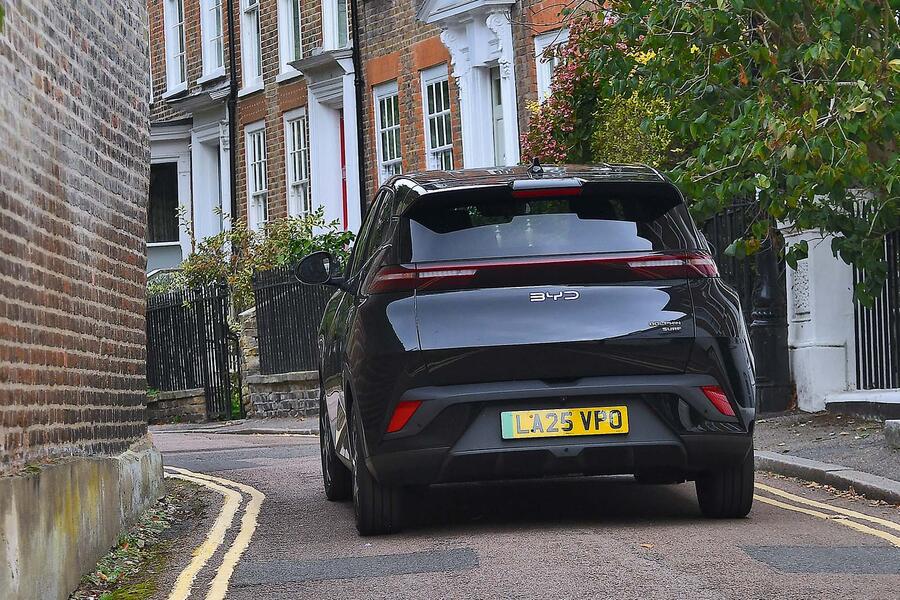
While the Dolphin Surf's people-carrying abilities are mostly good, then, occupants might wish to travel light. Boot space is a modest 308 litres, which compares poorly with the rival Hyundai Inster (351 litres) and Renault 5 (326 litres). A single large suitcase (or, as I discovered one evening, one bag of footballs) fits, as does a large weekly shop crammed in next to my work bag.

Family airport runs are off the table; my girlfriend and I took the bus to Heathrow instead during the holidays, as we had too much luggage for the little EV. While a compartment beneath the boot gives you somewhere to put smaller items, in my case it's permanently occupied by the charging cable. I often don't even bother using the boot if I'm alone, given that the back seats actually represent a much larger space.

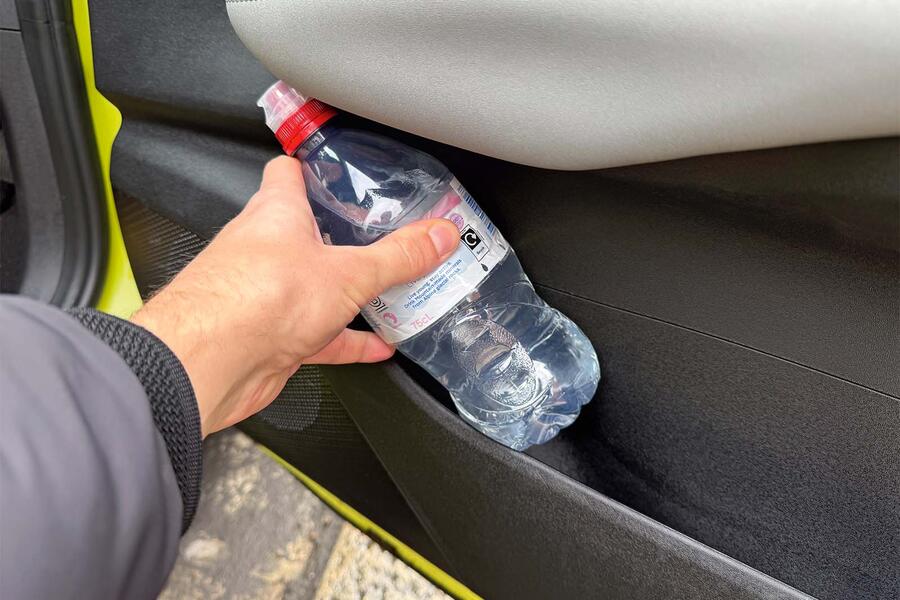
Other storage areas around the car have their limitations too. The bottle bins in the doors are a bit of a strange, narrow shape and ultimately far too small, so most plastic bottles bigger than 500ml have to be squeezed in and metal flasks are out of the question.

Back to top

Meanwhile, the storage area beneath the centre console is large but exposed so not of much use once you have parked up. The glovebox at least is capacious, so valuables can be stored safely in there. While larger families might wish for more space than the Dolphin Surf can offer, it is well equipped for the school run, as both rear seats have Isofix anchors for a child seat.

It's these little things this small EV on the whole does well. It won't bulldoze its way to the school gates as the bell rings like a range-topping SUV or draw coveting stares from both kids and parents like a super-cool Renault 5, but decent levels of comfort (if you're under 6ft 5in), a nippy powertrain, commendable efficiency and some practical touches make it a reliable and capable car for the urban sprawl.

For day-to-day life, the Dolphin Surf can be very good indeed. 

Verdict: No Renault 5 – but not far off

During my time running a BYD Dolphin Surf, I sampled two versions of the Chinese small electric hatchback, both of which had some significant pros but neither without cons.

I started Surfing in autumn last year, when Autocar took delivery of a mid-level Boost model, which was fitted with a 43.2kWh battery to offer an official range of 200 miles. It had a single motor making 87bhp for a 0-62mph time of 12.1sec. Priced at £21,950, it featured a reversing camera, automatic headlights, electric seats, Apple CarPlay, plenty of buttons and switches and a spacious interior.

Back to top

This model was hardly rapid but proved more than powerful enough for daily duties, especially when zipping around town. Efficiency was where it particularly excelled: the car put to bed the consumption worries and range anxiety I had previously experienced on a regular basis in one of its incredibly inefficient rivals, the Citroën ë-C3.

In town, the Boost would regularly return as much as 5.5mpkWh, while mixed driving commonly yielded 4.4mpkWh - still impressive, and the consequent real-world range of 190 miles wasn't far off the official claim.

After a few months, I switched to the higher-powered, better-equipped Dolphin Surf Comfort, priced £2000 above the Boost. This model had the same battery but a considerably punchier, 154bhp motor that shaved 3.0sec off the 0-62mph time. Extra standard equipment included automatic LED headlights, wireless smartphone charging, a 360deg camera, heated front seats and privacy glass.

While the Comfort's additional poke was always welcome on the motorway, the consequence was a predictable drop in efficiency. I saw a still respectable 4.5mpkWh in urban settings, but mixed driving plunged that figure down to 3.9mpkWh - equal to only around 168 miles of range, against the 193 miles quoted by BYD.

Most journeys outside of the M25 were to visit family-140 miles there and back-which often came scarily close to range-anxiety territory. Thankfully I never had any problems with charging, despite the car's relatively slow 85kW charging speed. A 10-80% fill tended to take about 30 minutes.

Back to top

So, first of all, which of the two Dolphin Surfs would I pick over the other? For my own needs, the Boost offered the best-value package, with ample in-car technology and excellent efficiency. Yes, the added equipment on the Comfort model was handy (especially the heated seats in winter), but the Boost had almost everything most motorists who prioritise short-distance city driving would need in a new car.

There is also an £18,675 Active version of the Dolphin Surf, which I didn't get to try, but it has a 30kWh battery returning 137 miles of range. Not enough for me, but possibly ample for those who do mainly short hops and can charge at home.

Efficiency and equipment aside, my two test cars largely shared the same strengths and weaknesses. Starting with the positives (and there are plenty), both were good to drive and relaxing over longer distances, thanks to decent agility, body control and ride comfort.

Driving in town was a doddle too, helped by the Dolphin Surf's narrow body (1720mm), quick steering and small turning circle (9.9m). Interior space was plentiful, with leg room in the front and the back surpassing that of the rival Renault 5. Quality fabrics and soft materials lifted the ambience, and the rotatable touchscreen (10.1in in both cars) kept me entertained during charging stops with a karaoke mode, a web browser and built-in video games.

Back to top

Sorry if any of you were subjected to Warrick belting out Katy Perry. As for the negatives, the ADAS features, standard across the range, are among the most aggressive I've experienced. This is especially true of the driver monitoring system, which was eager to tell me off whenever I wasn't looking straight ahead.

Turning them off became a serious chore: I calculated that I'd trawled through the multiple touchscreen menus more than 100 times to switch off these systems in my short time with the two cars.

While the overall driving experience revealed a competent little car, neither version of the Dolphin Surf was especially fun. The Renault 5 is the more rounded driver's car and of the two is happier being hustled at higher speeds. The boot, meanwhile, was a bit limiting even for my modest needs - at 308 litres, it's 18 litres down on the Renault 5's - and needless to say would be insufficient for larger families.

But this is a city car, after all, so luggage space and driver engagement won't be priority areas for those considering one. My time with the Dolphin Surf was a positive one overall, then, and credit to BYD, still relatively new to the UK market, that I struggled to uncover any serious flaws. I experienced no faults that could be blamed on the car, and in my opinion no other model in BYD's burgeoning line-up fulfils its brief better than this one does.

Back to top

While I'd probably still choose a Renault 5 or a Citroën ë-C3 (despite that poor efficiency) with my own money, it's clear that Chinese EVS like the Dolphin Surf are maturing quickly and are already in position to compete very strongly with their European counterparts, especially when the financial savings are taken into consideration.

BYD Dolphin Surf Comfort

Prices: List price new £23,950 List price now £23,975 Price as tested £23,950

Options: None

Economy and range: Claimed range 193 miles Battery 46.0/43.2kWh (total/usable) Test average 3.9mpkWh Test best 5.9mpkWh Test worst 3.3mpkWh Real-world range 168 miles Max charge rate 85kW

Tech highlights: 0-62mph 9.1sec Top speed 93mph Engine Permanent magnet synchronous motor Max power 154bhp Max torque 220lb ft Gearbox 1-spd reduction gear, FWD Boot 308 litres Wheels 6.0Jx16in, alloy Tyres 185/55 R16, Hankook iOn ST AS Kerb weight 1465kg

Service and running costs Contract hire rate £140 pcm CO₂ Og/km Service costs None Other costs None Fuel costs £256.32 Running costs including fuel £256.32 Cost per mile 9 pence Faults None

Add a comment…