














We say it a lot, but Autocar’s road testers provide the most comprehensive new-car buying advice you can find. Each review they write is packed to the gills with helpful outlines of a particular car’s strengths and foibles and is a must-read for any prospective buyer of that vehicle.
But none of that is much use when you’re approaching a busy junction in a car you’re considering buying – with the current owner in the passenger seat and a bus behind you – and the engine dies. Should you ignore it or address it? Is that cause enough to walk away from the deal? What I did – and what you most definitely shouldn’t do when test-driving a potential purchase – is turn to your co-pilot, ask if it really did just cut out and be satisfied when they reply: “Erm, no, I don’t think so…”
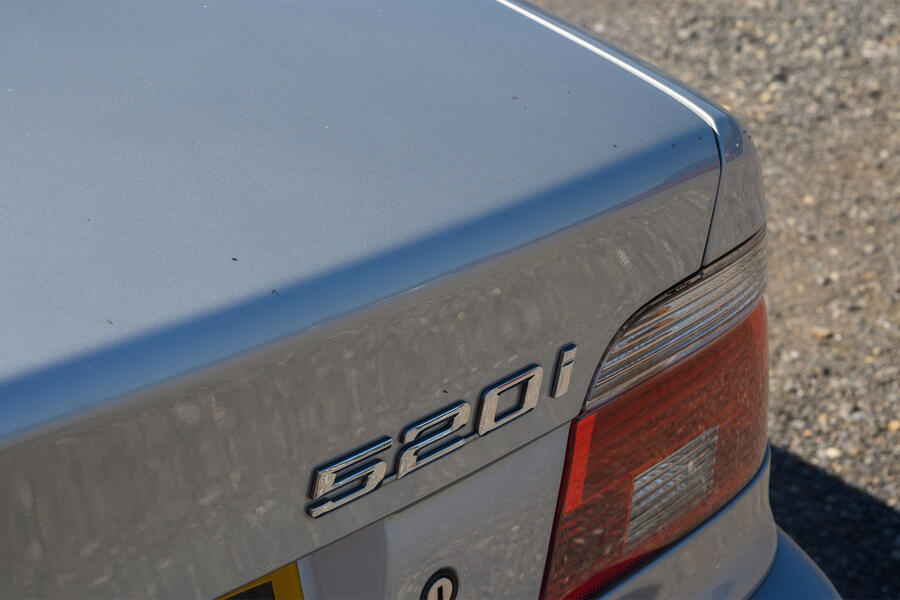
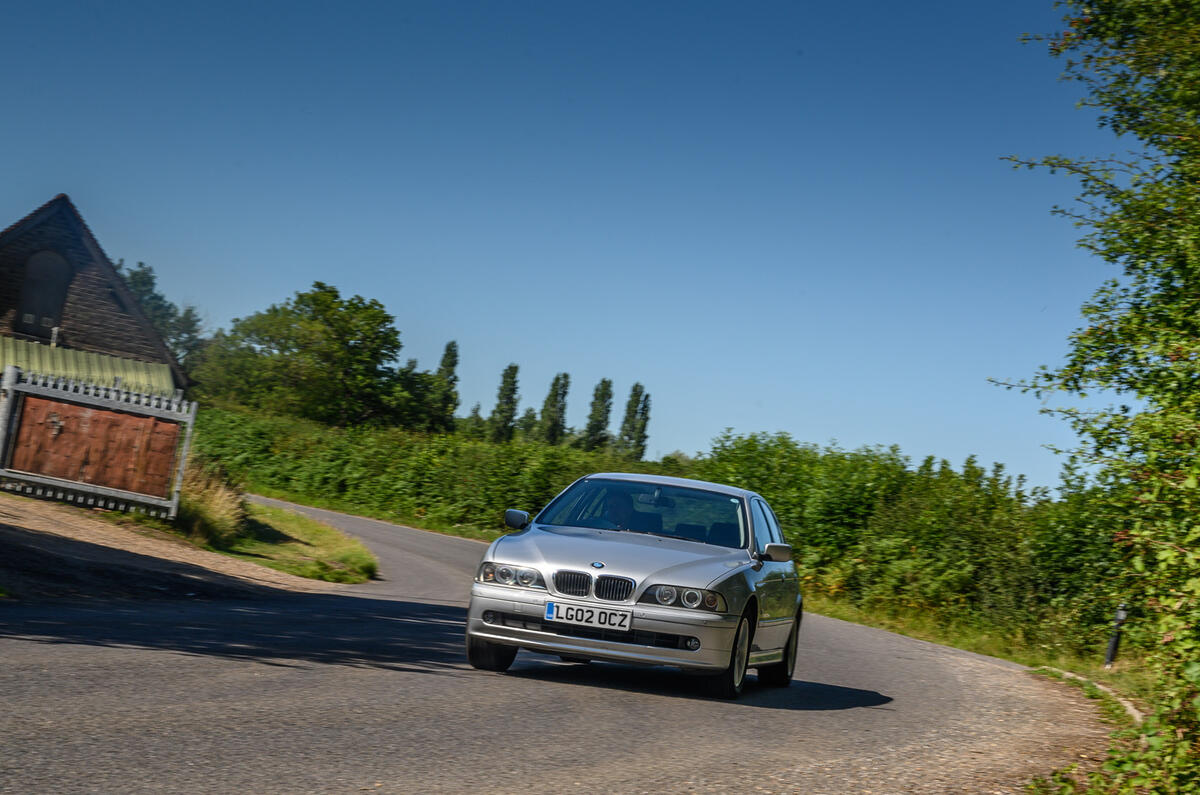
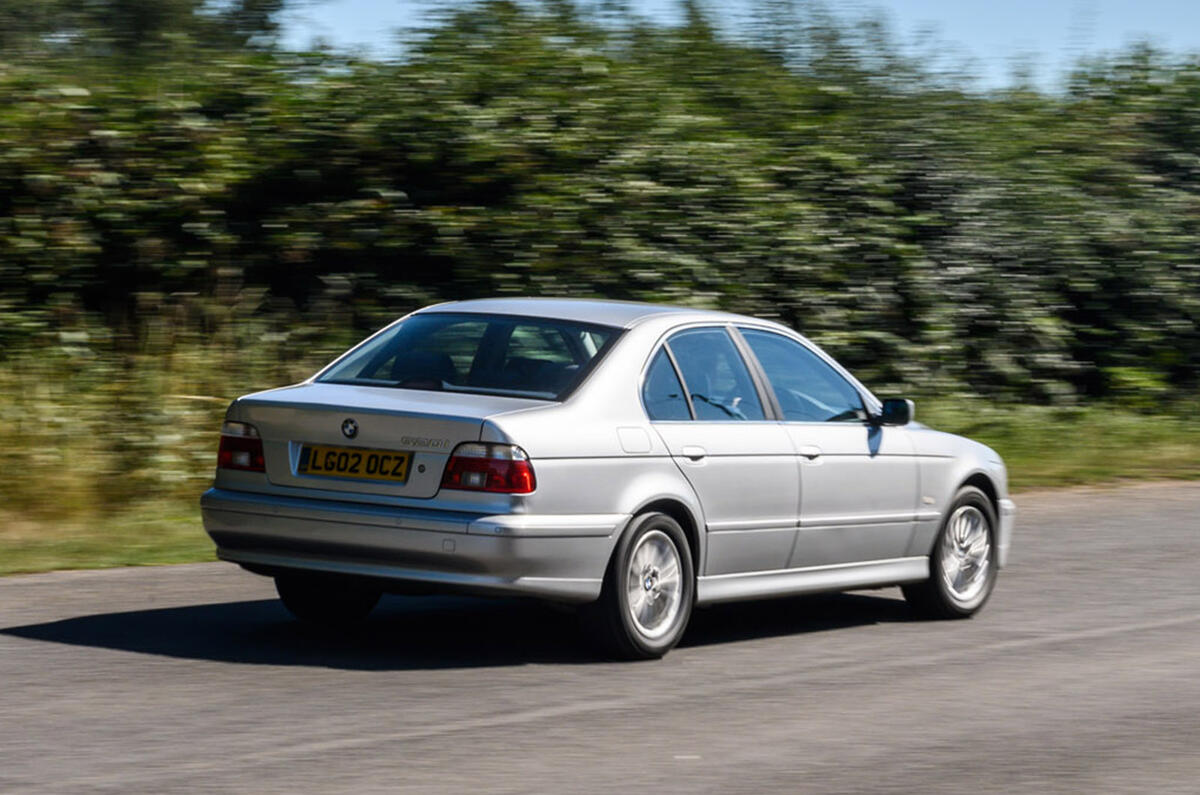
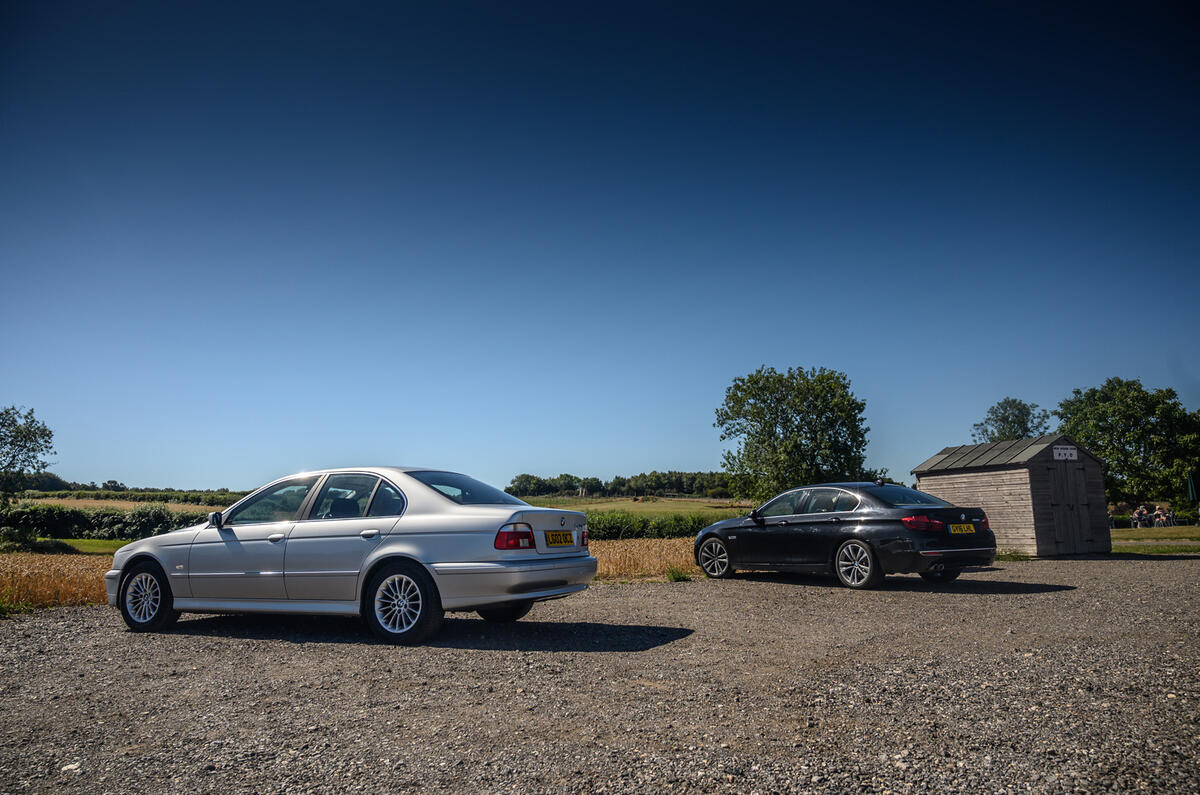
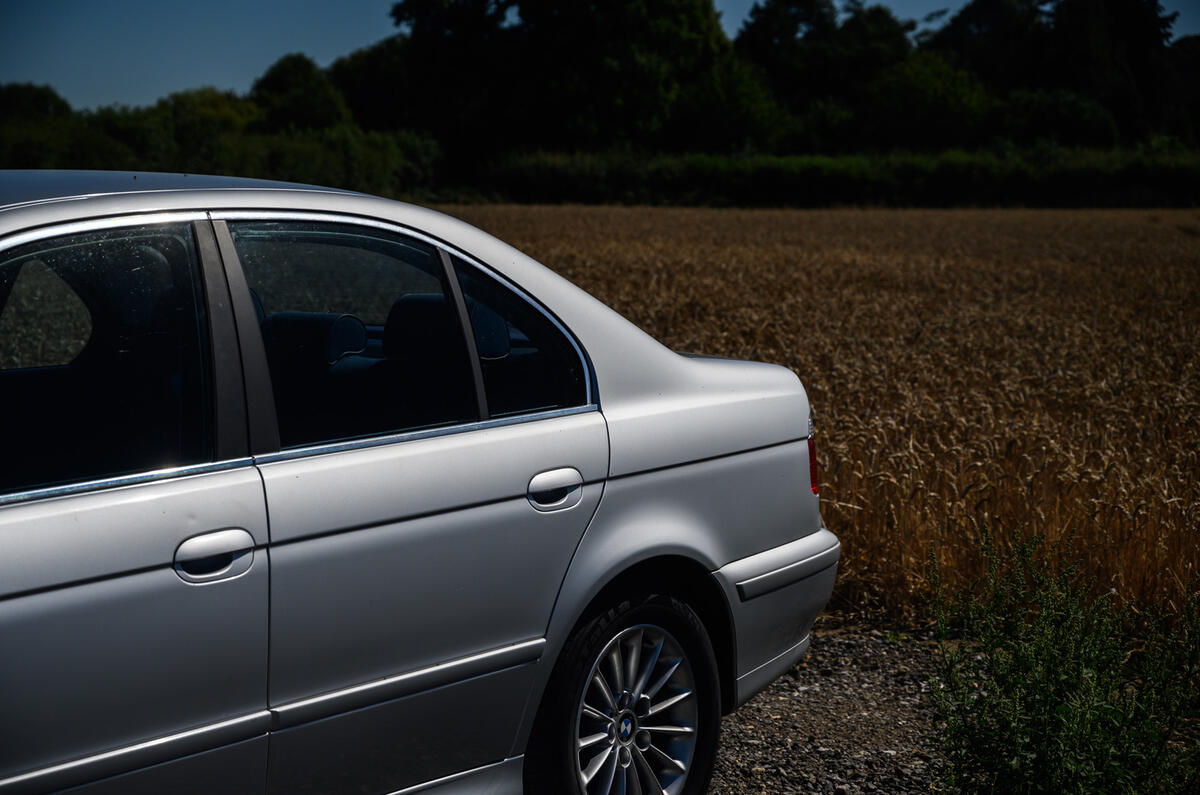
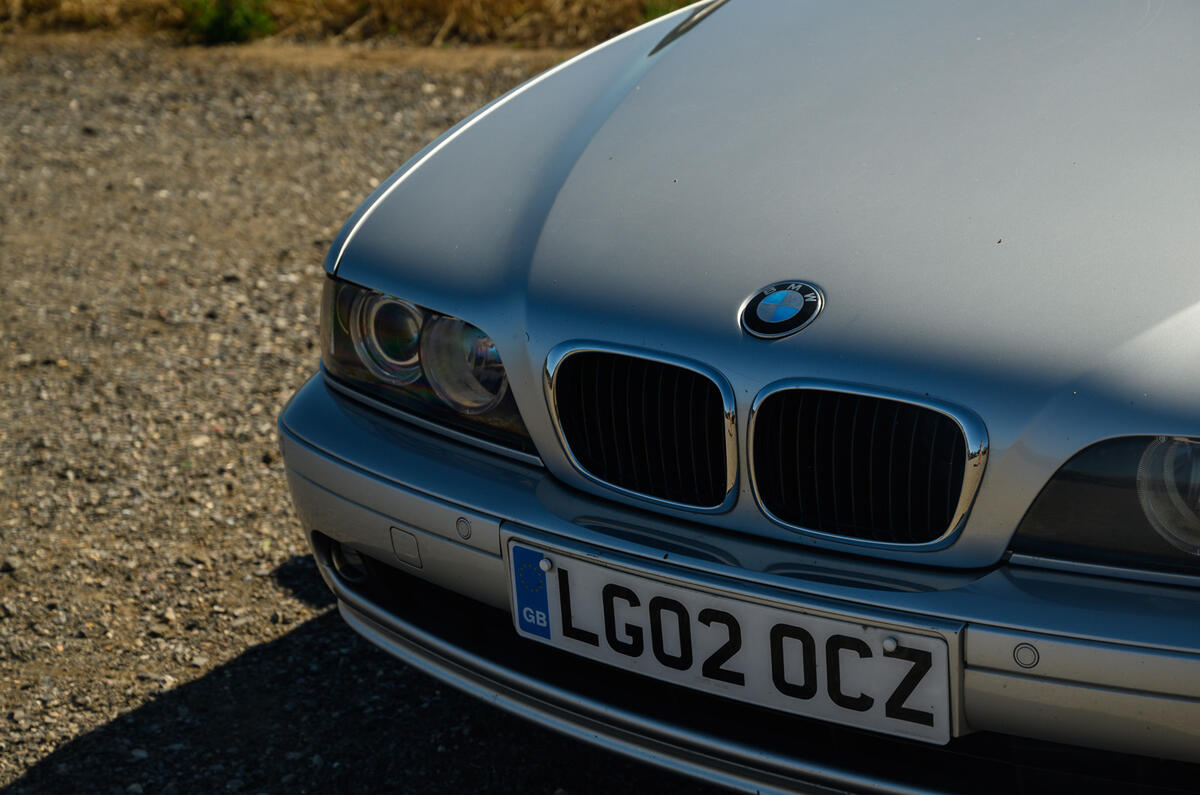
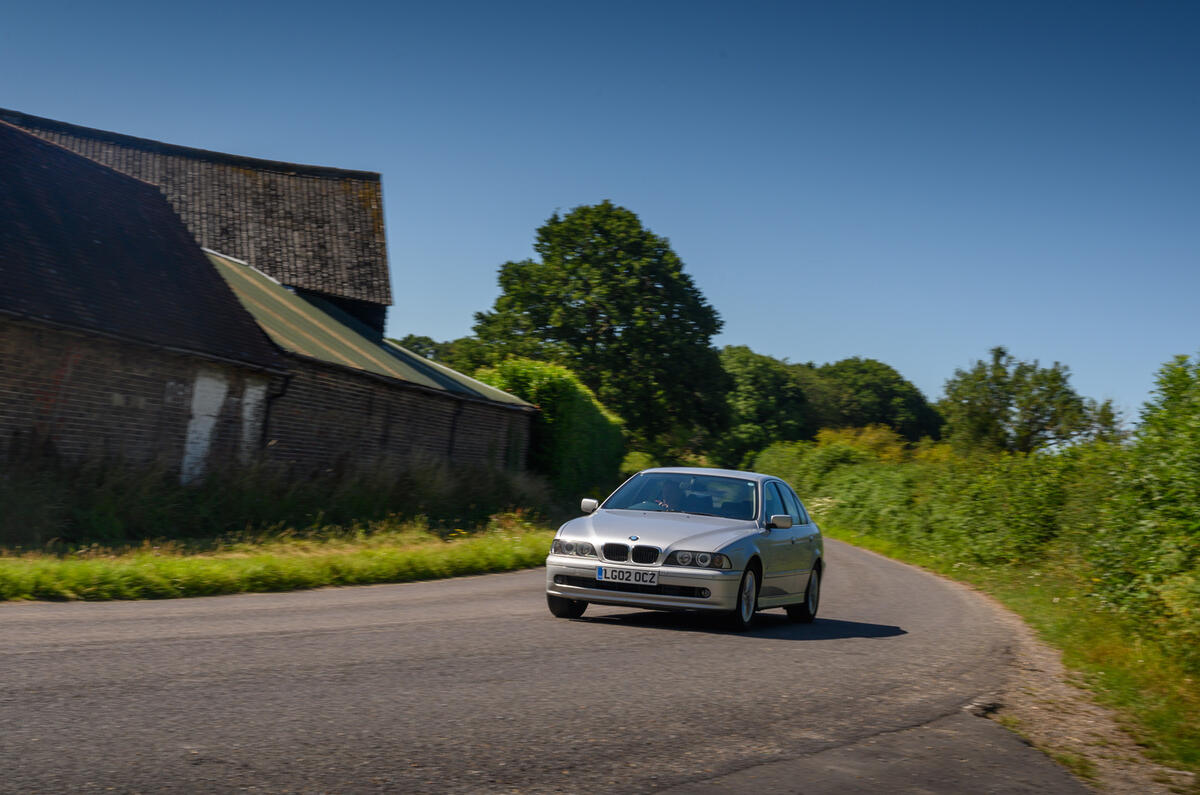
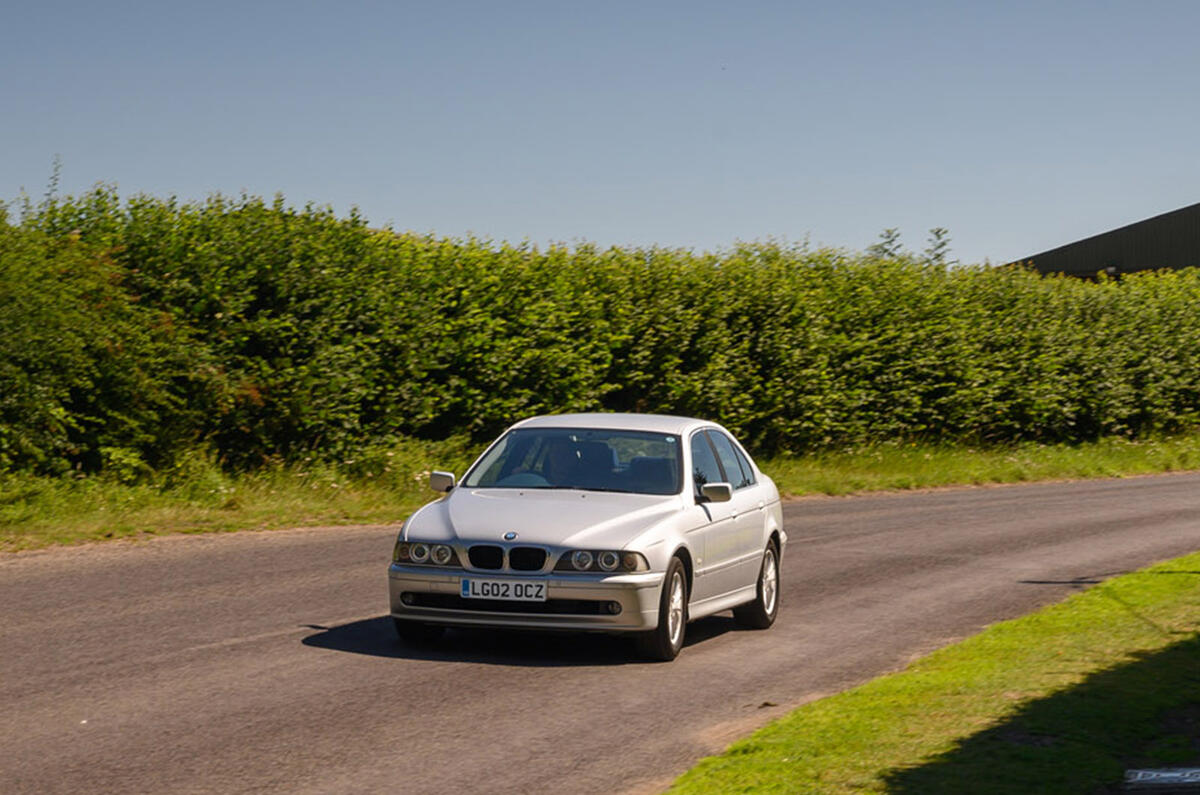
And so it was with this E39- generation BMW 5 Series saloon, which, in spite of its overwhelmingly evident reluctance to come home with me, now takes up 8.46 square metres of my driveway outside.
We’ve always liked the E39. Enthusiasts say it’s a must-drive and our sibling title What Car? recently named it one of the best cars in its 47-year history. So when this example was listed online for less than £1000, with some of the blurriest and most unclear pictures ever taken, it had to be worth a look.
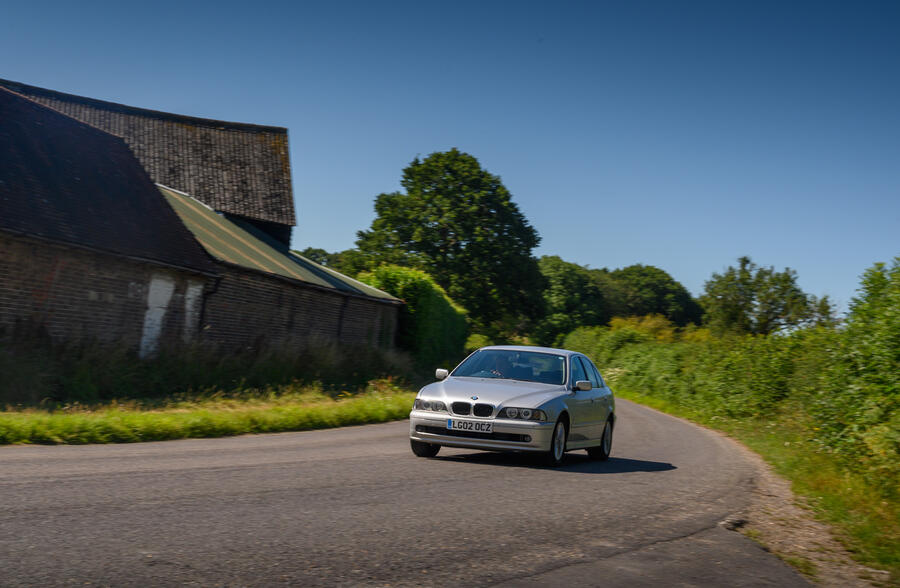
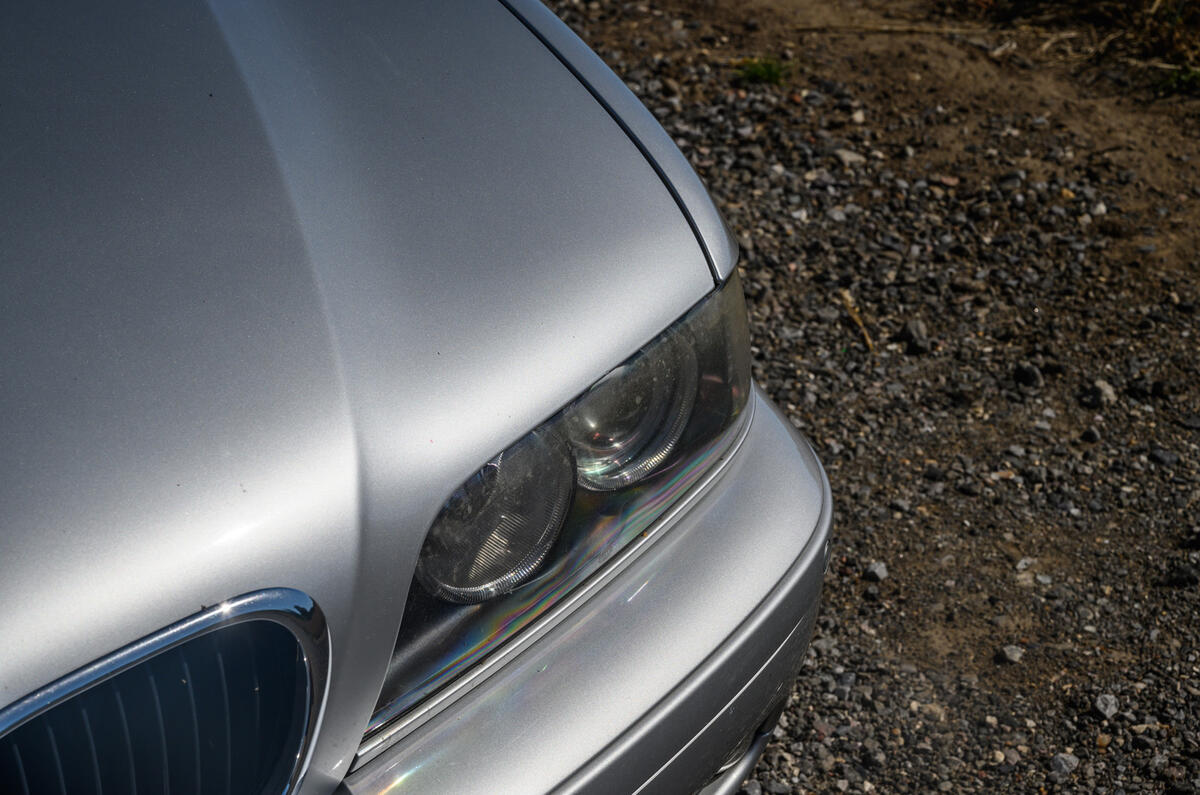
At least I did something right: never trust the photos. It had clearly been sitting for longer than the “couple of weeks” alleged by the seller (the tyres were cracked, the wipers were useless, the headlights were milky and my arachnophobia meant I couldn’t go anywhere near the wing mirrors), but this was a clean car – outwardly, at least.
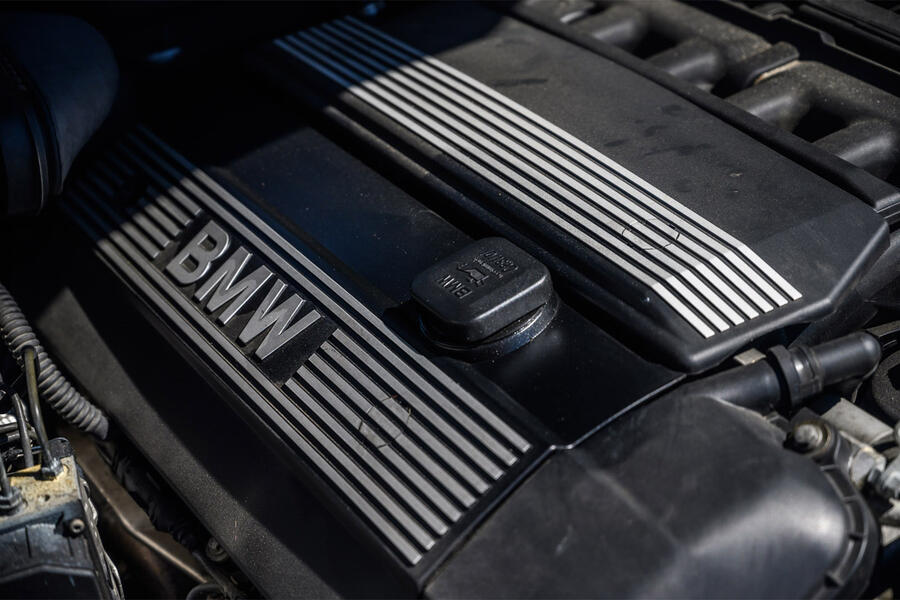
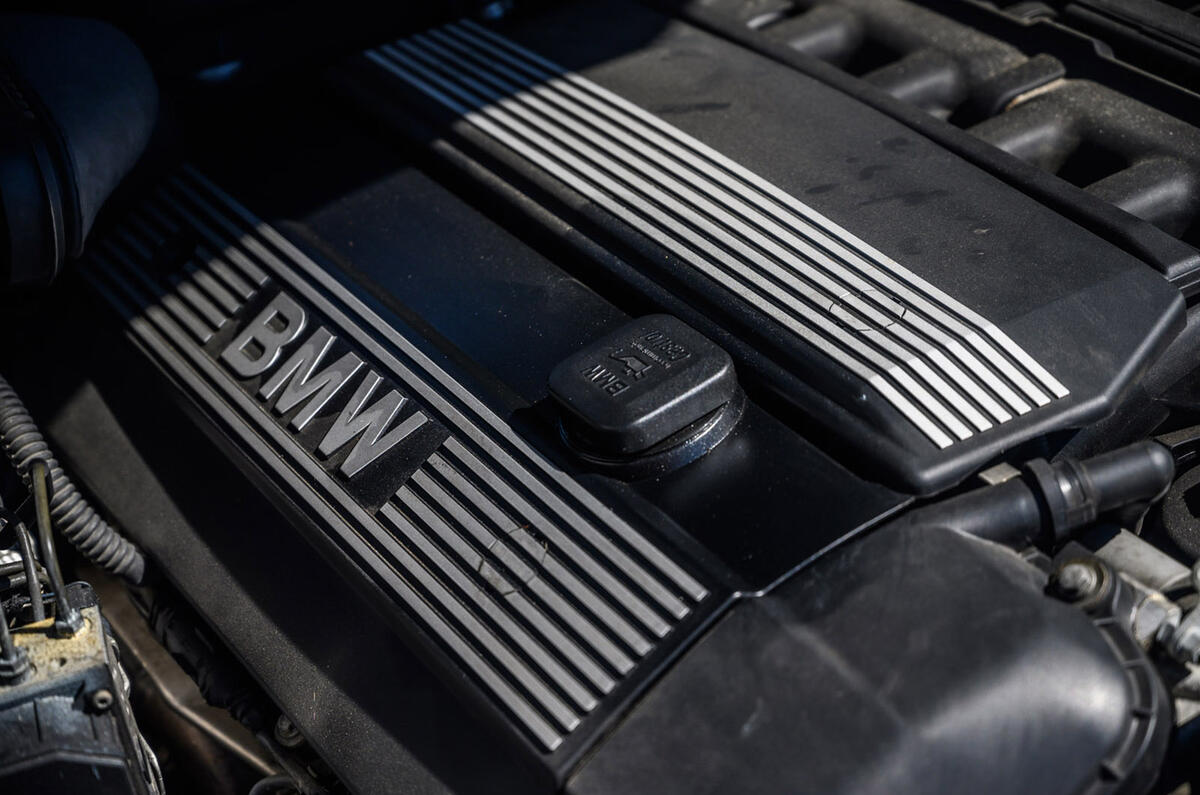
Having been assured that the engine hadn’t been warmed through ahead of our arrival, it was a surprise when it instantly cranked into life and settled into a steady idle, although slightly worrying – and perhaps foreboding – was the seller’s proud proclamation to have recently replaced the injectors themselves.
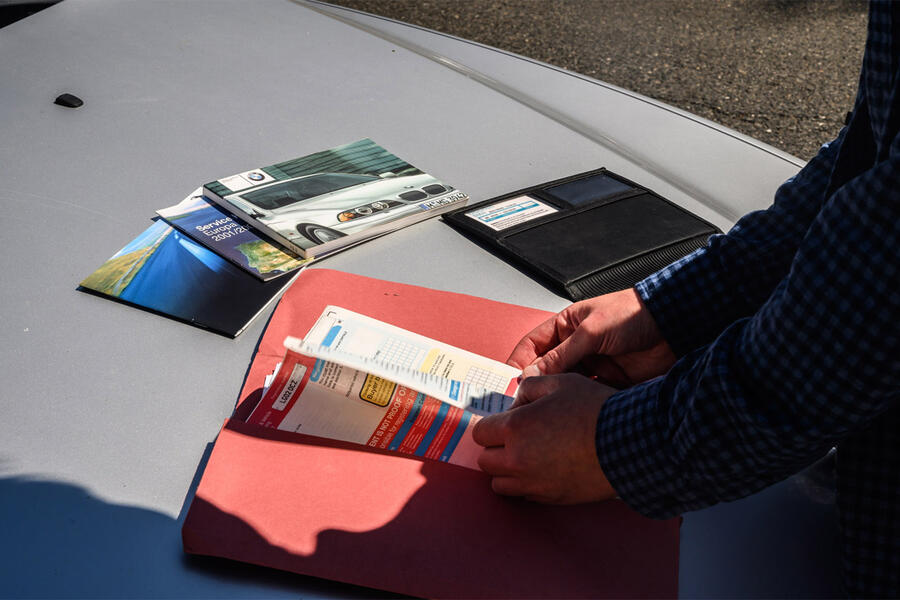
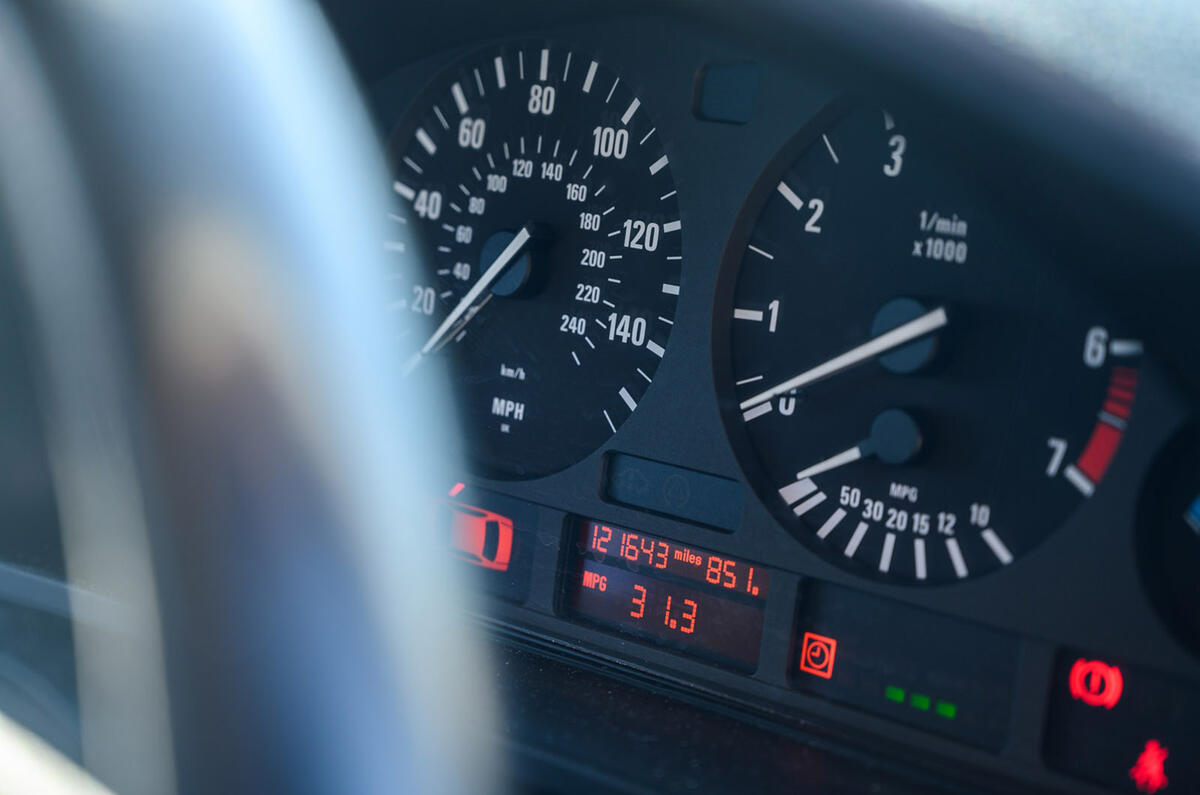
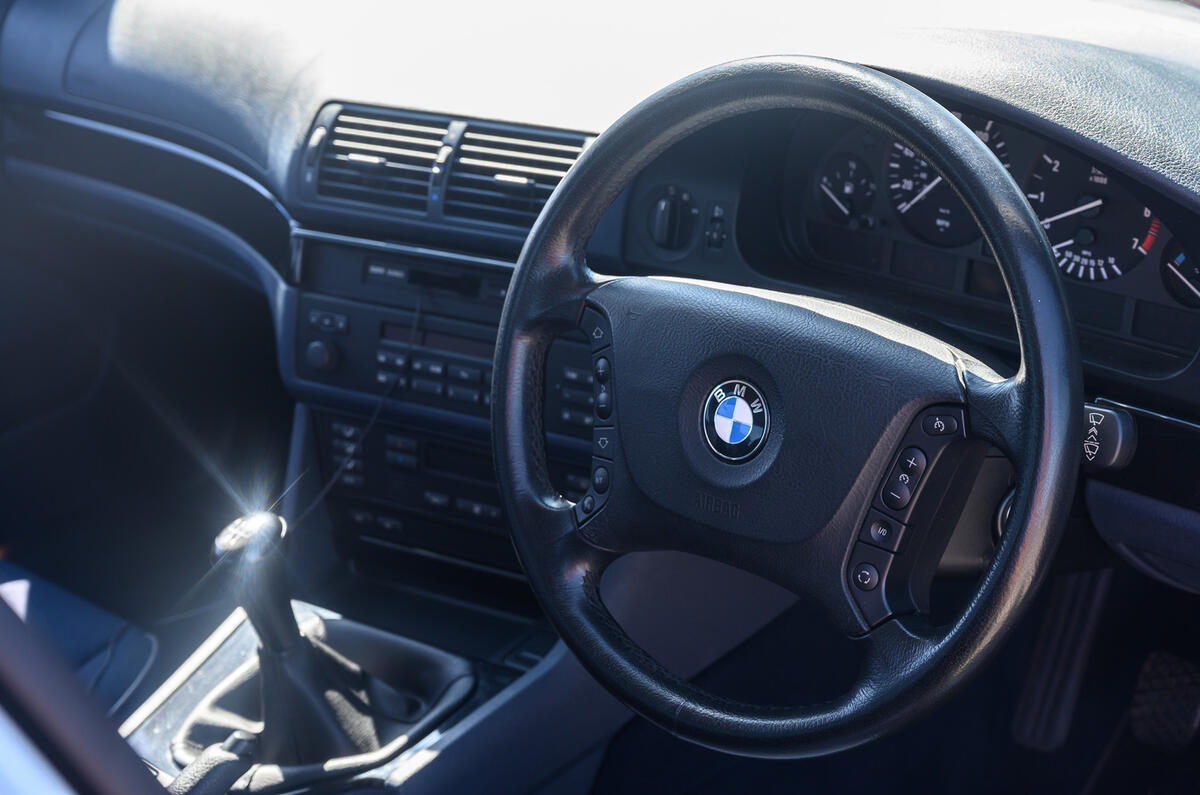
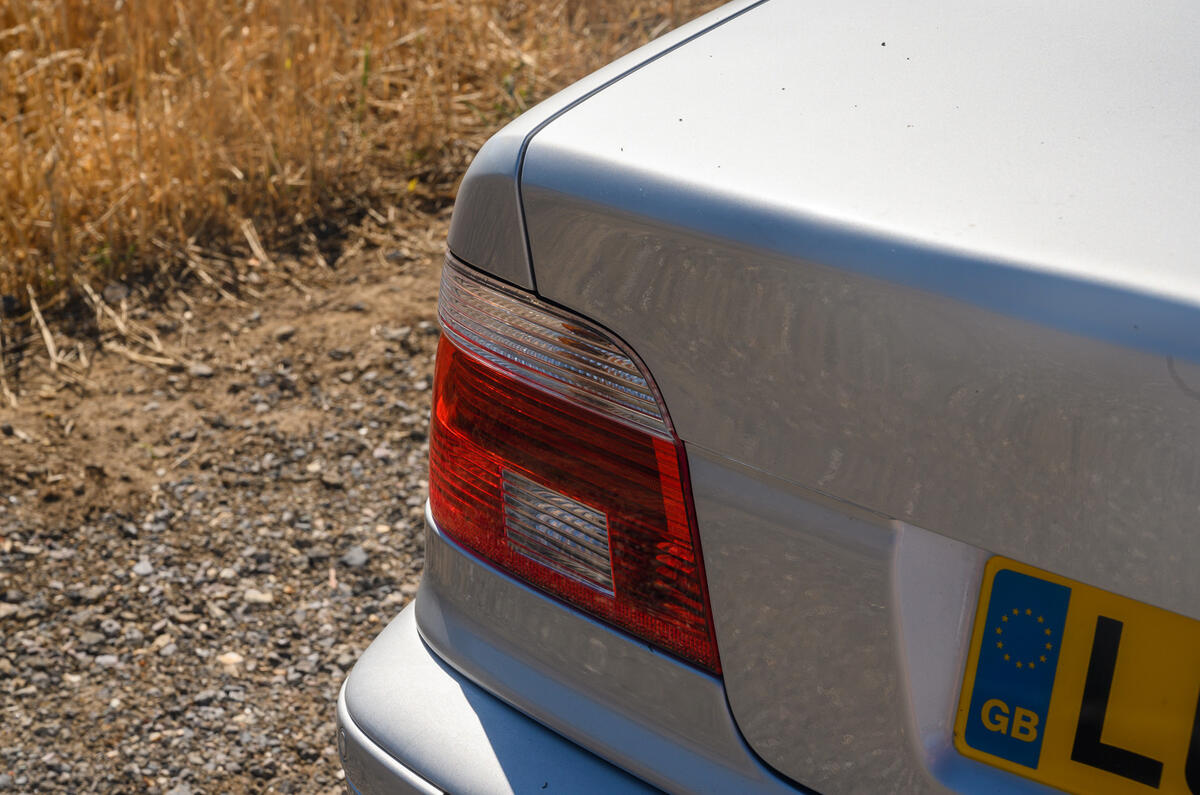
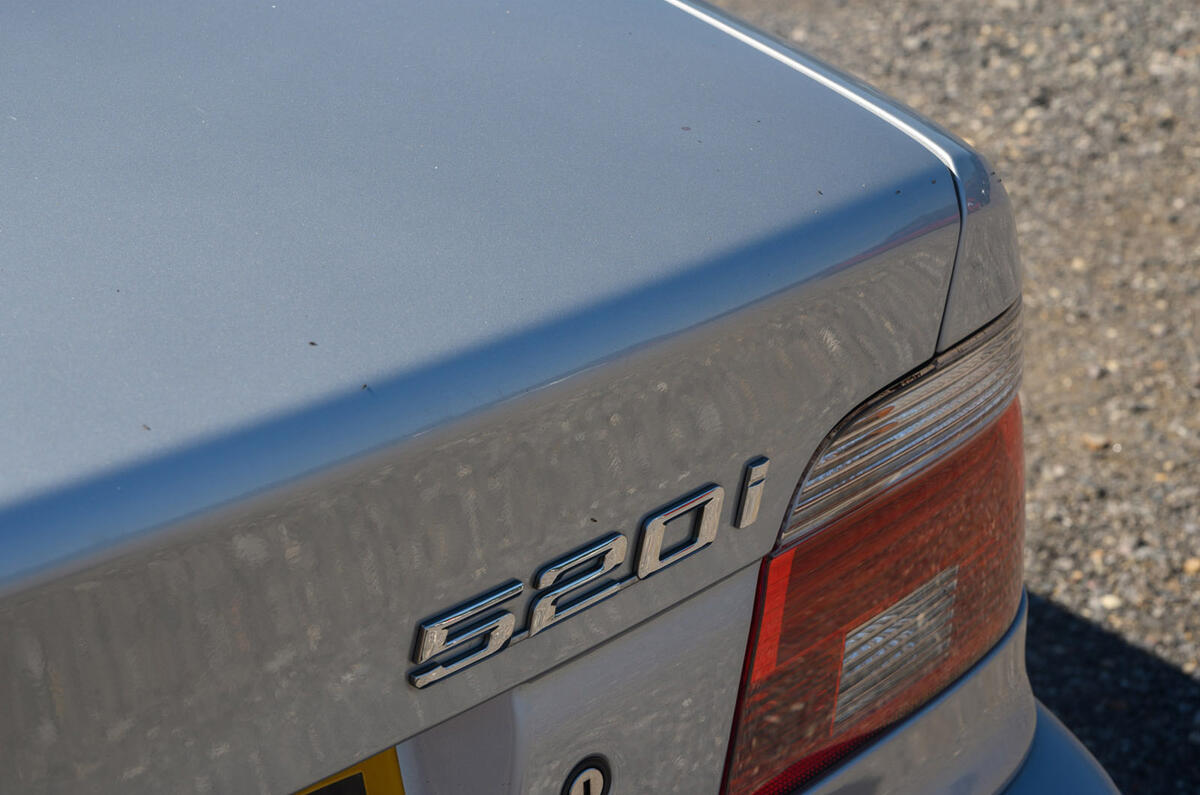
Elsewhere, this 18-year-old motorway weapon wore its 120,000 miles well. Its Titanium Silver paint was shiny, all its electrics worked and even its locking wheel nut and original jack were present and correct. Small pleasures, maybe, but this car cost the equivalent of £50,000 when it was new and was now being offered for the price of a week’s holiday in Cannes.
Viewing a car of this vintage, though, is as much about gauging investment potential as it is about having fun, even at this end of the market. Going for a car when its price has bottomed out – as this example’s surely has – is especially appealing, because you’re more likely to at least recoup your initial outlay.