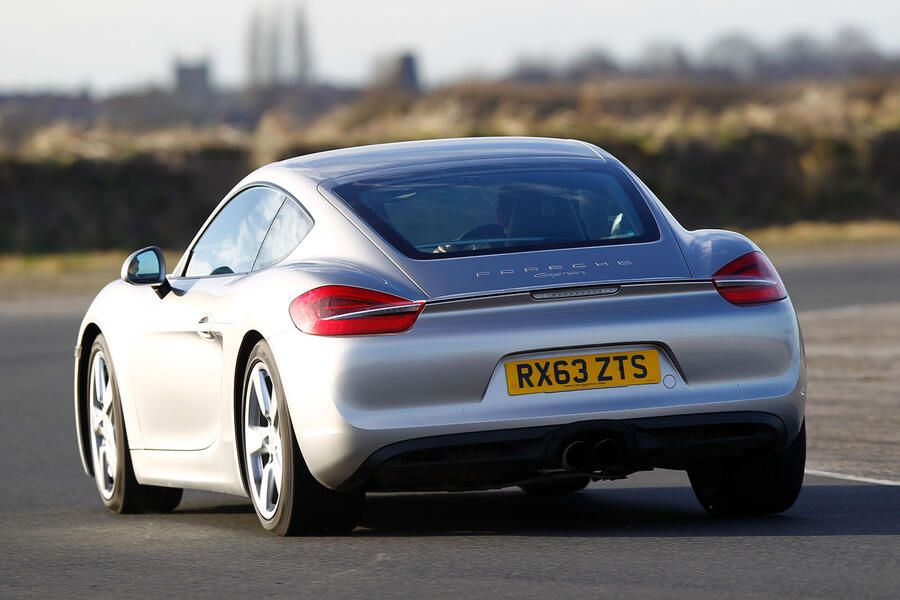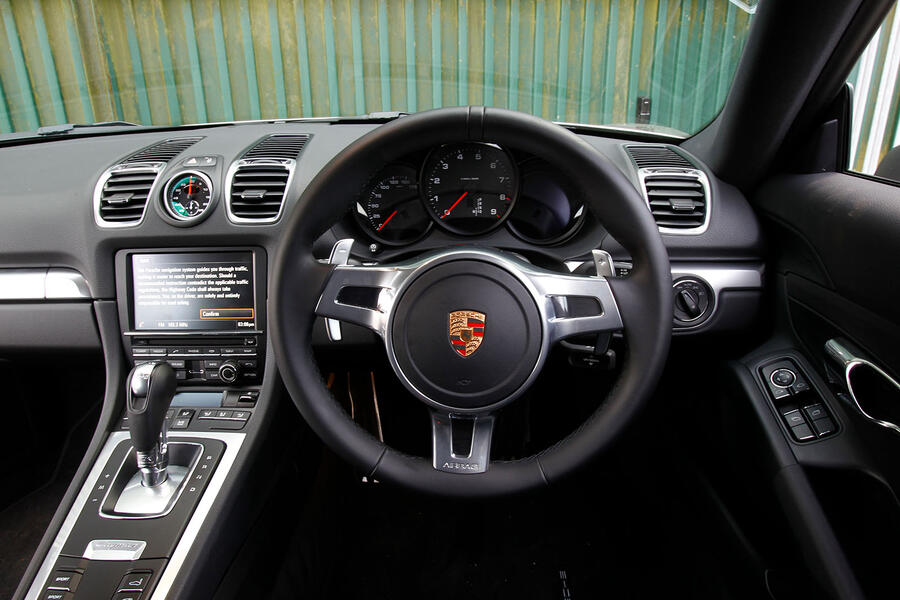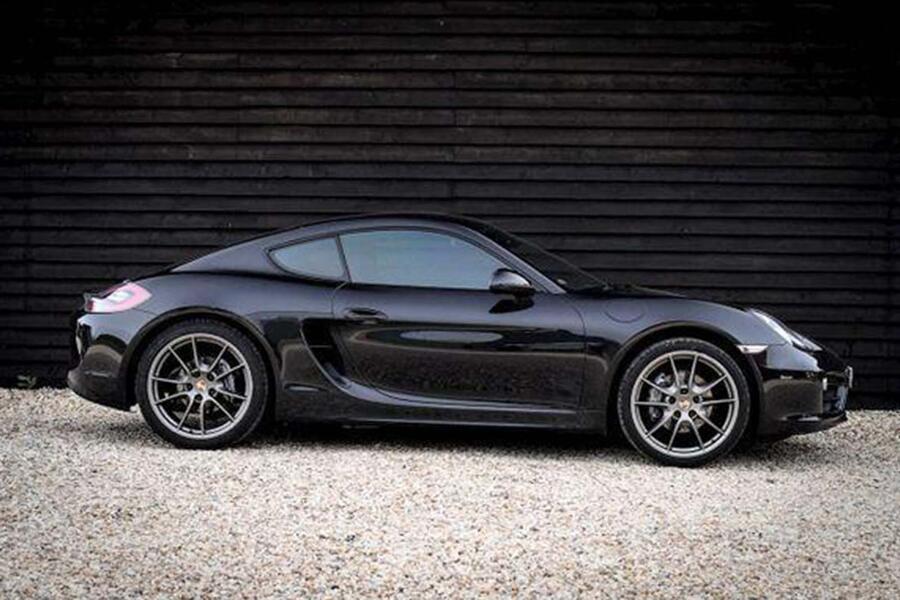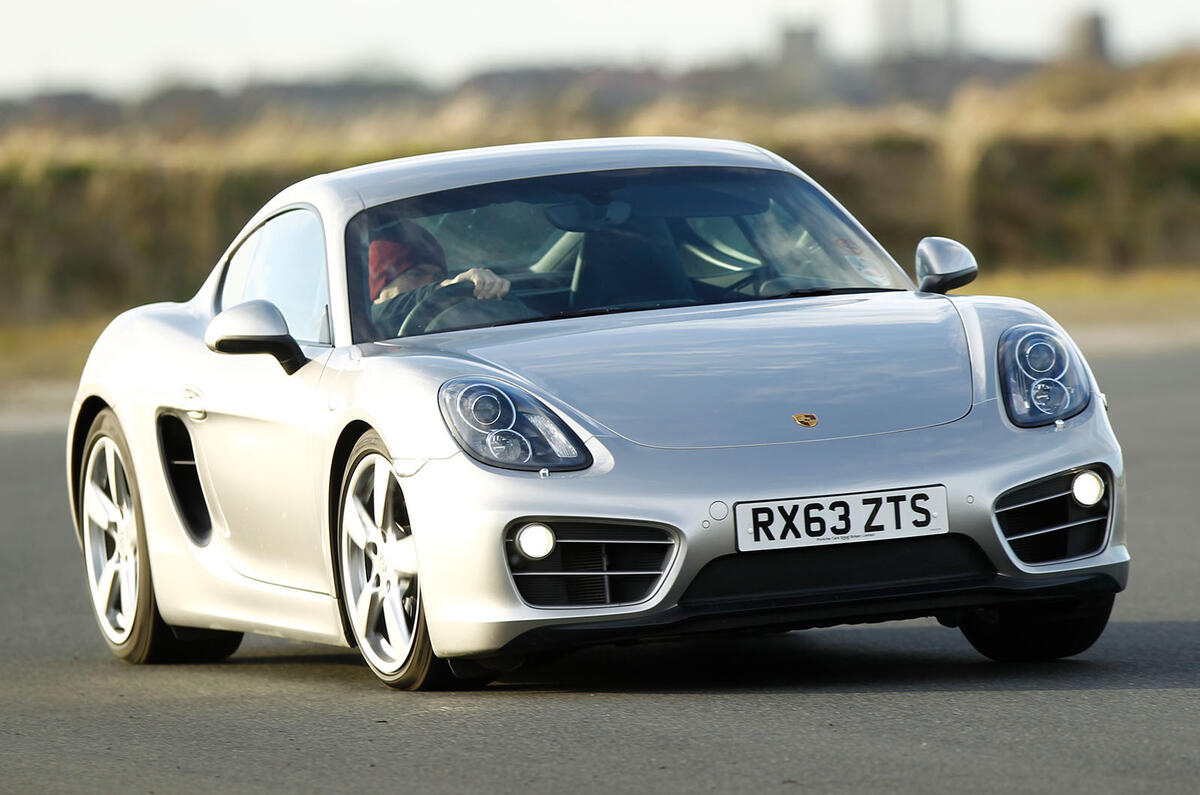
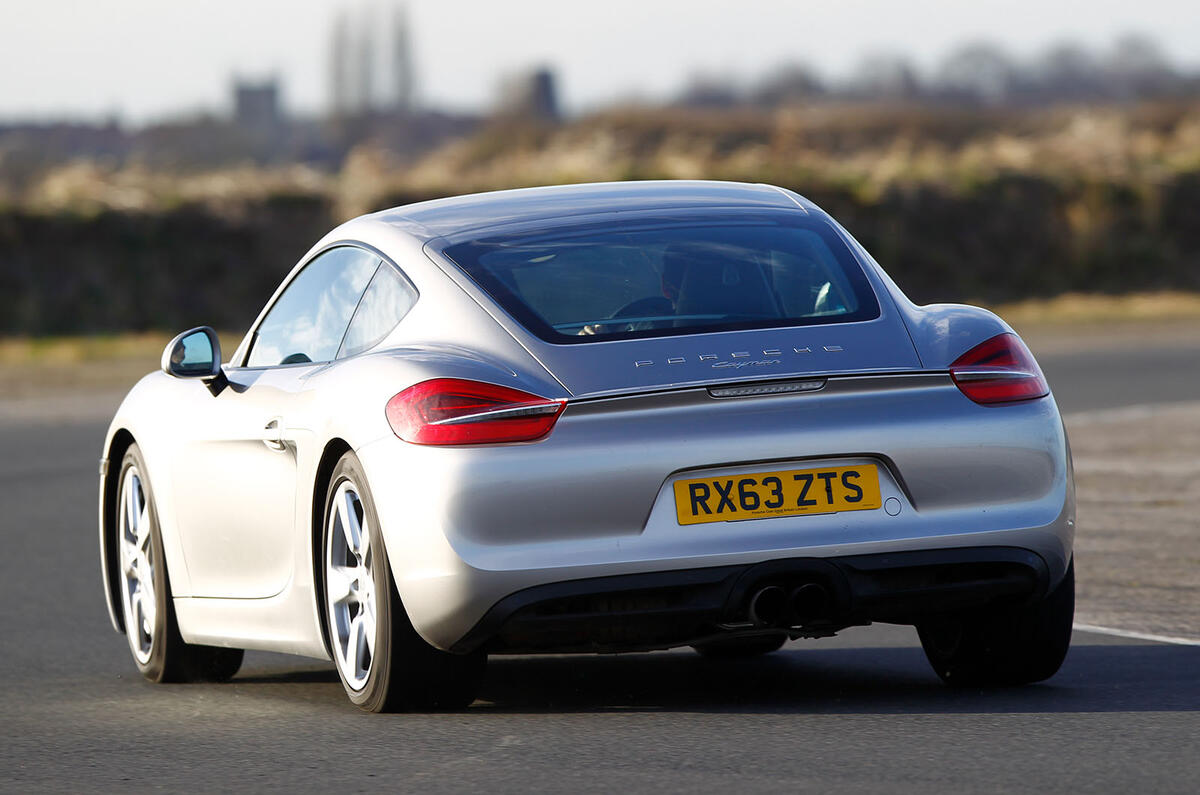
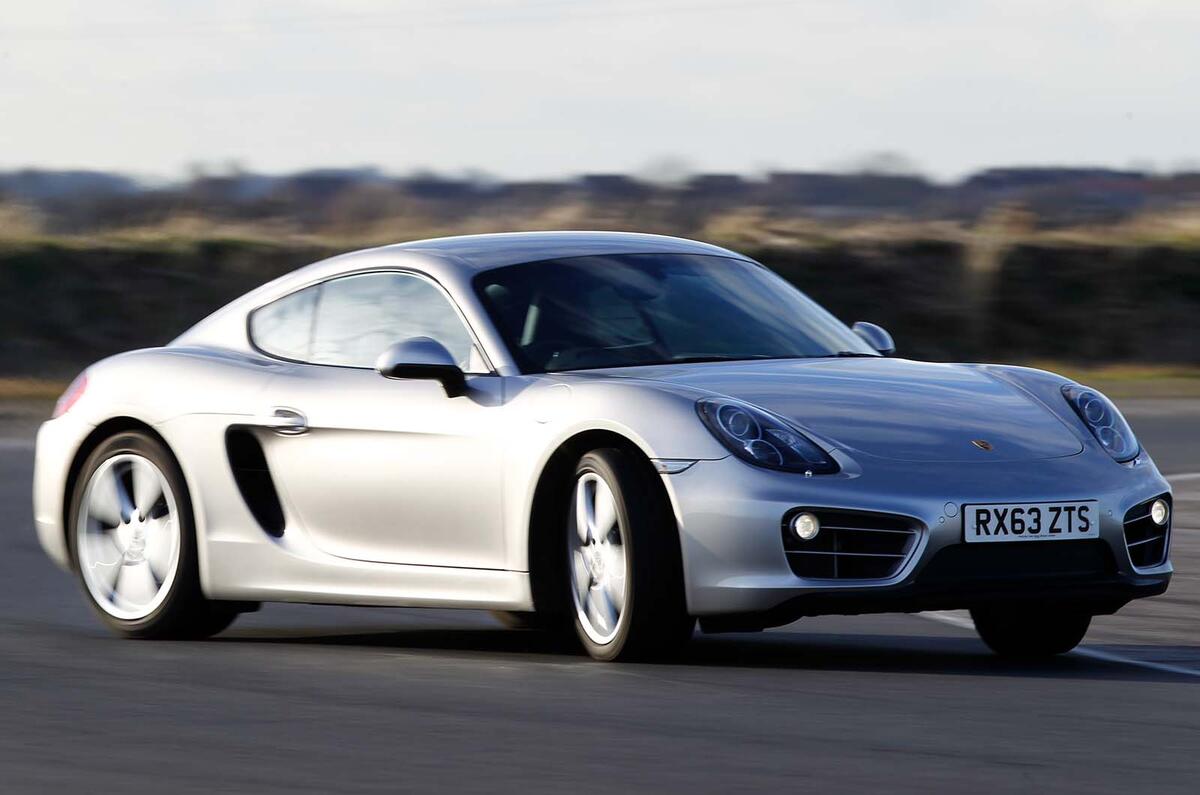
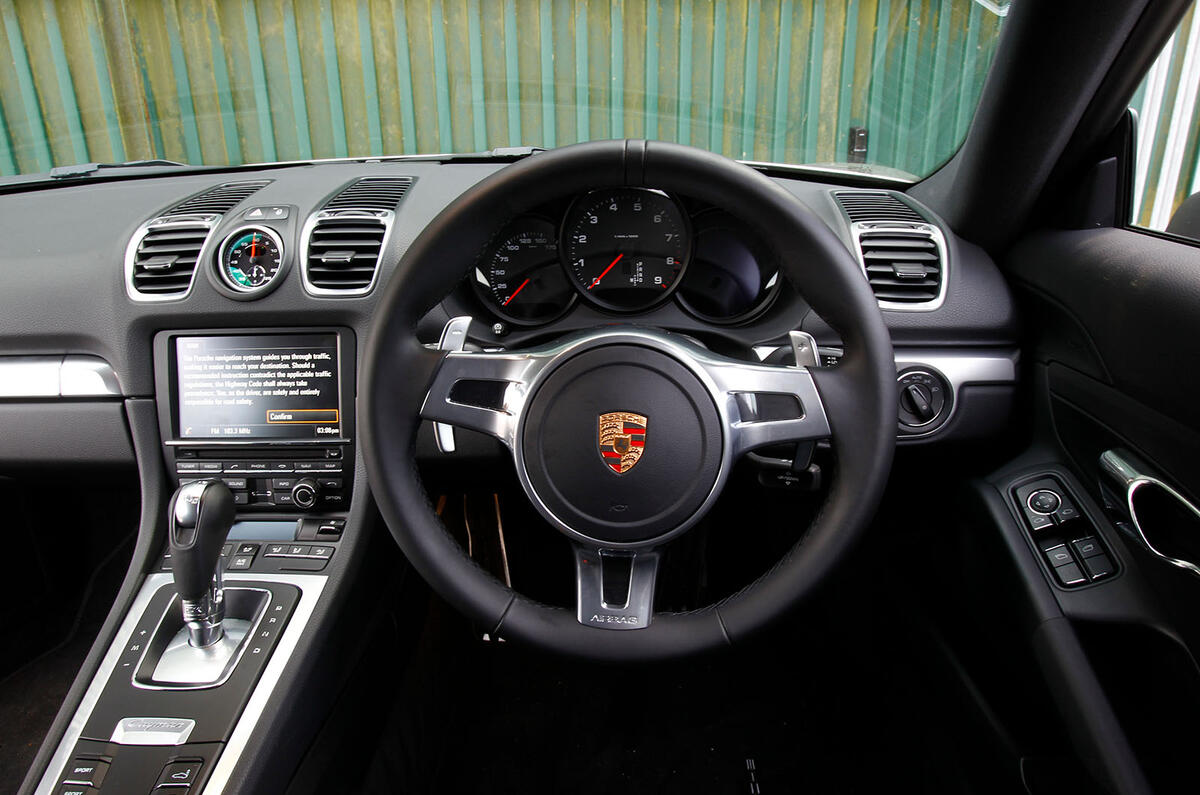
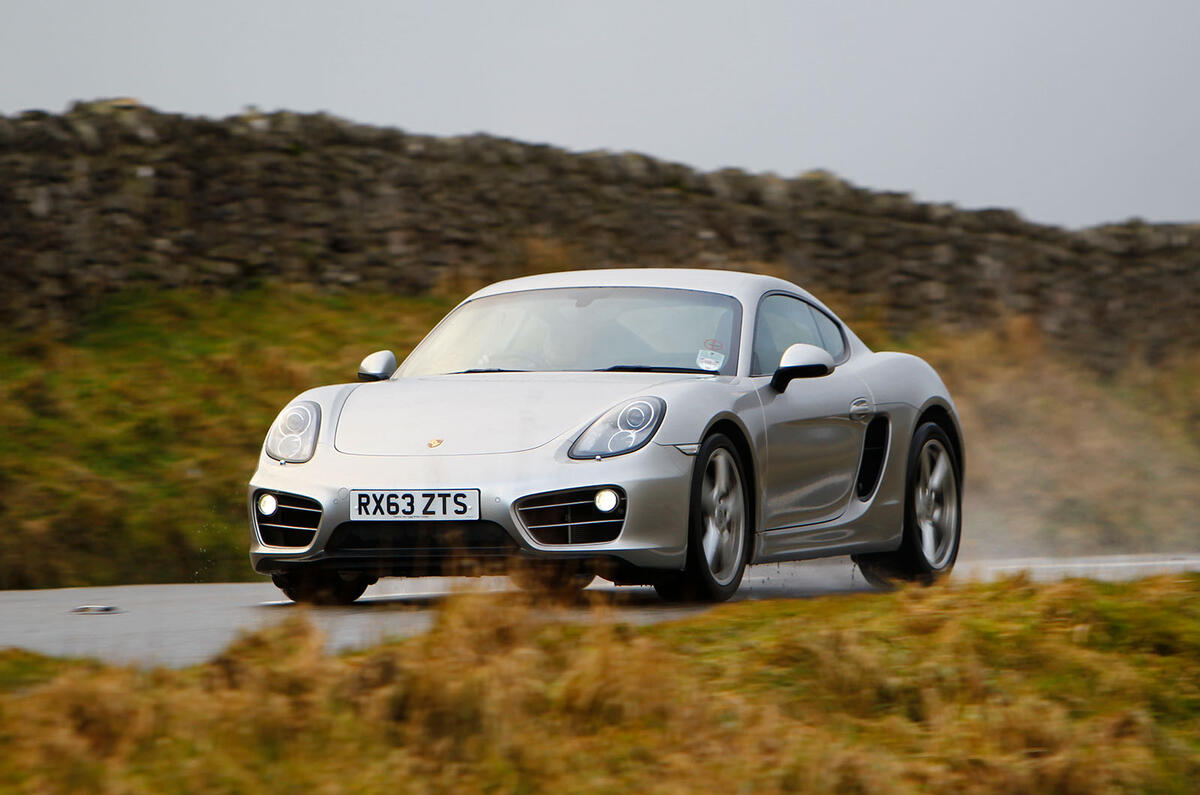
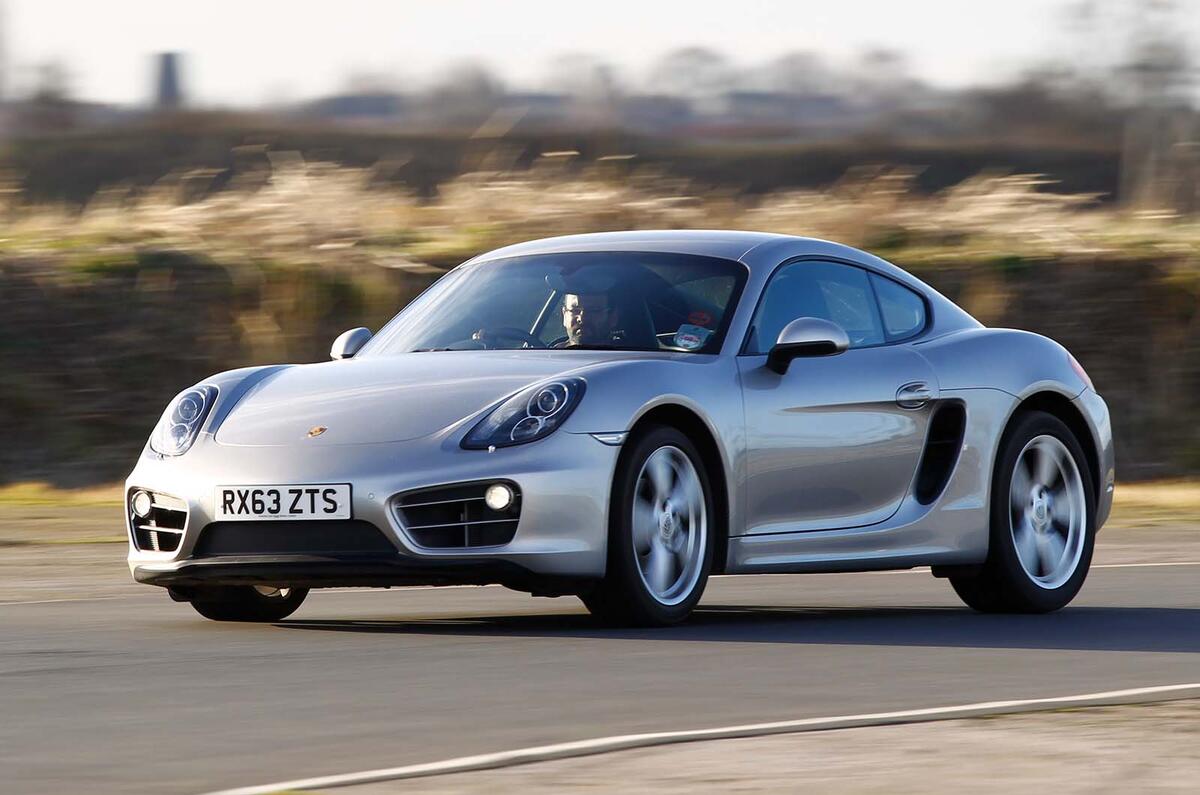
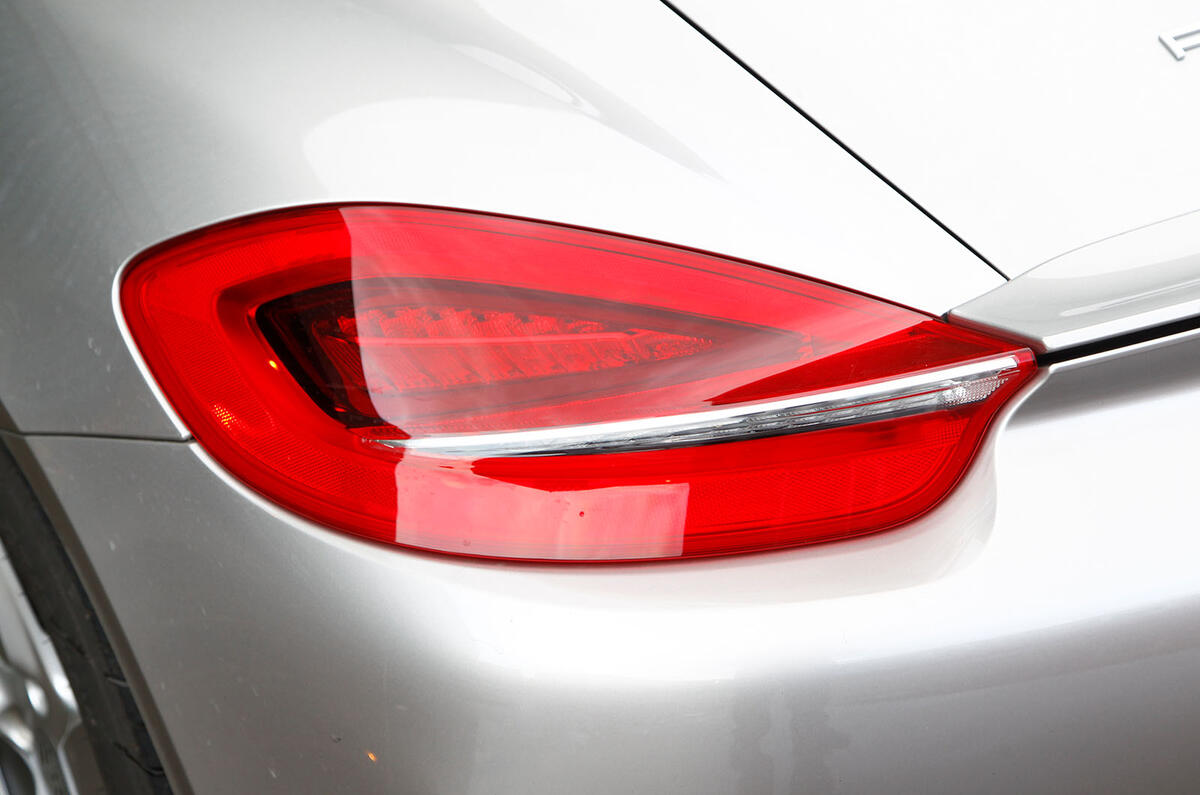
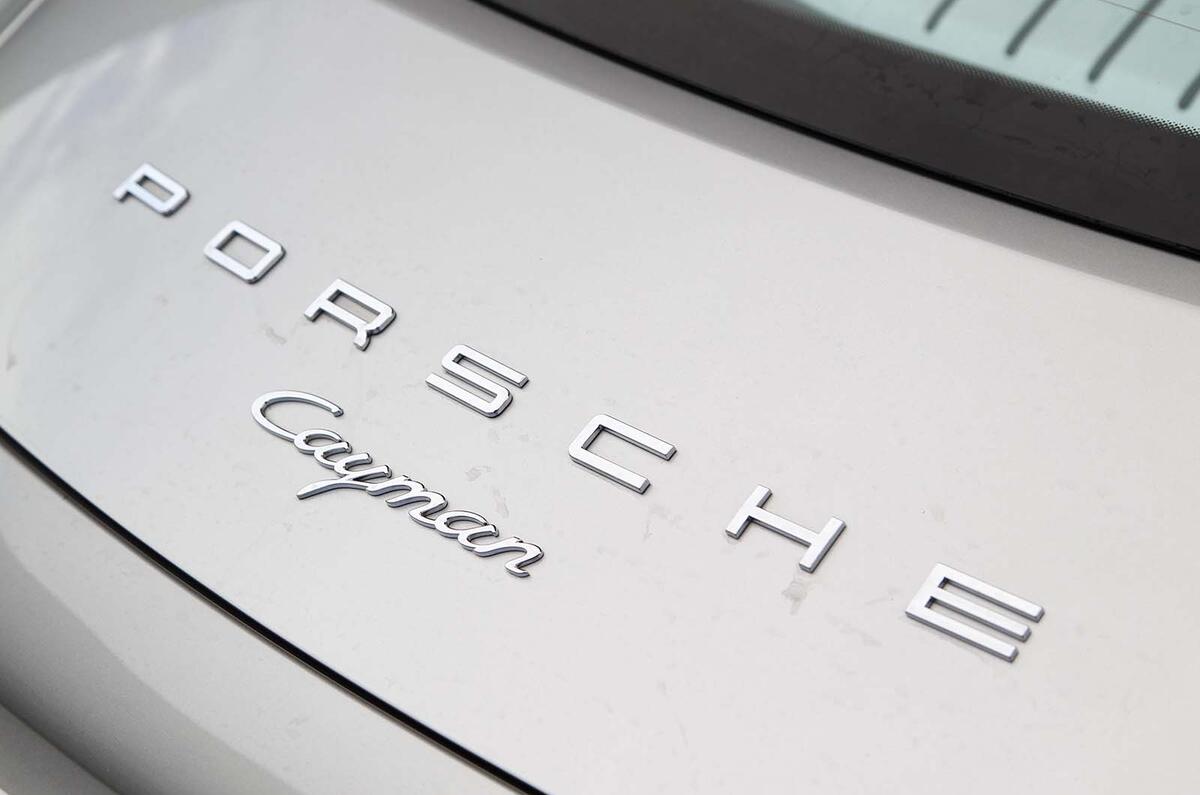


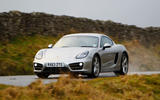
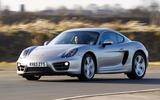

The best everyday sports car Porsche makes is not the 911 but the Cayman: discuss.
You’ll find compelling arguments on both sides of that debate, but the mere fact that there’s any discussion at all speaks volumes about the Porsche Cayman. It’s a world-class, enthusiast’s sports car built for daily driving with the same attention to detail and engineering integrity that has helped to make its bigger, rear-engined sibling Porsche’s talisman for decades. Only it also has mid-engined athleticism, the agility of a lighter, smaller footprint – and the draw of a far lower price.
And none, arguably, offers better value right now than the Mk2, 981-generation version.
The 981-gen Cayman arrived in 2012 on the back of a well-received first-generation (987) model, which had been around since 2005. As before, it was essentially the coupé twin of the convertible Porsche Boxster.
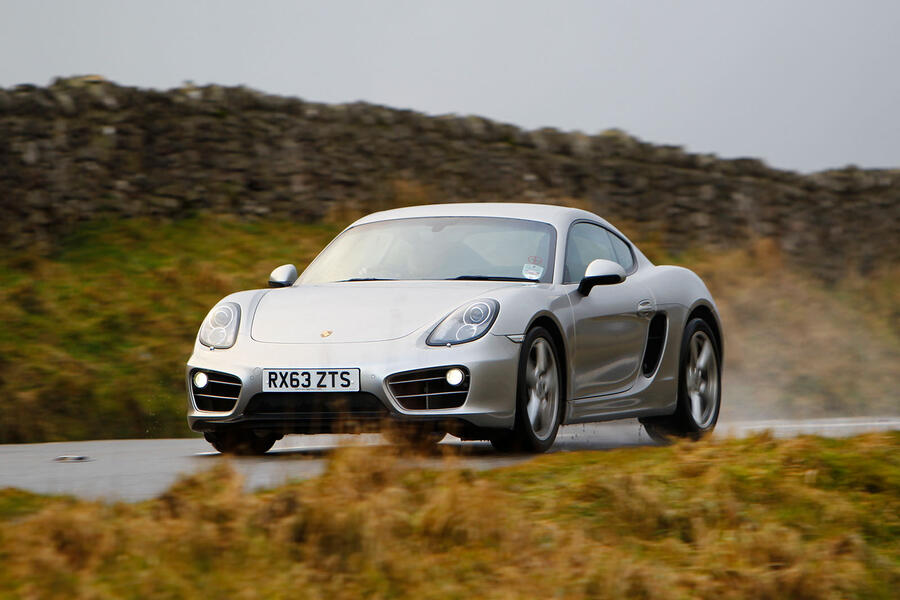
The base 981 Cayman had a relatively modest-sounding 271bhp and 214lb ft, but the poise of the earlier model was very much in tact and there was plenty to reward a keen driver, even though there was now electromechanical steering.
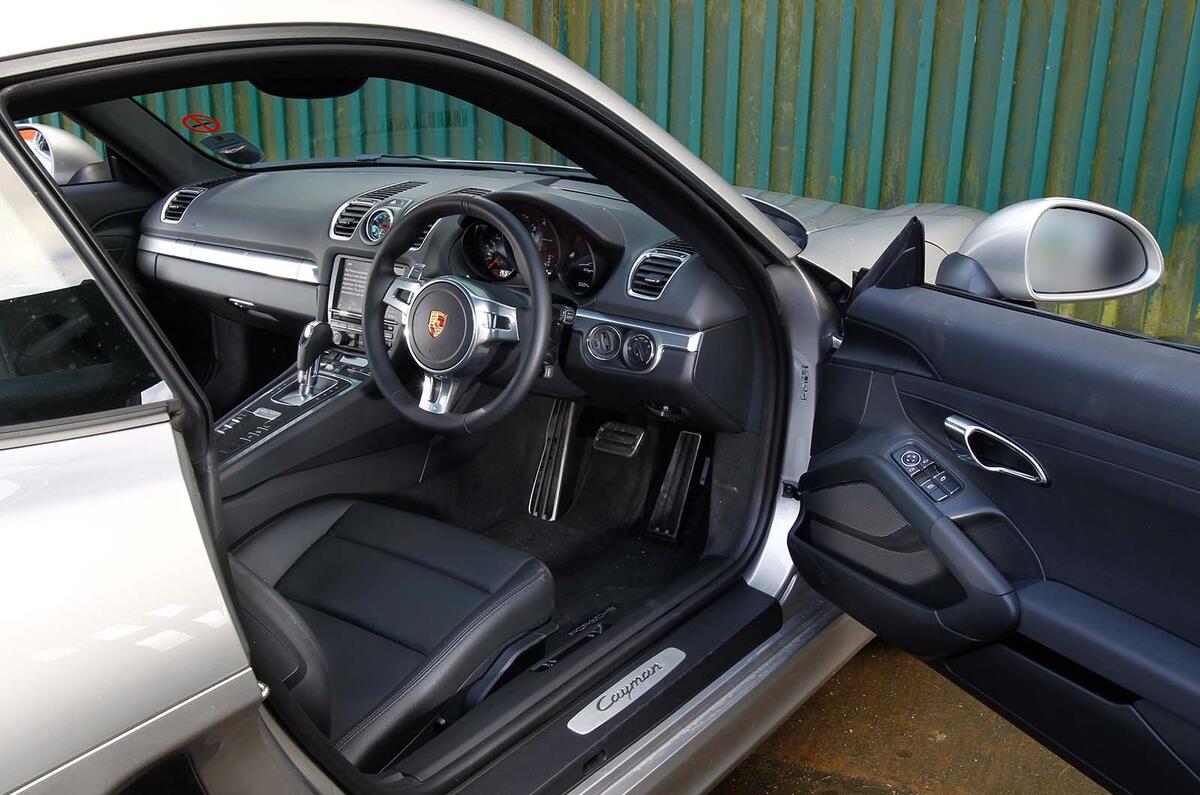
Its 2.7-litre flat six was paired with either a seven-speed PDK or six-speed manual gearbox, and both have their strengths. The PDK lets you tap the full potential of the car’s performance with lightning-fast shifts, while the precise manual brings all the delights of an analogue driving experience, especially with the well-weighted pedals and a characterful, naturally aspirated engine.
There was also a Cayman S, which came with a 3.4-litre engine from the Porsche 911 Carrera for 321bhp and 273lb ft. If the base model is a good buy, this is a great one. However, it wouldn’t be a Porsche if you weren’t drowning in options and initialisms. PASM (active suspension) means it will ride better, but don’t get confused with PSM (body control), which had PTV (torque vectoring) for stability. Or how about Sport Chrono for better throttle mapping and gearbox enhancements?
The GTS was simpler in this respect because it bundled options. Some subtle styling changes accompanied the standard fitment of Sport Chrono and either active suspension management or 20mm-lower sports suspension. This even more driver-focused variant also had deeper reserves: 335bhp and 280lb ft from its 3.4 flat six.