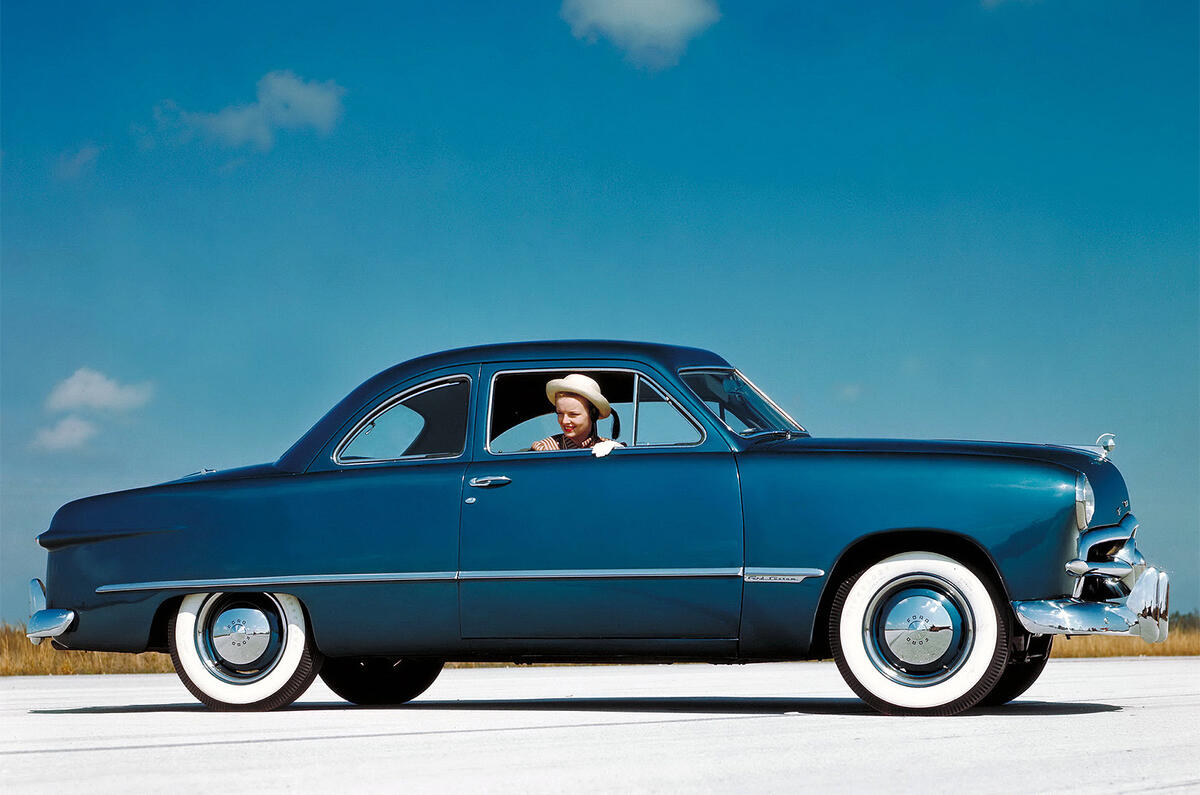

Sometimes the launch of a single car can save a company's fortune.
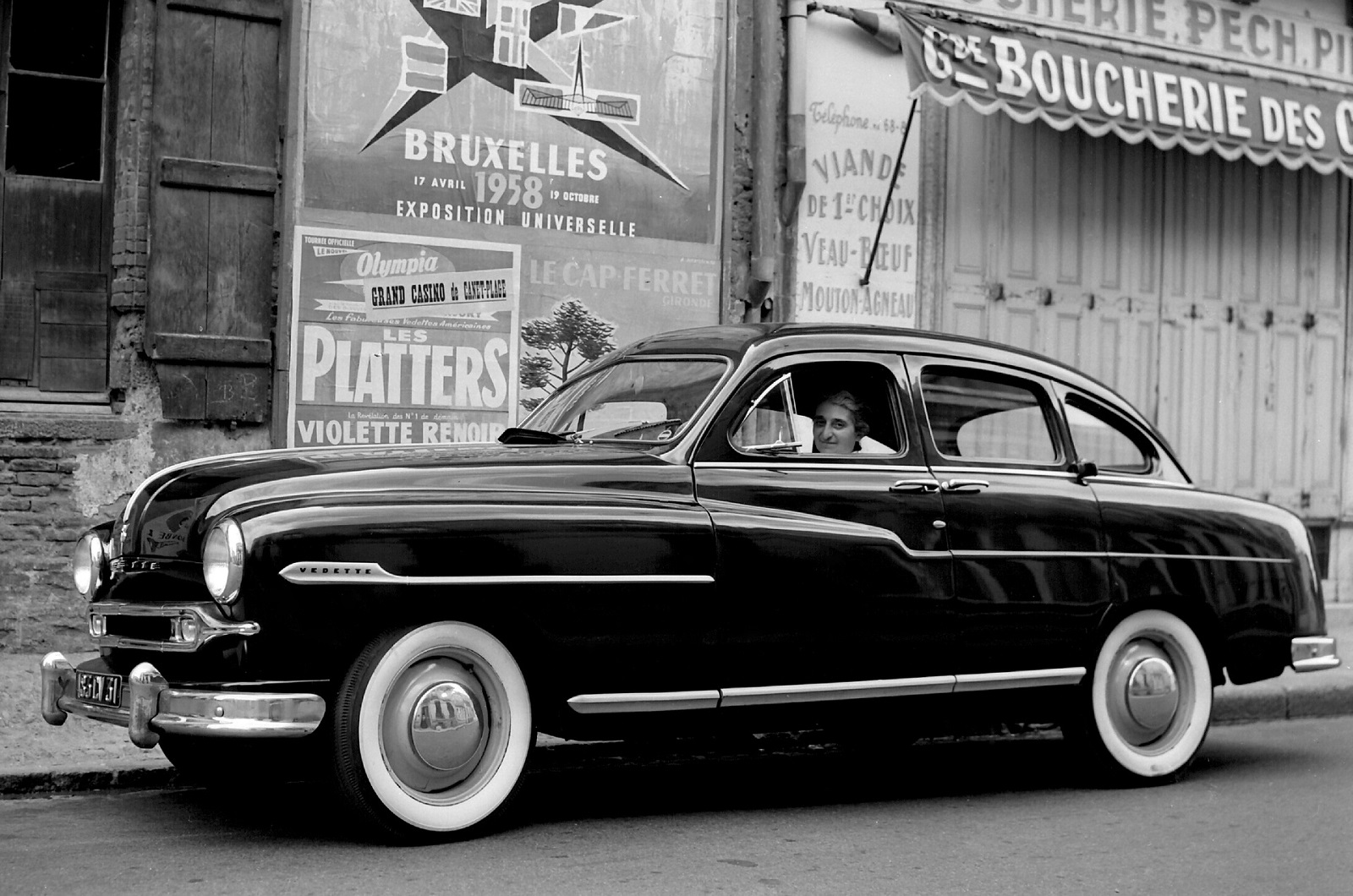
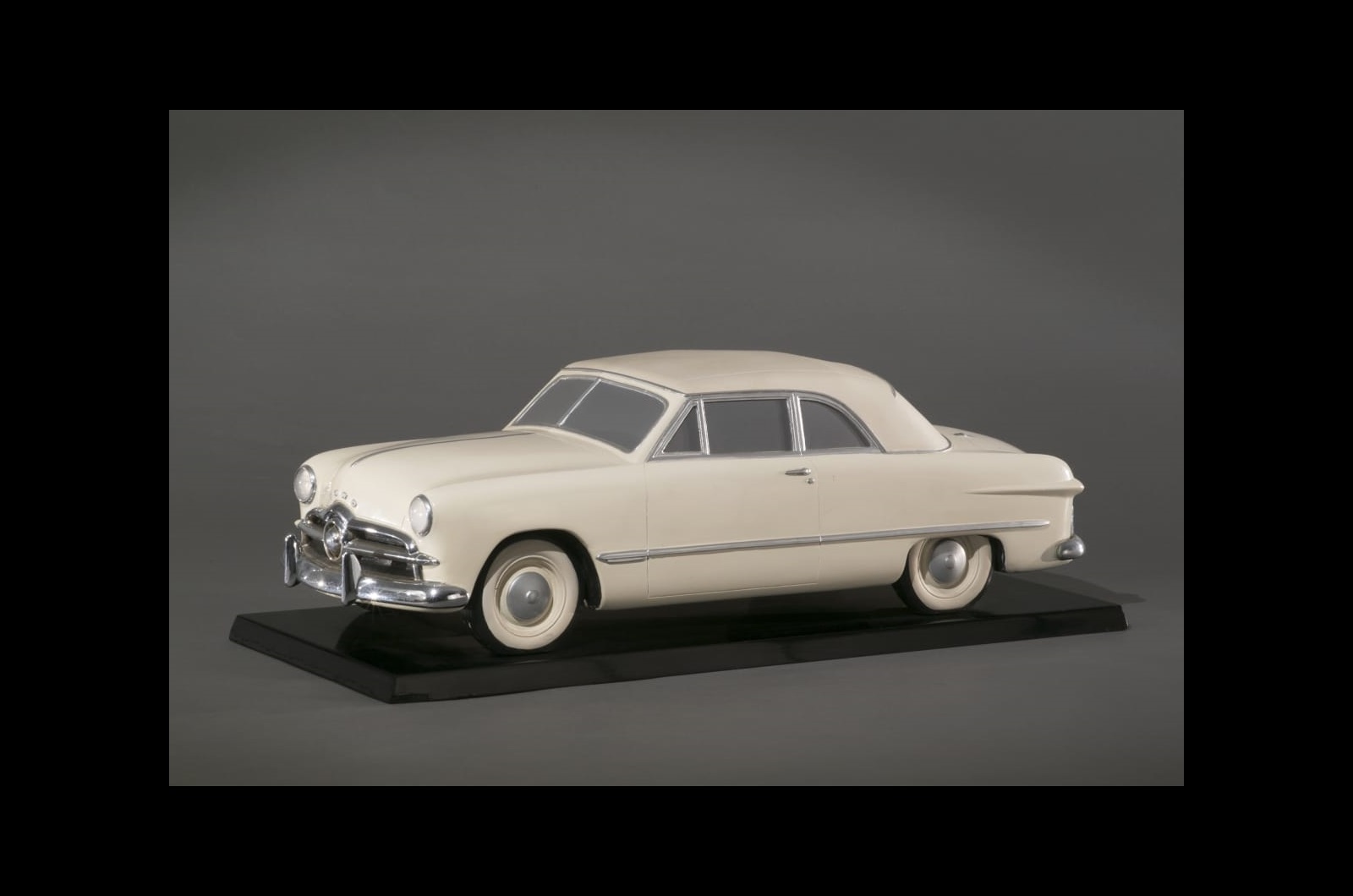
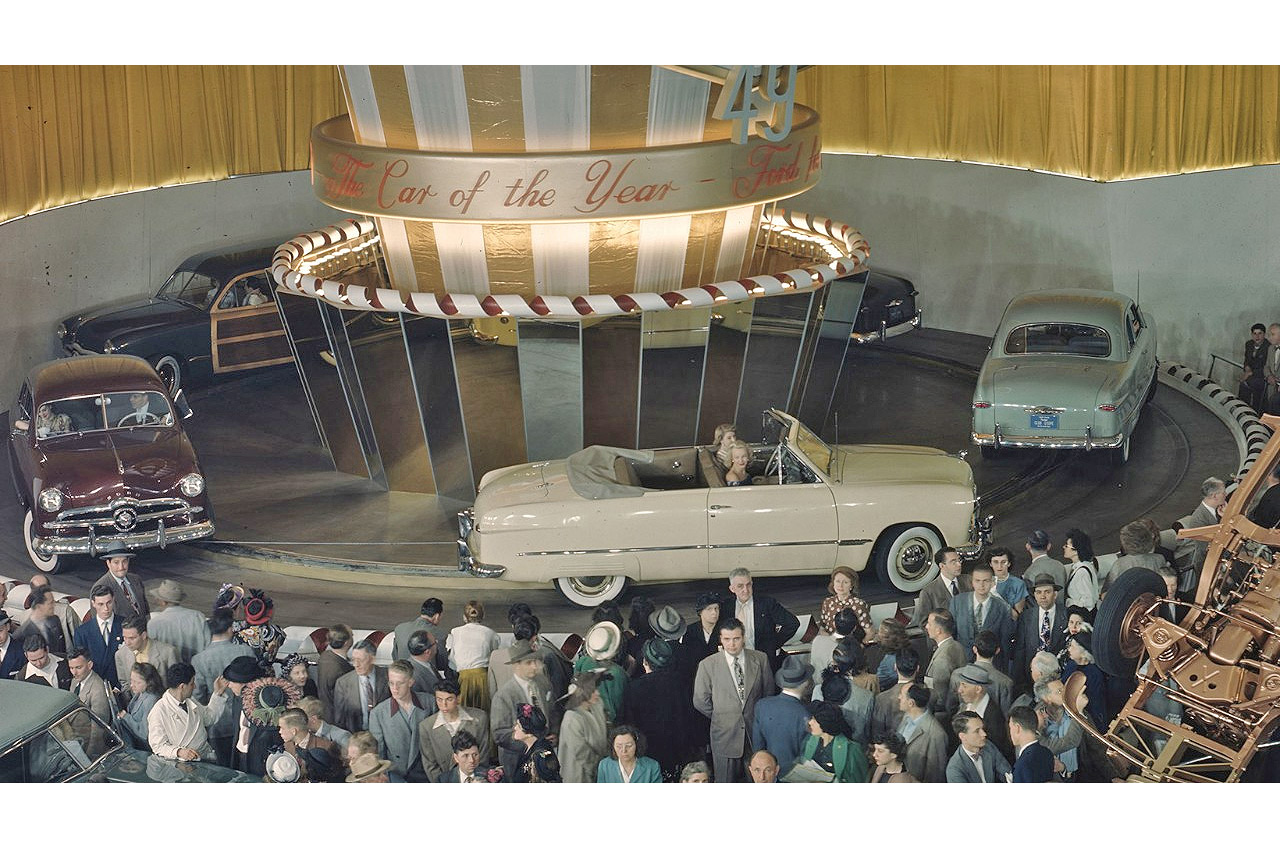
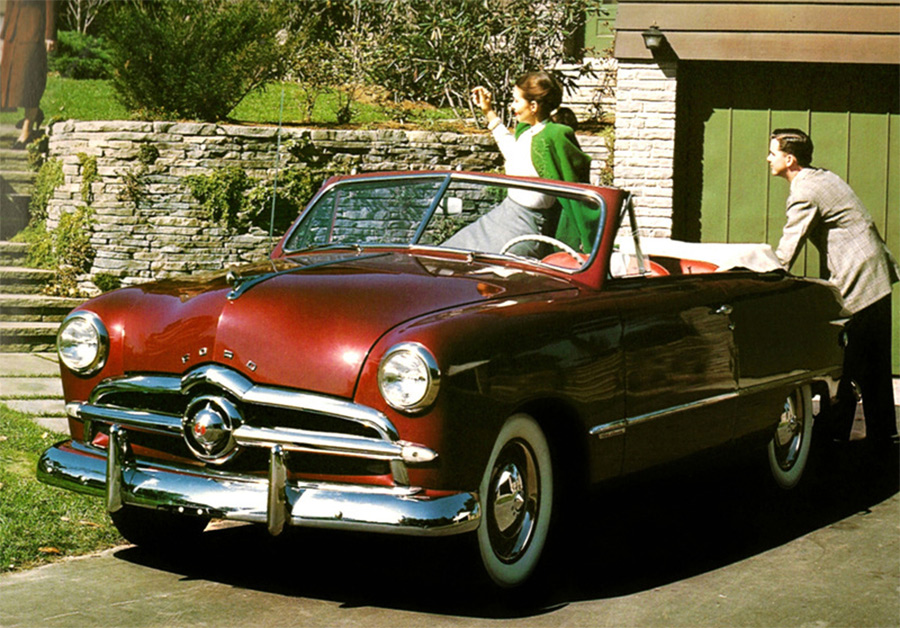
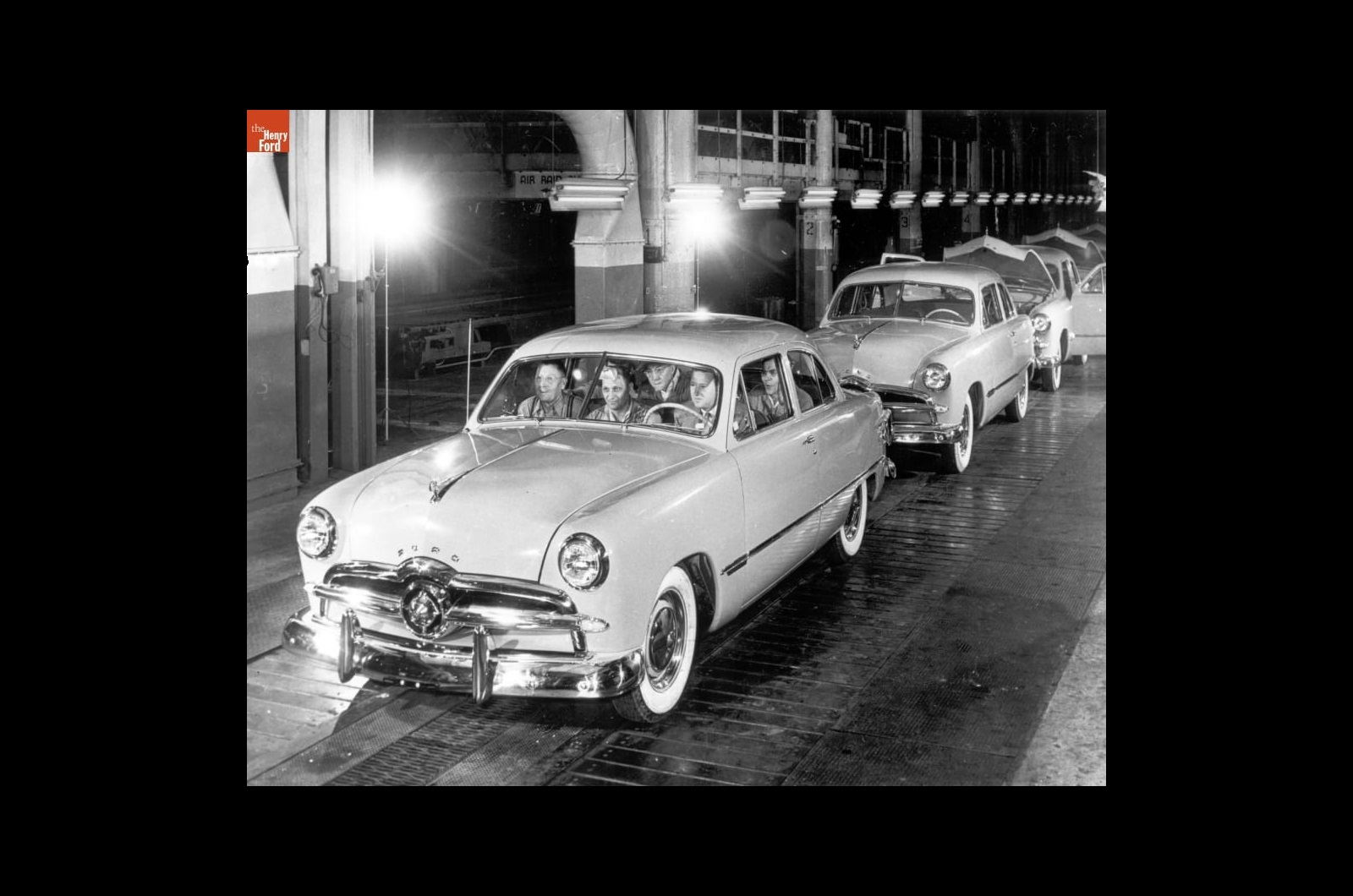
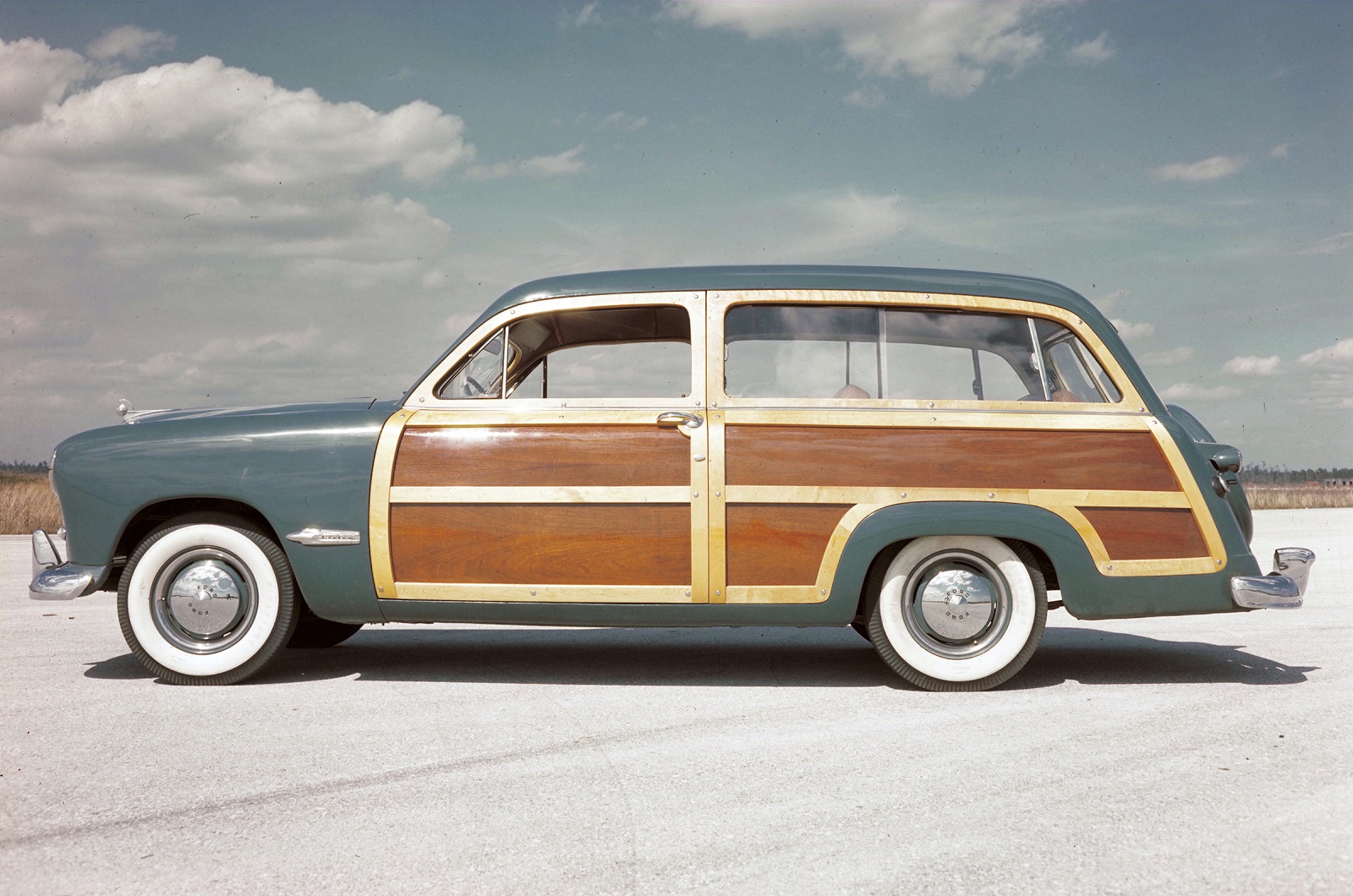
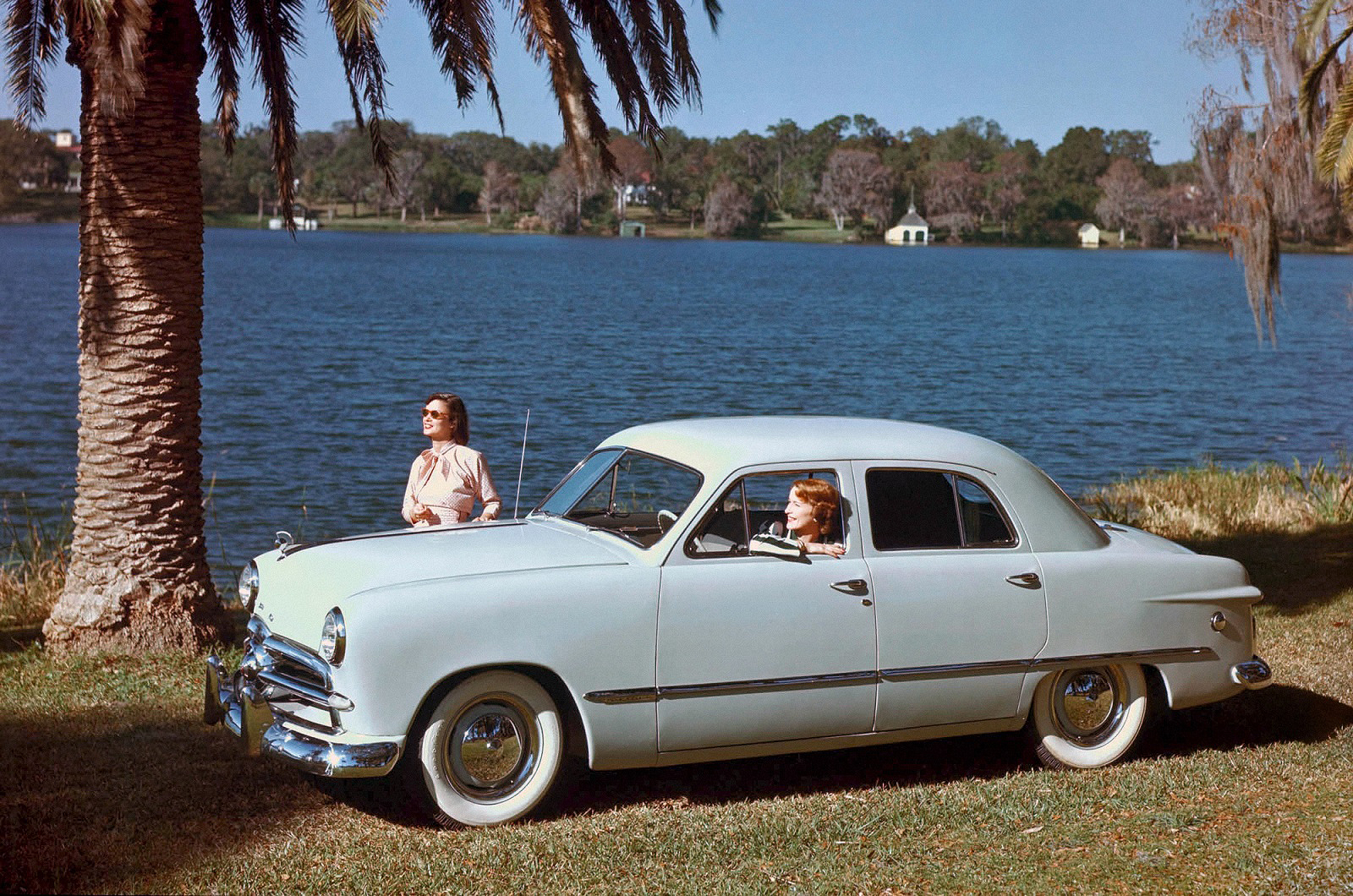
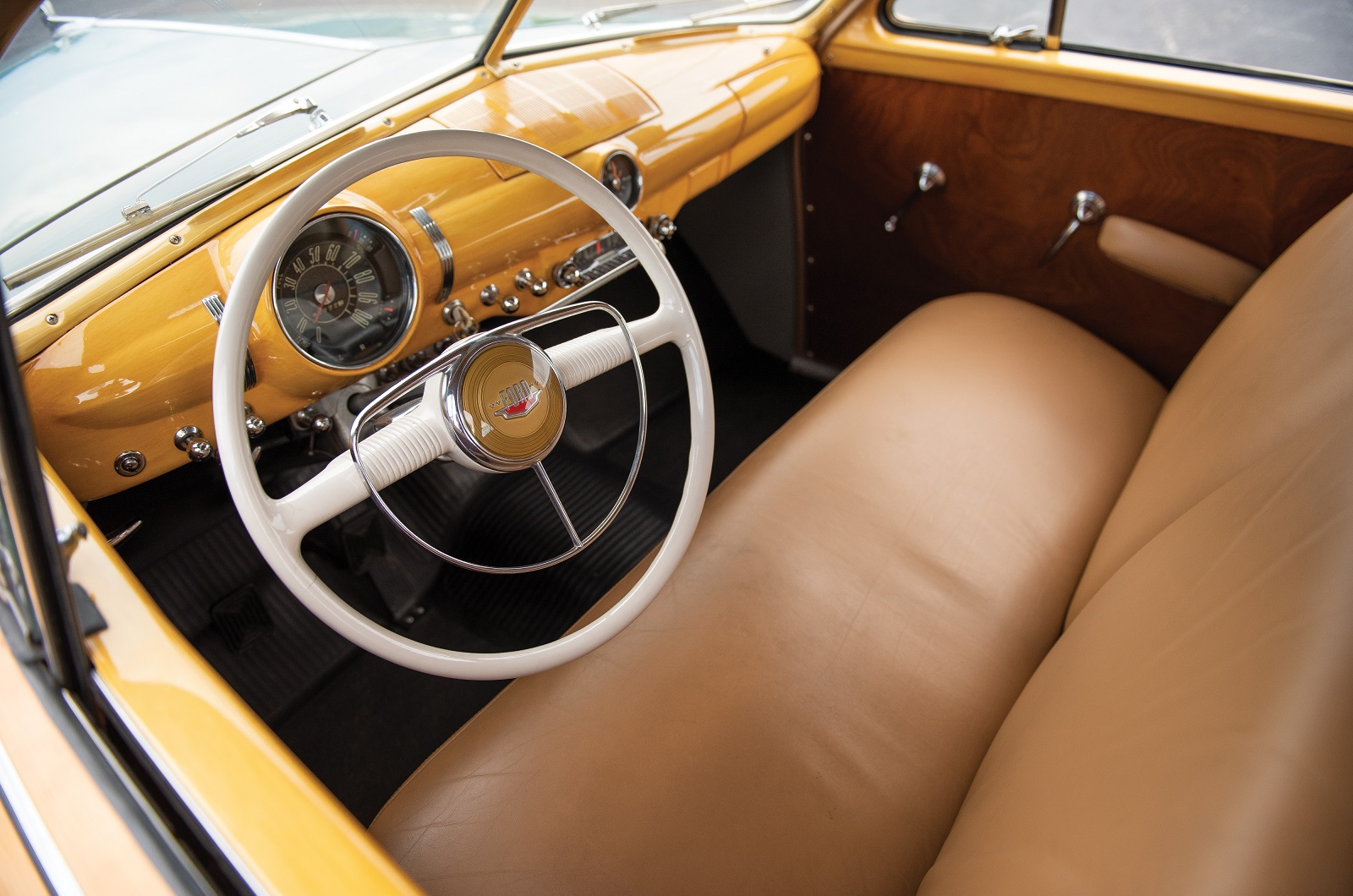
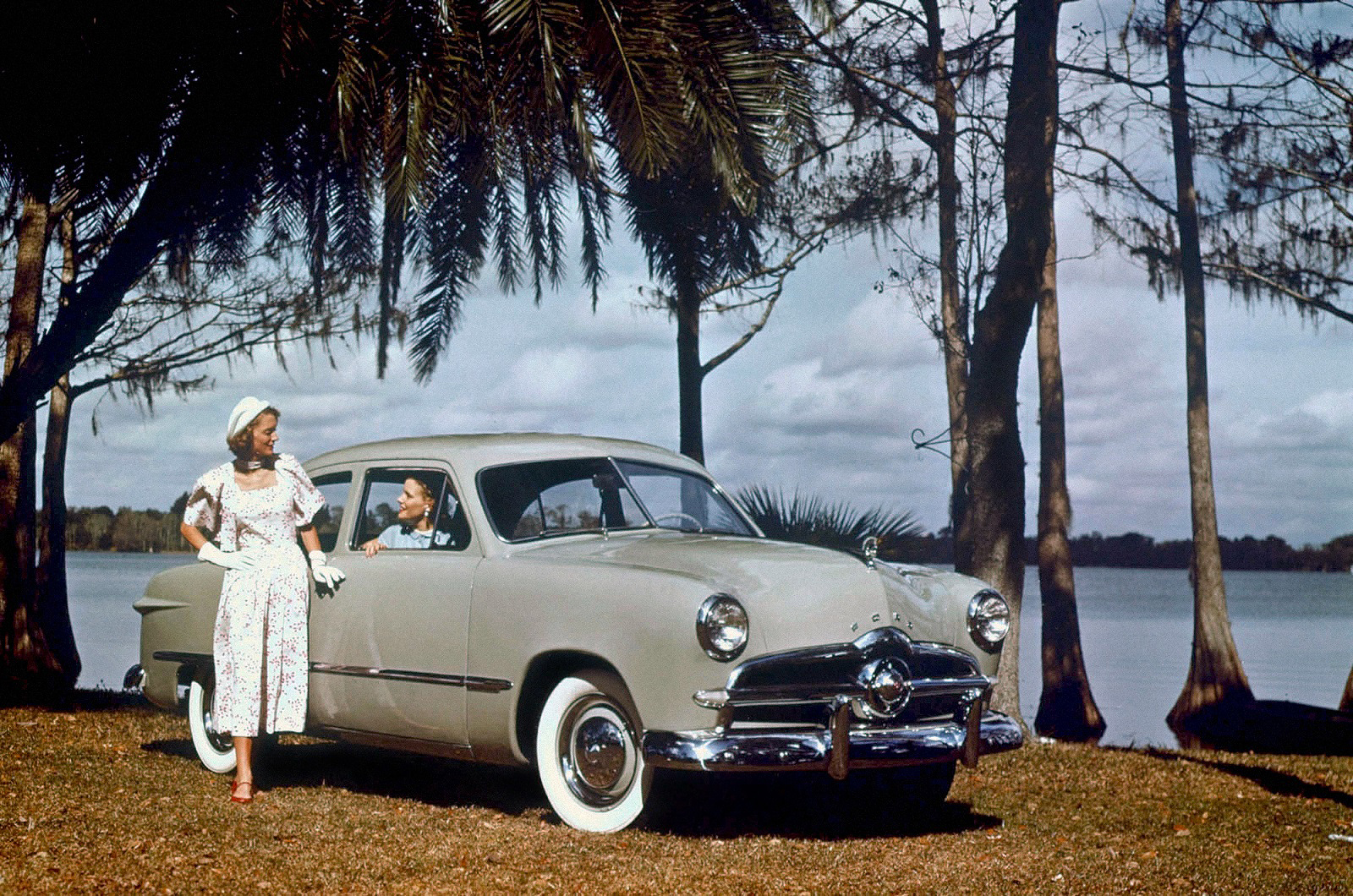
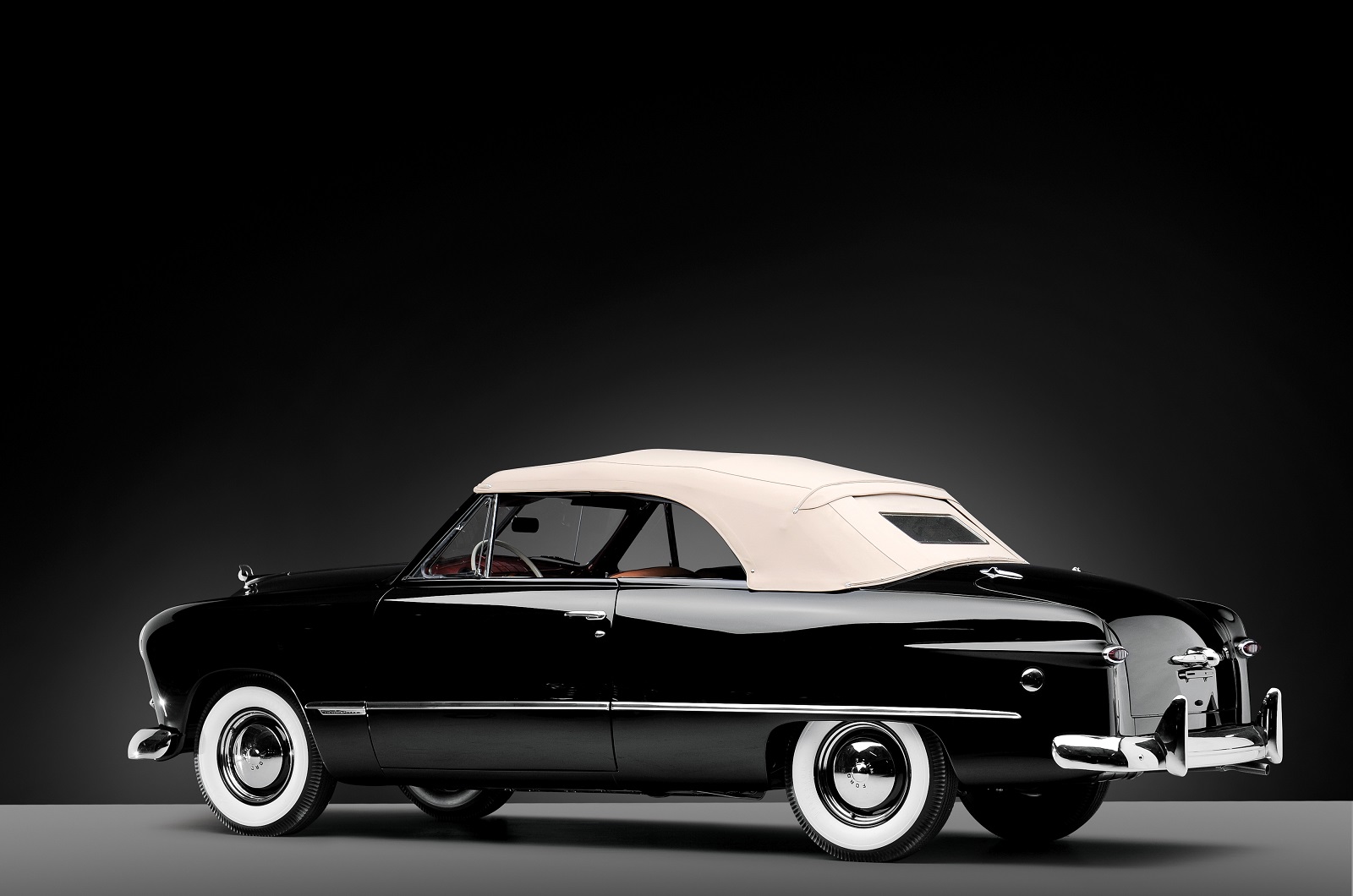
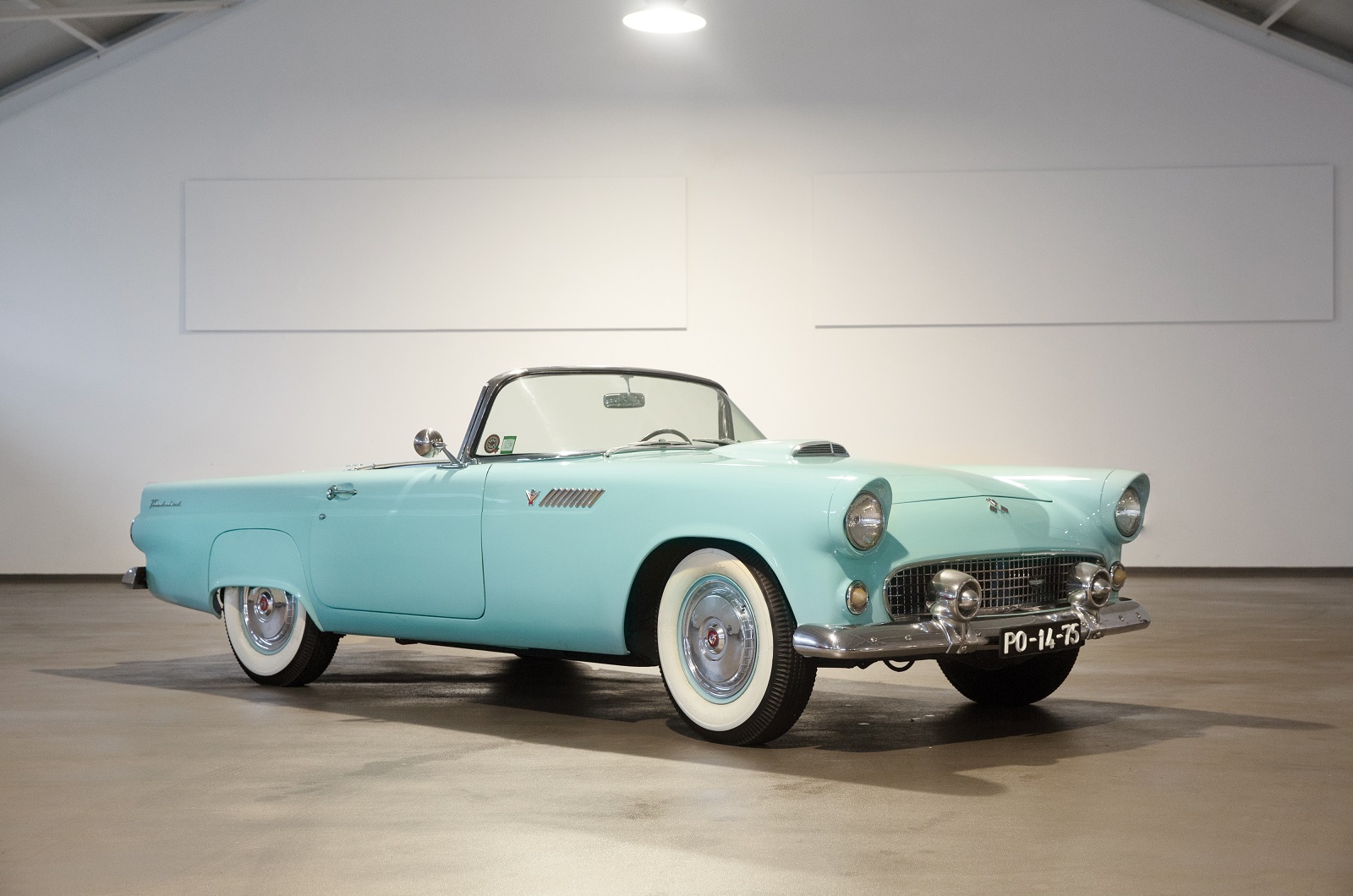
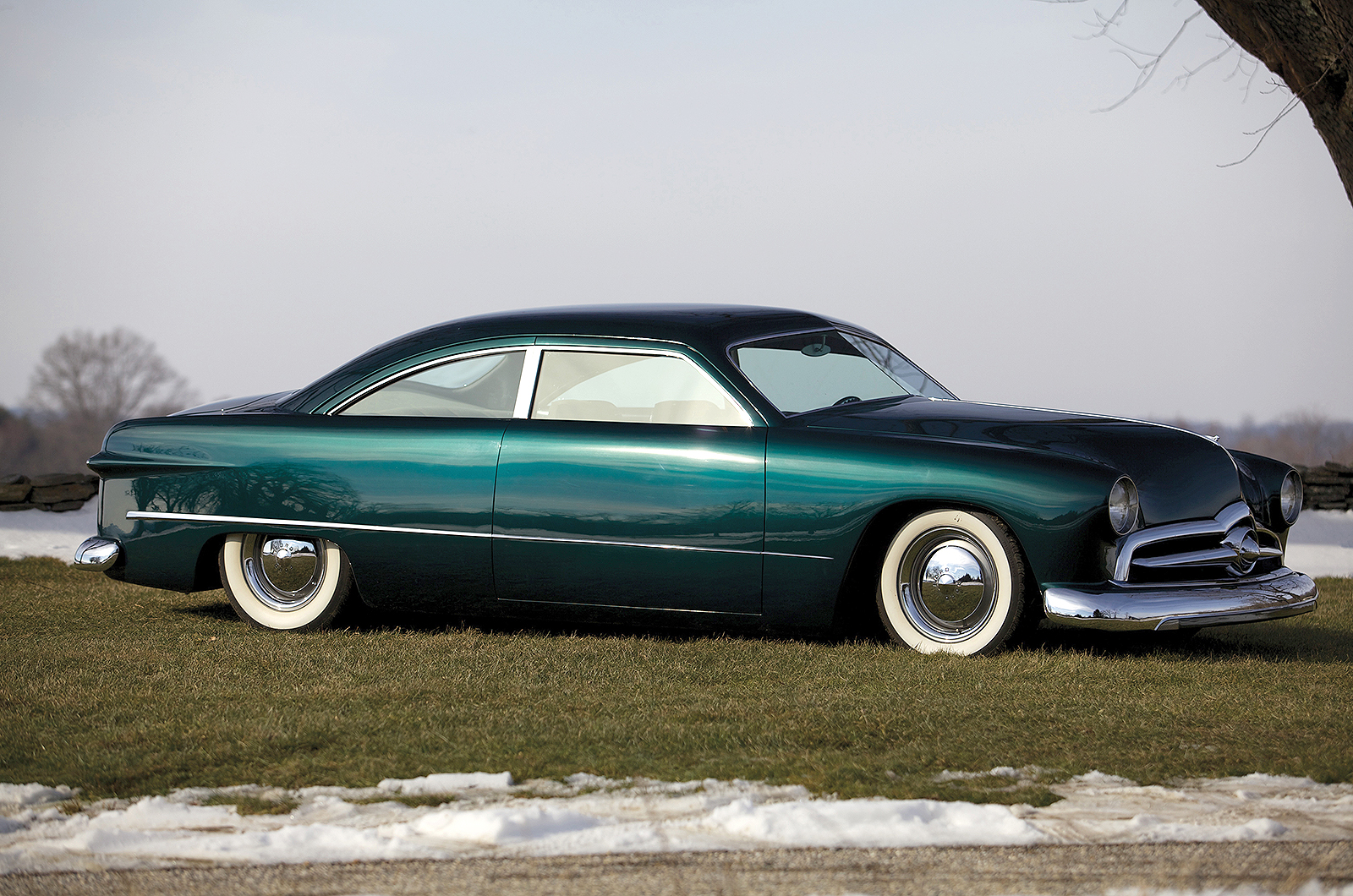
The original Mustang stands out as one of Ford's better-known home runs; the 1949 range is more obscure yet it’s the superstar that saved Ford.
So now we’re taking a look at how – and why – Ford developed its 1949 range in record time. Without it, there would likely be no Bronco, Mustang or even F-150, which is why the story is important to Ford-fans everywhere:
Sailing in choppy waters
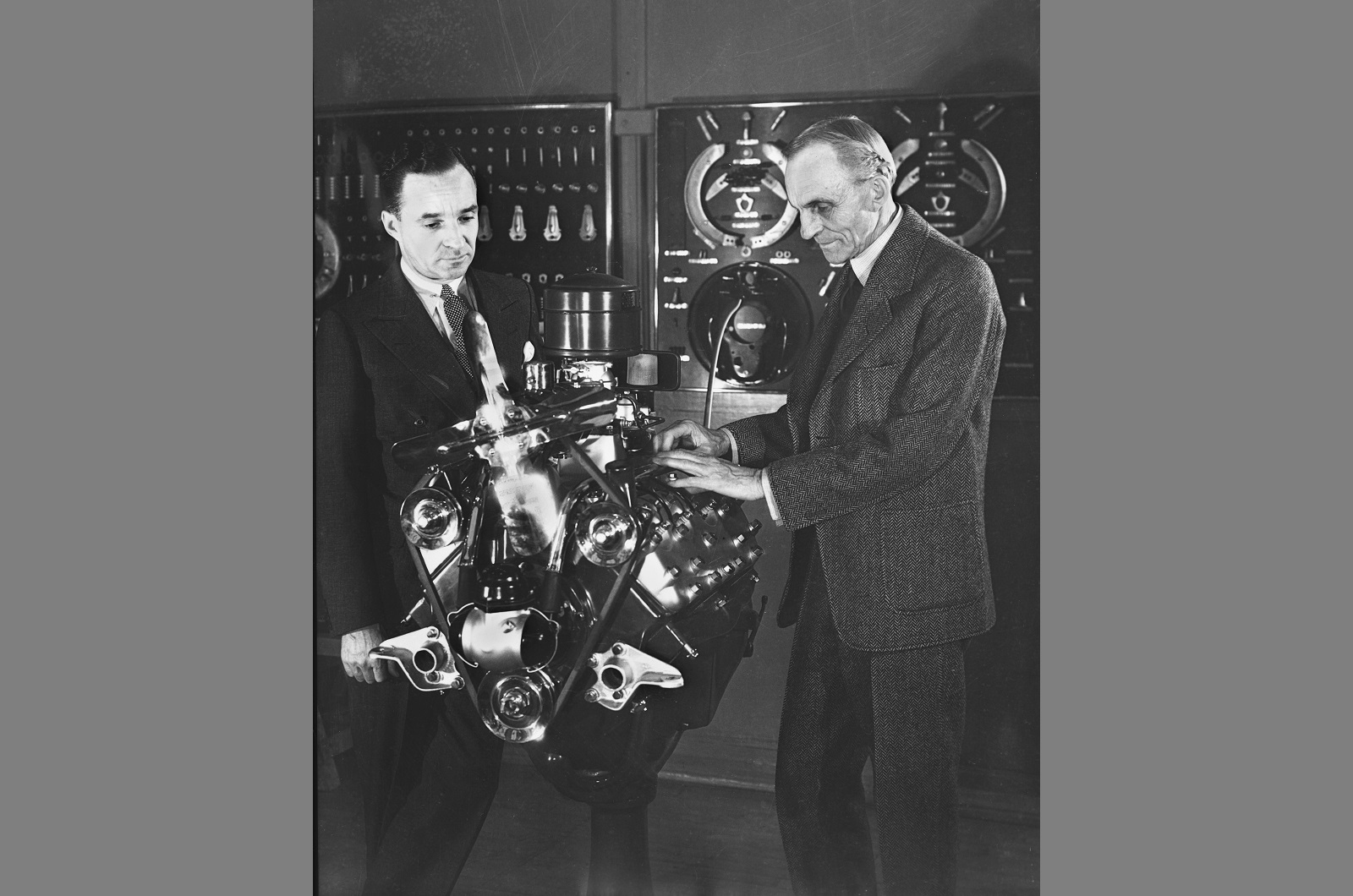
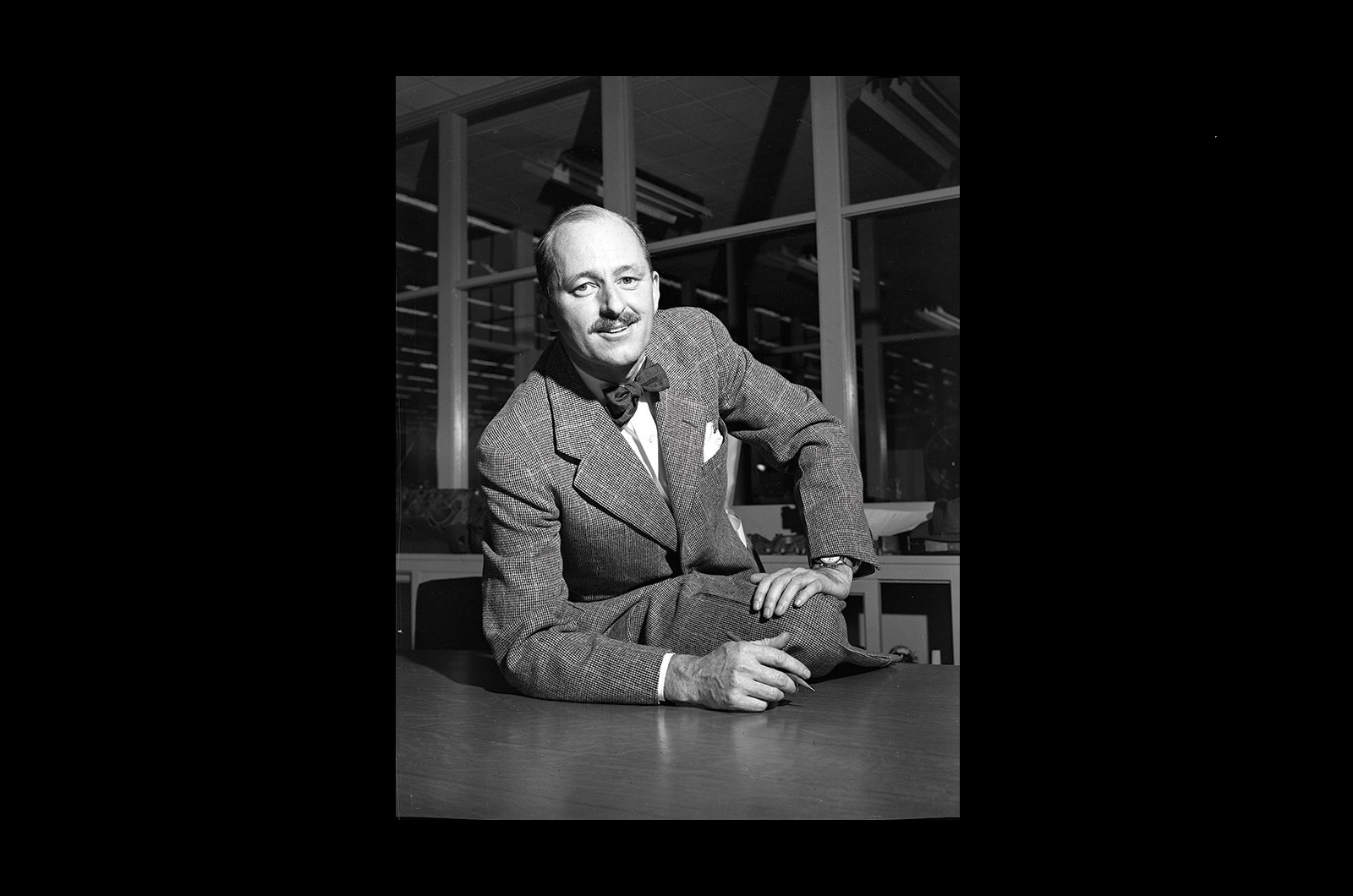
Edsel Ford (left), the only son of Henry Ford (right), became president of the family business in 1919, though most historians agree his father continued to make important calls behind the scenes. In the early 1940s, he worked closely with E.T. 'Bob' Gregorie, the company’s head designer, to create a new model line tentatively scheduled to reach showrooms for the 1943 model year.
The car never saw the light that awaits at the end of a production line. Ford quickly shifted its full attention to national defense when the United States entered World War Two and Edsel Ford unexpectedly died of stomach cancer in 1943, aged just 49. His father again took over the company he founded but his health was failing, partly because he suffered from a series of strokes in the 1930s.
Ford and the Whiz Kids
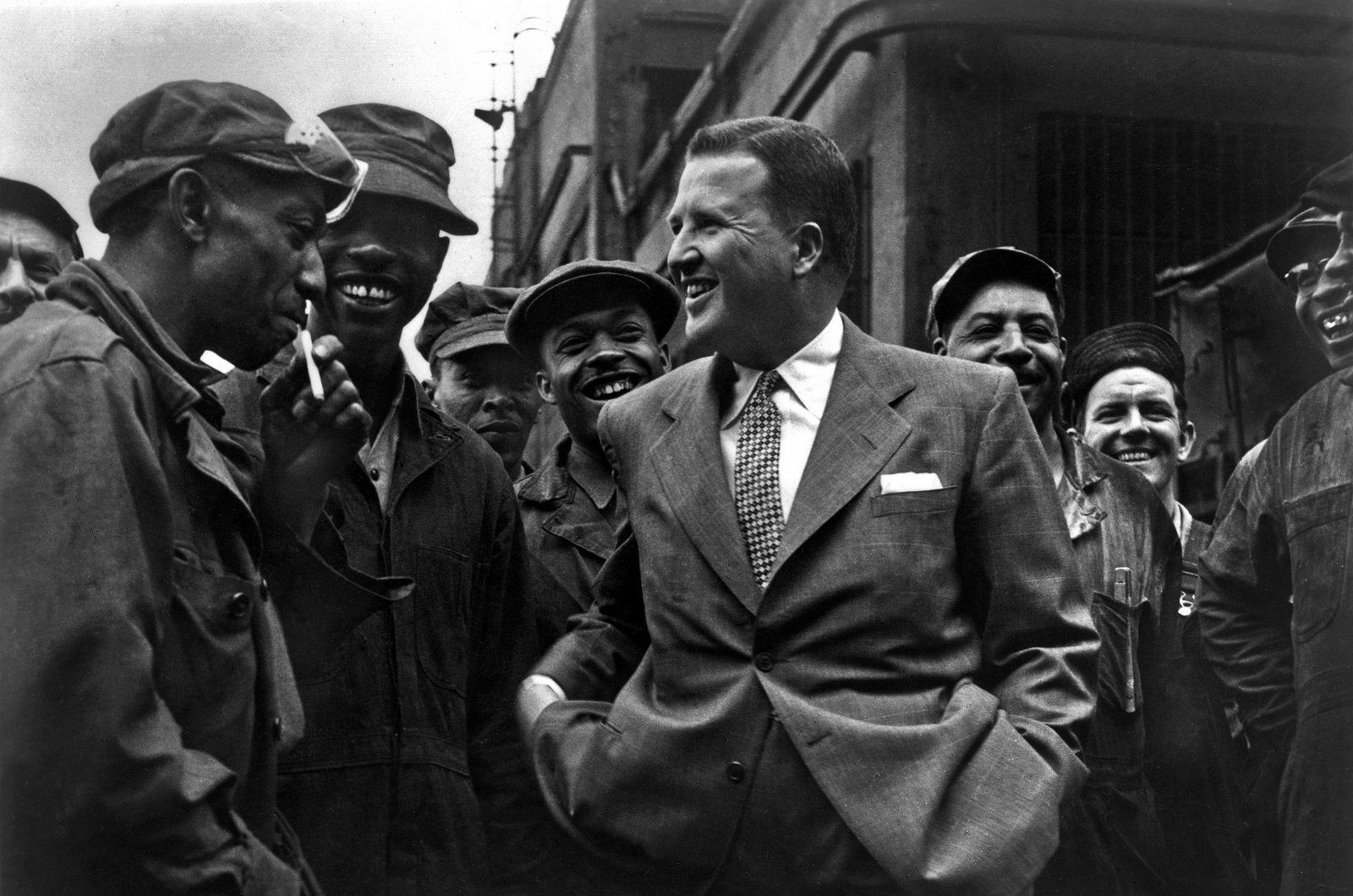
Henry Ford II (pictured center with Ford workers in 1946), Edsel’s oldest son and Henry’s oldest grandson, became president of Ford on 21 September 1945. He was 28 years old and knew he lacked the experience needed to turn the family business around. He started by overhauling Ford’s executive structure and notably hired several men (including Ernest Breech) from General Motors (GM).
He also recruited the Whiz Kids, a group of World War Two veterans who were part of the Army Air Force’s Statistical Control operations. If they could orchestrate America’s involvement in a global conflict, they might know how to keep a carmaker healthy as it retooled for civilian production.
From war to peace
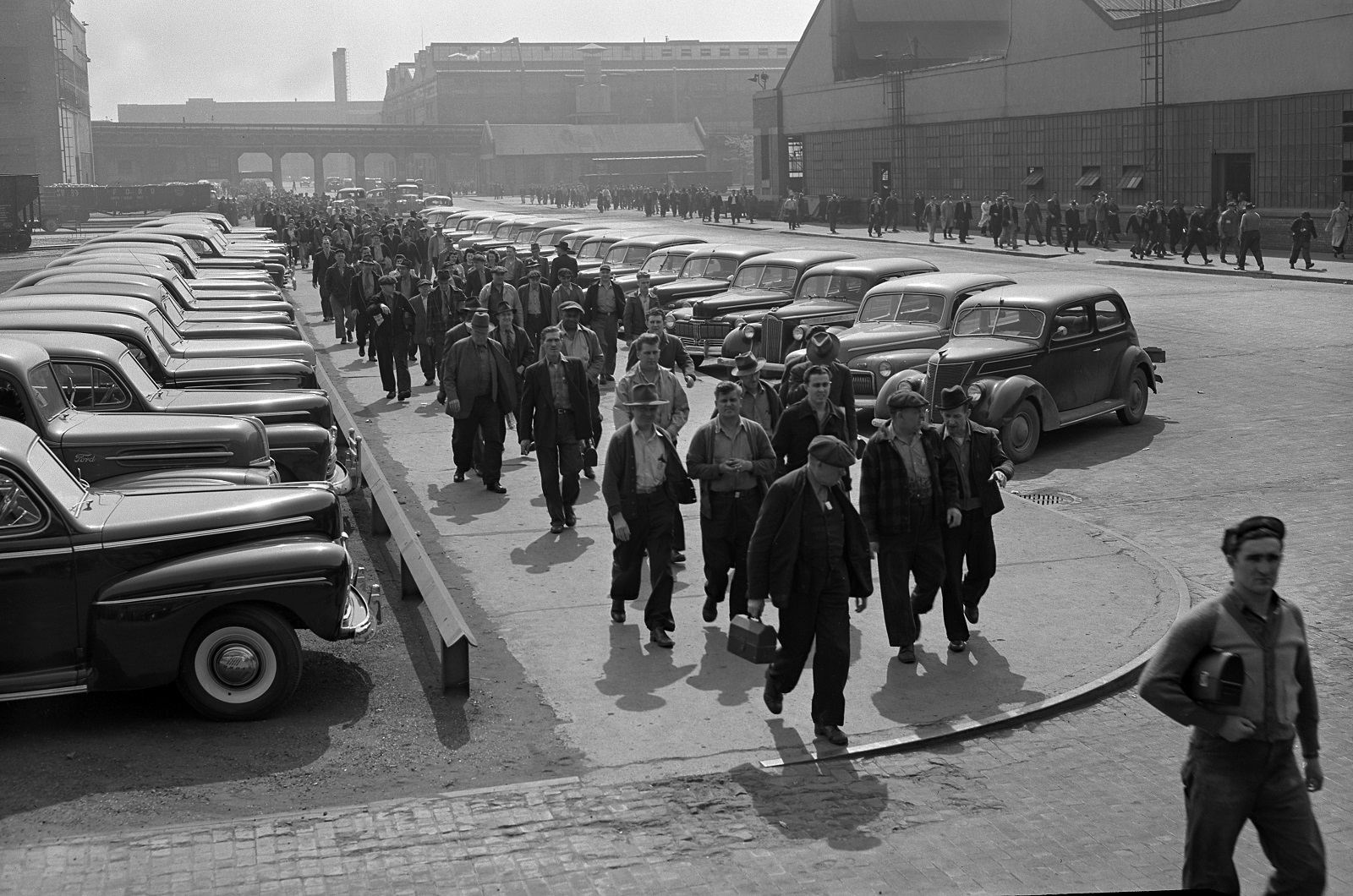
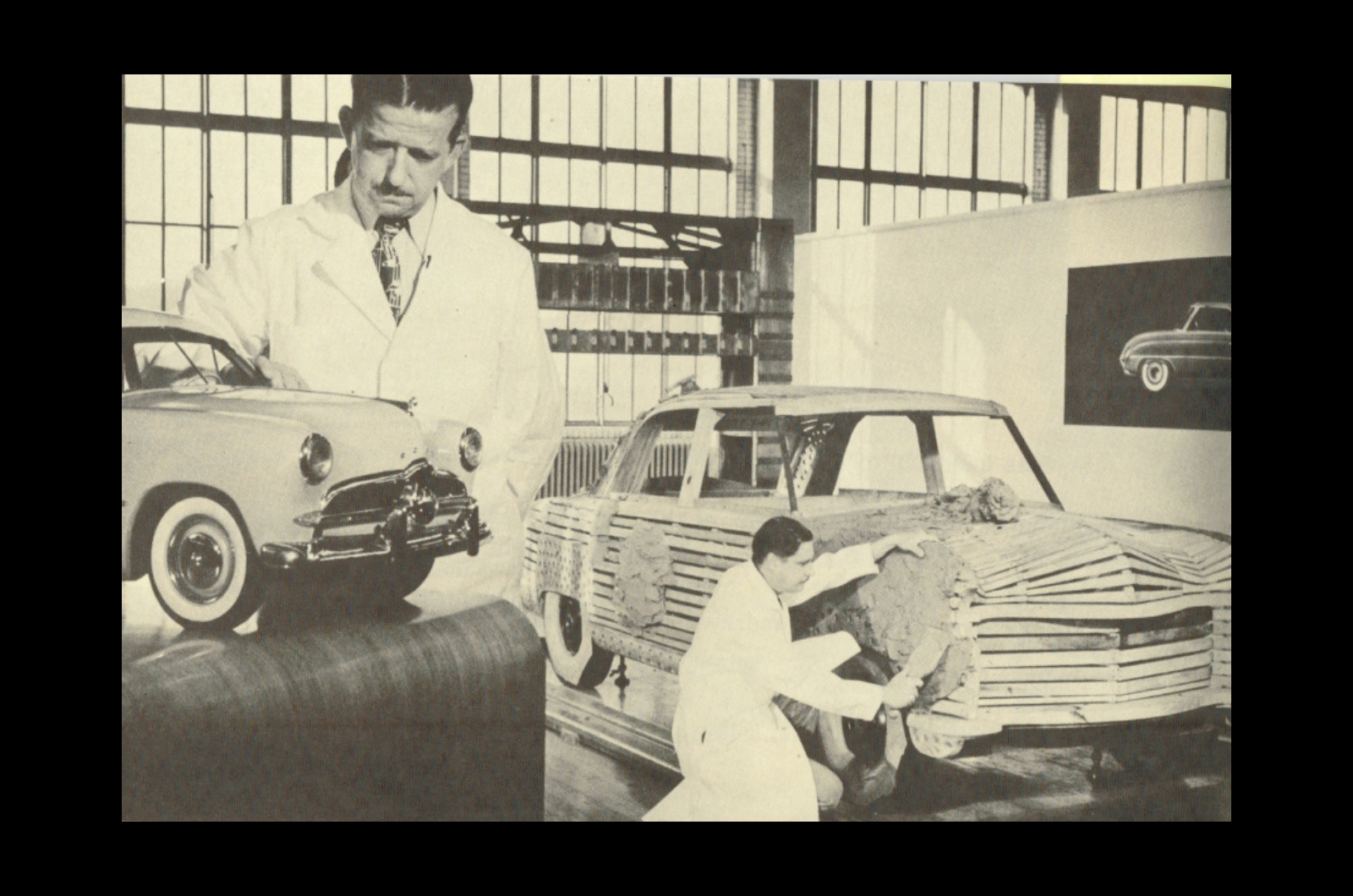
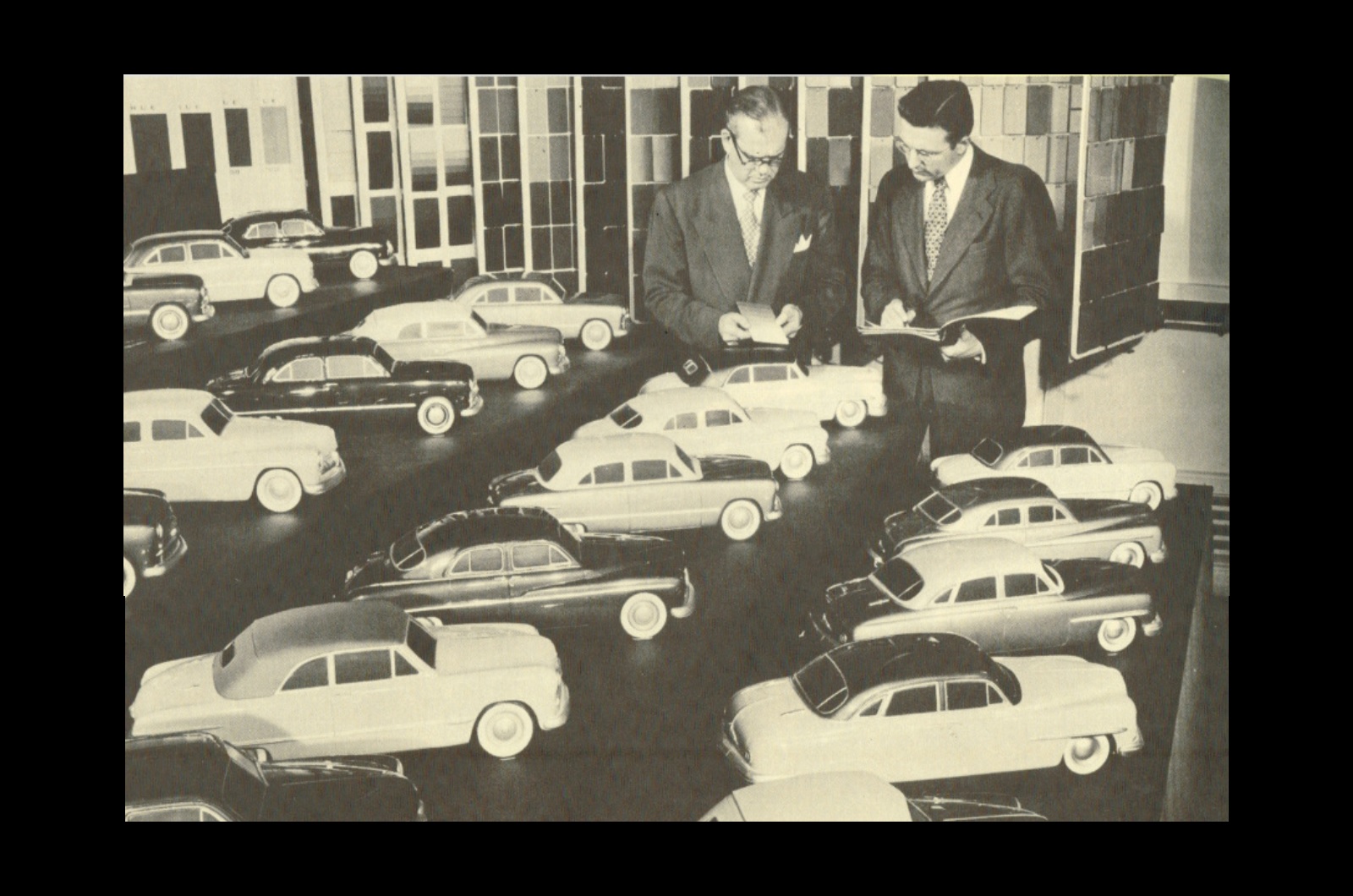
Ford, like all of its rivals, released warmed-over pre-war models when peace returned. It was too late to bring the planned 1943 model to showrooms so work began on new projects. Executives envisioned a small, entry-level model and a bigger car positioned above it.
The development process accelerated in 1946 and product planners aimed to release both models in time for the 1948 model year, beating arch nemesis Chevrolet to the market by a comfortable margin. It helped that the men Henry Ford II hired from GM had a valuable insight about that company’s future product roadmap.
What’s old is new again
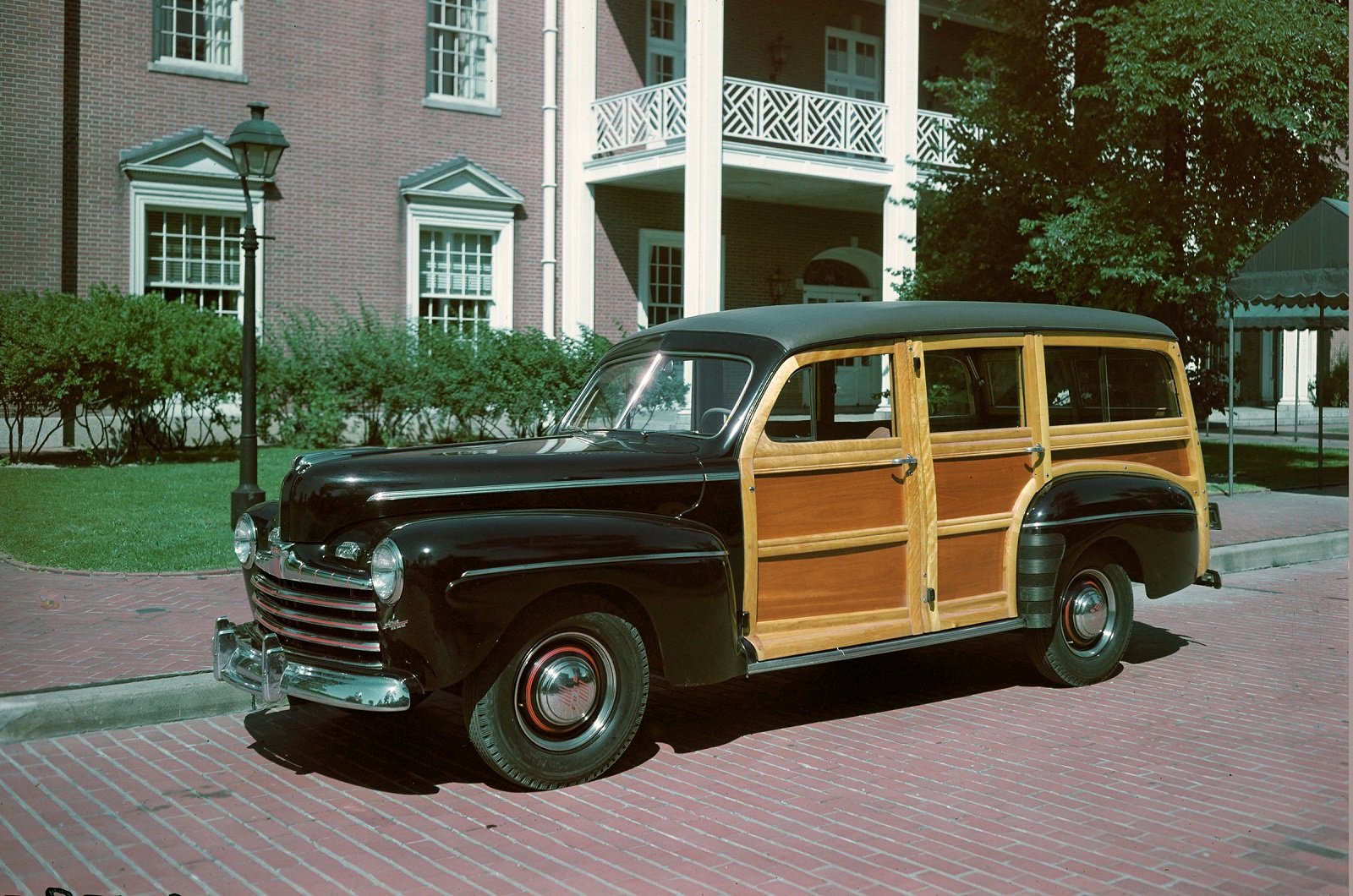
In the meantime, Ford continued selling pre-war models updated with a handful of visual tweaks. Its 1946 range included the Deluxe and Super Deluxe series each available with a six- or an eight-cylinder engine and in a variety of body styles. Sales were relatively low and Ford’s finances began crumbling.
The full-size car gets axed…
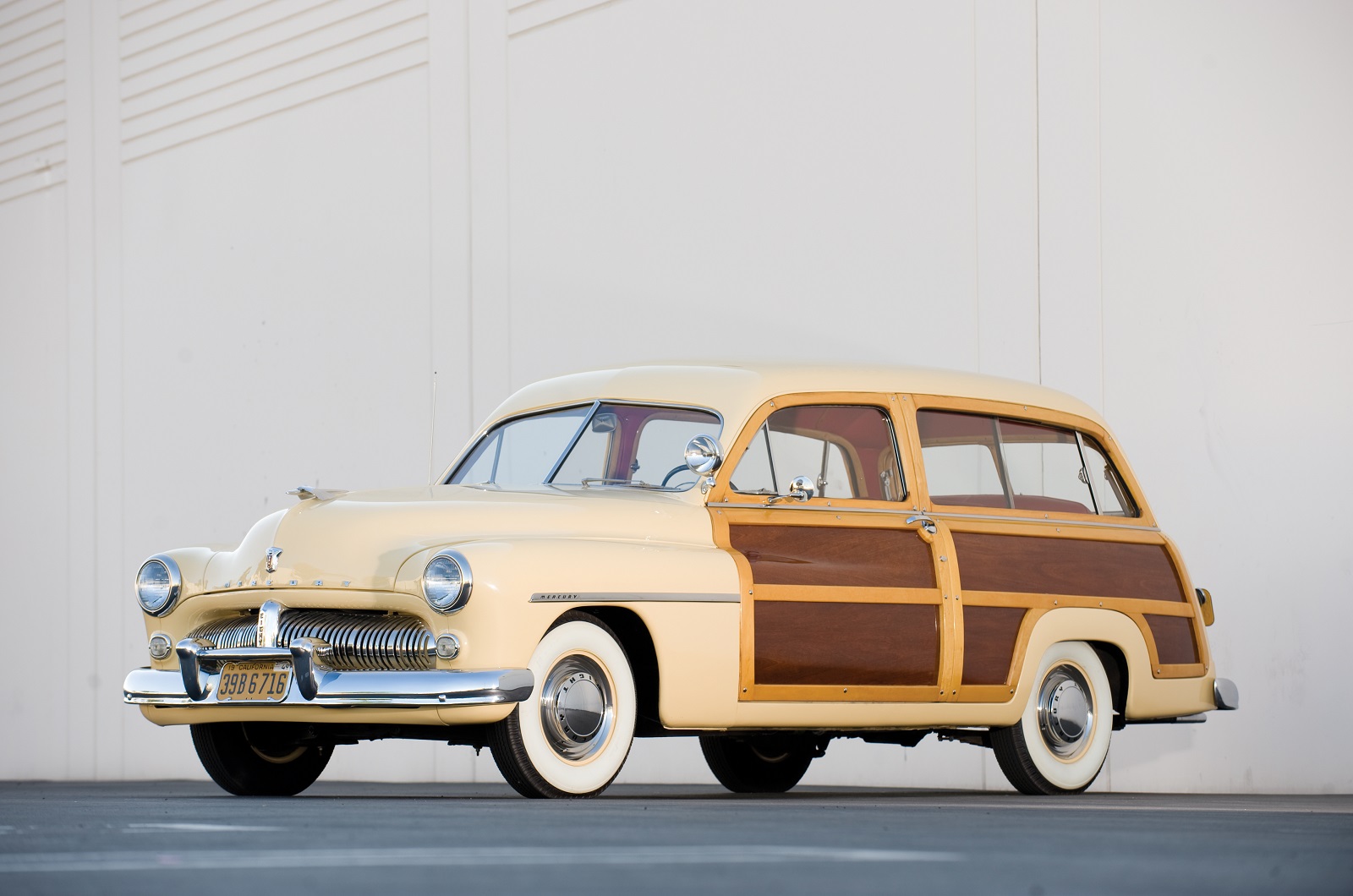
Ford’s new-for-1948 range remained on track for an introduction that would have likely taken place in 1947 until Ernest Breech, one of the executives poached from General Motors, decided to delay the full-size model. He worried such a big, heavy car wouldn’t be competitive.