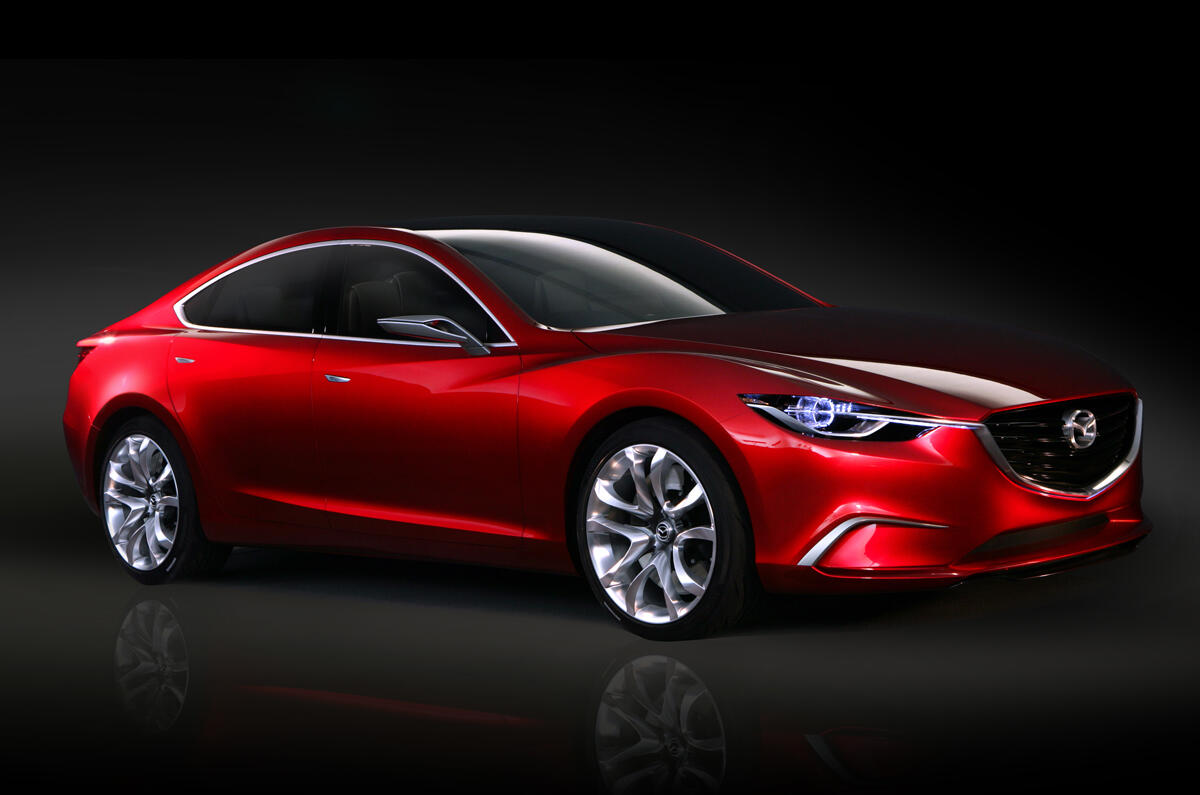
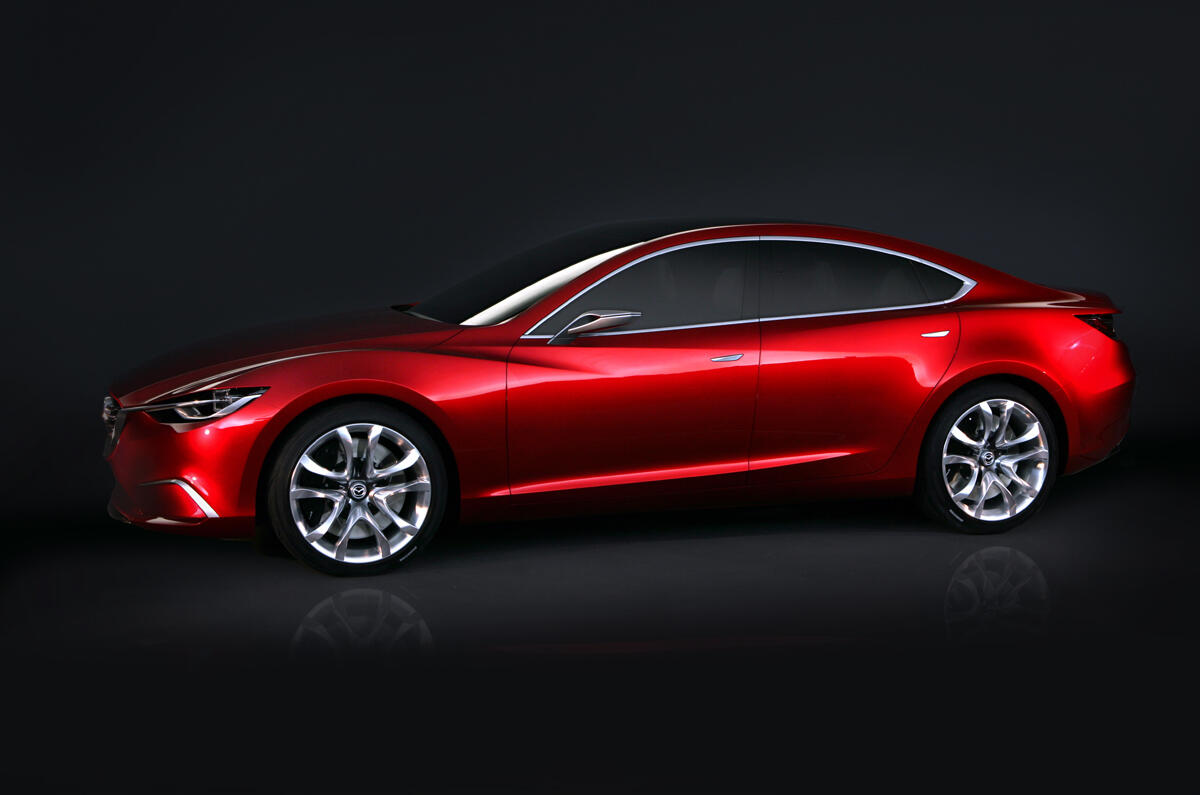
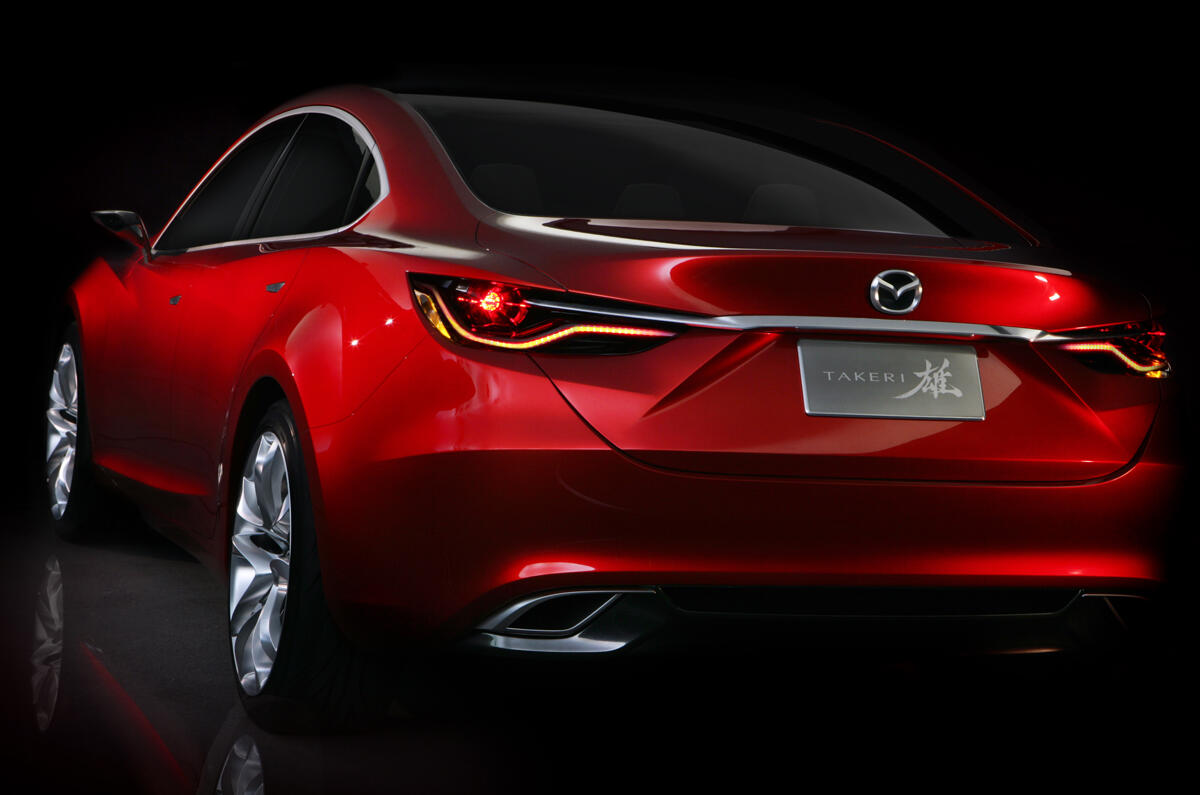
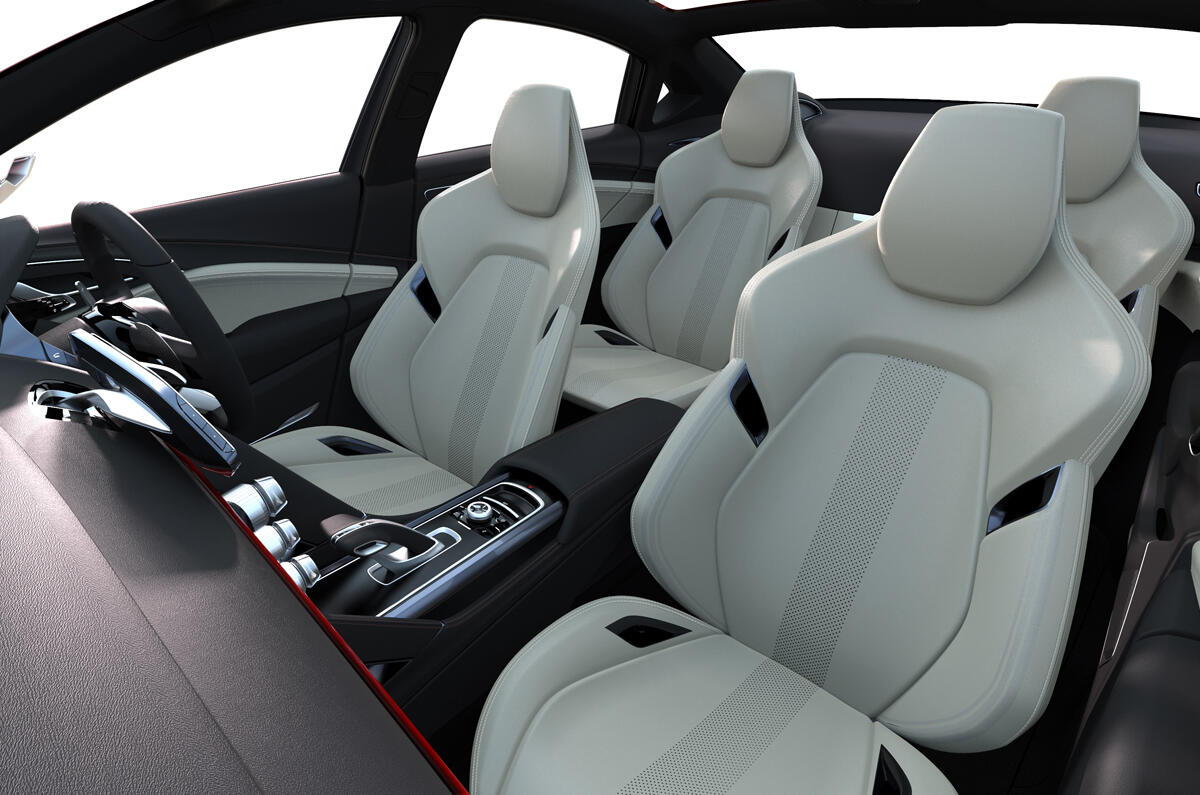
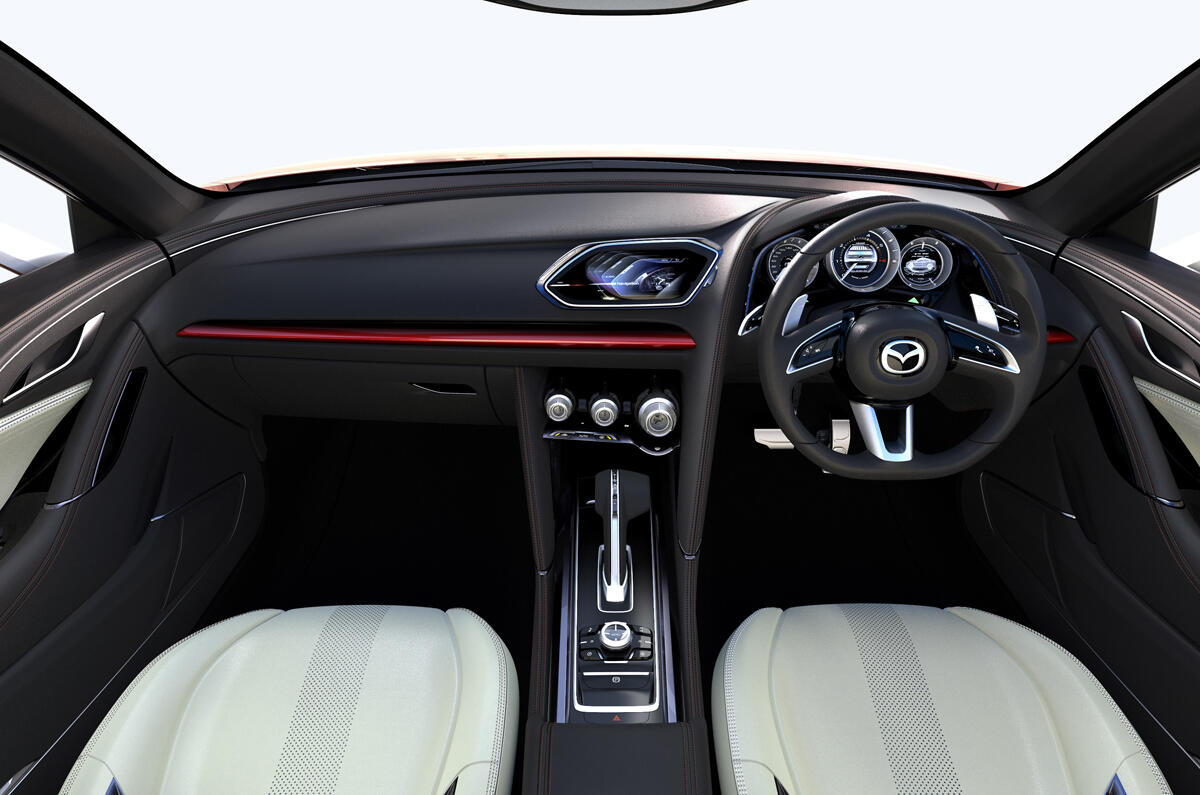
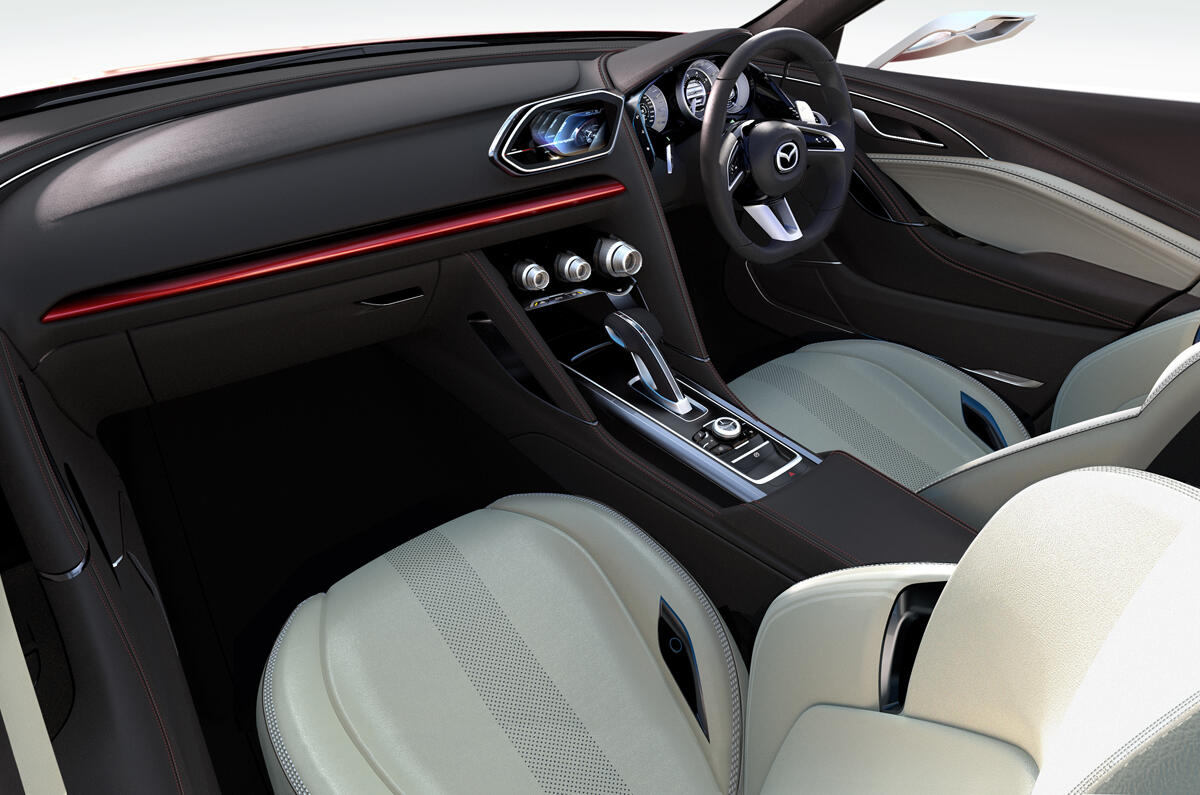
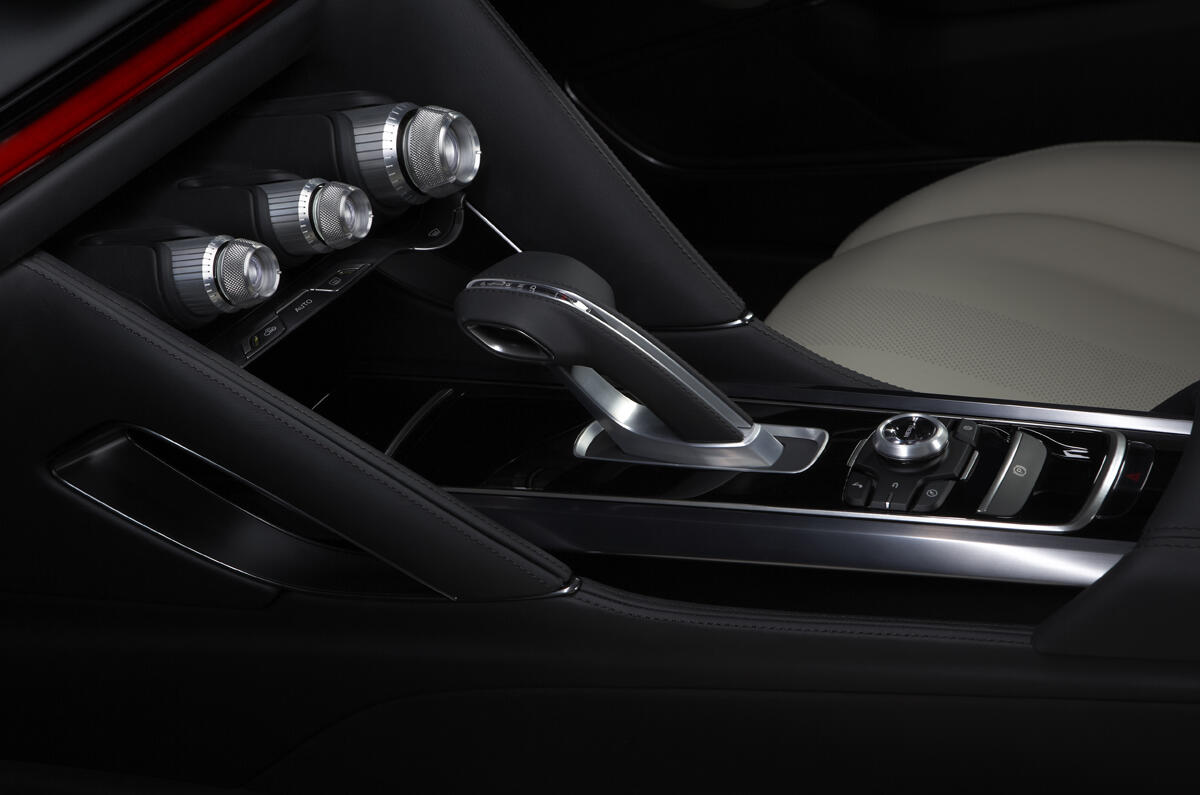
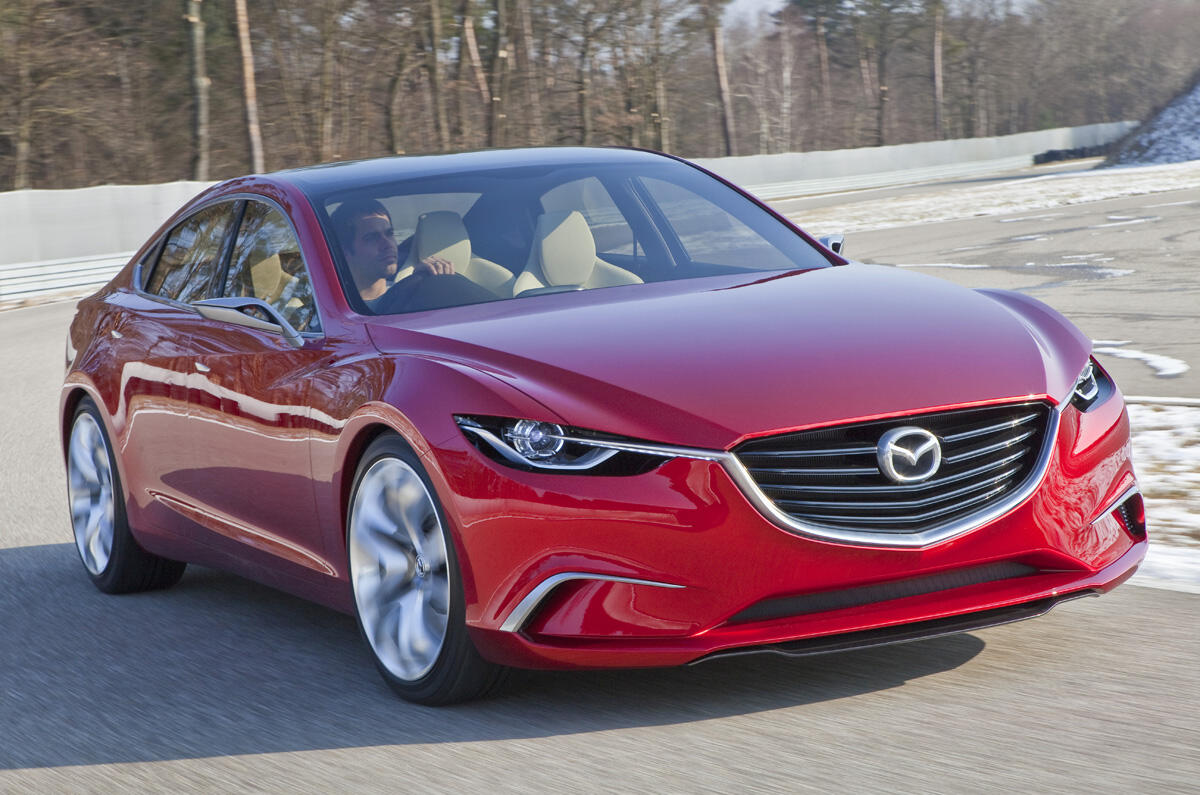

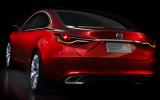

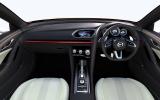
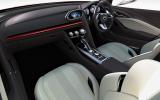
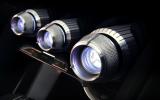


The Mazda Takeri saloon concept previously seen at the Tokyo and Geneva motor shows has been unveiled in front of the US audience at today's New York motor show.
As car companies embark on wildly contrasting electric and hybrid vehicle strategies, could some of the most revolutionary advances come from the trusty combustion engine? Mazda is determined to prove there’s life left in petrol and diesel.
The Takeri concept exists as a showcase for Mazda’s ‘Kodo – Soul in Motion’ design language, which is guiding the direction of the firm’s latest production cars. According to Mazda Europe’s design chief, Peter Birtwhistle, “about 80 per cent†of the Takeri will be carried over onto the next 6 saloon, due next year.
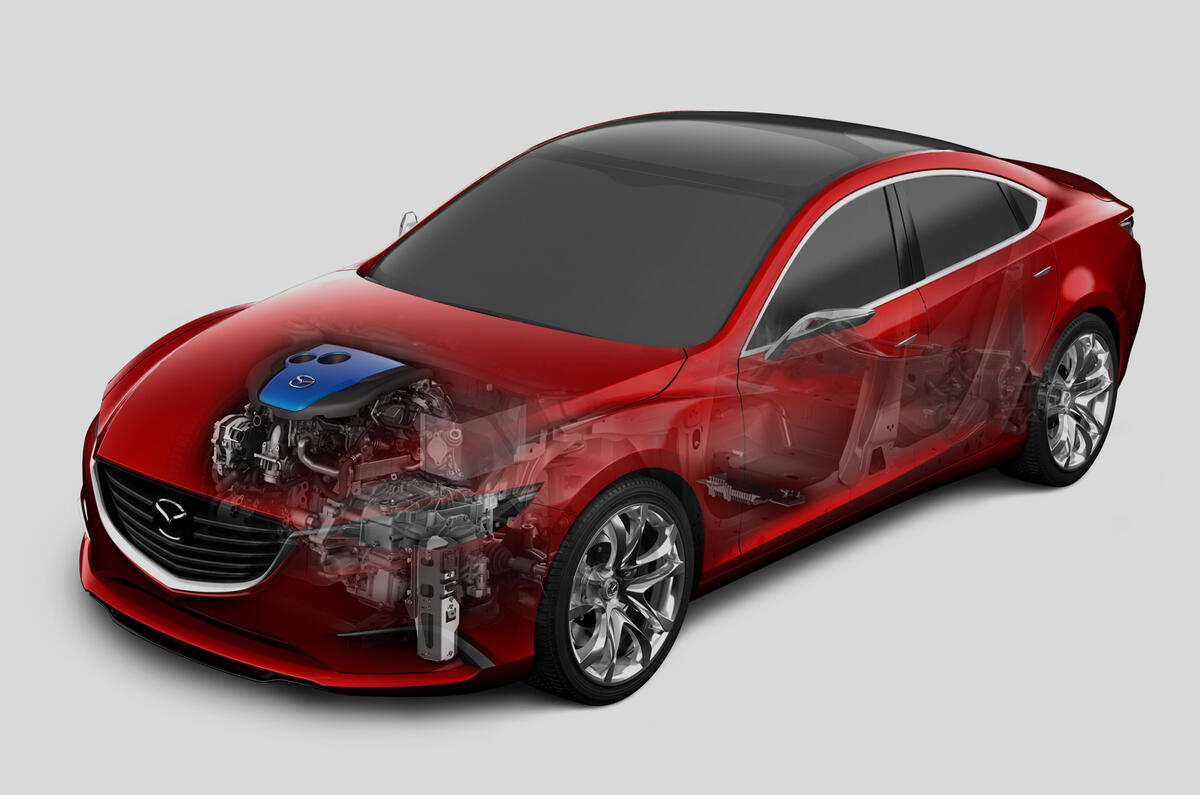
The Takeri, however, is more than just a striking saloon concept. Beneath its skin, it highlights technology Mazda has developed under the SkyActiv umbrella in its quest to improve the fuel economy of its entire range by 30 per cent by 2015. That promise was made in 2007 as part of Mazda bosses’ aim of offering hybrid-like efficiency from internal combustion engines.
Why, though, persevere with petrol and diesel when other manufacturers are moving towards electrification?
“There are two main reasons,†explains Uwe Kracht, vehicle team manager at Mazda Motor Europe. “Firstly, we still believe combustion engines offer great potential. For example, up to 30 per cent of the energy from these engines is still getting lost. The second reason is that we are convinced that in 2020 more than 80 per cent of cars will still use combustion engines.â€
Mazda calculates that its goals for improving fuel economy and CO2 emissions by 2015 would only otherwise be possible if either half of its new passenger cars were hybrids or almost a quarter of them were full electric vehicles. Given the current take-up of such vehicles, it’s an unlikely situation.
SkyActive is the first step
The company’s first step towards that 2015 economy target was SkyActiv, a range of cleaner powertrains and lighter chassis and bodyshells that has already reached production in the shape of the CX-5 compact SUV, due in British showrooms this spring.
Of course, Mazda isn’t ruling out a fully electric car for the future, and it has already forged a licensing deal with Toyota to develop a hybrid that is expected next year. Kracht says: “For further development, we are following a ‘building block’ strategy, with SkyActiv at its base. We will develop the electrical applications in steps until perhaps some time in the future we will finally end up with an electric car.â€
The first building block in the foundations of SkyActiv was Mazda’s stop-start system. Called i-Stop, it will be fitted to all future SkyActiv petrol and diesel engines, and already appears on some models, including the 3 and 5. The system can restart the engine in a single compression stroke, something that Mazda claims is an industry first.
The Takeri concept is part of the second building stage and introduces the i-Eloop, the company’s regenerative braking system. Used in conjunction with the other SkyActiv developments, it contributes to impressive economy figures. “When Takeri is adopted with the SkyActiv 2.2 diesel engine, six-speed automatic transmission, modified i-Stop and i-Eloop, we can achieve the fuel efficiency of a hybrid, as well as outstanding dynamic performance and a cruising distance of 1500km [932 miles],†says Kracht. “With the SkyActiv technology we can already improve fuel economy by about 20 per cent from 2008 levels. With i-Stop and i-Eloop we can achieve another 10 per cent, so that we can meet our target of 30 per cent in 2015. I’m quite proud that we were the first to think of this idea of the capacitor. It is really a new generation of energy storage.â€