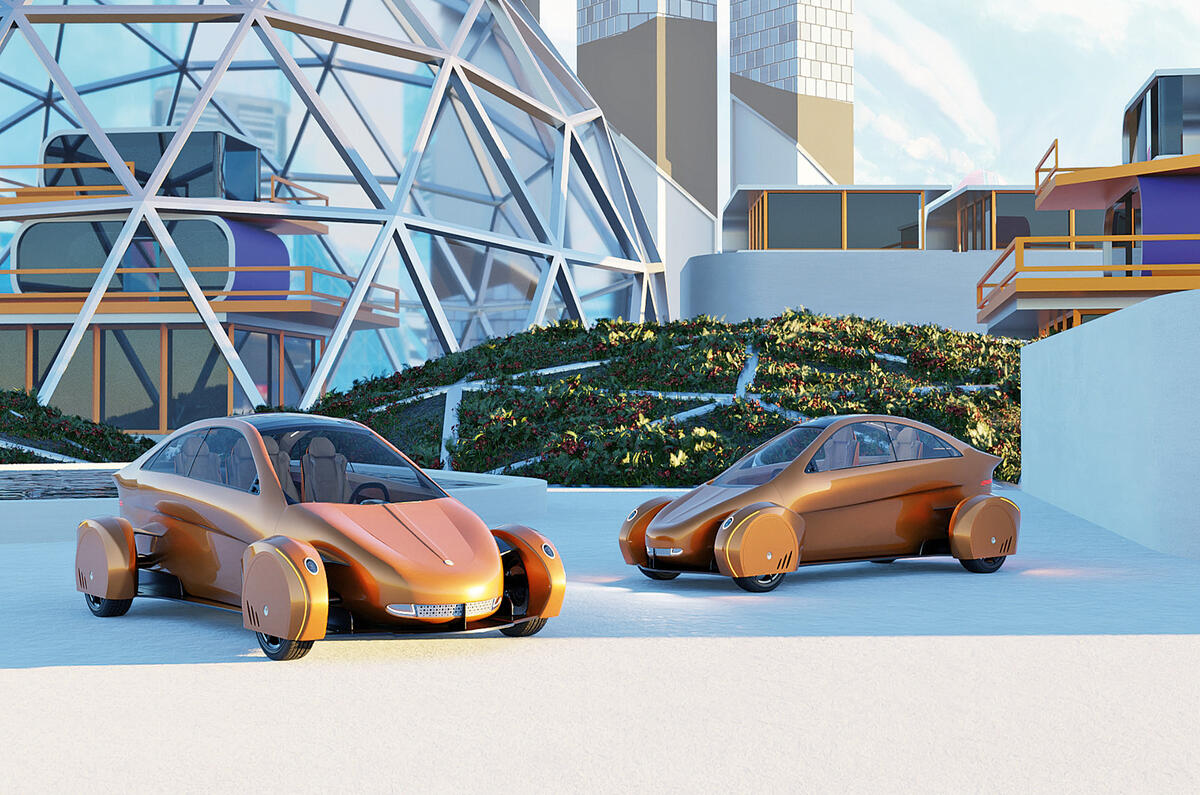
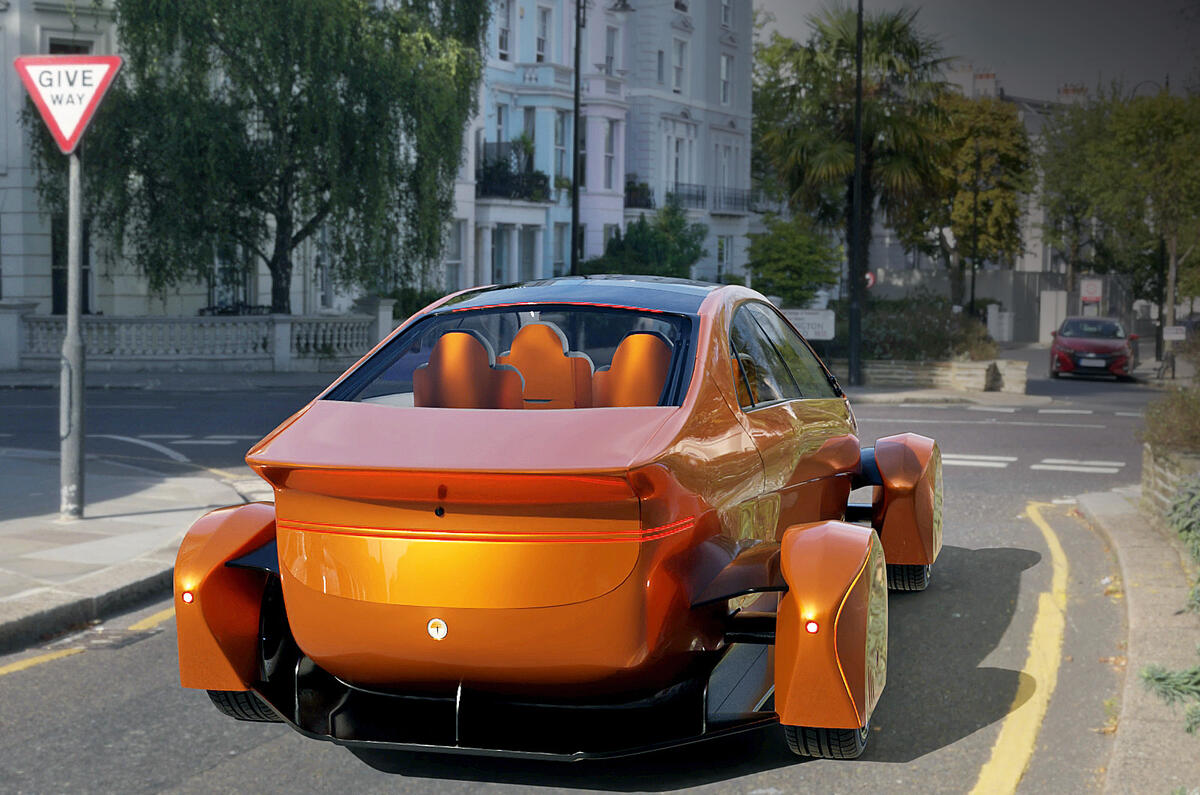





New British firm Soventem is hoping to shake up the EV industry with a unique take on car sharing, using carbon-neutral electric cars with unconventional designs and a focus on automation.
The London-based start-up aims to launch its EVs in the UK in March 2024, making them available for outright purchase and for use as part of shared-mobility schemes.
They will be developed at a new facility in Warwickshire’s MIRA technology park through partnerships with Israeli EV platform developer REE and US suspension specialist Clearmotion.
Soventem claims its cars will have 300 miles of range and be able to charge to full capacity in less than five minutes.
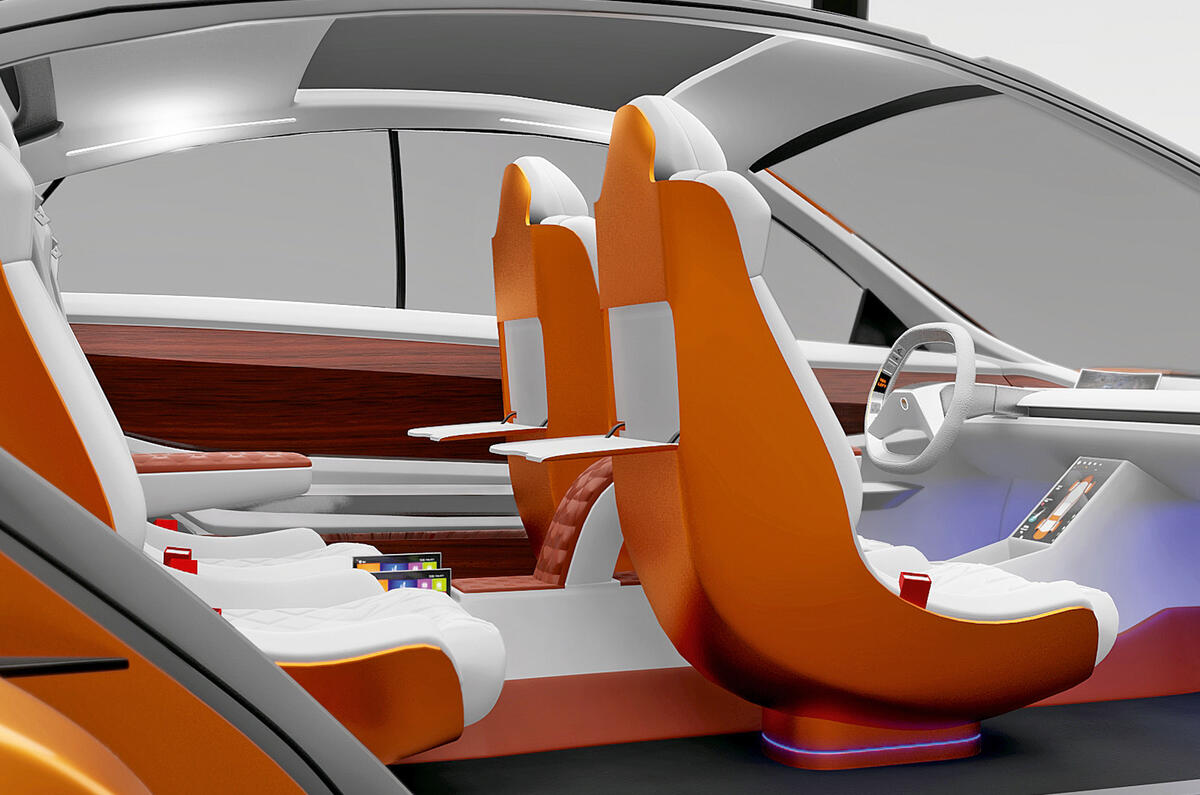
Speaking exclusively to Autocar, founder Robert Parson explained his thinking behind the radical designs of the company’s planned EVs, which feature gullwing doors, front and rear storage areas and a lounge-like interior.
The more sporting model has a 1+1 seating arrangement similar to that of the Renault Twizy, which Parson said “goes back to my days of racing”.
He explained: “We wanted to sell road-legal electrified race cars with air suspension and just have fun on the road. Most of the times I’ve been out in my sports cars, it was usually by myself. [So] a two-seater made sense with the passenger in the back, and through a video screen on the back of the driver’s seat, you can see the driver with a little camera. You have a visual connection and you can see forward on that video screen and have a two-way conversation.”
Having previously toured the factories of Mini, Rolls-Royce and TVR, Parson said that Soventem will throw conventional production lines “out the window”, instead using teams of five people who will build cars from start to finish.
They will be built in dedicated pods, while customers will be able to commence the production process themselves and have question-and-answer sessions with the production team.
Each model will be built using 3D-printed components with a unique production experience and the goal of being as carbon-neutral as possible.

“We’re not going to be a high-volume, mass car manufacturer,” said Parson. “We can’t compete in that world. We decided to become a niche car manufacturer with 3000 cars a year tops. We knew we were going to build some exciting, futuristic, concept-looking cars that we will actually bring to the market.”