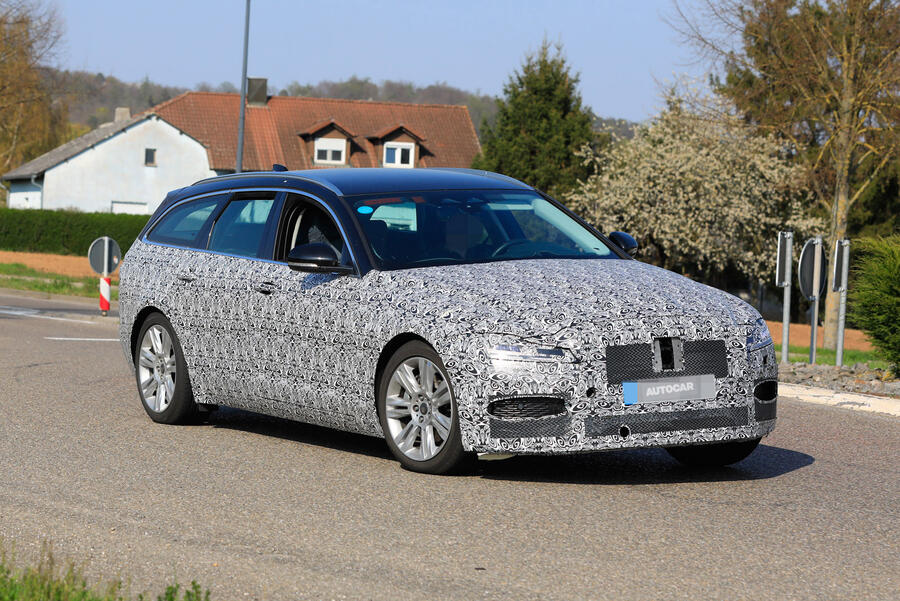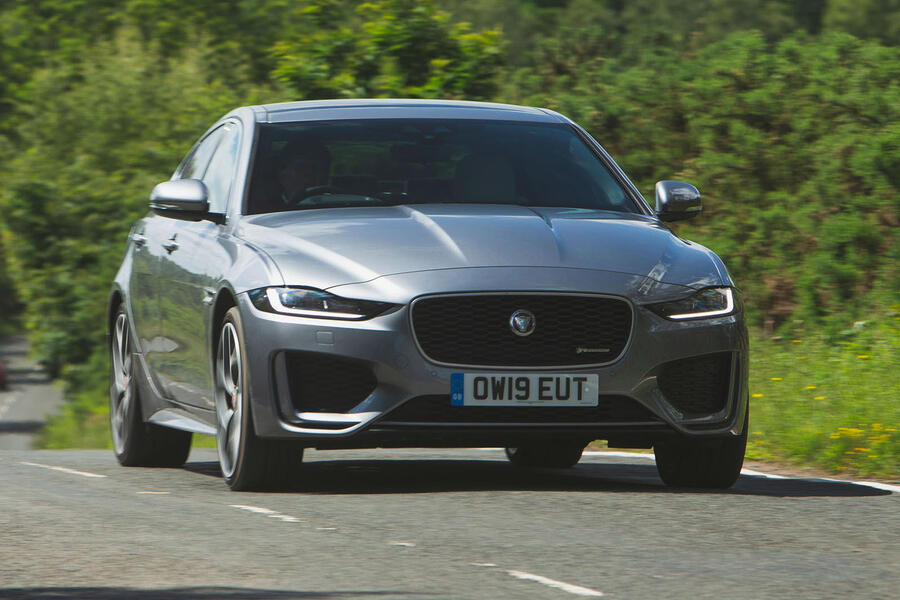
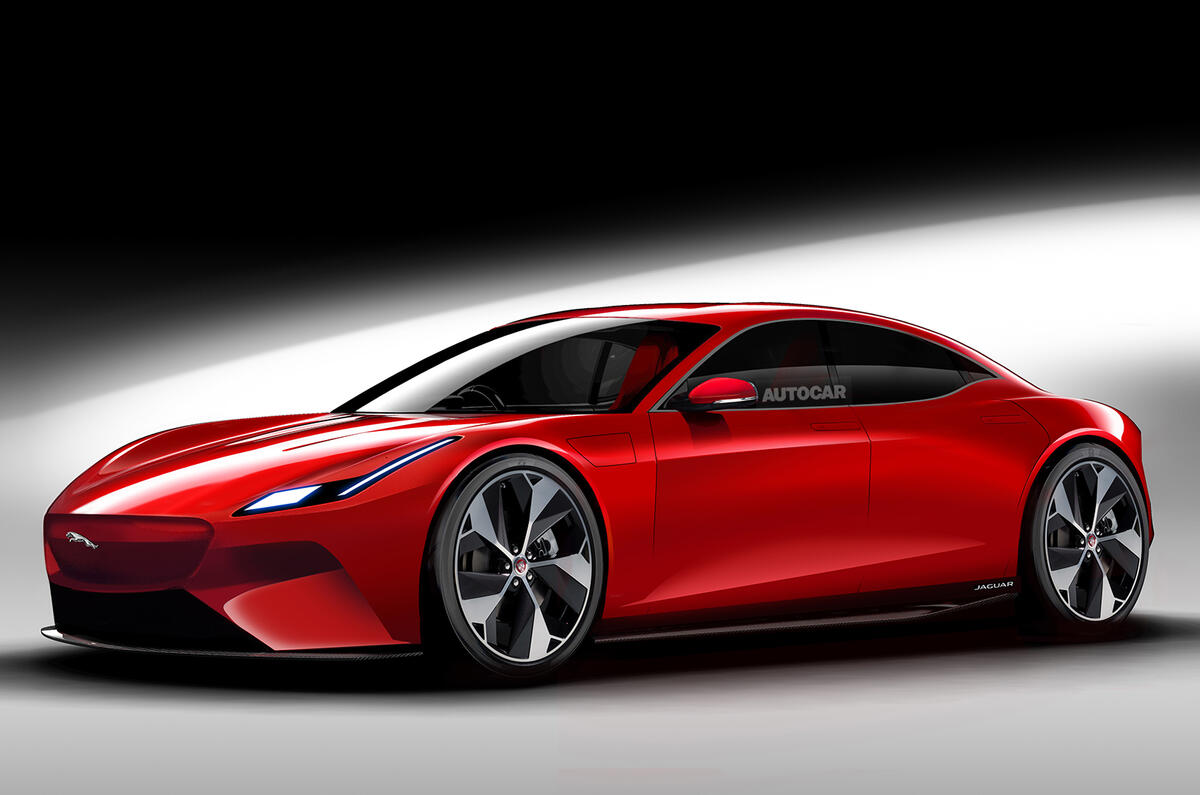

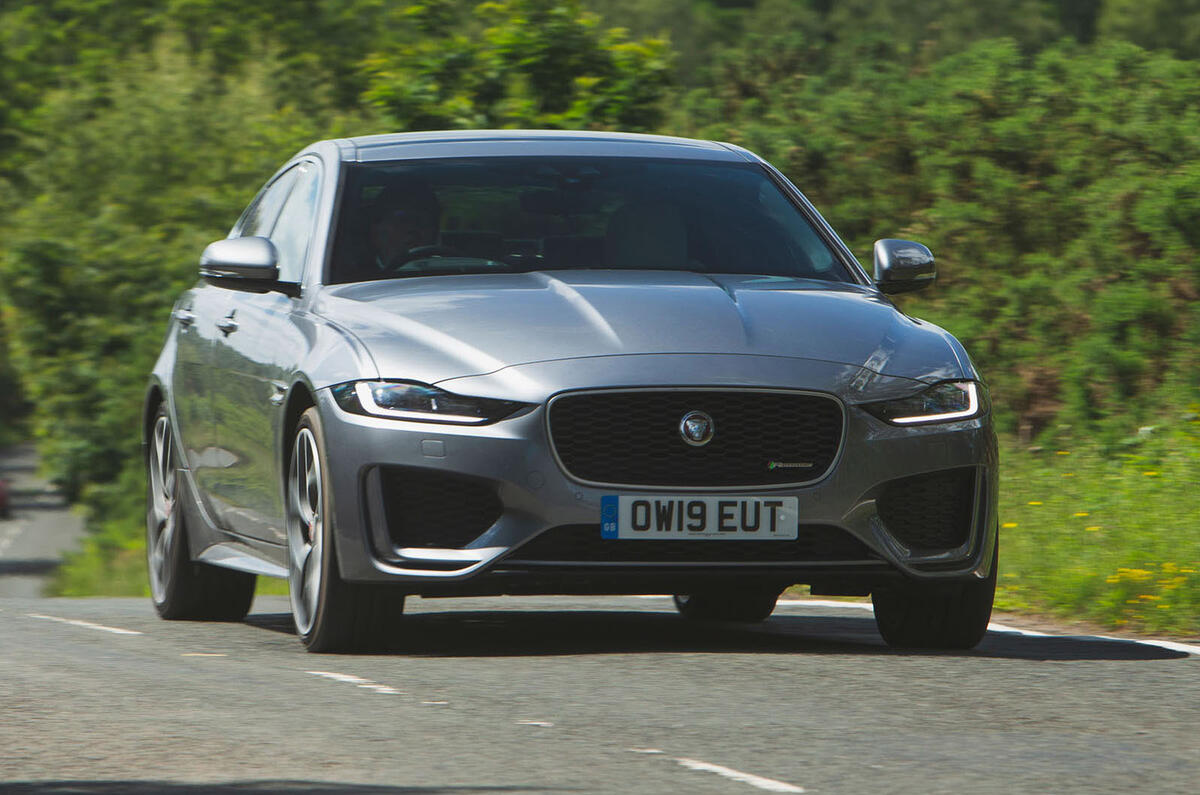





Jaguar is weighing up a number of options for replacing its slow-selling Jaguar XE and Jaguar XF saloons, including a radical electrified saloon and a smaller, hatchback-style model.
The next 12 months will be crucial for Jaguar Land Rover as it attempts to recover from the huge financial disruption caused by the coronavirus pandemic. It’s also a period in which the Jaguar brand will come under intense scrutiny as it searches for a formula that will deliver at least one more big-volume new vehicle to boost profits.
Jaguar hasn’t ruled out directly replacing the two saloons but, with the market shifting away from such models, Autocar understands the firm is considering radical alternatives. One option is to replace both with a single, eco-focused compact saloon, likely offering both mild-hybrid and plug-in hybrid powertrains.
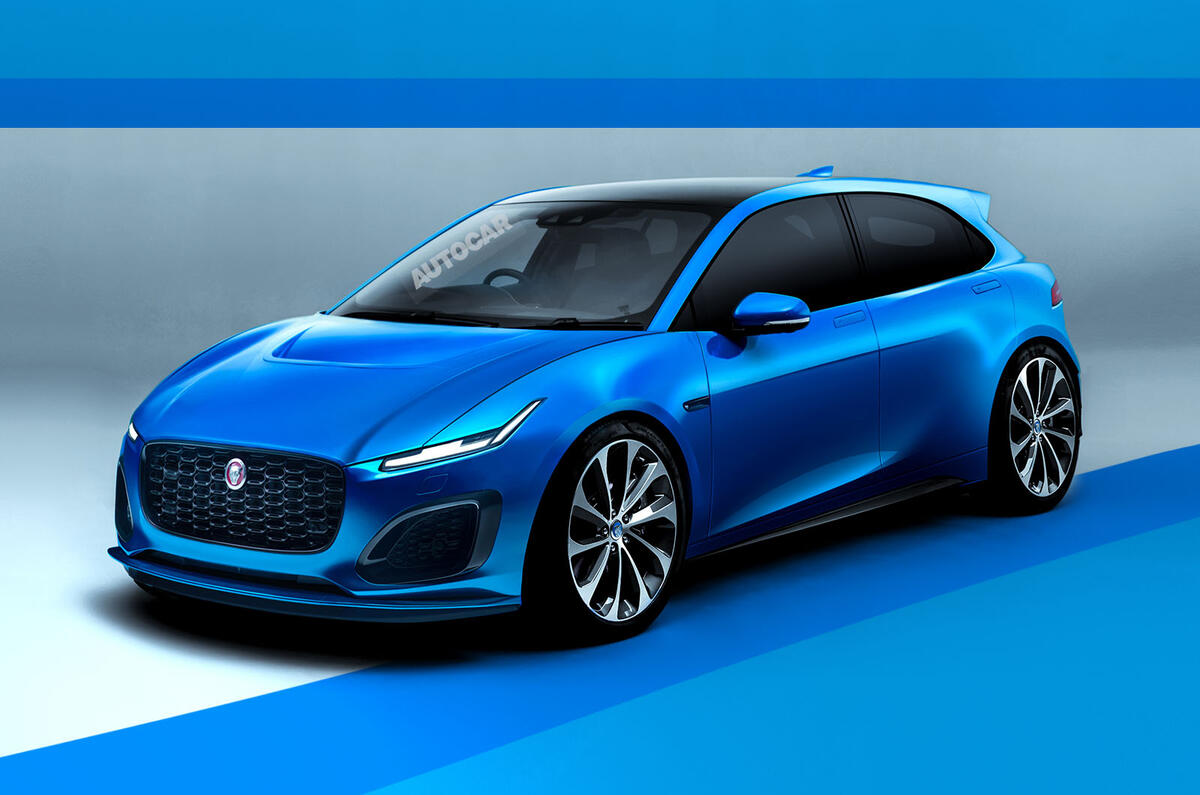
The other option, as hinted at by new Jaguar design chief Julian Thomson recently, would be to look at building a smaller car. Possibly about 4.5 metres long, it would be more elegant and styled in a more classical way than Germany’s aggressively machined premium cars.
“I’d love to do some smaller cars,” Thomson told Autocar, “and it feels as though the time is right. Jaguar needs a global product that could appeal to younger buyers, and more females as well.
“Our values are ideal for owners who want more efficient cars but still like design quality, luxury and cars that are nice to drive.
“But it’s a tough sector. You need big numbers, which means big factories and a big organisation to sell them. But that’s definitely where I would like us to be.”
With the design language of most rivals focused on visual aggression, Thomson has clearly spotted the same opening as Ferrari when it launched the Roma coupé under ‘la nuova dolce vita’ branding: a classically styled car standing out in its line-up.
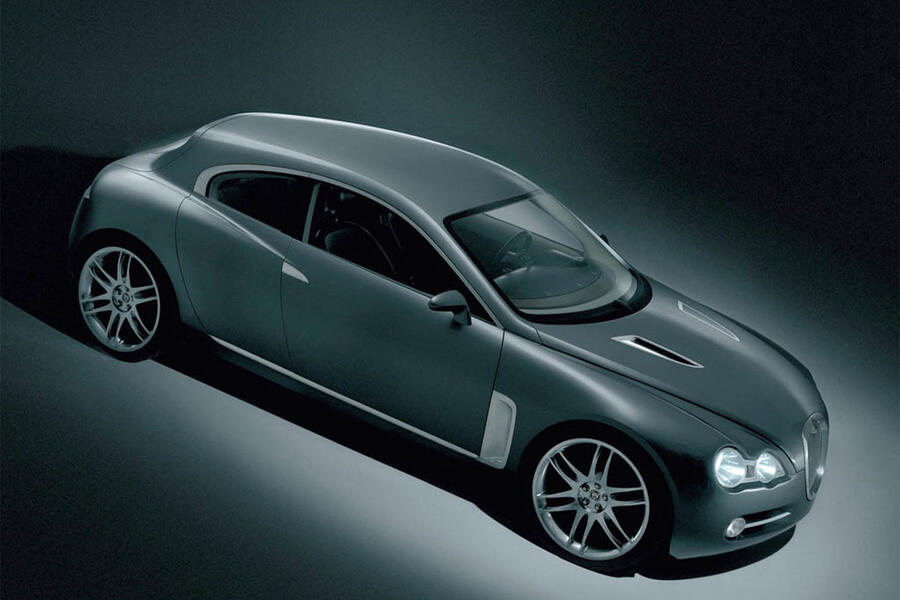
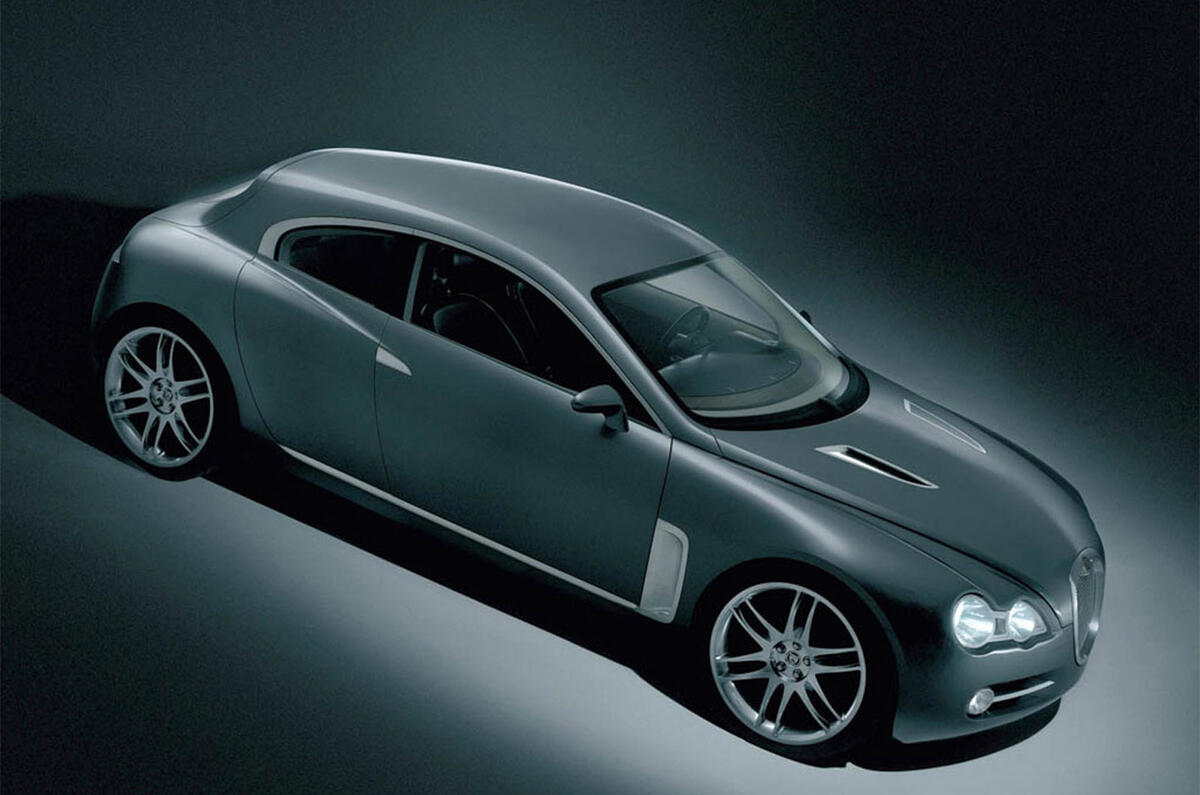
Autocar understands one influence for the future is the RD-6, a 17-year-old compact hatchback concept that was the first public project of then new Jaguar design boss Ian Callum. Despite its age, this is looking relevant again as the industry faces up to stringent European Union regulations concerning CO2 emissions.
Entering the compact premium hatchback market could give Jaguar a very distinctive slot in a segment that’s good for 800,000 units per year in Europe alone.
Aside from this being a segment Jaguar has never explored, such a car could, if aligned with the brand’s three SUVs, deliver bigger volumes than the current core XE and XF models as the saloon market continues to dwindle around the world. Such a volume product would also give a boost to Jaguar’s dealers.