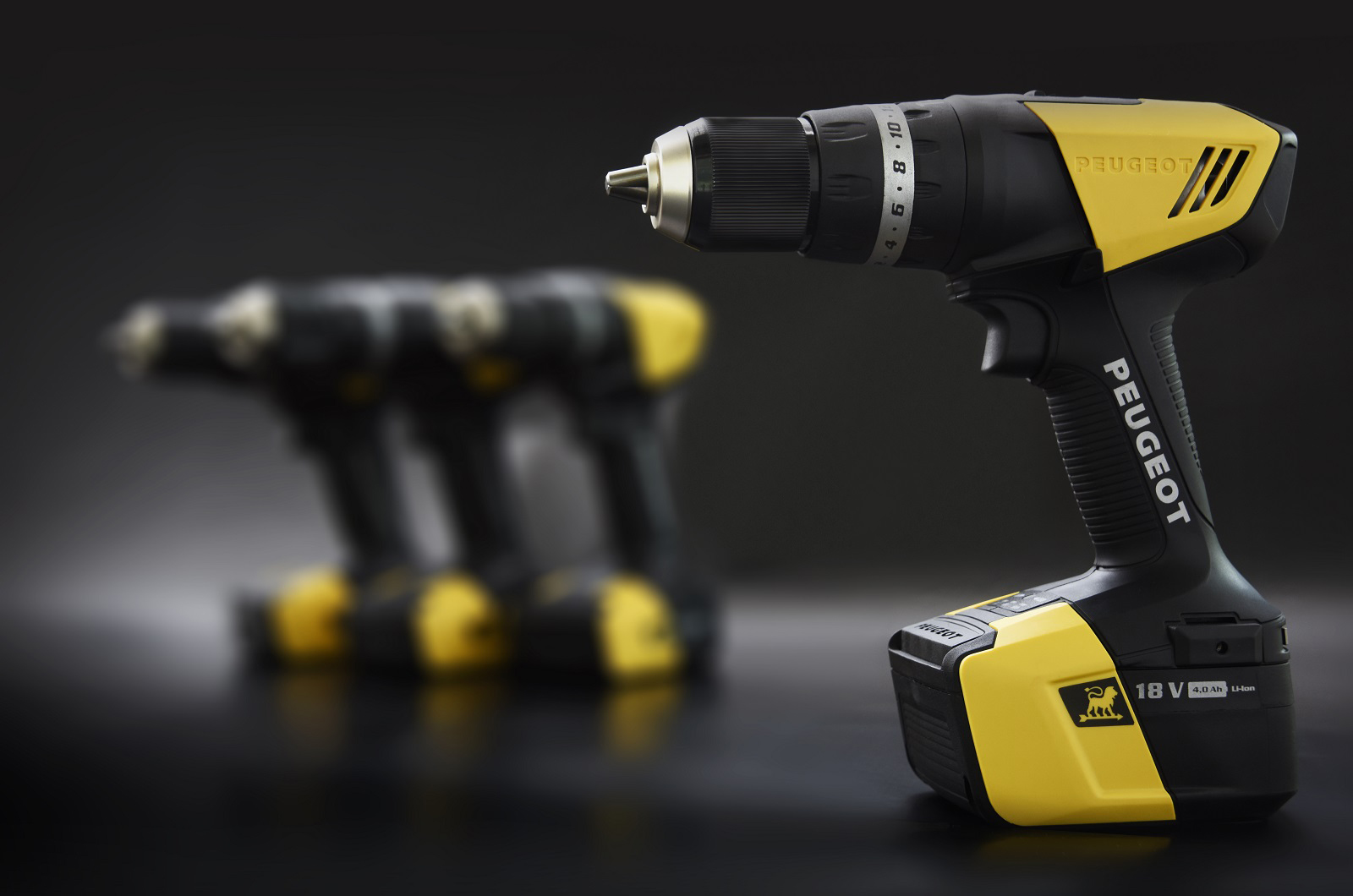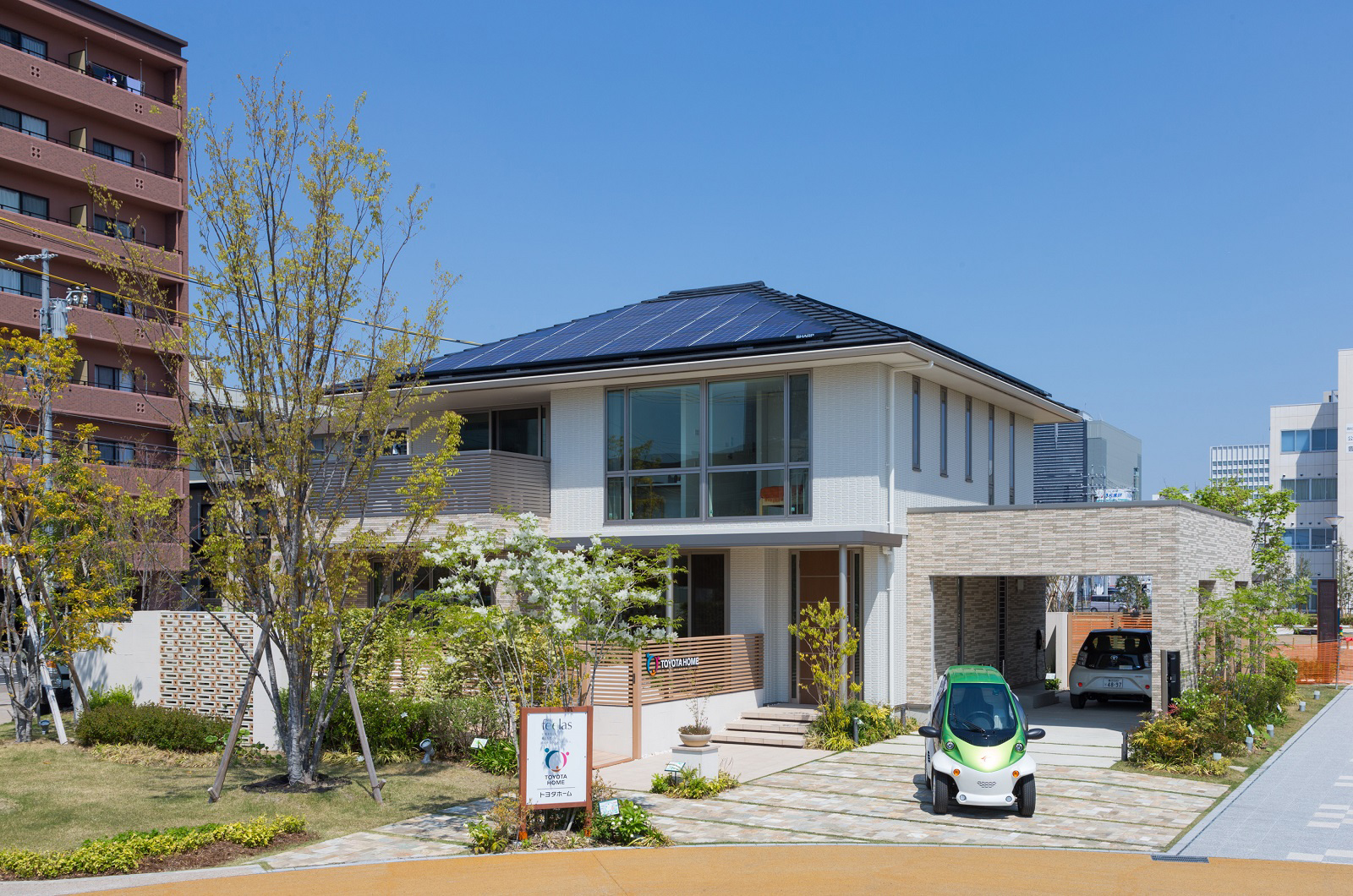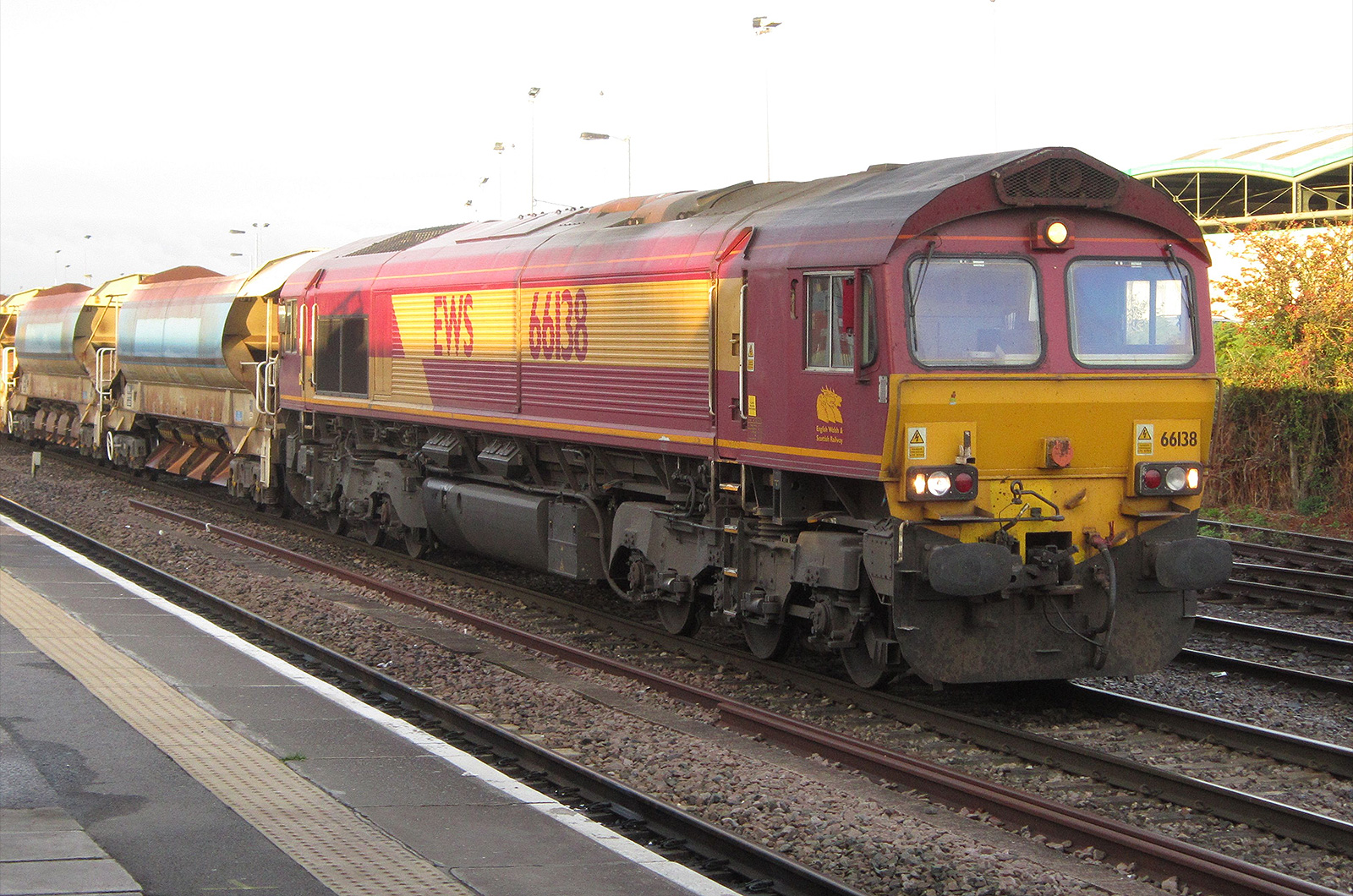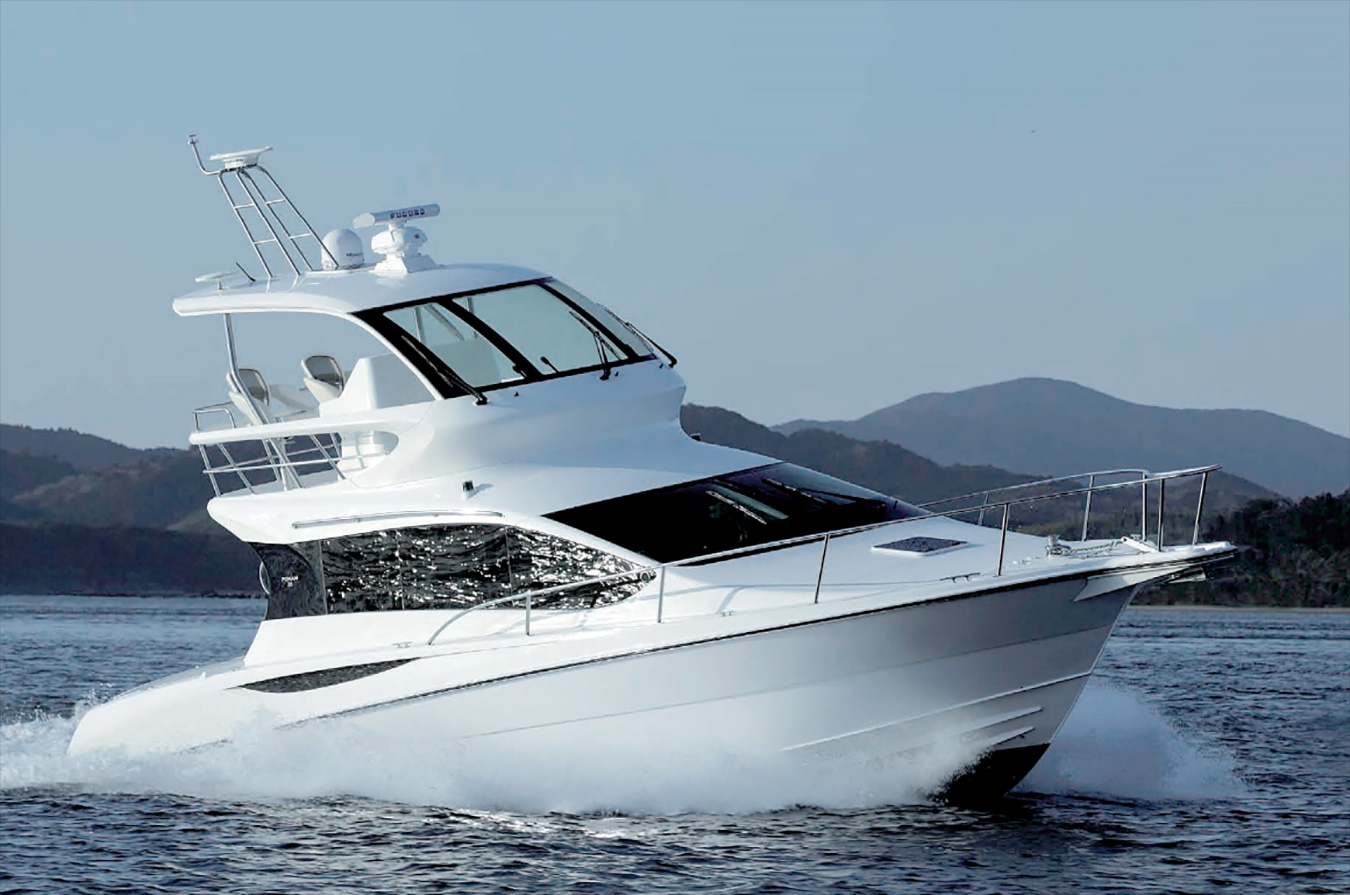

It’s tempting for car-makers to branch out of the automotive industry.
For some, it’s a way to invest the profits from car-building into more lucrative areas. For others, it’s a way to stay afloat when an economic downturn whacks the new car market. Join us as we look at some of the random and unlikely sectors car companies have ventured into:
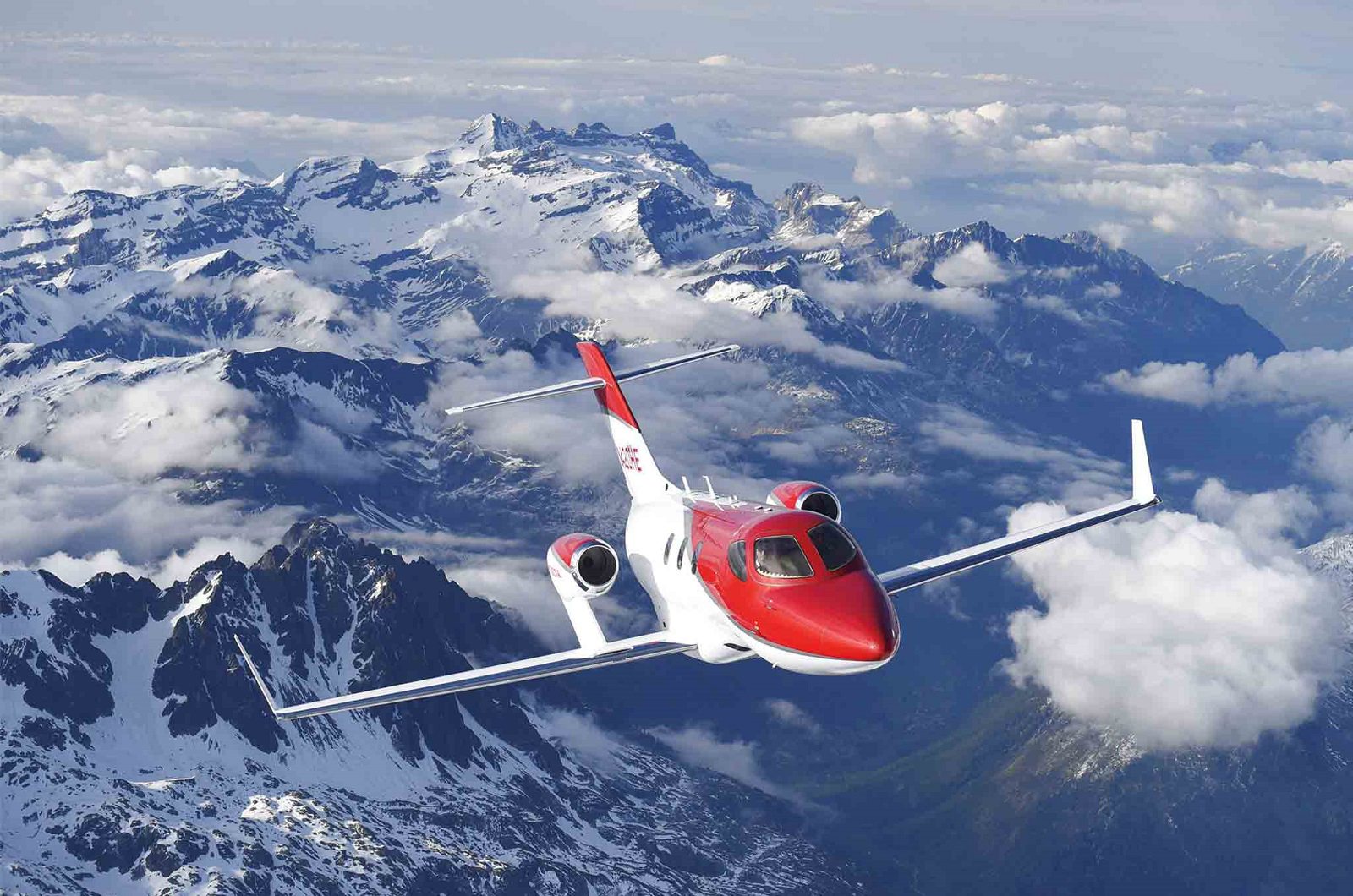
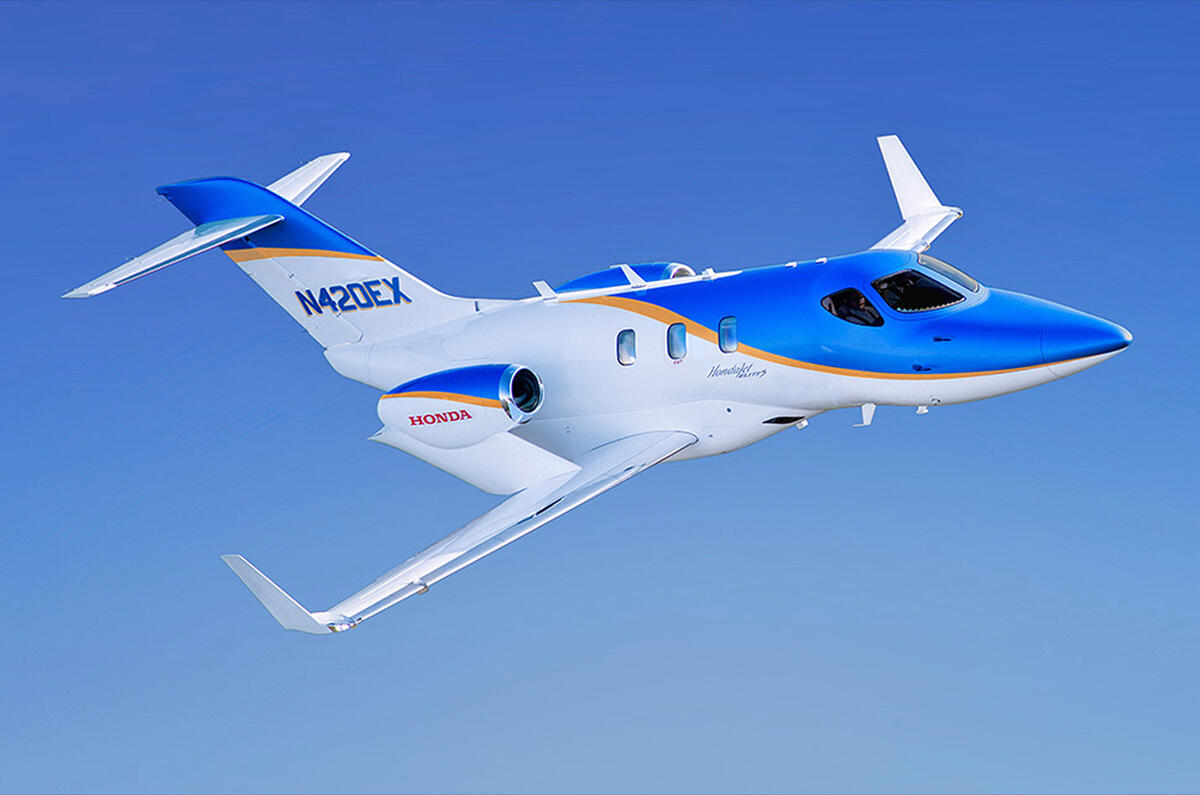
PICTURE: HondaJet, built by Honda
BMW’s bobsled
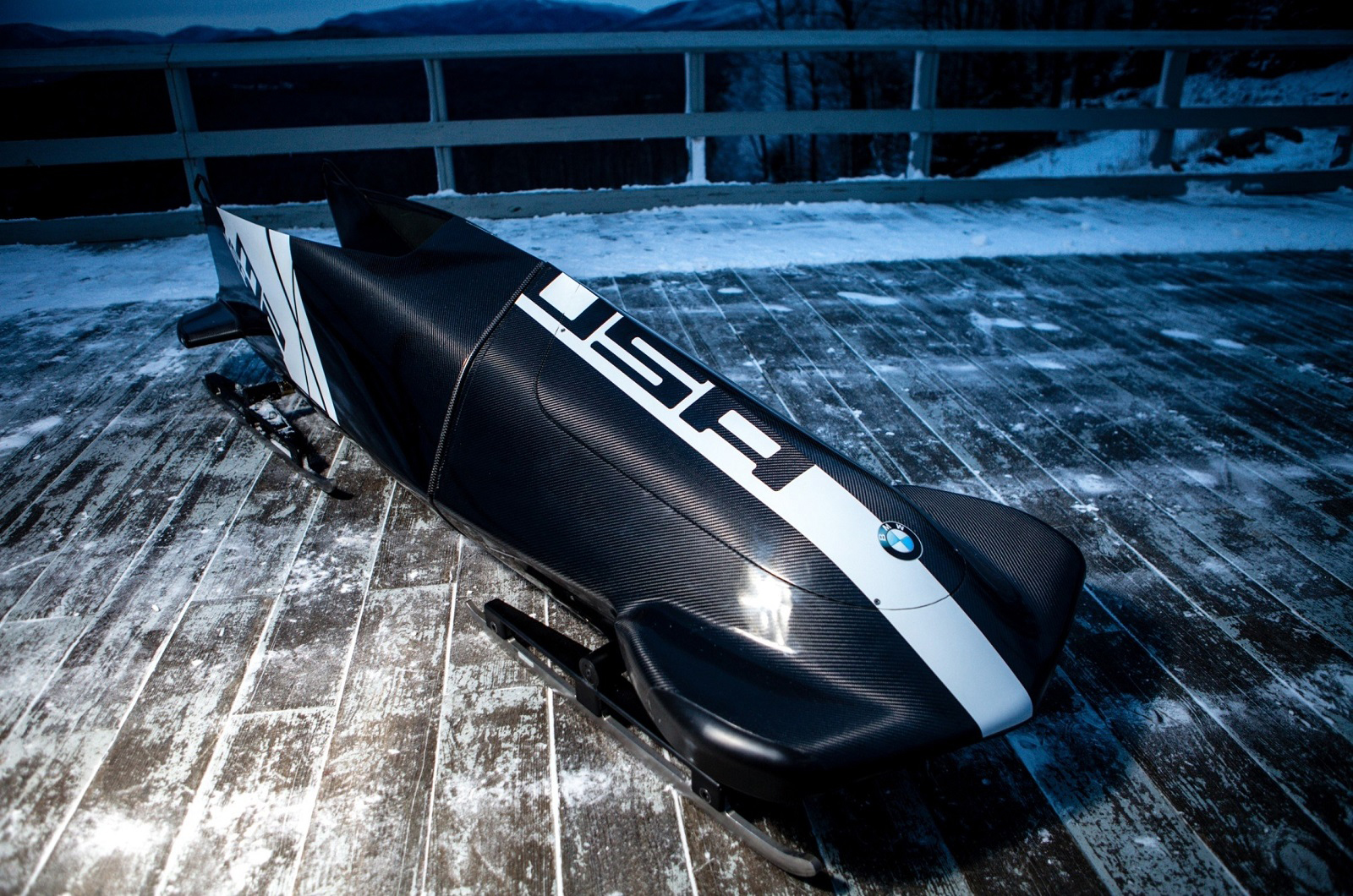
Starting in 2012, BMW’s North American division spent over a year designing a bobsled for the US Olympic team. It leveraged its expertise in composite materials to develop a light two-person sled made out of carbon fibre. Its experience in aerodynamics also came into play as stylists penned a brand-new sled design.
Equipped with the ultimate sledding machine, the American bobsledding team finished third at the 2014 Sochi Winter Olympics. It was the team’s first podium finish since 1952.
Fiat’s daily newspaper
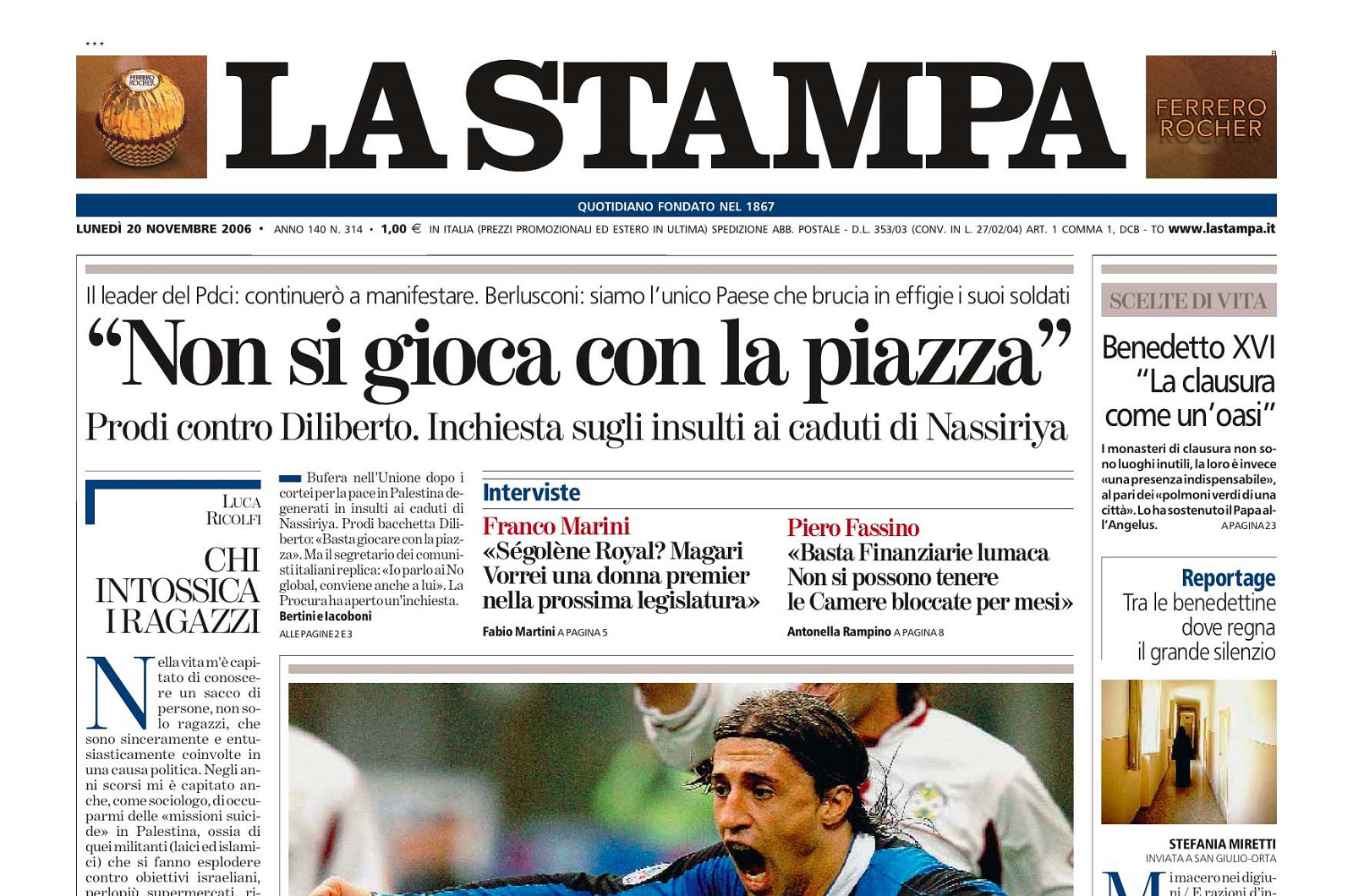
Fiat purchased Turin-based Italian newspaper La Stampa in 1926. Under Fiat ownership, La Stampa grew from a regional newspaper to one of the largest daily publications in Italy. Interestingly, it ran afoul of former Libyan leader Muammar Gaddafi in 1978 after publishing a series of satirical articles about him. He threated to strike back at Fiat, not La Stampa, by putting it on a boycott list if the paper didn’t fire its editor. La Stampa stood its ground and Gaddafi didn’t keep his promise of black-listing the auto-maker.
In 2014, Fiat and the powerful Perrone family lumped La Stampa and ll Secolo XIX into a new company named Italiana Editrice. Fiat's successor company Fiat Chrysler Automobiles finally sold its ownership interest in La Stampa in 2017.
Ford’s industrial town
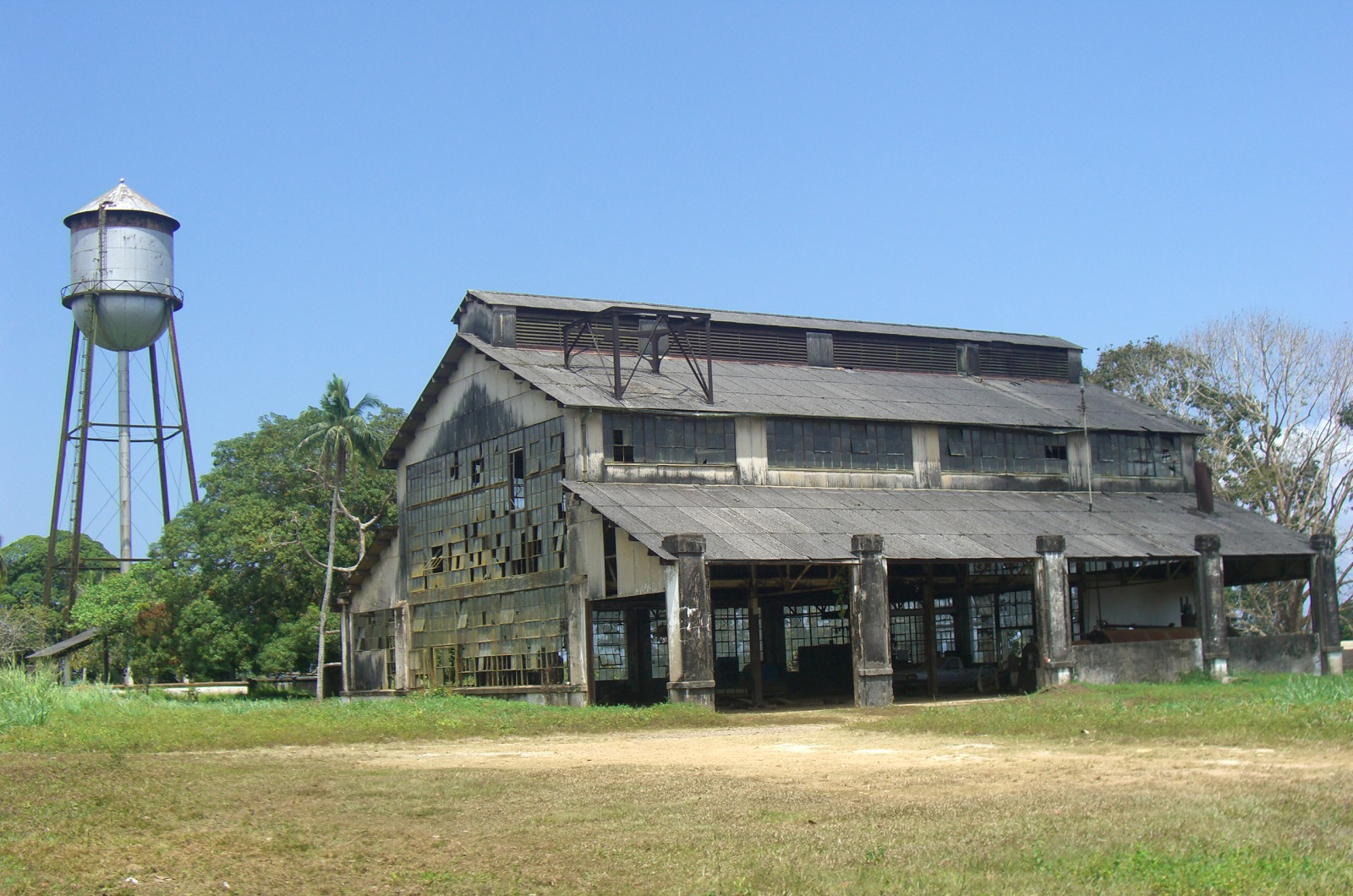
Henry Ford established an entire town in Brazil in a bid to secure rubber for car parts. Named Fordlândia, the project began in 1926 as a planned community with American-style houses buried deep in the Amazonian rainforest. The town was split up into distinct areas for the Brazilian workers and the American managers and it even included a hotel for visiting guests.
Tree and men were both prone to disease and the project was a magnificent failure. Ford deserted the town in 1934. He abandoned a second town in 1945 when he realized it was easier to make synthetic rubber than to harvest natural rubber in South America. Today, about 3,000 people live in Fordlândia.
Audi, BMW and Mercedes-Benz’s mapping service
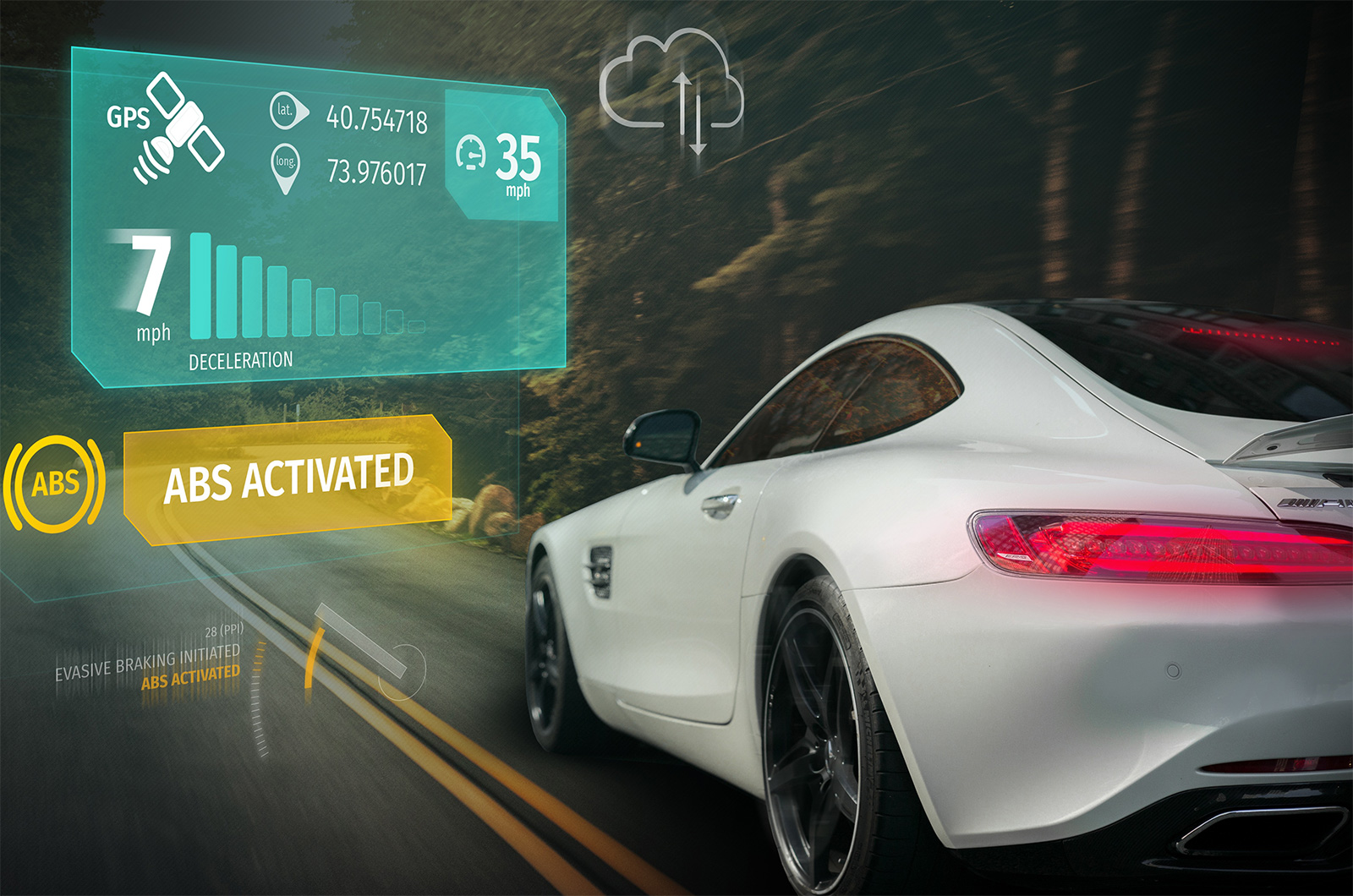
Rivals BMW, Audi and Mercedes-Benz set aside their differences when they jointly purchased the HERE mapping service from Nokia in 2015. Each partner holds an equal stake in the company, which was formerly called Navteq.
Mercedes parent company Daimler explained the purchase ensures car-makers can mold a mapping service for their future self-driving cars without having to play by rules set by Apple or Google.
GM's Electronic Data Systems
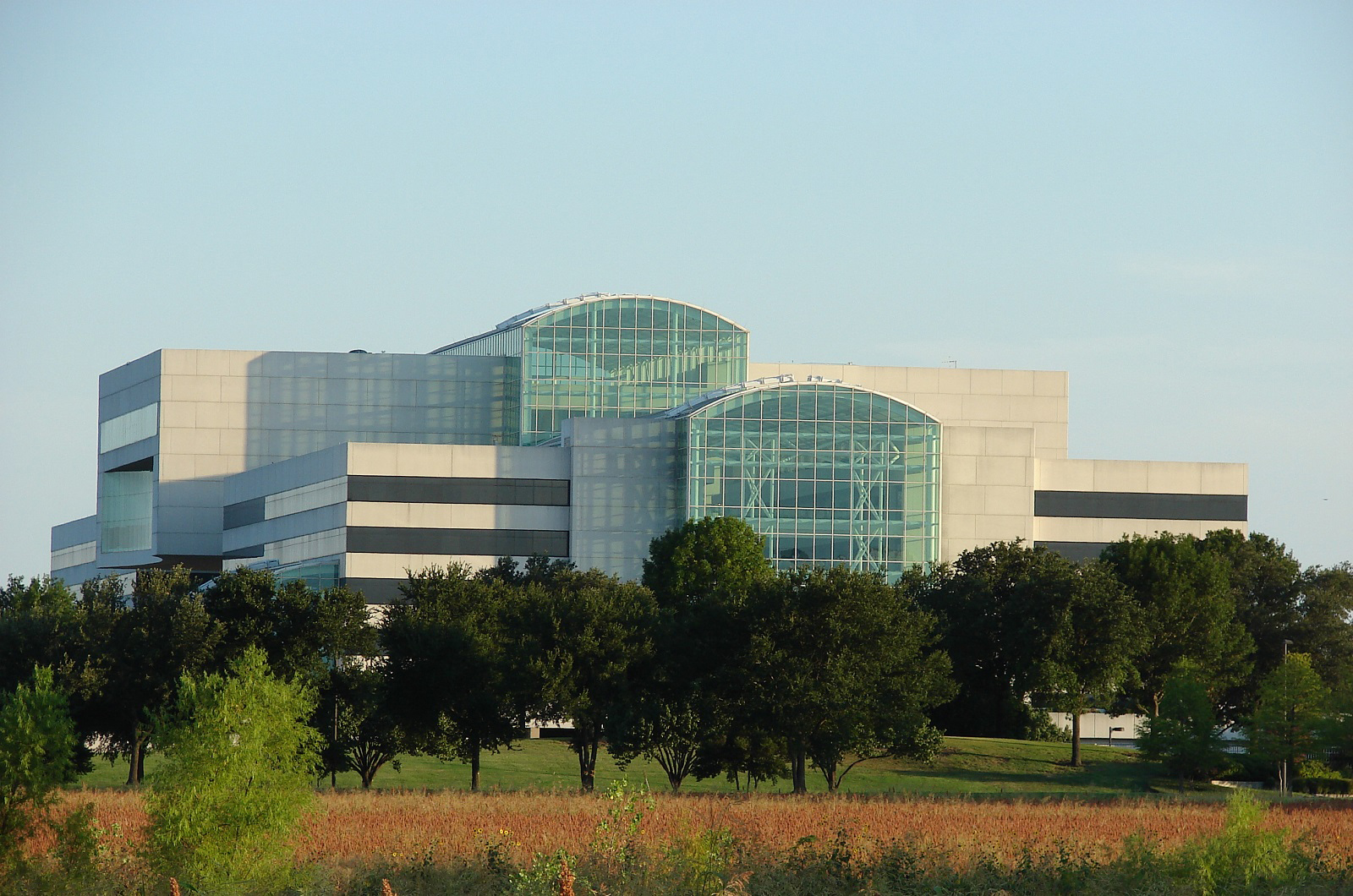
General Motors (GM) continued its expansion outside of the automotive industry in 1984 when it purchased Ross Perot’s computer giant Electronics Data Systems (EDS). Executives presented the investment as a surefire way to make GM’s computer systems leaner by leveraging EDS’ IT expertise. In turn, the changes implemented would help the car-maker better compete against its Japanese rivals at home and abroad.