
The Government is proposing a number of measures to reduce emissions levels in the UK, including changes to motorway speed limits, a scrappage scheme and the widespread introduction of clean air zones.
A "targeted scrappage scheme for older, more polluting vans or cars" could be developed to contribute to the cost of purchasing a cleaner vehicle, said the report. The suggested scheme stipulates that any car scrapped would have to be replaced with a fully electric vehicle (see more details below), but added this is just one option.
It also said that if scrappage was identified as an appropriate mitigation measure, any scheme would need to "provide value for money, target support where it was most needed, be deliverable at local authority level and minimise the scope for fraud".
Secretary of State for Environment, Food and Rural Affairs, Andrea Ledsom, commented: "Improving air quality is a key priority. Our plan today sets out how we will just do that - including presenting options for target diesel scrappage schemes."
The proposal also states that the Government has concluded that adjusting speed limits "could be practicable" in helping emissions levels but added that it needed further monitoring in real world conditions before making a decision. It suggested that dropping the motorway speed limit from 70mph to 60mph would help improve air quality and would "have no impact on congestion".
It also outlines how a so-called Clean Air Zone would be implemented, stating that vehicles meeting a minimum standard would gain free entry into the zone. This would include diesel cars that comply with Euro 6 emissions standards and petrol cars that meet Euro 4 standards.
Fully electric or hydrogen fuel cell vehicles would not be charged, while hybrid vehicles that meet minimum emissions requirements could also be exempt.
In addition, the plan outlines new funding to relieve road congestion, first announced last year, and extra funding for hydrogen vehicle infrastucture and uptake of hydrogen vehicles.
The Government also announced it is developing an accreditation scheme, to be launched this year, that will ensure that owners of older, higher-polluting vehicles can be confident that retrofit technologies applied will provide the necessary emissions reductions for free entry into a Clean Air Zone. However, this is largely focussed on commercial vehicles rather than private cars.
The proposals are laid out in a draft plan from the Government called the Clean Air Zone Framework, released today, that intends to improve air quality by reducing levels of nitrogen oxides (NOx) in the UK.
The plans are now open for public consultation until 15 June, ahead of the final air quality plan’s publication on 31 July.
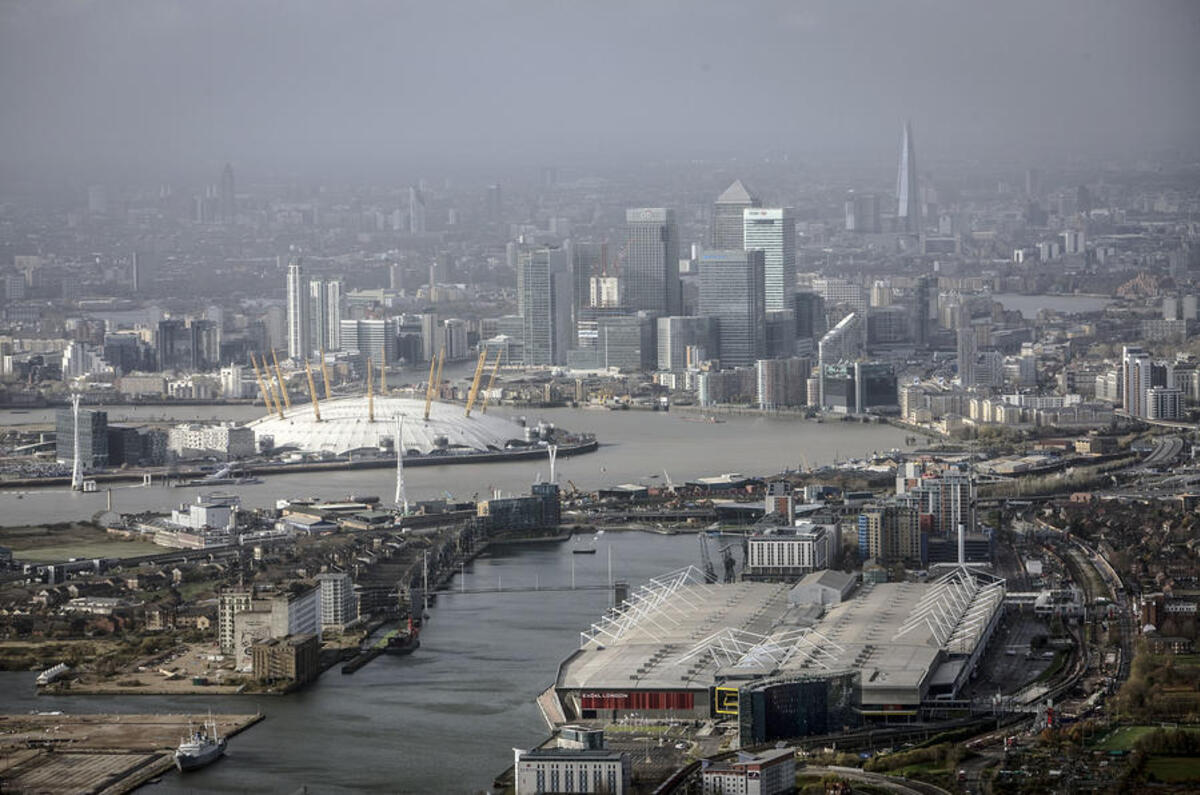
While many parts of the country are breaching emissions limits, the report says Greater London currently has the dirtiest air in the UK and that reducing emissions in the areas is "the most challenging" aspect of the plan.
However, plans are already in place within London to lower emissions, including the so-called T-Charge which comes into force this October, as well as an Ultra Low Emissions Zone from April 2019.
Birmingham, Leeds, Nottingham, Derby and Southampton already have plans to introduce clean air schemes before the end of 2019.