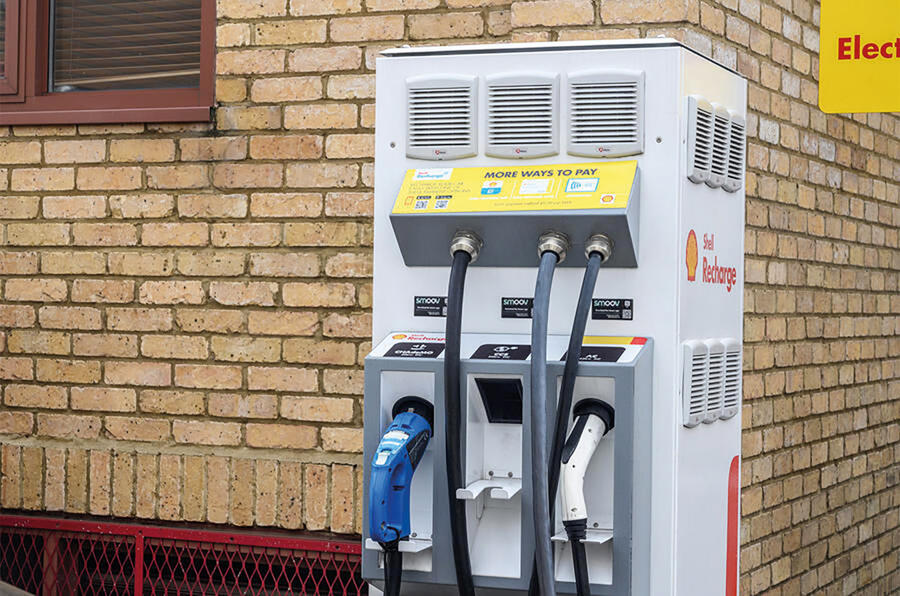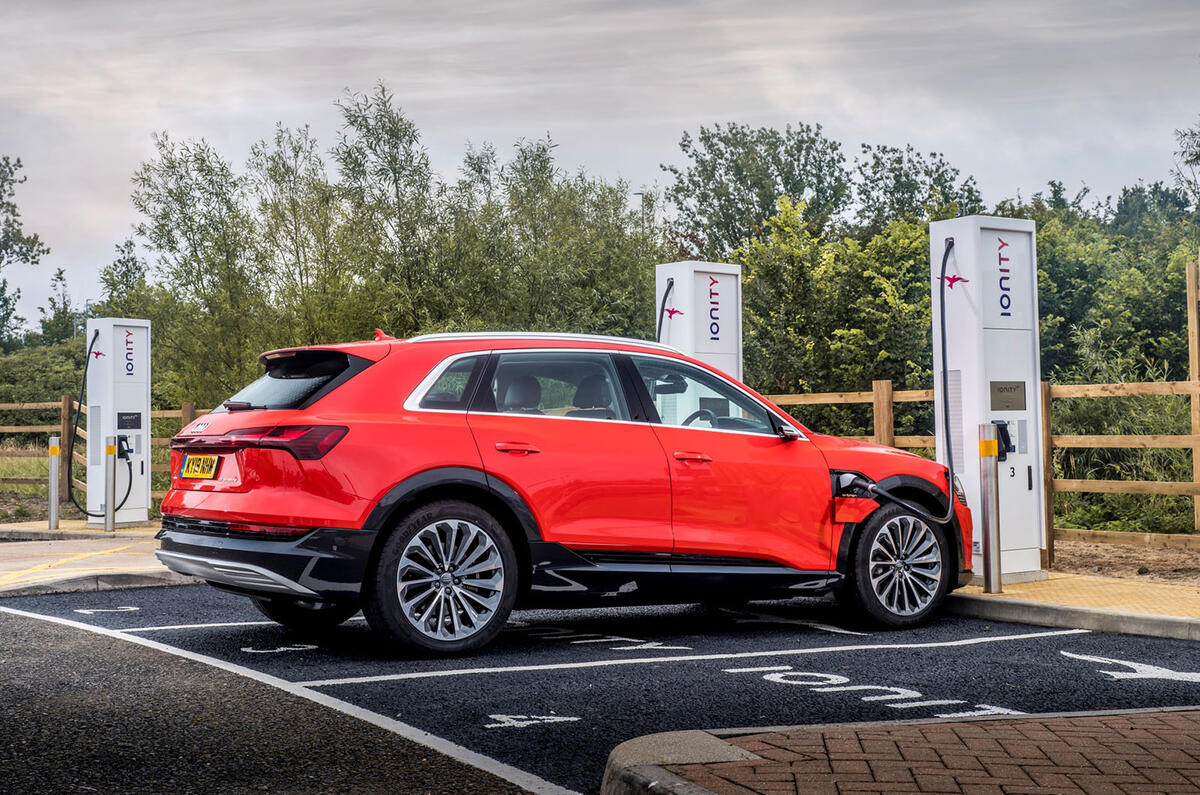

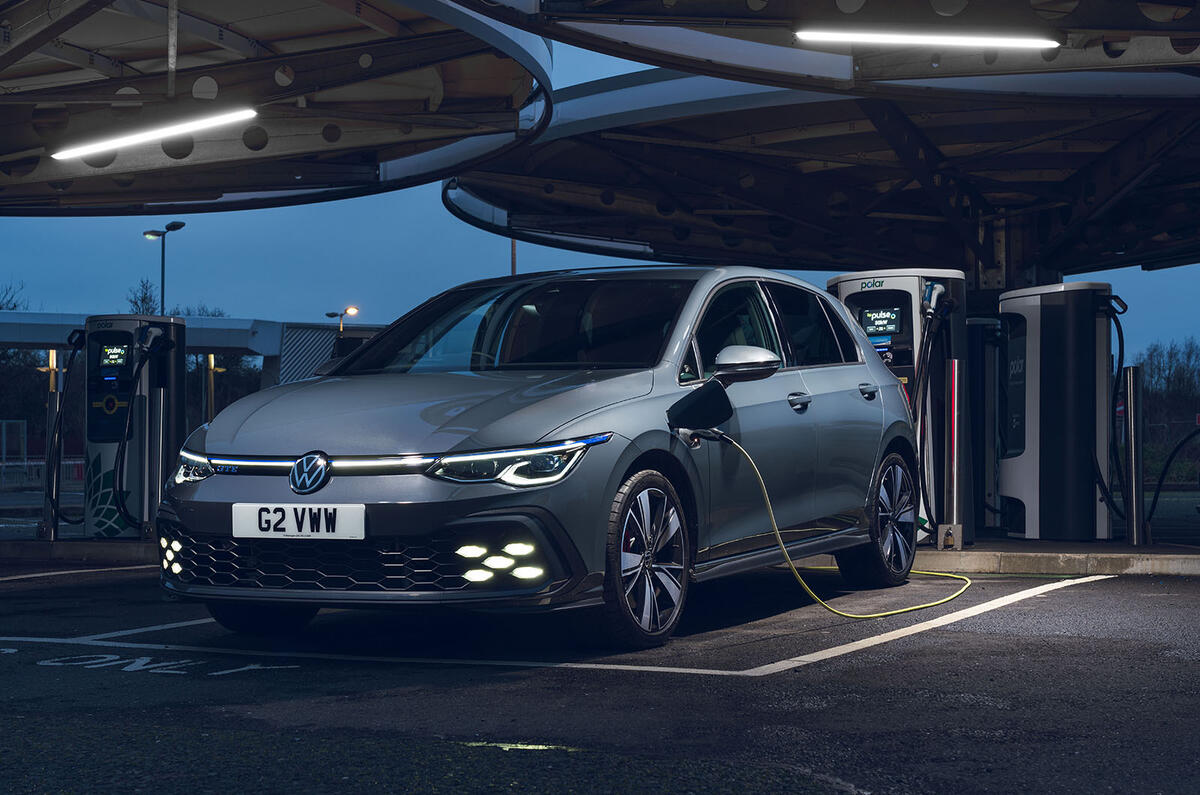




When the UK government revealed in November that it would bring forward its ban on the sale of new petrol and diesel cars to 2030, a starting gun was fired to signal to the car and electric vehicle charging industries that the race is on. Both must deliver suitable infrastructure to support a mass adoption of EVs in the next decade.
One major problem the current public charging network faces is an absence of chargers away from congested areas of the country. According to data supplied by Zap-Map, 40% of the public charging network is located in London and the south-east, compared with just 3.7% in Wales.
A Welsh government spokesman acknowledged the disparity, telling Autocar: “There are specific challenges in remote and rural areas, where there’s a particular need for collaborative work and potentially greater public-sector stimulus.
“We’re working with Transport for Wales to install rapid charging facilities in 11 locations across mid- and north Wales, close to strategic routes, and there are plans for further schemes to follow.”
In 2019, Stephen Gifford, who sits on the board of Wales’ National Infrastructure Commission, told us that it was “simply not commercially viable” for private companies to install points in rural Wales and predicted that the state would have to step in instead.
What needs to be done to create a network suitable for tens of millions of EVs in the next decade, though? According to Sir John Armitt, chairman of the UK National Infrastructure Commission, the public and private sectors need to work together more, while the government’s electricity sector regulator, Ofgem, must ensure there is accountability.
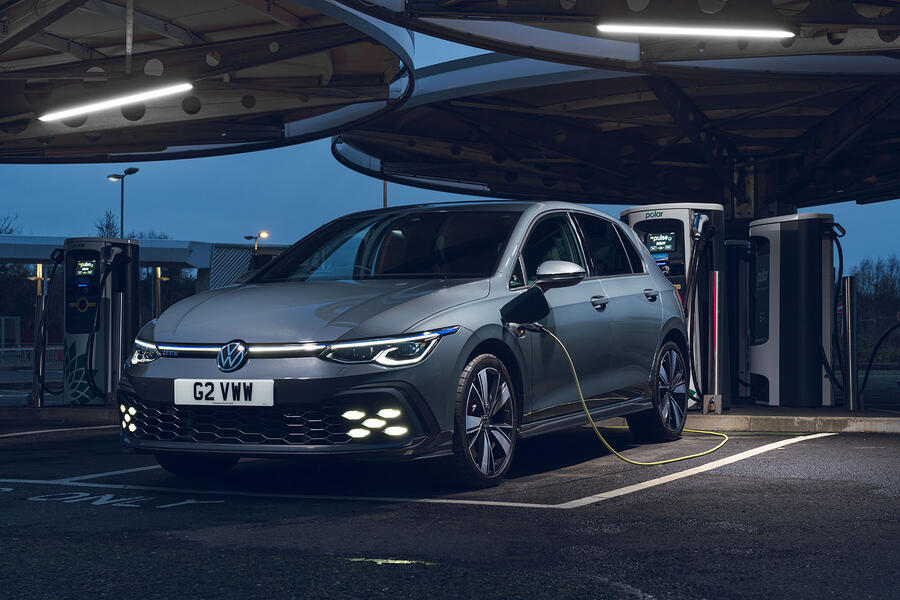
Armitt told Autocar: “What’s needed is collaboration with the car makers, the government with its policy, the regulator and the energy distributors to be working together. There needs to be a plan. Without Nearly all public EV chargers are tacked onto existing service stations or installed at ‘destinations’ one, there’s a strong risk that, by the time we get to 2030, the government will need to back off its policy or extend the expiry date on new petrol and diesel car sales.
“The beauty of the regulator is that it’s the honest broker in getting the policy delivered and makes sure that the private sector doesn’t take us all to the cleaners by overcharging or gets away with too much.”
Ofgem also needs to “work with the electricity distribution companies to work out how they can be incentivised to invest in strengthening the networks and get them to be fit for purpose”, said Armitt.