



Inflation is hurting us all right now, but thank goodness it isn’t stagflation, as Britain suffered in the early 1970s: a soaring cost of living and economic stagnation.
This meant that by 1972, even the Ford Escort cost a “remarkably high” £802 (although that’s equal to just £8062 in modern money).
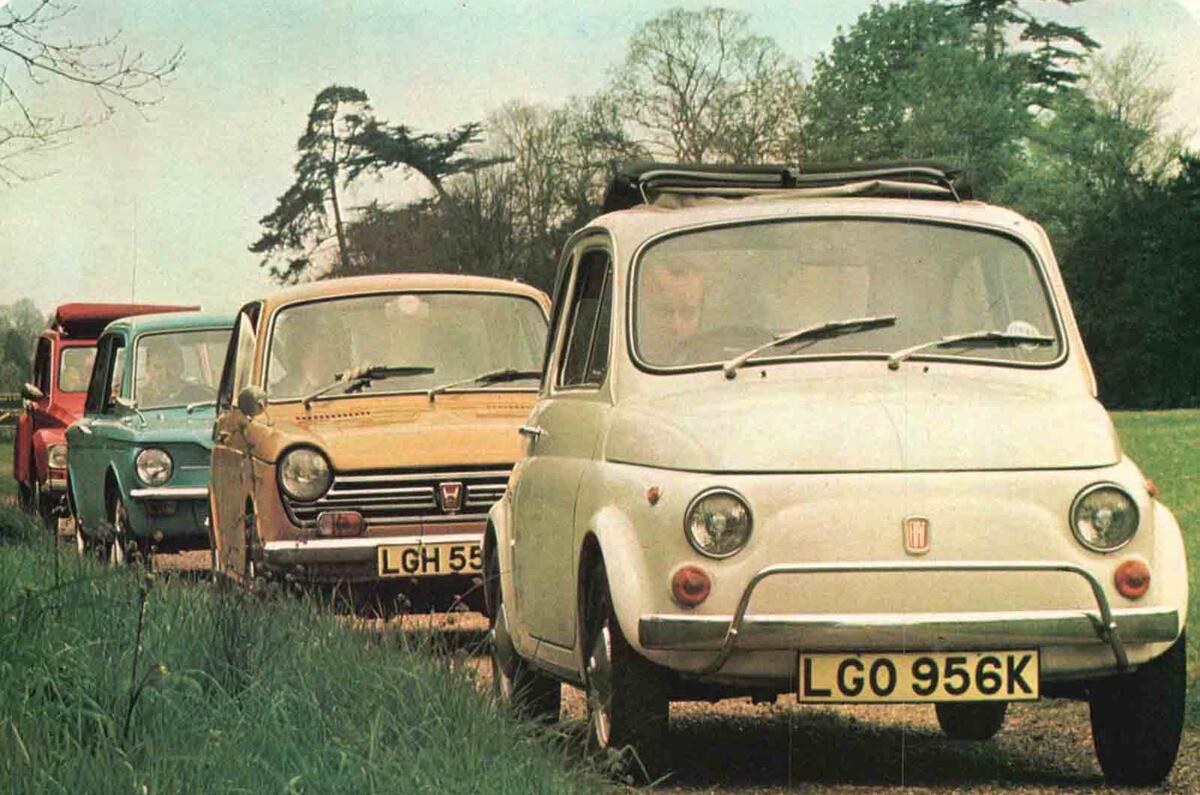
The time was therefore ripe for us to compare the four cheapest cars on sale: the Citroën Dyane (£637), Fiat 500 (£531), Honda N600 (£637) and Hillman Imp (£642).
Subscribe to the Autocar Archive today
The Fiat was painfully slow, reaching 60mph a minute late, at 83.2sec, despite being no more frugal, each car doing about 125 miles per £1 of petrol (78p a litre).
Nevertheless, “if you really want smallness in size and price, the Fiat wins over all its rivals”, we said. The Honda impressed by being “compact enough to weave through city traffic and able to beat cars twice its capacity”.
We didn’t get why the Hillman wasn’t more popular, “practical and great fun to drive” as it was
But the Citroën was alone in being able to “take a full-sized family and all their luggage” and better still was “a happy car, from which you can laugh at the world as it tumbles past the windows”.
Excellent new Alfa saloon
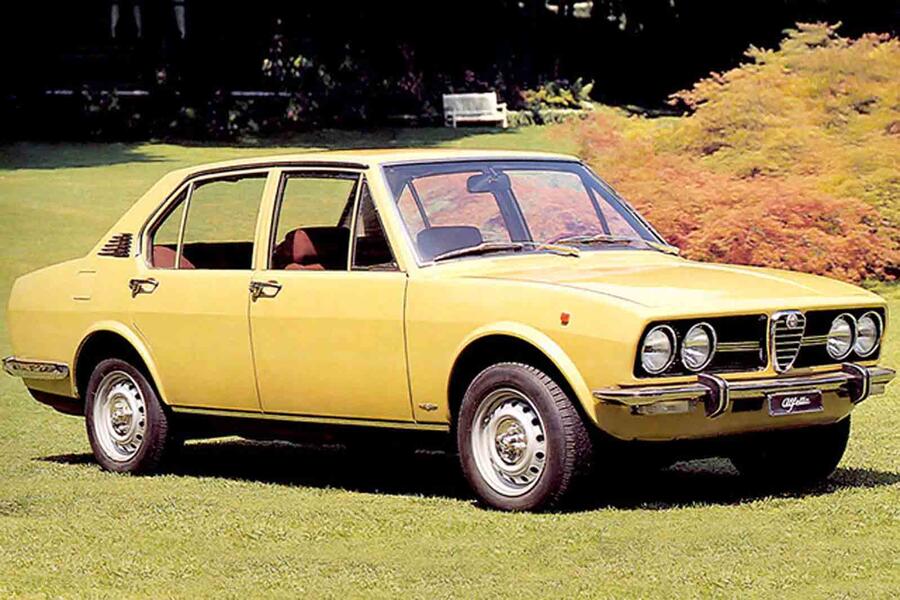
The Alfasud family hatchback broke with Alfa Romeo tradition in having a dead rear axle, and this continued on the Alfetta, which slotted in between the popular Giulia and plush 2000. “It’s a very civilised car, one of the most roadworthy saloons available anywhere, yet easy to drive” and it had “precious few points worthy of criticism”, we reported.
Truck for developing world