





Pity the emerging generation of car designers. They grow up obsessed like the rest of us, but with the usual desire to drive and own cars overlaid by a burning need to create inspirational designs of their own.
When these budding Giugiaros get to university, they put three or four years into learning how to create unique vehicles, yet many will graduate without ever working on a real, live project. For competitive reasons, car companies keep their plans secret, even from future employees.
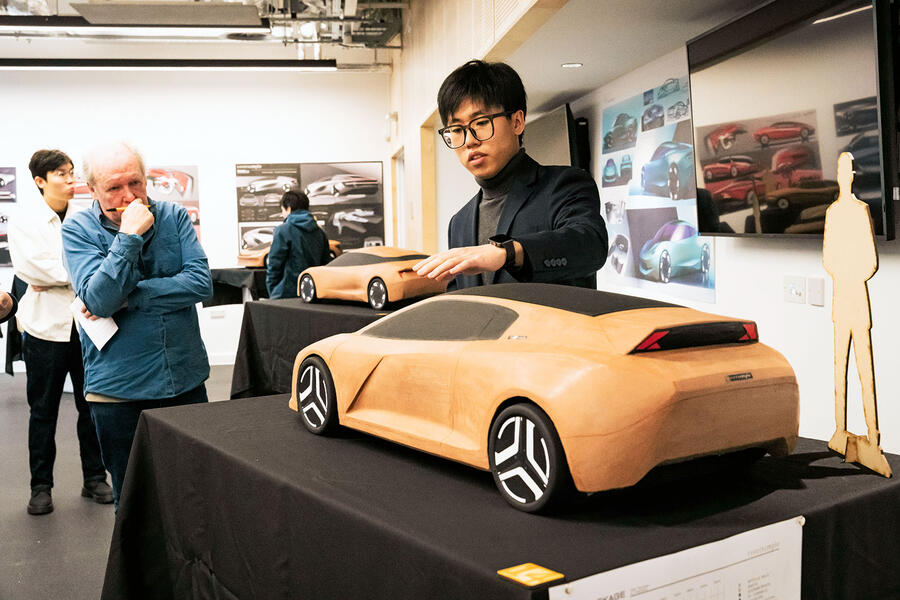
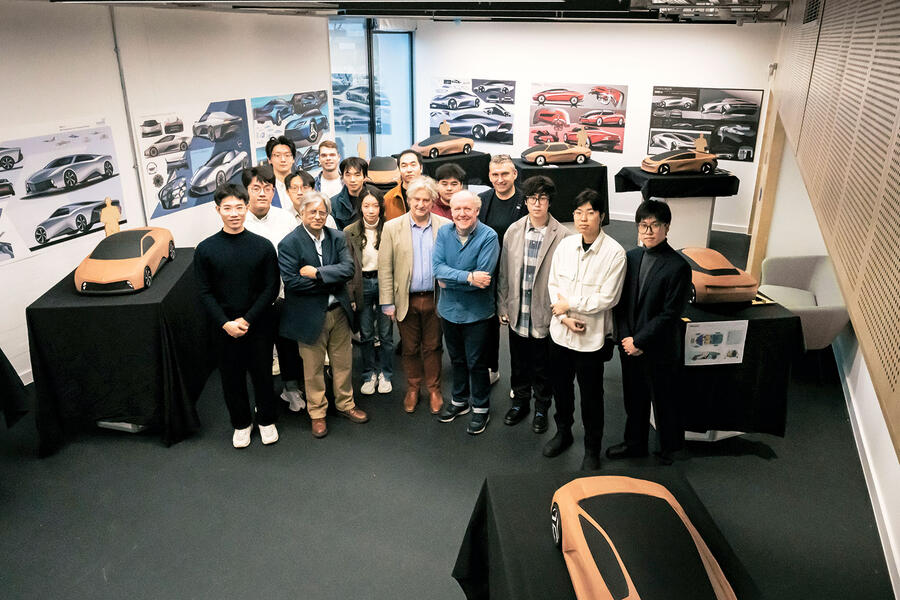
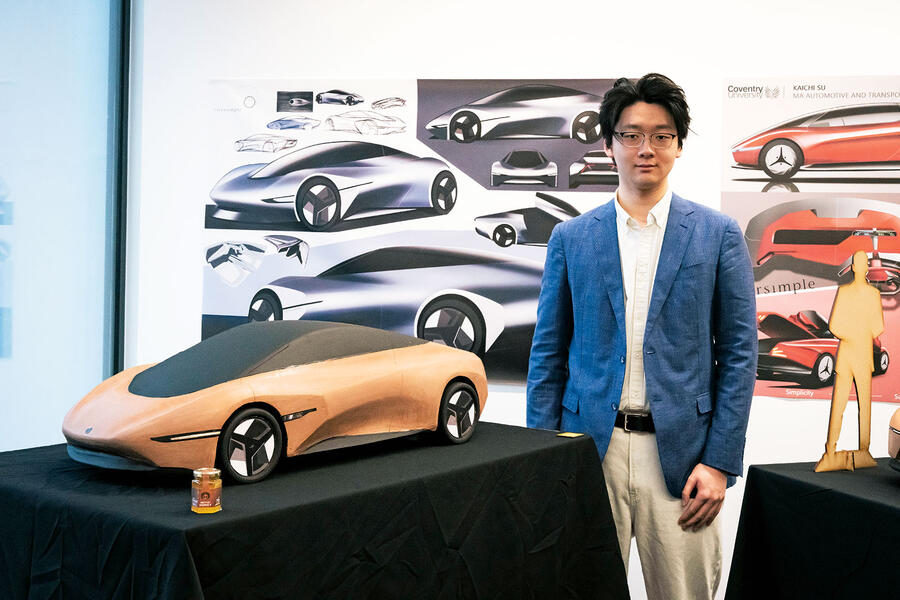
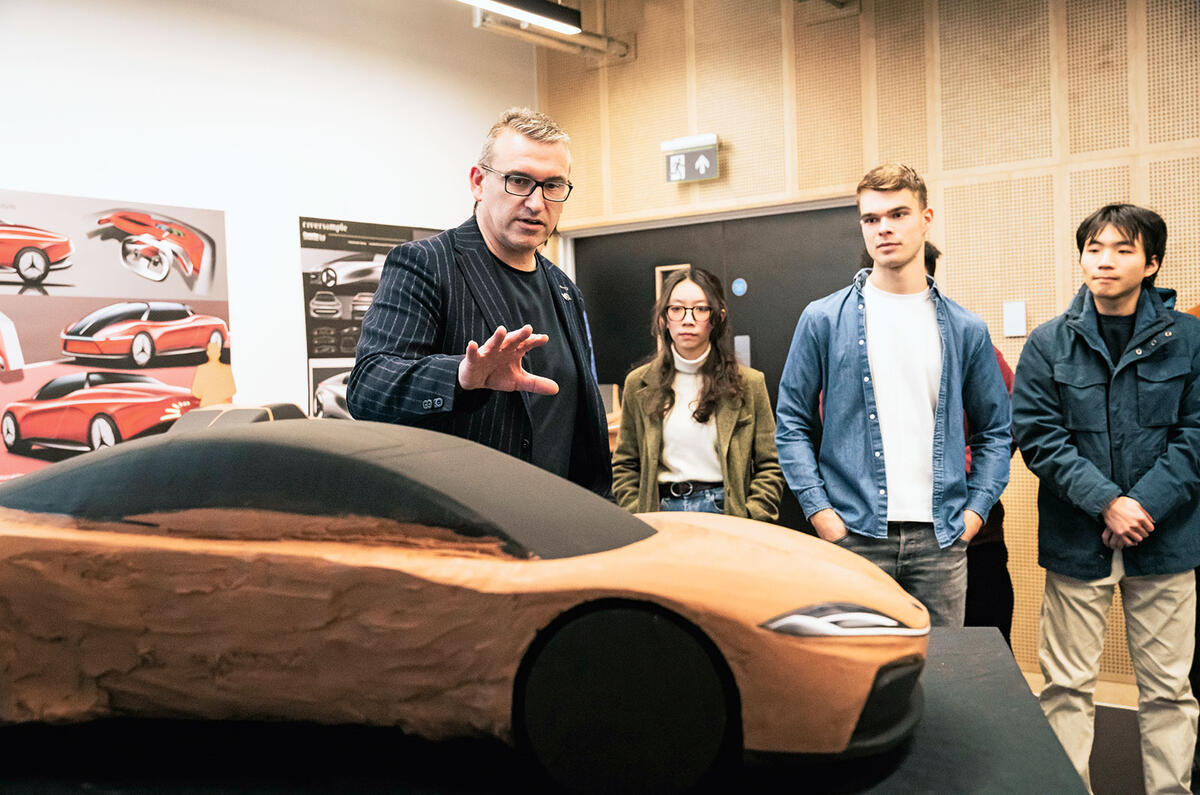
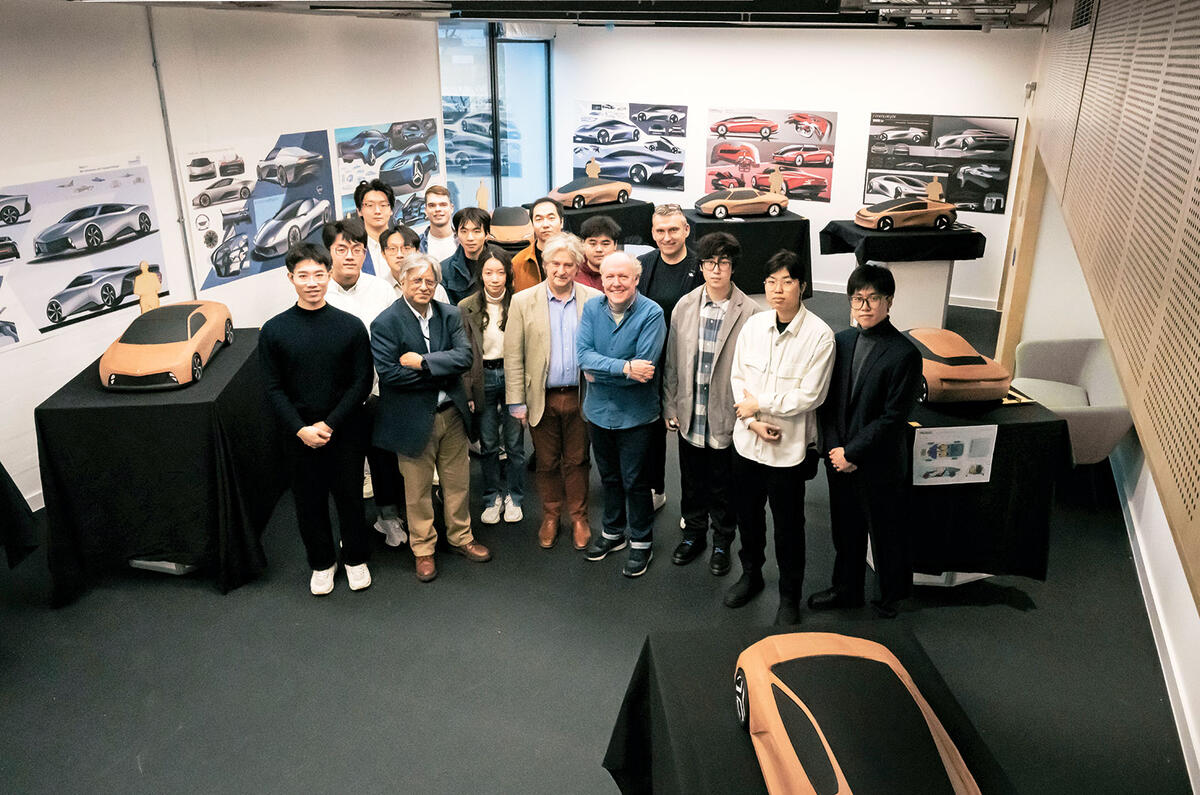
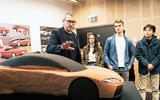
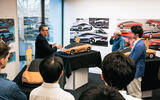
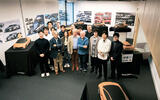
Which is one vital reason why a new cooperative project between Riversimple, the Wales-based builder of zero-emissions hydrogen fuel cell cars, and a 14-strong group of students at Coventry University’s Transport Design school – to propose a new production car – is so special.
Riversimple, which already makes its unique Rasa lightweight urban two-seater for subscribers who will never own them, operates so far away from current motor industry norms that it doesn’t have formal competitors. Secrecy is less of a problem; publicity is oxygen.
Soon, there’s going to be a brand-new Riversimple supercar, the flagship of a new generation of more mainstream hydrogen models from this progressive but idiosyncratic manufacturer.
The mantra of its founder, former motorsport engineer and historic car restorer Hugo Spowers, is “to pursue, systematically, the elimination of the environmental impact of personal transport”, hence his concentration on hydrogen power, whose only by-product from driving is pure water.
If things go right, the new Riversimple generation will be launched later this decade with a light, beautiful and ultra-low-volume supercar as its flagship.
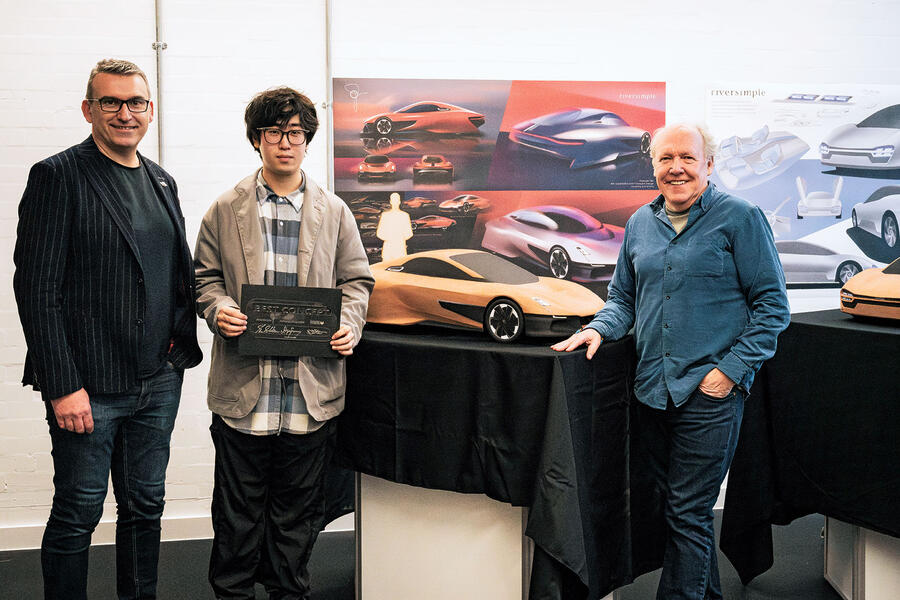
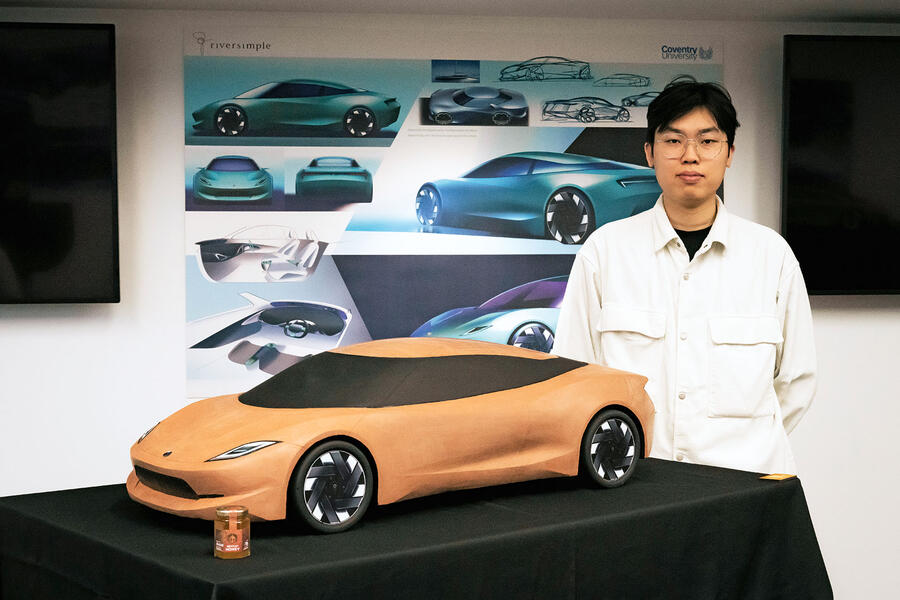
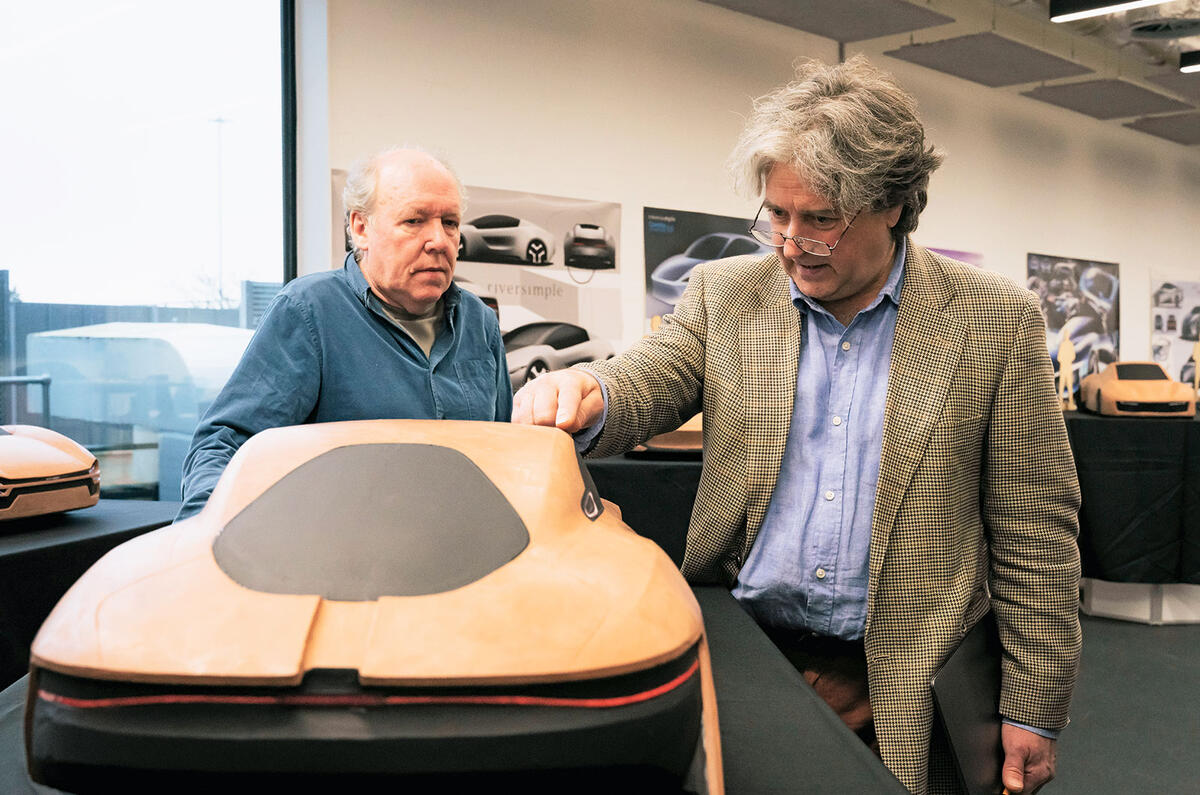
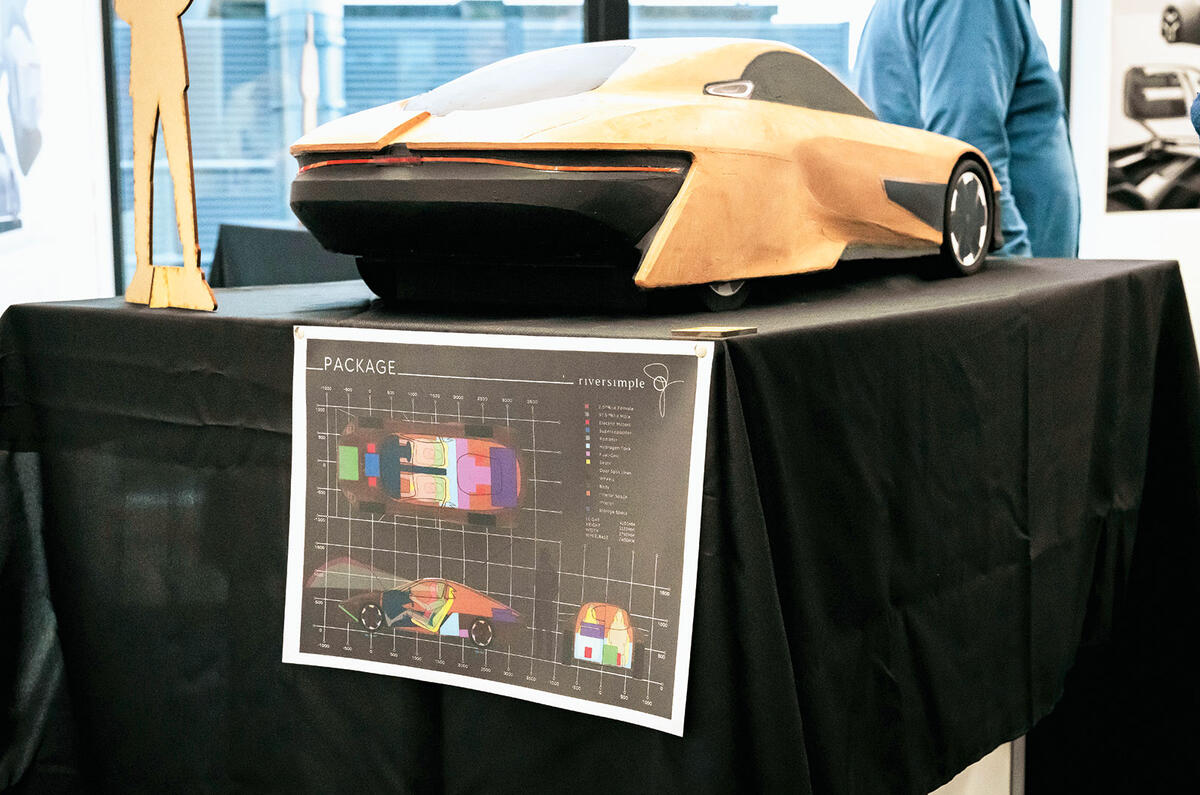
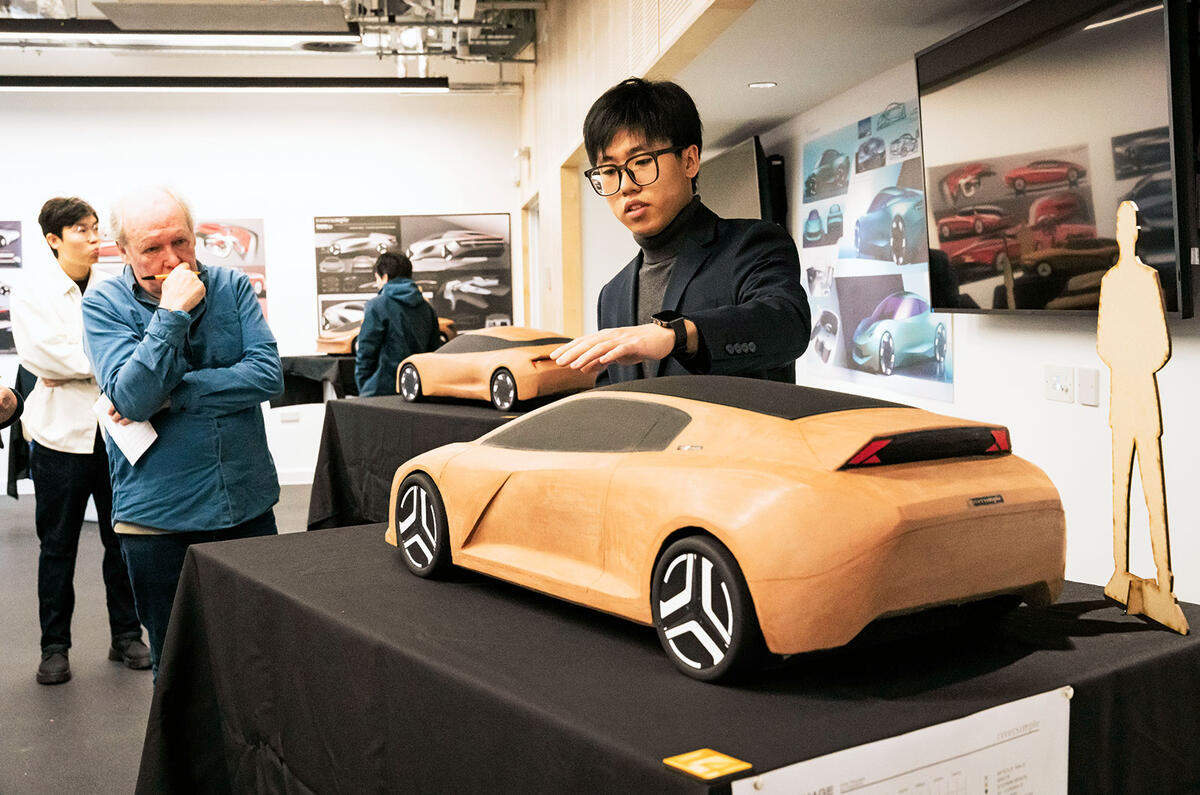
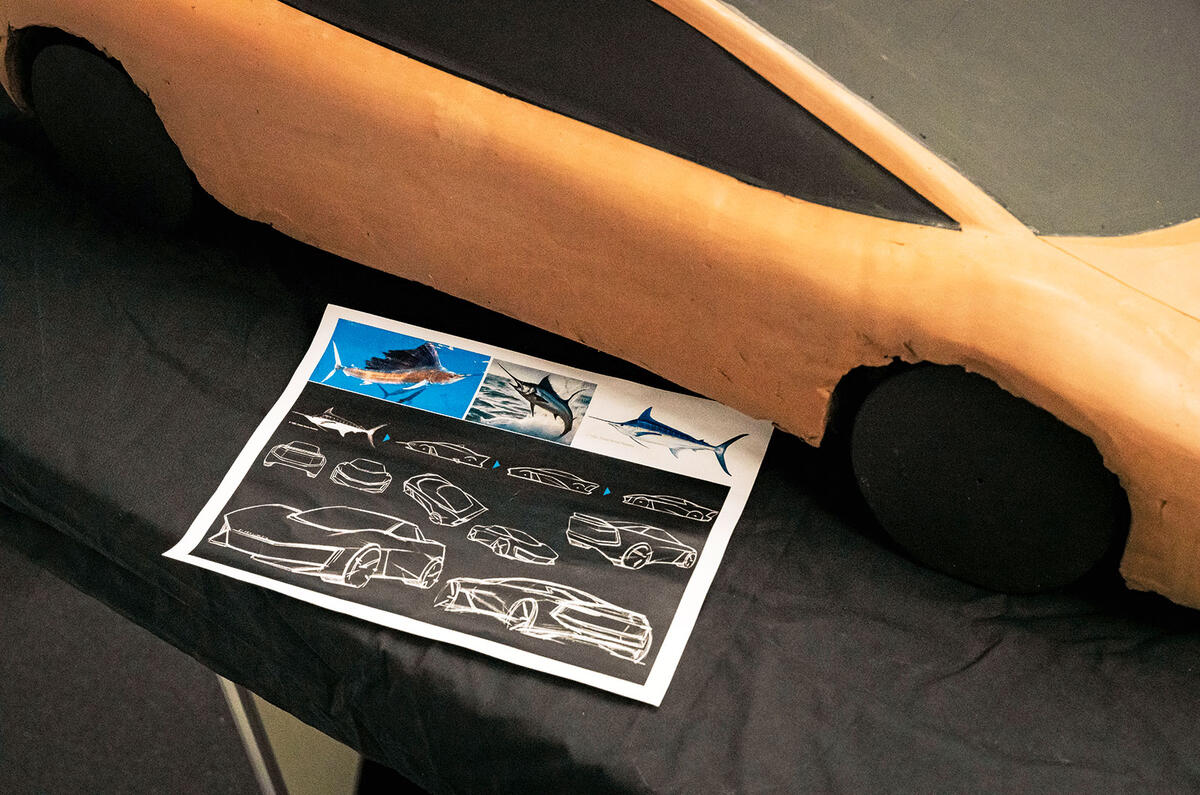
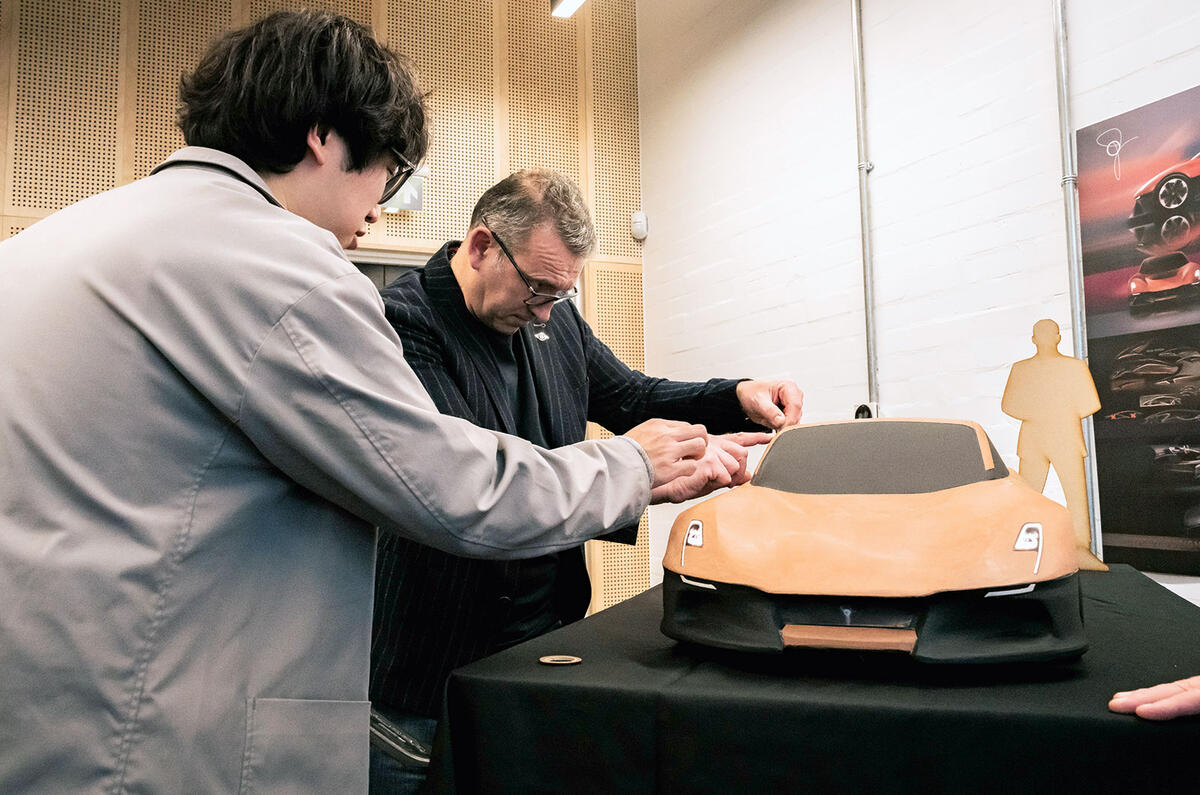
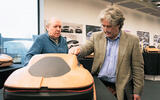
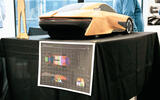
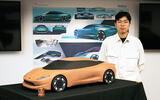
In a design competition set up by Spowers and the Coventry design school’s assistant professor, Aamer Mahmud, who is an accomplished former car designer, the university’s latest cohort of postgrad Transport Design students are taking the first steps to make this sophisticated and very special two-seat coupé a reality.
For the students, this is a unique exercise: they’re creating a car that must conform with today’s laws on visibility, lighting and crash safety, with plausible cabin access and practical 17in wheel/tyre dimensions, not the huge hoops with ribbon-like rubber that adorn most design proposals.

Spowers, who designed single-seat racing cars in his former career, strongly disapproves of the direction of current hypercar design, seeing it as an “arms race” driven by the mass and size of the huge engines or huge batteries needed to propel gargantuan cars with unfeasibly high performance. The resulting machines may be very fast, he says, but they’re “uncomfortable and unwieldy rather than fun”.