


For many years, Peugeot enjoyed an enviable reputation as a maker of cars that were at once impressively affordable, supremely stylish and pretty darn nice to drive.
It was a proper people-pleasing brand that had more than its fair share of loyal customers and passionate enthusiasts all around the world.
But over the past two decades, Peugeot has lost some of the spark that had won it such cult appeal among enthusiasts and made it the darling of the dealer network on several continents.
Drawing the curtain on a period during which it had some of the world's greatest cars in its showrooms, it introduced a new line of forgettable and uninspiring alternatives that couldn't hold a candle to their forebears.
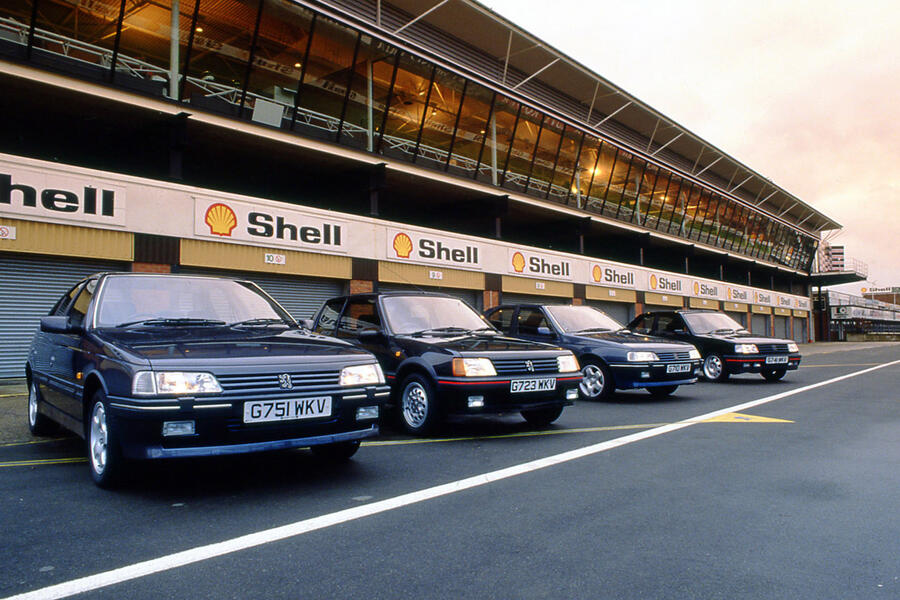
Cars like the stodgy 307, oddly packaged 1007 and questionably conceived 207 CC couldn't hope to replicate the hero statuses of their ancestors, which together with widespread reliability issues and a move away from instilling keen dynamics into each of its models meant Peugeot's belle époque was well and truly over.
Before long, there was little to tell a Peugeot apart from the Citroën model it was twinned with underneath, and that sense of homogeneity was only exacerbated from 2021, when the two sibling brands were rolled into the sprawling Stellantis empire, which shares platforms and powertrains across no fewer than nine marques in Europe.
Peugeot's current line-up is focused rigidly on the most popular segments, each of its cars is technically identical to an equivalent model from its sibling marques, and it has been a good while since it last put its name to anything a kid would stick on a bedroom wall.
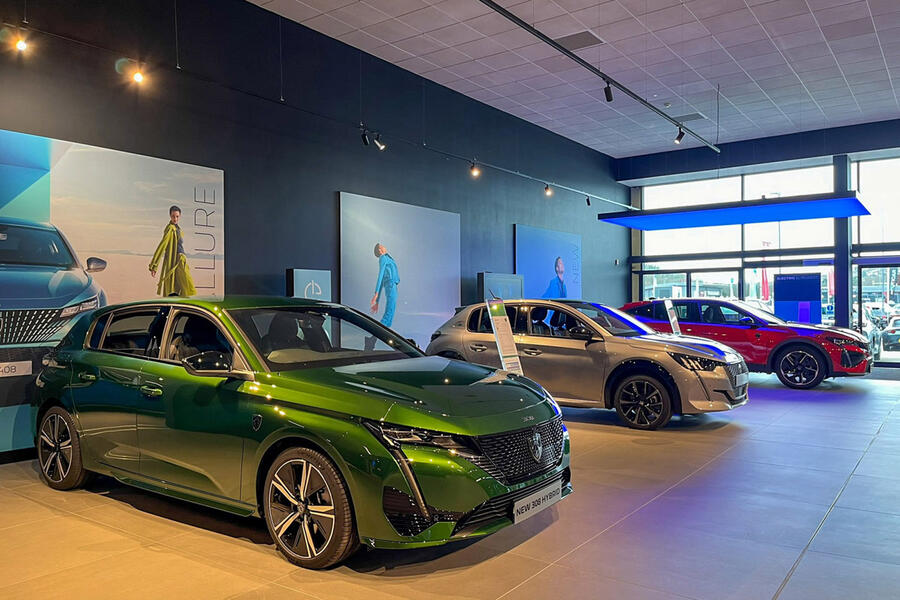
Sales are strong and the commercial outlook is bright, but is it still a beloved brand? Cue appropriately Gallic shrug.









Join the debate
Add your comment
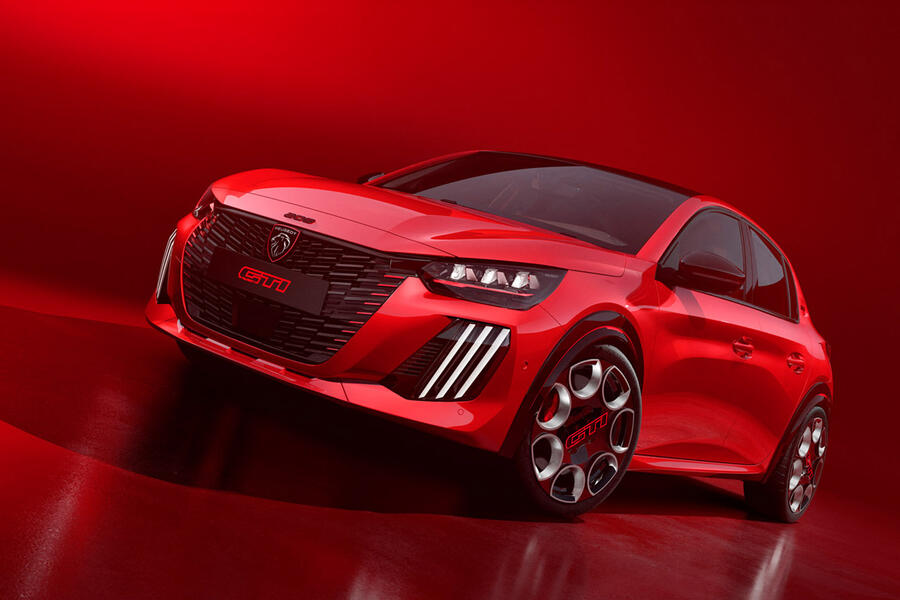
Good luck to him, but the firm is already heading the right way. If I was in the market for a new car, a Peugeot would be a consideration, especially the upcoming Gti.