



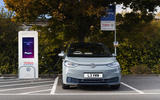

Last month, the British government’s Competition and Markets Authority (CMA) announced that it was investigating the long-term exclusive deals between EV charging point provider Electric Highway (recently sold by Ecotricity to Gridserve) and motorway service station operators Extra, Moto and Roadchef.
When you exclude Tesla’s Supercharger network, Electric Highway accounts for 80% of all motorway service station charging points in the UK, and the CMA’s concern is that the lack of competition could mean less provision, less choice and higher prices over the coming years.
With new petrol and diesel vehicles set to be banned from sale in 2030 and hybrids due to suffer the same fate five years later, questions are being raised over the readiness of the UK’s charging network to support the mass switchover.
A few years ago, National Grid estimated there could be 11 million EVs on our roads by 2030 and 36 million by 2040.
The RAC estimates that already some 239,000 are in use, yet there are just 25,000 publicly accessible charging points available. The CMA anticipates that there will need to be between 280,000 and 480,000 devices in operation by 2030.
The government body has its own suggestions for improving the network, all of which centre on the idea that charging an EV “should be as simple as filling up with petrol and diesel”. These are:
Charging points should be easy to find
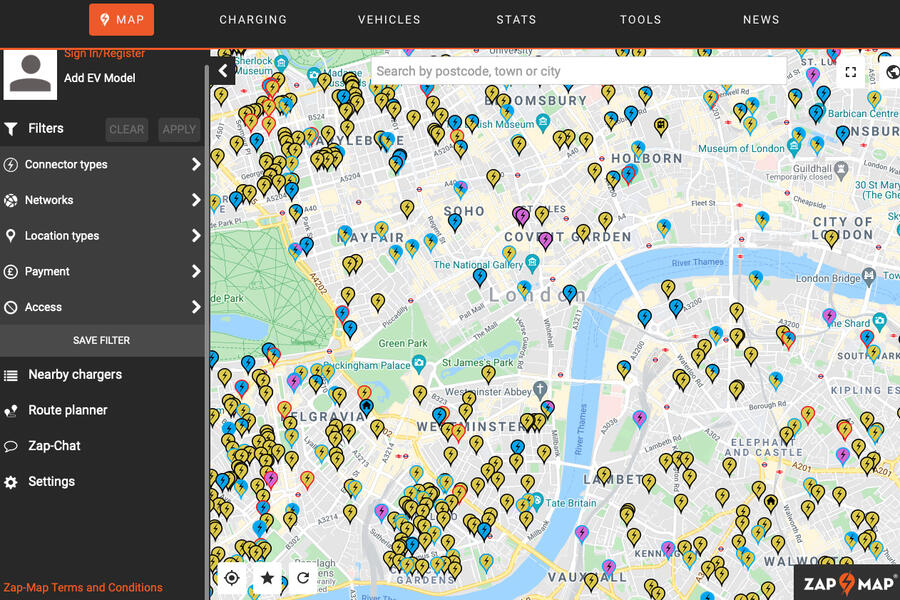
Knowing the location of a nearby charging device or station is worthless if you arrive to find every charger in use or not working. The goto online charger locator for many EV drivers is Zap-Map. It claims to have logged more than 95% of the UK’s public chargers, but only 70% supply their ‘live status’, so there’s a decent chance you won’t be able to use your chosen device on arrival, significantly hindering accessibility.
It should be simple and quick to pay for charging
In July 2019, the government declared that it was “prepared to intervene” if charger providers didn’t start making contactless card payment more widely available.
Some responded by retrofitting existing chargers to make ad hoc use possible without dedicated phone apps or membership (RFID) cards, but this still isn’t mandatory, and providers are under no obligation to give users their best-value prices without making them first sign up for a membership or subscription.