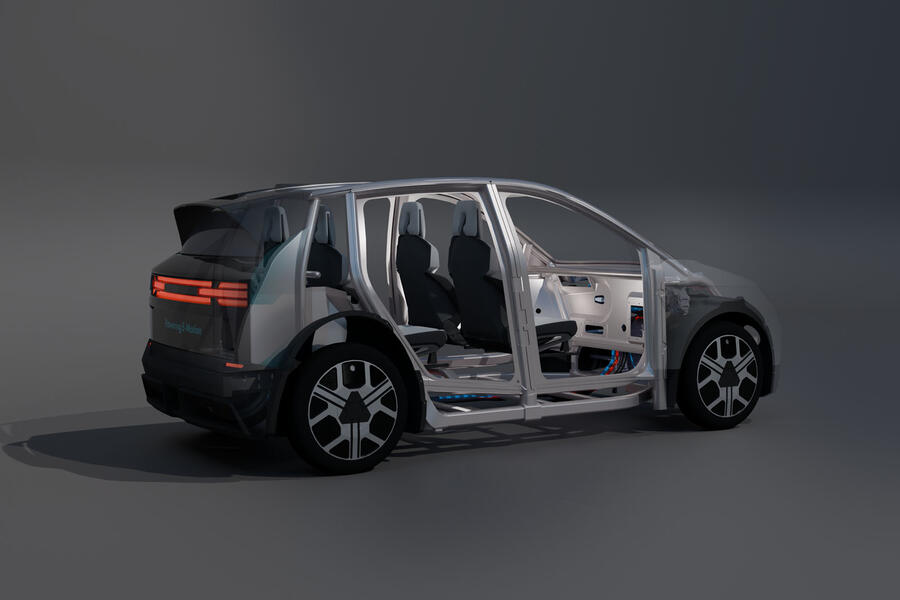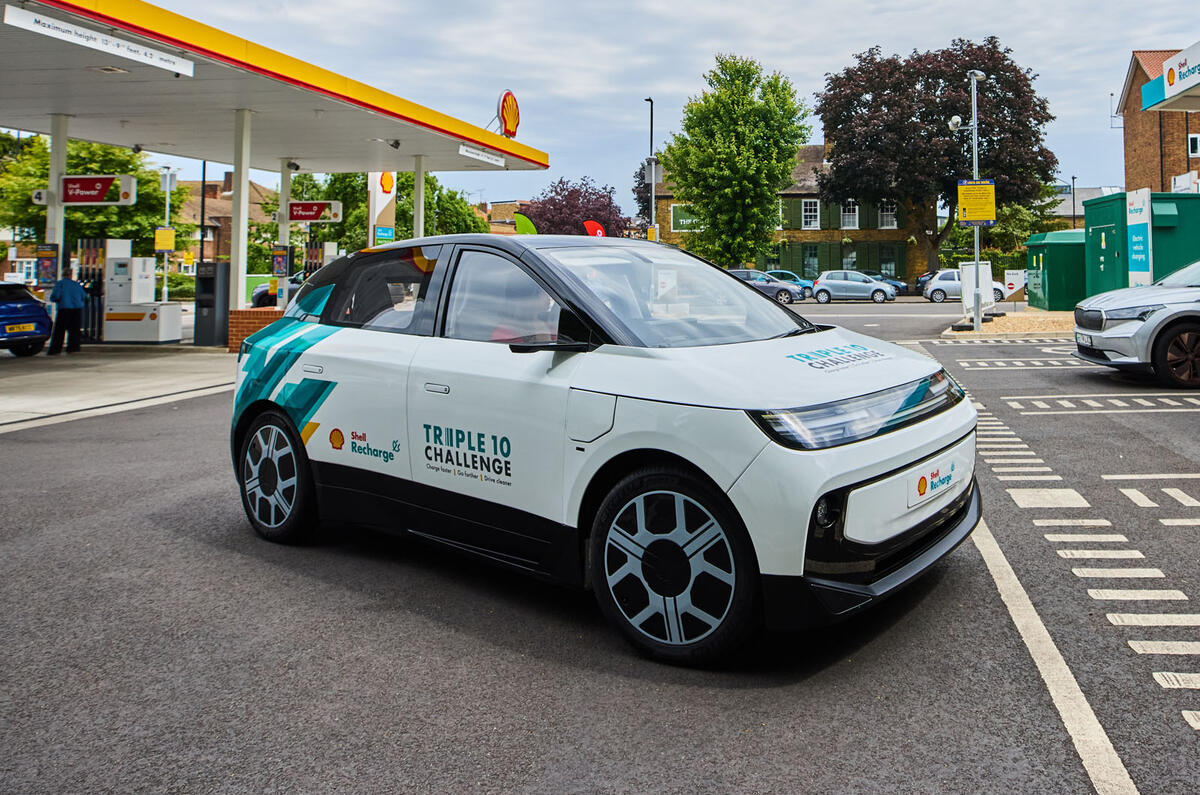


Energy giant Shell has unveiled its vision for the future of small electric cars, previewing a generational leap in efficiency, charging speeds and weight reduction.
The concept is named the Triple10 Challenge, referencing the project’s three key objectives: a 10-minute recharge from a common 175kW rapid charger; efficiency of 10km per kWh (6.2mpkWh); and life-cycle CO2 emissions of 10 tonnes.
The company’s ambition is to demonstrate how new technologies can be used to build more compelling EVs for the mainstream. It is also intended to demonstrate the firm's range of fluids and lubricants for EVs, with a view to stoking more demand for them from major manufacturers.
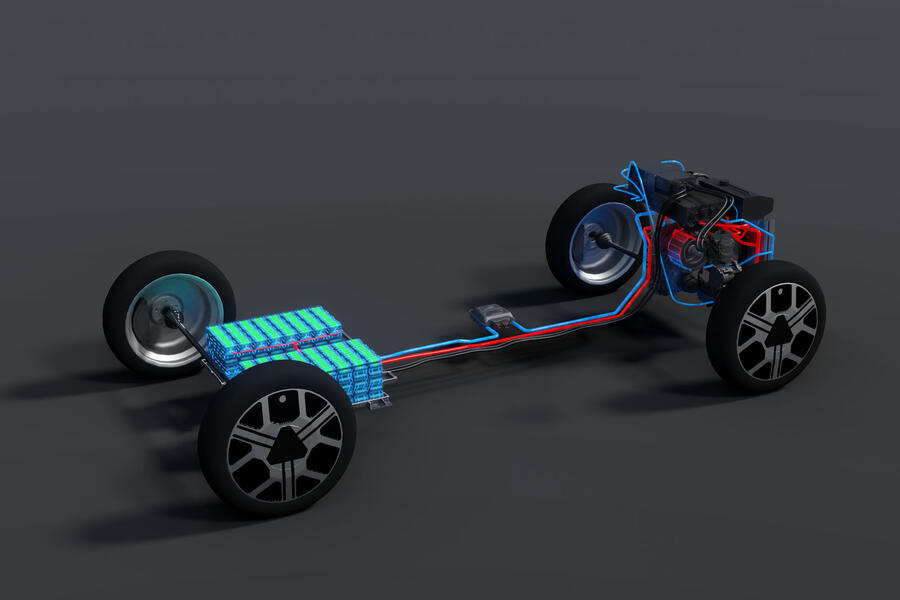
Key to the Triple10 is a new fluid-immersed battery developed in partnership with Northamptonshire engineering firm RML.
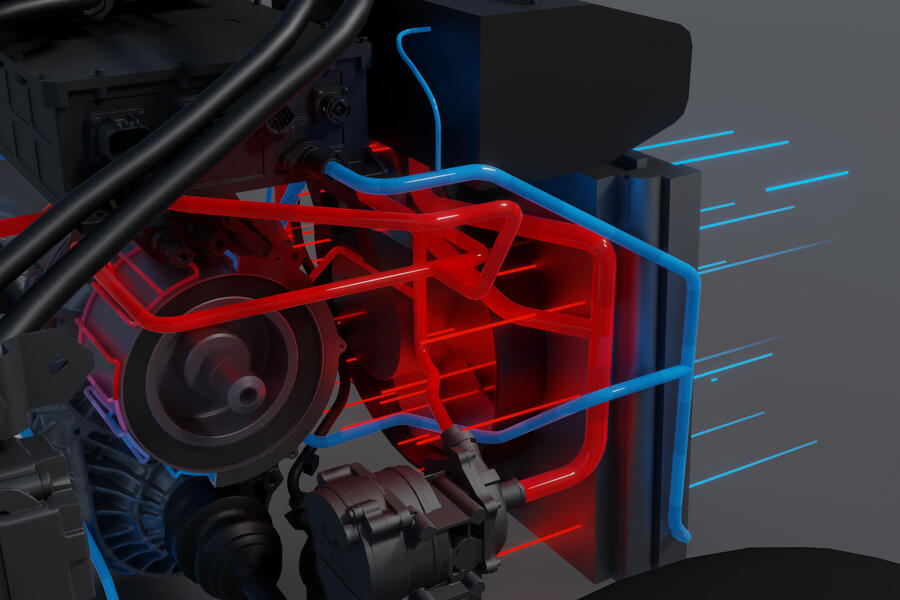
It is composed of two banks of cylindrical cells that are submerged in a dielectric (non-electrically-conductive) fluid developed by Shell. This chills the cells directly, rather than by running coolant through pipes over the top of each battery module, as is the case in a traditional EV battery.
Immersing the batteries directly in coolant provides much more effective thermal management, said Shell. This means the battery is capable of running at its optimal temperature almost all of the time, the firm said, which brings several benefits.
Toby Rockstroh, Shell’s manager for energy application testing, said many EVs can now yield peak charge rates north of 300kW, but their cooling systems restrict such capabilities to short bursts.
“The battery cells start to go towards 60deg C, the thermal management of the battery reduces the current and the power drops,” he explained.
“It starts degrading because the battery cells simply get too hot. This is something we do not have with our system; the thermal constraint has been removed.”
Shell claims its 32kWh (usable capacity) battery is capable of sustaining a 175kW charge rate for the full time it is charging, giving a 10-80% refill time of 10 minutes.
Better cooling also enables far more effective energy recovery from regenerative braking, said Rockstroh.
This, the firm proposes, creates a virtuous circle for the car’s specification. Better cooling improves electrical efficiency – and therefore outright range – while faster charging reduces range anxiety. This may make a smaller battery like that employed by the concept more palatable to buyers, reducing weight and cost.