


The upcoming 2030 ban on new petrol and diesel cars will transform UK motoring on a scale never seen before. This story is part of a wider analysis of the challenges faced by consumers, government and the automotive industry, what needs to happen, and how such drastic changes can be achieved over the next decade.
Read the rest of this series here: Countdown to year zero - what needs to happen by 2030?
Will the cars of 2030 be very different in terms of styling?
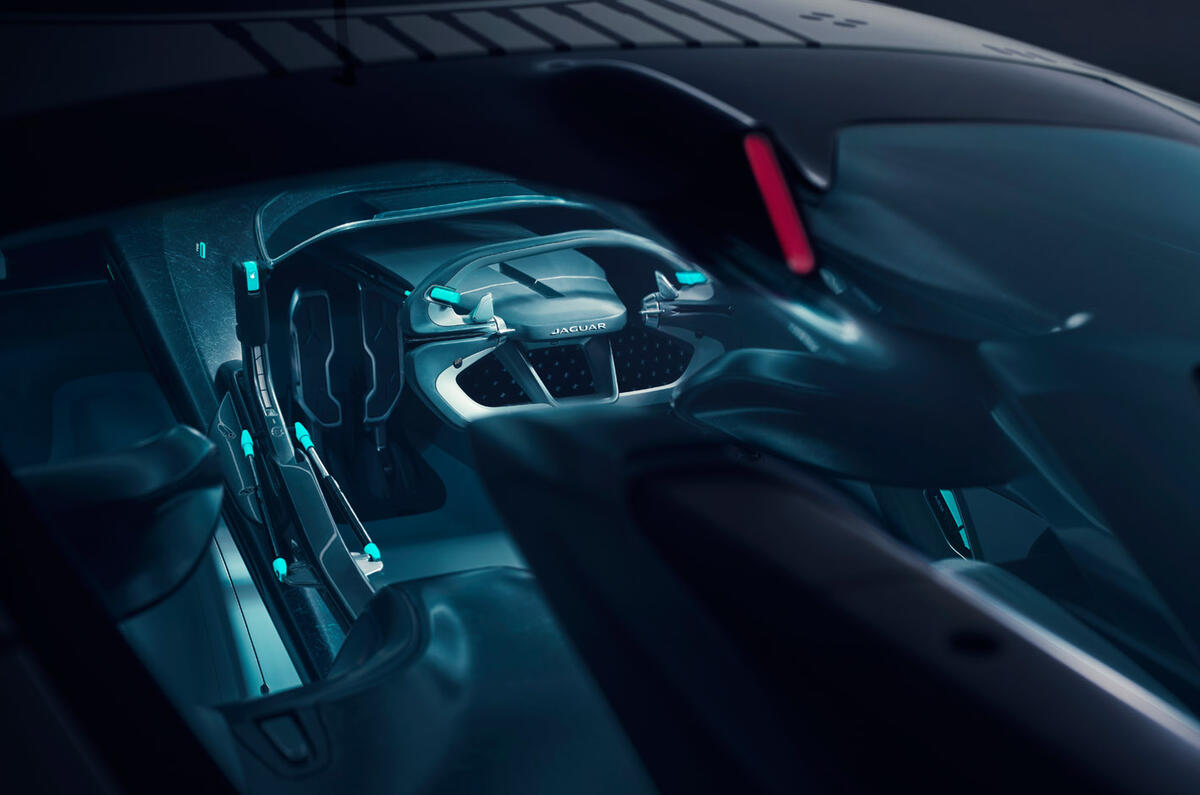
They will be a step more modern but are unlikely to be deliberately challenging. Knowing that many buyers of 2030 will already be swallowing big changes in fuelling, powertrain specification and driving technique, car companies and their designers will be wary of frightening them further with off-the-wall designs or revolutionary models that don’t conform to conventional size classes. Take front grilles: today’s electric cars don’t need a huge frontal radiator any more, but when asked if he was planning to drop conventional grilles and long noses for future Jaguars, the marque’s forward-looking design boss, Julian Thomson, was reluctant to make that commitment.
Besides, with so much new technology to incorporate (and pay for), companies will be keen to use as much existing crash and structural knowhow as possible. Expect much better packaging, though. Cars like Jaguar’s trend-setting I-Pace and Volkswagen’s ID 3 already show the direction of travel: they look very modern and take advantage of unusual extra cabin space opportunities that simply weren’t available in the past, but they’re also designed to appeal to today’s car buyers.
What about mechanical layout?
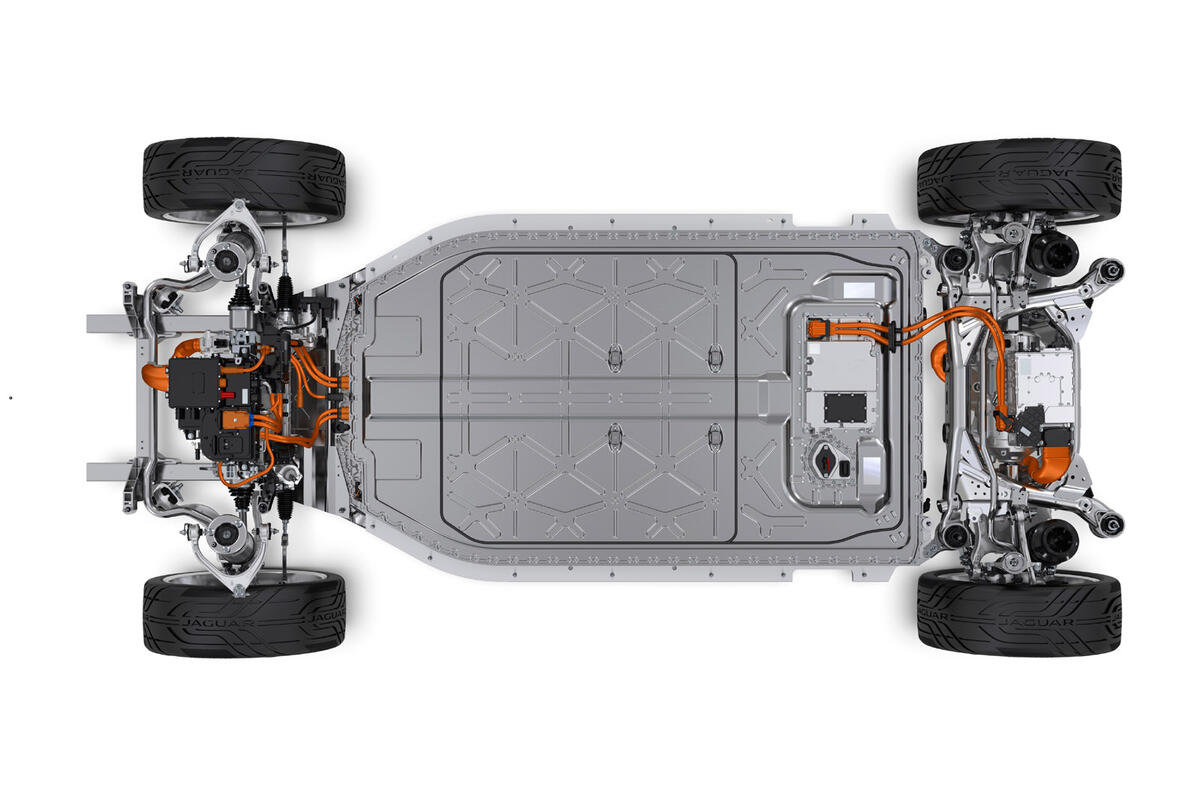
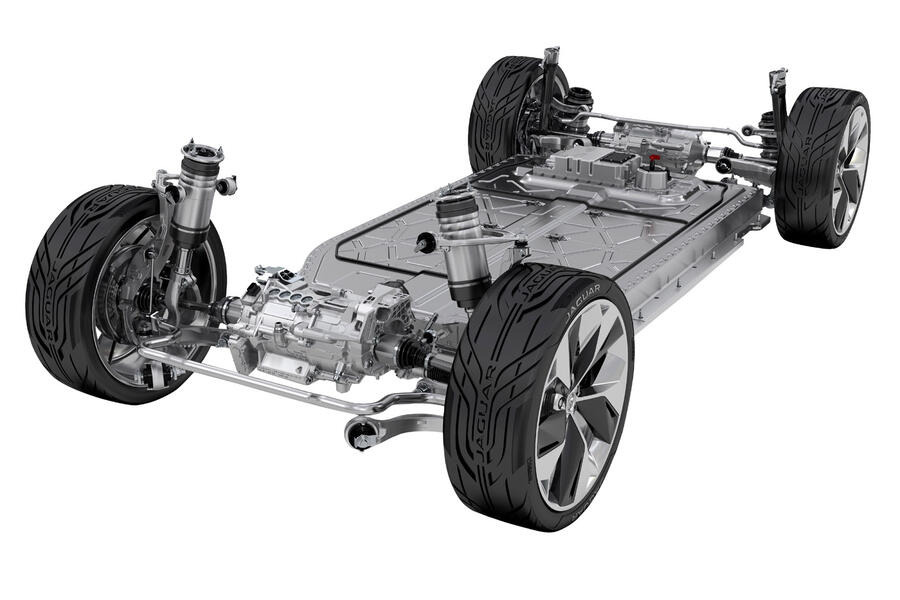
That will be different. The compactness of electric motors allows more flexibility about where they’re mounted. Already we’re seeing moves away from the near-universal transverse front-wheel-drive layout of lower-priced ICE cars (the rear-drive BMW i3 is a good example). We’re also seeing 2WD and 4WD versions of very similar models (the Tesla Model 3, for instance) that are relatively close in price. As long as an electric model uses EV-specific architecture and isn’t straitjacketed to a previous ICE model, its creators will have much greater flexibility with mechanical layout, especially as better battery packaging develops. Trends will emerge, but at present there’s plenty of variety.
How will car makers provide decent performance for big, heavy cars like Range Rovers?
They will struggle in the next few years, although efficiency improvements promise progress soon. The first Bentley and Rolls-Royce EVs are due by 2025 and Jaguar has the electric XJ saloon ready to go now – provided it decides demand is sufficient to make a launch worthwhile. Bentley CEO Adrian Hallmark acknowledges some difficulties in the early years (he will meet most demands for electrified Bentleys with plug-in hybrid models permitted for another 14 years) but believes the promised progress with battery packaging and chemistry will reduce the difficulties to practical levels – and improvements in infrastructure will also greatly help. Big-car makers have been claiming progress with aerodynamics and weight-saving for years, but they’re likely to make even greater compromises in these areas over the next decade to deliver more dramatic results.