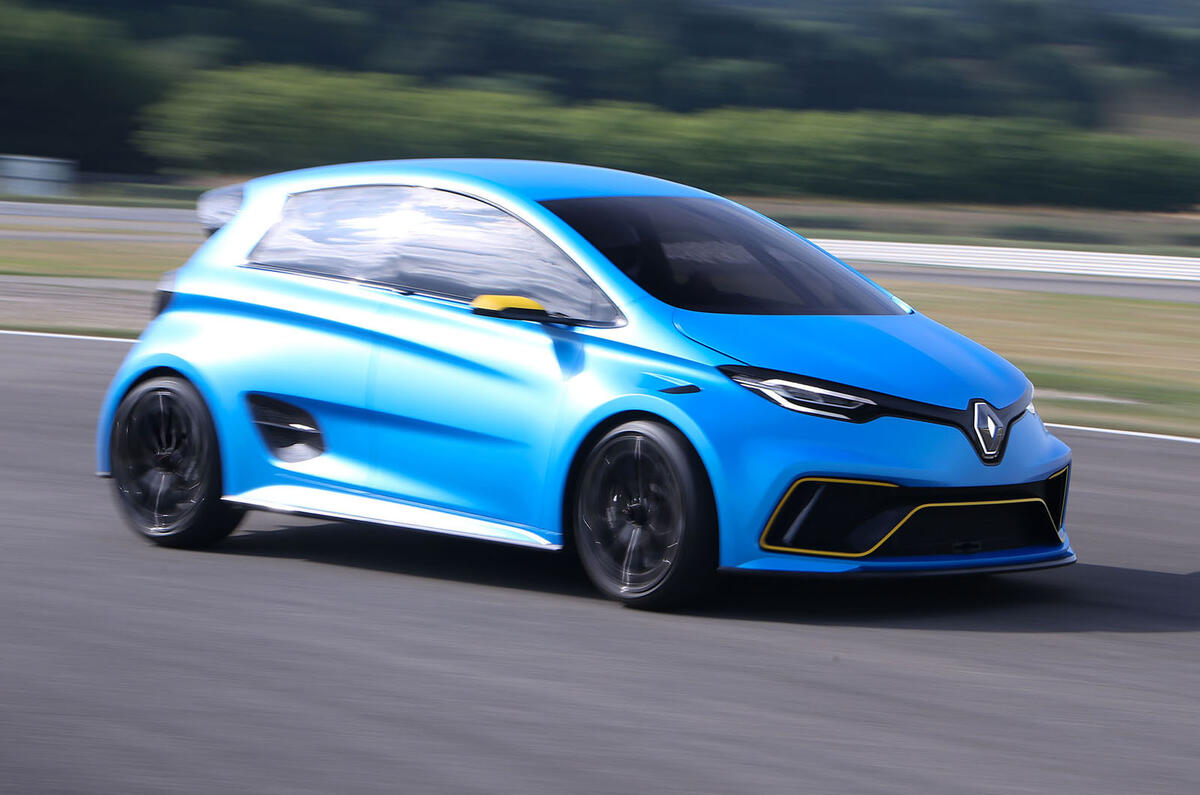
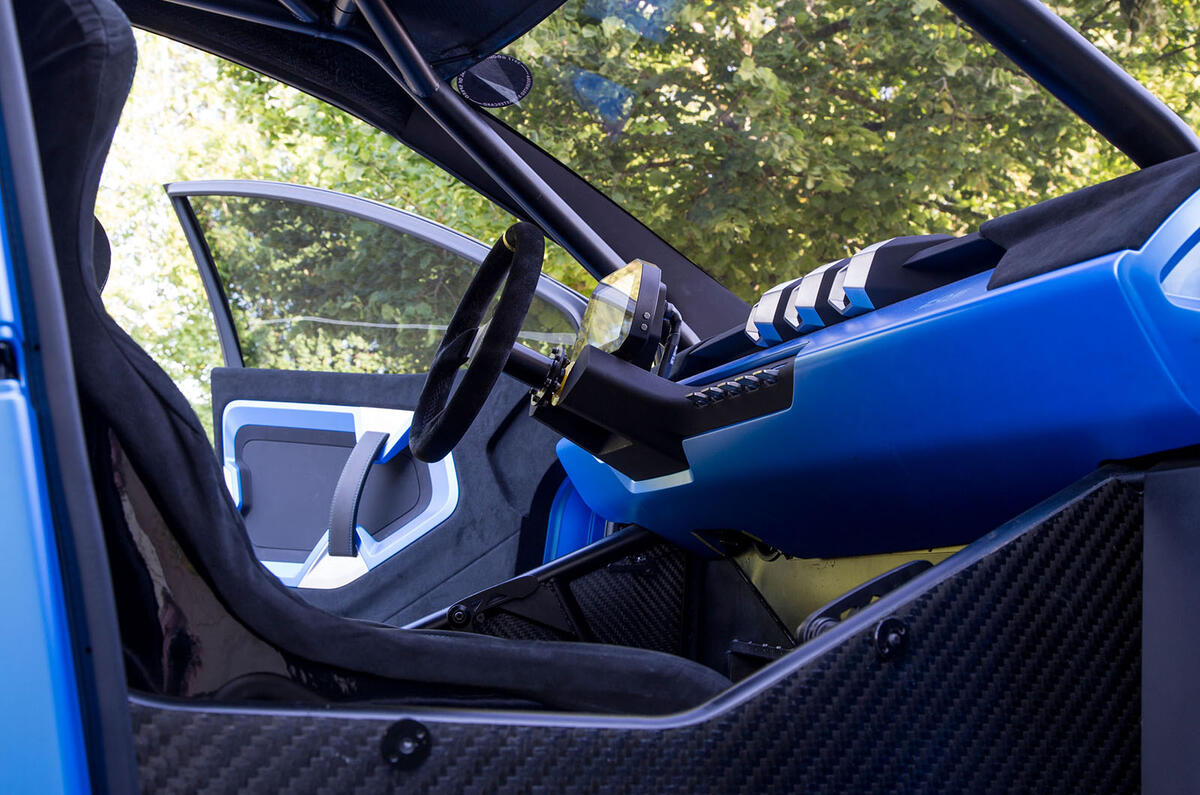
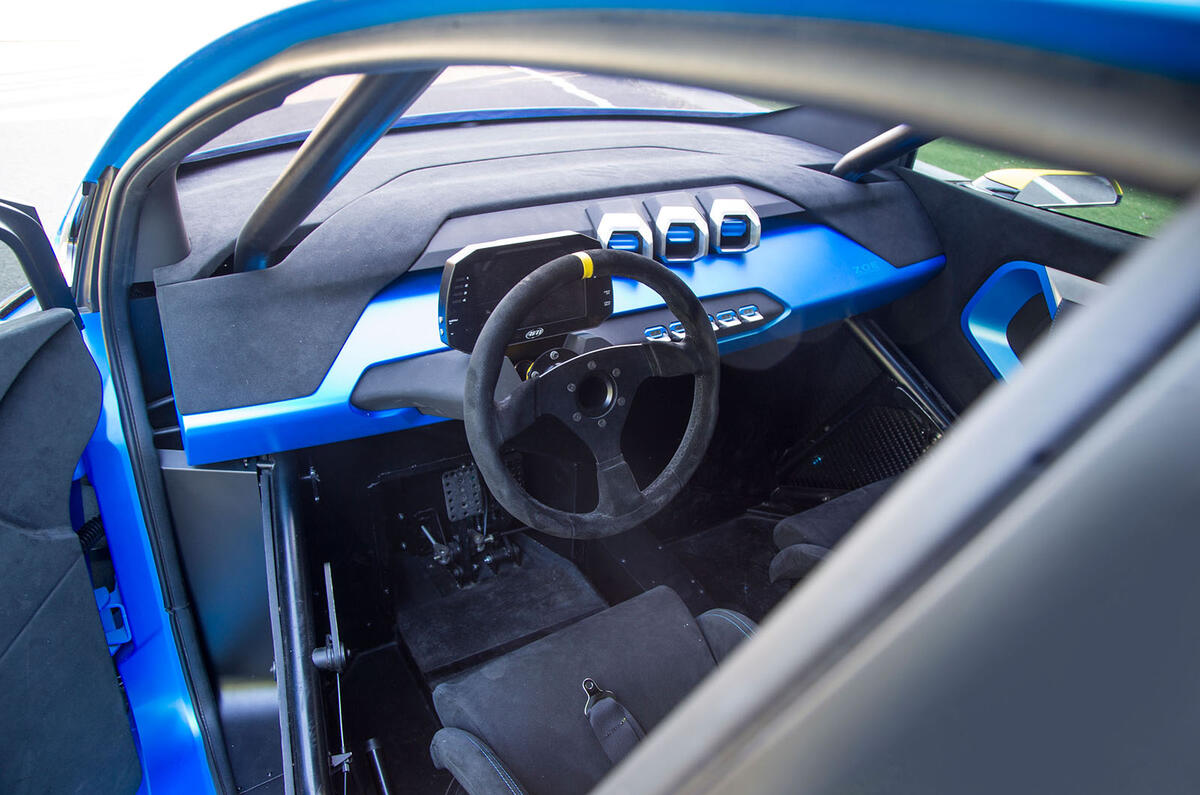
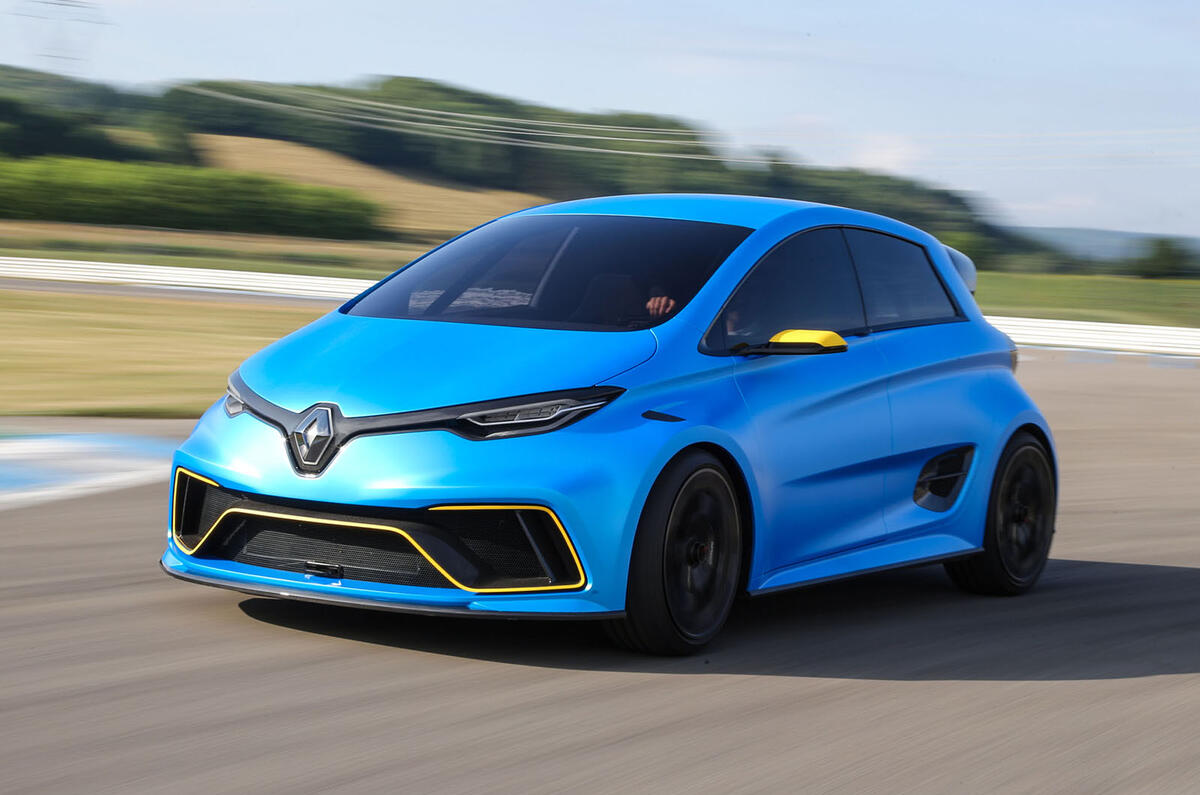
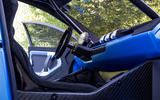
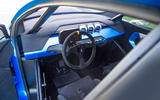
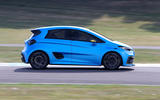
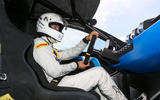
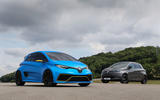
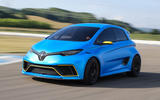

It’s a baking hot day in the south of France and there isn’t any air ventilation to cool the cabin of the Renault Zoe e-sport.
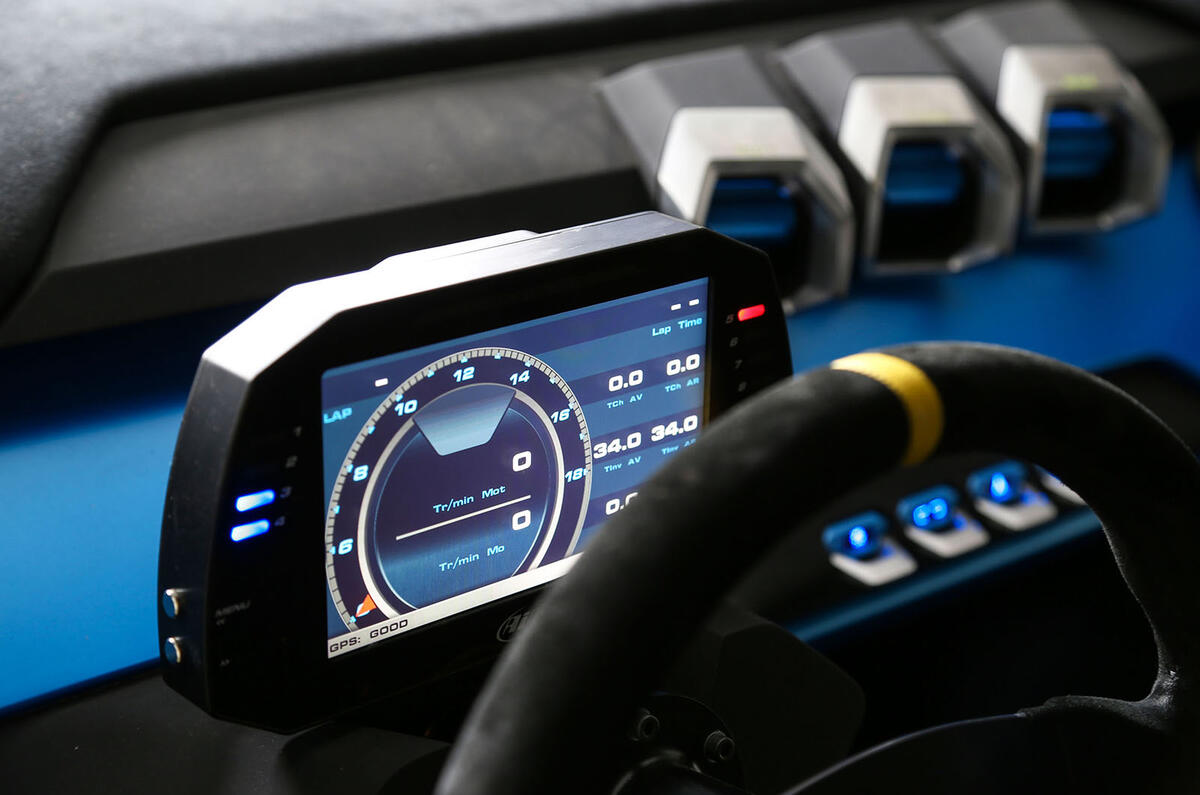
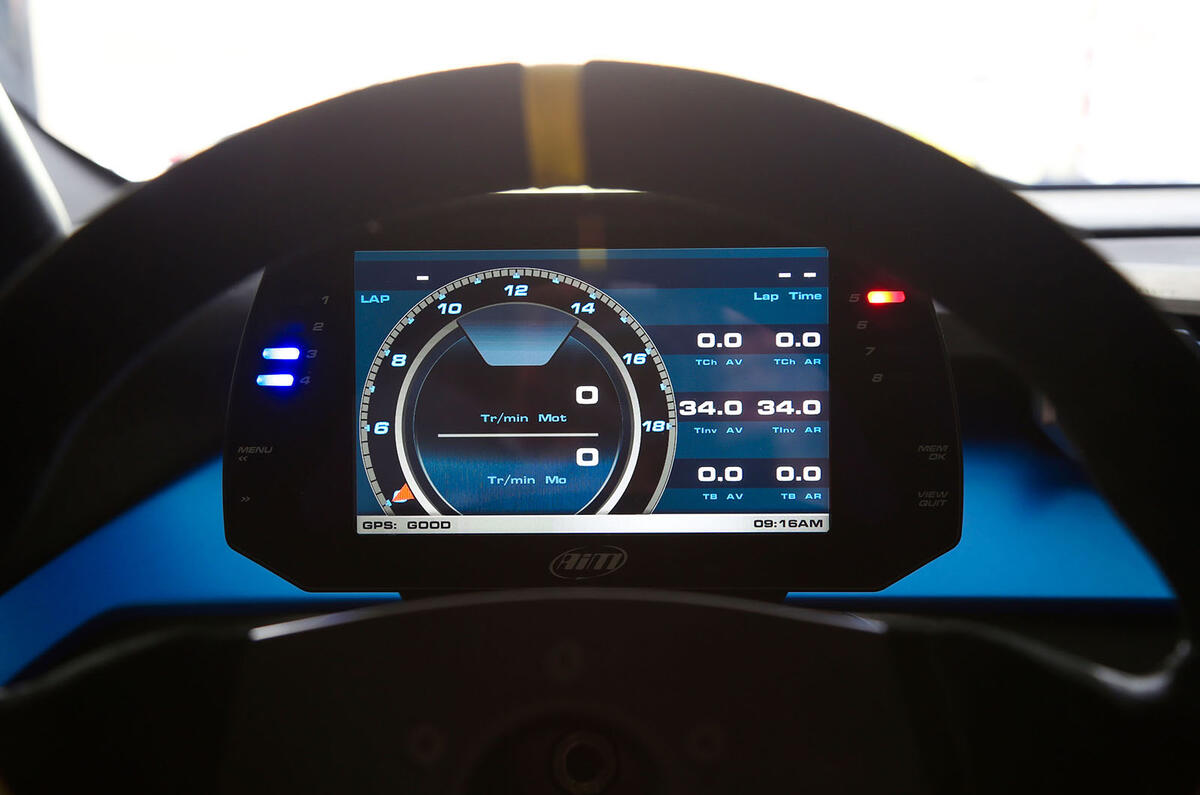
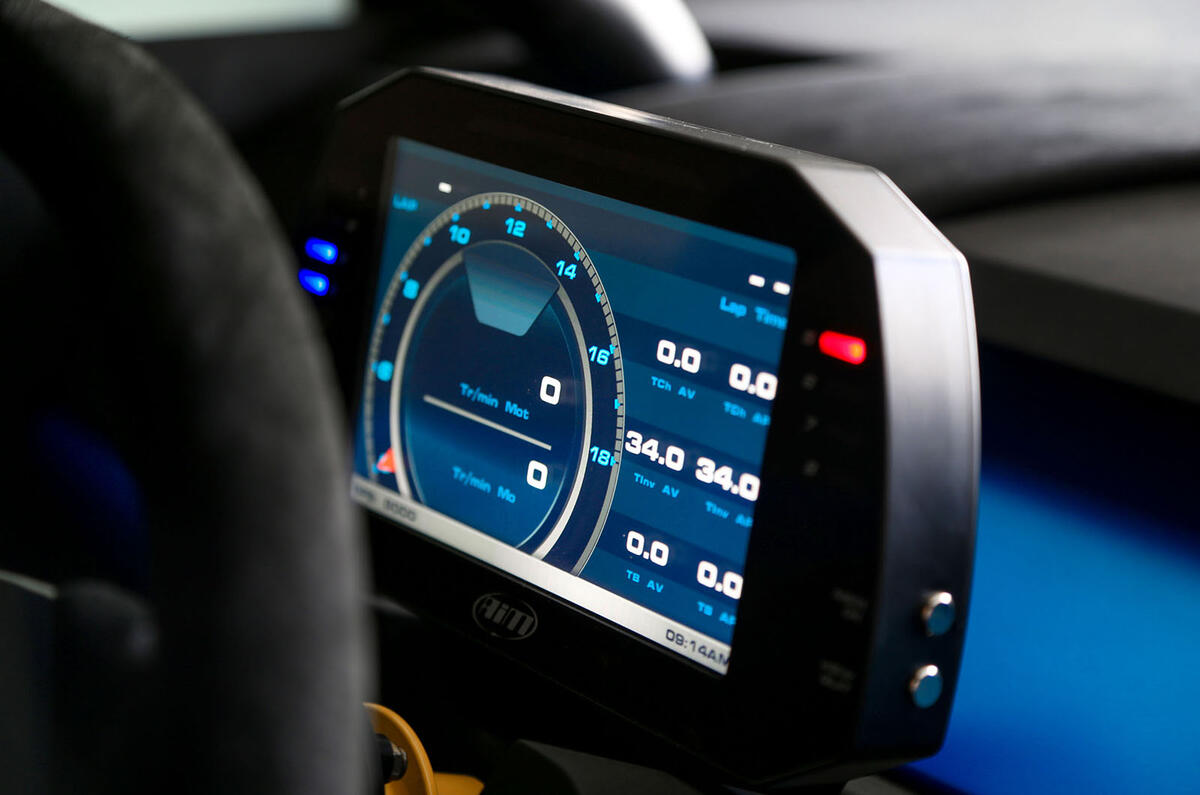
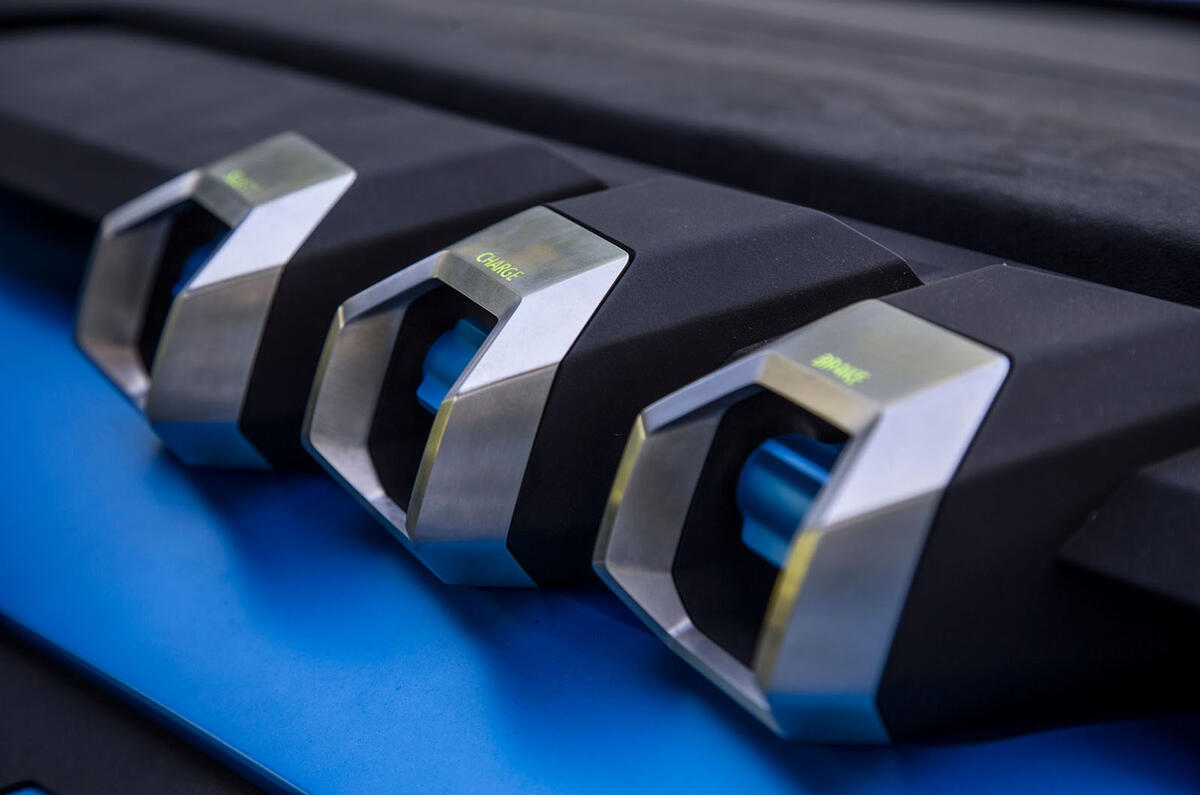
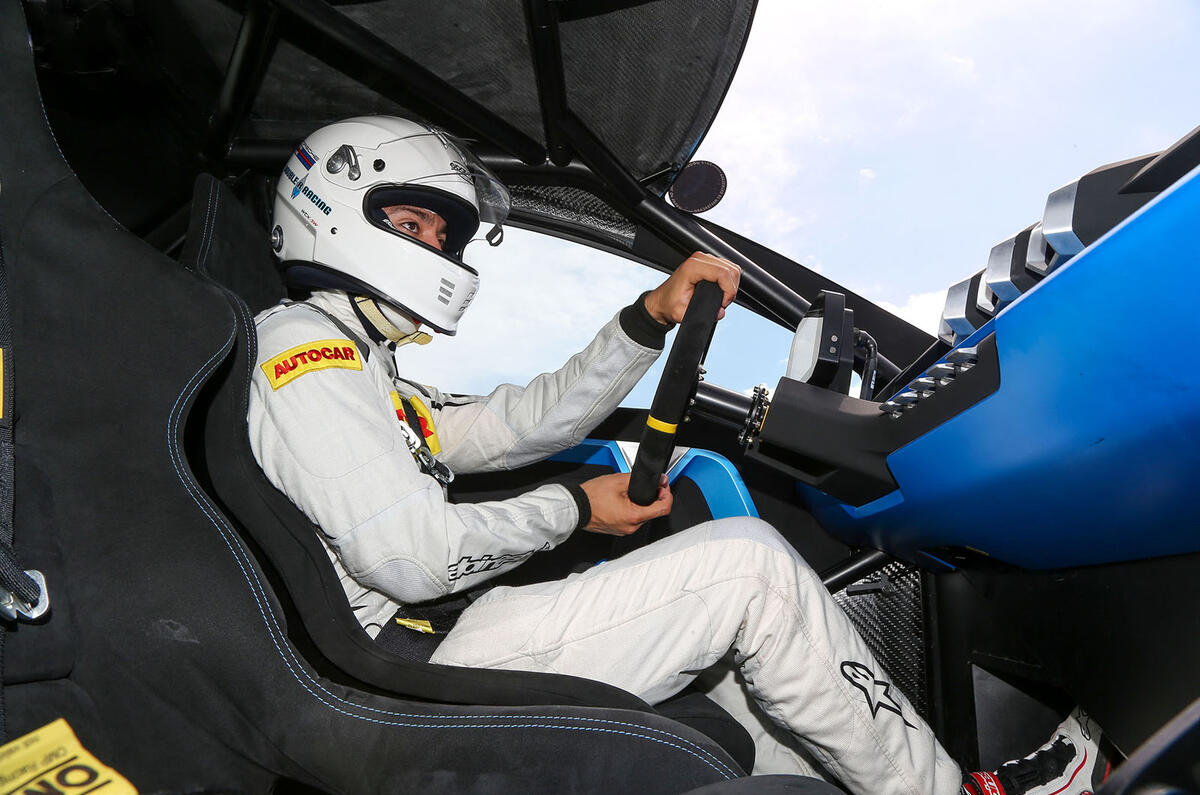
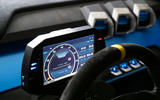
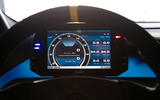
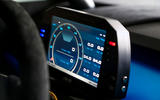
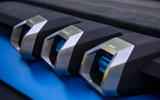
In fact, there’s not much inside this electric car at all: two pedals, a steering wheel, a digital readout, plus a trio of rotary switches that can be configured to unleash its full 456bhp and 472lb ft performance – sufficient, I later discover, to provoke wheelspin at 70mph.
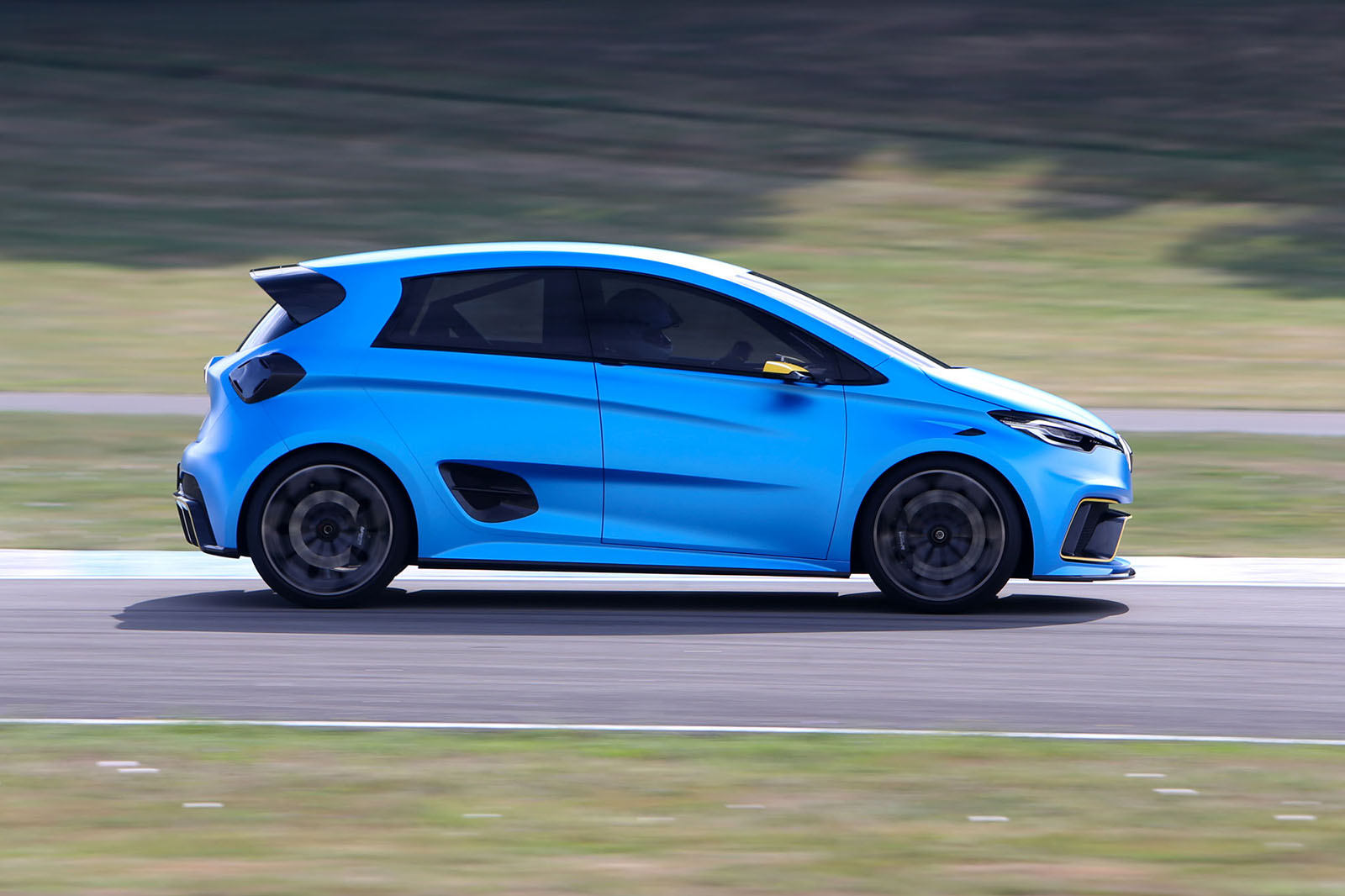
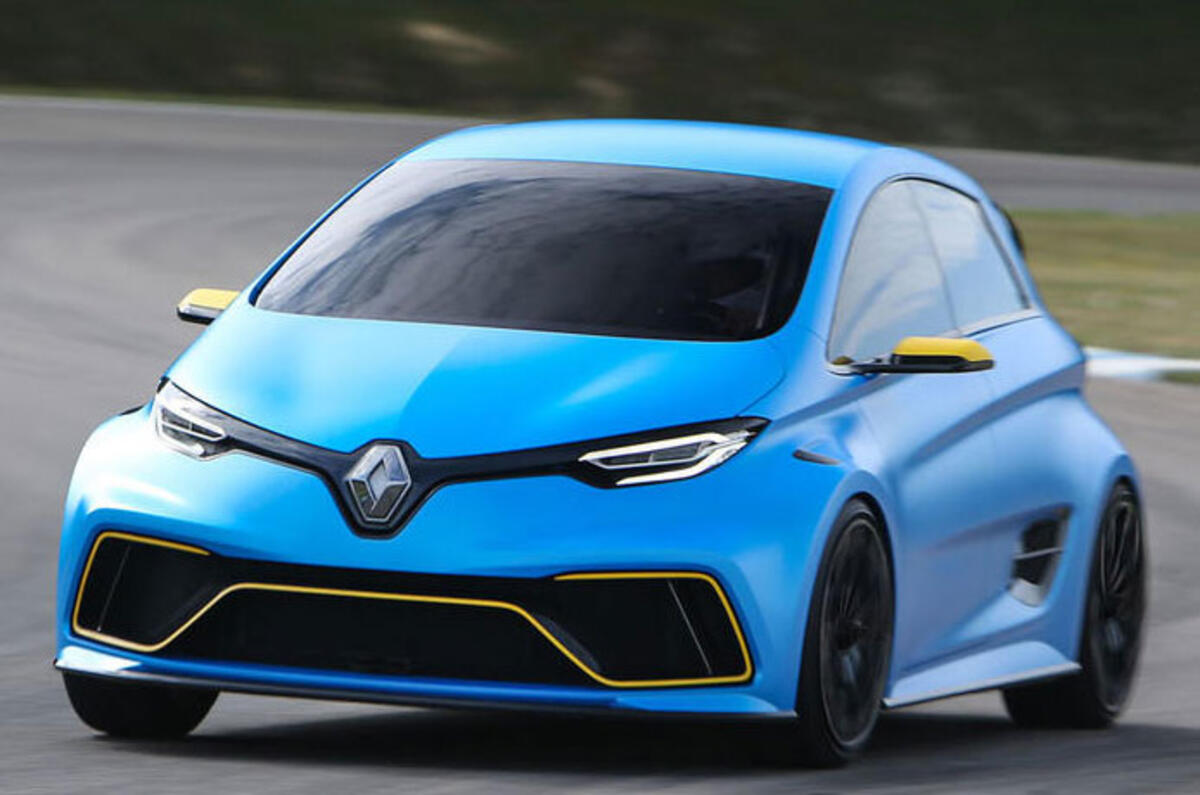
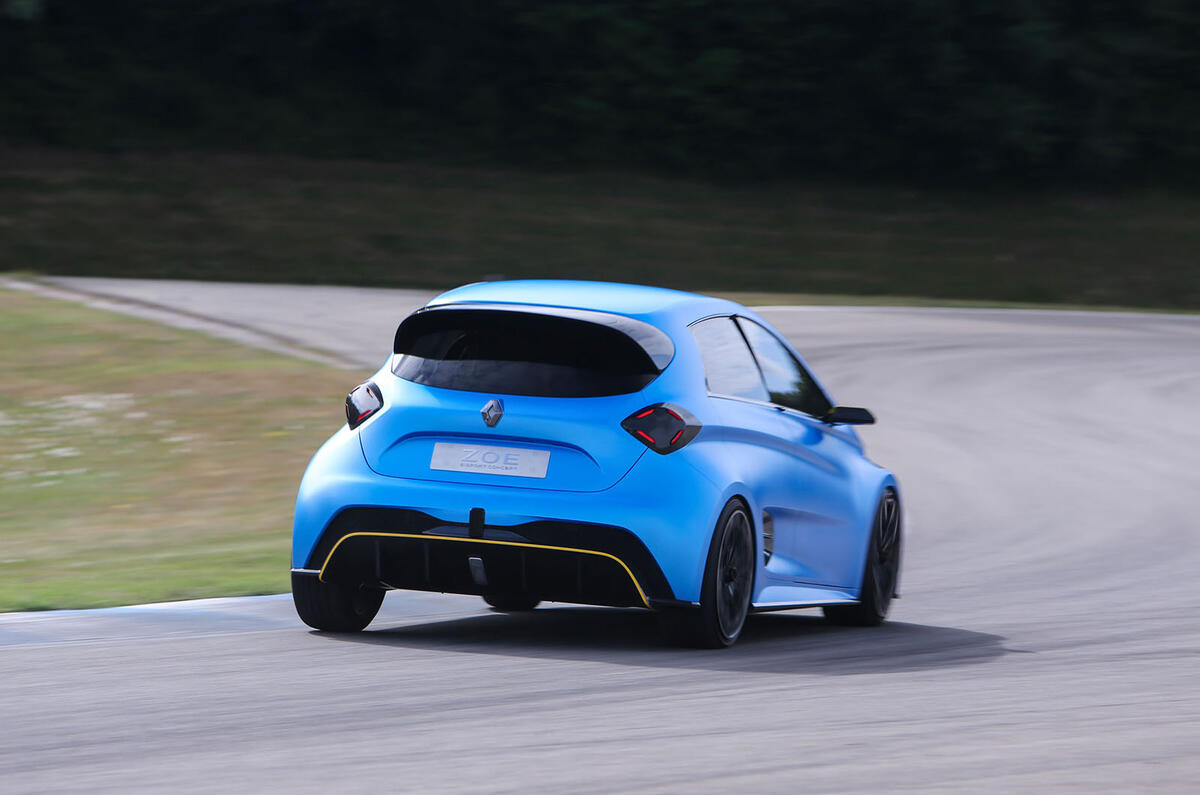
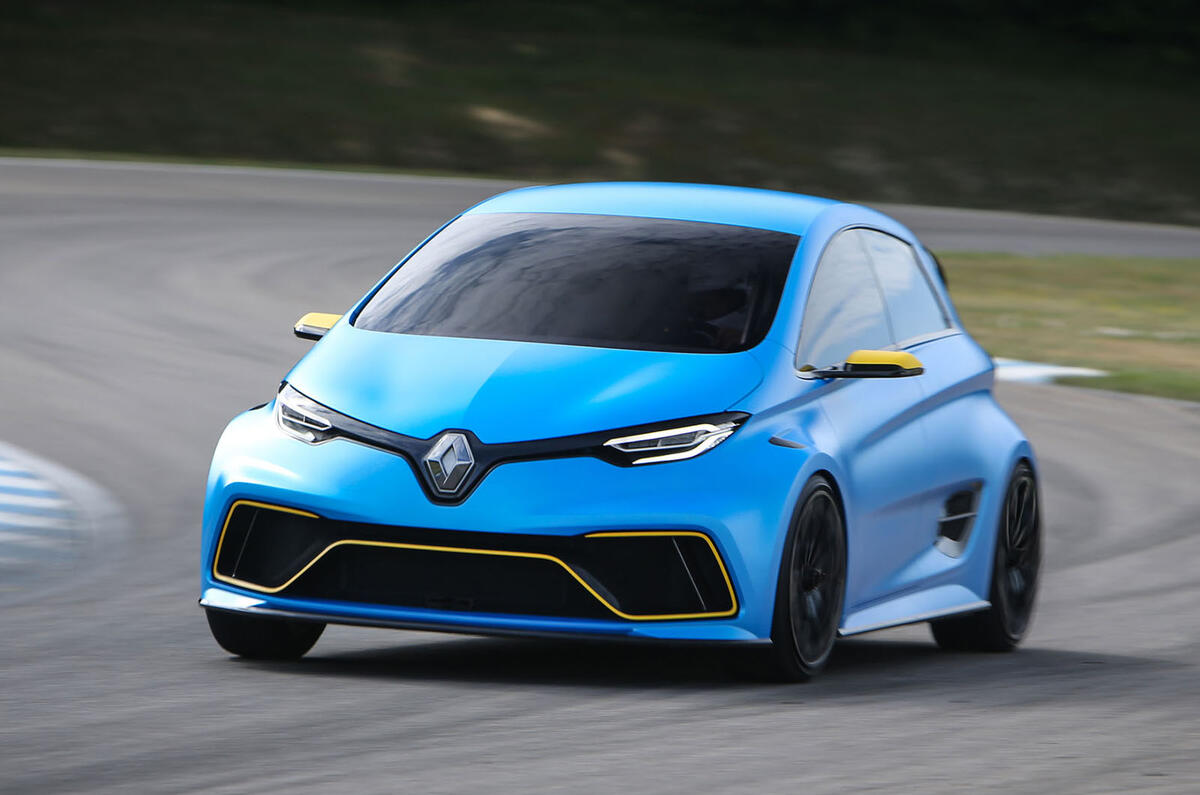
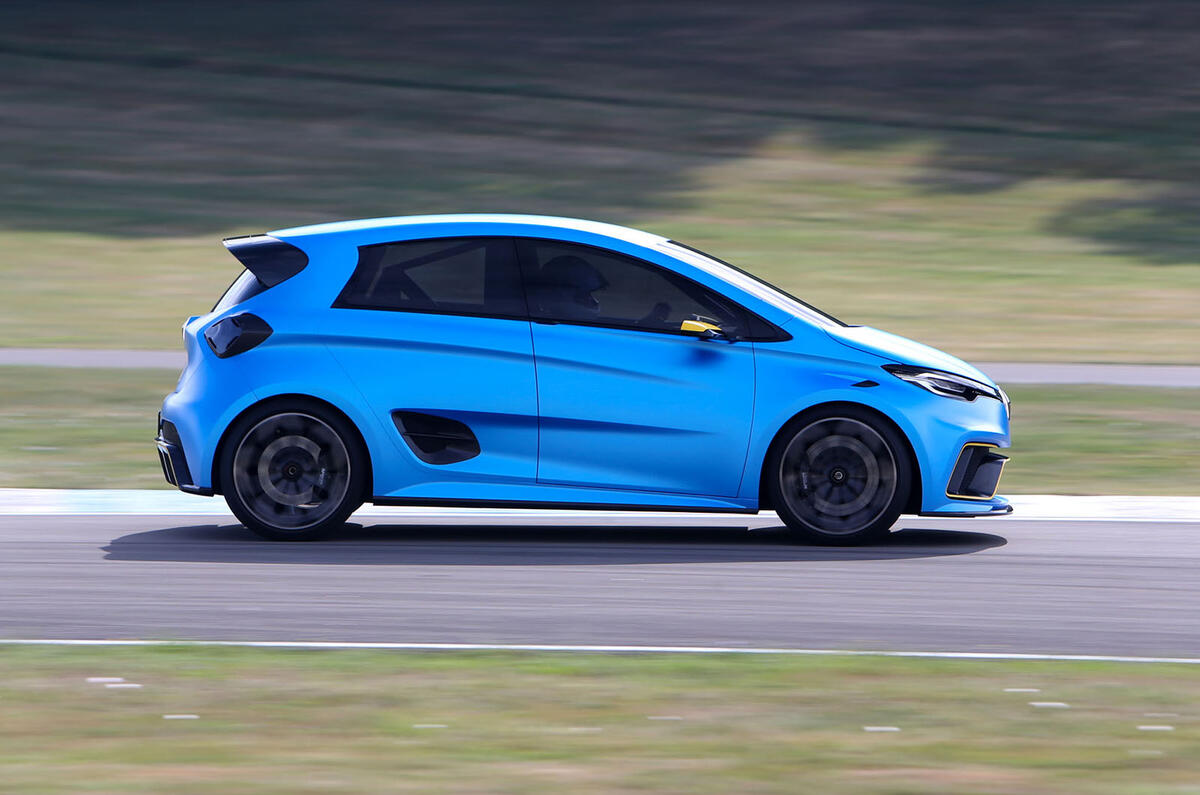
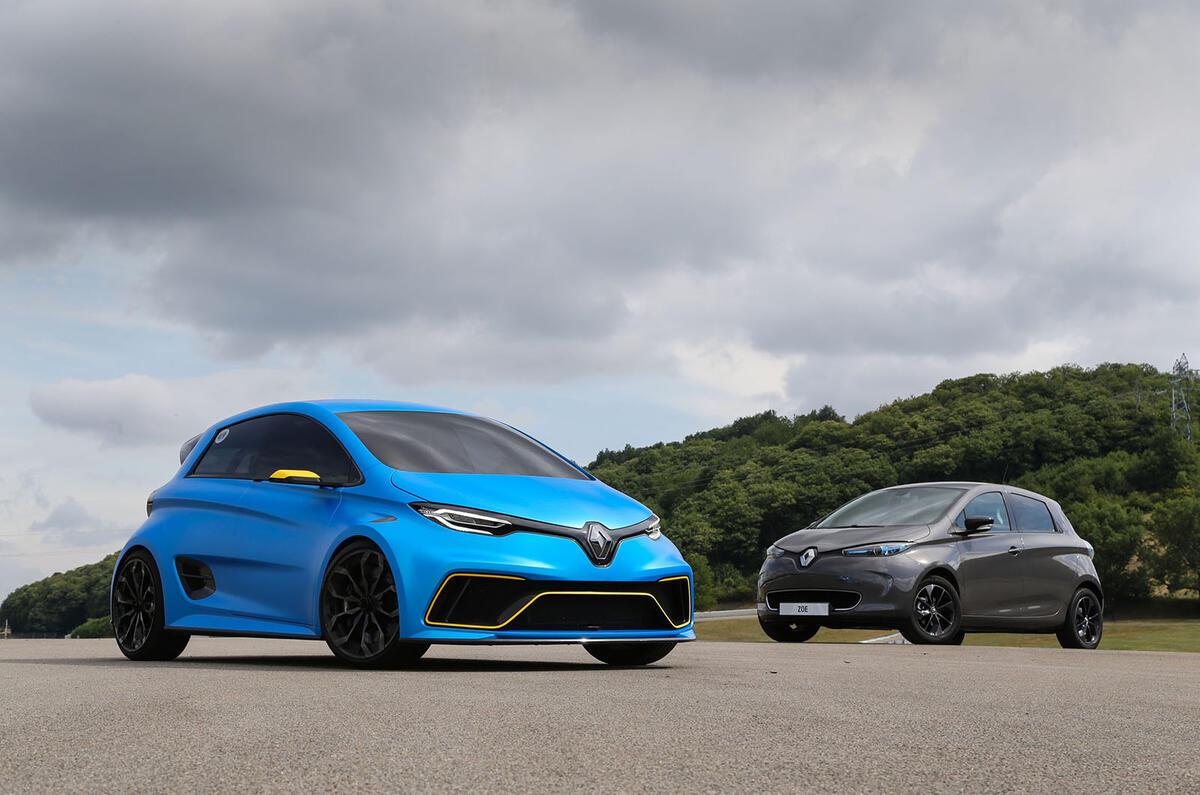
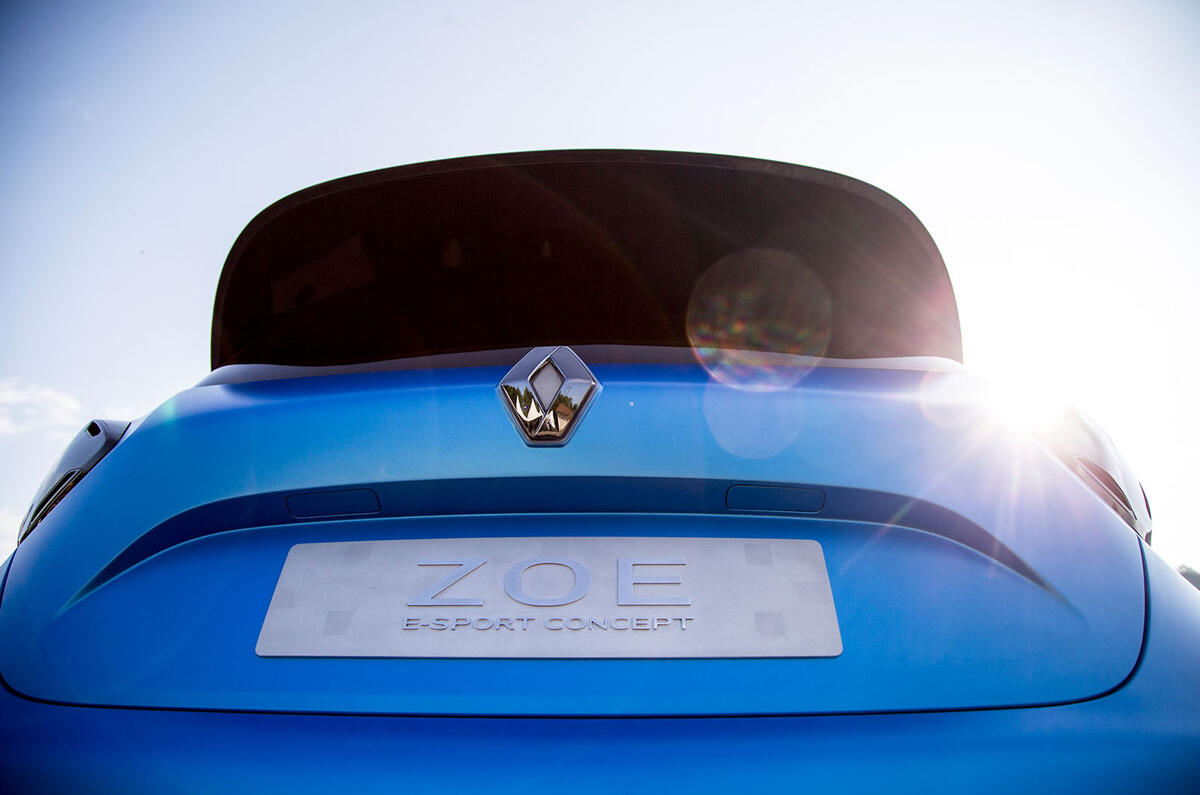
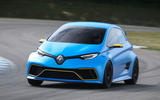
You might recognise this Zoe e-sport from its debut at the Geneva motor show or its more recent appearance at the Goodwood Festival of Speed. The one-off prototype has got more in common with Renault’s e.dams Formula E racer than with the standard version of the zero-emissions supermini. The e-sport’s two electric motors, one on each axle, share the racer’s high-capacity permanent magnet technology, although together they ensure the e-sport produces 184bhp more than the single-seater’s motor, which is restricted by Formula E rules.
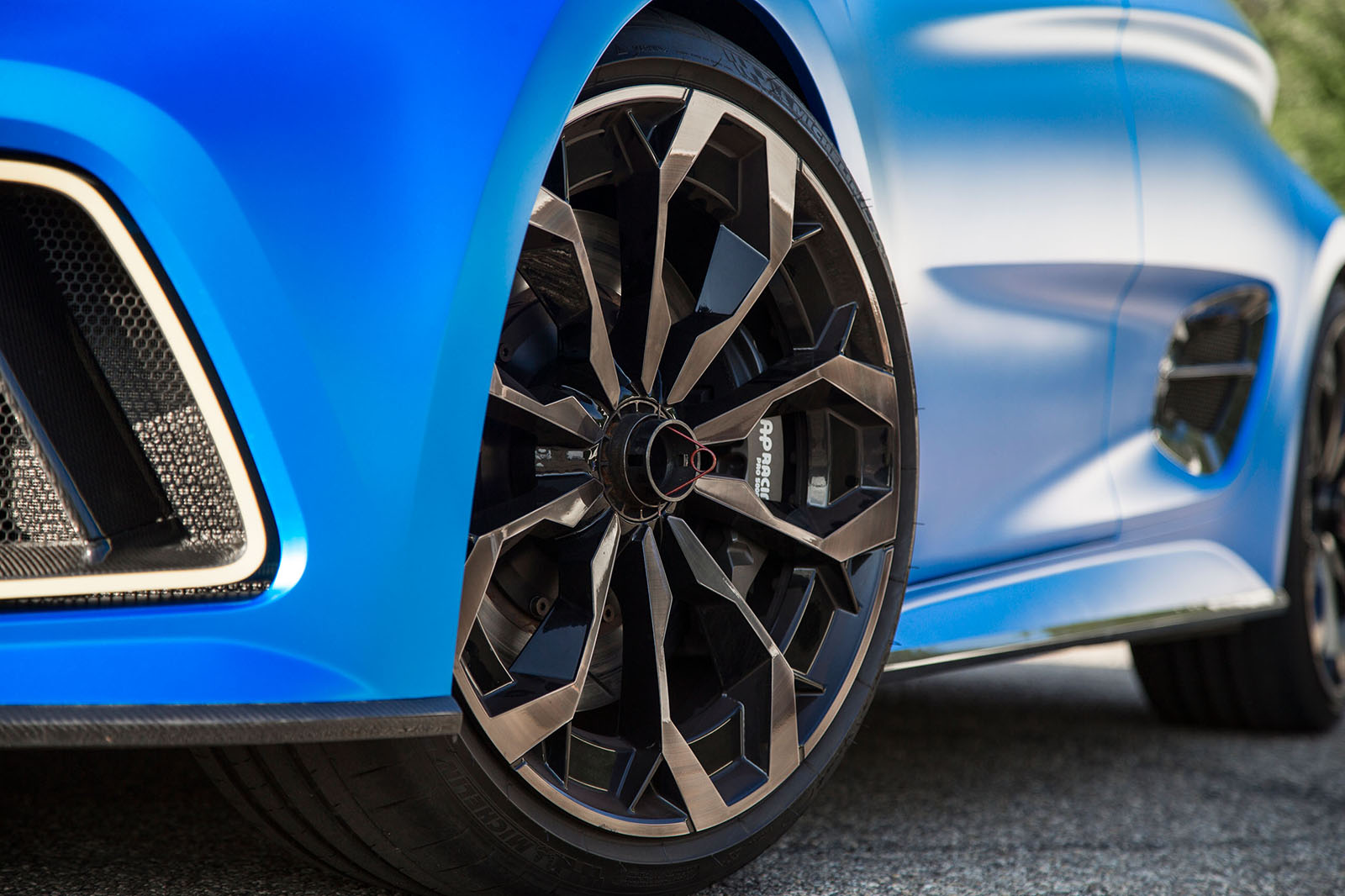
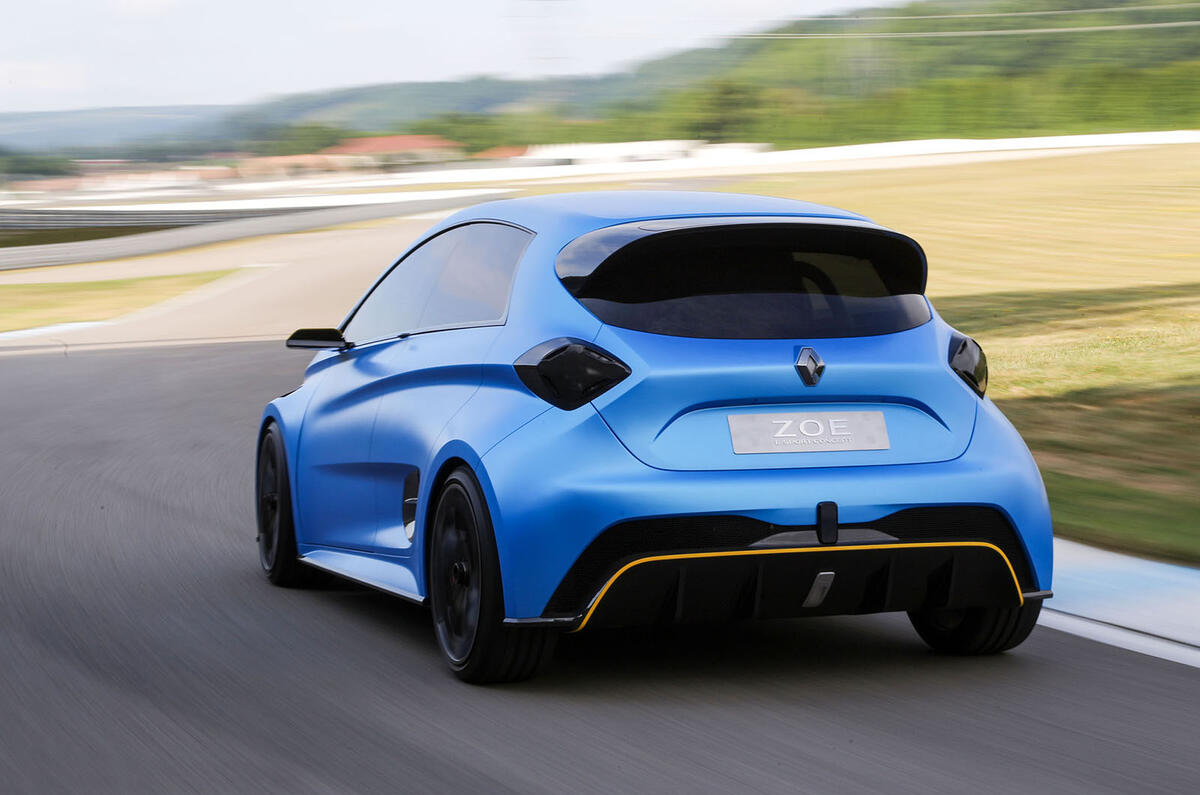
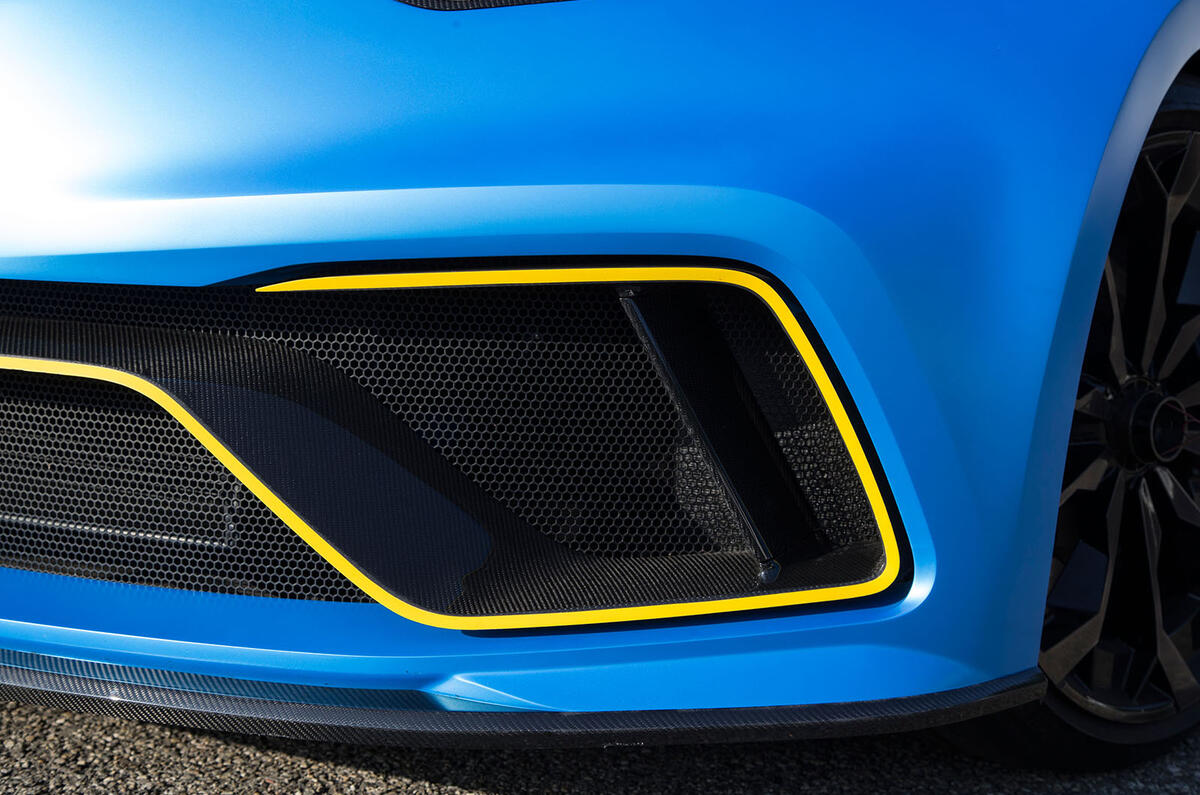
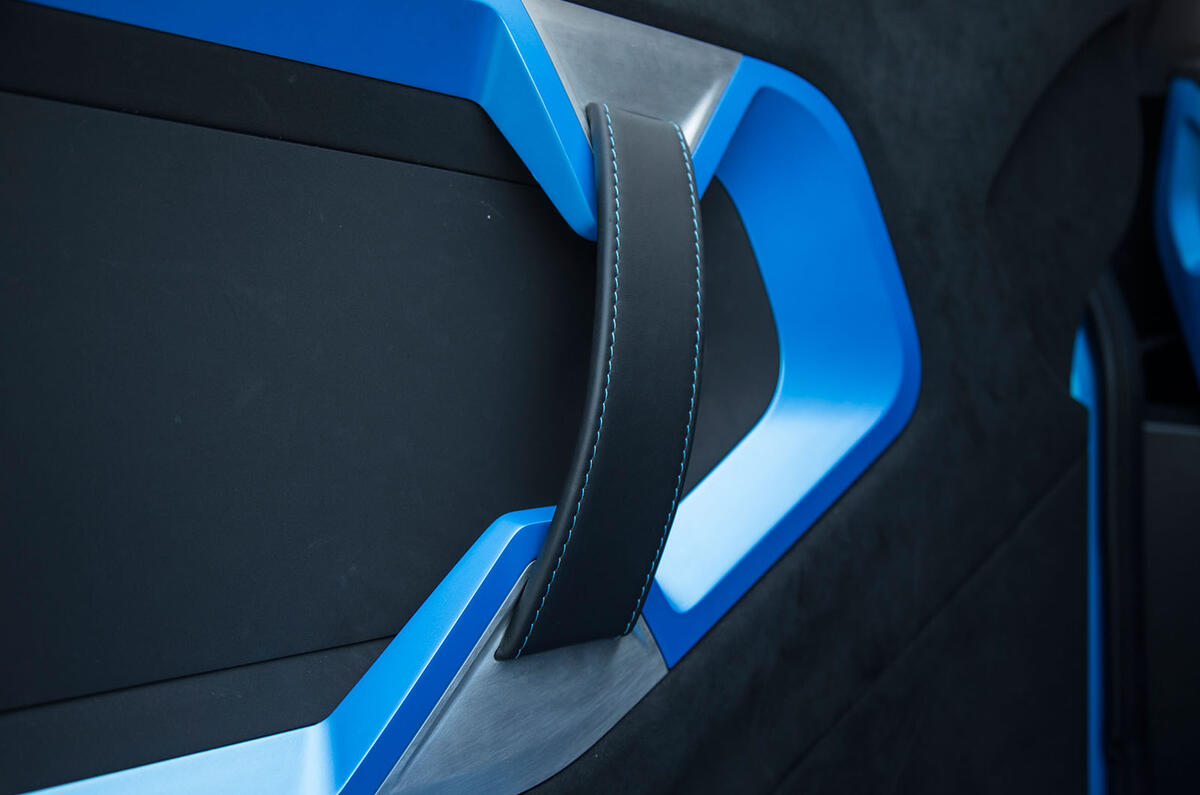
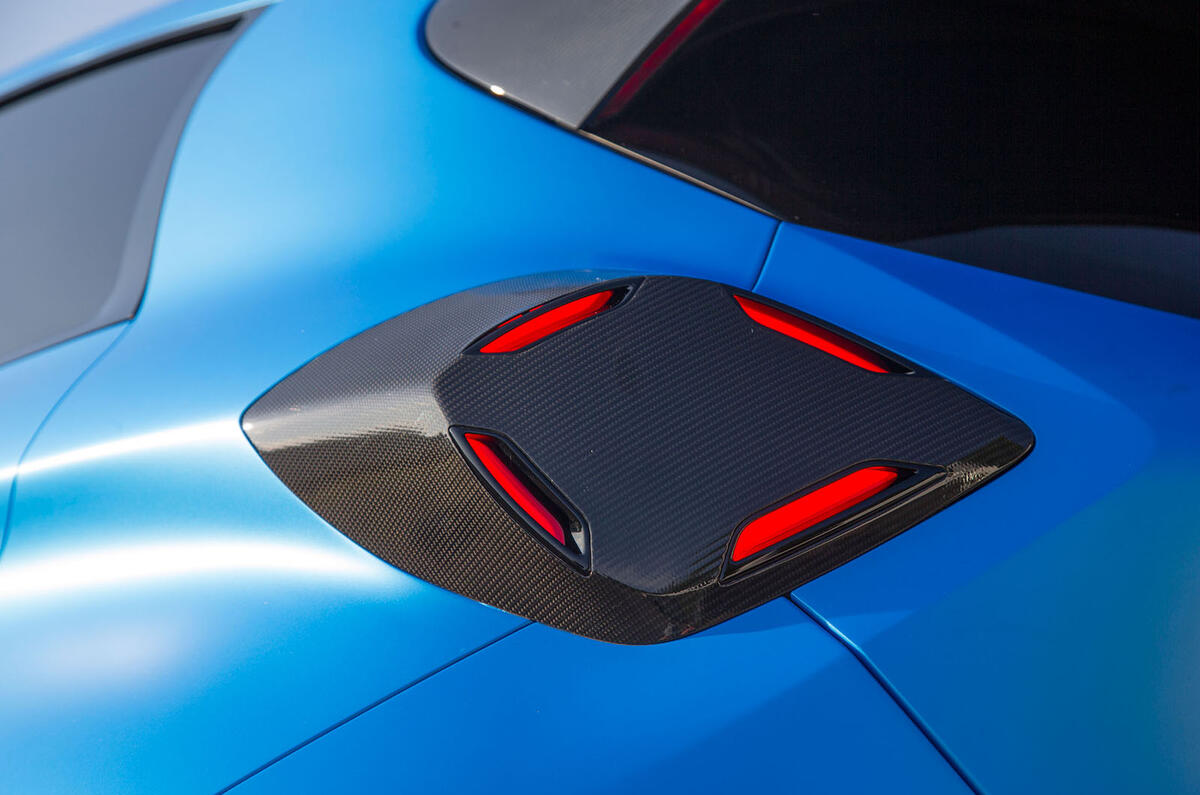
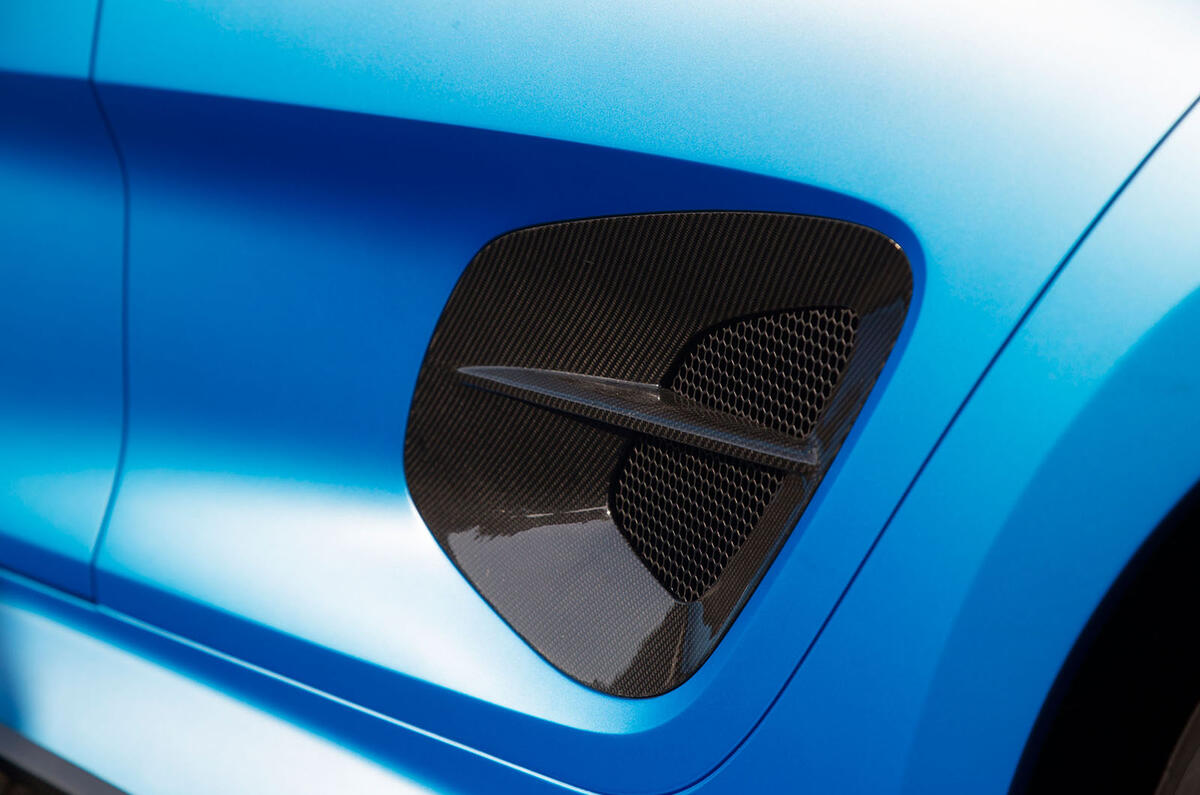
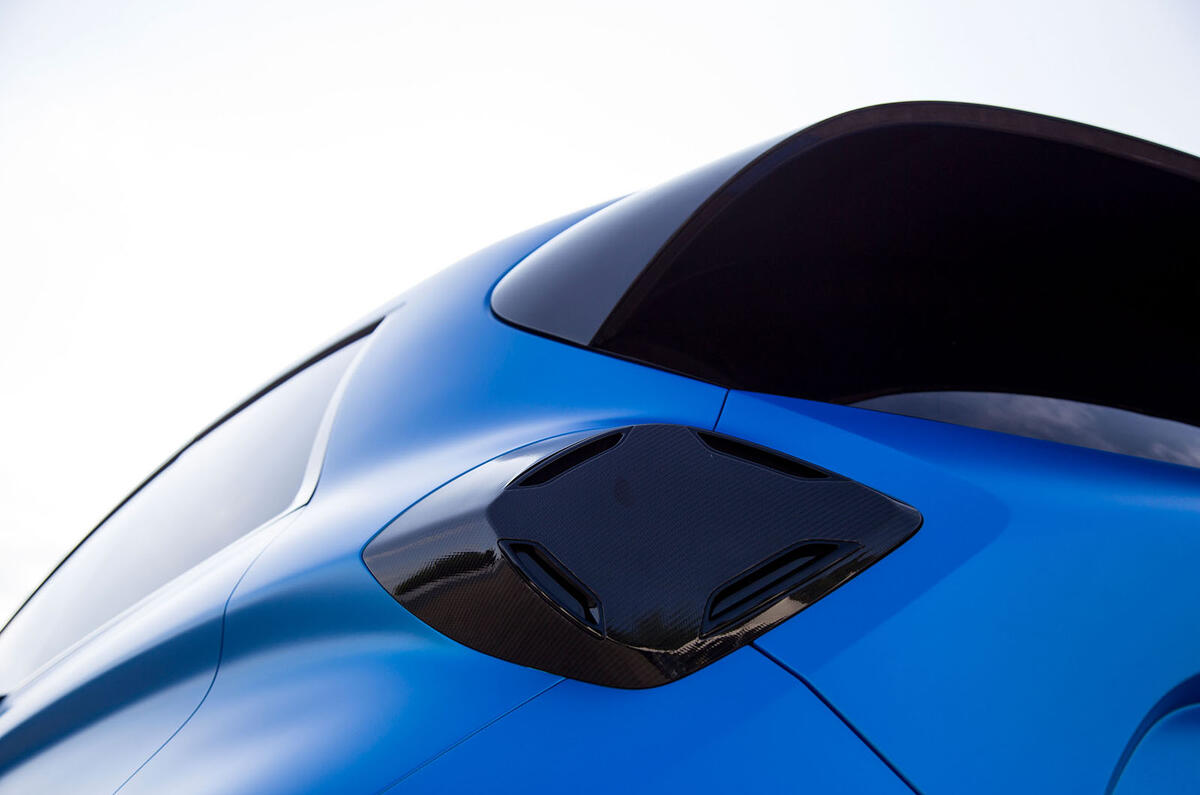
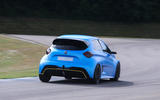
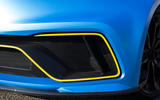
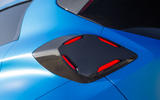
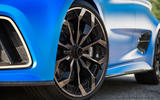
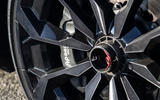
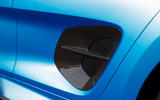
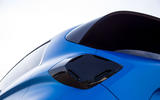
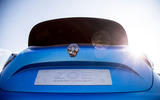
The car’s body is carbonfibre and its tubular chassis is built by racing specialist Tork Engineering. It uses double wishbone suspension at the front and rear, with Öhlins four-way adjustable dampers. The car's aggressive design is more aerodynamic than the standard Zoe, with a front air dam, flat undercarriage, rear diffuser inspired by the Formula E car’s and a carbonfibre rear spoiler. Inside, it's a proper racer, with a pair of Recaro bucket seats, harnesses and myriad electronic gizmos, although Renault has hidden the latter behind both a solid wall and the car’s rear tinted windows to stop anyone catching a glimpse.
This stripped-out cabin might suggest the car will be a featherweight, but thanks the two 20kWh lithium-ion battery packs located on its floor that contribute 450kg, it tips the scales at a hefty 1400kg. Still, all that torque ensures the Zoe e-sport is capable of accelerating to 62mph in 3.2sec and, more staggeringly, can race from 0-130mph in under 10 seconds. This makes the e-sport quicker on paper than a Porsche 911 Turbo S.
To find out what that savage and gear change-free acceleration feels like, and to gauge its implications for the future of hot-hatches, we’re at Circuit du Laquais. This hidden asphalt gem is located in the hills of Auvergne-Rhône-Alpes, about 35 miles southeast of Lyon.
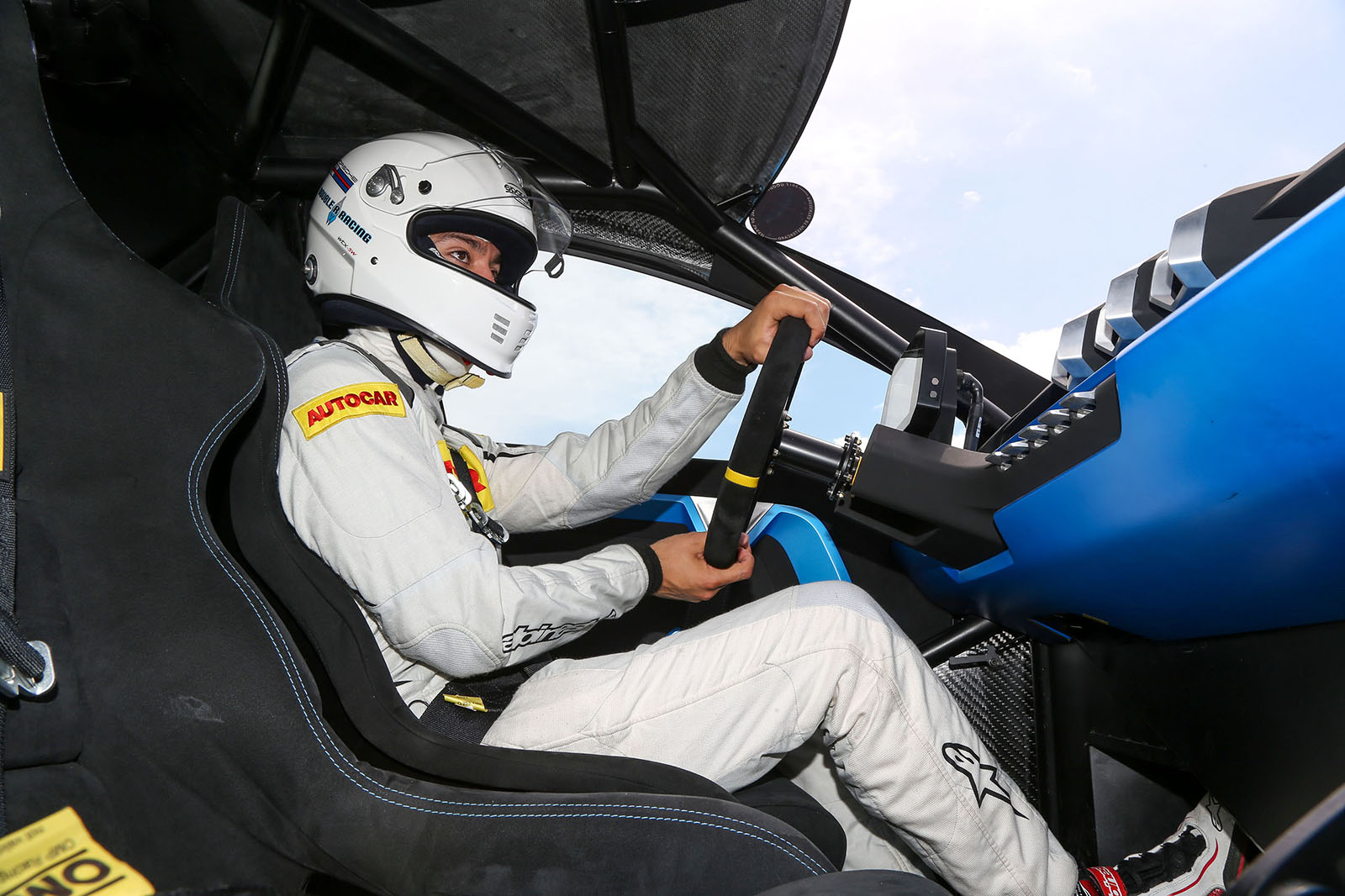
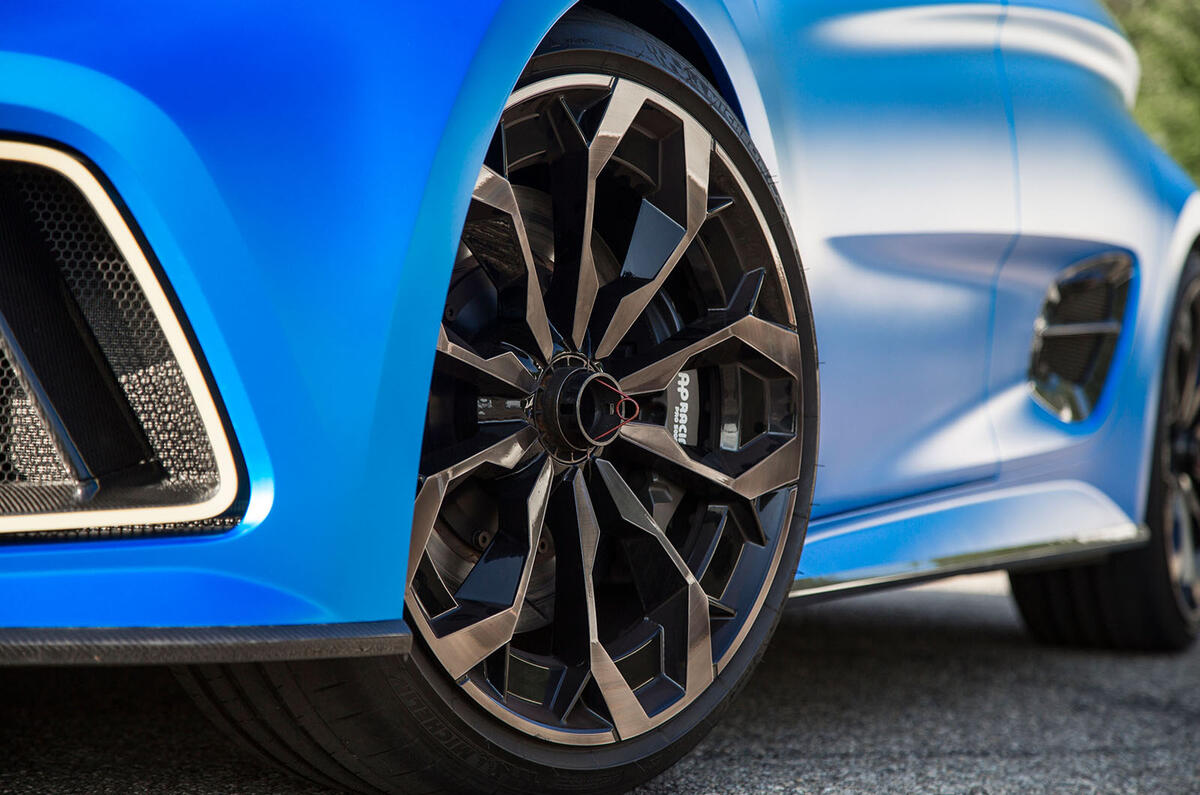
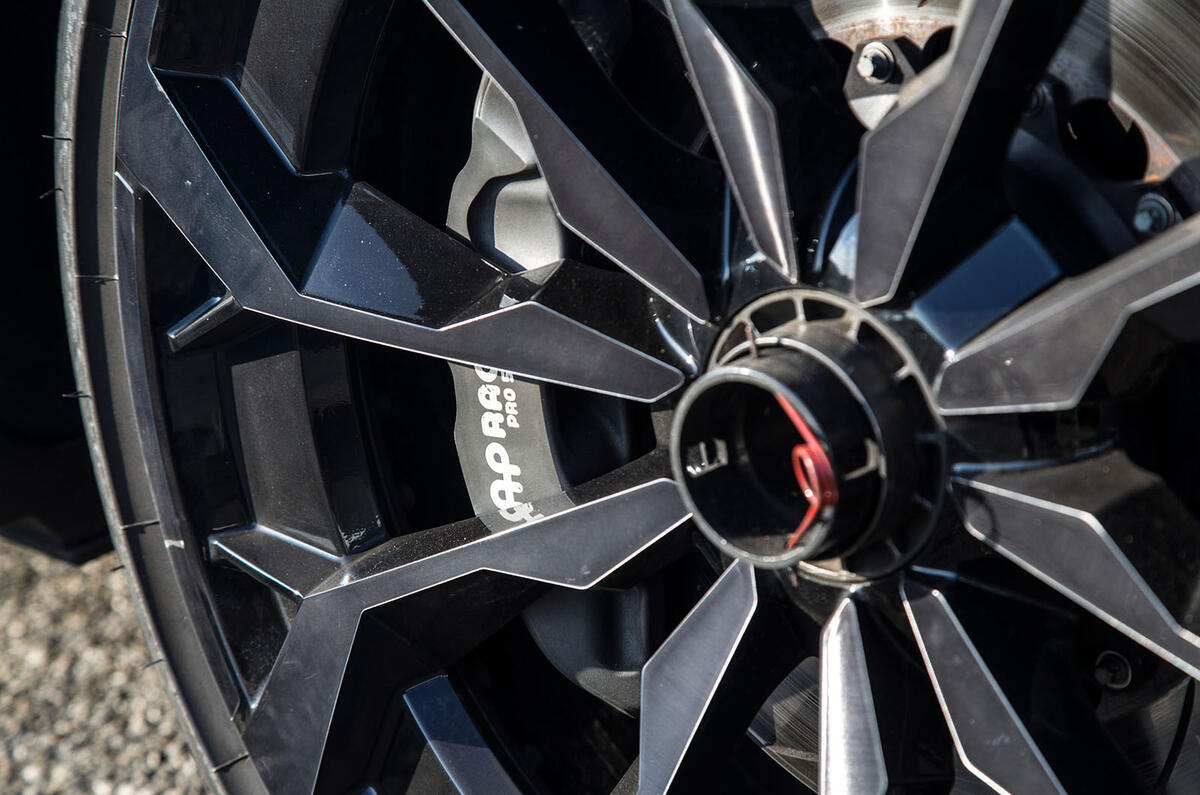
The engineers provide a thorough briefing before allowing me onto the track. The car’s AP Racing brakes, they explain, are proper racing items and therefore unassisted, the electric power steering has a habit of cutting out without notice mid-corner and the chassis set-up is still a work in progress. Oh, and the batteries I’m sitting on might spontaneously combust if I forget to do a cool-down lap before returning to the pits.